1
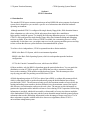
3.3 Forming the Operand
CP/M Operating System Manual
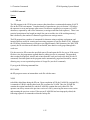
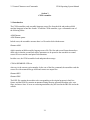
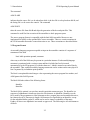
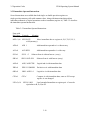
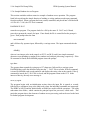
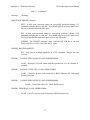
3.3.4 String Constants
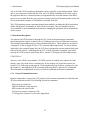
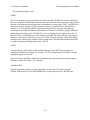
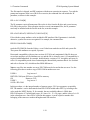
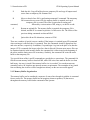
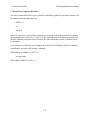
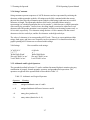
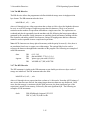
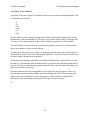
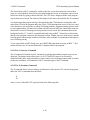
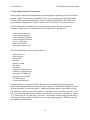
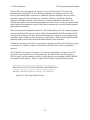
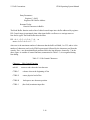
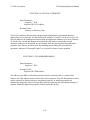
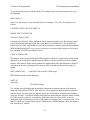
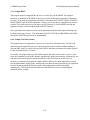
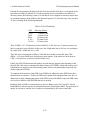
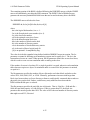
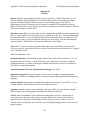
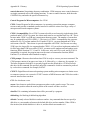
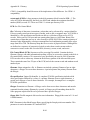
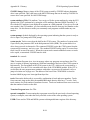
String constants represent sequences of ASCII characters and are represented by enclosing the
characters within apostrophe symbols. All strings must be fully contained within the current
physical line (thus allowing exclamation point symbols within strings) and must not exceed 64
characters in length. The apostrophe character itself can be included within a string by
representing it as a double apostrophe (the two keystrokes"), which becomes a single apostrophe
when read by the assembler. In most cases, the string length is restricted to either one or two
characters (the DB pseudo operation is an exception), in which case the string becomes an 8- or
16-bit value, respectively. Two-character strings become a 16-bit constant, with the second
character as the low-order byte, and the first character as the high-order byte.
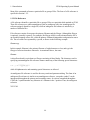
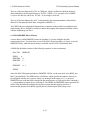
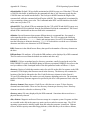
The value of a character is its corresponding ASCII code. There is no case translation within
strings; both upper- and lower-case characters can be represented. You should note that only
graphic printing ASCII characters are allowed within strings.
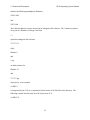
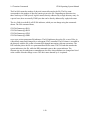
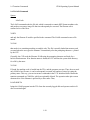
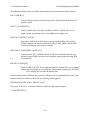
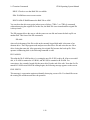
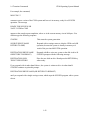
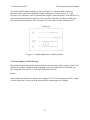
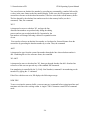
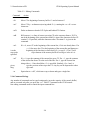
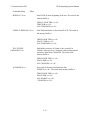
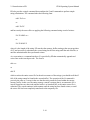
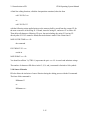
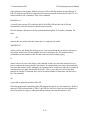
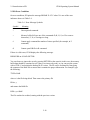
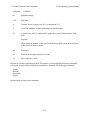
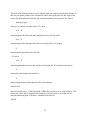
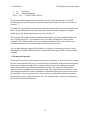
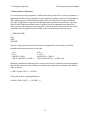
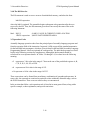
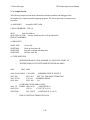
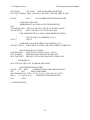
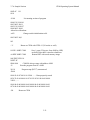
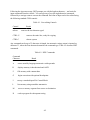
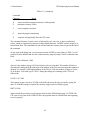
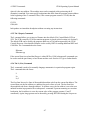
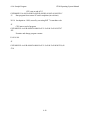
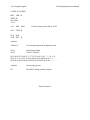
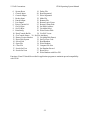
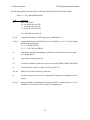
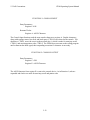
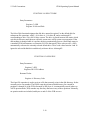
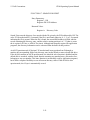
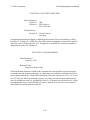
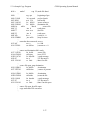
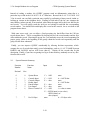
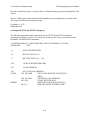
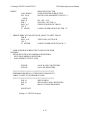
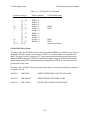
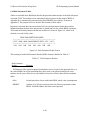
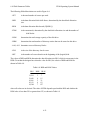
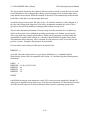
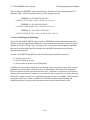
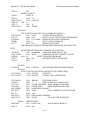
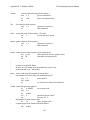
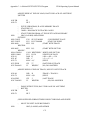
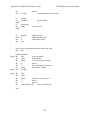
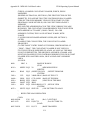
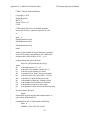
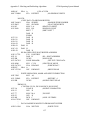
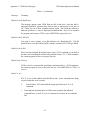
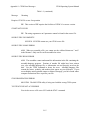
Valid strings:
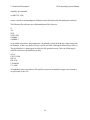
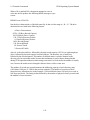
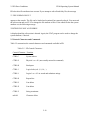
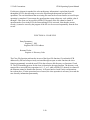
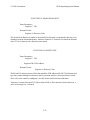
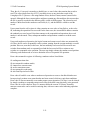
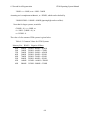
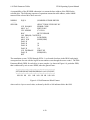
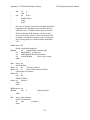
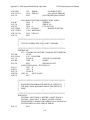
How assembler reads strings:
'A' 'AB' 'ab' 'c'
'' 'a''' '''' ''''
'Walla Walla Wash.'
'She said "Hello" to me.'
'I said "Hello" to her.'
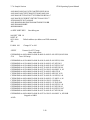
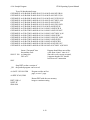
A AB ab c
a'''
Walla Walla Wash
She said "Hello" to me.
I said "Hello" to her.
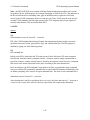
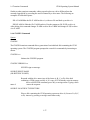
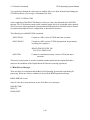
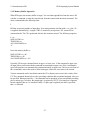
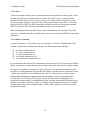
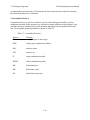
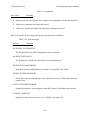
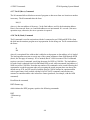
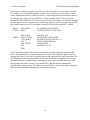
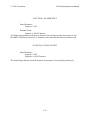
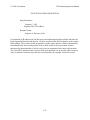
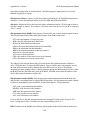
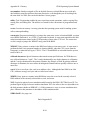
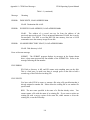
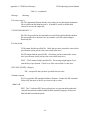
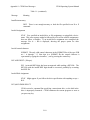
3.3.5 Arithmetic and Logical Operators
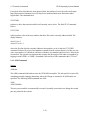
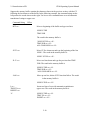
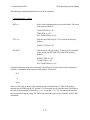
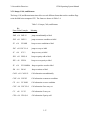
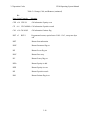
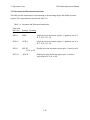
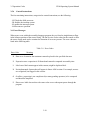
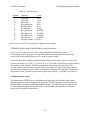
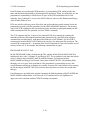
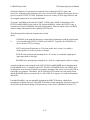
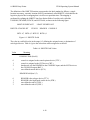
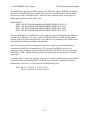
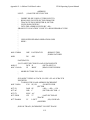
The operands described in Section 3.3 can be combined in normal algebraic notation using any
combination of properly formed operands, operators, and parenthesized expressions. The
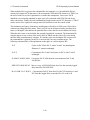
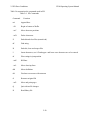
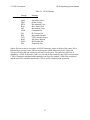
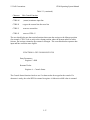
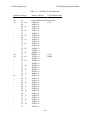
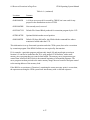
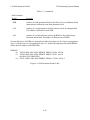
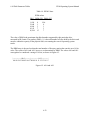
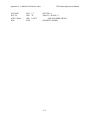
operators recognized in the operand field are described in Table 3-2.
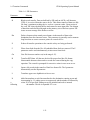
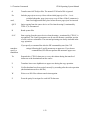
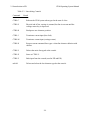
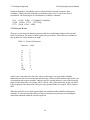
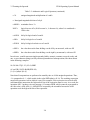
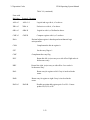
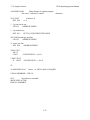
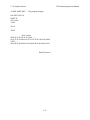
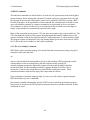
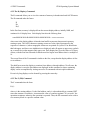
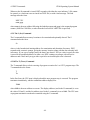
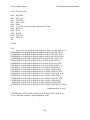
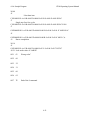
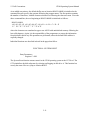
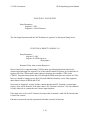
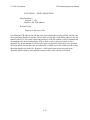
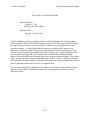
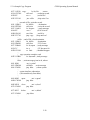
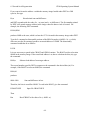
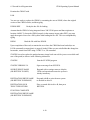
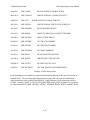
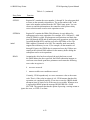
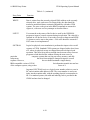
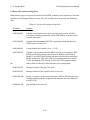
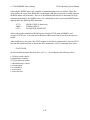
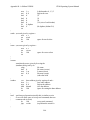
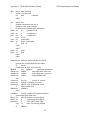
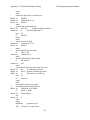
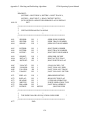
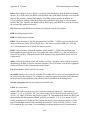
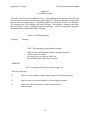
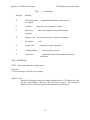
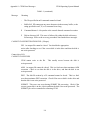
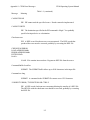
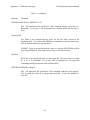
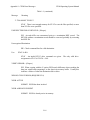
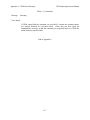
Table 3-2. Arithmetic and Logical Operators
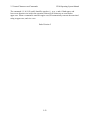
Operators
Meaning
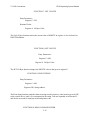
a+b
unsigned arithmetic sum of a and b
a-b
unsigned arithmetic difference between a and b
+b
unary plus (produces b)
-b
unary minus (identical to 0 - b)
3-7