1
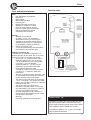
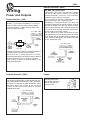
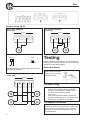
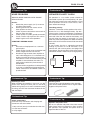
CA10 CA10 include RCA input Continuos variable low pass crossover Bass boost feature with remote control Remote turn on / off Phase control continuously variable 0-180 degrees Electronic protection circuitry against short-circuit, DC offset and thermal overload. Installation Before you begin installation Before you begin you need to read the manual, to have some tools, cables and other material available. There is one such list of material on the following page. Amplifier location Important Allow air circulation around the amplifier. The DLS Classic series of amplifiers have a compact design that allows great flexibility in mounting. You can mount it under a seat or in the trunk. When you select a location, do remember that the amplifier generates a lot of heat. Choose a location where air can circulate freely around the amplifier. Do not cover the amplifier with carpets or hide behind trim panels. Do not mount the amplifier in an inverted or upside down position. Check all locations and placements carefully before making any cuts, drilling any holes or making any connections. Disconnect Battery Before starting the installation, always disconnect the negative terminal of the battery. 2 Troubleshooting If problems occour during the installation, or later, this guide might help you to find out whats´s wrong. THE AMPLIFIER IS DEAD: 1. Check power lead, ground and remote connections at the amplifier using a multi meter. 2. Check the battery terminal connections. 3. Check the power lead fuse or circuit breaker. If fuse damage continues, inspect the power lead for short circuits. 4. Check the amplifier protection fuses. Are these broken change to new ones with the same value. If short circuiting continues, contact your local DLS dealer. A fault may exist in the amplifier. 5. To start the amplifier requires a remote voltage of 9-15 volt. Check the voltage with a multi meter. AMPLIFIER PROTECTION FUSE BLOWS AT LOW VOLUME : 1. One or more speaker cables are shorted. Make an insulation test with a multi meter. The cables must not have a connection to earth. THE AMPLIFIER TURNS OFF AFTER 10 - 30 MINUTES. The amplifier is overheating due to inadequate ventilation. Check mounting position is free from obstruction. Do this: 1. Move the amplifier to a place with better ventilation. 2. Install one or two fans to cool down the heatsink. 3. Overheating can also be caused by an impedance load below the level permitted. NO OUTPUT FROM THE SPEAKERS: Check the following: 1. Fader control position. 3. Speaker cable connections to both amplifier and subwoofers. 4. Signal lead plugs and cables.