1
69
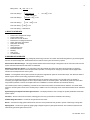
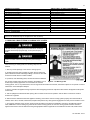
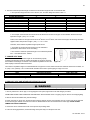
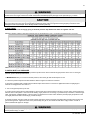
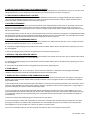
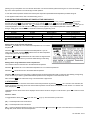
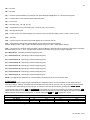
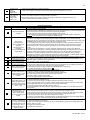
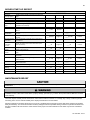
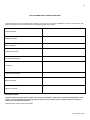
INSPECTION ACTIVITIES
PIPING
Near heater piping
Vent
Gas
SYSTEM
Visual
Functional
Temperatures
Temperatures
ELECTRICAL
Connections
Smoke and CO detector
Circuit Breakers
Switch and Plug
CHAMBER/BURNER
Combustion Chamber
Spark Electrode
Flame Probe
CONDENSATE
Neutralizer
Condensate hose
GAS
Pressure
Pressure Drop
Check gas pipe for
leaks
COMBUSTION
CO/CO2 Levels
SAFETIES
ECO (Energy Cut Out)
Flow Switch
Thermistors
FINAL INSPECTION
Check list
Homeowner
DATE LAST COMPLETED
1st YEAR
2nd YEAR
3rd YEAR
4th YEAR*
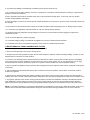
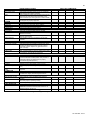
Check heater and system piping for any sign of leakage;
make sure they are properly supported.
Check condition of all vent pipes and joints. Check for any
obstructions at intake and exhaust termination points.
Check clearances (see Venting Section for further details).
Check Gas piping, test for leaks and signs of aging. Make
sure all pipes are properly supported.
Do a full visual inspection of all system components.
Test all functions of the system (Heat, Safeties)
Verify safe settings on heater or Anti-Scald Valve
Verify programmed temperature settings
Check wire connections. Make sure they are tight.
Verify devices are installed and working properly. Change
batteries if necessary.
Check to see that the circuit breaker is clearly labeled.
Exercise circuit breaker.
Verify ON/OFF switch and convenience plug are both
functional
Check burner tube and combustion chamber coils. Clean
according to maintenance section of manual. Vacuum
combustion chamber. Replace any gaskets that show
signs of damage.
Clean. Set gap at ¼”.
Clean. Check ionization in uA (d7 on status menu in Startup Procedures). Record high fire and low fire.
Check condensate neutralizer. Replace if necessary.
Disconnect condensate hose. Clean out dirt. Fill with water
to level of outlet and re-install. (NOTE: Verify the flow of
condensate, making sure that the hose is properly
connected during final inspection.)
Measure incoming gas pressure (3.5” to 14” W.C.)
Measure drop in pressure on light off (no more than 1”
W.C.)
Check piping for leaks. Verify that all are properly
supported.
Check CO and CO2 levels in Exhaust (See Start-up
Procedures for ranges). Record at high and low fire.
Check continuity on Flue and Water ECO. Replace if
corroded.
Activate heating call and monitor system to ensure flow
switch and pump are operating correctly.
Check wiring. Verify through ohms reading.
Verify that you have completed entire check list.
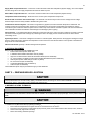
WARNING: FAILURE TO DO SO COULD RESULT IN
SERIOUS INJURY OR DEATH.
Review what you have done with the homeowner.
th
Table 22 - *Continue annual maintenance beyond the 4 year as required.
LP- 276 REV. 9.4.14