1
13
English
The listening
g room
Every room has its own distinctive acoustics, which influence the way we
experience the sound from a speaker. In actual fact, it's a matter of how
the room accommodates the sound and then dampens it. You can influence the acoustics of your listening room in various ways.
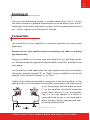
Some of the sound you hear comes not from the actual speakers but from
reflections from floor, ceiling and walls. These reflections are dampened
by objects such as furniture, plants and carpets. If the sound is bright, soft
items such as curtains and carpets can help. If the room has large window
panes, drawing the curtains will prevent reflections from the glass surfaces.
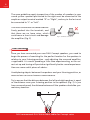
Both the amount and quality of the deep bass depend on the size and
shape of the room, and the position of the speakers. If positioned near
a side or back wall, this will accentuate the bass. A corner location will
accentuate it even more, but will also increase the reflections. The decision
is yours, so experiment with different positions to find which provides the
ideal sound for you.
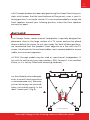
As a basic rule, try to avoid large, hard and reflective areas in the immediate vicinity of your loudspeakers. In the same way that a mirror reflects
light, they will reflect sound from the speakers in almost full strength but
with a slight delay due to the relatively low speed of sound. This will disturb the precision and spacial effect of sound reproduction. Try hanging a
soft textile surface behind the speaker, place a rug in front of it, or place
a large plant to the side and experience the surprisingly large effect doing
so will have on the quality and precision of the sound.
Once you are happy with the positioning of your speakers, it is important
to ensure that they are completely stable. For floor models it is essential
that you use the accompanying spikes.
You can influence the acoustics of your listening room in many ways.