1
6 - Combustion Air And Vent Piping
6.1 General
•Any improper operation of common venting system
should be corrected so installation conforms with National
Fuel Code, ANSI Z223.1/NFPA 54 and/or Natural Gas
and Propane Installation Code, CAN/CSA B149.1.
When re-sizing any portion of common venting system,
common venting system should be re-sized to approach
minimum size as determined using appropriate tables in
Chapter 13 of the National Fuel Gas Code, ANSI Z223.1/
NFPA 54 and/or Natural Gas and Propane Installation
Code, CAN/CSA B149.1.
This boiler requires a dedicated direct vent system.
Install combustion air and vent piping in accordance
with these instructions, authority having jurisdiction,
and:
•USA - National Fuel Gas Code, ANSI 223.1/NFPA 54.
•Canada - Natural Gas and Propane Installation Code,
CAN/CSA B149.1
Vent connections serving appliances vented by natural draft
shall not be connected into any portion of mechanical draft
systems operating under positive pressure.
Install vent system in accordance with these instructions.
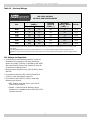
6.3 Venting Materials
•See Table 4
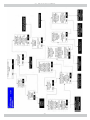
6.2 Removal of Existing Boiler From Common
Vent System
When existing boiler is removed from common venting
system, common venting system is likely to be too large for
proper venting of appliances remaining connected to it.
After removal of existing boiler, following steps shall
be followed with each appliance remaining connected to
common venting system placed in operation, while other
appliances remaining connected to common venting system
are not in operation:
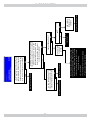
•Seal any unused openings in common venting system.
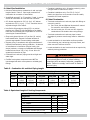
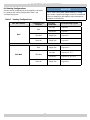
Table 4 - Combustion air and vent pipe fittings
must conform with the following:
Item
Material
Standards
PVC schedule 40
•When practical, close all building doors, windows, and
all doors between space in which appliances remaining
connected to common venting system are located
and other spaces of building. Turn on clothes dryer
and any appliance not connected to common venting
system. Turn on exhaust fans, such as range hoods and
bathroom exhaust so they will operate at maximum
speed. Do not operate summer exhaust fan. Close
fireplace dampers.
PVC - DWV
ANSI/ASTM D2665
CPVC schedule 40
ANSI/ASTM D1784/
F441
Vent Pipe SDR-21 & SDR-26 PVC
and Fittings
ABS-DWV
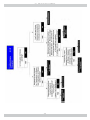
•Visually inspect venting system for proper size and
horizontal pitch. Determine there is no blockage or
restrictions, leakage, corrosion and other deficiencies
which could cause an unsafe condition.
Pipe
Cement/
Primer
ANSI/ASTM D1785
ANSI/ASTM D2241
ANSI/ASTM D2661
Schedule 40ABS
ANSI/ASTM F628
PP (Polypropylene)
Pipe and Components
UL 1738
ULC S636-08
PVC
ANSI/ASTM D2564
CPVC
ANSI/ASTM F493
Schedule 40 ABS
ANSI/ASTM D2235
•IPEX is approved vent manufacturer in Canada listed
to ULC-S636.
•IPEX System 636 Cements and Primers are approved
in Canada listed to ULC-S636.
• Turn on appliance being inspected. Follow lighting
instructions. Adjust thermostat so appliances will operate
continuously.
Use of cellular core PVC (ASTM F891), cellular core CPVC, or Radel® ,
(Polyphenolsulfone) in venting systems shall be prohibited.
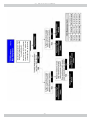
• Test for spillage at draft hood relief opening after 5
minutes of main burner operation. Use flame of match or
candle, smoke from cigarette, cigar or pipe.
! WARNING
Use of cellular core PVC for venting flue gas could
result in death, or serious injury.
•Determine each appliance remaining connected to
common venting system properly vents when tested
as outlined above. Then return doors, windows,
exhaust fans and any other gas-burning appliance to
their previous condition of use.
! WARNING
Covering non-metallic vent pipe and fittings with
thermal insulation shall be prohibited.
21