1
Computer Architecture and Maintenance (G-Scheme-2014)
2
Address Bus
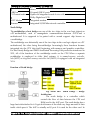
It is a group of wires or lines that are used to transfer the addresses of Memory
or I/O devices. It is unidirectional. In Intel 8085 microprocessor, Address bus was of 16
bits. This means that Microprocessor 8085 can transfer maximum 16 bit address which
means it can address 65,536 different memory locations. This bus is multiplexed with 8
bit data bus. So the most significant bits (MSB) of address goes through Address bus
(A7-A0) and LSB goes through multiplexed data bus (AD0-AD7).
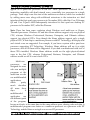
Each wire in an address bus carries a single bit of information. This single bit is a
single digit in the address. The more wires (digits) used in calculating these addresses,
the greater the total number of address locations. The size (or width) of the address bus
indicates the maximum amount of RAM a chip can address. The bus contains multiple
wires (signal lines) that contain addressing information that describes the memory
location of where the data is being sent or where it is being retrieved. Each wire in the
bus carries a single bit of information, which means the more wires a bus has the more
information it can address. For example, a computer with a 32-bit address bus can
address 4GB of memory, and a computer with a 36-bit bus can address 64GB of
memory.
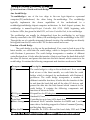
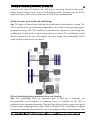
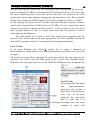
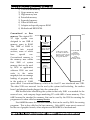
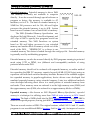
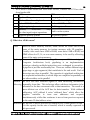
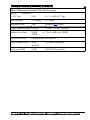
64-bit AMD/Intel
Address Bus
40-bit
Bytes
1,099,511,627,776
KiB
1,073,741,824
MiB
1,048,576
GiB
1024
TiB
1
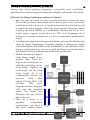
The data bus and address bus are independent, and chip designers can use whatever
size they want for each. Usually, however, chips with larger data buses have larger
address buses. The sizes of the buses can provide important information about a chip’s
relative power, measured in two important ways. The size of the data bus indicates the
chip’s information-moving capability, and the size of the address bus tells you how
much memory the chip can handle.
Data Bus:
As name tells that it is used to transfer data within Microprocessor and
Memory/Input or Output devices. It is bidirectional as Microprocessor requires to send
Prepared By – Prof. Manoj.kavedia (9860174297 – 9324258878 ) (www.kavediasir.yolasite.com)