Download Multitech MVP 800 Specifications
Transcript
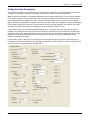
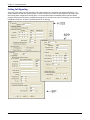
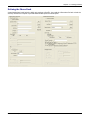
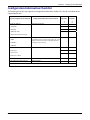
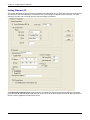
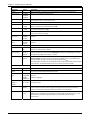
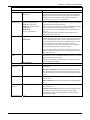
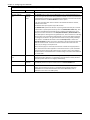
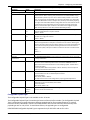
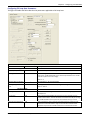
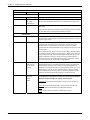
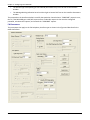
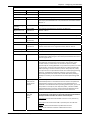
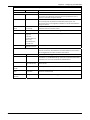
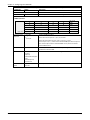
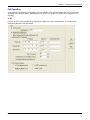
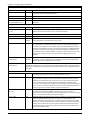
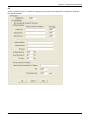
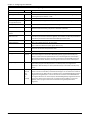
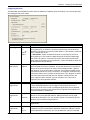
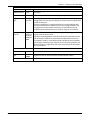
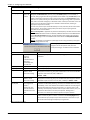
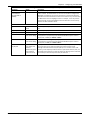
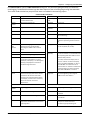
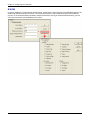
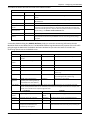
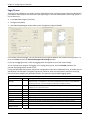
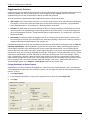
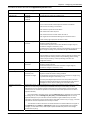
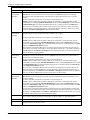
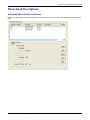
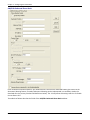
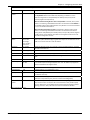
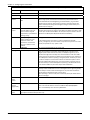
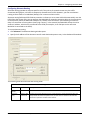
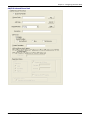
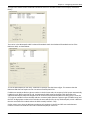
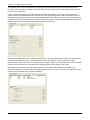
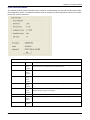
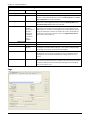
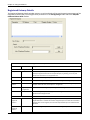
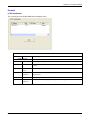
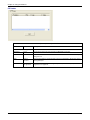
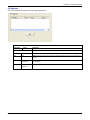
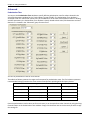
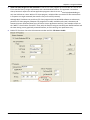
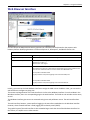
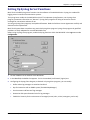
Chapter 4 – Configuring Your MultiVOIP The table that follows describes the Supplementary Services fields. Supplementary Services Parameter Definitions Field Name Values Description Select Channel 1‐2 (210); 1‐4 (410); 1‐8 (810) The channel to be configured is selected here. Call Transfer Enable Y/N Select to enable the Call Transfer function in the VOIP unit. This is a “blind” transfer and the sequence of events is as follows: Callers A and B are having a conversation. Caller A wants to put B into contact with C. Caller A dials call transfer sequence. Caller A hears dial tone and dials number for caller C. Caller A gets disconnected while Caller B gets connected to caller C. A brief musical jingle is played for the caller on hold. Transfer Sequence Any phone keypad character The numbers and/or symbols that the caller must press on the phone keypad to initiate a call transfer. The call‐transfer sequence can be 1 to 4 characters in length using any combination of digits or characters (* or #). The sequences for call transfer, call hold, and call waiting can be from 1 to 4 digits in length consisting of any combination of digits 1234567890*#. Call Hold Enable Y/N Select to enable Call Hold function in VOIP unit. Call Hold allows one party to maintain an idle (non‐talking) connection with another party while receiving another call (Call Waiting), while initiating another call (Call Transfer), or while performing some other call management function. Hold Sequence phone keypad characters The numbers and/or symbols that the caller must press on the phone keypad to initiate a call hold. The call‐hold sequence can be 1 to 4 characters in length using any combination of digits or characters (* or #). Call Waiting Enable Y/N Select to enable Call Waiting function in VOIP unit. Retrieve Sequence Phone keypad characters, two characters in length The numbers and/or symbols that the caller must press on the phone keypad to initiate retrieval of a waiting call.34‐29 The call‐waiting retrieval sequence can be 1 to 4 characters in length using any combination of digits or characters (* or #). This is the phone keypad sequence that a user must press to retrieve a waiting call. Customize‐able. Sequence should be distinct from sequence that might be used to retrieve a waiting call via the PBX or PSTN. Call Name Identification Enable Enables CNI function. Call Name Identification is not the same as Caller ID. When enabled on a given VOIP unit currently being controlled by the MultiVOIP interface (the ‘home VOIP’), Call Name Identification sends an identifier and status information to the administrator of the remote VOIP involved in the call. The feature operates on a channel‐by‐channel basis (each channel can have a separate identifier). If the home VOIP is originating the call, only the Calling Party field is applicable. If the home VOIP is receiving the call, then the Alerting Party, Busy Party, and Connected Party fields are the only applicable fields (and any or all of these could be enabled for a given VOIP channel). The status information confirms back to the originator that the home VOIP, is either busy, or ringing, or that the intended call has been completed and is currently connected. The identifier and status information are made available to the remote VOIP unit and appear in the Caller ID field of its Statistics – Call Progress window. (This is how MultiVOIP units handle CNI messages; in other VOIP brands, H.450 may be implemented differently and then the message presentation may vary.) Table is continued on next page… MultiVOIP® Voice/Fax over IP Gateways 79