1
SOFTWARE ENGINEERING
•
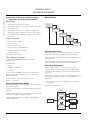
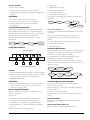
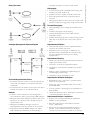
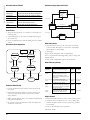
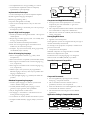
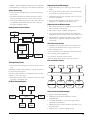
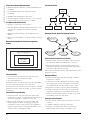
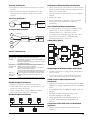
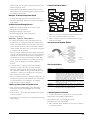
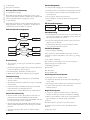
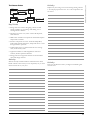
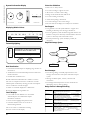
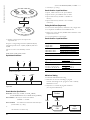
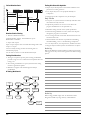
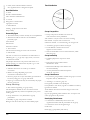
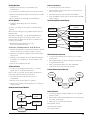
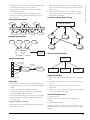
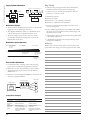
Data-flow perspective : information flow
Software must be usable by the users for which it was designed
•
Role/action perspective : who does what
What are the Key Challenges Facing Software
Engineering?
Coping with legacy systems, coping with increasing diversity and
coping with demands for reduced delivery times
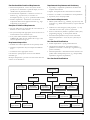
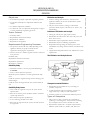
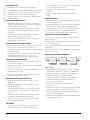
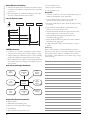
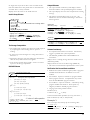
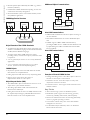
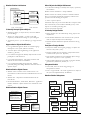
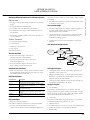
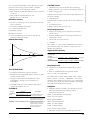
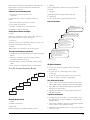
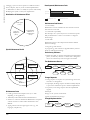
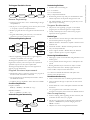
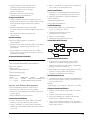
Generic Process Models
•
Waterfall
•
Evolutionary development
•
Formal transformation
•
Integration from reusable components
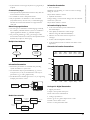
What are The Costs of Software Engineering?
Roughly 60% of costs are development costs, 40% are testing
costs. For custom software, evolution costs often exceed
development costs
Costs vary depending on the type of system being developed
and the requirements of system attributes such as performance
and system reliability
Distribution of costs depends on the development model that
is used
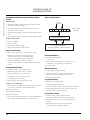
What are Software Engineering Methods?
Structured approaches to software development which include
system models, notations, rules, design advice and process
guidance
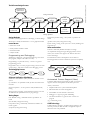
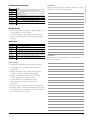
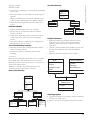
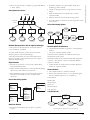
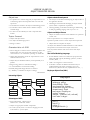
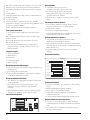
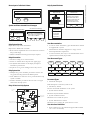
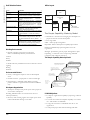
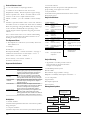
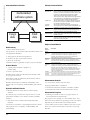
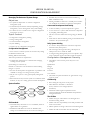
Model Descriptions
Legacy Systems
Old, valuable systems must be maintained and updated
Heterogeneity
Systems are distributed and include a mix of hardware and
software
Delivery
There is increasing pressure for faster delivery of software
Professional and Ethical Responsibility
Software engineering involves wider responsibilities than simply
the application of technical skills
Software engineers must behave in an honest and ethically
responsible way if they are to be respected as professionals
Ethical behaviour is more than simply upholding the law.
Issues of Professional Responsibility
Confidentiality
Rules
Engineers should normally respect the confidentiality of their
employers or clients irrespective of whether or not a formal
confidentiality agreement has been signed.
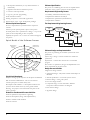
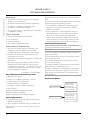
Constraints applied to system models
Competence
Recommendations
Engineers should not misrepresent their level of competence.
They should not knowingly accept work, which is out with,
their competence.
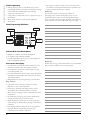
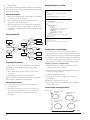
Descriptions of graphical models, which should be produced
Advice on good design practice
Process Guidance
What activities to follow
What is Case (Computer-aided Software
Engineering)?
Software systems which are intended to provide automated
support for software process activities. CASE systems are often
used for method support
Intellectual Property Rights
Engineers should be aware of local laws governing the use of
intellectual property such as patents, copyright, etc. They should
be careful to ensure that the intellectual property of employers
and clients is protected.
Computer Misuse
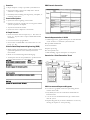
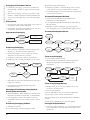
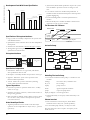
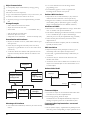
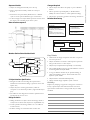
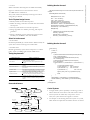
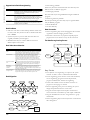
Tools to support the early process activities of requirements and
design
Software engineers should not use their technical skills to
misuse other people’s computers. Computer misuse ranges
from relatively trivial (game playing on an employer’s machine,
say) to extremely serious (dissemination of viruses).
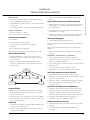
Lower-CASE
ACM/IEEE Code of Ethics
Upper-CASE
Tools to support later activities such as programming, debugging and testing
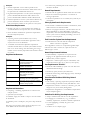
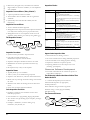
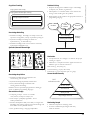
What are The Attributes of Good Software?
The software should deliver the required functionality and
performance to the user and should be maintainable, dependable and usable
Maintainability
Software must evolve to meet changing needs
Dependability
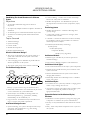
The professional societies in the US have cooperated to produce
a code of ethical practice.
Members of these organisations sign up to the code of practice
when they join.
The Code contains eight Principles related to the behaviour of
and decisions made by professional software engineers,
including practitioners, educators, managers, supervisors and
policy makers, as well as trainees and students of the profession.
Software must be trustworthy
Code of Ethics : Preamble
Efficiency
Preamble
• The short version of the code summarizes aspirations at a
high level of the abstraction; the clauses that are included in
Software should not make wasteful use of system resources
Usability
2