1
February 2006
JTLS Document 17
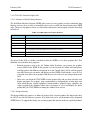
this time precisely, so the estimated time to sink is the result of a different random draw using the
SUP AVERAGE TIME TO SINK as the mean.
If one or more of hull breaches are repaired while the ship is in the INCAPABLE posture, the ship is
no longer be INCAPABLE and the future event scheduled to remove it from the game is deleted. It
assumes a DEFEND posture if the ship is not in a formation. If the ship is in a formation, it assumes a
FORMATION posture. The hull repair could result from the automatic repair process that the model
executes based on the ship’s class, or from Controller orders, such as Change Unit or Set Unit
Parameters.
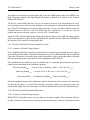
Sinking ships may require reevaluation of Naval Formation operations by Players. Naval Formations
move at the speed of their slowest ship. Since a sinking ship stops its own movement and becomes
Dead In the Water (DIW), any formation to which the ship belongs also stops movement.
When a formation has stopped because one of its ships is sinking, the Player must make tactical
decisions about continuing formation operations. The Player can choose to either take no further
action, or detach the sinking ship from the formation. If the Player opts to take no action, the
formation retains its zero maximum speed capability until the ship actually sinks or is repaired. As
soon as either of these events occurs, the formation automatically resume movement, with a
recalculated maximum attainable speed capability.
Alternatively, the Player can use the Split Formation order to detach the sinking ship, and possibly
one or more "rescue" ships, from the existing formation. Once the detachment of the sinking ship
formation is complete, the original formation automatically resumes movement, with a speed
capability based, as always, on the maximum speed of the slowest of the remaining ships.
If a sinking ship is detached from a formation as a new formation, the Player can opt to either retain
the new formation (awaiting ship repair), or use the Cancel Formation order to dissolve it as a Naval
Formation entity, thereby allowing any ships in it to operate independently.
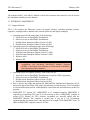
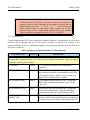
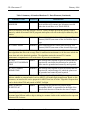
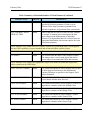
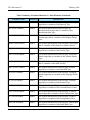
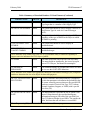
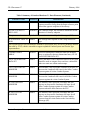
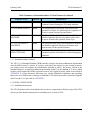
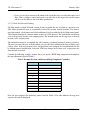
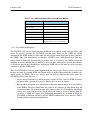
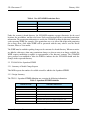
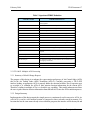
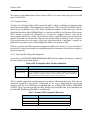
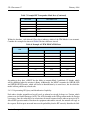
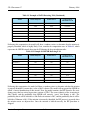
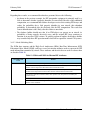
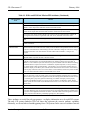
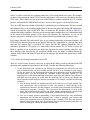
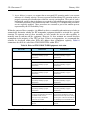
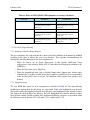
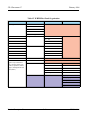
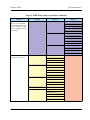
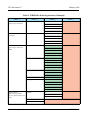
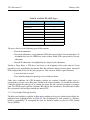
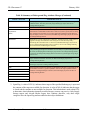
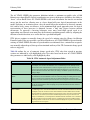
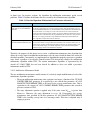
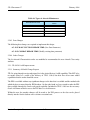
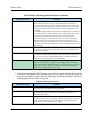
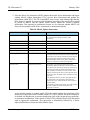
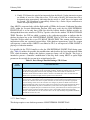
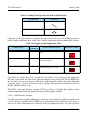
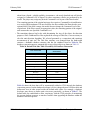
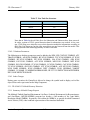
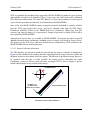
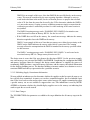
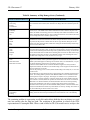
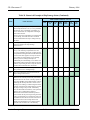
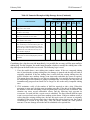
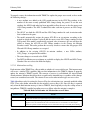
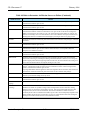
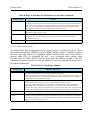
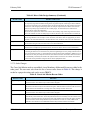
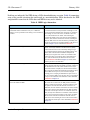
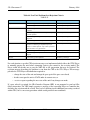
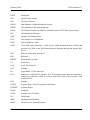
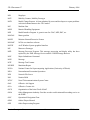
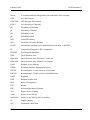
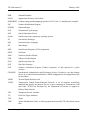
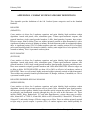
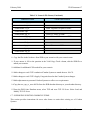
The remainder of the ship damage design is summarized in Table 38.
Table 38. Summary of Ship Damage States
DAMAGE CHARACTERISTICS
Riding Low
0: Not Riding Low
1: Down by the Bow
2: Down by the Stern
3: Uniformly Low
JTLS 3.1.0.0
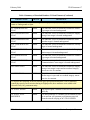
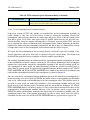
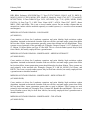
EXPLANATION OF STATE CHANGES
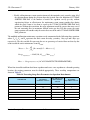
Each instance a ship experiences a new hull hit, JTLS currently determines whether a
watertight compartment has been damaged. This depends on the number of watertight
compartments designated for the ship and the number of hull hits required to sink the ship.
Each instance a watertight compartment is determined to be destroyed, the model determines
how it should represent the ship as riding low in the water. If the number of remaining
compartments is even, the model indicates that the ship is riding Uniformly Low. If the
number of remaining compartments is odd, the model draws a random variate to determine
whether the ship is riding low Down by the Bow or Down by the Stern.
Finally, a ship riding low in the water does not solely indicate damage. This state, excluding
any damage, is also an indication of a “full load”. If a ship carries embarked assets and is
loaded to maximum capacity, the model set the Riding Low flag to a value of Uniformly Low.
2-81
Version Description Document