1
14
Sequential function chart (SFC) is usually considered more as an upper level technique
to describe the sequential behavior of a control software. In the IEC 61131-3 standard
SFC was designed for breaking down complex systems into smaller elements while
giving a user an overall picture of the system. These elements can be programmed in any
of the IEC languages, including SFC, but in lower level SFC is generally used only to
solve quite simple problems. SFC originates from Petri Nets and the IEC 848 Grafcet
languages.
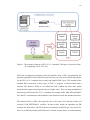
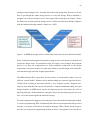
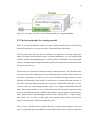
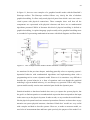
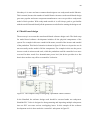
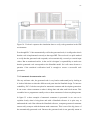
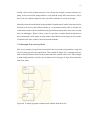
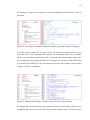
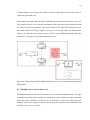
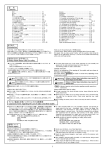
The basic structure of SFC consists transitions, action blocks and steps. When the
transition is true, then the next step is activated with related action blocks. Overall SFC
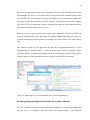
is quite straightforward, where each step represents a specific part of the process as shown
in figure 4. It is especially suitable for processes with clear step by step behaviour, for
example a batch process.
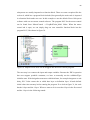
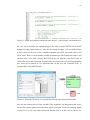
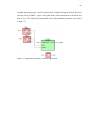
Figure 4 Sequential Function Chart.
One of the biggest reasons that makes this standard so popular is that POUs can be
programmed in any of the standard’s languages. For example a function can be
programmed in different language than the function block that calls it. In most cases
function blocks can be even coded in C language (ABB, 2007). (John & Tiegelkamp,
2010)