1
56
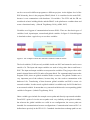
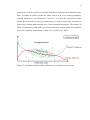
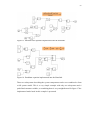
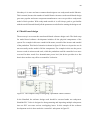
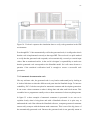
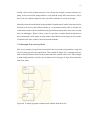
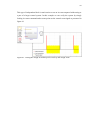
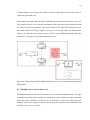
Even though Model Advisor is a very powerful tool, one of the fastest way to identify
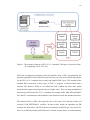
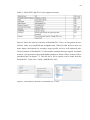
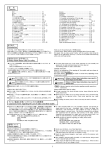
problem points is by looking at the calculation times with Simulink Profiler Report. In
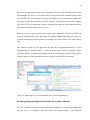
figure 39 an example report created with Simulink Profiler is presented. Just by looking
at the calculation time and calls count it is easy to roughly locate the most calculation
intensive structures.
Figure 39. Simulink Profiler Report is a fast tool to analyze calculation times.
7.4 System software development
So far this thesis has covered basics of creating a design based on a model. In chapter 6 a
simple example of how to create a model based PID controller software with Simulink
was presented. This chapter continues in the subject and discusses more deeply about
creating the other application software components besides the actual physical device
control.
7.4.1 Accessory blocks
As important as it is to handle the entity, in practice the design work is usually executed
in smaller parts. It means that we have to design a lot of universal components that does
not correspond to any specific system model. For example in hardware setups there are