1
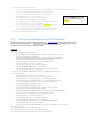
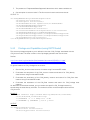
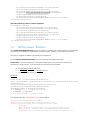
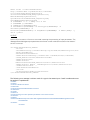
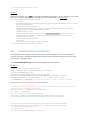
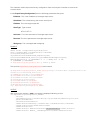
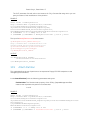
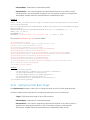
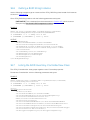
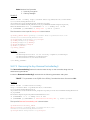
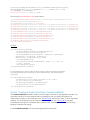
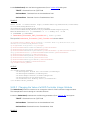
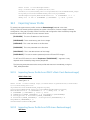
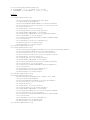
</n1:DeleteVirtualDisk_OUTPUT>
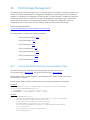
16.19
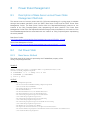
Setting Controller Attributes
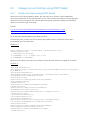
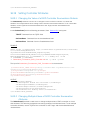
16.19.1 Changing the Value of a RAID Controller Enumeration Attribute
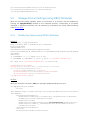
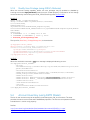
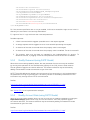
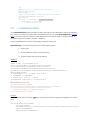
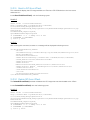
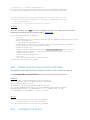
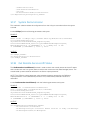
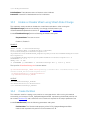
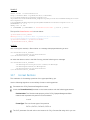
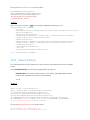
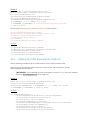
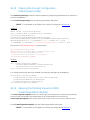
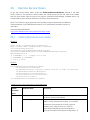
The SetAttribute() method is used to set or change the value of a RAID controller or a virtual disk
attribute. The example below shows setting a RAID controller enumeration attribute. To set a virtual disk
attribute, use the FQDD of the virtual disk attribute for the Target, and the AttributeName and
AttributeValue.
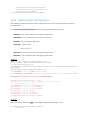
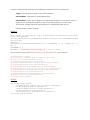
Invoke SetAttribute() with the following parameters (from Section 16.1) and syntax:
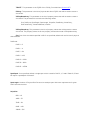
TARGET: Obtained from the FQDD field
AttributeName: Obtained from the AttributeName field
AttributeValue: Obtained from the PossibleValues field
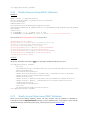
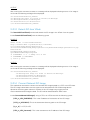
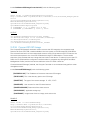
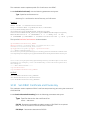
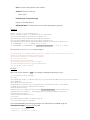
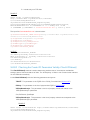
EXAMPLE:
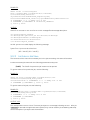
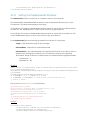
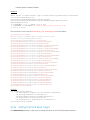
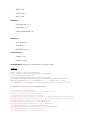
wsman invoke -a SetAttribute http://schemas.dmtf.org/wbem/wscim/1/cimschema/
2/root/dcim/DCIM_RAIDService
?SystemCreationClassName=DCIM_ComputerSystem,
CreationClassName=DCIM_RAIDService,SystemName=DCIM:ComputerSystem,
Name=DCIM:RAIDService -h $IPADDRESS -V -v -c dummy.cert -P 443
-u $USERNAME -p $PASSWORD
-J SetAttribute_Enumeration_RAID_Controller.xml xml -j utf-8 -y basic
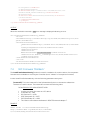
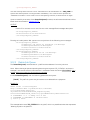
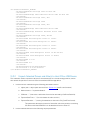
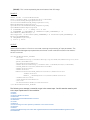
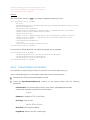
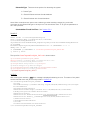
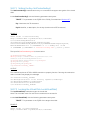
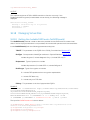
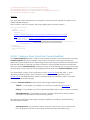
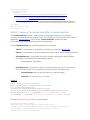
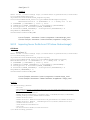
The input file SetAttribute_Enumeration_RAID_Controller.xml is shown below:
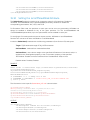
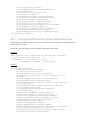
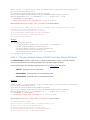
<p:SetAttribute_INPUT xmlns:p="http://schemas.dmtf.org/wbem/wscim/1/cimschema/2/root/dcim/DCIM_RAIDService">
<p:Target>RAID.Integrated.1-1</p:Target>
<p:AttributeName>RAIDBatteryLearnMode</p:AttributeName>
<p:AttributeValue>Disabled</p:AttributeValue>
</p:SetAttribute_INPUT>
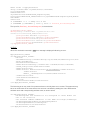
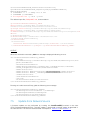
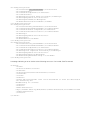
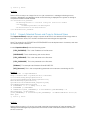
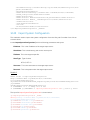
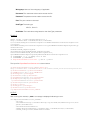
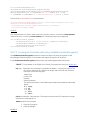
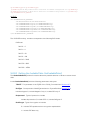
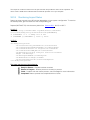
OUTPUT:
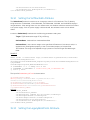
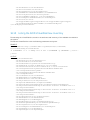
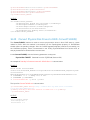
<n1:SetAttribute_OUTPUT>
<n1:Message>The method was successful.</n1:Message>
<n1:MessageID>STOR001</n1:MessageID>
<n1:RebootRequired>Yes</n1:RebootRequired>
<n1:ReturnValue>0</n1:ReturnValue>
<n1:SetResult>Set Pending Value</n1:SetResult>
</n1:SetAttribute_OUTPUT>
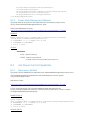
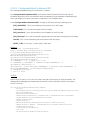
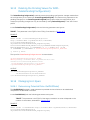
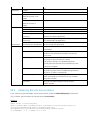
16.19.2 Changing Multiple Values of RAID Controller Enumeration
Attributes
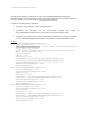
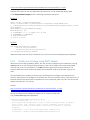
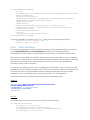
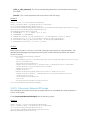
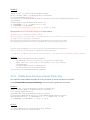
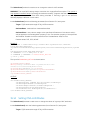
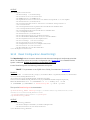
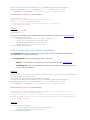
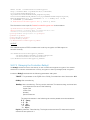
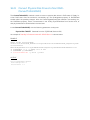
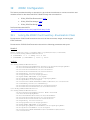
The SetAttributes() method is used to set or change multiple values of RAID controller or virtual
disk attributes. The following example shows setting multiple virtual disk attributes. To set multiple
controller attributes, use the FQDD of the controller for the Target, and the AttributeName and
AttributeValue.