1
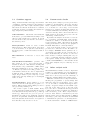
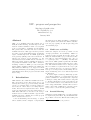
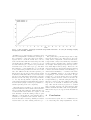
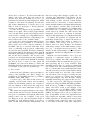
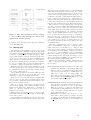
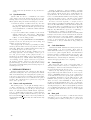
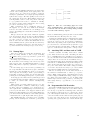
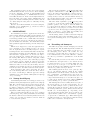
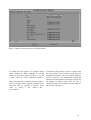
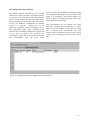
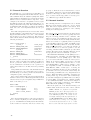
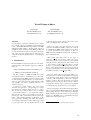
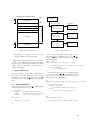
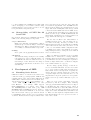
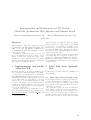
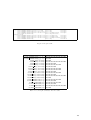
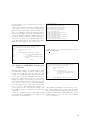
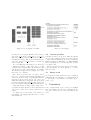
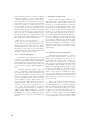
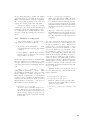
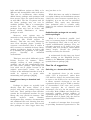
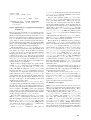
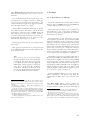
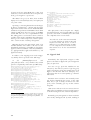
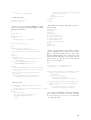
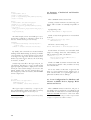
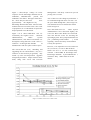
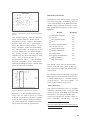
Fig. 1. Compression speeds and ratios compared (single core)
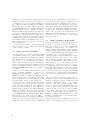
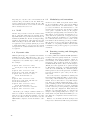
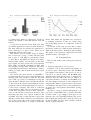
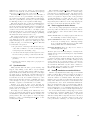
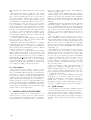
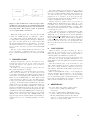
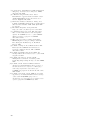
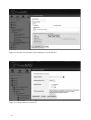
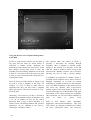
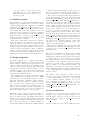
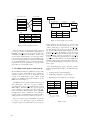
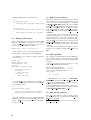
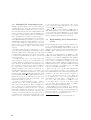
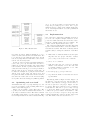
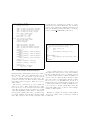
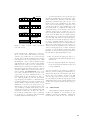
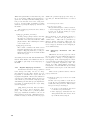
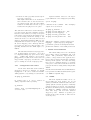
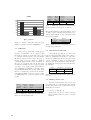
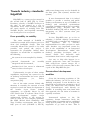
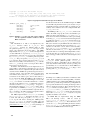
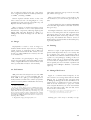
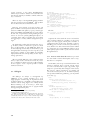
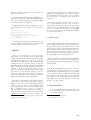
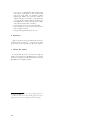
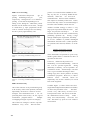
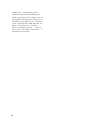
Fig. 2. Histogram of write latencies (log/log graph)
is actually faster than not compressing, because it
reduces the amount of data that must be read and
written.
3) Smooth write throttle: If the disks can’t keep
up with the application’s write rate, then the filesystem must intervene by causing the application to
block, delaying it so that it can’t queue up an
unbounded amount of dirty data.
ZFS batches several seconds worth of changes
into a transaction group, or TXG. The dirty data
that is part of each TXG is periodically synced
to disk. Before OpenZFS, the throttle was implemented rather crudely: once the limit on dirty data
was reached, all write system calls (and equivalent
NFS, CIFS, and iSCSI commands) blocked until
the currently syncing TXG completed. The effect
is that ZFS performed writes with near-zero latency,
until it got “stuck” and all writes blocked for several
seconds.[4]
We rewrote the write throttle in OpenZFS to
provide much smoother, more consistent latency, by
delaying each write operation a little bit. The trick
was to find a good way of computing how large the
delay should be. The key was to measure the amount
of dirty data in the system, incrementing it as write
operations came in and decrementing it as write i/o
to the storage completes. The delay is a function
of the amount of dirty data (as a percentage of the
overall dirty data limit). As more write operations
come in, the amount of dirty data increases, thus
increasing the delay. For a given workload, this
algorithm will seek a stable amount of dirty data
and thus a stable delay. Crucial for easy understanding of the system, this works without taking into
account historical behavior or trying to predict the
future. This makes the algorithm very responsive
to changing workloads; it can’t get “stuck” doing
the wrong thing because of a temporary workload
anomaly.
As a result of this work, we were able to reduce
the latency outliers for a random write workload by
300x, from 10 seconds to 30 milliseconds (meaning
that 99.9% of all operations completed in less than
30 milliseconds). (See Figure 2.)
30
IV. F URTHER W ORK
Here we will outline some of the projects that are
in progress.
A. Platform-independent code repository
Currently, code is shared between platforms on
an ad-hoc basis. Generally, Linux and FreeBSD
pull changes from illumos. This process is not as
smooth as it could be. Linux and FreeBSD must
maintain fairly tricky porting layers to translate the
interfaces that the ZFS code uses on illumos to
equivalent interfaces on Linux and FreeBSD. It is
rare that changes developed on other platforms are
integrated into illumos, in part because of the technical challenges that newcomers to this platform face
in setting up a development environment, porting,
building, etc.
We plan to create a platform-independent code
repository of OpenZFS source code that will make
it much easier to get changes developed on one
platform onto every OpenZFS platform. The goal is
that all platforms will be able to pull the exact code
in the OpenZFS repo into their codebase, without
having to apply any diffs.