1
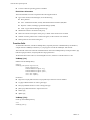
Virtual Disk API Programming Guide Type the make command to compile. Then run the application: make ./vix-disklib-sample Makefile The Makefile fetches any packages that are required for compilation but are not installed. Library Files Required The virtual disk library comes with dynamic libraries, or shared objects on Linux, because it is more reliable to distribute software that way, compared to using static libraries. Windows requires the lib/vixDiskLib.lib file for linking, and the bin/*.dll files at runtime. Linux uses .so files for both linking and running. On Windows and Linux, dynamic linking is the only option. Usage Message Running the sample application without arguments produces the following usage message: Usage: vixdisklibsample command [options] diskPath commands: -create : creates a sparse virtual disk with capacity specified by -cap -redo parentPath : creates a redo log 'diskPath' for base disk 'parentPath' -info : displays information for specified virtual disk -dump : dumps the contents of specified range of sectors in hexadecimal -fill : fills specified range of sectors with byte value specified by -val -wmeta key value : writes (key,value) entry into disk's metadata table -rmeta key : displays the value of the specified metada entry -meta : dumps all entries of the disk's metadata -clone sourcePath : clone source vmdk possibly to a remote site options: ... Walk-Through of Sample Program The sample program is the same for Windows as for Linux, with #ifdef blocks for Win32. Include Files Windows dynamic link library (DLL) declarations are in process.h, while Linux shared object (.so) declarations are in dlfcn.h. Windows offers the tchar.h extension for Unicode generic text mappings, not readily available in Linux. Definitions and Structures The sample program uses ten bitwise shift operations (1 << 9) to track its nine available commands and the multithread option. The Virtual Disk API has 24 function calls, some for initialization and cleanup. The following library functions are not demonstrated in the sample program: VixDiskLib_Rename() VixDiskLib_Defragment() VixDiskLib_Grow() VixDiskLib_Shrink() VixDiskLib_Unlink() VixDiskLib_Attach() The sample program transmits state in the appGlobals structure. 26 VMware, Inc.