1
Standard Techniques 16
3.3.2 Mixing
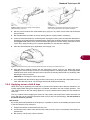
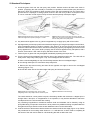
Mixing epoxy involves three separate steps:
1. Dispense the correct ratio of the resin and hardener into a mixing pot. If unfamiliar with the pot life or
coverage of the epoxy begin with a small batch.
2. Thoroughly stir the two ingredients together with a wooden mixing stick (2 to 3 minutes is
recommended). Scrape the sides and bottom of the pot when mixing. Use a mixing stick to reach
the inside corner of the pot.
3. Thoroughly stir in additives, such as pigments and fillers, if required.
If using the mix from a roller pan, mix the resin/hardener in a mixing pot before transferring the
mixture to the pan. Do not use a power mixer unless the sides and corners are thoroughly scraped
while mixing.
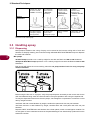
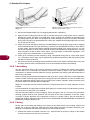
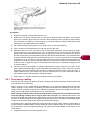
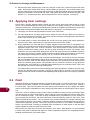
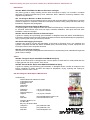
INITIAL CURE
FINAL CURE
3
TIME
POT LIFE
CURE
AMBIENT TEMPERATURE
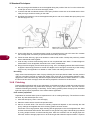
WARNING! Heat is generated by the chemical reaction that cures epoxy. If left to stand for its full pot
life in a plastic mixing cup, the mixed epoxy will generate enough heat to melt the plastic. If a pot of
mixed epoxy begins to exotherm (heat up), quickly move the epoxy outdoors. Avoid breathing the
fumes. Do not dispose of the mixture until the reaction is complete and has cooled.
MINIMUM RECOMMENDED
TEMPERATURE
TIME AFTER MIXING
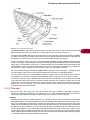
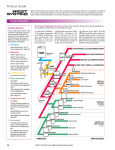
Figure 3-4 All WEST SYSTEM resin/hardener combinations go through the same stages of cure. Note that at higher
temperatures each stage is shorter.
3.3.3 Cure time
Mixing epoxy resin and hardener together begins a chemical reaction that gradually changes the
combined ingredients from a liquid to a solid. This transition period is generally known as the cure time
and can be divided into three distinct phases. Figure 3-4 illustrates the following three phases of cure:
1. Pot life and wet lay-up time
“Pot life” or working life is the phase of the cure when the resin/hardener remains workable and
suitable for application after mixing. “Wet lay-up time” or assembly time, is that portion of the pot life
between application of the mixed epoxy to the surface and the last opportunity to apply clamping
pressure to the assembly before the epoxy has cured too much for a dependable bond. Since the
mixed epoxy will continue to cure whether it is applied to the surface or left in the mixing pot, the
sooner the mix is applied, the greater the useful pot life available for assembly time.