1
33 Structural Framework Repairs
2. Laminate a new piece slightly larger than the removed section, or carve a new section out of solid
wood, using the same wood as the existing frame. Trim the new section to fit the size and shape of
the void in the existing frame. Cut a matching scarf angle on each end of the frame section.
3. Prepare the surfaces for bonding. Trim the new piece and existing frame ends as necessary for a
good fit.
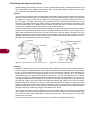
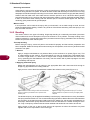
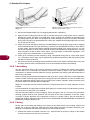
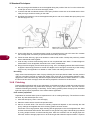
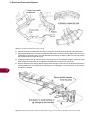
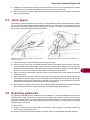
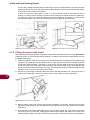
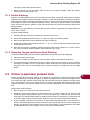
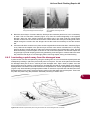
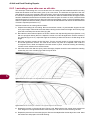
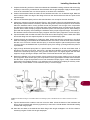
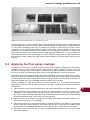
Figure 5-4 Cut out all of the damaged area, leaving at
least an 8-to-1 bevel on the ends of the damaged frame.
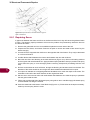
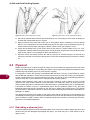
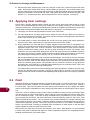
Figure 5-5 Bond in a new laminated or solid section
trimmed to fill the void in the existing frame.
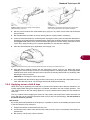
4. Install the new frame section (Figure 5-5). Wet out all contact surfaces of the new and existing frame
ends. Apply a liberal amount of thickened epoxy/406 mix to one side of each contact area.
5. Clamp the section in position. Clean up excess epoxy before it cures. Remove clamps after epoxy
cures thoroughly.
5.4 Installing sister frames or doublers
5
Sister frames are bonded alongside a damaged frame to restore the strength of the original. This method
may not look as good as a replaced frame but it will save time, especially if the damaged frame is difficult
to remove. Install sister frames as follows:
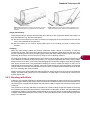
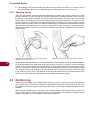
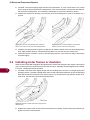
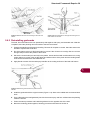
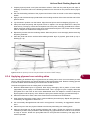
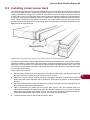
1. Laminate a full sister frame slightly longer than the existing frame and trim it to fit tight against the
damaged section. Laminate a partial sister frame so that it will extend past each end of the damaged
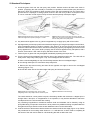
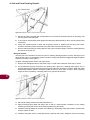
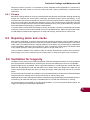
area twelve times the thickness of the frame (Figure 5-6). A sister frame may also be carved out of
solid wood. Use the same wood as the existing frame.
Figure 5-6 Laminate a partial sister frame longer than the
damaged area.
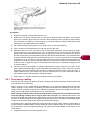
2. Prepare the contact areas of both frames and the skin for bonding. Avoid bonding to the planking or
plywood if it will be removed later.