1
US006567984B1
(12) United States Patent
(10) Patent N0.:
(45) Date of Patent:
Allport
(54)
SYSTEM FOR VIEWING MULTIPLE DATA
Rotel of America’s User’s Manual to Rotel R990 Product
STREAMS SIMULTANEOUSLY
(approximately Oct., 1997).
Page from product brochure of MarantZ RC2000 Product
(75) Inventor: David E. Allport, Palo Alto, CA (US)
(approximately Aug. 1996).
(73) Assignee: Research Investment Network, Inc.,
Irvine, CA (US)
(*)
US 6,567,984 B1
*May 20, 2003
Notice:
Lexicon, Inc’s product brochure for Lexicon 500T Product,
@ 1994.
Subject to any disclaimer, the term of this
patent is extended or adjusted under 35
Niles Audio Corporation, Inc.’s product brochure for Intel
licontrol product, Aug. 1996.
Full House Control Corporation, The RHOC, @ 1997 (pages
from Website: WWW.fullhouse.com/rhoc.html), Apr. 29,
U.S.C. 154(b) by 296 days.
This patent is subject to a terminal dis
claimer.
1998.
Full House Control Corporation, The RF Base Station, @
(21) Appl. No.: 09/614,510
(22) Filed:
1997 (pages from Website: WWW.fullhouse.com/base.html),
Apr. 29, 1998.
Jul. 11, 2000
Full House Control Corporation, RHOC for Windows, @
1997 (pages from Website: WWW.fullhouse.com/
Related US. Application Data
63
rhocWin.html), Apr. 29, 1998.
Continuation of a PP lication No. 09/001,841, ?led on Dec.
31, 1997, now Pat. NO. 6,097,441.
KC—Z1 Stage 3 Home Theater Controller, KenWood U.S.A.
(51)
Int. Cl? ......................... .. H04N 7/173; H04N 5/44
(pages from Website: WWW.keWoodusa.com/cat...Stagei3i
Components/KC—Z1.htm), Apr. 28, 1998.
(52)
us. Cl. ....................... .. 725/110; 725/81; 725/136;
Sony’s Product Promotion Flyer for CDP—CX270 Product
(approximately Jun., 1997).
725/141; 455/306; 348/734; 348/552
(58)
(List continued on next page.)
Field of Search ............................... .. 725/131, 141,
725/139, 110, 151, 113, 119, 109, 78, 82,
85, 80; 348/552, 725, 553, 734; 455/306
(56)
Primary Examiner—Victor R. Kostak
(74) Attorney, Agent, or Firm—Kevin Masaki; Steven
Wong; Caroline T. Do
References Cited
U.S. PATENT DOCUMENTS
4,712,105
4,746,919
4,856,081
4,872,151
JP
A
A
A
A
12/1987
5/1988
8/1989
10/1989
(57)
Kohler ................ .. 340/82569
Reitmeyer .
.... .. 340/825.56
Smith ....................... .. 455/151
Smith ........................ .. 369/14
ABSTRACT
Systems and methods of vieWing multiple data streams are
disclosed. A base station receives a ?rst data stream and a
second data stream. The ?rst data stream is transmitted to a
(List continued on next page.)
?rst device. The ?rst device is capable of displaying motion
FOREIGN PATENT DOCUMENTS
video. The ?rst data stream is displayed on the ?rst device.
The second data stream is transmitted to a second device.
55-140371
* 11/1980
............ .. 358/1941
The second device Is capable of displaying motion video.
OTHER PUBLICATIONS
The second data stream is displayed on the second device.
Scottdale Technologies, Inc.’s Users’ Manual to Program
Master Product, @ 1996, 1997.
21 Claims, 3 Drawing Sheets
l!
PCWER 5005c: av 8mm DR 00 av FRCIM 000001 “:0
US 6,567,984 B1
Page 2
US. PATENT DOCUMENTS
4,894,789 A
5,031,046
5,075,771
5,086,385
5,093,718
*
A
A
A
A
1/1990 Yee .......................... .. 348/552
7/1991
12/1991
2/1992
3/1992
Bruggemann Hashimoto
Launey er a1Hoarty er a1- -
-- 358/194-1
.... .. 358/84
-- 364/188
358/84
5,621,456 A
5,630,757 A
4/1997 Florin et al. ................. .. 348/7
5/1997 Gagin et al. ................ .. 463/43
5,648,824 A
7/1997
5,657,072
5,671,267
5,689,663
5,694,163
A
A
A
A
8/1997
* 9/1997
11/1997
* 12/1997
Dunn et aL _______________ u 348/734
Aristides et al. ..
August et aL
Williarns ..... ..
Harrison
348/13
379/61
.395/327
. 348/468
5,138,649 A *
8/1992 Krisbergh
379/56
5,708,961 A *
1/1998 Hylton
' 455/42
5,223,924 A
6/1993 Strubbe
358/86
5,715,020 A
*
2/1998 Kuroiwa etal. ..
. 348/734
-- 379/102
.. 358/183
.. 358/142
5,722,041 A
5,761,606 A
5,781,228 A
*
*
*
2/1998 Freadman ....... ..
6/1998 WOlZien
7/1998 sposato _______ ~~
. 455/6.3
' 455/62
" 348/13
5,228,077 A
5,251,034 A
5,262,860 A
7/1993
10/1993
* 11/1993
5,307,055 A
*
5,315,391 A
5,343,239 A
*
5,379,421 A
5,396,546 A
Barbee
Na .... ..~ .......... ..
FltZpfitIlCk et al. .
4/1994 Baskln et al.
.. 348/734
5,828,403 A
* 1O/1998 DeROdeff et a1~ '
5/1994
Lee ............ ..
.. 348/553
5,886,732 A
*
3/1999
Humpleman ''' n
“ 348/1O
8/1994
Lappington ------- -
348/12
6,286,142 B1 *
9/2001
Ehreth ......... ..
.. 725/78
-- 395/600
6,340,987 B1 *
1/2002 Hayashi ..................... .. 348/13
1/1995 Palallia III et a1- *
3/1995
Remillard ......... ..
5,410,326 A
4/1995 Goldstein ..
5,422,677
6/1995
A
D0
. ... ... ... ..
5,455,570 A
10/1995 Cook et al.
2
Ehga 9t a1~
,
,
ogston
et a .
5,497,186 A *
3/1996 Kawasaki ~ ~ ~ ~ ~
5,499,046 A
3/1996
*
5,500,691 A
Schiller
.....
340/825.22
Stereo Review Magazine, Sep. 1997, pp. 83—85.
.
.
~ ~ ~ " 348/6
. . . .. 348/6
~
~
-
unlmary
(Pages
mm
We
Executive lnvestrtrlent
51 6'
WWW'mHOVa We
Blue Mountain With Jblend, ApliX Corporation (pages from
8/1996 Wehmeyer et al.
.. 348/589
i466 et ‘:1'
,
aZe
e
a .
11/1996
Hamlin .... ..
..
1998.
~
379/96
..
455/31
12/1996 Miller et a1_
__ 348/731
12/1996 Knee et a1_
__ 348/731
1/1997 Florin et al. .............. .. 348/731
2/ 1997 Mathews, III ------------ -- 348/143
Bertram ...... ..
devlce-com/execsum-htm)’ APr- 29’ 1998
WebTV Backgrounder, WebTV Networks (pages from Web
“V1996 Rem?lard "
5,600,368 A
~
ISnnovatlon Device Teclfmologles,
Website: WWW.jBlend.com/products/bm.html), Apr. 29,
2
5,585,866 A
5,539,892 A
5,594,509 A
Audio Advisor Magazine, Nov. 1997, p. 24.
369/30
5,543,857 A
*
OTHER PUBLICATIONS
348/568
__ 364/188
3/1996 Fujita et a1_ __
5/1996 Mulder etal.
5,574,964 A
. . . ..
.. 348/734
5,500,794 A
,
379/96
348/134
3/1996 Martin et al. .
5,515,347 A
5,561,708 A
348”
5,602,597 A
*
2/1997
5,608,446 A
*
3/1997 Carr et al. ................... .. 348/6
.
WWW.Webtv.net/ns/about/backgrounder.html), May 4,
_'
_
_
_
English translation of Reference N (Which was cited by the
Examiner on Form PTO—892 in the O?ice Action dated Apr.
5, 1999 in parent application 09/001,841), Japanese Open
Patent Bulletin entitled “Television Receiving System”.
.. 348/565
* cited by examiner
U.S. Patent
May 20, 2003
US 6,567,984 B1
Sheet 1 0f 3
55
60
65
70
Q
L_(__l
3g
42;
4%
50
FIG. 1
SIGNALS (MAY
DATA FROM
OUTSIDE SOURCE
CONTAIN EMBEDDED
(E.G., THE
VIDEO AND AUDIO
85
50f
DATA)
INTERNET)
Tv (CONVENTIONAL
OR ADVANCED)
BASE STATION
U N IT
1
120$
FIG.
2
775
1
REMOTE CONTROL
UNlT
f 120
U.S. Patent
May 20, 2003
Sheet 2 of3
US 6,567,984 B1
770
775
2
S
will?
MULTIPLEXER
mmLATLMLoAgMc.
-
270
mcgamc
$780
A
‘
ANALOG DATA
‘
ENC DING
I
RF ANTENNA
®
®" ‘
465
725'\ TUNER PLUS
.ANALOG TO
760
CORAQQAIT'ER
®___
T0 WW6
J
'0 AS'C
HART
265
260
@
“DA
PW
1001mm
W‘NPUT
“SB
_
8
g
1| CONTROL IR
275 95
‘735
\
ANALOG
HTML DATA
‘
swncumc &
M
\
MODEM CHIPSET
+9“
lCU 32 CH
255
755/
"
?ééREMOTE CONTRQLga
£3‘. ‘we-mew‘. 1;.
\ 230
M35
CPU
740
145
DRAMC 2 BANK _\
@240
795
200
BOOT R0"
LCD CONTROLLER
NPHANUHERIC DISPLAY
"\
DRAM
(8MB+)
\_
245
TIMER 16B|TX A\/250
SRAM
205x (256-512K8)
F H M
zmf
léiaMKg
2Z5
f
150
_ RTC
‘
\490
‘POWER FROu EXTERNAL Psul
FIG. 3
220
U.S. Patent
May 20, 2003
US 6,567,984 B1
Sheet 3 0f 3
280
DATA STREAM FROM
TRANSPORT DEMUX AND
BASE STATION
MPEG A/V DECODER
255
f
505
275
‘DECODED HTML DATA
/\/500
DECODED VIDEO
/\/290
DECODED AUDIO
|0 ASIC
395
USB
ICU 32 CH
CONTROL IR
405_\__///_\ DRAMC 2 BANK
,_
4;0\,//
320w MICROPCRFQSESSOR
\
csc a CH
IrDA
@360
RS232
365
—[ IOBIT ADC
-
530
*
DISPLAY
'\
PWM
SRAM
L?
K420
380
DA/AMP
335w (256-512KB)
K
340\/\ F H ROM
)
425
$370
roucn SCREEN
LCD
nAAER 16B|T x 40H
(WW _
555
MODEM CHIPSET f3”
+DM
375
LCD CONTROLLER
525w,
DRAM
$350
x345
UART
400/~\\_//
—-
N
435
POWER SOURCE: 9V BATTERY OR DC 9V FROM EXTERNAL PSU
FIG. 4
SPEAKER
585
US 6,567,984 B1
1
2
SYSTEM FOR VIEWING MULTIPLE DATA
STREAMS SIMULTANEOUSLY
cooperating controllers for controlling the different devices,
and may even have to physically change locations after
vieWing one display in order to be able to vieW another
RELATED APPLICATIONS
display. Additionally, this type of method usually involves
This application is a continuation of US. patent applica
tion Ser. No. 09/001,841, ?led Dec. 31, 1997, US. Pat. No.
?xed displays, as opposed to at least one portable display.
And though it is possible to use a single universal remote
control to control both TVs, additional problems exist
including the cost of multiple TVs or monitors, the physical
6,097,441 to Which priority is hereby expressly claimed.
This application contains subject matter related to
co-pending US. patent application Ser. No. 09/001,873,
entitled “Portable Internet-Enabled Controller and Informa
space required for the TVs, and the availability of other
10
tion BroWser For Consumer Devices,” ?led Dec. 31, 1997,
invented by the same inventor as the present invention, and
assigned to the same assignee as the present invention. The
entire original disclosures of the above-referenced
co-pending applications are hereby expressly incorporated
electronics hardWare such as cable receivers, closed circuit
Wiring, etc.
Other multiple-display systems have displays in close
physical proximity to each other and may display related
15
data, but if integration of the data is to occur, it must be
accomplished manually, as the underlying systems are not
capable of doing so. That is because the physical display
herein by reference.
devices are each dedicated to providing a limited amount of
TERMINOLOGY
As used in this application, the term “data stream” refers
generally to transmitted information, and a data stream may
itself contain multiple data streams. A data stream may be
HTML data transmitted from the Internet, or it may be a
“media stream” such as an analog or digital TV broadcast
20
signal, satellite TV signal, cable TV signal, or other audio
25
One method of enhancing the vieWing experience
involves using multiple displays to simultaneously display
multiple duplicate data streams. This is common in elec
and/or video signal. Media streams such as TV broadcast
signals may contain several channels, and each channel may
further contain audio, video, or other embedded data
streams, including HTML data. Furthermore, HTML data is
used to refer to any Internet-derived data, as opposed to
30
solely data that is in the HTML protocol format, as the
concepts described herein are equally applicable to other
Internet-derived data, especially data that is transmitted in a
playing the same exercise video tape. Though perception of
the data stream (i.e., TV program or video tape) might be
enhanced in such a case, the vieWer is only vieWing multiple
copies of the same data stream, and is not bene?ted With
Other multiple-display systems display separate parts of a
35
FIELD OF THE INVENTION
The present invention relates generally to systems and
methods for using tWo or more cooperating but physically
on each display, Wherein the vieWing of a data stream on one
tronics stores Where many TVs are all tuned to the same
channel, or in exercise classes Where many TVs are all
access to data streams of differing content.
Widely accepted protocol.
independent displays for enhanced vieWing of data streams
information related to a limited topic of interest. Examples
of these types of systems include radar screens and controls
in a cockpit of an airplane, and medical instruments moni
toring various vital signs of a patient in a hospital.
single image, and the displays taken as a Whole are designed
to represent the desired image. The displays are arranged in
a predetermined pattern such as side-by-side, in a matrix, or
even to form a cylindrical “circle vision” theater. Again,
though the vieWing experience is altered and perhaps
40
enhanced, the vieWer is only vieWing What is designed to be
a single image from multiple data streams. In fact, these
systems may even detract from the desired image perception
display does not interfere With the vieWing of a data stream
due to the gaps betWeen the several display screens and/or
on the other displays. More particularly, the images may be
derived from complex data streams such as multiple TV
(television) broadcast signals (and/or cable TV or satellite
transmissions or other video signals), Internet data, and/or
the imperfect placement of the various parts of the overall
image Within the various display screens.
45
other local data such as information related to the state of a
more information, is through the use of WindoWs-type
operating systems used With PCs. The user may sWap
betWeen multiple WindoWs to vieW various data streams.
consumer’s home appliances. In addition, the different dis
plays may be available for vieWing by more than one person.
BACKGROUND OF THE INVENTION
Another attempt to provide consumers With a method of
vieWing multiple data streams simultaneously to obtain
50
HoWever, these systems are designed under the assumption
that the vieWer concentrates on a single type of application
at a time. Thus, the same physical display is used for the
As technology rapidly advances, there are more and more
sources and types of information available to a consumer.
multiple WindoWs that represent various applications. A
For example, after TVs improved from simple black-and
particular WindoW may be enlarged to cover the entire
White TVs to color TVs, cable and satellite TV became
available. Most recently, Internet-enabled TV became avail
able to provide both TV and Internet content. In a fast-paced
55
society such as ours, consumers are looking for Ways to
enhance the overall vieWing experience and to absorb more
of the available information from various sources, in less
time.
One of the simplest methods of obtaining more informa
tion is to use multiple independent displays, such as a having
tWo TVs tuned to tWo separate channels, or tWo closed
circuit cameras (e.g., security cameras) focused on separate
areas. The problem With this method is that the person
vieWing the information may have to use various non
60
display, but then the bene?t is lost of having the capability
to vieW multiple data streams substantially simultaneously.
Furthermore, the individual applications are typically inde
pendent of each other, and do not communicate With each
other except for perhaps during data transfer. Even Where
multiple WindoWs are vieWed simultaneously, such as during
video conferencing Where a person may vieW multiple
conference “attendees” in various WindoWs, the images of
the attendees all appear on the same physical display, and the
more attendees there are, the less room there is for each to
65
be displayed.
Various systems also exist that attempt to solve the
problem of vieWing multiple data streams substantially
US 6,567,984 B1
3
4
simultaneously With tWo or more cooperating displays. A
common system is a PIP (picture-in-picture) system, Which
allows simultaneous viewing of tWo TV programs at once,
for example. Though the vieWer may “channel surf” a ?rst
user interaction, as Will be discussed herein. One such
data stream Without affecting the overall image produced by
etc.), or for closed caption messages such as sports scores,
stock quotes, etc. The remote control display may be used to
situation is for users of TV systems that display text-based
status information on the TV display during attribute adjust
ment (e.g., to volume, contrast, color, tint, brightness, sound,
the second data stream, both data streams are displayed on
the same physical display, and therefore there is some
display that information and therefore leave the primary
degradation of the vieWing experience of each. For example,
a primary program may be playing on the entire physical TV
display While a secondary program (the PIP) is playing in a
10
small area in the corner of the display. The primary program
is degraded due to the screen real estate used up by the
secondary program, and the secondary program is degraded
because it is not able to occupy the full siZe of the physical
display.
screen, leaving much more room for actual vieWing content.
15
Similarly, existing TV interfaces provide a Wide variety of
available functions such as data display (e.g., to adjust
attributes of the TV and related devices), advertisements,
Internet broWsing, alternate channel vieWing, etc. But the
additional functions are all managed by assigning different
Video games (both single user and multi-user) are another
application Where the users may realiZe a bene?t from an
additional display. Many computer games exist that alloW
multiple players in different locations to play With (or
against) each other. These often take the form of interaction
in on-line “virtual Worlds.” In order to play these games
effectively, a user must be aWare of the general topology of
amounts of the same physical screen to the additional
function or functions. This approach of sharing the same
physical screen real estate for all operations performed by a
device means that combined activities restrict the display
potential of each other, unless each activity occurs serially,
vieWing screen free of unnecessary clutter. For existing
Internet-enabled TV the bene?t realiZed is even greater due
to the signi?cant amount of screen real estate typically
devoted to displaying navigational and other information.
By adding a second display that communicates With the TV,
all of the navigational interface can be removed from the TV
the virtual World, as Well as Where he or she is in the World
in relation to others. The interface to the virtual World may
be presented in various perspectives, and from various
25
distances. In any case, the user’s sense of Where he or she is
Which Would defeat the entire purpose of alloWing simulta
neous vieWing of multiple data streams in the ?rst place.
Moreover, the resolution of standard TV display formats
such as NTSC (the American standard) and PAL (the British
standard) are not very suitable for displaying static text.
Another type of system that involves data integration to
in the World can be greatly enhanced by the provision of an
additional vieW.
Similar advantages apply to other types of virtual World
interactions, such as three-dimensional multi-user chat
rooms, Where the present invention Would enable simulta
neous ?rst-person and alternative more global vieWs from
some extent is a computer netWork, or even simply a remote
selected vantage points. This Will greatly assist the naviga
tion through the virtual World, and also increase the per
ceived immersion in the World by avoiding constant context
PC communicating With a host. SoftWare synchroniZes the
data ?les stored on each device, and ?les can then be
doWnloaded from the host to the remote PC, edited remotely
on the PC, and then transferred back to the host. HoWever,
this setup is designed primarily for one or the other device
to be used independently. The simultaneous use of both
35
Another application of the present invention ?nds use in
Working With Internet-enabled TV. Several companies are
Working on (or are marketing) technology that integrates TV
devices occurs only during ?le transfer, or in some cases to
achieve the same type of extended screen real estate for a
single-image display that occurs With tWo or more displays
and Internet content Within the same signal. For analog
signals such as TV broadcasts, Internet data is embedded
Within the VBI (vertical blanking interval). Examples of this
side-by-side.
Thus it Would be desirable to provide systems and meth
ods for using tWo or more cooperating but physically
independent displays for achieving enhanced vieWing and/or
are Intel’s “Intercast” standard (Which some TV netWorks
45
SUMMARY OF THE INVENTION
Where the hardWare and softWare is for use With third party
The present invention is based upon the recognition that
there are many situations in Which users Wish to vieW or
otherWise perceive more than one data stream substantially
55
ing full motion video is thus disclosed, in combination With
hardWare and/or softWare that enables interaction betWeen
Many applications exist Where the user or users may
derive a great bene?t from an additional display screen for
units. Data may also be embedded in digital signals using the
MPEG standard. The embedded data typically may be
displayed as text and graphics independently of the image
displayed from the normal video signal.
The present invention Would alloW both the regular
signal, and the embedded data, to be vieWed simultaneously
on different displays—something that is not possible using
the technology provided by the aforementioned systems.
the TV or other primary display screen and the hand-held
display. The hardWare may include an integrated TV tuner
and/or various data communication ports, or a physically
separate base station With a TV tuner and/or various data
communication ports. In the latter case, the base station and
the remote control Would communicate preferably via RF
(radio frequency).
are already using), and Navio’s HTML-TV standard.
LikeWise, Thomson Sun Interactive has been using an
“Open TV” standard in Europe, in Which the technology for
both broadcasting and receiving signals With data embedded
using the Open TV standard has been implemented. Another
company, Starsight, markets hardWare and softWare capable
of receiving and decoding signals With embedded data,
broWsing of data on each display, Without affecting the
vieWing and/or broWsing of data on the other displays.
simultaneously, Without having the experience of any data
stream degraded by the others. A hand-held, portable remote
control With an integrated video display capable of display
sWitching on a single screen.
This not only provides clearer vieWing of both data streams
due to elimination of screen clutter, but also alloWs “semi
synchronous” interactions With the TV and Internet data, as
described herein.
65
The present invention is especially useful in family or
group situations Where multiple people are vieWing the same
TV screen simultaneously. One person could channel surf
actual TV content on the hand-held remote control, While the
US 6,567,984 B1
5
6
other viewers enjoy the TV program on the primary display
(e. g., the TV screen). This effectively turns a legacy TV into
Before describing the operation of the system and meth
ods of the present invention, it Will be helpful to describe the
a TV With PIP capability, With the added bene?t that the PIP
physical appearance of a preferred embodiment of a remote
is actually on a separate display. Using suitable communi
control 10 that forms part of the system. Turning to FIG. 1,
the draWing is not to scale, but preferably the remote control
cations infrastructure, Which is described in more detail
herein, the remote control’s display may also function as a
10 is a hand-held siZe on the order of only several inches
long by several inches Wide by a feW inches deep, such that
regular portable TV.
it may be carried comfortably in one hand or in a shirt
Additional uses of the present invention may be for
pocket.
video-conferencing, Wherein each of many displays may be
used to shoW one attendee of the conference, or for control
10
ling other various consumer devices and appliances such as
There may be, for example, up to tWenty physical buttons,
those that respond to IR (infrared) commands, as disclosed
in previously-referenced co-pending application Ser. No.
09/001,873. The full motion video capability of the remote
control alloWs the user to vieW the output from security
15
cameras, a video baby monitor, etc., or to use the remote
control and its display to form part of a video phone system
(With the addition of microphones), all Without interrupting
the primary display screen such as the TV display. And in an
embodiment Where the remote control has enough memory
20
versatile disk) players and recorders, alloWing the user to
(e.g., 55 and 60 Which slide in slots 65 and 70 respectively),
pads, levers, toggles, dials, knobs, pull buttons, track balls,
a mouse, etc. The functions of the buttons may vary, and
some may have ?xed functions While others may be pro
30
methods for alloWing substantially simultaneous vieWing of
grammable. Common functions may include a poWer on/off,
a help button, and a mode-sWitching button Wherein the
remote control 10 is sWitched from a vieWing mode to a
multiple data streams.
It is a further object to alloW substantially simultaneous
erating but physically independent displays.
preferably touch sensitive. It must be capable of displaying
full motion video, such as the images produced by broadcast
TV signals.
The physical actuating buttons may include push buttons
or other mechanisms not shoWn such as touch-sensitive
streams.
vieWing of multiple data streams using tWo or more coop
an LCD and is preferably 320 pixels by 240 pixels (% VGA).
It may have higher resolution (i.e., greater than 320 pixels
and/or greater than 240 pixels) or loWer resolution, but
(e.g., 20, 30, 35, 40, 45, and s 50), sWitches (e.g., 25), sliders
25
provide improved systems and methods for providing an
enhanced overall vieWing experience of multiple data
It is a further object to provide improved systems and
or less than tWenty, and more preferably less than ?fteen,
and more preferably less than tWelve, and still more pref
erably ten or less. The display area 15 preferably comprises
preferably not loWer. It may be monochrome or color, and is
or access to an outside storage device, the remote control
may also function as a convenient front-end to DVD (digital
broWse actual video, audio, and other recordings to select a
desired title for playing.
Accordingly, it is an object of the present invention to
The display area 15 is surrounded by various physical
actuating buttons 20, 25, 30, 35, 40, 45, 50, 55, and 60.
control mode. The display 15 may also have some program
35
mable buttons (also knoWn as “soft keys)” in certain modes
of operation. A more detailed explanation of the possible
operation and function of the buttons is set forth in
It is a further object to provide a hand-held remote control
previously-referenced co-pending US. patent application
With an integrated video display for providing the means by
Ser. No. 09/001,873. In addition, further uses may be made
of the video capability of the remote control 10 here, such
Which one of the data streams is vieWed.
Other objects and advantages of the present invention Will
become apparent from the detailed description of preferred
embodiments Which folloW, When read in conjunction With
40
The remote control 10 is used in combination With
hardWare and/or softWare to form a system that enables
the draWings.
BRIEF DESCRIPTION OF THE DRAWINGS
45
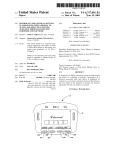
FIG. 1 shoWs a preferred embodiment of the remote
control of the present invention With a variety of physical
actuating buttons, and a blank display.
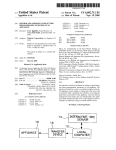
FIG. 2 is a system diagram of a preferred embodiment of
the present invention, shoWing the channels of communica
tion betWeen the various system components.
as by using video clips during con?guration and/or during
“help” mode.
interaction betWeen the TV or other primary display, and the
display 15 of the remote control 10. The applications of the
system as previously discussed are described here in slightly
more detail, and a description of the hardWare and/or soft
Ware that enables the system to be used as herein described
50
Will folloW.
For the situation Where an Internet-enabled TV display is
cluttered With text-based and other navigational information,
FIG. 3 is a high-level schematic of hardWare used in a
a further bene?t of the present invention is that With suitable
preferred embodiment of a base station of the present
invention that is used in conjunction With a remote control
of the present invention.
HTML (Hypertext Markup Language) parsing softWare 10,
55
FIG. 4 is a high-level schematic of hardWare used in a
preferred embodiment of a remote control of the present
invention.
DETAILED DESCRIPTION
navigational aides in the form of graphical icons, indexes to
60
The present invention Will be described as a “dual dis
play” system, but it is to be understood that the concepts
described herein are equally applicable to a “multiple dis
play” system having three or more cooperating displays. Of
course, implementation of the latter system Would require
more hardWare and softWare for managing the communica
tions betWeen the various displays.
some parts of the actual Internet content could also be
displayed on the remote control’s display 15. This frees up
even more of the primary display for actual content. For
example, many Web sites employ “frames” With their oWn
sub-pages, etc. These could be displayed on the hand-held
remote control, again leaving more room for the image
created by the primary data stream to be shoWn on the TV
screen. Some of the buttons on the remote control 10 in this
context could be used for bookmarking Web sites, context
65
sWitching (e.g., from broWsing the Web to Watching a TV
program), Internet navigation, etc.
Moreover, for both Internet-enabled TV and regular TV,
an additional bene?t to be realiZed is that the resolution of
US 6,567,984 B1
7
8
the text-based information on the remote control display 15
could be much greater than that on the TV displays because
the remote control display 15 may have an LCD (liquid
that only one display is available for both the regular video
signal and the VBI data. Some of the buttons on the remote
control 10 in this context could be used for changing font
siZes of any text data, scrolling through text, or sWapping the
crystal display) as opposed to a CRT display, and therefore
may employ VGA, SVGA or better technology as opposed
programs shoWed on the tWo displays.
to NTSC or PAL. The function of one of the buttons on the
An especially useful application of the present invention
remote control 10 in this application may be to sWap the
images shoWn on the displays. Other functions for Which
sliders 55 and 60 are particularly suited could be used to
change channels on the TV and on the remote control’s
display 15 respectively.
10
During virtual World communications, such as in virtual
World games (single or multiple user), the bene?t of the
present invention is that the interface to the virtual World
may be presented in various formats on the tWo separate
enced co-pending application Ser. No. 09/001,873. The
15
displays. The player is thus provided With more strategic
information. Various perspectives could be a ?rst person
vieW, Wherein the virtual camera takes the vieWpoint of a
?nding a desired alternative, a user may execute a command
20
(by the press of a button for example) to cause the primary
vieWing screen to display the desired program that Was
found While sur?ng. In addition, a button may alloW the user
to execute a “sWap” such that not only does the primary
display sWitch to shoW the desired program that Was found
25
While sur?ng, but the hand-held display 15 sWitches to shoW
the program that Was being played on the primary display as
Well.
vieWpoint of a character in the World that is being played by
a different user; or a third person vieW, Wherein the virtual
camera takes the vieWpoint of no particular character, but
instead has a global vieW of the World, usually focussing on
the character being played by the user. The tWo simultaneous
vieWs may be from different perspectives, or they may be
from the same perspective, With one vieW displaying a
close-up While the other displays a “bird’s eye” vieW, or any
other combination. Here too, the function of one of the
buttons on the remote control 10 may be to sWap the images
shoWn on the displays. Or one function may be to enlarge or
30
reduce a particular display, or to cycle through the available
displays so that a player may perceive the World as one of
his or her “enemies” or “allies” is perceiving the World.
Other functions may be for other game controls, Which may
also be performed via an IR keyboard or other input means.
35
40
contact the Web sites for further information. The vieWer
could even do so during the time When regular programming
(non-ads) returned to the TV, and broWse the Internet sites
on the remote control’s display 15 Without affecting or
ming language or languages, and preferably comprises an
underlying system control component and an application
interface component. The system component controls the
data management tasks necessary for proper functioning. It
also retains an internal representation of each device being
controlled, its type (CD player, TV, etc.), name, and asso
ciated icon if applicable. The system component also main
tains a table of IR commands for each device, along With
associated data such as the representation of the commands
on the remote control’s display, if applicable. The applica
tion interface component acts as a front-end for the con
sumer to program and otherWise make use of the system
50
ing Internet-enabled TV systems typically require the use of
component, and is implemented such that a control algo
rithm alloWs the consumer to navigate through the available
screens to accomplish the desired control over consumer
devices.
navigational input means (such as a mouse or IR keyboard)
to access speci?ed functions or to enable Internet links
appearing on the display. With the present invention, the
same type of navigational aides could be used for accessing
of preferred embodiments only, and that other con?gurations
may be designed Without varying from the spirit and scope
execution of the actual commands necessary to control the
consumer devices. It controls the storage, access, and other
Where a vieWer could obtain more detailed information and
revieW the information at their oWn pace. With the present
invention, a vieWer could use the remote control 10 to
bookmark Web sites from advertisements as they occur or
soon thereafter, and then later use the remote control 10 to 45
interfering With the primary TV display. Furthermore, exist
Turning noW to the hardWare and/or softWare of the
present invention, it is to be understood that the draWings are
of the inventive concepts described herein.
The softWare may be Written in any convenient program
When using the present invention With Internet-enabled
TV, an additional perceived bene?t is in the use of “semi
synchronous” interaction With TV ads. TV ads on Internet
enabled TV typically provide addresses or links to Web sites,
present invention also enables the user to actually select the
channel, and vieW the alternate program on the remote
control’s display 15. Headphones may be used to receive the
audio portion of the alternate channels being surfed. After
character in the World that is being played by the user; a
second person vieW, Wherein the virtual camera takes the
is in the context of family or group TV vieWing is the ability
to channel surf. This may also be useful for a single vieWer.
AvieWer may channel surf for alternate programs of interest,
Without interfering With the program then playing on the TV.
The advantages of being able to see alternative channel
program listings on a hand-held display separate from the
main vieWing screen are described in the previously refer
55
The softWare is preferably programmable by the user and
presents a uni?ed system vieW of various devices being
controlled. For example, there may be volume and channel
information on the remote control’s display 15. HoWever, it
is possible, and desirable, for such access to be accom
controls on one screen Which control the volume of a stereo
plished directly through the use of buttons, thus preventing
box connected to the TV input respectively. The ease of this
the need for excess input and navigation.
The present invention also provides a bene?t for the
situation Where additional data (e.g., HTML data) is embed
ded in the VBI of the TV signal, or in dedicated slots Within
a digital signal. That data could be stripped from the signal
speaker connected to a TV output and the channel on a cable
60
then change volume, then select “cable” mode to change
channel.
The programming may be accomplished With an inte
grated graphical keyboard for simple tasks such as entering
and vieWed on the remote control’s display 15 While the
regular video signal appeared on the primary display. This
differs from hoW current Internet-enabled TVs make use of
VBI data, because they all operate under the presumption
system contrasts With that of knoWn universal remote con
trols Where it is necessary to ?rst select a “stereo” mode,
65
and modifying passWords, or for more complex
programming, but the latter is preferably done With the use
of companion softWare either using an IR keyboard or other
US 6,567,984 B1
9
10
input means in conjunction With the display 15, or by using
be only one connection, or there may be many. A typical
PC software on a PC. For example, the functions to be
connection may include a standard TV cable Which passes
all or part of data streams 85 to the TV 80. Other connection
performed by certain buttons may be programmed by com
panion softWare, and the display may then shoW the asso
means (such as RS232, USB, and/or modem ports or other
ciation of physical or touch screen actuating buttons With the
digital I/O ports for DVD media, etc.) may exist in the TV
actual functions they perform. PassWords and ?lters may be
programmed to assist parental control or other monitoring,
80 for passing all or part of data streams 95 to the TV. The
and screen layouts may also be designed. For a more
detailed description of associated softWare, the previously
mentioned co-pending U.S. patent application Ser. No.
09/001,873 may be consulted.
10
Turning noW to the hardWare, FIG. 2 shoWs a system
diagram of hoW components of the present invention coop
erate With existing technology to implement the concepts
described herein. The hardWare for the base station 75 Will
be described in more detail in conjunction With the descrip
tion of FIG. 3, and the hardWare for the remote control 10
Will be described in more is detail in conjunction With a
15
latter connections Would apply, for example, to ATVs With
Internet capability. Data streams pass from the base station
75 to the remote control 10 by Wired or Wireless
communications, indicated by arroW 110. Wired communi
cations may employ either USB or FireWire 1394 protocols,
both of Which are capable of transmitting full motion video.
HoWever, Wired communications are not preferred, as they
detract from the overall vieWing experience by inhibiting the
user’s mobility.
For Wireless communications, the base station 75 may
transmit data to the remote control 10 by Way of fast IrDA
or RF, but the preferred method is RF, in Which case the
description of FIG. 4.
frequency of transmission Would be preferably at 900 MHZ,
FIG. 2 shoWs the base station 75 as a physically separate
component from the remote control 10, Which is a preferred
embodiment, but the base station 75 may be implemented as
an integrated part of the remote control 10 or of the TV 80
2.4 GHZ, or other FCC-approved home communications
frequencies. The main reason RF is preferred is that an
20
important aspect of the present invention is the ability to
vieW video on the remote control’s display 15. For the base
station 75 to ef?ciently and accurately send video signals at
if desired. In fact, some existing ATVs (advanced TVs) are
equipped With a tWo-Way Internet connection, a decoder for
separating out embedded data from analog or digital signals,
25
useful typically only for sending small amounts of data, not
and hardWare and softWare to send complex data streams
including video signals. For users With ATVs such as this,
the remote control 10 needs only to have the capability of
receiving and displaying complex data streams, and needs
an acceptable rate of speed, IR is not as Well-suited as RF.
IR transmissions have limited range capabilities, and are
the large amounts of data in a video signal. Even “fast IrDA”
technology, Which is capable of transmitting video signals,
30
can operate effectively only Within about one meter at most.
no additional communication ports other than a control IR
Furthermore, IR signals Will not operate through Walls,
port for sending IR commands. In such an embodiment, the
elimination of additional communication ports and/or a
Whereas RF signals Will, thus With RF communications a
user may operate the remote control 10 from a room
physically separate from the room Where the base station 75
decoder may have a signi?cant effect on the cost of the
is located.
remote control 10.
35
Communications from the remote control 10 to the TV 80
Other advantages of having a base station 75 separate
from the remote control 10 (i.e., either physically indepen
(as indicated by arroW 120) are preferably by standard
dent or integrated in the TV 80) are that the remote control
control IR. Typical communications from the remote control
10 to the TV 80 may be to adjust TV attributes such as
volume, channel, input, etc. The remote control 10 may also
send commands to other devices, such as a DVD player,
VCR, etc., for the control thereof.
Communications from the remote control 10 to the base
10 may be lighter in Weight and smaller in siZe. And most
signi?cant, the remote control 10 could operate in a Wireless
40
mode, With the base station 75 having any needed Wired
connections to the home cable box, satellite TV receiver,
VCR, etc. SiZe, Weight, and the ability to operate in a
Wireless mode are critical features in providing an overall
enhanced vieWing experience.
45
station 75 (as indicated by arroW 115) are also preferably by
standard control IR, though RF communications to the base
Still referring to FIG. 2, various signals (data streams) 85
station 75 could be an option because some of the hardWare
from various sources enter the base station 75 as indicated
TV, cable TV, satellite TV, a VCR, a laser disc, a DVD, or
Would already be present due to the need for the base station
75 to transmit by RF to the remote control 10, as previously
described. Typical commands from the remote control 10 to
by arroW 90. The signals 85 may originate from broadcast
any other source, they may be analog or digital, and they
50 the base station 75 may be a request for a neW channel to
may contain embedded data as previously described. Other
vieW on the display 15 (i.e., channel sur?ng), a request to
data 95 from an outside data source such as the Internet may
enter the base station 75 as indicated by arroW 100. In
sWap displayed programs With the TV 80, a request to access
practice, it is preferable, as indicated by FIG. 2, that all data
any other request to the base station 75 for data streams.
The type of request from the remote control 10 to the base
neW data from the Internet or other outside data source, or
streams enter the base station 75, Which may then act as a 55
sWitching station for the data streams by determining
station 75 Will vary greatly depending on the application in
Whether to send the data streams (or parts thereof) to the TV
progress. For example, during a video game, a request may
80, to the remote control 10, to both, or to neither. This
be to provide another vieW of the virtual World topology. The
Would be extra bene?cial, for example, if the TV 80 had only
one input, because instead of having to physically sWitch
cables to change from one input to another, the sWitching
could be accomplished Within the base station 75 and the
base station 75 could send the proper input signal to the TV
80. HoWever, it is technically feasible to have incoming
base station 75 may satisfy that type of request by retrieving
60
the data 95 from an outside source such as the Internet, or
alternatively the base station 75 may do processing inter
nally to provide the other vieW. Other types of requests may
be to access a neW Web site While broWsing the Internet, in
Which case the base station 75 Would access the data 95 and
signals sent both to the base station 75 and to the TV 80. 65 transmit it to the remote control 10.
An extremely useful feature is to have the data streams on
Data streams pass from the base station 75 to the TV 80
by Wired connections as indicated by arroW 105. There may
the TV’s display and on the remote control’s display 15
US 6,567,984 B1
11
12
swapped. In order for this to occur, the base station 75 that
station 75 to output from the sWitching and MUX box 265
the VCR signal, instead of the broadcast TV signal. Next, a
command is sent to the TV to change to channel 3 (or
is providing a channel to the remote control 10 must tune to
a neW channel (the one the TV is tuned to just prior to the
sWap), and the TV must tune to a neW channel (the one the
Whatever the appropriate channel is for VCR input). The
base station is tuned to just prior to the sWap). Therefore,
the sWap, and What channel the base station 75 is tuned to
second half of the sWap is noW complete. The TV 80 Would
be shoWing the video, and the remote control 10 Would be
shoWing channel 1. Again, the remote control 10 could be
programmed such that these commands could be sent by
just prior to the sWap. A preferred method, though by no
actuating a single button on the remote control 10.
there needs to be a Way for the system (e.g., as seen in FIG.
2) to knoW What channel the TV 80 is tuned to just prior to
means the only method, is for both the base station 75 and
the TV 80 to get the required information from the remote
control 10. This Will usually be possible because the remote
control 10 is aWare (i.e., may store in its memory) of the
10
channel the TV is tuned to based on the fact that the remote
control 10 Will have sent the “change channel” IR command
to the TV 80 in the ?rst place. Similarly, the remote control
10 Will be aWare of the channel the base station 75 is tuned
15
For applications Where embedded data is to be separated
from the signal 90 or other data 95, the remote control 10
may request that the embedded data be sent to itself While
the main portion of signal 90 or data 95 is transmitted to the
TV 80. For example, a broadcast TV signal 85 may contain
VBI-embedded data that is related to the program being
broadcast, such as biographies of the actors, information
about upcoming episodes, historical facts, etc. The user
could then broWse the VBI-embedded data on the remote
to based on the fact that the remote control 10 Will have sent
control 10 While vieWing the program on the primary
vieWing screen of the TV 80. If the VBI-embedded data (or
the “change channel” IR command to the base station 75 in
the ?rst place too. Thus, the remote control 10 may be
programmed to send IR control commands to both the TV 80
and to the base station 75 With the push of a single button.
So if the user Wants to sWap the programs being displayed
on the TV 80 and the remote control’s display 15, a single
digitally embedded data from a digital signal) is HTML data,
the remote control 10 may display options for the user to
respond to program-related issues, for example by voting on
button on the remote control may be programmed to execute 25
What should happen to certain characters, or Whether the
episode Was good or bad. The user could then respond by
using the appropriate buttons on the remote control 10 (as
the sWap. An example of the sequence of commands sent by
actuating the sWap button is as folloWs. First, a command is
indicated on the display 15), Which Would be programmed
sent from the remote control 10 to the base station 75 to tune
the bass station’s tuner to the channel at Which the TV 80 is
the embedded data may actually be a Web page providing
to send appropriate information to an associated Web site. Or
access to a Web site related to the program being broadcast,
in Which case the remote control 10 could access the Web
tuned. As previously stated, the remote control 10 already
knoWs the channel. That Would complete the ?rst half of the
sWap, as the program then being displayed on the TV 80
Would be displayed on the remote control’s display 15 due
to the base station 75 tuning to the proper channel. Note that
the remote control 10 knoWs the channel that the base station
75 Was tuned to just prior to the sWap as previously stated,
and Would have stored that information in its memory for
subsequent use to complete the sWap. That information Is
needed because next, a command is sent from the remote
control 10 to the TV 80 to tune the TV tuner to that channel,
i.e., the channel that the base station 75 Was tuned to just
prior to the sWap. The sWap is noW completed, as the TV
Would then be tuned to the channel that the base station 75
Was tuned to just prior to the sWap, and Would therefore be
displaying the program that Was being displayed on the
site through the base station 75 to gain more detailed
information related to the program. Of course, the embedded
data does not have to be related to the broadcast program,
but a likely use of the embedded data is that it Would be so
35 related. Another use for embedded data is to send lists of
Web sites associated With advertisements being broadcast.
The user could then broWse the list on the remote control’s
display 15 during or after the advertisements, and tag or
bookmark them for later reference. There are many other
uses of embedded data, and the foregoing are intended to be
only illustrative, and in no Way limiting of the types of data
the present invention is designed to make use of.
45
The previous discussions have presumed for the most part
that the base station 75 Was physically separated from the
TV 80 and from the remote control 10. It should be appre
ciated that in an embodiment Where the base station 75 is
remote control’s display just prior to the sWap. The remote
control 10, of course, Would retain in its memory the
channels that it commanded both the base station 75 and the
physically integrated With the TV 80, the associated com
munication channel (indicated by arroW 105) Would not be
required. Similarly, if the base station 75 is physically
integrated With the remote control 10, there is no need for the
TV 80 to tune to, so that the process could be repeated.
Adding a slight tWist to the previous example, assume the
base station 75 to “send” video signals to the remote control
user is vieWing channel 1 on the TV display, and channel 2
on the remote control’s display 15. In that situation, the TV
10, and the associated communication channels (indicated
by arroWs 110 and 115) Would not be required. In the latter
80 is tuned to channel 1. The base station’s input signal 85
is from broadcast TV, and its tuner is set to channel 2. NoW,
case, the RF communications hardWare could then be
the user Wants to Watch a video on the remote control’s 55
display 15. The user Will send a command to the base station
eliminated, producing additional cost savings, siZe
reduction, maintenance bene?ts, etc.
The hardWare of a typical base station 75 Will noW be
described, as seen in FIG. 3. The hardWare is capable of
75 to sWitch its input 85 from broadcast TV to the VCR, and
a command to the VCR to begin playing. These commands
could of course be sent by actuating a single button on the
receiving various data streams (signals 85 and/or other data
remote control 10. NoW, if the user Wants to execute a sWap
95), analog and/or digital, and of RF encoding the data
so that the TV 80 is displaying the video, and the remote
streams and transmitting them for receipt by an RF receiver
(e.g., one in the remote control 10). The hardWare is also
control 10 is displaying channel 1, the folloWing is a typical
sequence of commands that Would be sent. First, a command
sequence is sent from the remote control 10 to the base
station 75 for the base station 75 to sWitch its input to
broadcast TV, and to tune its tuner to channel 1. The ?rst half
of the sWap is complete. Next, a command is sent to the base
capable of processing and passing along data streams to both
analog TV inputs and digital TV inputs as indicated by
65
arroWs 255 and 260 respectively.
Signals 85 may be analog or digital. Analog signals Will
enter the base station’s “tuner+analog to digital converter”
US 6,567,984 B1
14
13
125, and “analog switching and MUX box” 265. Digital
Data 85 and/or 95 or portions thereof to be sent to a digital
signals enter the base station 75 through USB port 130, or
TV input are also treated differently. Digital data 85 and/or
95 enters through USB port 130 or other digital port, and
may be processed by CPU 155 just as the other data streams.
through other digital inputs capable of handling higher
bandWidth data. Other data 95 (including HTML data) may
enter the base station 75 through various ports 130, 140, and
145, as is described herein, and even through IrDA port 135,
though that is not preferred. The incoming data 85 and/or 95
Analog data is processed if necessary, after passing through
the “tuner+analog to digital converter” 125. The data and/or
portions thereof are then transmitted to a digital TV input
may be transferred to the data bus 150, but that is not
necessary, as data passing through the sWitching and MUX
boX 265, for eXample, may be passed directly to an analog
10
TV input. Also, data 95 entering through ports 130, 135, 140,
back through USB port 130 or other digital port.
Turning to other speci?c hardWare components, the data
bus 150 also connects an RTC (real-time clock) 190,
memory chips 195, 200, 205, and 210, the IO-ASIC 165, and
and/or 145 ?rst passes through the UART (Universal Asyn
port 130, Which is a USB port. The other communications
chronous Receiver and Transmitter) 160 in the IO-ASIC
ports (135, 140, 145, and control IR port 215), are connected
(Input Output Application Speci?c Integrated Circuit ) 165.
Analog data 85 to be sent to the remote control 10 passes
to the IO-ASIC 165 as described herein. The base station 75
15
through “tuner and analog to digital converter” 125, Which
also has an alphanumeric display 220 for displaying status
messages and the like. PoWer is supplied by an eXternal
converts the data to digital data and tunes to a particular
channel for transmitting to the remote control 10 based on
commands sent to the base station 75 from the remote
poWer source 225.
control 10. The data 85 may then be processed by CPU 155,
broadcast, radio broadcast, satellite broadcast, or other sig
nals to satisfy the consumer’s requests. In addition, the RTC
The RTC 190 is preferably a crystal-based clock, and is
used to synchroniZe IR commands With the proper TV
such as perhaps to strip out only embedded data to pass
along to the remote control 10, or to create an alternate vieW
of a virtual World for a video game application. Converted
data 85 is sent to an MPEG A/V encoder 170, Whether or not
necessarily require the MPEG compressing as video data
190 may be used to determine When a particular title or titles
from a CD have completed based on the play-time associ
ated With the title or titles.
Memory 195 is a boot ROM for holding the system
softWare, and memory 210 is a ?ash ROM for storing
doWnloaded information such as IR command libraries of
devices being controlled, or other information such as data
related to the user’s CD collection. The ?ash ROM 210 is
does.
preferably at least 2—8 Megabytes. Memory chips 200 and
Data 85 and/or 95 or portions thereof, Whether originating
from analog or digital data streams, then pass through MUX
175, either directly or after passing through MPEG A/V
205 are RAM chips used for Working memory. Memory 200
the CPU performed any processing upon it.
25
Digital data 85 and/or 95, or portions thereof to be sent to
the remote control 10 may or may not pass through the
MPEG A/V encoder 170, since data such as teXt Will not
encoder 170 as stated. All data entering MUX 175 at that
point is digital data. MUX 175 combines MPEG ANV data
is shoWn as a DRAM, and is preferably at least 8 megabytes.
Memory 205 is shoWn as an SRAM and is preferably at least
35
require faster speed than other operations.
streams With other data streams such as HTML data, then
sends the combined data stream to an RF encoder 180 Which
passes the data through an antenna 185 so the data may be
transmitted to the remote control 10. The HTML data sent to
MUX 175 may be only part of the HTML data stream 85
and/or 95 originally entering the base station 75, as CPU 155
may ?rst process data 85 and/or 95 and determine, based on
requests from the remote control 10, that some of it should
be passed to TV 80 instead.
256—512 Kilobytes. The SRAM 620 may be used for certain
operations such as MPEG encoding and/or decoding that
The IO-ASIC 165 comprises UART 160, a PWM (Pulse
Width Modulator) 230, a 32TS channel ICU (Interrupt
Controller Unit) 235, a 2-bank DRAMC (DRAM controller)
240, an LCD controller 245, and its oWn 16-bit 4-channel
timer 250. The UART 160 is used to receive data through
45
control IR port 215, and to transmit and receive data through
ports 135, 140, and 145. Control IR port 215 or its equivalent
is essential because the data received through control IR port
Data 85 and/or 95 or portions thereof to be sent to an
215 are the IR commands from the remote control 10. The
analog TV input are treated differently. Analog data is sent
through the sWitching and MUX boX 265 to be passed to the
analog TV input, or to the analog to digital converter 125 if
necessary. SWitching and MUX boX 265 determines Which
of multiple possible input signals to send to the input or
other ports (130, 135, 140, and 145) are optional, but at least
one is required in order for the base station 75 to connect to
an outside data source such as the Internet. Port 135 is an
IrDA (Infrared Data Association) port used for Wireless
communication. Port 140 is an RS232 port for connection to
a standard serial port of a PC. Port 145 is a modem port for
connection directly to telephone lines. Port 130 is a USB
inputs of an analog TV, based on commands from the remote
control 10. If the analog TV has as many inputs as there are
analog signals, and if the base station 75 has enough outputs
connecting thereto, then the sWitching and MUX boX 265
may send each of the analog signals to the analog TV. Before
being sent to the analog TV, the analog data may undergo
port Which is an industry standard port for “plug and play”
55
to bus 150 and can transfer data at a rate of up to 4
megabytes per second, much faster than the UART 160
Which can typically transfer data at a rate of only up to about
further processing as herein described, in Which case the
data typically Would have to have ?rst been converted to
115 kilobytes per second. The ports other than the USB port
130 are connected to bus 150 only through the UART 160
in the IO-ASIC 165.
The PWM 230 may be used to activate a speaker (not
digital data.
Digital data 85 and/or 95 or portions thereof to be sent to
an analog TV input may also be processed by CPU 155, but
that is not required. And before being sent to sWitching and
MUX boX 265 for transmission to the analog TV input, the
data 85 and/or 95 or portions thereof must ?rst undergo
NTSC or PAL conversion, as indicated by NTSC/PAL
encoder 270.
connection to PCs. The USB port 130 is connected directly
65
shoWn) to alert the user of errors on input When
programming, or attempted unauthoriZed access to certain
data, or a pending request, or any other event through the use
of various beeping or buZZing sounds of various frequencies,
volumes, and/or durations. Voice data may also be employed
US 6,567,984 B1
15
16
Where the voice data is either predetermined, or dynamically
loaded into the base station 75, or dynamically created by
suitable software. The ICU 235 coordinates and controls
requests to the CPU 155 from various input and output
of up to 4 megabytes per second, much faster than the UART
395 Which can typically transfer data at a rate of only up to
about 115 kilobytes per second. The ports other than the
USB port 350 are connected to bus 310 only through the
UART 395 in the IO-ASIC 345.
The ICU 400 coordinates and controls requests to the
CPU 320 from various input and output devices either
integrated With the remote control 10 or connected thereto.
devices either integrated With the base station 75 or con
nected thereto. The DRAMC 240 controls access to the
DRAM 200, and LCD controller 245 controls What is
displayed on the alphanumeric display 220. The timer 250 is
used for short timing (on the order of milliseconds) Within
the IO-ASIC 165 (such as refreshing the alphanumeric
10
The DRAMC 405 controls access to the DRAM 330, and the
CSC 410 processes the consumer’s touch screen 375
display 220, etc.).
requests, Which ?rst pass through a 10-bit analog-to-digital
The hardWare of a typical remote control 10 Will noW be
described, as seen in FIG. 4. The remote control 10 is
converter 430. The CSC 410 also interacts With the ?ash
capable of receiving RF data 275 through an RF antenna
280. The data 275 is transmitted from the base station’s
antenna 185 (FIG. 3), and, may include audio, video, and or
serves a fairly general control ?ction in the IO subsystem.
The LCD controller 415 controls What is displayed on the
ROM 340, the modem port 370, and other components, and
15
LCD display 380. The timer 420 is used for short timing (on
the order of milliseconds) Within the IO-ASIC 345 (such as
other data such as HTML data. The data 275 passes ?rst
refreshing the LCD display 380). The PWM 425 sends
digital signals to a digital to analog ampli?er 435 Which
passes the signal to speaker 385. The speaker 385 may be
through a “transport DemuX and MPEG ANV decoder”
(DemuX) 285 Where any audio data 290, video data 300, and
HTML or other data 305 is separated.
used to alert the consumer of errors on input When
A data bus 310 connects an RTC (real-time clock) 315,
programming, or attempted unauthoriZed access to certain
data, or a pending request, or any other event through the use
CPU 320, memory chips 325, 330, 335, and 340, IO-ASIC
345, and USB port 350. Various other communications ports
355, 360, 365, and 370, are connected to the IO-ASIC 345
of various beeping or buZZing sounds of various frequencies,
volumes, and/or durations. Or the speaker 385 may be used
as Will be described shortly. The remote control has a touch
screen 375 and LCD 380, and may also have a speaker 385
for sound. The poWer source 390 is shoWn preferably as a
9V battery or 9V from an external poWer source.
for voice sound as previously described.
While certain embodiments are illustrated in the draWings
and have just been described herein, it Will be apparent to
those skilled in the art that many modi?cations can be made
The RTC 315 is preferably a crystal-based clock, and is
used to synchroniZe IR commands With the proper TV
broadcast, radio broadcast, satellite broadcast, or other sig
nals to satisfy the consumer’s requests. In addition, the RTC
315 is used to determine When a particular title or titles from
a CD have completed based on the play-time associated With 35
the title or titles.
Memory 325 is a boot ROM for holding the system
softWare. Memory 340 is a ?ash ROM, and stores doWn
loaded information such as TV schedules, CD track data,
pre-loaded IR command libraries, etc. The ?ash ROM 340
1. The method comprising:
receiving a ?rst data stream Into a base station;
receiving a second data stream into the base station;
transmitting the ?rst data stream from the base station to
a ?rst device having a display capable of displaying
motion video;
displaying the ?rst data stream on the display of the ?rst
is preferably at least 2—8 Megabytes. Memory chips 330 and
device;
335 are RAM chips used for Working memory. Memory 330
is shoWn as a DRAM, and is preferably at least 8 megabytes.
Memory 335 is shoWn as an SRAM and is preferably at least
256—5 12 Kilobytes. The SRAM 335 is used for certain
to the embodiments Without departing from the inventive
concepts described. Accordingly, the invention is not to be
restricted eXcept by the claims Which folloW.
What is claimed is:
transmitting the second data stream from the base station
to a second device having a display capable of display
45
operations such as video encoding and/or decoding that may
ing full motion video; and
displaying the second data stream on the display of the
second device, a command being sent from the second
device to the base station;
require faster speed than other operations.
The IO-ASIC 345 comprises a UART (Universal Asyn
chronous Transmitter and Receiver) 395, a 32-channel ICU
(Interrupt Controller Unit) 400, a 2-bank DRAMC (DRAM
controller) 405, an 8-channel CSC (Chip Select Controller)
Wherein the second device is a hand-held remote control.
2. The method of claim 1 Wherein the second data stream
is transmitted from the base station to the hand-held remote
410, an LCD controller 415, its oWn 16-bit 4-channel timer
control using radio frequency transmission.
3. The method of claim 1 further comprising
discontinuing to display the ?rst data stream on the
420, and a PWM (Pulse Width Modulator) 425. The UART
395 is used to transmit data through port 355 Which is a
control IR port, and to transmit and receive data through
55
ports 360, 365, and 370. Control IR port 355 or its equivalent
is essential because the data sent through control IR port 355
display of the ?rst device, displaying the second data
stream on the display of the ?rst device, discontinuing
to display the second data stream on the display of the
second device, and displaying the ?rst data stream on
are the IR commands to control devices. The other ports
(320, 360, 365, and 370) are optional, but at least one is
the display of the second device, all substantially
required in order for the remote control 10 to connect to an
outside data source such as the Internet. Port 360 is an IrDA
port used for Wireless communication. Port 365 is an RS232
port for connection to a standard serial port of a PC. Port 370
simultaneously in response to activation of a button on
is a modem port for connection directly to telephone lines.
Port 350 is a USB port Which is an industry standard port for
“plug and play” connection to PCs. The USB port 350 is
connected directly to bus 310 and can transfer data at a rate
the second device.
4. The method of claim 1 Wherein the ?rst and second data
streams are contained Within a primary data stream prior to
entering the base station, and further comprising the step of
65
processing the primary data stream Within the base station to
eXtract the ?rst and second data streams from the primary
data stream.
US 6,567,984 B1
17
18
5. The method of claim 4 wherein the primary data stream
13. The method of claim 11 Wherein the second data
comprises an analog signal having a vertical blanking inter
val With data embedded Within the vertical blanking interval,
and Wherein the second data stream comprises data in the
vertical blanking interval.
6. The method of claim 5 Wherein the primary data stream
comprises a TV signal.
stream is transmitted using radio frequency transmission.
14. The method of claim 1 Wherein the ?rst data stream
comprises a TV signal.
15. The method of claim 1 Wherein the ?rst data stream
comprises HTML data.
16. The method of claim 1 Wherein the HTML data enters
the base station from the Internet.
7. The method of claim 5 Wherein the data Within the
vertical blanking interval comprises HTML data.
8. The method of claim 4 Wherein the primary data stream
10
comprises a digital signal.
9. The method of claim 4 Wherein the second device is a
hand-held remote control.
10. The method of claim 4 further comprising discontinu
ing to display the ?rst data stream an the display of the ?rst
device, displaying the second data stream on the display of
motion video;
15
the ?rst device, discontinuing to display the second data
stream on the display of the second device, and displaying
the ?rst data stream on the display of the second device, all
substantially simultaneously in response to activation of a
missions; and
connection, and having communications hardWare for
receiving control IR commands and for sending RF
transmissions.
18. The system of claim 17 Wherein the second device is
11. The method of claim 4 Wherein the primary data
stream is a TV broadcast signal comprising multiple chan
second channel, further comprising the steps of:
a second device having a display capable of displaying
motion video, and having communications hardWare
for sending control infrared (IR) commands, and a
radio frequency (RF) receiver for receiving RF trans
a base station connected to the ?rst device via a Wired
button on the second device.
nels including a ?rst channel and a second channel, and
Wherein the ?rst data stream is associated With the ?rst
channel and the second data stream is associated With the
17. A system comprising:
a ?rst device having a display capable of displaying
a hand-held remote control.
25
19. The system of claim 18 Wherein the remote control
further comprises a communications port.
20. The system of claim 17 Wherein the base station
tuning a tuner of the ?rst device to the ?rst channel; and
tuning a tuner of the base station to the second channel
further comprises a tuner.
prior to transmitting the second data stream.
12. The method of claim 11 Wherein the second device is
comprises a tuner.
a portable hand-held device.
21. The system of claim 18 Wherein the remote control
UNITED STATES PATENT AND TRADEMARK OFFICE
CERTIFICATE OF CORRECTION
PATENT NO.
DATED
: 6,567,984 B1
: May 20, 2003
INVENTOR(S) : David E. Allport
Page 1 of 1
It is certified that error appears in the above-identi?ed patent and that said Letters Patent is
hereby corrected as shown below:
Title page,
Item [74], Attorney, Agent, or Firm, delete “Kevin” and insert therefor -- Keiji -
after “, or Firm—” and before “Masaki;”; and delete “Steven” and insert therefor
-- Steve A. -- after “Masaki;” and before “Wongg”
Item [57], ABSTRACT,
Line 7, delete “Is” after “The second device” and before “capable of displaying motion
video.” and insert therefor -- is -- (the letter “i” should be lower case).
Column 16
Line 35, delete “Into” after “receiving a first data stream” and before “a base station”
and insert therefor -- into -- (the letter “i” should be lower case);
Column 17
Line 15, delete “an” after “to display the first data stream” and before “the display of
the first” and insert therefor -- on -
Signed and Sealed this
Twenty-eighth Day of October, 2003
JAMES E. ROGAN
Director ofthe United States Patent and Trademark O?‘i'ce