1
Introduction to RNA Interference
RNA interference (RNAi) has become an important tool for studying
gene functions because it allows sequence specific gene suppression
in a variety of organisms (e.g. plants, insects, and nematodes) and
cultured mammalian cell lines. RNAi is characterized by targeted mRNA
degradation after introduction of sequence-specific double stranded
RNAs (dsRNAs) into cells (1,2,3). Several studies indicate that RNAi is
an evolutionarily conserved defense mechanism directed against
invading viral genomes or aberrant transcription products (4,5). In vitro
studies using Drosophila lysates revealed that 21-25 nucleotide small
interfering RNA duplexes (siRNAs) are the mediators of gene silencing.
These siRNAs are derived from processing of the dsRNA by an RNase
III-like enzyme (6,7,8). The mechanism involves the recruitment of
siRNAs into a multi-protein complex known as RNA Induced Silencing
Complex (RISC), which interacts with the target RNA to mediate
cleavage in a catalytic fashion (6,9,10). Although cellular uptake of long
trigger dsRNAs by organisms such as C. elegans and Drosophila has
proven to be an effective method to induce RNAi, long dsRNAs tend to
result in non-specific gene suppression in vertebrate cells due in part to
Type I interferon response (11). Subsequent studies using synthetic
siRNAs (less than 30 nucleotides) demonstrated that siRNAs can
bypass the mammalian interferon response and cause effective genespecific silencing in mammalian cells (1,12). In addition, the gene
silencing effect caused by siRNA can be detected even after many cell
divisions. These properties make siRNA a useful tool for a broad range
of research areas in mammalian cells.
Figure 1. How Dicer siRNA Generation Kit Works
How Dicer siRNA Generation Kit Works
The Dicer siRNA Generation Kit mimics the natural RNA interference
process by using recombinant human dicer enzyme, to cleave in vitro
transcribed dsRNA into a pool of 22 bp siRNAs (Figure 1).
The Dicer siRNA Generation Kit relies on two novel technologies for
efficient siRNA production. First, the TurboScript™ T7 Transcription Kit
utilizes a novel technology to allow rapid synthesis of 10 to 50 times the
amount of RNA produced by conventional in vitro transcription
reactions. The secret behind high yield is that each DNA template is
copied hundreds of times. This ensures that you will have sufficient
dsRNA after annealing the transcribed sense and antisense RNA
strands. The second key technology is an ultra-active form of human
recombinant dicer enzyme that can cleave more than 95% of dsRNA
template into 22 bp siRNAs within 12 hours under optimized reaction
conditions (Figure 2). With abundant supply of dsRNA templates and
subsequent efficient dsRNA cleavage you are sure to have sufficient
siRNAs in every single species to achieve gene silencing.
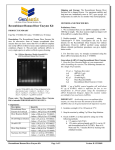
Fig. 2. Efficient Digestion of Double-stranded RNA with
Recombinant Human Dicer Enzyme
700 bp
Advantages of Dicer siRNA Generation Kit
22 bp
Compared to conventional siRNA construction methods such as
chemical synthesis and hairpin siRNA expression vectors, the Dicer
siRNA Generation Kit offers the following advantages:
No guesswork – A mixture of siRNAs has a better chance of
success than a single siRNA design.
Cost effective - No wasted time and money due to failed siRNAs.
High efficiency-More regions of genes are screened for silencing.
Ideal for use with GeneSilencer® siRNA Transfection Reagent.
Genlantis
10190 Telesis Court. San Diego, CA 92121
VKM070419
1 µg of a 700 bp dsRNA after 12 hour of digestion by the
dicer enzyme. Lanes: 1. marker, 2. 1 µl dicer; 3. 1.5 µl
dicer, 4. 2 µl dicer, 5. 2.5 µl dicer, 6. 3 µl dicer, 7. 3.5 µl
dicer, 8. 4 µl dicer, 9. 1 µg dsRNA (control)
Page 2 of 8
Toll Free: (888) 428-0558 « (858) 457-1919 « Web: http://www.genlantis.com