1
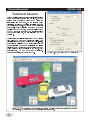
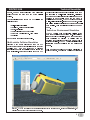
WINTER 2008 Technical Newsletter Second, the new contact algorithm (see discussion below) removes the need for many of the original options. The technical enhancements to following areas: DyMESH fall into the Ø Multi-vehicles Simulation Ø Vehicle vs. Environment Simulation Ø Super-tessellation Ø Contact Algorithm and Deformation Ø Force (and Acceleration) vs. Time History Ø Restitution Each of these areas is addressed below. Multi-vehicle Collision Simulation Although many users discovered that DyMESH appeared to work for events involving three (or more) vehicles, EDC had not performed a rigorous investigation and did not officially endorse its use for such applications. Part of the development of DyMESH Version 2 involved a thorough investigation of the code as it applies to multi-vehicle simulation. Limitations were found (complicated issues involving the number of vertices on each vehicle mesh and the order of collisions) and removed. DyMESH Version 2 supports multi-vehicle simulation. Figure 2 shows a four-vehicle simulation involving simultaneous contact between all four vehicles. This condition is handled by the new code. Vehicle vs. Environment Simulation DyMESH Version 1 did not simulate collision forces between a vehicle and the environment. This precluded its use for rollover simulation. Some users got around this restriction by placing a vehicle with an environment-emulating mesh into the ground. This is no longer required. DyMESH Version 2 includes direct interaction between vehicle(s) and the environment surface. This enhancement allows for direct simulation of rollover crashes, wherein the vehicle body interacts Figure 3 - DyMESH simulation of a hypothetical rollover showing vehicle body vs. environment interaction. Key Results window shows impact forces and moments. 3