1
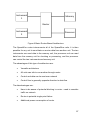
two instruments is less than the data rate of a single SpaceWire link then
the router can act as a concentrator permitting a packet from say instrument
1 first, followed by a packet from instrument 2. In this case the amount of
data buffering in the instruments will depend upon the size of the packets
being sent. Hence, it makes sense to use short packets rather than long
ones to reduce the amount of buffer memory required. Another alternative is
for the memory (or processor) to control when an instrument is allowed to
send data. For example, the memory could request data from instrument 1
and once this has been received it could request data from instrument 2.
There are many possibilities: SpaceWire is flexible enough to support the
requirements of different types of mission.
It should be noted that since the router uses wormhole routing and does not
support packet buffering in the router, the speed of all the SpaceWire links
attached to a router should normally all be set to the same rate.
Typical applications for this type of architecture include payload datahandling systems with more than one instrument or multiple possible
destinations for data from an instrument. The potential single point failure of
the router can be avoided by including a second router connected to all the
units.
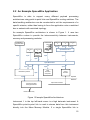
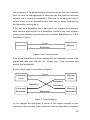
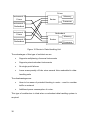
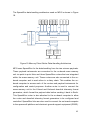
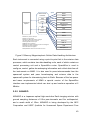
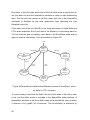
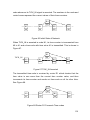
Figure 10 shows a prime and redundant pair of routers which have been
included in prime and redundant data handling units together with the mass
memory and processing units. This provides router redundancy while
reducing the lengths (and hence mass) of the SpaceWire links.
29