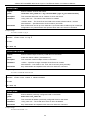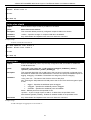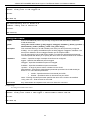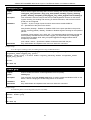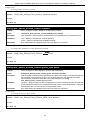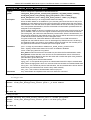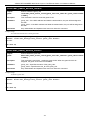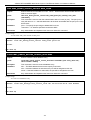
1
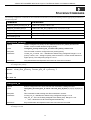
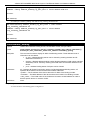
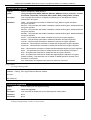
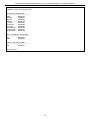
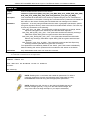
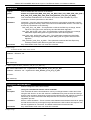
®
CLI Manual
Product Model: xStack ® DES-3528/DES-3552 Series
Layer 2 Managed Stackable Fast Ethernet Switch
Release 2.0
Table of Contents
INTRODUCTION ......................................................................................................................... 1
USING THE CONSOLE CLI ........................................................................................................ 3
COMMAND SYNTAX .................................................................................................................. 7
BASIC SWITCH COMMANDS .................................................................................................... 9
MODIFY BANNER AND PROMPT COMMANDS ..................................................................... 22
SWITCH PORT COMMANDS ................................................................................................... 25
PORT SECURITY COMMANDS ............................................................................................... 30
STACKING COMMANDS.......................................................................................................... 34
NETWORK MANAGEMENT (SNMP) COMMANDS ................................................................. 37
SWITCH UTILITY COMMANDS................................................................................................ 56
NETWORK MONITORING COMMANDS.................................................................................. 65
MULTIPLE SPANNING TREE PROTOCOL (MSTP) COMMANDS.......................................... 80
FORWARDING DATABASE COMMANDS............................................................................... 93
TRAFFIC CONTROL COMMANDS ........................................................................................ 100
QOS COMMANDS .................................................................................................................. 104
PORT MIRRORING COMMANDS........................................................................................... 116
VLAN COMMANDS................................................................................................................. 119
VOICE VLAN COMMANDS..................................................................................................... 134
SUBNET-BASED VLAN COMMANDS ................................................................................... 141
ASYMMETRIC VLAN COMMANDS........................................................................................ 144
ii
LINK AGGREGATION COMMANDS ...................................................................................... 146
IP–MAC-PORT BINDING (IMPB) COMMANDS ..................................................................... 151
LIMITED IP MULTICAST ADDRESS ...................................................................................... 165
BASIC IP COMMANDS ........................................................................................................... 171
MULTICAST VLAN COMMANDS ........................................................................................... 175
IGMP SNOOPING COMMANDS ............................................................................................. 192
DHCP RELAY COMMANDS ................................................................................................... 208
802.1X COMMANDS (INCLUDING GUEST VLANS)............................................................. 221
ACCESS CONTROL LIST (ACL) COMMANDS ..................................................................... 243
SAFEGUARD ENGINE COMMANDS ..................................................................................... 264
FILTER COMMANDS (DHCP SERVER/NETBIOS) ................................................................ 266
L3 CPU FILTER COMMANDS ................................................................................................ 271
LOOP-BACK DETECTION COMMANDS ............................................................................... 273
TRAFFIC SEGMENTATION COMMANDS ............................................................................. 277
SFLOW COMMANDS.............................................................................................................. 279
TIME AND SNTP COMMANDS............................................................................................... 288
ARP AND GRATUITOUS ARP COMMANDS ......................................................................... 293
ROUTING TABLE COMMANDS ............................................................................................. 302
MAC NOTIFICATION COMMANDS ........................................................................................ 304
ACCESS AUTHENTICATION CONTROL COMMANDS ........................................................ 307
SSH COMMANDS ...................................................................................................................328
SSL COMMANDS ...................................................................................................................335
iii
D-LINK SINGLE IP MANAGEMENT COMMANDS................................................................. 340
JWAC COMMANDS ................................................................................................................ 351
LLDP COMMANDS ................................................................................................................. 371
Q-IN-Q COMMANDS ............................................................................................................... 385
RSPAN COMMANDS .............................................................................................................. 391
STATIC MAC-BASED VLAN COMMANDS ............................................................................ 395
SIMPLE RED COMMANDS..................................................................................................... 397
MLD SNOOPING COMMAND LIST ........................................................................................ 404
MAC-BASED ACCESS CONTROL COMMANDS LIST ......................................................... 419
MULTIPLE AUTHENTICATION COMMANDS........................................................................ 430
WEB-BASED ACCESS CONTROL COMMANDS .................................................................. 436
POE COMMANDS ...................................................................................................................446
PPPOE CIRCUIT ID INSERTION COMMANDS...................................................................... 450
DNS RELAY COMMANDS...................................................................................................... 451
POLICY ROUTE COMMANDS................................................................................................ 454
BPDU ATTACK PROTECTION COMMANDS ........................................................................ 457
ETHERNET OAM COMMANDS.............................................................................................. 461
DHCP SERVER COMMANDS................................................................................................. 472
CABLE DIAGNOSTIC COMMANDS....................................................................................... 486
CONNECTIVITY FAULT MANAGEMENT COMMANDS ........................................................ 488
COMMAND HISTORY LIST .................................................................................................... 505
TECHNICAL SPECIFICATIONS ............................................................................................. 509
iv
MITIGATING ARP SPOOFING ATTACKS VIA PACKET CONTENT ACL ............................ 512
PASSWORD RECOVERY PROCEDURE ............................................................................... 520
v
xStack® DES-3528/DES-3552 Series Layer 2 Fast Ethernet Switch CLI Reference Manual
1
INTRODUCTION
The Switch can be managed through the Switch’s serial port, Telnet, or the Web-based management agent. The Command Line
Interface (CLI) can be used to configure and manage the Switch via the serial port or Telnet interfaces.
The DES-3528/52 Layer 2 stackable Fast Ethernet Switch Series are members of the D-Link xStack® family. Ranging from
10/100Mbps edge switches to core gigabit switches, the xStack switch family has been future-proof designed to provide a stacking
architecture with fault tolerance, flexibility, port density, robust security and maximum throughput with a user-friendly
management interface for the networking professional.
This manual provides a reference for all of the commands contained in the CLI for the xStack® DES-3528, DES-3528P, DES3528DC and DES-3552 series of switches. Configuration and management of the Switch via the Web-based management agent is
discussed in the User’s Guide.
NOTE: For the remainder of this manual, all versions of the DES-3528, DES-3528P,
DES-3528DC and DES-3552 switches will be referred to as simply the Switch or the DES3528/52 Series.
Accessing the Switch via the Serial Port
The Switch’s serial port’s default settings are as follows:
•
115200 baud
•
no parity
•
8 data bits
• 1 stop bit
A computer running a terminal emulation program capable of emulating a VT-100 terminal and a serial port configured as above
is then connected to the Switch’s serial port via an RS-232 DB-9 cable.
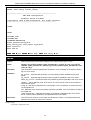
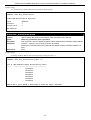
With the serial port properly connected to a management computer, the following screen should be visible. If this screen does not
appear, try pressing Ctrl+r to refresh the console screen.
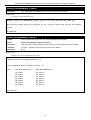
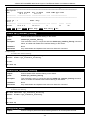
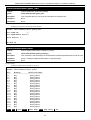
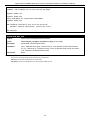
DES-3528 Fast Ethernet Switch
Command Line Interface
Firmware: Build 2.00.B033
Copyright(C) 2009 D-Link Corporation. All rights reserved.
UserName:
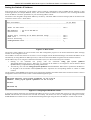
Figure 1-1. Initial CLI screen
There is no initial username or password. Just press the Enter key twice to display the CLI input cursor − DES-3528:5#. This is
the command line where all commands are input.
1
xStack® DES-3528/DES-3552 Series Layer 2 Fast Ethernet Switch CLI Reference Manual
Setting the Switch’s IP Address
Each Switch must be assigned its own IP Address, which is used for communication with an SNMP network manager or other
TCP/IP application (for example BOOTP, TFTP). The Switch’s default IP address is 10.90.90.90. Users can change the default
Switch IP address to meet the specification of your networking address scheme.
The Switch is also assigned a unique MAC address by the factory. This MAC address cannot be changed, and can be found on the
initial boot console screen – shown below.
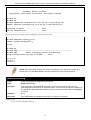
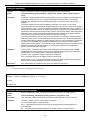
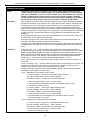
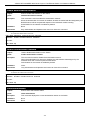
Boot Procedure
V1.00.B007
----------------------------------------------------------------------------Power On Self Test ........................................
MAC Address
H/W Version
100 %
: 00-21-91-AF-EA-00
: A2
Please wait, loading V2.00.B033 Runtime image .............
UART init .................................................
Device Discovery ..........................................
Configuration init.........................................
100 %
100 %
100 %
\_
Figure 1-2. Boot screen
The Switch’s MAC address can also be found in the Web management program on the Switch Information (Basic Settings)
window on the Configuration menu.
The IP address for the Switch must be set before it can be managed with the Web-based manager. The Switch IP address can be
automatically set using BOOTP or DHCP protocols, in which case the actual address assigned to the Switch must be known.
The IP address may be set using the Command Line Interface (CLI) over the console serial port as follows:
1. Starting at the command line prompt, enter the commands config ipif System ipaddress
xxx.xxx.xxx.xxx/yyy.yyy.yyy.yyy. Where the x’s represent the IP address to be assigned to the IP interface named
System and the y’s represent the corresponding subnet mask.
2. Alternatively, users can enter config ipif System ipaddress xxx.xxx.xxx.xxx/z. Where the x’s represent the IP address to
be assigned to the IP interface named System and the z represents the corresponding number of subnets in CIDR
notation.
The IP interface named System on the Switch can be assigned an IP address and subnet mask which can then be used to connect a
management station to the Switch’s Telnet or Web-based management agent.
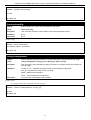
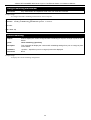
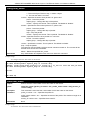
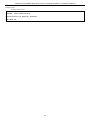
DES-3528:5#config ipif System ipaddress 10.24.73.21/8
Command: config ipif System ipaddress 10.24.73.21/8
Success.
DES-3528:5#
Figure 1-3. Assigning an IP Address screen
In the above example, the Switch was assigned an IP address of 10.24.73.21 with a subnet mask of 255.0.0.0. The system message
Success indicates that the command was executed successfully. The Switch can now be configured and managed via Telnet,
SNMP MIB browser and the CLI or via the Web-based management agent using the above IP address to connect to the Switch.
2
xStack® DES-3528/DES-3552 Series Layer 2 Fast Ethernet Switch CLI Reference Manual
2
USING THE CONSOLE CLI
The DES-3528/52 Series supports a console management interface that allows the user to connect to the Switch’s management
agent via a serial port and a terminal or a computer running a terminal emulation program. The console can also be used over the
network using the TCP/IP Telnet protocol. The console program can be used to configure the Switch to use an SNMP-based
network management software over the network.
This chapter describes how to use the console interface to access the Switch, change its settings, and monitor its operation.
NOTE: Switch configuration settings are saved to non-volatile RAM using the save command. The
current configuration will then be retained in the Switch’s NV-RAM, and reloaded when the Switch is
rebooted. If the Switch is rebooted without using the save command, the last configuration saved to NVRAM will be loaded.
Connecting to the Switch
The console interface is used by connecting the Switch to a VT100-compatible terminal or a computer running an ordinary
terminal emulator program (e.g., the HyperTerminal program included with the Windows operating system) using an RS-232C
serial cable. Your terminal parameters will need to be set to:
• VT-100 compatible
• 115200 baud
• 8 data bits
• No parity
• One stop bit
• No flow control
Users can also access the same functions over a Telnet interface. Once users have set an IP address for your Switch, users can use
a Telnet program (in VT-100 compatible terminal mode) to access and control the Switch. All of the screens are identical, whether
accessed from the console port or from a Telnet interface.
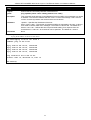
After the Switch reboots and users have logged in, the console looks like this:
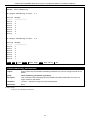
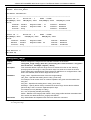
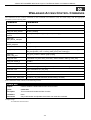
DES-3528 Fast Ethernet Switch
Command Line Interface
Firmware: Build 2.00.B033
Copyright(C) 2009 D-Link Corporation. All rights reserved.
UserName:
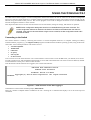
Figure 2-1. Initial Console screen after logging in
Commands are entered at the command prompt, DES-3528:5#.
There are a number of helpful features included in the CLI. Entering the ? command will display a list of all of the top-level
commands.
3
xStack® DES-3528/DES-3552 Series Layer 2 Fast Ethernet Switch CLI Reference Manual
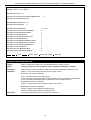
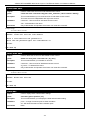
?
cable_diag ports
cfm linktrace
cfm loopback
clear
clear address_binding dhcp_snoop binding_entry ports
clear arptable
clear attack_log
clear cfm pkt_cnt
clear counters
clear dhcp binding
clear dhcp conflict_ip
clear ethernet_oam ports
clear fdb
clear igmp_snooping data_driven_group
clear igmp_snooping statistic counter
clear jwac auth_state
clear log
clear mac_based_access_control auth_state
clear mld_snooping data_driven_group
clear mld_snooping statistic counter
CTRL+C ESC q Quit SPACE n Next Page ENTER Next Entry a All
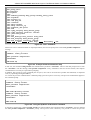
Figure 2-2. The ? Command
When users enter a command without its required parameters, the CLI will prompt users with a Next possible completions:
message.
DES-3528:5#config account
Command: config account
Next possible completions:
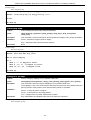
<username>
DES-3528:5#
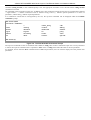
Figure 2-3. Example Command Parameter Help
In this case, the command config account was entered with the parameter <username>. The CLI will then prompt users to enter
the <username> with the message, Next possible completions:. Every command in the CLI has this feature, and complex
commands have several layers of parameter prompting.
In addition, after typing any given command plus one space, users can see all of the next possible sub-commands, in sequential
order, by repeatedly pressing the Tab key.
To re-enter the previous command at the command prompt, press the up arrow cursor key. The previous command will appear at
the command prompt.
DES-3528:5#config account
Command: config account
Next possible completions:
<username>
DES-3528:5#config account
Command: config account
Next possible completions:
<username>
DES-3528:5#
Figure 2-4. Using the Up Arrow to Re-enter a Command
In the above example, the command config account was entered without the required parameter <username>, the CLI returned
the Next possible completions: <username> prompt. The up arrow cursor control key was pressed to re-enter the previous
4
xStack® DES-3528/DES-3552 Series Layer 2 Fast Ethernet Switch CLI Reference Manual
command (config account) at the command prompt. Now the appropriate username can be entered and the config account
command re-executed.
All commands in the CLI function in this way. In addition, the syntax of the help prompts are the same as presented in this manual
− angle brackets < > indicate a numerical value or character string, braces { } indicate optional parameters or a choice of
parameters, and brackets [ ] indicate required parameters.
If a command is entered that is unrecognized by the CLI, the top-level commands will be displayed under the Available
commands: prompt.
DES-3528:5#the
Available commands:
..
clear
delete
login
reboot
set
?
config
disable
logout
reconfig
show
cable_diag
create
download
no
reset
telnet
cfm
debug
enable
ping
save
upload
DES-3528:5#
Figure 2-5. The Next Available Commands Prompt
The top-level commands consist of commands such as show or config. Most of these commands require one or more parameters
to narrow the top-level command. This is equivalent to show what? or config what? Where the what? is the next parameter.
For example, if users enter the show command with no additional parameters, the CLI will then display all of the possible next
parameters.
5
xStack® DES-3528/DES-3552 Series Layer 2 Fast Ethernet Switch CLI Reference Manual
DES-3528:5#show
Command: show
Next possible completions:
802.1p
802.1x
access_profile
account
accounting
acct_client
address_binding
arp_spoofing_prevention
arpentry
asymmetric_vlan
attack_log
auth_client
auth_diagnostics
auth_session_statistics
auth_statistics
authen
authen_enable
authen_login
authen_policy
authentication
authorization
autoconfig
bandwidth_control
bpdu_protection
cfm
command_history
config
cos
cpu
cpu_filter
current_config
device_status
dhcp
dhcp_local_relay
dhcp_relay
dhcp_server
dnsr
dot1v_protocol_group
dscp
error
ethernet_oam
fdb
filter
firmware
flow_meter
gratuitous_arp
greeting_message
gvrp
hol_prevention
igmp_snooping
ipif
iproute
jumbo_frame
jwac
lacp_port
limited_multicast_addr
link_aggregation
lldp
log
log_save_timing
loopdetect
mac_based_access_control
mac_based_access_control_local
mac_based_vlan
mac_notification
max_mcast_group
mcast_filter_profile
mef_l2_protocols
mirror
mld_snooping
multicast
multicast_fdb
packet
poe
policy_route
port
port_security
port_vlan
ports
pppoe
pvid
qinq
radius
router_ports
rspan
safeguard_engine
scheduling
scheduling_mechanism
serial_port
session
sflow
sim
snmp
sntp
sred
ssh
ssl
stack_information
stacking
stp
subnet_vlan
switch
syslog
system_severity
time
time_range
traffic
traffic_segmentation
trusted_host
utilization
vlan
vlan_precedence
vlan_translation
vlan_trunk
voice_vlan
wac
DES-3528:5#
Figure 2-6. Next possible completions: Show Command
In the above example, all of the possible next parameters for the show command are displayed. At the next command prompt, the
up arrow was used to re-enter the show command, followed by the account parameter. The CLI then displays the user accounts
configured on the Switch.
6
xStack® DES-3528/DES-3552 Series Layer 2 Fast Ethernet Switch CLI Reference Manual
3
COMMAND SYNTAX
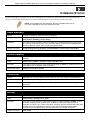
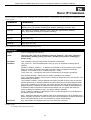
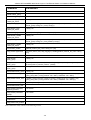
The following symbols are used to describe how command entries are made and values and arguments are specified in this
manual. The online help contained in the CLI and available through the console interface uses the same syntax.
NOTE: All commands are case-sensitive. Be sure to disable Caps Lock or
any other unwanted function that changes text case.
<angle brackets>
Purpose
Encloses a variable or value that must be specified.
Syntax
config ipif <ipif_name 12> [{ipaddress <network_address> | vlan <vlan_name 32> |
state [enable | disable}] | bootp | dhcp]
Description
In the above syntax example, users must supply an IP interface name in the <ipif_name
12> space, a VLAN name in the <vlan_name 32> space, and the network address in the
<network_address> space. Do not type the angle brackets.
Example Command
config ipif Engineering ipaddress 10.24.22.5/255.0.0.0 vlan Design state enable
[square brackets]
Purpose
Encloses a required value or set of required arguments. One value or argument can be
specified.
Syntax
create account [admin | operator | user] <username 15>
Description
In the above syntax example, users must specify either an admin or a user level account
to be created. Do not type the square brackets.
Example Command
create account admin Tommy
| vertical bar
Purpose
Separates two or more mutually exclusive items in a list, one of which must be entered.
Syntax
create account [admin | operator | user] <username 15>
Description
In the above syntax example, users must specify either admin, or user. Do not type the
vertical bar.
Example Command
create account admin Tommy
{braces}
Purpose
Encloses an optional value or set of optional arguments.
Syntax
reset {[config | system]} force_agree
Description
In the above syntax example, users have the option to specify config or system. It is not
necessary to specify either optional value, however the effect of the system reset is
dependent on which, if any, value is specified. Therefore, with this example there are three
possible outcomes of performing a system reset. See the following chapter, Basic
Commands for more details about the reset command. Do not type the braces.
Example command
reset config
7
xStack® DES-3528/DES-3552 Series Layer 2 Fast Ethernet Switch CLI Reference Manual
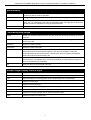
(parentheses)
Purpose
Indicates at least one or more of the values or arguments in the preceding syntax
enclosed by braces must be specified.
Syntax
config dhcp_relay {hops <value 1-16> | time <sec 0-65535>}(1)
Description
In the above syntax example, users have the option to specify hops or time or both of
them. The "(1)" following the set of braces indicates at least one argument or value within
the braces must be specified. Do not type the parentheses.
Example command
config dhcp_relay hops 3
Line Editing Key Usage
Delete
Deletes the character under the cursor and then shifts the remaining characters in the line
to the left.
Backspace
Deletes the character to the left of the cursor and then shifts the remaining characters in
the line to the left.
Left Arrow
Moves the cursor to the left.
Right Arrow
Moves the cursor to the right.
Up Arrow
Repeats the previously entered command. Each time the up arrow is pressed, the
command previous to that displayed appears. This way it is possible to review the
command history for the current session. Use the down arrow to progress sequentially
forward through the command history list.
Down Arrow
The down arrow will display the next command in the command history entered in the
current session. This displays each command sequentially as it was entered. Use the up
arrow to review previous commands.
Tab
Shifts the cursor to the next field to the left.
Multiple Page Display Control Keys
Space
Displays the next page.
CTRL+c
Stops the display of remaining pages when multiple pages are to be displayed.
ESC
Stops the display of remaining pages when multiple pages are to be displayed.
n
Displays the next page.
p
Displays the previous page.
q
Stops the display of remaining pages when multiple pages are to be displayed.
r
Refreshes the pages currently displayed.
a
Displays the remaining pages without pausing between pages.
Enter
Displays the next line or table entry.
8
xStack® DES-3528/DES-3552 Series Layer 2 Fast Ethernet Switch CLI Reference Manual
4
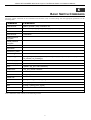
BASIC SWITCH COMMANDS
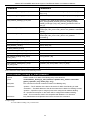
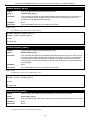
The basic switch commands in the Command Line Interface (CLI) are listed (along with the appropriate parameters) in the
following table.
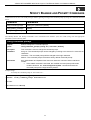
Command
Parameters
create account
[admin | operator | user] <username 15>
config account
<username> {encrypt [plain_text | sha_1] <password>}
show account
delete account
<username>
enable password
encryption
disable password
encryption
show session
show switch
show device_status
show serial_port
config serial_port
{baud_rate [9600 | 19200 | 38400 | 115200] | auto_logout [never | 2_minutes | 5_minutes |
10_minutes | 15_minutes]}(1)
enable clipaging
disable clipaging
telnet
<ipaddr> {tcp_port <value 0-65535>}
enable telnet
<tcp_port_number 1-65535>
disable telnet
enable web
<tcp_port_number 1-65535>
disable web
save
{[config <config_id 1-2> | log | all]}
reboot
{force_agree}
reset
{[config | system]} {force_agree}
login
logout
Each command is listed, in detail, in the following sections.
9
xStack® DES-3528/DES-3552 Series Layer 2 Fast Ethernet Switch CLI Reference Manual
create account
Purpose
Used to create user accounts.
Syntax
create account [admin | operator | user] <username 15>
Description
This command is used to create user accounts that consist of a username of 1 to 15
characters and a password of 0 to 15 characters. Up to 8 user accounts can be created.
Parameters
[admin | operator | user] <username 15>
Restrictions
Only Administrator-level users can issue this command.
Usernames can be between 1 and 15 characters.
Passwords can be between 0 and 15 characters.
Example usage:
To create an administrator-level user account with the username “dlink”.
DES-3528:5#create account admin dlink
Command: create account admin dlink
Enter a case-sensitive new password:****
Enter the new password again for confirmation:****
Success.
DES-3528:5#
NOTICE: In case of lost passwords or password corruption, please refer to the
D-Link website and the White Paper entitled “Password Recovery Procedure”,
which will guide you through the steps necessary to resolve this issue.
config account
Purpose
Used to configure user accounts
Syntax
config account <username> {encrypt [plain_text | sha_1] <password>}
Description
When the password information is not specified in the command, the system will prompt the
user to input the password interactively. For this case, the user can only input the plain text
password.
If the password is present in the command, the user can select to input the password in the
plain text form or in the encrypted form. The encryption algorithm is based on SHA-I.
Parameters
<username> − Name of the account. The account must already be defined.
plain_text − Select to specify the password in plain text form.
sha_1 − Select to specify the password in the SHA-I enacrpted form.
password − The password for the user account.
The length for of password in plain-text form and in encrypted form are different. For the
plain-text form, passwords must have a minimum of 0 character and can have a maximum of
15 characters. For the encrypted form password, the length is fixed to 35 bytes long. The
assword is case-sensitive.
Restrictions
Only Administrator level users can issue this command.
Usernames can be between 1 and 15 characters.
Passwords can be between 0 and 15 characters.
Example usage:
To configure the user password of “dlink” account:
10
xStack® DES-3528/DES-3552 Series Layer 2 Fast Ethernet Switch CLI Reference Manual
DES-3528:5#config account dlink
Command: config account dlink
Enter a old password:****
Enter a case-sensitive new password:****
Enter the new password again for confirmation:****
Success.
DES-3528:5#
show account
Purpose
Used to display user accounts.
Syntax
show account
Description
This command is used to display all user accounts created on the Switch. Up to 8 user
accounts can exist at one time.
Parameters
None.
Restrictions
Only Administrator-level users can issue this command.
Example usage:
To display the accounts that have been created:
DES-3528:5#show account
Command: show account
Current Accounts:
Username
Access Level
--------------- -----------dlink
Admin
Total Entries: 1
DES-3528:5#
delete account
Purpose
Used to delete an existing user account.
Syntax
delete account <username>
Description
This command is used to delete an existing entry.
Parameters
<username> − Name of the user who will be deleted.
Restrictions
Only Administrator-level users can issue this command.
Example usage:
To delete the user account “System”:
DES-3528:5#delete account System
Command: delete account System
Success.
DES-3528:5#
11
xStack® DES-3528/DES-3552 Series Layer 2 Fast Ethernet Switch CLI Reference Manual
enable password encryption
Purpose
Used to enable password encryption.
Syntax
enable password encryption
Description
The user account configuration information will be stored in the configuration file, and can be
applied to the system later.
If the password encryption is enabled, the password will be in encrypted form.
When password encryption is diabled, if the user specifies the password in plain text form,
the password will be in plain text form. However, if the user specifies the password in
encrypted form, or if the password has been converted to encrypted form by the last enable
password encryption command, the password will still be in the encrypted form. It cannot be
reverted to the plaintext.
Parameters
None.
Restrictions
Only Administrator-level users can issue this command.
Example usage:
To enable password encryption:
DES-3528:5#enable password encryption
Command: enable password encryption
Success.
DES-3528:5#
disable password encryption
Purpose
Used to disable password encryption.
Syntax
disable password encryption
Description
The user account configuration information will be stored in the configuration file, and can be
applied to the system later.
If the password encryption is enabled, the password will be in encrypted form.
When password encryption is disabled, if the user specifies the password in plain text form,
the password will be in plan text form. However, if the user specifies the password in
encrypted form, or if the password has been converted to encrypted form by the last enable
password encryption command, the password will still be in the encrypted form. It cannot be
reverted to the plaintext.
Parameters
None.
Restrictions
Only Administrator-level users can issue this command.
Example usage:
To disable password encryption:
DES-3528:5#disable password encryption
Command: disable password encryption
Success.
DES-3528:5#
12
xStack® DES-3528/DES-3552 Series Layer 2 Fast Ethernet Switch CLI Reference Manual
show session
Purpose
Used to display a list of currently logged-in users.
Syntax
show session
Description
This command displays a list of all the users that are logged-in at the time the command is
issued.
Parameters
None.
Restrictions
None.
Example usage:
To display the way that the users logged in:
DES-3528:5#show session
Command: show session
ID
--8
Live Time
--------00:00:16.250
From
-----------Serial Port
Level
----5
Name
------Anonymous
Total Entries: 1
CTRL+C ESC q Quit SPACE n Next Page p Previous Page r Refresh
show switch
Purpose
Used to display general information about the Switch.
Syntax
show switch
Description
This command displays information about the Switch.
Parameters
None.
Restrictions
None.
Example usage:
To display the Switch’s information:
13
xStack® DES-3528/DES-3552 Series Layer 2 Fast Ethernet Switch CLI Reference Manual
DES-3528:5#show switch
Command: show switch
Device Type
MAC Address
IP Address
VLAN Name
Subnet Mask
Default Gateway
Boot PROM Version
Firmware Version
Hardware Version
Serial Number
System Name
System Location
System Contact
Spanning Tree
GVRP
IGMP Snooping
MLD Snooping
VLAN Trunk
TELNET
WEB
SNMP
SSL status
:
:
:
:
:
:
:
:
:
:
:
:
:
:
:
:
:
:
:
:
:
:
DES-3528 Fast Ethernet Switch
00-21-91-53-3E-C8
10.24.73.21 (Manual)
default
255.0.0.0
0.0.0.0
Build 1.00.B007
Build 2.00.B031
A2
P1UQ28B000010
Disabled
Disabled
Disabled
Disabled
Disabled
Enabled (TCP 23)
Enabled (TCP 80)
Disabled
Disabled
CTRL+C ESC q Quit SPACE n Next Page ENTER Next Entry a All
show device_status
Purpose
Used to display the current Switch power status.
Syntax
show device_status
Description
This command displays status of both the Switch’s internal and external power.
Parameters
None.
Restrictions
None.
Example usage:
To display the Switch’s power status:
DES-3528:5#show device_status
Command: show device_status
Internal Power
External Power
Side Fan
Back Fan
---------------- ---------------- ---------- ---------Active
Fail
OK
--CTRL+C ESC q Quit SPACE n Next Page p Previous Page r Refresh
14
xStack® DES-3528/DES-3552 Series Layer 2 Fast Ethernet Switch CLI Reference Manual
show serial_port
Purpose
Used to display the current serial port settings.
Syntax
show serial_port
Description
This command displays the current serial port settings.
Parameters
None.
Restrictions
None
Example usage:
To display the serial port setting:
DES-3552:5#show serial_port
Command: show serial_port
Baud Rate
Data Bits
Parity Bits
Stop Bits
Auto-Logout
:
:
:
:
:
115200
8
None
1
Never
DES-3552:5#
config serial_port
Purpose
Used to configure the serial port.
Syntax
config serial_port {baud_rate [9600 | 19200 | 38400 | 115200] | auto_logout [never |
2_minutes | 5_minutes | 10_minutes | 15_minutes]}(1)
Description
This command is used to configure the serial port’s baud rate and auto logout settings.
Parameters
baud_rate [9600 | 19200 | 38400 | 115200] − The serial bit rate that will be used to
communicate with the management host. There are four options: 9600, 19200, 38400,
115200. Factory default setting is 115200.
never − No time limit on the length of time the console can be open with no user input.
2_minutes − The console will log out the current user if there is no user input for 2 minutes.
5_minutes − The console will log out the current user if there is no user input for 5 minutes.
10_minutes − The console will log out the current user if there is no user input for 10
minutes.
15_minutes − The console will log out the current user if there is no user input for 15
minutes.
Restrictions
Only Administrator and Operator-level users can issue this command.
Example usage:
To configure baud rate:
DES-3528:5#config serial_port baud_rate 115200
Command: config serial_port baud_rate 115200
Success.
DES-3528:5#
15
xStack® DES-3528/DES-3552 Series Layer 2 Fast Ethernet Switch CLI Reference Manual
NOTE: If a user configures the serial port’s baud rate, the baud rate will take effect and save
immediately. Baud rate settings will not change even if the user resets or reboots the Switch. The
Baud rate will only change when the user configures it again. The serial port’s baud rate setting is
not stored in the Switch’s configuration file. Resetting the Switch will not restore the baud rate to
the default setting.
enable clipaging
Purpose
Used to pause the scrolling of the console screen when a command displays more than one
page.
Syntax
enable clipaging
Description
This command is used when issuing a command which causes the console screen to rapidly
scroll through several pages. This command will cause the console to pause at the end of
each page. The default setting is enabled.
Parameters
None.
Restrictions
Only Administrator and Operator-level users can issue this command.
Example usage:
To enable pausing of the screen display when the show command output reaches the end of the page:
DES-3528:5#enable clipaging
Command: enable clipaging
Success.
DES-3528:5#
disable clipaging
Purpose
Used to disable the pausing of the console screen scrolling at the end of each page when a
command displays more than one screen of information.
Syntax
disable clipaging
Description
This command is used to disable the pausing of the console screen at the end of each page
when a command would display more than one screen of information.
Parameters
None.
Restrictions
Only Administrator and Operator-level users can issue this command.
Example usage:
To disable pausing of the screen display when show command output reaches the end of the page:
DES-3528:5#disable clipaging
Command: disable clipaging
Success.
DES-3528:5#
16
xStack® DES-3528/DES-3552 Series Layer 2 Fast Ethernet Switch CLI Reference Manual
telnet
Purpose
Used to login the remote device system through the network.
Syntax
telnet <ipaddr> {tcp_port <value 0-65535>}
Description
This command is used when the manager want to manage the device system which isn’t on
local. So can use this command to login in the remote system which is located on other side.
If connect successful, some actions can be done as local.
Parameters
<ipaddr> − The network ip address. This is the destination which wants to login.
<value 0-65535> − The TCP port number. TCP ports are numbered between 1 and 65535.
The “well-known” TCP port for the Telnet protocol is 23.
None.
Restrictions
Example usage:
Telnet to the remote Switch:
DES-3528:5#telnet 172.18.168.12 tcp_port 50
Command: telnet 172.18.168.12 tcp_port 50
Connecting to server,please wait....
DES-3552 Gigabit Ethernet Switch
Command Line Interface
Firmware: Build 1.03.B009
Copyright(C) 2008 D-Link Corporation. All rights reserved.
UserName:
PassWord:
enable telnet
Purpose
Used to enable communication with and management of the Switch using the Telnet
protocol.
Syntax
enable telnet <tcp_port_number 1-65535>
Description
This command is used to enable the Telnet protocol on the Switch. The user can specify the
TCP or UDP port number the Switch will use to listen for Telnet requests.
Parameters
<tcp_port_number 1-65535> − The TCP port number. TCP ports are numbered between 1
and 65535. The “well-known” TCP port for the Telnet protocol is 23.
Restrictions
Only Administrator and Operator-level users can issue this command.
Example usage:
To enable Telnet and configure port number:
DES-3528:5#enable telnet 23
Command: enable telnet 23
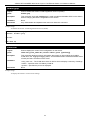
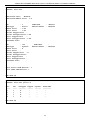
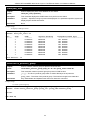
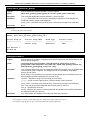
Success.
DES-3528:5#
17
xStack® DES-3528/DES-3552 Series Layer 2 Fast Ethernet Switch CLI Reference Manual
disable telnet
Purpose
Used to disable the Telnet protocol on the Switch.
Syntax
disable telnet
Description
This command is used to disable the Telnet protocol on the Switch.
Parameters
None.
Restrictions
Only Administrator and Operator-level users can issue this command.
Example usage:
To disable the Telnet protocol on the Switch:
DES-3528:5#disable telnet
Command: disable telnet
Success.
DES-3528:5#
enable web
Purpose
Used to enable the HTTP-based management software on the Switch.
Syntax
enable web <tcp_port_number 1-65535>
Description
This command is used to enable the Web-based management software on the Switch. The
user can specify the TCP port number the Switch will use to listen for Telnet requests.
Parameters
<tcp_port_number 1-65535> − The TCP port number. TCP ports are numbered between 1
and 65535. The “well-known” port for the Web-based management software is 80.
Restrictions
Only Administrator and Operator-level users can issue this command.
Example usage:
To enable HTTP and configure port number:
DES-3528:5#enable web 80
Command: enable web 80
Success.
DES-3528:5#
disable web
Purpose
Used to disable the HTTP-based management software on the Switch.
Syntax
disable web
Description
This command disables the Web-based management software on the Switch.
Parameters
None.
Restrictions
Only Administrator and Operator-level users can issue this command.
Example usage:
To disable HTTP:
18
xStack® DES-3528/DES-3552 Series Layer 2 Fast Ethernet Switch CLI Reference Manual
DES-3528:5#disable web
Command: disable web
Success.
DES-3528:5#
save
Purpose
Used to save changes in the Switch’s configuration to non-volatile RAM.
Syntax
save {[config <config_id 1-2> | log | all]}
Description
This command is used to enter the current switch configuration into non-volatile RAM. The
saved switch configuration will be loaded into the Switch’s memory each time the Switch is
restarted.
Parameters
config <config_id 1-2> – Specify to save current settings to configuration file 1 or 2.
log – Specify to save current Switch log to NV-RAM.
all – Specify to save all configuration settings. If nothing is specified after “save”, the Switch
will save all.
Restrictions
Only Administrator and Operator-level users can issue this command.
Example usage:
To save the Switch’s current configuration to non-volatile RAM:
DES-3528:5#save
Command: save
Saving all configurations to NV-RAM...
Done.
DES-3528:5#
reboot
Purpose
Used to restart the Switch.
Syntax
Reboot {force_agree}
Description
This command is used to restart the Switch.
Parameters
force_agree − When force_agree is specified, the reboot command will be executed
immediatedly without further confirmation.
Restrictions
Only Administrator-level users can issue this command.
Example usage:
To restart the Switch:
DES-3528:5#reboot
Command: reboot
Are you sure you want to proceed with the system reboot? (y|n)y
Please wait, the switch is rebooting...
19
xStack® DES-3528/DES-3552 Series Layer 2 Fast Ethernet Switch CLI Reference Manual
reset
Purpose
Used to reset the Switch to the factory default settings.
Syntax
reset {[config | system]} {force_agree}
Description
This command is used to restore the Switch’s configuration to the default settings assigned
from the factory.
Parameters
config − If the keyword ‘config’ is specified, all of the factory default settings are restored on
the Switch including the IP address, user accounts, and the switch history log. The Switch
will not save or reboot.
system − If the keyword ‘system’ is specified all of the factory default settings are restored on
the Switch. The Switch will save and reboot after the settings are changed to default.
Rebooting will clear all entries in the Forwarding Data Base.
force_agree − When force_agree is specified, the reset command will be executed
immediatedly without further confirmation.
If no parameter is specified, the Switch’s current IP address, user accounts, and the switch
history log are not changed. All other parameters are restored to the factory default settings.
The Switch will not save or reboot.
NOTE: The serial port baud rate will not be changed by the reset command. It
will not be restored to the factory default setting.
Restrictions
Only Administrator-level users can issue this command.
Example usage:
To restore all of the Switch’s parameters to their default values:
DES-3528:5#reset config
Command: reset config
Are users sure to proceed with system reset?(y/n)y
Success.
DES-3528:5#
login
Purpose
Used to log in a user to the Switch’s console.
Syntax
login
Description
This command is used to initiate the login procedure. The user will be prompted for a
Username and Password.
Parameters
None.
Restrictions
None.
Example usage:
To initiate the login procedure:
DES-3528:5#login
Command: login
UserName:
20
xStack® DES-3528/DES-3552 Series Layer 2 Fast Ethernet Switch CLI Reference Manual
logout
Purpose
Used to log out a user from the Switch’s console.
Syntax
logout
Description
This command terminates the current user’s session on the Switch’s console.
Parameters
None.
Restrictions
None.
Example usage:
To terminate the current user’s console session:
DES-3528:5#logout
21
xStack® DES-3528/DES-3552 Series Layer 2 Fast Ethernet Switch CLI Reference Manual
5
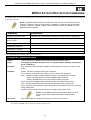
MODIFY BANNER AND PROMPT COMMANDS
Administrator level users can modify the login banner (greeting message) and command prompt by using the commands described
below.
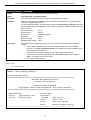
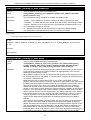
Command
Parameters
config command_prompt
[<string 16> | username | default]
config greeting_message
{default}
show greeting_message
The Modify Banner and Prompt commands in the Command Line Interface (CLI) are listed (along with the appropriate
parameters) in the following table.
config command prompt
Purpose
Used to configure the command prompt.
Syntax
config command_prompt [<string 16> | username | default]
Description
This command is used to change the command prompt.
Parameters
string 16 –The command prompt can be changed by entering a new name of no more that 16
characters.
username – The command prompt will be changed to the login username.
default – The command prompt will reset to factory default command prompt.
Restrictions
Only Administrator and Operator-level users can issue this command. Other restrictions
include:
•
If the “reset” command is executed, the modified command prompt will remain
modified. However, the “reset config/reset system” command will reset the
command prompt to the original factory banner.
Example usage:
To modify the command prompt to “AtYourService”:
DES-3528:5#config command_prompt AtYourService
Command: config command_prompt AtYourService
Success.
AtYourService:admin5#
22
xStack® DES-3528/DES-3552 Series Layer 2 Fast Ethernet Switch CLI Reference Manual
config greeting _message
Purpose
Used to configure the login banner (greeting message).
Syntax
config greeting _message {default}
Description
This command is used to modify the login banner (greeting message).
Parameters
default – If the user enters default to the modify banner command, then the banner will be
reset to the original factory banner.
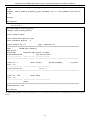
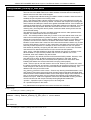
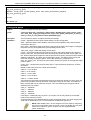
To open the Banner Editor, click enter after typing the config greeting_message command.
Type the information to be displayed on the banner by using the commands described on the
Banner Editor:
Quit without save:
Ctrl+C
Save and quit:
Ctrl+W
Move cursor:
Left/Right/Up/Down
Delete line:
Ctrl+D
Erase all setting:
Ctrl+X
Reload original setting: Ctrl+L
Restrictions
Only Administrator and Operator-level users can issue this command. Other restrictions
include:
•
If the “reset” command is executed, the modified banner will remain modified.
However, the “reset config/reset system” command will reset the modified banner
to the original factory banner.
•
The capacity of the banner is 6*80. 6 Lines and 80 characters per line.
•
Ctrl+W will only save the modified banner in the DRAM. Users need to type the
“save” command to save it into FLASH.
•
Only valid in threshold level.
Example usage:
To modify the banner:
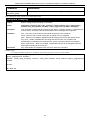
DES-3528:5# config greeting_message
Command: config greeting_message
Greeting Messages Editor
===========================================================================
DES-3528 Fast Ethernet Switch
Command Line Interface
Firmware: Build 2.00.B031
Copyright(C) 2009 D-Link Corporation. All rights reserved.
===========================================================================
<Function Key>
Ctrl+C
Quit without save
Ctrl+W
Save and quit
<Control Key>
left/right/
up/down
Move cursor
Ctrl+D
Delete line
Ctrl+X
Erase all setting
Ctrl+L
Reload original setting
---------------------------------------------------------------------------
23
xStack® DES-3528/DES-3552 Series Layer 2 Fast Ethernet Switch CLI Reference Manual
show greeting_message
Purpose
Used to view the currently configured greeting message configured on the Switch.
Syntax
show greeting_message
Description
This command is used to view the currently configured greeting message on the Switch.
Parameters
None.
Restrictions
None.
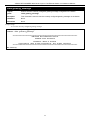
Example usage:
To view the currently configured greeting message:
DES-3528:5#show greeting_message
Command: show greeting_message
=======================================================================
DES-3528 Fast Ethernet Switch
Command Line Interface
Firmware: Build 2.00.B031
Copyright(C) 2009 D-Link Corporation. All rights reserved.
=======================================================================
DES-3528:5#
24
xStack® DES-3528/DES-3552 Series Layer 2 Fast Ethernet Switch CLI Reference Manual
6
SWITCH PORT COMMANDS
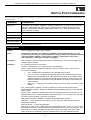
The switch port commands in the Command Line Interface (CLI) are listed (along with the appropriate parameters) in the
following table.
Command
Parameters
config ports
[ <portlist> | all ] {medium_type[fiber | copper]} { speed [auto | 10_half | 10_full | 100_half |
100_full | 1000_full{master | slave}] | flow_control [enable | disable] | learning [enable |
disable ] | state [enable | disable ] | [description <desc 1-32 > | clear_description | mdix
[auto | normal | cross]}(1)
show ports
{[<portlist>]} {[description | err_disabled | details]}
enable jumbo_frame
disable jumbo_frame
show jumbo_frame
Each command is listed, in detail, in the following sections.
config ports
Purpose
Used to configure the Switch’s port settings.
Syntax
config ports [ <portlist> | all ] {medium_type[fiber | copper]}{speed [auto | 10_half |
10_full | 100_half | 100_full | 1000_full {master | slave} ] | flow_control [enable | disable]
| learning [enable | disable ] | state [enable | disable ] | [description <desc 1-32> |
clear_description | mdix [auto | normal | cross]]}(1)
Description
This command is used to configure the Switch’s Ethernet ports. Only the ports listed in the
<portlist> will be affected.
Parameters
all − Configure all ports on the Switch.
<portlist> − Specifies a port or range of ports to be configured.
speed – Allows the user to adjust the speed for a port or range of ports. The user has a
choice of the following:
•
•
auto − Enables auto-negotiation for the specified range of ports.
[10 | 100 | 1000] − Configures the speed in Mbps for the specified range of ports.
Gigabit ports are statically set to 1000 and cannot be set to slower speeds. When
setting port speed to 1000_full,user should specify master or slave mode for 1000
base TX interface, and leave the 1000_full without any master or slave setting for
other interfaces.
•
[half | full] − Configures the specified range of ports as either full-duplex or halfduplex.
flow_control [enable | disable] – Enable or disable flow control for the specified ports.
learning [enable | disable] − Enables or disables the MAC address learning on the specified
range of ports.
medium_type – Specify the medium type while the configured ports are combo ports. It’s an
optional parameter for configuring medium type combo ports. For no combo ports, user does
not need to specify medium_type in the commands.
state [enable | disable] − Enables or disables the specified range of ports.
description − Enter an alphanumeric string of no more than 32 characters to describe a
selected port interface.
clear description – To clear the description.
mdix [auto | normal | cross] – MDIX mode can be specified as auto, normal, or cross. If set to
normal state, the port is in MDIX mode and can be connected to a port on an end node, such
as a server or PC, using a straight-through cable. If set to cross state, the port is in MDI
mode, and can be connected to a port on another switch or hub that uses MDI-X ports
25
xStack® DES-3528/DES-3552 Series Layer 2 Fast Ethernet Switch CLI Reference Manual
config ports
through a straight-through cable. If set to auto state, the ports can be connected to any
connections by using straight-through or cross-over cable. The ports make the necessary
adjustments to accommodate either cable for correct operation.
Restrictions
Only Administrator and Operator-level users can issue this command.
Example usage:
To configure the speed of ports 1-3 of unit 1 to be 10 Mbps, full duplex, learning enabled, state enabled and flow control
enabled:
DES-3528:5# config ports 1-3 speed 10_full learning enable state enable flow_control
enable
Command: config ports 1-3 speed 10_full learning enable state enable flow_control
enable
Success.
DES-3528:5#
show ports
Purpose
Used to display the current configuration of a range of ports.
Syntax
show ports {<portlist>} { [description | err_disabled | details] }
Description
This command is used to display the current configuration of a range of ports.
Parameters
<portlist> − Specifies a port or range of ports to be displayed.
description – Adding this parameter to the show ports command indicates that a previously
entered port description will be included in the display.
err_disabled – Use this to list disabled ports including connection status and reason for being
disabled.
details – Use this to show the detail information of ports.
Restrictions
None.
Example usage:
To display the configuration of all ports on a switch:
26
xStack® DES-3528/DES-3552 Series Layer 2 Fast Ethernet Switch CLI Reference Manual
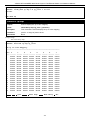
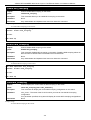
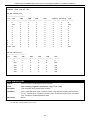
DES-3528:5#show ports
Command: show ports
Port
------1
2
3
4
5
6
7
8
9
State/
MDIX
-------Enabled
Auto
Enabled
Auto
Enabled
Auto
Enabled
Auto
Enabled
Auto
Enabled
Auto
Enabled
Auto
Enabled
Auto
Enabled
Auto
Settings
Connection
Speed/Duplex/FlowCtrl Speed/Duplex/FlowCtrl
--------------------- ---------------------Auto/Disabled
Link Down
Address
Learning
--------Enabled
Auto/Disabled
Link Down
Enabled
Auto/Disabled
Link Down
Enabled
Auto/Disabled
Link Down
Enabled
Auto/Disabled
Link Down
Enabled
Auto/Disabled
Link Down
Enabled
Auto/Disabled
Link Down
Enabled
Auto/Disabled
Link Down
Enabled
Auto/Disabled
Link Down
Enabled
CTRL+C ESC q Quit SPACE n Next Page p Previous Page r Refresh
Example usage:
To display the configuration of all ports on a standalone switch, with description:
DES-3528:5#show ports description
Command: show ports description
Port
------1
2
3
4
5
6
State/
Settings
Connection
MDIX
Speed/Duplex/FlowCtrl Speed/Duplex/FlowCtrl
-------- --------------------- ---------------------Enabled
Auto/Disabled
Link Down
Auto
Description:
Enabled
Auto/Disabled
Link Down
Auto
Description:
Enabled
Auto/Disabled
Link Down
Auto
Description:
Enabled
Auto/Disabled
Link Down
Auto
Description:
Enabled
Auto/Disabled
Link Down
Auto
Description:
Enabled
Auto/Disabled
Link Down
Auto
Description:
Address
Learning
--------Enabled
Enabled
Enabled
Enabled
Enabled
Enabled
CTRL+C ESC q Quit SPACE n Next Page p Previous Page r Refresh
Example usage:
To display disabled ports including connection status and reason for being disabled on a standalone switch:
27
xStack® DES-3528/DES-3552 Series Layer 2 Fast Ethernet Switch CLI Reference Manual
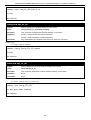
DES-3552:5#show ports err_disabled
Command: show ports err_disabled
Port
-----
Port
State
--------
Connection Status
Reason
---------------------
----------------
DES-3552:5#
Example usage:
To display detail information of ports on the Switch:
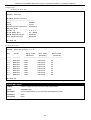
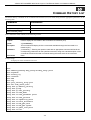
Port : 1
-------------------Port Status
: Link Down
Description
:
HardWare Type
: Fast Ethernet
MAC Address
: 00-21-91-AF-EA-00
Bandwidth
: 100000Kbit
Auto-Negotiation
: Enabled
Duplex Mode
: Full Duplex
Flow Control
: Disabled
MDI
: Auto
Address Learning
: Enabled
SFP Module Vendor
:
SFP Module Part Number
:
Loopback Mode
:
Last clear of Counter
: 5 hours 43 mins ago
BPDU Hardware Filtering Mode: Disabled
Queuing Strategy
: FIFO
TX Load
:
0/100,
0bits/sec,
RX Load
:
0/100,
0bits/sec,
TX Counter
Excessive Deferrals
: 0
Late Collisions : 0
CTRL+C ESC q Quit SPACE n Next Page p Previous Page r Refresh
0packets/sec
0packets/sec
enable jumbo_frame
Purpose
Used to enable the jumbo frame function on the Switch.
Syntax
enable jumbo_frame
Description
This command will allow ethernet frames larger than 1536 bytes to be processed by the
Switch. The maximum size of the jumbo frame may not exceed 9220 Bytes tagged.
Parameters
None.
Restrictions
Only Administrator and Operator-level users can issue this command.
Example usage:
To enabled the jambo frame:
DES-3528:5# enable jumbo_frame
Command: enable jumbo_frame
The maximum size of jumbo frame is 9216 bytes.
Success.
DES-3528:5#
28
xStack® DES-3528/DES-3552 Series Layer 2 Fast Ethernet Switch CLI Reference Manual
disable jumbo_frame
Purpose
Used to disable the jumbo frame function on the Switch.
Syntax
disable jumbo_frame
Description
This command will disable the jumbo frame function on the Switch.
Parameters
None.
Restrictions
Only Administrator and Operator-level users can issue this command.
Example usage:
To disable the jumbo frame:
DES-3528:5# disable jumbo_frame
Command: disable jumbo_frame
Success.
DES-3528:5#
show jumbo_frame
Purpose
Used to show the status of the jumbo frame function on the Switch.
Syntax
show jumbo_frame
Description
This command will show the status of the jumbo frame function on the Switch.
Parameters
None.
Restrictions
None.
Example usage:
To show the jumbo frame status currently configured on the Switch:
DES-3528:5# show jumbo_frame
Command: show jumbo_frame
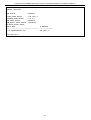
Jumbo Frame State : Disabled
Maximum Frame Size : 1536 Bytes
DES-3528:5#
29
xStack® DES-3528/DES-3552 Series Layer 2 Fast Ethernet Switch CLI Reference Manual
7
PORT SECURITY COMMANDS
The Switch’s port security commands in the Command Line Interface (CLI) are listed (along with the appropriate parameters) in
the following table.
Command
Parameters
config port_security ports
[<portlist> | all] {admin_state [enable | disable] | max_learning_addr
<max_lock_no 0-64> | lock_address_mode [Permanent | DeleteOnTimeout |
DeleteOnReset]}(1)
delete port_security_entry
vlan_name <vlan_name 32> mac_address <macaddr> port <port>
clear port_security_entry
port <portlist>
show port_security
{ports <portlist>}
enable port_security trap_log
disable port_security trap_log
Each command is listed, in detail, in the following sections.
config port_security ports
Purpose
Used to configure port security settings.
Syntax
config port_security ports [<portlist> | all ] {admin_state [enable | disable] |
max_learning_addr <max_lock_no 0-64> | lock_address_mode [Permanent |
DeleteOnTimeout | DeleteOnReset]}(1)
Description
This command allows for the configuration of the port security feature. Only the ports listed
in the <portlist> are affected.
Parameters
portlist − Specifies a port or range of ports to be configured.
all − Configure port security for all ports on the Switch.
admin_state [enable | disable] – Enable or disable port security for the listed ports.
max_learning_addr <max_lock_no 0-64> − Use this to limit the number of MAC addresses
dynamically listed in the FDB for the ports.
lock_address_mode [Permanent | DeleteOnTimout | DeleteOnReset] – Indicates the method
of locking addresses. The user has three choices:
Permanent – The locked addresses will not age out after the aging timer expires.
DeleteOnTimeout – The locked addresses will age out after the aging timer expires.
DeleteOnReset – The locked addresses will not age out until the Switch has been
reset.
Restrictions
Only Administrator and Operator-level users can issue this command.
Example usage:
To configure the port security:
DES-3528:5#config port_security ports 1-5 admin_state enable max_learning_addr 5
lock_address_mode DeleteOnReset
Command: config port_security ports 1-5 admin_state enable max_learning_addr 5
lock_address_mode DeleteOnReset
Success.
DES-3528:5#
30
xStack® DES-3528/DES-3552 Series Layer 2 Fast Ethernet Switch CLI Reference Manual
delete port_security_entry
Purpose
Used to delete a port security entry by MAC address, port number and VLAN ID.
Syntax
delete port_security_entry vlan name <vlan_name 32> mac_address <macaddr> port
<port>
Description
This command is used to delete a single, previously learned port security entry by port,
VLAN name, and MAC address.
Parameters
vlan name <vlan_name 32> − Enter the corresponding VLAN name of the port to delete.
mac_address <macaddr> − Enter the corresponding MAC address, previously learned by the
port, to delete.
port <port> − Enter the port number which has learned the previously entered MAC address.
Restrictions
Only Administrator and Operator-level users can issue this command.
Example usage:
To delete a port security entry:
DES-3528:5#delete port_security_entry vlan_name default mac_address 00-01-30-10-2CC7 port 6
Command: delete port_security_entry vlan_name default mac_address 00-01-30-10-2C-C7
port 6
Success.
DES-3528:5#
clear port_security_entry
Purpose
Used to clear MAC address entries learned from a specified port for the port security
function.
Syntax
clear port_security_entry port <portlist>
Description
This command is used to clear MAC address entries which were learned by the Switch by a
specified port. This command only relates to the port security function.
Parameters
<portlist> − Specifies a port or port range to clear.
Restrictions
Only Administrator and Operator-level users can issue this command.
Example usage:
To clear a port security entry by port:
DES-3528:5# clear port_security_entry port 6
Command: clear port_security_entry port 6
Success.
DES-3528:5#
31
xStack® DES-3528/DES-3552 Series Layer 2 Fast Ethernet Switch CLI Reference Manual
show port_security
Purpose
Used to display the current port security configuration.
Syntax
show port_security {ports <portlist>}
Description
This command is used to display port security information of the Switch’s ports. The
information displayed includes port security trap/log state, admin state, maximum number of
learning address and lock mode.
Parameters
<portlist> − Specifies a port or range of ports to be viewed.
Restrictions
None.
Example usage:
To display the port security configuration:
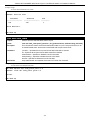
DES-3528:5#show port_security ports 1-5
Command: show port_security ports 1-5
Port_security Trap/Log : Disabled
Port
----1
2
3
4
5
Admin State
----------Disabled
Disabled
Disabled
Disabled
Disabled
Max. Learning Addr.
------------------1
1
1
1
1
Lock Address Mode
----------------DeleteOnReset
DeleteOnReset
DeleteOnReset
DeleteOnReset
DeleteOnReset
DES-3552:5#
enable port_security trap_log
Purpose
Used to enable the trap log for port security.
Syntax
enable port_security trap_log
Description
This command, along with the disable port_security trap_log, will enable and disable the
sending of log messages to the Switch’s log and SNMP agent when the port security of the
Switch has been triggered.
Parameters
None.
Restrictions
Only Administrator and Operator-level users can issue this command.
Example usage:
To enable the port security trap log setting:
DES-3528:5#enable port_security trap_log
Command: enable port_security trap_log
Success.
DES-3528:5#
32
xStack® DES-3528/DES-3552 Series Layer 2 Fast Ethernet Switch CLI Reference Manual
disable port_security trap_log
Purpose
Used to disable the trap log for port security.
Syntax
disable port_security trap_log
Description
This command, along with the enable port_security trap_log, will enable and disable the
sending of log messages to the Switch’s log and SNMP agent when the port security of the
Switch has been triggered.
Parameters
None.
Restrictions
Only Administrator and Operator-level users can issue this command.
Example usage:
To disable the port security trap log setting:
DES-3528:5#disable port_security trap_log
Command: disable port_security trap_log
Success.
DES-3528:5#
33
xStack® DES-3528/DES-3552 Series Layer 2 Fast Ethernet Switch CLI Reference Manual
8
STACKING COMMANDS
The stacking configuration commands in the Command Line Interface (CLI) are listed (along with the appropriate parameters) in
the following table.
Command
Parameters
config box_priority current_box_id
<value 1-8> priority <value 1-63>
config box_id current_box_id
<value 1-8> new_box_id [auto | 1 | 2 | 3 | 4 | 5 | 6 | 7 | 8]
show stack_information
config stacking mode
[disable | enable]
show stacking mode
Each command is listed, in detail, in the following sections.
config box_priority
Purpose
Used to configure box priority so as to determine which box (switch) becomes the
master. A lower number denotes a higher priority.
Syntax
config box_priority current_box_id <value 1-8> priority <value 1-63>
Description
This command is used to configure the box (switch) priority.
Parameters
current_box_id <value 1–8> – Identifies the Switch being configured. Range is 1 to 8.
priority <value 1–63> – Assigns a priority value to the box. A Lower number denotes a
higher priority. The valid priority range is 1 to 63.
Restrictions
Only Administrator and Operator-level users can issue this command.
Usage example:
To configure box priority:
DES-3528:5#config box_priority current_box_id 1 priority 1
Command: config box_priority current_box_id 1 priority 1
Success.
DES-3528:5#
config box_id
Purpose
Used to configure box ID. Users can use this command to reassign box IDs.
Syntax
config box_id current_box_id <value 1-8> new_box_id [auto | 1 | 2 | 3 | 4 | 5 | 6 | 7 |
8]
Description
This command is used to assign box IDs to switches in a stack.
Parameters
current_box_id – Identifies the Switch being configured. Range is 1 to 8.
new_box_id – The new ID being assigned to the Switch (box). Range is 1 to 8.
•
auto – Allows the box ID to be assigned automatically.
Restrictions
Only Administrator and Operator-level users can issue this command.
Usage example:
To change a box ID:
34
xStack® DES-3528/DES-3552 Series Layer 2 Fast Ethernet Switch CLI Reference Manual
DES-3528:5#config box_id current_box_id 1 new_box_id 2
Command: config box_id current_box_id 1 new_box_id 2
Success.
DES-3528:5#
show stack_information
Purpose
Used to display the stack information table.
Syntax
show stack_information
Description
This command display stack information.
Parameters
None.
Restrictions
Only Administrator and Operator-level users can issue this command.
Usage example:
To display stack information:
DES-3528:5# show stack_information
Command: show stack_information
Topology
:Duplex_Chain
My Box ID
:1
Master ID
:1
BK Master ID :2
Box Count
:2
Box
ID
--1
2
3
4
5
6
7
8
User
Set
---Auto
Auto
-
Type
---------DES-3528
DES-3528P
DES-3528P
NOT_EXIST
NOT_EXIST
NOT_EXIST
NOT_EXIST
NOT_EXIST
Exist
----Exist
Exist
No
No
No
No
No
No
Priority
MAC
---- -----------------20
00-00-00-00-01-96
32
00-01-03-04-04-04
DES-3528:5#
35
Prom
version
---------1.00.B007
1.00.B007
Runtime
version
--------2.00.B025
2.00.B025
H/W
version
-------A2
A1
xStack® DES-3528/DES-3552 Series Layer 2 Fast Ethernet Switch CLI Reference Manual
config stacking mode
Purpose
Used to configure the stacking mode.
Syntax
config stacking mode [disable | enable]
Description
This command will enable or disable the stacking mode for the switch. When enabled,
the last two ports on the rear of the switch will be enabled for stacking.
Parameters
enable | disable – Use these parameters to enable or disable the stacking mode for the
switch. Once this command is executed, it will cause the switch to reboot. Before
configuring the stacking mode of a switch to disable status, the switch must be physically
removed from the stacking swtitches.
Restrictions
Only Administrator and Operator-level users can issue this command.
Usage example:
To disable the stacking mode:
DES-3528:5#config stacking mode disable
Command: config stacking mode disable
Change Box bootmode may cause devices work restart, still continue? (y/n)y
show stacking mode
Purpose
Used to view the current stacking mode.
Syntax
show stacking mode
Description
This command will display whether the current stacking mode is enabled or disabled.
Parameters
None.
Restrictions
Only Administrator-level users can issue this command.
Usage example:
To view the current stacking mode:
DES-3528:5#show stacking mode
Command: show stacking mode
Stacking mode : Enabled
DES-3528:5#
36
xStack® DES-3528/DES-3552 Series Layer 2 Fast Ethernet Switch CLI Reference Manual
9
NETWORK MANAGEMENT (SNMP) COMMANDS
The Switch supports the Simple Network Management Protocol (SNMP) versions 1, 2c, and 3. Users can specify which version of
the SNMP users want to use to monitor and control the Switch. The three versions of SNMP vary in the level of security provided
between the management station and the network device. The following table lists the security features of the three SNMP
versions:
SNMP
Version
Authentication Method
Description
v1
Community String
Community String is used for authentication − NoAuthNoPriv
v2c
Community String
Community String is used for authentication − NoAuthNoPriv
v3
Username
Username is used for authentication − NoAuthNoPriv, AuthNoPriv or
AuthPriv
v3
MD5 or SHA
Authentication is based on the HMAC-MD5 or HMAC-SHA algorithms −
AuthNoPriv
v3
MD5 DES or SHA DES
Authentication is based on the HMAC-MD5 or HMAC-SHA algorithms −
AuthPriv.
DES 56-bit encryption is added based on the CBC-DES (DES-56)
standard
The network management commands in the Command Line Interface (CLI) are listed (along with the appropriate parameters) in
the following table.
Command
Parameters
create snmp user
<user_name 32> <groupname 32> {encrypted [by_password auth [md5
<auth_password 8-16 > | sha <auth_password 8-20>] priv [none | des
<priv_password 8-16>] | by_key auth [md5 <auth_key 32-32> | sha <auth_key
40-40>] priv [none | des <priv_key 32-32>]]}
delete snmp user
<user_name 32>
show snmp user
create snmp view
<view_name 32> <oid> view_type [included | excluded]
delete snmp view
<view_name 32> [all | oid]
show snmp view
{<view_name 32>}
create snmp community
<community_string 32> view <view_name 32> [read_only | read_write]
delete snmp community
<community_string 32>
show snmp community
{<community_string 32>}
config snmp engineID
<snmp_engineID 10-64>
show snmp engineID
create snmp group
<groupname 32> [v1 | v2c | v3 [noauth_nopriv | auth_nopriv | auth_priv]]
{read_view <view_name 32> | write_view <view_name 32> | notify_view
<view_name 32>}(1)
delete snmp group
<groupname 32>
show snmp groups
create snmp host
<ipaddr> [v1 | v2c | v3 [noauth_nopriv | auth_nopriv | auth_priv]] <auth_string
32>
delete snmp host
<ipaddr>
37
xStack® DES-3528/DES-3552 Series Layer 2 Fast Ethernet Switch CLI Reference Manual
Command
Parameters
show snmp host
{<ipaddr>}
create trusted_host
[<ipaddr> | network <network_address>]
delete trusted_host
[all | ipaddr<ipaddr> | network<network_address>]
show trusted_host
{<network_address>}
enable snmp traps
enable snmp authenticate_traps
show snmp traps
disable snmp traps
disable snmp authenticate_traps
config snmp system_contact
<sw_contact>
config snmp system_location
<sw_location>
config snmp system_name
<sw_name>
enable snmp
disable snmp
Each command is listed, in detail, in the following sections.
create snmp user
Purpose
Syntax
Description
Used to create a new SNMP user and adds the user to an SNMP group that is also created
by this command.
create snmp user <user_name 32> <groupname 32> {encrypted [by_password auth
[md5 <auth_password 8-16> | sha <auth_password 8-20>] priv [none | des
<priv_password 8-16>] | by_key auth [md5 <auth_key 32-32> | sha <auth_key 40-40>]
priv [none | des <priv_key 32-32> ]]}
This command creates a new SNMP user and adds the user to an SNMP group that is also
created by this command. SNMP ensures:
Message integrity − Ensures that packets have not been tampered with during transit.
Authentication − Determines if an SNMP message is from a valid source.
Encryption − Scrambles the contents of messages to prevent it from being viewed by an
unauthorized source.
Parameters
<user_name 32> − An alphanumeric name of up to 32 characters that will identify the new
SNMP user.
<groupname 32> − An alphanumeric name of up to 32 characters that will identify the SNMP
group the new SNMP user will be associated with.
encrypted – Allows the user to choose a type of authorization for authentication using SNMP.
The user may choose:
by_password – Requires the SNMP user to enter a password for authentication and
privacy. The password is defined by specifying the auth_password below. This
method is recommended.
by_key – Requires the SNMP user to enter a encryption key for authentication and
privacy. The key is defined by specifying the key in hex form below. This method is
not recommended.
auth − The user may also choose the type of authentication algorithms used to authenticate
the snmp user. The choices are:
md5 − Specifies that the HMAC-MD5-96 authentication level will be used. md5 may
be utilized by entering one of the following:
<auth password 8-16> - An alphanumeric string of between 8 and 16
characters that will be used to authorize the agent to receive packets for the
38
xStack® DES-3528/DES-3552 Series Layer 2 Fast Ethernet Switch CLI Reference Manual
create snmp user
host.
<auth_key 32-32> - Enter an alphanumeric string of exactly 32 characters,
in hex form, to define the key that will be used to authorize the agent to
receive packets for the host.
sha − Specifies that the HMAC-SHA-96 authentication level will be used.
<auth password 8-20> - An alphanumeric string of between 8 and 20
characters that will be used to authorize the agent to receive packets for the
host.
<auth_key 40-40> - Enter an alphanumeric string of exactly 40 characters,
in hex form, to define the key that will be used to authorize the agent to
receive packets for the host.
priv – Adding the priv (privacy) parameter will allow for encryption in addition to the
authentication algorithm for higher security. The user may choose:
des – Adding this parameter will allow for a 56-bit encryption to be added using
the DES-56 standard using:
<priv_password 8-16> - An alphanumeric string of between 8 and 16
characters that will be used to encrypt the contents of messages the host
sends to the agent.
<priv_key 32-32> - Enter an alphanumeric key string of exactly 32
characters, in hex form, that will be used to encrypt the contents of
messages the host sends to the agent.
none – Adding this parameter will add no encryption.
Restrictions
Only Administrator-level users can issue this command.
Example usage:
To create an SNMP user on the Switch:
DES-3528:5#create snmp user dlink default encrypted by_password auth md5 canadian priv
none
Command: create snmp user dlink default encrypted by_password auth md5 canadian priv
none
Success.
DES-3528:5#
delete snmp user
Purpose
Used to remove an SNMP user from an SNMP group and also to delete the associated
SNMP group.
Syntax
delete snmp user <user_name 32>
Description
This command removes an SNMP user from its SNMP group and then deletes the
associated SNMP group.
Parameters
<user_name 32> − An alphanumeric string of up to 32 characters that identifies the SNMP
user that will be deleted.
Restrictions
Only Administrator-level users can issue this command.
39
xStack® DES-3528/DES-3552 Series Layer 2 Fast Ethernet Switch CLI Reference Manual
Example usage:
To delete a previously entered SNMP user on the Switch:
DES-3528:5#delete snmp user dlink
Command: delete snmp user dlink
Success.
DES-3528:5#
show snmp user
Purpose
Used to display information about each SNMP username in the SNMP group username
table.
Syntax
show snmp user
Description
This command displays information about each SNMP username in the SNMP group
username table.
Parameters
None.
Restrictions
None.
Example usage:
To display the SNMP users currently configured on the Switch:
DES-3528:5#show snmp user
Command: show snmp user
Username
Group Name
-------------------initial
initial
Total Entries: 1
VerAuthPriv
----------V3 NoneNone
DES-3528:5#
create snmp view
Purpose
Used to assign views to community strings to limit which MIB objects and SNMP manager
can access.
Syntax
create snmp view <view_name 32> <oid> view_type [included | excluded]
Description
This command assigns views to community strings to limit which MIB objects an SNMP
manager can access.
Parameters
<view_name 32> − An alphanumeric string of up to 32 characters that identifies the SNMP
view that will be created.
<oid> − The object ID that identifies an object tree (MIB tree) that will be included or
excluded from access by an SNMP manager.
view type – Sets the view type to be:
•
included − Include this object in the list of objects that an SNMP manager can
access.
•
excluded − Exclude this object from the list of objects that an SNMP manager can
access.
Restrictions
Only Administrator-level users can issue this command.
Example usage:
To create an SNMP view:
40
xStack® DES-3528/DES-3552 Series Layer 2 Fast Ethernet Switch CLI Reference Manual
DES-3528:5#create snmp view dlinkview 1.3.6 view_type included
Command: create snmp view dlinkview 1.3.6 view_type included
Success.
DES-3528:5#
delete snmp view
Purpose
Used to remove an SNMP view entry previously created on the Switch.
Syntax
delete snmp view <view_name 32> [all | <oid>]
Description
This command is used to remove an SNMP view previously created on the Switch.
Parameters
<view_name 32> − An alphanumeric string of up to 32 characters that identifies the SNMP
view to be deleted.
all − Specifies that all of the SNMP views on the Switch will be deleted.
<oid> − The object ID that identifies an object tree (MIB tree) that will be deleted from the
Switch.
Restrictions
Only Administrator-level users can issue this command.
Example usage:
To delete a previously configured SNMP view from the Switch:
DES-3528:5#delete snmp view dlinkview all
Command: delete snmp view dlinkview all
Success.
DES-3528:5#
show snmp view
Purpose
Used to display an SNMP view previously created on the Switch.
Syntax
show snmp view {<view_name 32>}
Description
This command displays an SNMP view previously created on the Switch.
Parameters
<view_name 32> − An alphanumeric string of up to 32 characters that identifies the SNMP
view that will be displayed.
Restrictions
None.
Example usage:
To display SNMP view configuration:
41
xStack® DES-3528/DES-3552 Series Layer 2 Fast Ethernet Switch CLI Reference Manual
DES-3528:5#show snmp view
Command: show snmp view
Vacm View Table Settings
View Name
Subtree
-----------------ReadView
1
WriteView
1
NotifyView
1.3.6
restricted
1.3.6.1.2.1.1
restricted
1.3.6.1.2.1.11
restricted
1.3.6.1.6.3.10.2.1
restricted
1.3.6.1.6.3.11.2.1
restricted
1.3.6.1.6.3.15.1.1
CommunityView 1
CommunityView 1.3.6.1.6.3
CommunityView 1.3.6.1.6.3.1
View Type
---------Included
Included
Included
Included
Included
Included
Included
Included
Included
Excluded
Included
Total Entries: 11
DES-3528:5#
create snmp community
Purpose
Used to create an SNMP community string to define the relationship between the SNMP
manager and an agent. The community string acts like a password to permit access to the
agent on the Switch. One or more of the following characteristics can be associated with the
community string:
An Access List of IP addresses of SNMP managers that are permitted to use the community
string to gain access to the Switch’s SNMP agent.
An MIB view that defines the subset of all MIB objects that will be accessible to the SNMP
community.
read_write or read_only level permission for the MIB objects accessible to the SNMP
community.
Syntax
create snmp community <community_string 32> view <view_name 32> [read_only |
read_write]
Description
This command is used to create an SNMP community string and to assign access-limiting
characteristics to this community string.
Parameters
<community_string 32> − An alphanumeric string of up to 32 characters that is used to
identify members of an SNMP community. This string is used like a password to give remote
SNMP managers access to MIB objects in the Switch’s SNMP agent.
view <view_name 32> − An alphanumeric string of up to 32 characters that is used to identify
the group of MIB objects that a remote SNMP manager is allowed to access on the Switch.
read_only − Specifies that SNMP community members using the community string created
with this command can only read the contents of the MIBs on the Switch.
read_write − Specifies that SNMP community members using the community string created
with this command can read from and write to the contents of the MIBs on the Switch.
Restrictions
Only Administrator-level users can issue this command.
Example usage:
To create the SNMP community string “dlink:”
42
xStack® DES-3528/DES-3552 Series Layer 2 Fast Ethernet Switch CLI Reference Manual
DES-3528:5#create snmp community dlink view ReadView read_write
Command: create snmp community dlink view ReadView read_write
Success.
DES-3528:5#
delete snmp community
Purpose
Used to remove a specific SNMP community string from the Switch.
Syntax
delete snmp community <community_string 32>
Description
This command is used to remove a previously defined SNMP community string from the
Switch.
Parameters
<community_string 32> − An alphanumeric string of up to 32 characters that is used to
identify members of an SNMP community. This string is used like a password to give remote
SNMP managers access to MIB objects in the Switch’s SNMP agent.
Restrictions
Only Administrator-level users can issue this command.
Example usage:
To delete the SNMP community string “dlink”:
DES-3528:5#delete snmp community dlink
Command: delete snmp community dlink
Success.
DES-3528:5#
show snmp community
Purpose
Used to display SNMP community strings configured on the Switch.
Syntax
show snmp community {<community_string 32>}
Description
This command is used to display SNMP community strings that are configured on the Switch.
Parameters
<community_string 32> − An alphanumeric string of up to 32 characters that is used to
identify members of an SNMP community. This string is used like a password to give remote
SNMP managers access to MIB objects in the Switch’s SNMP agent.
Restrictions
None.
Example usage:
To display the currently entered SNMP community strings:
43
xStack® DES-3528/DES-3552 Series Layer 2 Fast Ethernet Switch CLI Reference Manual
DES-3528:5#show snmp community
Command: show snmp community
SNMP Community Table
Community Name
-------------dlink
private
public
View Name
Access Right
---------------------ReadView
read_write
CommunityView read_write
CommunityView read_only
Total Entries: 3
DES-3528:5#
config snmp engineID
Purpose
Used to configure a name for the SNMP engine on the Switch.
Syntax
config snmp engineID <snmp_engineID 10-64>
Description
This command configures a name for the SNMP engine on the Switch.
Parameters
<config snmp_engineID> − An alphanumeric string that will be used to identify the SNMP
engine on the Switch.
Restrictions
Only Administrator-level users can issue this command.
Example usage:
To give the SNMP agent on the Switch the name “0035636666”:
DES-3528:5#config snmp engineID 0035636666
Command: config snmp engineID 0035636666
Success.
DES-3528:5#
show snmp engineID
Purpose
Used to display the identification of the SNMP engine on the Switch.
Syntax
show snmp engineID
Description
This command displays the identification of the SNMP engine on the Switch.
Parameters
None.
Restrictions
None.
Example usage:
To display the current name of the SNMP engine on the Switch:
DES-3528:5#show snmp engineID
Command: show snmp engineID
SNMP Engine ID : 0035636666
DES-3528:5#
44
xStack® DES-3528/DES-3552 Series Layer 2 Fast Ethernet Switch CLI Reference Manual
create snmp group
Purpose
Used to create a new SNMP group, or a table that maps SNMP users to SNMP views.
Syntax
create snmp group <groupname 32> [v1 | v2c | v3 [noauth_nopriv | auth_nopriv |
auth_priv]] {read_view <view_name 32> | write_view <view_name 32> | notify_view
<view_name 32>}(1)
Description
This command creates a new SNMP group, or a table that maps SNMP users to SNMP
views.
Parameters
<groupname 32> − An alphanumeric name of up to 32 characters that will identify the SNMP
group the new SNMP user will be associated with.
v1 – Specifies that SNMP version 1 will be used. The Simple Network Management Protocol
(SNMP), version 1, is a network management protocol that provides a means to monitor and
control network devices.
v2c – Specifies that SNMP version 2c will be used. The SNMP v2c supports both centralized
and distributed network management strategies. It includes improvements in the Structure of
Management Information (SMI) and adds some security features.
v3 – Specifies that the SNMP version 3 will be used. SNMP v3 provides secure access to
devices through a combination of authentication and encrypting packets over the network.
SNMP v3 adds:
Message integrity − Ensures that packets have not been tampered with
during transit.
Authentication − Determines if an SNMP message is from a valid source.
Encryption − Scrambles the contents of messages to prevent it being
viewed by an unauthorized source.
noauth_nopriv − Specifies that there will be no authorization and no encryption of packets
sent between the Switch and a remote SNMP manager.
auth_nopriv − Specifies that authorization will be required, but there will be no encryption of
packets sent between the Switch and a remote SNMP manager.
auth_priv − Specifies that authorization will be required, and that packets sent between the
Switch and a remote SNMP manger will be encrypted.
read_view – Specifies that the SNMP group being created can request SNMP messages.
write_view – Specifies that the SNMP group being created has write privileges.
notify_view − Specifies that the SNMP group being created can receive SNMP trap
messages generated by the Switch’s SNMP agent.
<view_name 32> − An alphanumeric string of up to 32 characters that is used to identify the
group of MIB objects that a remote SNMP manager is allowed to access on the Switch.
Restrictions
Only Administrator-level users can issue this command.
Example usage:
To create an SNMP group named “sg1”:
DES-3528:5#create snmp group sg1 v3 noauth_nopriv read_view v1 write_view v1
notify_view v1
Command: create snmp group sg1 v3 noauth_nopriv read_view v1 write_view v1 notify_view
v1
Success.
DES-3528:5#
45
xStack® DES-3528/DES-3552 Series Layer 2 Fast Ethernet Switch CLI Reference Manual
delete snmp group
Purpose
Used to remove an SNMP group from the Switch.
Syntax
delete snmp group <groupname 32>
Description
This command is used to remove an SNMP group from the Switch.
Parameters
<groupname 32> − An alphanumeric name of up to 32 characters that will identify the SNMP
group the new SNMP user will be associated with.
Restrictions
Only Administrator-level users can issue this command.
Example usage:
To delete the SNMP group named “sg1”:
DES-3528:5#delete snmp group sg1
Command: delete snmp group sg1
Success.
DES-3528:5#
show snmp groups
Purpose
Used to display the group-names of SNMP groups currently configured on the Switch. The
security model, level, and status of each group are also displayed.
Syntax
show snmp groups
Description
This command displays the group-names of SNMP groups currently configured on the
Switch. The security model, level, and status of each group are also displayed.
Parameters
None.
Restrictions
None.
Example usage:
To display the currently configured SNMP groups on the Switch:
46
xStack® DES-3528/DES-3552 Series Layer 2 Fast Ethernet Switch CLI Reference Manual
DES-3528:5#show snmp groups
Command: show snmp groups
Vacm Access
Table Settings
Group
Name
ReadView Name
WriteView Name
Notify View Name
Security Model
Security Level
:
:
:
:
:
:
Group3
ReadView
WriteView
NotifyView
SNMPv3
NoAuthNoPriv
Group
Name
ReadView Name
WriteView Name
Notify View Name
Security Model
Security Level
:
:
:
:
:
:
Group4
ReadView
WriteView
NotifyView
SNMPv3
authNoPriv
Group
Name
ReadView Name
WriteView Name
Notify View Name
Security Model
Security Level
:
:
:
:
:
:
Group5
ReadView
WriteView
NotifyView
SNMPv3
authNoPriv
Group
Name
ReadView Name
WriteView Name
Notify View Name
Security Model
Security Level
:
:
:
:
:
:
initial
restricted
Group
Name
ReadView Name
WriteView Name
Notify View Name
Security Model
Security Level
:
:
:
:
:
:
ReadGroup
CommunityView
restricted
SNMPv3
NoAuthNoPriv
CommunityView
SNMPv1
NoAuthNoPriv
Total Entries: 5
DES-3528:5#
47
xStack® DES-3528/DES-3552 Series Layer 2 Fast Ethernet Switch CLI Reference Manual
create snmp host
Purpose
Used to create a recipient of SNMP traps generated by the Switch’s SNMP agent.
Syntax
create snmp host <ipaddr> [v1 | v2c | v3 [noauth_nopriv | auth_nopriv | auth_priv] ]
<auth_string 32>
Description
This command creates a recipient of SNMP traps generated by the Switch’s SNMP agent.
Parameters
<ipaddr> − The IP address of the remote management station that will serve as the SNMP
host for the Switch.
v1 – Specifies that SNMP version 1 will be used. The Simple Network Management Protocol
(SNMP), version 1, is a network management protocol that provides a means to monitor and
control network devices.
v2c – Specifies that SNMP version 2c will be used. The SNMP v2c supports both centralized
and distributed network management strategies. It includes improvements in the Structure of
Management Information (SMI) and adds some security features.
v3 – Specifies that the SNMP version 3 will be used. SNMP v3 provides secure access to
devices through a combination of authentication and encrypting packets over the network.
SNMP v3 adds:
•
Message integrity − ensures that packets have not been tampered with during
transit.
•
Authentication − determines if an SNMP message is from a valid source.
•
Encryption − scrambles the contents of messages to prevent it being viewed by an
unauthorized source.
noauth_nopriv − Specifies that there will be no authorization and no encryption of packets
sent between the Switch and a remote SNMP manager.
auth_nopriv − Specifies that authorization will be required, but there will be no encryption of
packets sent between the Switch and a remote SNMP manager.
auth_priv − Specifies that authorization will be required, and that packets sent between the
Switch and a remote SNMP manger will be encrypted.
<auth_string 32> − An alphanumeric string used to authorize a remote SNMP manager to
access the Switch’s SNMP agent.
Restrictions
Only Administrator-level users can issue this command.
Example usage:
To create an SNMP host to receive SNMP messages:
DES-3528:5#create snmp host 10.48.74.100 v3 auth_priv public
Command: create snmp host 10.48.74.100 v3 auth_priv public
Success.
DES-3528:5#
delete snmp host
Purpose
Used to remove a recipient of SNMP traps generated by the Switch’s SNMP agent.
Syntax
delete snmp host <ipaddr>
Description
This command deletes a recipient of SNMP traps generated by the Switch’s SNMP agent.
Parameters
<ipaddr> − The IP address of a remote SNMP manager that will receive SNMP traps
generated by the Switch’s SNMP agent.
Restrictions
Only Administrator-level users can issue this command.
Example usage:
To delete an SNMP host entry:
48
xStack® DES-3528/DES-3552 Series Layer 2 Fast Ethernet Switch CLI Reference Manual
DES-3528:5#delete snmp host 10.48.74.100
Command: delete snmp host 10.48.74.100
Success.
DES-3528:5#
show snmp host
Purpose
Used to display the recipient of SNMP traps generated by the Switch’s SNMP agent.
Syntax
show snmp host {<ipaddr>}
Description
This command is used to display the IP addresses and configuration information of remote
SNMP managers that are designated as recipients of SNMP traps that are generated by the
Switch’s SNMP agent.
Parameters
<ipaddr> − The IP address of a remote SNMP manager that will receive SNMP traps
generated by the Switch’s SNMP agent.
Restrictions
None.
Example usage:
To display the currently configured SNMP hosts on the Switch:
DES-3528:5#show snmp host
Command: show snmp host
SNMP Host Table
Host IP Address
--------------10.48.76.23
10.48.74.100
SNMP Version Community Name/SNMPv3 User Name
------------ -----------------------------V2c
private
V3
authpriv
public
Total Entries: 2
DES-3528:5#
create trusted_host
Purpose
Used to create the trusted host.
Syntax
create trusted_host [<ipaddr> | network <network_address>]
Description
This command creates the trusted host. The Switch allows users to specify up to four IP
addresses that are allowed to manage the Switch via in-band SNMP or TELNET based
management software. These IP addresses must be members of the Management VLAN. If
no IP addresses are specified, then there is nothing to prevent any IP address from
accessing the Switch, provided the user knows the Username and Password.
Parameters
<ipaddr> − The IP address of the trusted host to be created.
<network_address> − IP address and netmask of the trusted host to be created.
Restrictions
Only Administrator and Operator-level users can issue this command.
Example usage:
To create the trusted host:
49
xStack® DES-3528/DES-3552 Series Layer 2 Fast Ethernet Switch CLI Reference Manual
DES-3528:5#create trusted_host 10.62.32.1
Command: create trusted_host 10.62.32.1
Success.
create trusted_host network
Purpose
Used to create the trusted host.
Syntax
create trusted_host network <network_address>
Description
This command is used to create the trusted host.
Parameters
<network_address> − IP address and netmask of the trusted host to be created.
Restrictions
Only Administrator and Operator-level users can issue this command.
Example usage:
To create the trusted host network.
DES-3528:5#create trusted_host network 10.62.32.1/16
Command: create trusted_host network 10.62.32.1/16
Success.
show trusted_host
Purpose
Used to display a list of trusted hosts entered on the Switch using the create trusted_host
command above.
Syntax
show trusted_host
Description
This command a list of trusted hosts entered on the Switch using the create trusted_host
command above.
Parameters
<network_address> − the network address to show
Restrictions
None.
Example Usage:
To display the list of trust hosts:
DES-3528: 5#show trusted_host
Command: show trusted_host
Management Stations
IP Address/Netmask
-----------------10.62.32.1/32
10.62.32.1/16
Total Entries: 2
50
xStack® DES-3528/DES-3552 Series Layer 2 Fast Ethernet Switch CLI Reference Manual
delete trusted_host ipaddr
Purpose
Used to delete a trusted host entry made using the create trusted_host command above.
Syntax
delete trusted host ipaddr<ipaddr>
Description
This command is used to delete a trusted host entry made using the create trusted_host
command above.
Parameters
<ipaddr> − The IP address of the trusted host.
Restrictions
Only Administrator and Operator-level users can issue this command.
Example usage:
To delete a trusted host with an IP address 10.62.32.1:
DES-3528:5#delete trusted_host ipaddr 10.62.32.1
Command: delete trusted_host ipaddr 10.62.32.1
Success.
delete trusted_host network
Purpose
Used to delete a trusted host entry made using the create trusted_host network command
above.
Syntax
delete trusted _host network <network_address>
Description
This command is used to delete a trusted host entry made using the create trusted_host
network command above.
Parameters
<network_address> − IP address and netmask of the trusted host network.
Restrictions
Only Administrator and Operator-level users can issue this command.
Example usage:
To delete a trusted host network IP address 10.62.31.1/16:
DES-3528:5#delete trusted_host network 10.62.32.1/16
Command: delete trusted_host network 10.62.32.1/16
Success.
delete trusted_host all
Purpose
Used to delete all trusted host entries made using the create trusted_host ipaddr and
create trusted_host network commands above.
Syntax
delete trusted _host all
Description
This command is used to delete all trusted host entries made using the create trusted_host
ipaddr and create trusted_host network commands above.
Parameters
None.
Restrictions
Only Administrator and Operator-level users can issue this command.
Example usage:
To delete all trusted host entries:
DES-3528: 5#delete trusted_host all
Command: delete trusted_host all
Success.
51
xStack® DES-3528/DES-3552 Series Layer 2 Fast Ethernet Switch CLI Reference Manual
enable snmp traps
Purpose
Used to enable SNMP trap support.
Syntax
enable snmp traps
Description
This command is used to enable SNMP trap support on the Switch.
Parameters
None.
Restrictions
Only Administrator and Operator-level users can issue this command.
Example usage:
To enable SNMP trap support on the Switch:
DES-3528:5#enable snmp traps
Command: enable snmp traps
Success.
DES-3528:5#
enable snmp authenticate_traps
Purpose
Used to enable SNMP authentication trap support.
Syntax
enable snmp authenticate_traps
Description
This command is used to enable SNMP authentication trap support on the Switch.
Parameters
None.
Restrictions
Only Administrator and Operator-level users can issue this command.
Example Usage:
To turn on SNMP authentication trap support:
DES-3528:5#enable snmp authenticate_traps
Command: enable snmp authenticate_traps
Success.
DES-3528:5#
show snmp traps
Purpose
Used to show SNMP trap support on the Switch .
Syntax
show snmp traps
Description
This command is used to view the SNMP trap support status currently configured on the
Switch.
Parameters
None.
Restrictions
None.
Example usage:
To view the current SNMP trap support:
52
xStack® DES-3528/DES-3552 Series Layer 2 Fast Ethernet Switch CLI Reference Manual
DES-3528:5#show snmp traps
Command: show snmp traps
SNMP Traps
Authenticate Trap
: Enabled
: Enabled
DES-3528:5#
disable snmp traps
Purpose
Used to disable SNMP trap support on the Switch.
Syntax
disable snmp traps
Description
This command is used to disable SNMP trap support on the Switch.
Parameters
None.
Restrictions
Only Administrator and Operator-level users can issue this command.
Example usage:
To prevent SNMP traps from being sent from the Switch:
DES-3528:5#disable snmp traps
Command: disable snmp traps
Success.
DES-3528:5#
disable snmp authenticate_traps
Purpose
Used to disable SNMP authentication trap support.
Syntax
disable snmp authenticate_traps
Description
This command is used to disable SNMP authentication support on the Switch.
Parameters
None.
Restrictions
Only Administrator and Operator-level users can issue this command.
Example usage:
To disable the SNMP authentication trap support:
DES-3528:5#disable snmp authenticate_traps
Command: disable snmp authenticate_traps
Success.
DES-3528:5#
53
xStack® DES-3528/DES-3552 Series Layer 2 Fast Ethernet Switch CLI Reference Manual
config snmp system_contact
Purpose
Used to enter the name of a contact person who is responsible for the Switch.
Syntax
config snmp system_contact <sw_contact>
Description
This command is used to enter the name and/or other information to identify a contact
person who is responsible for the Switch. A maximum of 255 character can be used.
Parameters
<sw_contact> − A maximum of 255 characters is allowed. A NULL string is accepted if there
is no contact.
Restrictions
Only Administrator and Operator-level users can issue this command.
Example usage:
To configure the Switch contact to “MIS Department II”:
DES-3528:5#config snmp system_contact MIS Department II
Command: config snmp system_contact MIS Department II
Success.
DES-3528:5#
config snmp system_location
Purpose
Used to enter a description of the location of the Switch.
Syntax
config snmp system_location <sw_location>
Description
This command is used to enter a description of the location of the Switch. A maximum of 255
characters can be used.
Parameters
<sw_location> − A maximum of 255 characters is allowed. A NULL string is accepted if there
is no location desired.
Restrictions
Only Administrator and Operator-level users can issue this command.
Example usage:
To configure the Switch location for “HQ 5F”:
DES-3528:5#config snmp system_location HQ 5F
Command: config snmp system_location HQ 5F
Success.
DES-3528:5#
config snmp system_name
Purpose
Used to configure the name for the Switch.
Syntax
config snmp system_name <sw_name>
Description
This command configures the name of the Switch.
Parameters
<sw_name> − A maximum of 255 characters is allowed. A NULL string is accepted if no
name is desired.
Restrictions
Only Administrator and Operator-level users can issue this command.
Example usage:
To configure the Switch name for “DES-3526 Switch”:
54
xStack® DES-3528/DES-3552 Series Layer 2 Fast Ethernet Switch CLI Reference Manual
DES-3528:5#config snmp system_name DES-3526 Switch
Command: config snmp system_name DES-3526 Switch
Success.
DES-3528:5#
enable snmp
Purpose
Used to enable the SNMP interface access function.
Syntax
enable snmp
Description
This command is used to enable the SNMP function.
Parameters
None
Restrictions
Only Administrator and Operator-level users can issue this command.
Example usage:
To enable snmp on the Switch:
DES-3528:5#enable snmp
Command: enable snmp
Success.
DES-3528:5#
disable snmp
Purpose
Used to disable the SNMP interface access function.
Syntax
disable snmp
Description
This command is used to disable the SNMP function. When the SNMP function is disabled,
the network manager will not be able to access SNMP MIB objects. The device will not send
traps or notifications to the network manager either.
Parameters
None
Restrictions
Only Administrator and Operator-level users can issue this command.
Example usage:
To disable SNMP on the Switch:
DES-3528:5#disable snmp
Command: disable snmp
Success.
DES-3528:5#
55
xStack® DES-3528/DES-3552 Series Layer 2 Fast Ethernet Switch CLI Reference Manual
10
SWITCH UTILITY COMMANDS
The switch utility commands in the Command Line Interface (CLI) are listed (along with the appropriate parameters) in the
following table.
Command
Parameters
download
[ firmware_fromTFTP <ipaddr> <path_filename 64> {image_id <int 1-2>} {unit [all |
<unitid 1-8>]} | cfg_fromTFTP <ipaddr> <path_filename 64> {[<config_id 1-2> |
increment]} ]
config firmware
{unit <unit_id 1-8>} image_id <int 1-2> [delete | boot_up]
show firmware_information
show config
[ current_config | config_in_nvram <config_id 1-2> | information]
upload
[ cfg_toTFTP <ipaddr> <path_filename 64> { <config_id 1-2>} | log_toTFTP <ipaddr>
<path_filename 64> | attack_log_toTFTP <ipaddr> <path_filename 64> {unit <unit_id
1-8>} ]
enable autoconfig
disable autoconfig
show autoconfig
config configuration
<config_id 1-2>[boot_up | delete | active]
ping
<ipaddr> {times <value 1-255>} {timeout <sec 1-99>}
Each command is listed, in detail, in the following sections.
download
Purpose
Used to download and install new firmware or a Switch configuration file from a TFTP server.
Syntax
download [ firmware_fromTFTP <ipaddr> <path_filename 64> {image_id <int 1-2>}
{unit [all | <unitid 1-8>]} | cfg_fromTFTP <ipaddr> <path_filename 64> {[<config_id 1-2>
| increment]} ]
Description
This command is used to download a new firmware or a Switch configuration file from a
TFTP server.
Parameters
firmware_fromTFTP − Download and install new firmware on the Switch from a TFTP server.
cfg_fromTFTP − Download a switch configuration file from a TFTP server.
<ipaddr> − The IP address of the TFTP server.
<path_filename> − The DOS path and filename of the firmware or switch configuration file on
the TFTP server. For example, C:\3528.had.
image_id <int 1-2> − Specify the working section ID. The Switch can hold two firmware
versions for the user to select from, which are specified by section ID.
unit - Specifies which unit(s) on the stacking system can download and install new firmware
from a TFTP server. If it is not specified, it refers to all the units. For example, unit 1-3.
config_id - Specifies configuration ID in the system; If it is not specified, it refers to the boot
up configuration ID.
increment − Allows the download of a partial switch configuration file. This allows a file to be
downloaded that will change only the switch parameters explicitly stated in the configuration
file. All other switch parameters will remain unchanged.
Restrictions
The TFTP server must be on the same IP subnet as the Switch. Only Administrator-level
users can issue this command.
Example usage:
56
xStack® DES-3528/DES-3552 Series Layer 2 Fast Ethernet Switch CLI Reference Manual
To download a configuration file:
DES-3528:5#download cfg_fromTFTP 10.48.74.121 c:\cfg\setting.txt
Command: download cfg_fromTFTP 10.48.74.121 c:\cfg\setting.txt
Connecting to server................... Done.
Download configuration................. Done.
DES-3528:5#
DES-3528:5##------------------------------------------------------------------DES-3528:5##
DES-3528 Configuration
DES-3528:5##
DES-3528:5##
Firmware: Build 2.00.B033
DES-3528:5##
Copyright(C) 2009 D-Link Corporation. All rights reserved.
DES-3528:5##------------------------------------------------------------------DES-3528:5#
DES-3528:5#
DES-3528:5## BASIC
DES-3528:5#
DES-3528:5#config serial_port baud_rate 115200 auto_logout 10_minutes
Command: config serial_port baud_rate 115200 auto_logout 10_minutes
The download configuration command will initiate the loading of the various settings in the order listed in the configuration file.
When the file has been successfully loaded the message “End of configuration file for DES-3528” appears followed by the
command prompt.
DES-3528:5#disable authen_policy
Command: disable authen_policy
Success.
DES-3528:5#
DES-3528:5##------------------------------------------------------DES-3528:5##
End of configuration file for DES-3528
DES-3528:5##------------------------------------------------------DES-3528:5#
config firmware
Purpose
Used to configure the firmware section as a boot up section, or to delete the firmware section
Syntax
config firmware {unit <unit_id 1-8>} image_id <int 1-2> [delete | boot_up]
Description
This command is used to configure the firmware section. The user may choose to remove
the firmware section or use it as a boot up section.
Parameters
unit – Specifies the unit on the stacking system. If it is not specified, it refers to the master
unit.
image_id – Specifies the working section. The Switch can hold two firmware versions for the
user to select from, which are specified by image ID.
delete – Entering this parameter will delete the specified firmware section.
boot_up – Entering this parameter will specify the firmware image ID as a boot up section.
Restrictions
Only Administrator-level users can issue this command.
Example usage:
To configure firmware image 1 as a boot up section:
57
xStack® DES-3528/DES-3552 Series Layer 2 Fast Ethernet Switch CLI Reference Manual
DES-3528:5# config firmware image_id 1 boot_up
Command: config firmware image_id 1 boot_up
Success.
DES-3528:5#
show firmware information
Purpose
Used to display the firmware section information.
Syntax
show firmware information
Description
This command is used to display the firmware section information.
Parameters
None.
Restrictions
None
Example usage:
To display the current firmware information on the Switch:
DES-3528:5#show firmware information
Command: show firmware information
ID
-1
*2
Version
-------1.00-T003
1.03.B008
Size(B)
------2103164
2317149
Update Time
-----------2000/01/02 01:21:21
0 days 00:00:00
From
-------------10.90.90.11(R)
Serial Port(Prom)
'*' means boot up firmware
(R) means firmware update through Serial Port(RS232)
(T) means firmware update through TELNET
(S) means firmware update through SNMP
(W) means firmware update through WEB
(SSH) means firmware update through SSH
(SIM) means firmware update through Single IP Management
DES-3528:5#
58
User
-------Anonymous
Unknown
xStack® DES-3528/DES-3552 Series Layer 2 Fast Ethernet Switch CLI Reference Manual
show config
Purpose
Used to display the current or saved version of the configuration settings of the switch.
Syntax
show config [ current_config | config_in_nvram <config_id 1-2> | information]
Description
This command is used to display all the configuration settings that are saved to NV RAM or
display the configuration settings as they are currently configured. Use the keyboard to list
settings one line at a time (Enter), one page at a time (Space) or view all (a).
The configuration settings are listed by category in the following order:
1. Basic (serial port, Telnet and web
management status)
2. storm control
3. loop detect
4. SIM
5. syslog
6. QoS
7. port mirroring
8. traffic segmentation
9. SSL
10. port
11. SFLOW
12. OAM
13. port lock
14. SNMPv3
15. management (SNMP traps RMON)
16. vlan
17. Q-in-Q
18. RSPAN
19. 802.1x
20. ACL
21. POE
22. FDB (forwarding data base)
23. address binding
24. net bios
25. dhcp server screening
26. sRED
27. ARP spoofing prevention
Parameters
28.
29.
30.
31.
32.
33.
34.
35.
36.
37.
38.
39.
40.
41.
42.
43.
44.
45.
46.
47.
48.
49.
50.
51.
52.
53.
PPPoE
MAC address table notification
STP
BPDU protection
safeguard
SSH
SNTP
LACP
IP
WAC
CFM
JWAC
LLDP
IGMP snooping
MBA
MLD vlan
multicast
multicast authentication
igmp snooping
mld snooping
access authentication control
(TACACS etc.)
ARP
route
dns relay
dhcp server
dhcp relay
current_config – Entering this parameter will display configurations entered without being
saved to NVRAM.
config_in_NVRAM − Entering this parameter will display configurations entered and saved to
NVRAM.
information – Entering this parameter will display the global information for the configuration
settings.
Restrictions
Only Administrator and Operator-level users can issue this command.
Example usage:
To view the current configuration settings:
59
xStack® DES-3528/DES-3552 Series Layer 2 Fast Ethernet Switch CLI Reference Manual
DES-3528:5#show config current_config
Command: show config current_config
#-----------------------------------------------------#
DES-3528 Configuration
#
#
Firmware: Build 2.00.B031
# Copyright(C) 2009 D-Link Corporation. All rights reserved.
#------------------------------------------------------
# STACK
# BASIC
# ACCOUNT LIST
# ACCOUNT END
# PASSWORD ENCRYPTION
disable password encryption
config serial_port auto_logout 10_minutes
enable telnet 23
enable web 80
CTRL+C ESC q Quit SPACE n Next Page ENTER Next Entry a All
upload
Purpose
Used to upload the current switch settings or the switch history log to a TFTP.
Syntax
upload [ cfg_toTFTP <ipaddr> <path_filename 64> { <config_id 1-2>} | log_toTFTP
<ipaddr> <path_filename 64> | attack_log_toTFTP <ipaddr> <path_filename 64> {unit
<unit_id 1-8>} ]
Description
This command is used to upload either the Switch’s current settings or the Switch’s history
log to a TFTP server.
Parameters
cfg_toTFTP − Specifies that the Switch’s current settings will be uploaded to the TFTP
server.
log_toTFTP − Specifies that the switch history log will be uploaded to the TFTP server.
attack_log_toTFTP – Specifies that the switch attack log will be uploaded to the TFTP server.
<ipaddr> − The IP address of the TFTP server. The TFTP server must be on the same IP
subnet as the Switch.
config_id - Specifies configuration ID in the system; If it is not specified, it refers to the boot
up configuration ID.
unit - Specifies which switch unit’s attack log will be uploaded, if it is not specified, it refers to
the master unit.
<path_filename 64> − Specifies the location of the Switch configuration file on the TFTP
server. This file will be replaced by the uploaded file from the Switch.
Restrictions
The TFTP server must be on the same IP subnet as the Switch. Only Administrator and
Operator-level users can issue this command.
Example usage:
To upload a configuration file:
60
xStack® DES-3528/DES-3552 Series Layer 2 Fast Ethernet Switch CLI Reference Manual
DES-3528:5#upload cfg_toTFTP 10.48.74.121 c:\cfg\log.txt
Command: upload cfg_toTFTP 10.48.74.121 c:\cfg\log.txt
Connecting to server................... Done.
Upload configuration...................Done.
DES-3528:5#
enable autoconfig
Purpose
Used to activate the autoconfiguration function for the Switch. This will load a previously
saved configuration file for current use.
Syntax
enable autoconfig
Description
This command is used to enable autoconfig. When autoconfig is enabled on the Switch, the
DHCP reply will contain a configuration file and path name. It will then request the file from
the TFTP server specified in the reply. When autoconfig is enabled, the ipif settings will
automatically become DHCP client.
Parameters
None.
Restrictions
When autoconfig is enabled, the Switch becomes a DHCP client automatically (same as:
config ipif System dhcp). The DHCP server must have the TFTP server IP address and
configuration file name, and be configured to deliver this information in the data field of the
DHCP reply packet. The TFTP server must be running and have the requested configuration
file in its base directory when the request is received from the Switch. Consult the DHCP
server and TFTP server software instructions for information on loading a configuration file.
If the Switch is unable to complete the autoconfiguration process the previously saved local
configuration file present in Switch memory will be loaded.
Only Administrator and Operator-level users can issue this command.
NOTE: Dual-purpose (DHCP/TFTP) server utility software may require entry of the
configuration file name and path within the user interface. Alternatively, the DHCP software
may require creating a separate ext file with the configuration file name and path in a specific
directory on the server. Consult the documentation for the DCHP server software if users are
unsure.
Example usage:
To enable autoconfiguration on the Switch:
DES-3528:5#enable autoconfig
Command: enable autoconfig
Success.
DES-3528:5#
When autoconfig is enabled and the Switch is rebooted, the normal login screen will appear for a few moments while the
autoconfig request (i.e. download configuration) is initiated. The console will then display the configuration parameters as they
are loaded from the configuration file specified in the DHCP or TFTP server. This is exactly the same as using a download
configuration command. After the entire Switch configuration is loaded, the Switch will automatically “logout” the server. The
configuration settings will be saved automatically and become the active configuration.
Upon booting up the autoconfig process is initiated, the console screen will appear similar to the example below. The
configuration settings will be loaded in normal order.
61
xStack® DES-3528/DES-3552 Series Layer 2 Fast Ethernet Switch CLI Reference Manual
DES-3528 Fast Ethernet Switch Command Line Interface
Firmware: Build 2.00.B033
Copyright(C) 2009 D-Link Corporation. All rights reserved.
DES-3528:5#
DES-3528:5#
DES-3528:5#download configuration 10.41.44.44 c:\cfg\setting.txt
Command: download configuration 10.41.44.44 c:\cfg\setting.txt
Connecting to server................... Done.
Download configuration................. Done.
The very end of the autoconfig process including the logout appears like this:
DES-3528:5#disable authen_policy
Command: disable authen_policy
Success.
DES-3528:5#
DES-3528:5##-----------------------------------------------------------DES-3528:5##
End of configuration file for DES-3528
Saving configurations and logs to NV-RAM...... Done.
**********
* Logout *
**********
NOTE: With autoconfig enabled, the Switch ipif settings now define the Switch as a
DHCP client. Use the show switch command to display the new IP settings status.
disable autoconfig
Purpose
Use to deactivate autoconfiguration from DHCP.
Syntax
disable autoconfig
Description
This command is used to disable autoconfig. This instructs the Switch not to accept
autoconfiguration instruction from the DHCP server. This does not change the IP settings of
the Switch. The ipif settings will continue as DHCP client until changed with the config ipif
command.
Parameters
None.
Restrictions
Only Administrator and Operator-level users can issue this command.
Example usage:
To stop the autoconfiguration function:
62
xStack® DES-3528/DES-3552 Series Layer 2 Fast Ethernet Switch CLI Reference Manual
DES-3528:5#disable autoconfig
Command: disable autoconfig
Success.
DES-3528:5#
show autoconfig
Purpose
Used to display the current autoconfig status of the Switch.
Syntax
show autoconfig
Description
This command will list the current status of the autoconfiguration function.
Parameters
None.
Restrictions
None.
Example usage:
DES-3528:5#show autoconfig
Command: show autoconfig
Autoconfig State: Disabled.
DES-3528:5#
config configuration
Purpose
Used to delete the specific firmware or configure the specific firmware as boot up image.
Syntax
config configuration <config_id 1-2> [boot_up | delete | active]
Description
This command is used to delete the specific firmware or configure the specific firmware as
boot up image.
Parameters
<config_id 1-2> − Specifies the serial number of the indicated configuration.
boot_up − Specifies the config is boot_up config.
delete − Delete the configuration.
active − Active specifies the configuration .
Restrictions
You must have Administrator-level privileges.
Example usage:
To configure the specific configuration as boot up image:
DES-3528:5#config configuration 2 boot_up
Command: config configuration 2 boot_up
Success.
DES-3528:4#
63
xStack® DES-3528/DES-3552 Series Layer 2 Fast Ethernet Switch CLI Reference Manual
ping
Purpose
Used to test the connectivity between network devices.
Syntax
ping <ipaddr> {times <value 1-255>} {timeout <sec 1-99>}
Description
This command sends Internet Control Message Protocol (ICMP) echo messages to a remote
IP address. The remote IP address will then “echo” or return the message. This is used to
confirm connectivity between the Switch and the remote device.
Parameters
<ipaddr> - Specifies the IP address of the host.
times <value 1-255> - The number of individual ICMP echo messages to be sent. A value of
0 will send an infinite ICMP echo messages. The maximum value is 255. The default is 0.
timeout <sec 1-99> - Defines the time-out period while waiting for a response from the
remote device. A value of 1 to 99 seconds can be specified. The default is 1 second
Restrictions
None.
Example usage:
To ping the IP address 10.48.74.121 four times:
DES-3528:5#ping 10.48.74.121 times 4
Command: ping 10.48.74.121
Reply
Reply
Reply
Reply
from
from
from
from
10.48.74.121,
10.48.74.121,
10.48.74.121,
10.48.74.121,
time<10ms
time<10ms
time<10ms
time<10ms
Ping statistics for 10.48.74.121
Packets: Sent =4, Received =4, Lost =0
DES-3528:5#
64
xStack® DES-3528/DES-3552 Series Layer 2 Fast Ethernet Switch CLI Reference Manual
11
NETWORK MONITORING COMMANDS
The network monitoring commands in the Command Line Interface (CLI) are listed (along with the appropriate parameters) in the
following table.
Command
Parameters
show packet ports
<portlist>
show error ports
<portlist>
show utilization
[cpu | ports {<portlist>}]
clear counters
{ports <portlist>}
clear log
show log
{index <value_list> }
enable syslog
disable syslog
show syslog
create syslog host
<index 1-4> {severity [informational | warning | all] | facility[local0 | local1 | local2 |
local3 | local4 | local5 | local6 | local7] | udp_port <udp_port_number> | ipaddress
<ipaddr> | state [enable | disable]}
config syslog host
[all | <index 1-4>] {severity [informational | warning | all] | facility [local0 | local1 |
local2 | local3 | local4 | local5 | local6 | local7] | udp_port <udp_port_number> |
ipaddress <ipaddr> | state [enable | disable]}
delete syslog host
[<index 1-4> | all]
show syslog host
{<index 1-4>}
config log_save_timing
[time_interval <min 1-65535> | on_demand | log_trigger]
show log_save_timing
show attack_log
{unit <unit_id 1-8>} {index <value_list>}
clear attack_log
{unit <unit_id 1-8>}
config system_severity
[trap | log | all] [critical | warning | information]
show system_severity
Each command is listed, in detail, in the following sections.
show packet ports
Purpose
Used to display statistics about the packets sent and received by the Switch.
Syntax
show packet ports <portlist>
Description
This command is used to display statistics about packets sent and received by ports
specified in the <portlist>.
Parameters
<portlist> − Specifies a port or range of ports to be displayed.
Restrictions
None.
Example usage:
To display the packets analysis for port 7 of module 2:
65
xStack® DES-3528/DES-3552 Series Layer 2 Fast Ethernet Switch CLI Reference Manual
DES-3528:5#show packet port 2
Command: show packet port 2
Port Number : 2
===============================================================
Frame Size/Type
Frame Counts
Frames/sec
-----------------------------------64
0
0
65-127
0
0
128-255
0
0
256-511
0
0
512-1023
0
0
1024-1518
0
0
Unicast RX
0
0
Multicast RX
0
0
Broadcast RX
0
0
Frame Type
--------------RX Bytes
RX Frames
TX Bytes
TX Frames
Total
-----------0
0
0
0
Total/sec
----------0
0
0
0
CTRL+C ESC q Quit SPACE n Next Page p Previous Page r Refresh
show error ports
Purpose
Used to display the error statistics for a range of ports.
Syntax
show error ports <portlist>
Description
This command will display all of the packet error statistics collected and logged by the Switch
for a given port list.
Parameters
<portlist> − Specifies a port or range of ports to be displayed.
Restrictions
None.
Example usage:
To display the errors of the port 3 of module 1:
66
xStack® DES-3528/DES-3552 Series Layer 2 Fast Ethernet Switch CLI Reference Manual
DES-3528:5#show error ports 3
Command: show error ports 3
Port Number : 3
CRC Error
Undersize
Oversize
Fragment
Jabber
Drop Pkts
Symbol Error
RX Frames
--------0
0
0
0
0
0
0
Excessive Deferral
CRC Error
Late Collision
Excessive Collision
Single Collision
Collision
TX Frames
--------0
0
0
0
0
0
CTRL+C ESC q Quit SPACE n Next Page p Previous Page r Refresh
show utilization
Purpose
Used to display real-time port and CPU utilization statistics.
Syntax
show utilization [cpu | ports {<portlist>}]
Description
This command will display the real-time port and CPU utilization statistics for the Switch.
Parameters
cpu – Entering this parameter will display the current cpu utilization of the Switch.
ports − Entering this parameter will display the current port utilization of the Switch.
<portlist> − Specifies a port or range of ports to be displayed.
Restrictions
None.
Example usage:
To display the port utilization statistics:
67
xStack® DES-3528/DES-3552 Series Layer 2 Fast Ethernet Switch CLI Reference Manual
DES-3528:5#show utilization ports
Command: show utilization ports
Port
----1
2
3
4
5
6
7
8
9
10
11
12
13
14
15
16
17
18
19
20
TX/sec
------0
0
0
0
0
0
0
0
19
0
0
0
0
0
1
0
0
0
0
0
RX/sec
-----0
0
0
0
0
0
0
0
0
0
0
0
0
0
19
0
0
0
0
0
Util
---0
0
0
0
0
0
0
0
1
0
0
0
0
0
1
0
0
0
0
0
Port
----21
22
23
24
25
26
27
28
TX/sec
-----0
0
0
0
0
0
0
0
RX/sec
-----0
0
0
0
0
0
0
0
Util
---0
0
0
0
0
0
0
0
CTRL+C ESC q Quit SPACE n Next Page p Previous Page r Refresh
To display the current CPU utilization:
DES-3528:5#show utilization cpu
Command: show utilization cpu
CPU utilization :
-----------------------------------------------------Five seconds - 15% One minute - 25%Five minutes - 14%
DES-3528:5#
clear counters
Purpose
Used to clear the Switch’s statistics counters.
Syntax
clear counters {ports <portlist>}
Description
This command will clear the counters used by the Switch to compile statistics.
Parameters
<portlist> − Specifies a port or range of ports to be displayed.
Restrictions
Only Administrator and Operator-level users can issue this command.
Example usage:
To clear the counters:
68
xStack® DES-3528/DES-3552 Series Layer 2 Fast Ethernet Switch CLI Reference Manual
DES-3528:5#clear counters ports 2-9
Command: clear counters ports 2-9
Success.
DES-3528:5#
clear log
Purpose
Used to clear the Switch’s history log.
Syntax
clear log
Description
This command will clear the Switch’s history log.
Parameters
None.
Restrictions
Only Administrator and Operator-level users can issue this command.
Example usage:
To clear the log information:
DES-3528:5#clear log
Command: clear log
Success.
DES-3528:5#
show log
Purpose
Used to display the Switch’s history log.
Syntax
show log {index <value_list>}
Description
This command will display the contents of the Switch’s history log.
Parameters
index <value_list> − This parameter specifies the range of log index to show. For example,
show log index 1-5 will display the history log from 1 to 5.
If no parameter is specified, all history log entries will be displayed.
Restrictions
None.
Example usage:
To display the Switch’s history log:
DES-3528:5#show log index 1-5
Command: show log index 1-5
Index
----5
4
3
2
1
Time
------------------00000 days 00:01:09
00000 days 00:00:14
00000 days 00:00:06
00000 days 00:00:01
00000 days 00:06:31
Log Text
---------------------------------Successful login through Console (Username: Anonymous)
System started up
Port 1 link up, 100Mbps FULL duplex
Spanning Tree Protocol is disabled
Configuration saved to flash (Username: Anonymous)
DES-3528:5#
69
xStack® DES-3528/DES-3552 Series Layer 2 Fast Ethernet Switch CLI Reference Manual
NOTE: For detailed information regarding Log entries that will appear in this window,
please refer to Appendix C at the back of the xStack DES-3528 Layer 2 Stackable
Fast Ethernet Managed Switch User Manual.
enable syslog
Purpose
Used to enable the system log to be sent to a remote host.
Syntax
enable syslog
Description
This command enables the system log to be sent to a remote host.
Parameters
None.
Restrictions
Only Administrator and Operator-level users can issue this command.
Example usage:
To the Syslog function on the Switch:
DES-3528:5#enable syslog
Command: enable syslog
Success.
DES-3528:5#
disable syslog
Purpose
Used to disable the system log to be sent to a remote host.
Syntax
disable syslog
Description
This command disables the system log to be sent to a remote host.
Parameters
None.
Restrictions
Only Administrator and Operator-level users can issue this command.
Example usage:
To disable the syslog function on the Switch:
DES-3528:5#disable syslog
Command: disable syslog
Success.
DES-3528:5#
show syslog
Purpose
Used to display the syslog protocol status as enabled or disabled.
Syntax
show syslog
Description
This command displays the syslog status as enabled or disabled.
Parameters
None.
Restrictions
None.
Example usage:
To display the current status of the syslog function:
70
xStack® DES-3528/DES-3552 Series Layer 2 Fast Ethernet Switch CLI Reference Manual
DES-3528:5#show syslog
Command: show syslog
Syslog Global State: Enabled
DES-3528:5#
create syslog host
Purpose
Used to create a new syslog host.
Syntax
create syslog host <index 1-4> {severity [informational | warning | all] | facility[local0 |
local1 | local2 | local3 | local4 | local5 | local6 | local7] |udp_port <udp_port_number> |
ipaddress <ipaddr> | state [enable | disable]}
Description
This command is used to create a new syslog host.
Parameters
<index 1-4> − Specifies that the command will be applied to an index of hosts. There are four
available indexes, numbered 1 through 4.
ipaddress <ipaddr> − Specifies the IP address of the remote host where syslog messages
will be sent.
severity − Severity level indicator. These are described in the following:
Bold font indicates that the corresponding severity level is currently supported on the Switch.
Numerical
Code
0
1
2
3
4
5
6
7
Numerical
Code
0
1
2
3
4
5
syslog
6
7
8
9
10
11
Severity
Emergency: system is unusable
Alert: action must be taken immediately
Critical: critical conditions
Error: error conditions
Warning: warning conditions
Notice: normal but significant condition
Informational: informational messages
Debug: debug-level messages
Facility
kernel messages
user-level messages
mail system
system daemons
security/authorization messages
messages generated internally by
line printer subsystem
network news subsystem
UUCP subsystem
clock daemon
security/authorization messages
FTP daemon
71
Numerical
Code
12
13
14
15
16
17
18
19
20
21
22
23
Facility
NTP subsystem
log audit
log alert
clock daemon
local use 0 (local0)
local use 1 (local1)
local use 2 (local2)
local use 3 (local3)
local use 4 (local4)
local use 5 (local5)
local use 6 (local6)
local use 7 (local7)
xStack® DES-3528/DES-3552 Series Layer 2 Fast Ethernet Switch CLI Reference Manual
create syslog host
local0 − Specifies that local use 0 messages will be sent to the remote host. This
corresponds to number 16 from the list above.
local1 − Specifies that local use 1 messages will be sent to the remote host. This
corresponds to number 17 from the list above.
local2 − Specifies that local use 2 messages will be sent to the remote host. This
corresponds to number 18 from the list above.
local3 − Specifies that local use 3 messages will be sent to the remote host. This
corresponds to number 19 from the list above.
local4 − Specifies that local use 4 messages will be sent to the remote host. This
corresponds to number 20 from the list above.
local5 − Specifies that local use 5 messages will be sent to the remote host. This
corresponds to number 21 from the list above.
local6 − Specifies that local use 6 messages will be sent to the remote host. This
corresponds to number 22 from the list above.
local7 − Specifies that local use 7 messages will be sent to the remote host. This
corresponds to number 23 from the list above.
udp_port <udp_port_number> − Specifies the UDP port number that the syslog protocol will
use to send messages to the remote host.
state [enable | disable] − Allows the sending of syslog messages to the remote host,
specified above, to be enabled and disabled.
Restrictions
Only Administrator and Operator-level users can issue this command.
Example usage:
To create a Syslog host:
DES-3528:5#create syslog host 1 severity all facility local0 ipaddress 1.1.1.1
Command: create syslog host 1 severity all facility local0 ipaddress 1.1.1.1
Success.
DES-3528:5#
config syslog host
Purpose
Used to configure the syslog protocol to send system log data to a remote host.
Syntax
config syslog host [all | <index 1-4>] {severity [informational | warning | all] | facility
[local0 | local1 | local2 | local3 | local4 | local5 | local6 | local7] | udp_port
<udp_port_number> | ipaddress <ipaddr> | state [enable | disable]
Description
This command is used to configure the syslog protocol to send system log information to a
remote host.
Parameters
<index 1-4> − Specifies that the command will be applied to an index of hosts. There are four
available indexes, numbered 1 through 4.
ipaddress <ipaddr> − Specifies the IP address of the remote host where syslog messages
will be sent.
severity − Severity level indicator. These are described in the following:
Bold font indicates that the corresponding severity level is currently supported on the Switch.
Numerical
Code
Severity
72
xStack® DES-3528/DES-3552 Series Layer 2 Fast Ethernet Switch CLI Reference Manual
config syslog host
0
1
2
3
4
5
6
7
Emergency: system is unusable
Alert: action must be taken immediately
Critical: critical conditions
Error: error conditions
Warning: warning conditions
Notice: normal but significant condition
Informational: informational messages
Debug: debug-level messages
informational − Specifies that informational messages will be sent to the remote host. This
corresponds to number 6 from the list above.
warning − Specifies that warning messages will be sent to the remote host. This
corresponds to number 4 from the list above.
all − Specifies that all of the currently supported syslog messages that are generated by the
Switch will be sent to the remote host.
facility − Some of the operating system daemons and processes have been assigned Facility
values. Processes and daemons that have not been explicitly assigned a Facility may use
any of the "local use" facilities or they may use the "user-level" Facility. Those Facilities that
have been designated are shown in the following: Bold font indicates the facility values the
Switch currently supports.
Numerical
Code
Facility
Numerical
Code
Facility
0
1
2
3
4
5
syslog
6
7
8
9
10
11
kernel messages
user-level messages
mail system
system daemons
security/authorization messages
messages generated internally by
12
13
14
15
16
17
18
19
20
21
22
23
NTP subsystem
log audit
log alert
clock daemon
local use 0 (local0)
local use 1 (local1)
local use 2 (local2)
local use 3 (local3)
local use 4 (local4)
local use 5 (local5)
local use 6 (local6)
local use 7 (local7)
line printer subsystem
network news subsystem
UUCP subsystem
clock daemon
security/authorization messages
FTP daemon
73
xStack® DES-3528/DES-3552 Series Layer 2 Fast Ethernet Switch CLI Reference Manual
config syslog host
local0 − Specifies that local use 0 messages will be sent to the remote host. This
corresponds to number 16 from the list above.
local1 − Specifies that local use 1 messages will be sent to the remote host. This
corresponds to number 17 from the list above.
local2 − Specifies that local use 2 messages will be sent to the remote host. This
corresponds to number 18 from the list above.
local3 − Specifies that local use 3 messages will be sent to the remote host. This
corresponds to number 19 from the list above.
local4 − Specifies that local use 4 messages will be sent to the remote host. This
corresponds to number 20 from the list above.
local5 − Specifies that local use 5 messages will be sent to the remote host. This
corresponds to number 21 from the list above.
local6 − Specifies that local use 6 messages will be sent to the remote host. This
corresponds to number 22 from the list above.
local7 − Specifies that local use 7 messages will be sent to the remote host. This
corresponds to number 23 from the list above.
udp_port <udp_port_number> − Specifies the UDP port number that the syslog protocol will
use to send messages to the remote host.
state [enable | disable] − Allows the sending of syslog messages to the remote host,
specified above, to be enabled and disabled.
Restrictions
Only Administrator and Operator-level users can issue this command.
Example usage:
To configure a Syslog host:
DES-3528:5#config syslog host 1 severity all
Command: config syslog host 1 severity all
Success.
DES-3528:5#
Example usage:
To configure a syslog host for all hosts:
DES-3528:5#config syslog host all severity all
Command: config syslog host all severity all
Success.
DES-3528:5#
74
xStack® DES-3528/DES-3552 Series Layer 2 Fast Ethernet Switch CLI Reference Manual
delete syslog host
Purpose
Used to remove a syslog host that has been previously configured, from the Switch.
Syntax
delete syslog host [<index 1-4> | all]
Description
This command is used to remove a syslog host that has been previously configured from the
Switch.
Parameters
<index 1-4> − Specifies that the command will be applied to an index of hosts. There are four
available indexes, numbered 1 through 4.
all − Specifies that the command will be applied to all hosts.
Restrictions
Only Administrator and Operator-level users can issue this command.
Example usage:
To delete a previously configured syslog host:
DES-3528:5#delete syslog host 4
Command: delete syslog host 4
Success.
DES-3528:5#
show syslog host
Purpose
Used to display the syslog hosts currently configured on the Switch.
Syntax
show syslog host {<index 1-4>}
Description
This command is used to display the syslog hosts that are currently configured on the
Switch.
Parameters
<index 1-4> − Specifies that the command will be applied to an index of hosts. There are four
available indexes, numbered 1 through 4.
Restrictions
None.
Example usage:
To show Syslog host information:
75
xStack® DES-3528/DES-3552 Series Layer 2 Fast Ethernet Switch CLI Reference Manual
DES-3528:5#show syslog host
Command: show syslog host
Syslog Global State: Disabled
Host Id
------1
2
3
Host IP Address Severity
Facility
--------------- ---------- -------10.1.1.2
All
Local0
10.40.2.3
All
Local0
10.21.13.1
All
Local0
UDP port
-------514
514
514
Status
-------Disabled
Disabled
Disabled
Total Entries : 3
DES-3528:5#
config log_save_timing
Purpose
Used to configure the method to save log.
Syntax
config log_save_timing [time_interval <min 1-65535> | on_demand | log_trigger]
Description
This command is used to set the method to save log.
Parameters
time_interval − save log to flash every xxx minutes. (if no log happen in this period, don't
save)
on_demand − save log to flash whenever user type "save log" or "save all" This is also the
default.
log_trigger − save log to flash whenever log arrives
Restrictions
Only Administrator and Operator-level users can issue this command.
Example usage:
To configure log_save_timing:
DES-3528:5# config log_save_timing on_demand
Command: config log_save_timing on_demand
Success.
DES-3528:5#
show log_save_timing
Purpose
Used to show the timing method to save log.
Syntax
show log_save_timing
Description
This command is used to show method to save log.
Parameters
None.
Restrictions
None.
Example usage:
To show log_save_timing:
76
xStack® DES-3528/DES-3552 Series Layer 2 Fast Ethernet Switch CLI Reference Manual
DES-3528:5# show log_save_timing
Command: show log_save_timing
Saving Log Method: On_demand
DES-3528:5#
show attack_log
Purpose
Used to show dangerous log messages.
Syntax
show attack_log {unit <unit_id 1-8>} {index <value_list>}
Description
This command is used to show content of dangerous log messages.
Parameters
unit – Specifies the unit of which the attack_log will be show. if it is not specified, it refers to
the master unit.
value_list X-Y − The show log command will display the dangerous log messages between
the log number of X and Y. For example, show dangerous log index 1-5 will display the
dangerous log messages from 1 to 5.
If no parameter specified, all dangerous log entries will be displayed.
Restrictions
None.
Example usage:
To show dangerous messages on master:
DES-3528:5#show attack_log
Command: show attack_log
Index Time
---- --------------2
00000 days 01:25:43
1
00000 days 01:25:43
Log Text
----------------------Possible spoofing attack from 000d01002301 port 6:3
Possible spoofing attack from 000d01002301 port 6:3
DES-3528:5#
clear attack_log
Purpose
Used to clear the Switch’s dangerous log.
Syntax
clear attack_log {unit <unit_id 1-8>}
Description
This command clears the Switch’s dangerous log.
Parameters
unit - Specifies the unit of which the attack_log will be cleared. if it is not specified, it refers to
the master unit.
Restrictions
Only Administrator and Operator-level users can issue this command.
Example usage:
To clear the master’s dangerous log:
DES-3528:5#clear attack_log
Command: clear attack_log
Success.
DES-3528:5#
77
xStack® DES-3528/DES-3552 Series Layer 2 Fast Ethernet Switch CLI Reference Manual
config system_severity
Purpose
Used to configure system_severity level of an alert required for log entry or trap message.
Syntax
config system_severity [trap | log | all] [critical | warning | information]
Description
This command is used to configure the system_severity levels on the Switch. When an event
occurs on the Switch, a message will be sent to the SNMP agent (trap), the Switch’s log or
both. Events occurring on the Switch are separated into three main categories, these
categories are NOT precisely the same as the parameters of the same name (see below).
•
Information – Events classified as information are basic events occurring on the Switch
that are not deemed as problematic, such as enabling or disabling various functions on
the Switch.
•
•
Warning − Events classified as warning are problematic events that are not critical to
the overall function of the Switch but do require attention, such as unsuccessful
downloads or uploads and failed logins.
Critical – Events classified as critical are fatal exceptions occurring on the Switch, such
as hardware failures or spoofing attacks.
Parameters
Choose one of the following to identify where severity messages are to be sent.
•
trap – Entering this parameter will define which events occurring on the Switch will be
sent to a SNMP agent for analysis.
•
log – Entering this parameter will define which events occurring on the Switch will be
sent to the Switch’s log for analysis.
•
all – Entering this parameter will define which events occurring on the Switch will be
sent to a SNMP agent and the Switch’s log for analysis.
Choose one of the following to identify what level of severity warnings are to be sent to the
destination entered above.
critical – Entering this parameter along with the proper destination, stated above, will
instruct the Switch to send only critical events to the Switch’s log or SNMP agent.
warning – Entering this parameter along with the proper destination, stated above, will
instruct the Switch to send critical and warning events to the Switch’s log or SNMP
agent.
information – Entering this parameter along with the proper destination, stated above, will
instruct the switch to send informational, warning and critical events to the Switch’s log
or SNMP agent.
Restrictions
Only Administrator and Operator-level users can issue this command.
Example usage:
To configure the system severity settings:
DES-3528:5#config system_severity trap critical
Command: config system_severity trap critical
Success.
DES-3528:5#
show system_severity
Purpose
Used to display system_severity level of an alert required for log entry or trap message.
Syntax
show system_severity
Description
This command is used to display system_severity level of an alert required for log entry or
trap message.
Parameters
None.
Restrictions
None.
Example usage:
To display the system severity settings for critical traps and log:
78
xStack® DES-3528/DES-3552 Series Layer 2 Fast Ethernet Switch CLI Reference Manual
DES-3528:5#show system_severity
Command: show system_severity
System Severity Trap : information
System Severity Log : information
DES-3528:5#
79
xStack® DES-3528/DES-3552 Series Layer 2 Fast Ethernet Switch CLI Reference Manual
12
MULTIPLE SPANNING TREE PROTOCOL (MSTP) COMMANDS
This Switch supports three versions of the Spanning Tree Protocol: 802.1D STP, 802.1w Rapid STP and 802.1s MSTP. Multiple
Spanning Tree Protocol, or MSTP, is a standard defined by the IEEE community that allows multiple VLANs to be mapped to a
single spanning tree instance, which will provide multiple pathways across the network. Therefore, these MSTP configurations
will balance the traffic load, preventing wide scale disruptions when a single spanning tree instance fails. This will allow for faster
convergences of new topologies for the failed instance. Frames designated for these VLANs will be processed quickly and
completely throughout interconnected bridges utilizing either of the three spanning tree protocols (STP, RSTP or MSTP). This
protocol will also tag BDPU packets so receiving devices can distinguish spanning tree instances, spanning tree regions and the
VLANs associated with them. These instances will be classified by an instance_id. MSTP will connect multiple spanning trees
with a Common and Internal Spanning Tree (CIST). The CIST will automatically determine each MSTP region, its maximum
possible extent and will appear as one virtual bridge that runs a single spanning tree. Consequentially, frames assigned to different
VLANs will follow different data routes within administratively established regions on the network, continuing to allow simple
and full processing of frames, regardless of administrative errors in defining VLANs and their respective spanning trees. Each
switch utilizing the MSTP on a network will have a single MSTP configuration that will have the following three attributes:
a) A configuration name defined by an alphanumeric string of up to 32 characters (defined in the config stp mst_config_id
command as name <string>).
b) A configuration revision number (named here as a revision_level) and;
c) A 4096 element table (defined here as a vid_range) which will associate each of the possible 4096 VLANs supported by
the Switch for a given instance.
To utilize the MSTP function on the Switch, three steps need to be taken:
a) The Switch must be set to the MSTP setting (config stp version)
b) The correct spanning tree priority for the MSTP instance must be entered (config stp priority).
c) VLANs that will be shared must be added to the MSTP Instance ID (config stp instance_id).
The Multiple Spanning Tree Protocol commands in the Command Line Interface (CLI) are listed (along with the appropriate
parameters) in the following table.
Command
Parameters
enable stp
disable stp
config stp version
[mstp | rstp | stp]
config stp
{maxage <value 6-40> | maxhops <value 6-40> | hellotime <value 1-2> |
forwarddelay <value 4-30> | txholdcount <value 1-10> | fbpdu [enable | disable] |
nni_bpdu_addr [dot1d | dot1ad]}(1)
config stp ports
<portlist> { externalCost [ auto | <value 1-200000000> ] | hellotime <value 1-2> |
migrate [yes | no ] | edge [ true | false | auto ] | p2p [ true | false | auto ] | state
[enable | disable ] | restricted_role [true | false] | restricted_tcn [true | false ] |
fbpdu [enable | disable ] }(1)
create stp instance_id
<value 1-15>
config stp instance_id
<value 1-15> [add_vlan | remove_vlan] <vidlist>
delete stp instance_id
<value 1-15>
config stp priority
<value 0-61440> instance_id <value 0-15>
config stp mst_config_id
{revision_level <int 0-65535> | name <string>}(1)
config stp mst_ports
<portlist> instance_id <value 0-15> {internalCost [auto | <value 1-200000000>]
priority <value 0-240>}(1)
show stp
show stp ports
{<portlist>}
80
xStack® DES-3528/DES-3552 Series Layer 2 Fast Ethernet Switch CLI Reference Manual
Command
Parameters
show stp instance
{<value 0-15>}
config stp nni_bpdu_addr
[dot1d | dot1ad]
show stp mst_config_id
Each command is listed, in detail, in the following sections.
enable stp
Purpose
Used to globally enable STP on the Switch.
Syntax
enable stp
Description
This command allows the Spanning Tree Protocol to be globally enabled on the Switch.
Parameters
None.
Restrictions
Only Administrator and Operator-level users can issue this command.
Example usage:
To enable STP, globally, on the Switch:
DES-3528:5#enable stp
Command: enable stp
Success.
DES-3528:5#
disable stp
Purpose
Used to globally disable STP on the Switch.
Syntax
disable stp
Description
This command allows the Spanning Tree Protocol to be globally disabled on the Switch.
Parameters
None.
Restrictions
Only Administrator and Operator-level users can issue this command.
Example usage:
To disable STP on the Switch:
DES-3528:5#disable stp
Command: disable stp
Success.
DES-3528:5#
81
xStack® DES-3528/DES-3552 Series Layer 2 Fast Ethernet Switch CLI Reference Manual
config stp version
Purpose
Used to globally set the version of STP on the Switch.
Syntax
config stp version [mstp | rstp | stp]
Description
This command allows the user to choose the version of the spanning tree to be implemented
on the Switch.
Parameters
mstp – Selecting this parameter will set the Multiple Spanning Tree Protocol (MSTP) globally
on the Switch.
rstp − Selecting this parameter will set the Rapid Spanning Tree Protocol (RSTP) globally on
the Switch.
stp − Selecting this parameter will set the Spanning Tree Protocol (STP) globally on the
Switch.
Restrictions
Only Administrator and Operator-level users can issue this command.
Example usage:
To set the Switch globally for the Multiple Spanning Tree Protocol (MSTP):
DES-3528:5#config stp version mstp
Command: config stp version mstp
Success
DES-3528:5#
82
xStack® DES-3528/DES-3552 Series Layer 2 Fast Ethernet Switch CLI Reference Manual
config stp
Purpose
Used to setup STP, RSTP and MSTP on the Switch.
Syntax
config stp {maxage <value 6-40> | maxhops <value 6-40> | hellotime <value 1-2> |
forwarddelay <value 4-30> | txholdcount <value 1-10> | fbpdu [enable | disable] |
nni_bpdu_addr [dot1d | dot1ad]}(1)
Description
This command is used to setup the Spanning Tree Protocol (STP) for the entire Switch. All
commands here will be implemented for the STP version that is currently set on the Switch.
Parameters
maxage <value 6-40> − This value may be set to ensure that old information does not
endlessly circulate through redundant paths in the network, preventing the effective
propagation of the new information. Set by the Root Bridge, this value will aid in determining
that the Switch has spanning tree configuration values consistent with other devices on the
bridged LAN. If the value ages out and a BPDU has still not been received from the Root
Bridge, the Switch will start sending its own BPDU to all other switches for permission to
become the Root Bridge. If it turns out that your switch has the lowest Bridge Identifier, it will
become the Root Bridge. The user may choose a time between 6 and 40 seconds. The
default value is 20.
maxhops <value 6-40> − The number of hops between devices in a spanning tree region
before the BPDU (bridge protocol data unit) packet sent by the Switch will be discarded.
Each switch on the hop count will reduce the hop count by one until the value reaches zero.
The Switch will then discard the BDPU packet and the information held for the port will age
out. The user may set a hop count from 6 to 40. The default is 20.
hellotime <value 1-2> − The user may set the time interval between transmission of
configuration messages by the root device, thus stating that the Switch is still functioning. A
time between 1 and 2 seconds may be chosen, with a default setting of 2 seconds.
NOTE: In MSTP, the spanning tree is configured by port and therefore, the
hellotime must be set using the configure stp ports command for switches
utilizing the Multiple Spanning Tree Protocol.
forwarddelay <value 4-30> − The maximum amount of time (in seconds) that the root device
will wait before changing states. The user may choose a time between 4 and 30 seconds.
The default is 15 seconds.
txholdcount <value 1-10> − The maximum number of BPDU Hello packets transmitted per
interval. Default value is 6.
fbpdu [enable | disable] − Allows the forwarding of STP BPDU packets from other network
devices when STP is disabled on the Switch. The default is enable.
Restrictions
Only Administrator and Operator-level users can issue this command.
Example usage:
To configure STP with maxage 18 and maxhops of 15:
DES-3528:5#config stp maxage 18 maxhops 15
Command: config stp maxage 18 maxhops 15
Success.
DES-3528:5#
83
xStack® DES-3528/DES-3552 Series Layer 2 Fast Ethernet Switch CLI Reference Manual
config stp ports
Purpose
Used to setup STP on the port level.
Syntax
config stp ports <portlist> { externalCost [ auto | <value 1-200000000> ] | hellotime
<value 1-2> | migrate [yes | no ] | edge [ true | false | auto ] | p2p [ true | false | auto ] |
state [enable | disable ] | restricted_role [true | false] | restricted_tcn [true | false ] |
fbpdu [enable | disable ] }(1)
Description
This command is used to create and configure STP for a group of ports.
Parameters
<portlist> − Specifies a range of ports to be configured.
externalCost − This defines a metric that indicates the relative cost of forwarding packets to
the specified port list. Port cost can be set automatically or as a metric value. The default
value is auto.
auto – Setting this parameter for the external cost will automatically set the speed for
forwarding packets to the specified port(s) in the list for optimal efficiency. Default port
cost: 100Mbps port = 200000. Gigabit port = 20000.
<value 1-200000000> − Define a value between 1 and 200000000 to determine the
external cost. The lower the number, the greater the probability the port will be chosen
to forward packets.
hellotime <value 1-2> − The time interval between transmission of configuration messages
by the designated port, to other devices on the bridged LAN, thus stating that the Switch is
still functioning. The user may choose a time between 1 and 2 seconds. The default is 2
seconds.
migrate [yes | no] – Setting this parameter as “yes” will set the ports to send out BDPU
packets to other bridges, requesting information on their STP setting If the Switch is
configured for RSTP, the port will be capable to migrate from 802.1D STP to 802.1w RSTP.
If the Switch is configured for MSTP, the port is capable of migrating from 802.1D STP to
802.1s MSTP. RSTP and MSTP can coexist with standard STP, however the benefits of
RSTP and MSTP are not realized on a port where an 802.1D network connects to an 802.1w
or 802.1s enabled network. Migration should be set as yes on ports connected to network
stations or segments that are capable of being upgraded to 802.1w RSTP or 802.1s MSTP
on all or some portion of the segment.
edge [true | false | auto] – true designates the port as an edge port. Edge ports cannot create
loops, however an edge port can lose edge port status if a topology change creates a
potential for a loop. An edge port normally should not receive BPDU packets. If a BPDU
packet is received it automatically loses edge port status. false indicates that the port does
not have edge port status.
auto – Indicates that the port will be able to automatically enable the edge port status if this
port links to an end station or a device that does not support the STP function.
restricted_role [true | false] – If true causes the Port not to be selected as Root Port for the
CIST or any MSTI, even it has the best spanning tree priority vector. Such a Port will be
selected as an Alternate Port after the Root Port has been selected. This parameter should
be false by default. If set, it can cause lack of spanning tree connectivity. It is set by a
network administrator to prevent bridges external to a core region of the network influencing
the spanning tree active topology, possibly because those bridges are not under the full
control of the administrator.
restricted_tcn [true | false] – If true causes the Port not to propagate received topology
change notifications and topology changes to other Ports. This parameter should be false by
default. If set it can cause temporary loss of connectivity after changes in a spanning trees
active topology as a result of persistent incorrectly learned station location information. It is
set by a network administrator to prevent bridges external to a core region of the network,
causing address flushing in that region, possibly because those bridges are not under the full
control of the administrator or MAC_Operational for the attached LANs transitions frequently.
p2p [true | false | auto] – true indicates a point-to-point (P2P) shared link. P2P ports are
similar to edge ports however they are restricted in that a P2P port must operate in fullduplex. Like edge ports, P2P ports transition to a forwarding state rapidly thus benefiting
from RSTP. A p2p value of false indicates that the port cannot have p2p status. Auto allows
the port to have p2p status whenever possible and operate as if the p2p status were true. If
the port cannot maintain this status (for example if the port is forced to half-duplex operation)
the p2p status changes to operate as if the p2p value were false. The default setting for this
84
xStack® DES-3528/DES-3552 Series Layer 2 Fast Ethernet Switch CLI Reference Manual
config stp ports
parameter is auto.
state [enable | disable] − Allows STP to be enabled or disabled for the ports specified in the
port list. The default is enable.
Restrictions
Only Administrator and Operator-level users can issue this command.
Example usage:
To configure STP with path cost 19, hellotime set to 2 seconds, migration enabled, and state enabled for ports 1-5 of
module 1.
DES-3528:5#config stp ports 1-5 externalCost 19 hellotime 2 migrate yes state enable
Command: config stp ports 1-5 externalCost 19 hellotime 2 migrate yes state enable
Success.
DES-3528:5#
create stp instance_id
Purpose
Used to create a STP instance ID for MSTP.
Syntax
create stp instance_id <value 1-15>
Description
This command allows the user to create a STP instance ID for the Multiple Spanning Tree
Protocol. There are 16 STP instances on the Switch (one internal CIST, unchangeable) and
the user may create up to 15 instance IDs for the Switch.
Parameters
<value 1-15> − Enter a value between 1 and 15 to identify the Spanning Tree instance on the
Switch.
Restrictions
Only Administrator and Operator-level users can issue this command.
Example usage:
To create a spanning tree instance 2:
DES-3528:5#create stp instance_id 2
Command: create stp instance_id 2
Warning:There is no VLAN mapping to this instance_id!
Success.
DES-3528:5#
85
xStack® DES-3528/DES-3552 Series Layer 2 Fast Ethernet Switch CLI Reference Manual
config stp instance_id
Purpose
Used to add or delete VID to/from an STP instance.
Syntax
config stp instance_id <value 1-15> [add_vlan | remove_vlan] <vidlist>
Description
This command is used to map VIDs (VLAN IDs) to previously configured STP instances on
the Switch by creating an instance_id. A STP instance may have multiple members with the
same MSTP configuration. There is no limit to the number of STP regions in a network but
each region only supports a maximum of 16 spanning tree instances (one unchangeable
default entry). VIDs can belong to only one spanning tree instance at a time.
NOTE: Switches in the same spanning tree region having the same STP
instance_id must be mapped identically, and have the same configuration
revision_level number and the same name.
Parameters
<value 1-15> − Enter a number between 1 and 15 to define the instance_id. The Switch
supports 16 STP instances with one unchangeable default instance ID set as 0.
add_vlan – Along with the vid_range <vidlist> parameter, this command will add VIDs to the
previously configured STP instance_id.
remove_vlan − Along with the vid_range <vidlist> parameter, this command will remove VIDs
to the previously configured STP instance_id.
<vidlist> − Specify the VID range from configured VLANs set on the Switch. Supported VIDs
on the Switch range from ID number 1 to 4094.
Restrictions
Only Administrator and Operator-level users can issue this command.
Example usage:
To configure instance ID 2 to add VID 10:
DES-3528:5#config stp instance_id 2 add_vlan 10
Command : config stp instance_id 2 add_vlan 10
Success.
DES-3528:5#
Example usage:
To remove VID 10 from instance ID 2:
DES-3528:5#config stp instance_id 2 remove_vlan 10
Command : config stp instance_id 2 remove_vlan 10
Success.
DES-3528:5#
delete stp instance_id
Purpose
Used to delete a STP instance ID from the Switch.
Syntax
delete stp instance_id <value 1-15>
Description
This command allows the user to delete a previously configured STP instance ID from the
Switch.
Parameters
<value 1-15> − Enter a value between 1 and 15 to identify the Spanning Tree instance on the
Switch.
Restrictions
Only Administrator and Operator-level users can issue this command.
Example usage:
To delete STP instance ID 2 from the Switch.
86
xStack® DES-3528/DES-3552 Series Layer 2 Fast Ethernet Switch CLI Reference Manual
DES-3528:5#delete stp instance_id 2
Command: delete stp instance_id 2
Success.
DES-3528:5#
config stp priority
Purpose
Used to configure the bridge priority.
Syntax
config stp priority <value 0-61440> instance_id <value 0-15>
Description
This command is used to update the STP instance configuration settings on the Switch. The
MSTP will utilize the priority in selecting the root bridge, root port and designated port.
Assigning higher priorities to STP regions will instruct the Switch to give precedence to the
selected instance_id for forwarding packets. The lower the priority value set, the higher the
priority.
Parameters
priority <value 0-61440> − Select a value between 0 and 61440 to specify the priority for a
specified instance ID for forwarding packets. The lower the value, the higher the priority. This
value must be divisible by 4096.
instance_id <value 0-15> − Enter the value corresponding to the previously configured
instance ID of which the user wishes to set the priority value. An instance id of 0 denotes the
default instance_id (CIST) internally set on the Switch.
Restrictions
Only Administrator and Operator-level users can issue this command.
Example usage:
To set the priority value for instance_id 2 as 4096.
DES-3528:5#config stp priority 4096 instance_id 2
Command : config stp priority 4096 instance_id 2
Success.
DES-3528:5#
config stp mst_config_id
Purpose
Used to update the MSTP configuration identification.
Syntax
config stp mst_config_id {revision_level <int 0-65535> | name <string 32>}(1)
Description
This command will uniquely identify the MSTP configuration currently configured on the
Switch. Information entered here will be attached to BPDU packets as an identifier for the
MSTP region to which it belongs. Switches having the same revision_level and name will be
considered as part of the same MSTP region.
Parameters
revision_level <int 0-65535>– Enter a number between 0 and 65535 to identify the MSTP
region. This value, along with the name will identify the MSTP region configured on the
Switch. The default setting is 0.
name <string> − Enter an alphanumeric string of up to 32 characters to uniquely identify the
MSTP region on the Switch. This name, along with the revision_level value will identify the
MSTP region configured on the Switch. If no name is entered, the default name will be the
MAC address of the device.
Restrictions
Only Administrator and Operator-level users can issue this command.
Example usage:
To configure the MSTP region of the Switch with revision_level 10 and the name “Trinity”:
87
xStack® DES-3528/DES-3552 Series Layer 2 Fast Ethernet Switch CLI Reference Manual
DES-3528:5#config stp mst_config_id revision_level 10 name Trinity
Command : config stp mst_config_id revision_level 10 name Trinity
Success.
DES-3528:5#
config stp mst_ports
Purpose
Used to update the port configuration for a MSTP instance.
Syntax
config stp mst_ports <portlist> instance_id <value 0-15> {internalCost [auto | <value 1200000000>] priority <value 0-240>}(1)
Description
This command will update the port configuration for a STP instance_id. If a loop occurs, the
MSTP function will use the port priority to select an interface to put into the forwarding state.
Set a higher priority value for interfaces to be selected for forwarding first. In instances where
the priority value is identical, the MSTP function will implement the lowest MAC address into
the forwarding state and other interfaces will be blocked. Remember that lower priority
values mean higher priorities for forwarding packets.
Parameters
<portlist> − Specifies a port or range of ports to be configured.
instance_id <value 0-15> − Enter a numerical value between 0 and 15 to identify the
instance_id previously configured on the Switch. An entry of 0 will denote the CIST (Common
and Internal Spanning Tree.
internalCost – This parameter is set to represent the relative cost of forwarding packets to
specified ports when an interface is selected within a STP instance. The default setting is
auto. There are two options:
auto – Selecting this parameter for the internalCost will set quickest route automatically and
optimally for an interface. The default value is derived from the media speed of the
interface.
value 1-200000000 – Selecting this parameter with a value in the range of 1-200000000
will set the quickest route when a loop occurs. A lower internalCost represents a
quicker transmission.
priority <value 0-240> − Enter a value between 0 and 240 to set the priority for the port
interface. A higher priority will designate the interface to forward packets first. A lower
number denotes a higher priority. This value must be divisible by 16.
Restrictions
Only Administrator and Operator-level users can issue this command.
Example usage:
To designate ports 1 through 5, with instance id 2, to have an auto internalCost and a priority of 16:
DES-3528:5#config stp mst_ports 1-5 instance_id 2 internalCost auto priority 16
Command : config stp mst_ports 1-5 instance_id 2 internalCost auto priority 16
Success.
DES-3528:5#
show stp
Purpose
Used to display the Switch’s current STP configuration.
Syntax
show stp
Description
This command displays the Switch’s current STP configuration.
Parameters
None.
Restrictions
None.
Example usage:
88
xStack® DES-3528/DES-3552 Series Layer 2 Fast Ethernet Switch CLI Reference Manual
To display the status of STP on the Switch:
Status 1: STP enabled with STP compatible version
DES-3528:5#show stp
Command: show stp
STP Bridge Global Settings
--------------------------STP Status
: Enabled
STP Version
: STP Compatible
Max Age
: 20
Hello Time
: 2
Forward Delay
: 15
Max Hops
: 20
TX Hold Count
: 3
Forwarding BPDU
: Enabled
NNI BPDU Address
: dot1ad
DES-3528:5#
Status 2 : STP enabled for RSTP
DES-3528:5#show stp
Command: show stp
STP Bridge Global Settings
--------------------------STP Status
: Enabled
STP Version
: RSTP
Max Age
: 20
Hello Time
: 2
Forward Delay
: 15
Max Hops
: 20
TX Hold Count
: 3
Forwarding BPDU
: Enabled
NNI BPDU Address
: dot1ad
DES-3528:5#
Status 3 : STP enabled for MSTP
DES-3528:5#show stp
Command: show stp
STP Bridge Global Settings
--------------------------STP Status
: Enabled
STP Version
: MSTP
Max Age
: 20
Forward Delay
: 15
Max Hops
: 20
TX Hold Count
: 3
Forwarding BPDU
: Enabled
NNI BPDU Address
: dot1ad
DES-3528:5#
89
xStack® DES-3528/DES-3552 Series Layer 2 Fast Ethernet Switch CLI Reference Manual
show stp ports
Purpose
Used to display the Switch’s current STP ports configuration.
Syntax
show stp ports <portlist>
Description
This command displays the STP ports settings for a specified port or group of ports (one port
at a time).
Parameters
<portlist> − Specifies a port or range of ports to be viewed. Information for a single port is
displayed. If no ports are specified the STP information for port 1 will be displayed. Users
may use the Space bar, p and n keys to view information for the remaining ports.
Restrictions
None.
Example usage:
To show STP ports information for port 1 (STP enabled on Switch):
DES-3528:5#show stp ports
Command: show stp ports
MSTP Port Information
---------------------Port Index:1 , Hello Time:2 /2 , Port STP:Enabled , External
Edge Port:False/No , P2P:Auto /Yes
Port RestrictedRole:False, Port RestrictedTCN:False
Port Forward BPDU:Enabled
MSTI Designated Bridge Internal PathCost Prio Status
---- ------------------ ----------------- ---- ---------0
N/A
200000
128 Disabled
3
N/A
200000
128 Disabled
PathCost:Auto/200000 ,
Role
-------Disabled
Disabled
show stp instance
Purpose
Used to display the Switch’s STP instance configuration
Syntax
show stp instance <value 0-15>
Description
This command displays the Switch’s current STP Instance Settings and the STP Instance
Operational Status.
Parameters
<value 0-15> − Enter a value defining the previously configured instance_id on the Switch.
An entry of 0 will display the STP configuration for the CIST internally set on the Switch.
Restrictions
None.
Example usage:
To display the STP instance configuration for instance 0 (the internal CIST) on the Switch:
90
xStack® DES-3528/DES-3552 Series Layer 2 Fast Ethernet Switch CLI Reference Manual
DES-3528:5#show stp instance 0
Command: show stp instance 0
STP Instance Settings
--------------------------Instance Type
: CIST
Instance Status
: Enabled
Instance Priority : 32768(bridge priority : 32768, sys ID ext : 0 )
STP Instance Operational Status
-------------------------------Designated Root Bridge : 32766/00-90-27-39-78-E2
External Root Cost
: 200012
Regional Root Bridge
: 32768/00-53-13-1A-33-24
Internal Root Cost
: 0
Designated Bridge
: 32768/00-50-BA-71-20-D6
Root Port
: 1
Max Age
: 20
Forward Delay
: 15
Last Topology Change
: 856
Topology Changes Count : 2987
CTRL+C ESC q Quit SPACE n Next Page p Previous Page r Refresh
config stp nni_bpdu_addr
Purpose
Used to configure BPDU destination address as dot1d or dot1ad.
Syntax
config stp nni_bpdu_addr [dot1d | dot1ad]
Description
This command is to configure the NNI-port-sent BPDU destination address to 802.1ad
address (0180c200000D) or 802.1d address (0180c2000021). When the Q-in-Q is enabled.,
NNI-port-sent BPDU destination address will set to dot1ad. The user can configure the NNI
port send BPDU destination address to dot1d. The default is dot1d.
Parameters
None.
Restrictions
Only Administrator and Operator-level users can issue this command.
Example usage:
To configure the STP BPDU destination address as dot1 ad on the Switch:
DES-3528:5#config stp nni_bpdu_addr dot1ad
Command: config stp nni_bpdu_addr dot1ad
Success.
DES-3528:5#
show stp mst_config_id
Purpose
Used to display the MSTP configuration identification.
Syntax
show stp mst_config_id
Description
This command displays the Switch’s current MSTP configuration identification.
Parameters
None.
Restrictions
None.
Example usage:
To show the MSTP configuration identification currently set on the Switch:
91
xStack® DES-3528/DES-3552 Series Layer 2 Fast Ethernet Switch CLI Reference Manual
DES-3528:5#show stp mst_config_id
Command: show stp mst_config_id
Current MST Configuration Identification
---------------------------------------------------------Configuration Name : 00:53:13:1A:33:24
MSTI ID
Vid list
----------------CIST
2-4094
1
1
Revision Level :0
DES-3528:5#
92
xStack® DES-3528/DES-3552 Series Layer 2 Fast Ethernet Switch CLI Reference Manual
13
FORWARDING DATABASE COMMANDS
The layer 2 forwarding database commands in the Command Line Interface (CLI) are listed (along with the appropriate
parameters) in the following table.
Command
Parameters
create fdb
[<vlan_name 32> | vlanid <vidlist>] <macaddr> port <port>
create fdb
[<vlan_name32> | vlanid <vidlist>] <macaddr> drop
create multicast_fdb
<vlan_name 32> <macaddr>
config multicast_fdb
<vlan_name 32> <macaddr> [add | delete] <portlist>
config fdb aging_time
<sec 10-1000000>
delete fdb
<vlan_name 32> <macaddr>
clear fdb
[vlan <vlan_name 32> | port <port> | all]
show multicast_fdb
{vlan <vlan_name 32> | mac_address <macaddr>}
show fdb
{ port <port> | [vlan <vlan_name 32> | vlanid <vidlist>] | mac_address <macaddr> | static
| drop | aging_time}
config multicast
vlan_filtering_mode
[vlanid <vidlist> | vlan <vlan_name 32> | all ] [forward_all_groups |
forward_unregistered_groups | filter_unregistered_groups]
show multicast
vlan_filtering_mode
{[vlanid <vidlist> | vlan <vlan_name 32>]}
Each command is listed, in detail, in the following sections.
create fdb
Purpose
Used to create a static entry to the unicast MAC address forwarding table (database).
Syntax
create fdb [<vlan_name 32> | vlanid <vidlist>] <macaddr> port <port>
Description
This command will make an entry into the Switch’s unicast MAC address forwarding
database.
Parameters
<vlan_name 32> − The name of the VLAN on which the MAC address resides.
vlanid <vidlist> - The list of VLANs by VLAN ID.
<macaddr> − The MAC address that will be added to the forwarding table.
port <port> − The port number corresponding to the MAC destination address. The Switch
will always forward traffic to the specified device through this port.
Restrictions
Only Administrator and Operator-level users can issue this command.
Example usage:
To create a unicast MAC FDB entry:
DES-3528:5#create fdb default 00-00-00-00-01-02 port 5
Command: create fdb default 00-00-00-00-01-02 port 5
Success.
DES-3528:5#
93
xStack® DES-3528/DES-3552 Series Layer 2 Fast Ethernet Switch CLI Reference Manual
create fdb drop
Purpose
Used to create a static entry to filter the packet with specified MAC address based on either
source or destination MAC addresses.
Syntax
create fdb [<vlan_name32> | vlanid <vidlist>] <macaddr> drop
Description
This command is used to create a static entry to filter the packet with specified MAC address
based on either source or destination MAC addresses.
Parameters
<vlan_name > − The name of the VLAN on which the MAC address resides.
<vlanid_list> − Specifies a range of VLANs to be configured.
<macaddr> − The MAC address that will be added to the forwarding table.
Restrictions
Only Administrator and Operator-level users can issue this command.
Example usage:
To filter an unicast MAC:
DES-3528:5#create fdb default 00-00-00-33-01-02 drop
Command: create fdb default 00-00-00-33-01-02 drop
Success.
DES-3528:5#
create multicast_fdb
Purpose
Used to create a static entry to the multicast MAC address forwarding table (database)
Syntax
create multicast_fdb <vlan_name 32> <macaddr>
Description
This command will make an entry into the Switch’s multicast MAC address forwarding
database.
Parameters
<vlan_name 32> − The name of the VLAN on which the MAC address resides.
<macaddr> − The MAC address that will be added to the forwarding table.
Restrictions
Only Administrator and Operator-level users can issue this command.
Example usage:
To create multicast MAC forwarding:
DES-3528:5#create multicast_fdb default 01-00-00-00-00-01
Command: create multicast_fdb default 01-00-00-00-00-01
Success.
DES-3528:5#
94
xStack® DES-3528/DES-3552 Series Layer 2 Fast Ethernet Switch CLI Reference Manual
config multicast_fdb
Purpose
Used to configure the Switch’s multicast MAC address forwarding database.
Syntax
config multicast_fdb <vlan_name 32> <macaddr> [add | delete] <portlist>
Description
This command configures the multicast MAC address forwarding table.
Parameters
<vlan_name 32> − The name of the VLAN on which the MAC address resides.
<macaddr> − The MAC address that will be added to the multicast forwarding table.
[add | delete] − add will add ports to the forwarding table. delete will remove ports from the
multicast forwarding table.
<portlist> − Specifies a port or range of ports to be configured.
Restrictions
Only Administrator and Operator-level users can issue this command.
Example usage:
To add multicast MAC forwarding:
DES-3528:5#config multicast_fdb default 01-00-00-00-00-01 add 1-5
Command: config multicast_fdb default 01-00-00-00-00-01 add 1-5
Success.
DES-3528:5#
config fdb aging_time
Purpose
Used to set the aging time of the forwarding database.
Syntax
config fdb aging_time <sec 10-1000000>
Description
The aging time affects the learning process of the Switch. Dynamic forwarding table entries,
which are made up of the source MAC addresses and their associated port numbers, are
deleted from the table if they are not accessed within the aging time. The aging time can be
from 10 to 1000000 seconds with a default value of 300 seconds. A very long aging time can
result in dynamic forwarding table entries that are out-of-date or no longer exist. This may
cause incorrect packet forwarding decisions by the Switch. If the aging time is too short
however, many entries may be aged out too soon. This will result in a high percentage of
received packets whose source addresses cannot be found in the forwarding table, in which
case the Switch will broadcast the packet to all ports, negating many of the benefits of having
a switch.
Parameters
<sec 10-1000000> − The aging time for the MAC address forwarding database value. The
value in seconds may be between 10 and 1000000 seconds.
Restrictions
Only Administrator and Operator-level users can issue this command.
Example usage:
To set the FDB aging time:
DES-3528:5#config fdb aging_time 300
Command: config fdb aging_time 300
Success.
DES-3528:5#
95
xStack® DES-3528/DES-3552 Series Layer 2 Fast Ethernet Switch CLI Reference Manual
delete fdb
Purpose
Used to delete an entry to the Switch’s forwarding database.
Syntax
delete fdb <vlan_name 32> <macaddr>
Description
This command is used to delete a previous entry to the Switch’s MAC address forwarding
database.
Parameters
<vlan_name 32> − The name of the VLAN on which the MAC address resides.
<macaddr> − The MAC address that will be added to the forwarding table.
Restrictions
Only Administrator and Operator-level users can issue this command.
Example usage:
To delete a permanent FDB entry:
DES-3528:5#delete fdb default 00-00-00-00-01-02
Command: delete fdb default 00-00-00-00-01-02
Success.
DES-3528:5#
To delete a multicast FDB entry:
DES-3528:5#delete fdb default 01-00-00-00-01-02
Command: delete fdb default 01-00-00-00-01-02
Success.
DES-3528:5#
clear fdb
Purpose
Used to clear the Switch’s forwarding database of all dynamically learned MAC addresses.
Syntax
clear fdb [vlan <vlan_name 32> | port <port> | all]
Description
This command is used to clear dynamically learned entries to the Switch’s forwarding
database.
Parameters
<vlan_name 32> − The name of the VLAN on which the MAC address resides.
port <port> − The port number corresponding to the MAC destination address. The Switch
will always forward traffic to the specified device through this port.
all − Clears all dynamic entries to the Switch’s forwarding database.
Restrictions
Only Administrator and Operator-level users can issue this command.
Example usage:
To clear all FDB dynamic entries:
DES-3528:5#clear fdb all
Command: clear fdb all
Success.
DES-3528:5#
96
xStack® DES-3528/DES-3552 Series Layer 2 Fast Ethernet Switch CLI Reference Manual
show multicast_fdb
Purpose
Used to display the contents of the Switch’s multicast forwarding database.
Syntax
show multicast_fdb [vlan <vlan_name 32> | mac_address <macaddr>]
Description
This command is used to display the current contents of the Switch’s multicast MAC address
forwarding database.
Parameters
<vlan_name 32> − The name of the VLAN on which the MAC address resides.
<macaddr> − The MAC address that is present in the forwarding database table.
Restrictions
None.
Example usage:
To display multicast MAC address table:
DES-3528:5#show multicast_fdb vlan default
Command: show multicast_fdb vlan default
VLAN Name
MAC Address
Egress Ports
Mode
:
:
:
:
default
01-00-5E-00-00-00
1-5
Static
Total Entries : 1
DES-3528:5#
show fdb
Purpose
Used to display the current unicast MAC address forwarding database.
Syntax
show fdb { port <port> | [vlan <vlan_name 32> | vlanid <vidlist>] | mac_address
<macaddr> | static | drop | aging_time}
Description
This command will display the current contents of the Switch’s forwarding database.
Parameters
port <port> − The port number corresponding to the MAC destination address. The Switch
will always forward traffic to the specified device through this port.
<vlan_name 32> − The name of the VLAN on which the MAC address resides.
vlanid <vidlist> - The list of VLANs by VLAN ID.
<macaddr> − The MAC address that is present in the forwarding database table.
static − Displays the static MAC address entries.
drop - Displays the drop MAC address entries.
aging_time − Displays the aging time for the MAC address forwarding database.
Restrictions
None.
Example usage:
To display unicast MAC address table:
97
xStack® DES-3528/DES-3552 Series Layer 2 Fast Ethernet Switch CLI Reference Manual
DES-3528:5#show fdb
Command: show fdb
Unicast MAC Address Aging Time
VID
---1
1
1
1
1
1
1
1
1
1
1
1
1
1
1
1
1
1
VLAN Name
---------default
default
default
default
default
default
default
default
default
default
default
default
default
default
default
default
default
default
= 300
MAC Address
--------------------00-00-5E-00-01-5F
00-00-81-00-00-01
00-00-81-9A-F2-F4
00-00-E2-2F-44-EC
00-01-23-55-1A-28
00-01-6C-CE-62-E0
00-02-A5-FD-66-97
00-03-09-18-10-01
00-03-9D-73-32-F0
00-03-B3-00-09-E9
00-04-00-00-00-00
00-05-5D-04-D6-A4
00-05-5D-25-45-61
00-05-5D-6A-A5-2C
00-05-5D-9A-FE-6D
00-05-5D-DB-BA-7C
00-05-5D-ED-84-52
00-05-5D-ED-84-7B
Port
----15
15
15
15
15
15
15
15
15
15
15
15
15
15
15
15
15
15
Type
--------Dynamic
Dynamic
Dynamic
Dynamic
Dynamic
Dynamic
Dynamic
Dynamic
Dynamic
Dynamic
Dynamic
Dynamic
Dynamic
Dynamic
Dynamic
Dynamic
Dynamic
Dynamic
CTRL+C ESC q Quit SPACE n Next Page ENTER Next Entry a All
config multicast vlan_filtering_mode
Purpose
Used to configure the the multicast packet filtering mode for VLANs.
Syntax
config multicast vlan_filtering_mode [vlanid <vidlist> | vlan <vlan_name 32> | all ]
[forward_all_groups | forward_unregistered_groups | filter_unregistered_groups]
Description
The command configures the multicast packet filtering mode for VLANs.
Parameters
vlanid_list − Specifies a range of VLANs to be configured.
The filtering mode can be any of the following:
forward_all_groups - All multicast groups will be forwarded based on VLAN.
forward_unregistered_groups - The registered group will be forwarded based on the register
table.The unregister group will be forwarded based on VLAN.
filter_unregistered_groups - The registered group will be forwarded based on the register
table.The unregister group will be filtered.
Restrictions
Only Administrator and Operator-level users can issue this command.
Example usage:
To configure the multicast packet filtering mode for vlans:
DES-3528:5# config multicast vlan_filtering_mode vlan 200-300 forward_all_groups
Command: config multicast vlan_filtering_mode vlan 200-300 forward_all_groups
Success.
DES-3528:5#
98
xStack® DES-3528/DES-3552 Series Layer 2 Fast Ethernet Switch CLI Reference Manual
show multicast vlan_filtering_mode
Purpose
Used to show the multicast packet filtering mode for VLANs.
Syntax
show multicast vlan_filtering_mode {[vlanid <vidlist> | vlan <vlan_name 32>]}
Description
The command displays the multicast packet filtering mode for VLAN.
Parameters
vlanid_list − Specifies a range of vlans to be configured.
If no parameter specified , the deivce will show all multicast filtering settings in the device.
Restrictions
None.
Example usage:
To display multicast VLAN filtering mode for VLANs:
DES-3528:5# show multicast vlan_filtering_mode
Command: show multicast vlan_filtering_mode
VLAN ID/VLAN Name
----------------------100 /Sales
200 /PM
600 /Customer
Multicase Filter Mode
----------------------------forward_all_groups
forward_all_groups
filter unregistered groups
Total Entries : 3
DES-3528:5#
99
xStack® DES-3528/DES-3552 Series Layer 2 Fast Ethernet Switch CLI Reference Manual
14
TRAFFIC CONTROL COMMANDS
On a computer network, packets such as Multicast packets and Broadcast packets continually flood the network as normal
procedure. At times, this traffic may increase do to a malicious endstation on the network or a malfunctioning device, such as a
faulty network card. Thus, switch throughput problems will arise and consequently affect the overall performance of the switch
network. To help rectify this packet storm, the Switch will monitor and control the situation.
The packet storm is monitored to determine if too many packets are flooding the network, based on the threshold level provided
by the user. Once a packet storm has been detected, the Switch will drop packets coming into the Switch until the storm has
subsided. This method can be utilized by selecting the Drop option of the Action field in the window below.
The Switch will also scan and monitor packets coming into the Switch by monitoring the Switch’s chip counter. This method is
only viable for Broadcast and Multicast storms because the chip only has counters for these two types of packets. Once a storm
has been detected (that is, once the packet threshold set below has been exceeded), the Switch will shutdown the port to all
incoming traffic with the exception of STP BPDU packets, for a time period specified using the countdown field. If the packet
storm discontinues before the countdown timer expires, the port will again allow all incoming traffic. If this field times out and the
packet storm continues, the port will be placed in a Shutdown Forever mode which will produce a warning message to be sent to
the Trap Receiver. Once in Shutdown Forever mode, the port will be recovered after 5 minutes, or the user manually resets the
port using the config ports enable command, mentioned previously in this manual.
The broadcast storm control commands in the Command Line Interface (CLI) are listed (along with the appropriate parameters) in
the following table.
Command
Parameters
config traffic control
[<portlist> | all] {broadcast [enable | disable] | multicast [enable | disable] | unicast [enable |
disable] | action [drop | shutdown] | threshold <value 0-255000> | time_interval <value 530> | countdown [<value 0> | <value 5-30>]}(1)
show traffic control
{[<portlist>]}
config traffic trap
[none | storm_occurred | storm_cleared | both]
Each command is listed, in detail, in the following sections.
config traffic control
Purpose
Used to configure broadcast/multicast/unicast packet storm control. The software mechanism
is provided to monitor the traffic rate in addition to the hardware storm control mechanism
previously provided.
Syntax
config traffic control [<portlist> | all] {broadcast [enable | disable] | multicast [enable |
disable] | unicast [enable | disable] | action [drop | shutdown] | threshold <value 0255000> | time_interval <value 5-30> | countdown [<value 0> | <value 5-30>]}(1)
Description
This command is used to configure broadcast/multicast/unicast storm control. By adding the
new software traffic control mechanism, the user can now use both a hardware and software
mechanism, the latter of which will now provide shutdown, recovery and trap notification
functions for the Switch.
Parameters
<portlist> − Used to specify a group list of ports to be configured for traffic control, as defined
below:
all − Specifies all portlists are to be configured for traffic control on the Switch.
broadcast [enable | disable] − Enables or disables broadcast storm control.
multicast [enable | disable] − Enables or disables multicast storm control.
unicast [enable | disable] − Enables or disables unicast traffic control.
action – Used to configure the action taken when a storm control has been detected on the
Switch. The user has two options:
•
drop − Utilizes the hardware Traffic Control mechanism, which means the Switch’s
hardware will determine the Packet Storm based on the Threshold value stated
and drop packets until the issue is resolved.
•
shutdown − Utilizes the Switch’s software Traffic Control mechanism to determine
100
xStack® DES-3528/DES-3552 Series Layer 2 Fast Ethernet Switch CLI Reference Manual
config traffic control
the Packet Storm occurring. Once detected, the port will deny all incoming traffic to
the port except STP BPDU packets, which are essential in keeping the Spanning
Tree operational on the Switch. If the countdown timer has expired and yet the
Packet Storm continues, the port will be placed in Shutdown Forever mode. It can
be recovered after 5 minutes, or the user manually resets the port using the config
ports enable command. Choosing this option obligates the user to configure the
time_interval field as well, which will provide packet count samplings from the
Switch’s chip to determine if a Packet Storm is occurring.
threshold <value 0-255000> − The upper threshold at which the specified traffic control is
switched on. The <value> is the number of broadcast/multicast/unicast packets, in packets
per second (pps), received by the Switch that will trigger the storm traffic control measures.
The default setting is 131072.
time_interval − The Interval will set the time between Multicast and Broadcast packet counts
sent from the Switch’s chip to the Traffic Control function. These packet counts are the
determining factor in deciding when incoming packets exceed the Threshold value.
value 5-30 − The Interval may be set between 5 and 30 seconds with the default setting of 5
seconds.
countdown − The countdown timer is set to determine the amount of time, in minutes, that
the Switch will wait before shutting down the port that is experiencing a traffic storm. The
Switch will shutdown the port only if the traffic level exceeds the previously configured
threshold all the time during this countdown period. This parameter is only useful for ports
configured as shutdown in the action field of this command and therefore will not operate
for Hardware based Traffic Control implementations.
•
value 0 − 0 is the default setting for this field and 0 will denote that the port will
never shutdown.
•
Restrictions
value 5-30 – Select a time from 5 to 30 minutes that the Switch will wait before
shutting down. Once this time expires and the port is still experiencing packet
storms, the port will be placed in shutdown forever mode and can only be manually
recovered using the config ports command mentioned previously in this manual.
Only Administrator and Operator-level users can issue this command.
Example usage:
To configure traffic control and enable broadcast storm control for ports 1-12:
DES-3528:5#config traffic control 1-12 broadcast enable action shutdown threshold 1
countdown 10 time_interval 10
Command: config traffic control 1-12 broadcast enable action shutdown threshold 1
countdown 10 time_interval 10
Success.
DES-3528:5#
show traffic control
Purpose
Used to display current traffic control settings.
Syntax
show traffic control { <portlist> }
Description
This command displays the current storm traffic control configuration on the Switch.
Parameters
<portlist> − Used to specify port or list of ports for which to display traffic control settings.
The beginning and end of the port list range are separated by a dash.
Restrictions
None.
Example usage:
To display traffic control settings:
101
xStack® DES-3528/DES-3552 Series Layer 2 Fast Ethernet Switch CLI Reference Manual
DES-3528:5#show traffic control
Command: show traffic control
Traffic Storm Control Trap :[None]
Port Thres
hold
---- ----1
131072
2
131072
3
131072
4
131072
5
131072
6
131072
7
131072
8
131072
9
131072
10
131072
11
131072
12
131072
13
131072
14
131072
15
131072
16
131072
Broadcast
Storm
--------Disabled
Disabled
Disabled
Disabled
Disabled
Disabled
Disabled
Disabled
Disabled
Disabled
Disabled
Disabled
Disabled
Disabled
Disabled
Disabled
Multicast
Storm
--------Disabled
Disabled
Disabled
Disabled
Disabled
Disabled
Disabled
Disabled
Disabled
Disabled
Disabled
Disabled
Disabled
Disabled
Disabled
Disabled
Unicast
Storm
-------Disabled
Disabled
Disabled
Disabled
Disabled
Disabled
Disabled
Disabled
Disabled
Disabled
Disabled
Disabled
Disabled
Disabled
Disabled
Disabled
Action
-------drop
drop
drop
drop
drop
drop
drop
drop
drop
drop
drop
drop
drop
drop
drop
drop
Count
Down
----0
0
0
0
0
0
0
0
0
0
0
0
0
0
0
0
Time
Interval
-------5
5
5
5
5
5
5
5
5
5
5
5
5
5
5
5
CTRL+C ESC q Quit SPACE n Next Page ENTER Next Entry a All
config traffic trap
Purpose
Used to configure the trap settings for the packet storm control mechanism.
Syntax
config traffic trap [none | storm_occurred | storm_cleared | both]
Description
This command is used to configure how packet storm control trap messages will be used
when a packet storm is detected by the Switch. This function can only be used for the
software traffic storm control mechanism (when the action field in the config traffic
storm_control command is set as shutdown).
Parameters
none – No notification will be generated or sent when a packet storm control is detected by
the Switch.
storm _occurred – A notification will be generated and sent when a packet storm has been
detected by the Switch.
storm_cleared − A notification will be generated and sent when a packet storm has been
cleared by the Switch.
both − A notification will be generated and sent when a packet storm has been detected and
cleared by the Switch.
Restrictions
Only Administrator and Operator-level users can issue this command.
Example usage:
To configure notifications to be sent when a packet storm control has been detected and cleared by the Switch.
102
xStack® DES-3528/DES-3552 Series Layer 2 Fast Ethernet Switch CLI Reference Manual
DES-3528:5#config traffic trap both
Command: config traffic trap both
Success.
DES-3528:5#
103
xStack® DES-3528/DES-3552 Series Layer 2 Fast Ethernet Switch CLI Reference Manual
15
QOS COMMANDS
The Switch supports 802.1p priority queuing. The Switch has 8 priority queues. These priority queues are numbered from 6 (Class
6) — the highest priority queue — to 0 (Class 0) — the lowest priority queue. The eight priority tags specified in IEEE 802.1p (p0
to p7) are mapped to the Switch’s priority queues as follows:
• Priority 0 is assigned to the Switch’s Q2 queue.
• Priority 1 is assigned to the Switch’s Q0 queue.
• Priority 2 is assigned to the Switch’s Q1 queue.
• Priority 3 is assigned to the Switch’s Q3 queue.
• Priority 4 is assigned to the Switch’s Q4 queue.
• Priority 5 is assigned to the Switch’s Q5 queue.
• Priority 6 is assigned to the Switch’s Q6 queue.
• Priority 7 is assigned to the Switch’s Q6 queue.
• Q7 is reserved for stacking function.
Priority scheduling is implemented by the priority queues stated above. The Switch will empty the eight hardware priority queues
in order, beginning with the highest priority queue, 6, to the lowest priority queue, 0. Each hardware queue will transmit all of the
packets in its buffer before permitting the next lower priority to transmit its packets. When the lowest hardware priority queue has
finished transmitting all of its packets, the highest hardware priority queue will begin transmitting any packets it may have
received.
The commands in the Command Line Interface (CLI) are listed (along with the appropriate parameters) in the following table.
Command
Parameters
config bandwidth_control
[<portlist> | all] {rx_rate [no_limit | <value 64-1024000>] | tx_rate [no_limit |
<value 64-1024000>]}(1)
show bandwidth_control
{<portlist>}
config cos bandwidth_control
{ports [<portlist> | all ]} <cos_id_list 0-6> {min_rate [no_limit | <value 641024000>] max_rate [no_limit | <value 64-1024000>]}(1)
show cos bandwidth_control
{<portlist>}
config scheduling
{ports [<portlist> | all ]} <class_id 0-6> [strict | weight <value 1-127>]
config scheduling_mechanism
{ports [<portlist> | all ]} [strict | wrr]
show scheduling
{<portlist>}
show scheduling_mechanism
{<portlist>}
config 802.1p user_priority
{ports [<portlist> | all ]} <priority 0-7> <class_id 0-6>
show 802.1p user_priority
{<portlist>}
config 802.1p default_priority
[<portlist> | all] <priority 0-7>
show 802.1p default_priority
<portlist>
enable hol_prevention
disable hol_prevention
show hol_prevention
Each command is listed, in detail, in the following sections.
104
xStack® DES-3528/DES-3552 Series Layer 2 Fast Ethernet Switch CLI Reference Manual
config bandwidth_control
Purpose
Used to configure bandwidth control on a port by-port basis.
Syntax
config bandwidth_control [<portlist> | all] {rx_rate [no_limit | <value 64-1024000>] |
tx_rate [no_limit | <value 64-1024000>]}(1)
Description
This command is used to configure bandwidth on a port by-port basis.
Parameters
<portlist> − Specifies a port or range of ports to be configured.
rx_rate − Specifies that one of the parameters below (no_limit or <value 64-1024000>) will
be applied to the rate at which the above specified ports will be allowed to receive packets
no_limit − Specifies that there will be no limit on the rate of packets received by the
above specified ports.
<value 64-1024000> − Specifies the packet limit, in Kbps, that the above ports will
be allowed to receive.
tx_rate − Specifies that one of the parameters below (no_limit or <value 64-1024000>) will be
applied to the rate at which the above specified ports will be allowed to transmit packets.
no_limit − Specifies that there will be no limit on the rate of packets received by the
above specified ports.
<value 64-1024000> − Specifies the packet limit, in Kbps, that the above ports will
be allowed to receive.
Restrictions
Only Administrator and Operator-level users can issue this command.
Example usage:
To configure bandwidth control:
DES-3528:5#config bandwidth_control 1-10 tx_rate 64
Command: config bandwidth_control 1-10 tx_rate 64
Success.
DES-3528:5#
show bandwidth_control
Purpose
Used to display the bandwidth control table.
Syntax
show bandwidth_control {<portlist>}
Description
This command displays the current bandwidth control configuration on the Switch, on a portby-port basis.
Parameters
<portlist> − Specifies a port or range of ports to be viewed.
Restrictions
None.
Example usage:
To display port bandwidth control table:
105
xStack® DES-3528/DES-3552 Series Layer 2 Fast Ethernet Switch CLI Reference Manual
DES-3528:5#show bandwidth_control 1-10
Command: show bandwidth_control 1-10
Bandwidth Control Table
Port
----1
2
3
4
5
6
7
8
9
10
RX Rate
(Kbit/sec)
---------No Limit
No Limit
No Limit
No Limit
No Limit
No Limit
No Limit
No Limit
No Limit
No Limit
TX Rate
(Kbit/sec)
---------No Limit
No Limit
No Limit
No Limit
No Limit
No Limit
No Limit
No Limit
No Limit
No Limit
Effective RX
(Kbit/sec)
---------------No Limit
No Limit
No Limit
No Limit
No Limit
No Limit
No Limit
No Limit
No Limit
No Limit
Effective TX
(Kbit/sec)
---------------No Limit
No Limit
No Limit
No Limit
No Limit
No Limit
No Limit
No Limit
No Limit
No Limit
DES-3528:5#
config cos bandwidth_control
Purpose
Used to configure per port or flow bandwidth control. For per flow bandwidth control, it can be
based on the assigned CoS queue.
Syntax
config cos bandwidth_control {ports [<portlist> | all ]} <cos_id_list 0-6> {min_rate
[no_limit | <value 64-1024000>] max_rate [no_limit | <value 64-1024000>]}(1)
Description
This command is used to set per port or flow bandwidth control. For per flow bandwidth
control, it can be based on the assigned CoS queue.
Mini-rate specifies the minimal quaranteed bandwidth. Specify no limit for the mini-rate
means no quaranteed bandwidth.
Max-rate speficies the max-rate limitatoin. When it is specified, packet transmitted from the
queue will not exceed the specified max-rate limitation even though there is still available
bandwidth.
The specification of mini-rate and max-rate are effective regardless whether the queue is
operated in the strict mode or in the wrr mode.
Parameters
<portlist> − Specifies a port or range of ports to be configured.
<cos_id_list 0-6> − Specifies a priority queue.
min_rate - Specifies one of the parameters below (no_limit or <value 64-1024000>) that will
be applied to the minimum rate at which the above specified class will be allowed to receive
packets.
no_limit − Specifies that there will be no limit on the rate of packets received by the
above specified class.
<value 64-1024000> − Specifies the packet limit, in Kbps, that the above ports will
be receive at least.
max_rate − Specifies one of the parameters below (no_limit or <value 64-1024000>) that will
be applied to the maximum rate at which the above specified class will be allowed to receive
packets.
no_limit − Specifies that there will be no limit on the rate of packets received by the
above specified class.
<value 64-1024000> − Specifies the packet limit, in Kbps, that the above ports will
be received at most.
106
xStack® DES-3528/DES-3552 Series Layer 2 Fast Ethernet Switch CLI Reference Manual
config cos bandwidth_control
Only Administrator and Operator-level users can issue this command.
Restrictions
Example usage:
To configure CoS bandwidth control:
DES-3528:5#config cos bandwidth_control ports 1-10 2 min_rate 100 max_rate 200
Command: config cos bandwidth_control ports 1-10 2 min_rate 100 max_rate 200
The setting values are not a multiple of 64, closest values 128 and 192 are chosen.
Success.
DES-3528:5#
show cos bandwidth_control
Purpose
Used to display the per port per cos queue bandwidth control setting.
Syntax
show cos bandwidth_control {<portlist>}
Description
This command is used to display the per port per cos queue bandwidth control setting.
Parameters
<portlist> − Specifies a port or range of ports to be viewed.
Restrictions
None.
Example usage:
To display port per cos bandwidth control table:
DES-3528:5#show cos bandwidth_control 10
Command: show cos bandwidth_control 10
Class Bandwidth Control Table On Port: 10
Class
0
1
2
3
4
5
6
Min Rate(Kbit/sec)
No Limit
No Limit
No Limit
No Limit
No Limit
No Limit
No Limit
Max Rate(Kbit/sec)
No Limit
No Limit
No Limit
No Limit
No Limit
No Limit
No Limit
DES-3528:5#
107
xStack® DES-3528/DES-3552 Series Layer 2 Fast Ethernet Switch CLI Reference Manual
config scheduling
Purpose
Used to configure the traffic scheduling mechanism for each COS queue.
Syntax
config scheduling {ports [<portlist> | all ]} <class_id 0-6> [strict | weight <value 1127>]
Description
The Switch contains eight hardware priority queues. Incoming packets must be mapped to
one of these eight queues. This command is used to specify the rotation mechanism
regarding how packets in these eight hardware priotiry queues are being handled and
emptied.
The Switch’s default (if the config scheduling command is not used, or if the config
scheduling command is entered with weight parameters set to 0) is to empty the 7 hardware
priority queues in order − from the highest priority queue (hardware queue 6) to the lowest
priority queue (hardware queue 0). Each hardware queue will transmit all of the packets in its
buffer before allowing the next lower priority queue to transmit its packets. When the lowest
hardware priority queue has finished transmitting all of its packets, the highest hardware
priority queue can again transmit any packets it may have received.
The weight parameter allows the user to specify the maximum number of packets a given
hardware priority queue can transmit before allowing the next lower hardware priority queue
to begin transmitting its packets. A value between 0 and 127 can be specified. For example,
if a value of 3 is specified, then the highest hardware priority queue (number 6) will be
allowed to transmit 3 packets − then the next lower hardware priority queue (number 5) will
be allowed to transmit 3 packets, and so on, until all of the queues have transmitted 3
packets. The process will then repeat.
Parameters
<class_id 0-6> − Specifies which of the seven hardware priority queues that the config
scheduling command will apply to. The seven hardware priority queues are identified by
number, from 0 to 6, with the queue 0 being the lowest priority.
[<portlist> | all] − Specifes a range of ports to be configured.
strict – Specifies this queue is always working in strict mode.
weight <value 1-127> − Using weighted fair algorithm to handle packets in priority queues.
Each queue will operate based on its setting of weight values.
Restrictions
Only Administrator and Operator-level users can issue this command.
Example usage:
To configure the traffic scheduling for each CoSqueue:
DES-3528:5# config scheduling ports 10 3 strict
Command: config scheduling ports 10 3 strict
Success.
DES-3528:5#
config scheduling mechanism
Purpose
Used to configure the traffic scheduling mechanism for a port or a range of ports.
Syntax
config scheduling_mechanism {ports [<portlist> | all ]} [strict | wrr]
Description
This command is used to specify how the switch handles packets in priority queues.
Parameters
<portlist> – Select a port or a list of ports to configure.
all – Choose this option to select all ports.
strict − The highest queue first process.That is,the highest queue should always be
processed first.
wrr − Using weighted roundrobin algorithm to handle packets in priority queues.
108
xStack® DES-3528/DES-3552 Series Layer 2 Fast Ethernet Switch CLI Reference Manual
config scheduling mechanism
Restrictions
Only Administrator and Operation-level users can issue this command.
Example usage:
To configure the traffic scheduling mechanism for each COS queue:
DES-3528:5#config scheduling_mechanism ports 1 strict
Command: config scheduling_mechanism ports 1 strict
Success.
DES-3528:5#
show scheduling
Purpose
Used to display the current configured traffic scheduling for a port or a range of ports on the
Switch.
Syntax
show scheduling {<portlist>}
Description
This command will display the current traffic scheduling settings for a port or a range of ports
on the Switch.
Parameters
<portlist> − Specifies a port or a range of ports to be displayed.
Restrictions
None.
Example usage:
To display the current scheduling configuration:
109
xStack® DES-3528/DES-3552 Series Layer 2 Fast Ethernet Switch CLI Reference Manual
DES-3528:5#show scheduling
Command: show scheduling
QOS Output Scheduling On Port: 1:1
Class ID
------Class-0
Class-1
Class-2
Class-3
Class-4
Class-5
Class-6
Weight
------------1
2
3
4
5
6
7
QOS Output Scheduling On Port: 1:2
Class ID
------Class-0
Class-1
Class-2
Class-3
Class-4
Class-5
Class-6
Weight
------------1
2
3
4
5
6
7
CTRL+C ESC q Quit SPACE n Next Page ENTER Next Entry a All
show scheduling_mechanism
Purpose
Used to show the current traffic scheduling mechanism for a port or a range of ports on the
Switch.
Syntax
show scheduling_mechanism {<portlist>}
Description
This command is used to display the current traffic scheduling mechanism for a port or a
range of ports on the Switch.
Parameters
<portlist> – Specifies a range of ports to be displayed.
Restrictions
None.
Example usage:
To display the scheduling mechanism:
110
xStack® DES-3528/DES-3552 Series Layer 2 Fast Ethernet Switch CLI Reference Manual
DES-3528:5#show scheduling_mechanism 1-4
Command: show scheduling_mechanism 1-4
Port
----1
2
3
4
Mode
-----Strict
Strict
Strict
Strict
DES-3528:5#
config 802.1p user_priority
Purpose
Used to map the 802.1p user priority of an incoming packet to one of the eight hardware
queues on the Switch.
Syntax
config 802.1p user_priority {ports [<portlist> | all ]} <priority 0-7> <class_id 0-6>
Description
This command allows users to configure the way the Switch will map an incoming packet,
based on its 802.1p user priority, to one of the eight available hardware priority queues on
the Switch.
The Switch’s default is to map the following incoming 802.1p user priority values to the eight
hardware priority queues:
802.1p
Hardware Queue
Remark
0
2
Mid-low
1
0
Lowest
2
1
Lowest
3
3
Mid-low
4
4
Mid-high
5
5
Mid-high
6
6
Highest
7
6
Highest.
This mapping scheme is based upon recommendations contained in IEEE 802.1D.
Change this mapping by specifying the 802.1p user priority users want to map to the
<class_id 0-6> (the number of the hardware queue).
Parameters
[<portlist> | all] – Specifes a range of ports to be configured. All specifies all ports.
<priority 0-7> − The 802.1p user priority to associate with the <class_id 0-6> (the number of
the hardware queue).
<class_id 0-6> − The number of the Switch’s hardware priority queue. The Switch has seven
hardware priority queues available. They are numbered between 0 (the lowest priority) and 6
(the highest priority).
Restrictions
Only Administrator and Operator-level users can issue this command.
Example usage:
To configure 802.1p user priority on the Switch:
DES-3528:5#config 802.1p user_priority ports 1 5 5
Command: config 802.1p user_priority ports 1 5 5
Success.
DES-3528:5#
111
xStack® DES-3528/DES-3552 Series Layer 2 Fast Ethernet Switch CLI Reference Manual
show 802.1p user_priority
Purpose
Used to display the current mapping between an incoming packet’s 802.1p priority value and
one of the Switch’s eight hardware priority queues.
Syntax
show 802.1p user_priority {<portlist>}
Description
This command is used to display the current mapping of an incoming packet’s 802.1p priority
value to one of the Switch’s seven hardware priority queues.
Parameters
{<portlist>} – Specifies a range of ports to be displayed.
Restrictions
None.
Example usage:
To show 802.1p user priority:
DES-3528:5#show 802.1p user_priority 1-2
Command: show 802.1p user_priority 1-2
QOS Class of Traffic
Port 1
Priority-0
Priority-1
Priority-2
Priority-3
Priority-4
Priority-5
Priority-6
Priority-7
->
->
->
->
->
->
->
->
<Class-2>
<Class-0>
<Class-1>
<Class-3>
<Class-4>
<Class-5>
<Class-6>
<Class-6>
Port 2
Priority-0
Priority-1
Priority-2
Priority-3
Priority-4
Priority-5
Priority-6
Priority-7
->
->
->
->
->
->
->
->
<Class-2>
<Class-0>
<Class-1>
<Class-3>
<Class-4>
<Class-5>
<Class-6>
<Class-6>
CTRL+C ESC q Quit SPACE n Next Page ENTER Next Entry a All
112
xStack® DES-3528/DES-3552 Series Layer 2 Fast Ethernet Switch CLI Reference Manual
config 802.1p default_priority
Purpose
Used to configure the 802.1p default priority settings on the Switch. If an untagged packet is
received by the Switch, the default priority configured with this command will be written to the
packet’s priority field.
Syntax
config 802.1p default_priority [<portlist> | all] <priority 0-7>
Description
This command is used to specify the default priority for the Switch to handle the untagged
packets. The priority value entered with this command will be used to determine which of the
seven hardware priority queues the packet is forwarded to.
Parameters
<portlist> − Specifies a port or range of ports to be configured.
all − Specifies that the command applies to all ports on the Switch.
<priority 0-7> − The priority value to assign to untagged packets received by the Switch or a
range of ports on the Switch.
Restrictions
Only Administrator and Operator-level users can issue this command.
Example usage:
To configure 802.1p default priority on the Switch:
DES-3528:5#config 802.1p default_priority all 5
Command: config 802.1p default_priority all 5
Success.
DES-3528:5#
show 802.1 default_priority
Purpose
Used to display the current configured 802.1p priority value that will be assigned to an
incoming, untagged packet before being forwarded to its destination.
Syntax
show 802.1p default_priority {<portlist>}
Description
This command is used to display the current configured 802.1p priority value that will be
assigned to an incoming, untagged packet before being forwarded to its destination.
Parameters
<portlist> − Specifies a port or range of ports to be configured.
Restrictions
None.
113
xStack® DES-3528/DES-3552 Series Layer 2 Fast Ethernet Switch CLI Reference Manual
Example usage:
To display the current 802.1p default priority configuration on the Switch:
DES-3528:5#show 802.1p default_priority
Command: show 802.1p default_priority
Port
---1:1
1:2
1:3
1:4
1:5
1:6
1:7
1:8
1:9
1:10
1:11
1:12
1:13
1:14
1:15
1:16
1:17
1:18
1:19
1:20
CTRL+C ESC
Priority
Effective Priority
---------------------------0
0
0
0
0
0
0
0
0
0
0
0
0
0
0
0
0
0
0
0
0
0
0
0
0
0
0
0
0
0
0
0
0
0
0
0
0
0
0
0
q Quit SPACE n Next Page ENTER Next Entry a All
enable hol_prevention
Purpose
Used to enable the HOL prevention state.
Syntax
enable hol_prevention
Description
This command is used to enable the HOL prevention function on the switch.
Parameters
None.
Restrictions
Only Administrator and Operator-level users can issue this command.
Example usage:
To enable HOL prevention:
DES-3528:5#enable hol_prevention
Command: enable hol_prevention
Success.
DES-3528:5#
114
xStack® DES-3528/DES-3552 Series Layer 2 Fast Ethernet Switch CLI Reference Manual
disable hol_prevention
Purpose
Used to disable HOL prevention.
Syntax
disable hol_prevention
Description
This command is used to disable the HOL prevention function on the switch.
Parameters
None.
Restrictions
Only Administrator and Operator-level users can issue this command.
Example usage:
To disable HOL prevention:
DES-3528:5#disable hol_prevention
Command: disable hol_prevention
Success.
DES-3528:5#
show hol_prevention
Purpose
Used to show the HOL prevention state.
Syntax
show hol_prevention
Description
This command displays the HOL prevention state.
Parameters
None.
Restrictions
None.
Example usage:
To display HOL prevention:
DES-3528:5#show hol_prevention
Command: show hol_prevention
Device HOL Prevention State: Enabled
DES-3528:5#
115
xStack® DES-3528/DES-3552 Series Layer 2 Fast Ethernet Switch CLI Reference Manual
16
PORT MIRRORING COMMANDS
The port mirroring commands in the Command Line Interface (CLI) are listed (along with the appropriate parameters) in the
following table.
Command
Parameters
config mirror port
<port> {[add | delete] source ports <portlist> [rx | tx | both]}
enable mirror
disable mirror
show mirror
Each command is listed, in detail, in the following sections.
config mirror port
Purpose
Used to configure a mirror port − source port pair on the Switch. Traffic from any source port
to a target port can be mirrored for real-time analysis. A logic analyzer or an RMON probe
can then be attached to study the traffic crossing the source port in a completely obtrusive
manner.
Syntax
config mirror port <port> {[add | delete] source ports <portlist> [rx | tx | both]}
Description
This command allows a range of ports to have all of their traffic also sent to a designated
port, where a network sniffer or other device can monitor the network traffic. In addition,
users can specify that only traffic received by or sent by one or both is mirrored to the Target
port.
Parameters
<port> − This specifies the Target port (the port where mirrored packets will be received).
The target port must be configured in the same VLAN and must be operating at the same
speed as the source port. If the target port is operating at a lower speed, the source port will
be forced to drop its operating speed to match that of the target port.
[add | delete] – Specifies if the user wishes to add or delete ports to be mirrored that are
specified in the source ports parameter.
source ports – The port or ports being mirrored. This cannot include the Target port.
<portlist> − This specifies a port or range of ports that will be mirrored. That is, the range of
ports in which all traffic will be copied and sent to the Target port.
rx − Allows the mirroring of only packets received by (flowing into) the port or ports in the port
list.
tx − Allows the mirroring of only packets sent to (flowing out of) the port or ports in the port
list.
both − Mirrors all the packets received or sent by the port or ports in the port list.
Restrictions
The Target port cannot be listed as a source port.
Only Administrator and Operator-level users can issue this command.
Example usage:
To add the mirroring ports:
DES-3528:5#config mirror port 1 add source ports 2-5 both
Command: config mirror port 1 add source ports 2-5 both
Success.
DES-3528:5#
116
xStack® DES-3528/DES-3552 Series Layer 2 Fast Ethernet Switch CLI Reference Manual
Example usage:
To delete the mirroring ports:
DES-3528:5#config mirror port 1 delete source port 2-4 both
Command: config mirror 1 delete source 2-4 both
Success.
DES-3528:5#
enable mirror
Purpose
Used to enable a previously entered port mirroring configuration.
Syntax
enable mirror
Description
This command, combined with the disable mirror command below, allows the user to enter
a port mirroring configuration into the Switch, and then turn the port mirroring on and off
without having to modify the port mirroring configuration.
Parameters
None.
Restrictions
Only Administrator and Operator-level users can issue this command.
Example usage:
To enable mirroring configurations:
DES-3528:5#enable mirror
Command: enable mirror
Success.
DES-3528:5#
disable mirror
Purpose
Used to disable a previously entered port mirroring configuration.
Syntax
disable mirror
Description
This command, combined with the enable mirror command above, allows the user to enter
a port mirroring configuration into the Switch, and then turn the port mirroring on and off
without having to modify the port mirroring configuration.
Parameters
None.
Restrictions
Only Administrator and Operator-level users can issue this command.
Example usage:
To disable mirroring configurations:
DES-3528:5#disable mirror
Command: disable mirror
Success.
DES-3528:5#
117
xStack® DES-3528/DES-3552 Series Layer 2 Fast Ethernet Switch CLI Reference Manual
show mirror
Purpose
Used to show the current port mirroring configuration on the Switch.
Syntax
show mirror
Description
This command displays the current port mirroring configuration on the Switch.
Parameters
None.
Restrictions
None.
Example usage:
To display mirroring configuration:
Current Settings
Mirror Status: Enabled
Target Port : 1
Mirrored Port
RX: 2-5
TX: 2-5
DES-3528:5#
118
xStack® DES-3528/DES-3552 Series Layer 2 Fast Ethernet Switch CLI Reference Manual
17
VLAN COMMANDS
The VLAN commands in the Command Line Interface (CLI) are listed (along with the appropriate parameters) in the following
table.
Command
Parameters
create vlan
< vlan_name 32> tag <vlanid 2-4094> {type 1q_vlan advertisement}
create vlan vlanid
<vidlist> { advertisement }
delete vlan
<vlan_name 32>
delete vlan vlanid
<vidlist>
config vlan
<vlan_name 32> {[add [tagged | untagged | forbidden] | delete] <portlist> |
advertisement [enable | disable]}(1)
config vlan vlanid
<vidlist> {[ add [ tagged | untagged | forbidden ] | delete ] <portlist> |
advertisement [ enable | disable ] | name <vlan_name 32>}(1)
config port_vlan
[<portlist> | all] { gvrp_state [enable | disable] | ingress_checking [enable | disable]
| acceptable_frame[tagged_only | admit_all] | pvid<vlanid 1-4094> }(1)
enable gvrp
disable gvrp
show vlan
{ [<vlan_name 32> | vlanid < vidlist > | ports {<portlist>}]}
show port_vlan
{<portlist>}
create dot1v_protocol_group
group_id < id 1-16> group_name <name 32>
config dot1v_protocol_group
[group_id <id 1-16> | group_name <name 32>][add protocol [ethernet_2 |
ieee802.3_snap | ieee802.3_llc] <protocol_value> | delete protocol [ethernet_2 |
ieee802.3_snap | ieee802.3_llc] <protocol_value>]
delete dot1v_protocol_group
[group_id <id 1-16> | group_name <name 32> | all]
show dot1v_protocol_group
{group_id<id 1-16> | group_name <name 32>}
config port dot1v ports
[<portlist> | all] [add protocol_group [group_id <id> | group_name <name 32>]
[vlan< vlan_name 32> | vlanid <id>] {priority <value 0-7>} | delete protocol_group
[group_id <id 1-16> | all]]
show port dot1v
{ports <portlist>}
enable pvid auto_assign
disable pvid auto_assign
show pvid auto_assign
config gvrp
[timer [join | leave | leaveall] < value 100-100000> | nni_bpdu_addr [dot1d |
dot1ad]]
show gvrp
enable vlan_trunk
disable vlan_trunk
config vlan_trunk ports
[<portlist> | all] state [enable | disable]
show vlan_trunk
Each command is listed, in detail, in the following sections.
119
xStack® DES-3528/DES-3552 Series Layer 2 Fast Ethernet Switch CLI Reference Manual
create vlan
Purpose
Used to create a VLAN on the Switch.
Syntax
create vlan <vlan_name 32 > tag <vlanid 2-4094> { type 1q_vlan advertisement }
Description
This command allows the user to create a VLAN on the Switch.
Parameters
<vlan_name 32> − The name of the VLAN to be created.
<vlanid 2-4094> − The VLAN ID of the VLAN to be created. Allowed values = 2-4094
advertisement − Specifies that the VLAN is able to join GVRP.
Restrictions
Each VLAN name can be up to 32 characters. Up to 4094 static VLANs may be created per
configuration. Only Administrator and Operator-level users can issue this command.
Example usage:
To create a VLAN v1, tag 2:
DES-3528:5#create vlan v1 tag 2
Command: create vlan v1 tag 2
Success.
DES-3528:5#
create vlan vlanid
Purpose
Used to create multiple VLANs by VLAN ID list on the switch.
Syntax
create vlan vlanid <vidlist> { advertisement }
Description
This command creates multiple VLANs on the switch.
Parameters
<vidlist> − Specifies a range of multiple VLAN IDs to be created.
advertisement − Join GVRP or not. If not, the VLAN can’t join dynamically.
Restrictions
Only Administrator and Operator-level users can issue this command.
Example usage:
To create a VLAN ID on the Switch:
DES-3528:5#create vlan vlanid 5 advertisement
Command: create vlan vlanid 5 advertisement
Success
DES-3528:5#
delete vlan
Purpose
Used to delete a previously configured VLAN on the Switch.
Syntax
delete vlan <vlan_name 32>
Description
This command will delete a previously configured VLAN on the Switch.
Parameters
<vlan_name 32> − The VLAN name of the VLAN to be deleted.
Restrictions
Only Administrator and Operator-level users can issue this command.
Example usage:
To remove the VLAN “v1”:
120
xStack® DES-3528/DES-3552 Series Layer 2 Fast Ethernet Switch CLI Reference Manual
DES-3528:5#delete vlan v1
Command: delete vlan v1
Success.
DES-3528:5#
delete vlan vlanid
Purpose
Used to delete multiple VLANs by VLAN ID on the switch.
Syntax
delete vlan vlanid <vidlist>
Description
This command deletes previously configured multiple VLANs on the Switch.
Parameters
<vidlist> − Specifies a range of multiple VLAN IDs to be deleted.
Restrictions
Only Administrator and Operator-level users can issue this command.
Example usage:
To delete VLAN ID on the Switch:
DES-3528:5#delete vlan vlanid 5
Command: delete vlan vlanid 5
Success
DES-3528:5#
config vlan
Purpose
Used to add additional ports to a previously configured VLAN, and enable or disable the
VLAN advertisement.
Syntax
config vlan <vlan_name 32> { [ add [ tagged | untagged | forbidden ] | delete ]
<portlist> | advertisement [ enable | disable]}(1)
Description
This command allows the user to add ports to the port list of a previously configured VLAN,
and enable or disable the VLAN advertisement. The user can specify the additional ports as
tagging, untagging, or forbidden. The default is to assign the ports as untagging.
Parameters
<vlan_name 32> − The name of the VLAN to which to add ports.
add − Entering the add parameter will add ports to the VLAN. There are three types of ports
to add:
•
tagged − Specifies the additional ports as tagged.
•
untagged − Specifies the additional ports as untagged.
•
forbidden − Specifies the additional ports as forbidden
delete − Deletes ports from the specified VLAN.
<portlist> − A port or range of ports to add to, or delete from the specified VLAN.
advertisement [enable | disable] − Enables or disables GVRP on the specified VLAN.
Restrictions
Only Administrator and Operator-level users can issue this command.
Example usage:
To add 4 through 8 as tagged ports to the VLAN v1:
121
xStack® DES-3528/DES-3552 Series Layer 2 Fast Ethernet Switch CLI Reference Manual
DES-3528:5#config vlan v1 add tagged 4-8
Command: config vlan v1 add tagged 4-8
Success.
DES-3528:5#
To delete ports from a VLAN:
DES-3528:5#config vlan v1 delete 6-8
Command: config vlan v1 delete 6-8
Success.
DES-3528:5#
config vlan vlanid
Purpose
Used to add additional ports to a previously configured VLAN and enable or disable the
VLAN advertisement.
Syntax
config vlan vlanid <vidlist> {[ add [ tagged | untagged | forbidden ] | delete ] <portlist> |
advertisement [ enable | disable ] | name <vlan_name 32>}(1)
Description
This command allows you to add or delete ports of the port list of previously configured
VLAN(s). You can specify the additional ports as being tagged, untagged or forbidden. The
same port is allowed to be an untagged member port of multiple VLAN’s.
You can also specify if the VLAN will join GVRP or not with the advertisement parameter.
The name parameter allows you to specify the name of the VLAN that needs to be modified.
Parameters
<vidlist> − Specifies a range of multiple VLAN IDs to be configured.
tagged − Specifies the additional ports as tagged.
untagged − Specifies the additional ports as untagged.
forbidden − Specifies the additional ports as forbidden.
<portlist> − A range of ports to add to or delete from the VLAN.
advertisement − Entering the advertisement parameter specifies if the VLAN should join
GVRP or not. There are two parameters:
enable − Specifies that the VLAN should join GVRP.
Disable − Specifies that the VLAN should not join GVRP.
name − Entering the name parameter specifies the name of the VLAN to be modified.
<vlan_name 32> − Enter a name for the VLAN.
Restrictions
Only Administrator and Operator-level users can issue this command.
Example usage:
To config vlan vlanid on the switch:
DES-3528:5#config vlan vlanid 5 add tagged 7 advertisement enable name RG
Command: config vlan vlanid 5 add tagged 7 advertisement enable name RG
Success.
DES-3528:5#
122
xStack® DES-3528/DES-3552 Series Layer 2 Fast Ethernet Switch CLI Reference Manual
config port_vlan
Purpose
Used to set the ingress checking status, and the sending and receiving GVRP information.
Syntax
config port_vlan [<portlist> | all] { gvrp_state [enable | disable] | ingress_checking
[enable | disable] | acceptable_frame[tagged_only | admit_all]pvid<vlanid 1-4094>}(1)
Description
This command is used to configure the Group VLAN Registration Protocol on the Switch.
Ingress checking, the sending and receiving of GVRP information, and the Port VLAN ID
(PVID) can be configured.
Parameters
<portlist> − A port or range of ports for which users want to enable GVRP for.
all − Specifies all of the ports on the Switch.
state [enable | disable] − Enables or disables GVRP for the ports specified in the port list.
ingress_checking [enable | disable] − Enables or disables ingress checking for the specified
port list.
acceptable_frame [tagged_only | admit_all] – This parameter states the frame type that will
be accepted by the Switch for this function. tagged_only implies that only VLAN tagged
frames will be accepted, while admit_all implies tagged and untagged frames will be
accepted by the Switch.
pvid <vlanid 1-4094> – Specifies the default VLAN associated with the port.
Restrictions
Only Administrator and Operator-level users can issue this command.
Example usage:
To set the ingress checking status, the sending and receiving GVRP information:
DES-3528:5#config port_vlan 1-4 gvrp_state enable ingress_checking enable
acceptable_frame tagged_only pvid 2
Command: config gvrp 1-4 state enable ingress_checking enable acceptable_frame
tagged_only pvid 2
Success.
DES-3528:5#
enable gvrp
Purpose
Used to enable the Generic VLAN Registration Protocol (GVRP).
Syntax
enable gvrp
Description
This command, along with disable gvrp below, is used to enable and disable GVRP on the
Switch, without changing the GVRP configuration on the Switch.
Parameters
None.
Restrictions
Only Administrator and Operator-level users can issue this command.
Example usage:
To enable the generic VLAN Registration Protocol (GVRP):
DES-3528:5#enable gvrp
Command: enable gvrp
Success.
DES-3528:5#
123
xStack® DES-3528/DES-3552 Series Layer 2 Fast Ethernet Switch CLI Reference Manual
disable gvrp
Purpose
Used to disable the Generic VLAN Registration Protocol (GVRP).
Syntax
disable gvrp
Description
This command, along with enable gvrp, is used to enable and disable GVRP on the Switch,
without changing the GVRP configuration on the Switch.
Parameters
None.
Restrictions
Only Administrator and Operator-level users can issue this command.
Example usage:
To disable the Generic VLAN Registration Protocol (GVRP):
DES-3528:5#disable gvrp
Command: disable gvrp
Success.
DES-3528:5#
show vlan
Purpose
Used to display the current VLAN configuration on the Switch.
Syntax
show vlan { [<vlan_name 32> | vlanid < vidlist > | ports {<portlist>}]}
Description
This command displays summary information about each VLAN including the VLAN ID,
VLAN name, the Tagging/Untagging status, and the Member/Non-member/Forbidden status
of each port that is a member of the VLAN.
Parameters
<vlan_name 32> − The VLAN name of the VLAN for which to display a summary of settings.
<vidlist> − Specifies a list of VLANs by VLAN ID.
<portlist> - Specifies the port to be displayed.
Restrictions
None.
Example usage:
To display the Switch’s current VLAN settings:
124
xStack® DES-3528/DES-3552 Series Layer 2 Fast Ethernet Switch CLI Reference Manual
DES-3528:5#show vlan
Command: show vlan
VLAN Trunk State
:Enabled
VLAN Trunk Member Ports :1-5
VID
: 1
VLAN Name
VLAN Type
: Static
Advertisement
Member Ports
: 1-28
Static Ports
: 1-28
Current Tagged Ports :
Current Untagged Ports: 1-28
Static Tagged Ports
:
Static Untagged Ports : 1-28
Forbidden Ports
:
: default
: Enabled
VID
: 100
VLAN Type
: Dynamic
Member Ports
: 8
Static Ports
:
Current Tagged Ports : 8
Current Untagged Ports:
Static Tagged Ports
:
Static Untagged Ports :
Forbidden Ports
:
:
: Enabled
VLAN Name
Advertisement
Total Static VLAN Entries : 1
Total GVRP VLAN Entries: 1
DES-3528:5#
DES-3528:5#show vlan ports 1-4
Command: show vlan ports 1-4
Port
----1
2
3
4
VID
---1
1
1
1
Untagged
-------X
X
X
X
Tagged
------
Dynamic
-------
Forbidden
---------
DES-3528:5#
125
xStack® DES-3528/DES-3552 Series Layer 2 Fast Ethernet Switch CLI Reference Manual
show port_vlan
Purpose
Used to display the ports’ VLAN attibutes on the Switch.
Syntax
show port_vlan {<portlist>}
Description
This command displays the GVRP status for a port list on the Switch
Parameters
<portlist> − Specifies a range of ports to be displayed. If no parameter specified, system will
display all ports GVRP information.
Restrictions
None.
Example usage:
To display GVRP port status:
DES-3528:5#show port_vlan 1-10
Command: show port_vlan 1-10
Port
------1
2
3
4
5
6
7
8
9
10
PVID
---1
1
1
1
1
1
1
1
1
1
GVRP
-------Disabled
Disabled
Disabled
Disabled
Disabled
Disabled
Disabled
Disabled
Disabled
Disabled
Ingress Checking
---------------Enabled
Enabled
Enabled
Enabled
Enabled
Enabled
Enabled
Enabled
Enabled
Enabled
Acceptable Frame Type
--------------------------All Frames
All Frames
All Frames
All Frames
All Frames
All Frames
All Frames
All Frames
All Frames
All Frames
Total Entries : 10
create dot1v_protocol_group
Purpose
Used to create a protocol group for protocol VLAN function.
Syntax
create dot1v_protocol_group group_id < id 1-16> group_name <name 32>
Description
This command creates a protocol group for protocol VLAN function.
Parameters
group_id − The ID of a protocol group which is used to identify a set of protocols.
group_name − The name of the protocol group. The maximum length is 32 characters.
Restrictions
Only Administrator and Operator-level users can issue this command.
Example usage:
To create a protocol group:
DES-3528:5#create dot1v_protocol_group group_id 1 group_name General_Group
Command: create dot1v_protocol_group group_id 1 group_name General_Group
Success.
DES-3528:5#
126
xStack® DES-3528/DES-3552 Series Layer 2 Fast Ethernet Switch CLI Reference Manual
config dot1v_protocol_group
Purpose
Used to add/delete a protocol to/from a protocol group.
Syntax
config dot1v_protocol_group [group_id <id 1-16> | group_name <name 32>][add
protocol [ethernet_2 | ieee802.3_snap | ieee802.3_llc] <protocol_value> | delete
protocol [ethernet_2 | ieee802.3_snap | ieee802.3_llc] <protocol_value>]
Description
This command adds/deletes a protocol to/from a protocol group.The selection of a protocol
can be a pre-defined protocol type or a user specified protocol type.
Parameters
group_id − The id of protocol group which is used to identify a set of protocols.
group_name − The name of the protocol group. The maximum length is 32 chars.
protocol_value − The protoocl vlaue is used to identify a protocol of the frame type specified
Depending on the frame type, the octet string will have one of the following values: The form
of the input is 0x0 to 0xffff.
For 'ethernet'II, this is a 16-bit (2-octet) hex value.
Example: Ipv4 is 800, ipv6 is 86dd, ARP is 806,.. and so on.
For ' IEEE802.3 SNAP ',this is this is a 16-bit (2-octet) hex value.
Example: Ipv4 is 800, ipv6 is 86dd, ARP is 806,.. and so on.
For 'IEEE802.3 LLC', this is
the 2-octet IEEE 802.2 Link Service Access Point (LSAP) pair: first octet for Destination
Service
Access Point (DSAP) and second octet for Source.
Restrictions
Only Administrator and Operator-level users can issue this command.
Example usage:
To add a protocol IPv6 to protocol group 1:
DES-3528:5#config dot1v_protocol_group group_id 1 add protocol Ethernet_2 86DD
Command: config dot1v_protocol_group group_id 1 add protocol Ethernet_2 86DD
Success.
DES-3528:5#
delete dot1v_protocol_group
Purpose
Used to delete a protocol group.
Syntax
delete dot1v_protocol_group [group_id <id 1-16> | group_name <name 32> | all]
Description
This command deletes a protocol group
Parameters
group_id − Specifies the group ID to be deleted.
group_name − The name of the protocol group. The maximum length is 32 characters.
Restrictions
Only Administrator and Operator-level users can issue this command.
Example usage:
To delete protocol group 1:
DES-3528:5#delete dot1v_protocol_group group_id 1
Command: delete dot1v_protocol_group group_id 1
Success.
DES-3528:5#
127
xStack® DES-3528/DES-3552 Series Layer 2 Fast Ethernet Switch CLI Reference Manual
show dot1v_protocol_group
Purpose
Used to display the protocols defined in a protocol group.
Syntax
show dot1v_protocol_group {group_id <id 1-16> | group_name <name 32>}
Description
This command displaysthe protocols defined in protocol groups.
Parameters
group_id − Specifies the ID of the group to be displayed if group ID is not specified, all
configured protocol groups will be displayed.
group_name − The name of the protocol group. The maximum length is 32 characters.
Restrictions
None.
Example usage:
To display the protocol group ID 1:
DES-3528:5#show dot1v_protocol_group group_id 1
Command: show dot1v_protocol_group group_id 1
Protocol Group ID
----------------1
Protocol Group Name
-------------------General Group
Frame Type
----------EthernetII
Protocol Value
--------------86DD
Total Entries: 1
DES-3528:5#
config port dot1v
Purpose
Used to assign the VLAN for untagged packets which ingress from the portlist based on the
protocol group configured.
Syntax
config port dot1v ports [<portlist> | all] [add protocol_group [group_id <id> |
group_name <name 32>] [vlan < vlan_name 32> | vlanid <id>] {priority <value 0-7>} |
delete protocol_group [group_id <id 1-16> | all]]
Description
This command assigns the VLAN for untagged packets which ingress from the portlist based
on the protocol group configured. This assignment can be removed by using delete
protocol_group option.
When priority is not specified in the command, the port default prority will be the priority for
those untagged packets classified by the protocol VLAN.
Parameters
<portlist> − Specifies a range of ports to apply this command.
group_id − The id of protocol group which is used to identify a set of protocols.
group_name − The name of the protocol group. The maximum length is 32 characters.
vlan − Vlan that is to be associated with this protocol group on this port.
vlan_id − Specifies the VLAN ID.
priority − Specifies the priority to be associated with the packet which has been classified to
the specified VLAN by the protocol.
Restrictions
Only Administrator and Operator-level users can issue this command.
Example usage:
The example is to assign VLAN marketing-1 for untaged ipv6 packet ingress from port 3.
To configure the group ID 1 on port 3 to be associated with VLAN marketing-1:
128
xStack® DES-3528/DES-3552 Series Layer 2 Fast Ethernet Switch CLI Reference Manual
DES-3528:5#config port dot1v ports 3 add protocol_group group_id 1 vlan marketing_1
Command: config port dot1v ports 3 add protocol_group group_id 1 vlan marketing_1
Success.
DES-3528:5#
show port dot1v
Purpose
Used to display the VLAN to be associated with untagged packet ingressed from a port
based on the protocol group.
Syntax
show port dot1v{ ports <portlist>}
Description
This command dsplaysthe VLAN to be associated with untagged packet ingressed from a
port based on the protocol group.
Parameters
portlist − Specifies a range of ports to apply this command.
Restrictions
None.
Example usage:
The example display the protocol VLAN information for ports 1 – 2:
DES-3528:5#show port dot1v ports 1-2
Command: show port dot1v ports 1-2
Port : 1
Protocol Group ID
----------------1
2
3
4
VLAN Name
---------------default
vlan_2
vlan_3
vlan_4
Protocol Priority
-----------------
Port : 2
Protocol Group ID
----------------1
2
3
4
VLAN Name
-----------vlan_2
vlan_3
vlan_4
vlan_5
Protocol Priority
-----------------
[0]Total Entries: 2
DES-3528:5#
129
xStack® DES-3528/DES-3552 Series Layer 2 Fast Ethernet Switch CLI Reference Manual
enable pvid auto_assign
Purpose
Used to enable auto assignment of PVID.
Syntax
enable pvid auto_assign
Description
This command enables the auto-assign of PVID. When this is enabled, PVID will be possibly
changed by PVID or VLAN configuration. When user configures a port to VLAN X’s untagged
membership, this port’s PVID will be updated with VLAN X. In the form of VLAN list
command, PVID is updated with last item of VLAN list. When user removes a port from the
untagged membership of the PVID’s VLAN, the port’s PVID will be assigned with “default
VLAN”. The default setting is enabled.
Parameters
None.
Restrictions
Only Administrator and Operator-level users can issue this command.
Example usage:
To enable the auto-assign PVID:
DES-3528:5#enable pvid auto_assign
Command: enable pvid auto_assign
Success.
DES-3528:5#
disable pvid auto_assign
Purpose
Used to disable auto assignment of PVID.
Syntax
disable pvid auto_assign
Description
This command disables the auto-assign of PVID. When it is disabled, PVID only be changed
by PVID configuration (user changes explicitly). The VLAN configuration will not
automatically change PVID. The default setting is enabled.
Parameters
None.
Restrictions
Only Administrator and Operator-level users can issue this command.
Example usage:
To disable the auto-assign PVID:
DES-3528:5#disable pvid auto_assign
Command: disable pvid auto_assign
Success.
DES-3528:5#
show pvid auto_assign
Purpose
Used to show PVID auto-assigment state.
Syntax
show pvid auto_assign
Description
This command is used to show PVID auto-assigment state.
Parameters
None.
Restrictions
None.
Example usage:
To display PVID auto-assignment state:
130
xStack® DES-3528/DES-3552 Series Layer 2 Fast Ethernet Switch CLI Reference Manual
DES-3528:5#show pvid auto_assign
Command: show pvid auto_assign
PVID Auto-assignment: Enabled.
DES-3528:5#
config gvrp
Purpose
Used to configure the GVRP’s timer and its MAC address format for NNI ports when used in
Q-in-Q mode.
Syntax
config gvrp [timer [join | leave | leaveall] < value 100-100000> | nni_bpdu_addr [dot1d |
dot1ad]]
Description
This command is used to set the GVRP’s timer and its MAC address format for NNI ports
when used in Q-in-Q mode. The default value for Join time is 200 milliseconds; for Leave
time is 600 milliseconds; for LeaveAll time is 10000 milliseconds.
Parameters
join − Specifies the Join time will be set
leave − Specifies the Leave time will be set
leaveall − Specifies the LeaveAll time will be set
value − The time value will be set. The value range is 100 to 100000 milliseconds. In
addition, the Leave time should greater than 2 Join times and the LeaveAll time should
greater than Leave time.
nni_bdpu_addr - Uses to determine the BPDU protocol address for GVRP in service provide
site. It can use 802.1d GVRP address or 802.1ad service provider GVRP address.
Restrictions
Only Administrator and Operator-level users can issue this command.
Example usage:
To set the Join time to 200 milliseconds:
DES-3528:5#config gvrp timer join 200
Command: config gvrp timer join 200
Success.
DES-3528:5#
show gvrp
Purpose
Used to display the GVRP global setting and it’s timer’s value.
Syntax
show gvrp
Description
This command displays GVRP global setting and it’s timer’s value.
Parameters
None.
Restrictions
None.
Example usage:
To display the timer’s value of GVRP:
131
xStack® DES-3528/DES-3552 Series Layer 2 Fast Ethernet Switch CLI Reference Manual
DES-3552:5#show gvrp
Command: show gvrp
Global GVRP
: Disabled
Join Time
: 200 Milliseconds
Leave Time
: 600 Milliseconds
LeaveAll Time : 10000 Milliseconds
NNI BPDU Address: dot1d
DES-3528:5#
enable vlan_trunk
Purpose
Used to enable the VLAN trunk function.
Syntax
enable vlan_trunk
Description
This command enables the VLAN trunk function. When enabled, the VLAN trunk ports shall
be able to forward all tagged frames with any VID.
Parameters
None.
Restrictions
Only Administrator and Operator-level users can issue this command.
Example usage:
To enable the VLAN trunk:
DES-3528:5#enable vlan_trunk
Command: enable vlan_trunk
Success.
DES-3528:5#
disable vlan_trunk
Purpose
Used to disable the VLAN trunk function.
Syntax
disable vlan_trunk
Description
This command disables the VLAN trunk function.
Parameters
None.
Restrictions
Only Administrator and Operator-level users can issue this command.
Example usage:
To disable the VLAN trunk:
DES-3528:5#disable vlan_trunk
Command: disable vlan_trunk
Success.
DES-3528:5#
132
xStack® DES-3528/DES-3552 Series Layer 2 Fast Ethernet Switch CLI Reference Manual
config vlan_trunk ports
Purpose
Used to configure a port as a VLAN trunk port.
Syntax
config vlan_trunk ports [<portlist> | all] state [enable | disable]
Description
This command is used to configure a port as a VLAN trunk port. When a port is configured as
a VLAN trunk port, all tagged frames shall be able to pass through this port.
Parameters
<portlist> − Specify a range of ports to be configured.
enable – Specifies that the port is a VLAN trunk port.
disable − Specifies that the port is not a VLAN trunk port.
Restrictions
Only Administrator and Operator-level users can issue this command.
Example usage:
To configure VLAN trunk ports:
DES-3528:5# config vlan_trunk ports 1-5 state enable
Command: config vlan_trunk ports 1-5 state enable
Success.
DES-3528:5#
show vlan_trunk
Purpose
Used to display the VLAN trunk configuration.
Syntax
show vlan_trunk
Description
This command displays the VLAN trunk configuration.
Parameters
None.
Restrictions
None.
Example usage:
To display the VLAN trunk configuration:
DES-3528:5#show vlan_trunk
Command: show vlan_trunk
VLAN Trunk Global Setting
---------------------------VLAN Trunk Status
: Enabled
VLAN Trunk Member Ports : 1-5
DES-3528:5#
133
xStack® DES-3528/DES-3552 Series Layer 2 Fast Ethernet Switch CLI Reference Manual
18
VOICE VLAN COMMANDS
The voice VLAN commands in the Command Line Interface (CLI) are listed (along with the appropriate parameters) in the
following table.
Command
Parameters
enable voice_vlan
[vlan <vlan_name 32> | vlanid <vlanid 1-4094>]
disable voice_vlan
config voice_vlan priority
<int 0-7>
config voice_vlan oui
[add <macaddr> < macmask> {description <desc 32> } | delete <macaddr> <
macmask> ]
config voice_vlan ports
[<portlist> | all] [state [enable | disable] | mode [auto | manual]]
config voice_vlan
aging_time
<min1-65535>
config voice_vlan trap_log
[enable | disable]
show voice_vlan
show voice_vlan oui
show voice_vlan ports
{<portlist>}
show voice_vlan
voice_device ports
{<portlist>}
Each command is listed, in detail, in the following sections.
enable voice_vlan
Purpose
Used to enable the global voice VLAN function.
Syntax
enable voice_vlan [<vlan_name 32> | vlanid <vlanid 1-4094>]
Description
This command is used to enable the global voice VLAN function on the Switch. To enable
the voice VLAN, the voice VLAN must be assigned to an existing static 802.1Q VLAN. The
VLAN with assigned voice VLAN cannot be deleted. To change the voice VLAN, the user
must disable the voice VLAN function first, and then re-issue this command. By default, the
global voice VLAN state is disabled.
Parameters
<vlan_name 32> - Specifies the voice VLAN by VLAN name.
vlanid <vlanid 1-4094> - Specifies the voice VLAN by VLAN ID.
Restrictions
Only Administrator and Operator-level users can issue this command.
Example usage:
To enable a voice VLAN:
DES-3528:5# enable voice_vlan vlanid 1
Command: enable voice_vlan vlanid 1
Success.
DES-3528:5#
134
xStack® DES-3528/DES-3552 Series Layer 2 Fast Ethernet Switch CLI Reference Manual
disable voice_vlan
Purpose
Used to disable the global voice VLAN function.
Syntax
disable voice_vlan
Description
This command disables the global voice VLAN function on the Switch. When the voice VLAN
function is disabled, the voice VLAN will become unassigned.
Parameters
None.
Restrictions
Only Administrator and Operator-level users can issue this command.
Example usage:
To disable the voice VLAN:
DES-3528:5# disable voice_vlan
Command: disable voice_vlan
Success.
DES-3528:5#
config voice_vlan priority
Purpose
Used to configure voice VLAN priority.
Syntax
config voice_vlan priority <int 0-7>
Description
This command is used to configure voice VLAN priority. The voice VLAN priority will be the
priority associated with the voice VLAN traffic so as to distinguish the QoS of the voice traffic
from data traffic.
Parameters
<int 0-7> - Specifies the priority of the voice VLAN. It ranges from 0 to 7. The default setting
is 5.
Restrictions
Only Administrator and Operator-level users can issue this command.
Example usage:
To configure the voice VLAN priority to 6:
DES-3528:5# config voice_vlan priority 6
Command: config voice_vlan priority 6
Success.
DES-3528:5#
135
xStack® DES-3528/DES-3552 Series Layer 2 Fast Ethernet Switch CLI Reference Manual
config voice_vlan oui
Purpose
Used to configure the user defined OUI (Organizationally Unique Identifier) of Voice device
for voice VLAN.
Syntax
config voice_vlan oui [add <macaddr> < macmask> {description <desc 32> } | delete
<macaddr> < macmask> ]
Description
This command is used to configure the user-defined OUI for voice traffic. The OUI is used to
identify the voice traffic. There are a number of pre-defined OUIs. The user can further define
the user-defined OUIs. However, the user defined OUI cannot be the same as pre-defined
OUI.
Parameters
add – Adds a user defined OUI for a voice device vendor.
delete - Deletes a user defined OUI for a voice device vendor.
<macaddr> - Specifies the user difined OUI MAC address.
<macmask> - Specifies the user difined OUI MAC address mask.
<desc 32> - Specifies the descriptions for the user defined OUI.
Restrictions
Only Administrator and Operator-level users can issue this command.
Example usage:
To add a user defined OUI of Voice device:
DES-3528:5#config voice_vlan oui add 00-0A-0B-00-00-00 FF-FF-FF-00-00-00
Command: config voice_vlan oui add 00-0A-0B-00-00-00 FF-FF-FF-00-00-00
Success.
DES-3528:5#
config voice_vlan ports state
Purpose
Used to enable or disable the voice VLAN function on ports.
Syntax
config voice_vlan ports [<portlist> | all] state [enable | disable]
Description
This command is used to enable/disable the voice VLAN function on ports.
Parameters
<portlist> – Specifies a range of ports to configure.
all - Specifies to configure all ports.
state – Specifies the voice VLAN function state on ports.
Restrictions
•
enable – Enables the voice VLAN function state on ports.
•
disable - Disables the voice VLAN function state on ports.
Only Administrator and Operator-level users can issue this command.
Example usage:
To config voice VLAN portlist 4-6 enable:
DES-3528:5# config voice_vlan ports 4-6 state enable
Command: config voice_vlan ports 4-6 state enable
Success.
DES-3528:5#
136
xStack® DES-3528/DES-3552 Series Layer 2 Fast Ethernet Switch CLI Reference Manual
config voice_vlan ports mode
Purpose
Used to configure per port voice VLAN mode.
Syntax
config voice_vlan ports <portlist> mode [auto | manual]
Description
This command is used to configure per port voice VLAN mode as auto or manual. When the
mode is auto, the port can become the voice VLAN member port by auto-learning. If the
MAC address of the the received packet matches the configured OUI, the port will
dynamically become a member port. The dynamic membership will be removed via the aging
out mechanism.
When the mode is manual, the port needs to be manually added into or removed from the
voice VLAN by 802.1Q VLAN configuration command.
Parameters
<portlist> – Specifies a range of ports to configure.
all - Specifies to configure all ports.
mode – Specifies the voice VLAN mode.
Restrictions
•
auto – If the mode is auto, the port can become the voice VLAN member port by
auto-learning. If the MAC address of the received packet matches the configured
OUI addresses, the port will dynamically become a member port. The dynamic
membership will be removed via the aging out mechanism.
•
manual - If the mode is set to manual, the port needs to be manually added into or
removed from the voice VLAN by 802.1Q VLAN configuration command.
Only Administrator and Operator-level users can issue this command.
Example usage:
To set mode auto to voice VLAN ports 3 - 5:
DES-3528:5# config voice_vlan ports 3-5 mode auto
Command: config voice_vlan ports 3-5 mode auto
Success.
DES-3528:5#
config voice_vlan aging time
Purpose
Used to config voice VLAN aging time.
Syntax
config voice_vlan aging_time <min 1-65535>
Description
This command is used to set the aging time of the voice VLAN. The aging time is used to
remove a port from voice VLAN if the port is an dynamic VLAN member. When the last voice
device stops sending traffic and the MAC address of this voice device is aged out, the voice
VLAN aging timer will be started.The port will be removed from the voice VLAN after the
voice VLAN timer expires. If the voice traffic resume before the aging timer expires, the aging
timer will be reset.
Parameters
aging_time – Specifies the aging time. It ranges from 1 to 65535.
Restrictions
Only Administrator and Operator-level users can issue this command.
Example usage:
To set 60 minutes as the aging time of voice VLAN:
DES-3528:5# config voice_vlan aging_time 60
Command: config voice_vlan aging_time 60
Success.
DES-3528:5#
137
xStack® DES-3528/DES-3552 Series Layer 2 Fast Ethernet Switch CLI Reference Manual
config voice_vlan trap_log
Purpose
Used to config trap/log state for voice VLAN.
Syntax
config voice_vlan trap_log [enable | disable]
Description
This command is used to configure the trap/log state for voice VLAN. If there is a new voice
device detected/ or a port join/leave the voice VLAN dynamically, and the trap/log is enabled,
a trap/log will be triggered.
Parameters
enable – Specifies to enable sending the issue of voice VLAN trap and log.
disable - Specifies to disable sending the issue of voice VLAN trap and log.
Restrictions
Only Administrator and Operator-level users can issue this command.
Example usage:
To enable the trap state for voice VLAN:
DES-3528:5#config voice_vlan trap_log enable
Command: config voice_vlan trap_log enable
Success.
DES-3528:5#
show voice_vlan
Purpose
Used to display voice VLAN global information.
Syntax
show voice_vlan
Description
This command is used to display voice VLAN global information.
Parameters
None.
Restrictions
None.
Example usage:
To display the voice VLAN global information when voice VLAN is enabled:
DES-3528:5#show voice_vlan
Command: show voice_vlan
VoiveVLAN State
VoiceVID
VLAN Name
Priority
Aging Time
Trap State
Log State
Member Ports
Dynamic Ports
:
:
:
:
:
:
:
:
:
Enabled
1
default
6
60 minutes
Enabled
Enabled
1-28
DES-3528:5#
138
xStack® DES-3528/DES-3552 Series Layer 2 Fast Ethernet Switch CLI Reference Manual
show voice_vlan oui
Purpose
Used to display OUI information of the voice VLAN.
Syntax
show voice_vlan oui
Description
This command is used to display OUI information of the voice VLAN.
Parameters
None.
Restrictions
None.
Example usage:
To display the OUI information of voice VLAN:
DES-3528:5#show voice_vlan oui
Command: show voice_vlan oui
OUI Address
-----------------00-01-E3-00-00-00
00-03-6B-00-00-00
00-09-6E-00-00-00
00-0A-0B-00-00-00
00-0F-E2-00-00-00
00-60-B9-00-00-00
00-D0-1E-00-00-00
00-E0-75-00-00-00
00-E0-BB-00-00-00
Mask
----------------FF-FF-FF-00-00-00
FF-FF-FF-00-00-00
FF-FF-FF-00-00-00
FF-FF-FF-00-00-00
FF-FF-FF-00-00-00
FF-FF-FF-00-00-00
FF-FF-FF-00-00-00
FF-FF-FF-00-00-00
FF-FF-FF-00-00-00
Description
-------------Siemens
Cisco
Avaya
Huawei&3COM
NEC&Philips
Pingtel
Veritel
3COM
Total Entries: 9
DES-3528:5#
show voice_vlan ports
Purpose
Used to display the mode and status of voice VLAN ports.
Syntax
show voice_vlan ports {<portlist>}
Description
This command is used to display the mode and status of voice VLAN ports.
Parameters
<portlist> - A range of port to display. If not specified, all ports’ information will be displayed.
Restrictions
None.
Example usage:
To display the voice VLAN information of ports 1:1-1:5:
DES-3528:5# show voice_vlan ports 1:1-1:5
Command: show voice_vlan ports 1:1-1:5
Ports
----1:1
1:2
1:3
1:4
1:5
Status
---------Enabled
Enabled
Enabled
Enabled
Enabled
Mode
-------Auto
Auto
Manual
Auto
Auto
DES-3528:5#
139
xStack® DES-3528/DES-3552 Series Layer 2 Fast Ethernet Switch CLI Reference Manual
show voice_vlan voice_device ports
Purpose
Used to show Voice devices that connected to the ports.
Syntax
show voice_vlan voice_device ports {<portlist> }
Description
This command is used to show voice devices that are connected to the ports.
Parameters
<portlist> - A range of port to display. If not specified, all voice-vlan enabled ports will be
displayed.
Restrictions
None.
Example usage:
To display the Voice devices that connected to the ports 1:1-1:5:
DES-3528:5# show voice_vlan voice_device port 1:1-1:5
Command: show voice_vlan voice_device ports 1:1-1:5
Ports
----1:1
1:1
1:1
1:2
1:4
1:5
Voice Device
Start Time
Last Activity Time
----------------------------------------------------------00-E0-BB-00-00-01
2008-10-6 09:00
2008-10-6 10:30
00-E0-BB-00-00-02
2008-10-6 14:10
2008-10-6 15:00
00-E0-BB-00-00-03
2008-10-6 14:20
2008-10-6 15:30
00-03-6B-00-00-01
2008-10-6 17:15
2008-10-6 18:00
00-E0-75-00-00-02
2008-10-6 18:15
2008-10-6 20:00
00-01-E3-01-02-03
2008-10-6 18:30
2008-10-6 20:30
Total Entries: 6
DES-3528:5#
140
xStack® DES-3528/DES-3552 Series Layer 2 Fast Ethernet Switch CLI Reference Manual
19
SUBNET-BASED VLAN COMMANDS
The subnet-based VLAN commands in the Command Line Interface (CLI) are listed (along with the appropriate parameters) in
the following table.
Command
Parameters
create subnet_vlan network
<network_address> [vlan <vlan_name 32> | vlanid <vlanid 1-4094>] {priority
<value 0-7>}
delete subnet_vlan
[network <network_address> | vlan <vlan_name 32> | vlanid <vidlist> | all ]
show subnet_vlan
{ network <network_address> | vlan <vlan_name 32> | vlanid <vidlist>}
config vlan_precedence ports
<portlist> [mac_based_vlan | subnet_vlan]
show vlan_precedence ports
{<portlist>}
Each command is listed, in detail, in the following sections.
create subnet_vlan network
Purpose
Used to create a subnet-based VLAN entry.
Syntax
create subnet_vlan network <network_address> [vlan <vlan_name 32> | vlanid <vlanid
1-4094>] {priority <value 0-7>}
Description
This command is used to create a subnet-based VLAN entry.
A subnet-based VLAN entry is an IP subnet-based VLAN classification rule. If an untagged
or priority-tagged IP packet enters a switch port, its source IP address will be compared with
the subnet-based VLAN entries. If the source IP matcesh the subnet entry, the packet will be
classified to the VLANdefined for this subnet.
Parameters
network − Specifies an Ipv4 network address. The format is ipaddress/prefix length.
vlan − The VLAN to be associated with the subnet. You can specify a VLAN name or VLAN
ID. The VLAN must be existed static VLAN.
priority − Specifies the priority to be associated with the subnet. It ranges from 0 to 7.
Restrictions
Only Administrator and Operator-level users can issue this command.
Example usage:
This example shows how to create a subnet-based VLAN entry.
DES-3528:5# create subnet_vlan network 172.168.1.1/24 vlan default priority 2
Command: create subnet_vlan network 172.168.1.1/24 vlan default priority 2
Success.
DES-3528:5#
141
xStack® DES-3528/DES-3552 Series Layer 2 Fast Ethernet Switch CLI Reference Manual
delete subnet_vlan
Purpose
Use this command to delete subnet-based VLAN entry.
Syntax
delete subnet_vlan [network <network_address> | vlan <vlan_name 32> | vlanid
<vidlist> | all ]
Description
This command is used to delete subnet-based VLAN entry.
Parameters
network − Specifies an Ipv4 network address. The format is ipaddress/prefix length.
vlan − The VLAN to be associated with the subnet. You can specify a VLAN name or VLAN
ID. The VLAN must be existed static VLAN.
vlanid − Specifies a list of VLAN ID.
all – Specifes to delete all subnet-based VLAN entries.
Restrictions
Only Administrator and Operator-level users can issue this command.
Example usage:
To delete a subnet-based VLAN entry:
DES-3528:5#delete subnet_vlan network 172.168.1.1/24
Command: delete subnet_vlan network 172.168.1.1/24
Success.
DES-3528:5#
show subnet_vlan
Purpose
Use to display subnet-based VLAN information.
Syntax
show subnet_vlan { network <network_address> | vlan <vlan_name 32> | vlanid
<vidlist>}
Description
This command is used to display subnet-based VLAN information. If no parameter specifed,
the command will display all subnet-based VLAN entries.
Parameters
network − Specifies an Ipv4 network address. The format is ipaddress/prefix length.
vlan − The VLAN to be associated with the subnet. You can specify a VLAN name or VLAN
ID. The VLAN must be existed static VLAN.
vlanid − Specifies a list of VLAN ID.
Restrictions
None.
Example usage:
To display the subnet-based VLAN:
DES-3528:5#show subnet_vlan
Command: show subnet_vlan
IP Address/Subnet mask
-------------------------------172.168.1.0/255.255.255.0
VLAN
------1
Total Entries: 1
DES-3528:5#
142
Priority
--------0
xStack® DES-3528/DES-3552 Series Layer 2 Fast Ethernet Switch CLI Reference Manual
config vlan_precedence ports
Purpose
Use to configure VLAN classification precedence.
Syntax
config vlan_precedence ports <portlist> [mac_based_vlan | subnet_vlan]
Description
This command is used to configure VLAN classification precedence on each port.
You can specify MAC-based VLAN classification or subnet-based VLAN classification.
If a port’s VLAN classification is set to MAC-based VLAN precedence and a packet matches
both MAC-based VLAN and subnet-based VLAN entry, the packet will be processed based
on MAC-based VLAN entry.
If a port’s VLAN classification is set to subnet-based VLAN precedence and a packet
matches both MAC-based and subnet-based VLAN entries, the packet will be processed
based on subnet-based VLAN entry.
Parameters
<portlist> − Specify a range of ports to be configured.
mac_based_vlan – Specifies to precede subnet-based VLAN classification.
subnet_vlan − Specifies to precede MAC-based VLAN classification.
Only Administrator and Operator-level users can issue this command.
Restrictions
Example usage:
To configure subnet-based VLAN classification precedence on port 1:
DES-3528:5#config vlan_precedence ports 1 subnet_vlan
Command: config vlan_precedence ports 1 subnet_vlan
Success.
DES-3528:5#
show vlan_precedence ports
Purpose
Use to display VLAN classification precedence.
Syntax
show vlan_precedence ports {<portlist>}
Description
This command is used to display VLAN classification precedence.
Parameters
<portlist> − Specify a port or a range of ports to be configured.
Restrictions
None.
Example usage:
To display the subnet-based VLAN classification precedence:
DES-3528:5#show vlan_precedence ports 1
Command: show vlan_precedence ports 1
Port
---1
VLAN Precedence
----------------Subnet VLAN
DES-3528:5#
143
xStack® DES-3528/DES-3552 Series Layer 2 Fast Ethernet Switch CLI Reference Manual
20
ASYMMETRIC VLAN COMMANDS
The asymmetric VLAN commands in the Command Line Interface (CLI) are listed (along with the appropriate parameters) in the
following table.
Command
Parameters
enable asymmetric_vlan
disable asymmetric_vlan
show asymmetric_vlan
Each command is listed, in detail, in the following sections.
enable asymmetric_vlan
Purpose
Used to enable the asymmetric VLAN function on the Switch.
Syntax
enable asymmetric_vlan
Description
This command enables the asymmetric VLAN function on the Switch
Parameters
None.
Restrictions
Only Administrator and Operator-level users can issue this command.
Example usage:
To enable asymmetric VLANs:
DES-3528:5#enable asymmetric_vlan
Command: enable asymmetric_vlan
Success.
DES-3528:5#
disable asymmetric_vlan
Purpose
Used to disable the asymmetric VLAN function on the Switch.
Syntax
disable asymmetric_vlan
Description
This command disables the asymmetric VLAN function on the Switch
Parameters
None.
Restrictions
Only Administrator and Operator-level users can issue this command.
Example usage:
To disable asymmetric VLANs:
DES-3528:5#disable asymmetric_vlan
Command: disable asymmetric_vlan
Success.
DES-3528:5#
144
xStack® DES-3528/DES-3552 Series Layer 2 Fast Ethernet Switch CLI Reference Manual
show asymmetric_vlan
Purpose
Used to view the asymmetric VLAN state on the Switch.
Syntax
show asymmetric_vlan
Description
This command displays the asymmetric VLAN state on the Switch.
Parameters
None.
Restrictions
None.
Example usage:
To display the asymmetric VLAN state currently set on the Switch:
DES-3528:5#show asymmetric_vlan
Command: show asymmetric_vlan
Asymmetric VLAN: Enabled
DES-3528:5#
145
xStack® DES-3528/DES-3552 Series Layer 2 Fast Ethernet Switch CLI Reference Manual
21
LINK AGGREGATION COMMANDS
The link aggregation commands in the Command Line Interface (CLI) are listed (along with the appropriate parameters) in the
following table.
Command
Parameters
create link_aggregation
group_id <value 1-8> {type [lacp | static]}
delete link_aggregation
group_id <value 1-8>
config link_aggregation
group_id <value 1-8> {master_port <port> | ports <portlist> | state [enable | disable]}(1)
config link_aggregation
algorithm
[mac_source | mac_destination | mac_source_dest | ip_source | ip_destination |
ip_source_dest]
show link_aggregation
{group_id <value 1-8> | algorithm}
config lacp_port
<portlist> mode [active | passive]
show lacp_port
{<portlist>}
Each command is listed, in detail, in the following sections.
create link_aggregation
Purpose
Used to create a link aggregation group on the Switch.
Syntax
create link_aggregation group_id <value 1-8> {type[lacp | static]}
Description
This command will create a link aggregation group with a unique identifier.
Parameters
<value> − Specifies the group ID. The Switch allows up to eight link aggregation groups to be
configured. The group number identifies each of the groups.
type – Specify the type of link aggregation used for the group. If the type is not specified the
default type is static.
Restrictions
•
lacp – This designates the port group as LACP compliant. LACP allows dynamic
adjustment to the aggregated port group. LACP compliant ports may be further
configured (see config lacp_ports). LACP compliant must be connected to LACP
compliant devices.
•
static – This designates the aggregated port group as static. Static port groups
cannot be changed as easily as LACP compliant port groups since both linked
devices must be manually configured if the configuration of the trunked group is
changed. If static link aggregation is used, be sure that both ends of the connection
are properly configured and that all ports have the same speed/duplex settings.
Only Administrator and Operator-level users can issue this command.
Example usage:
To create a link aggregation group:
DES-3528:5#create link_aggregation group_id 1
Command: create link_aggregation group_id 1
Success.
DES-3528:5#
146
xStack® DES-3528/DES-3552 Series Layer 2 Fast Ethernet Switch CLI Reference Manual
delete link_aggregation
Purpose
Used to delete a previously configured link aggregation group.
Syntax
delete link_aggregation group_id <value 1-8>
Description
This command is used to delete a previously configured link aggregation group.
Parameters
<value 1-8> − Specifies the group ID. The Switch allows up to eight link aggregation groups
to be configured. The group number identifies each of the groups.
Restrictions
Only Administrator and Operator-level users can issue this command.
Example usage:
To delete link aggregation group:
DES-3528:5#delete link_aggregation group_id 6
Command: delete link_aggregation group_id 6
Success.
DES-3528:5#
config link_aggregation
Purpose
Used to configure a previously created link aggregation group.
Syntax
config link_aggregation group_id <value 1-8> {master_port <port> | ports <portlist> |
state [enable | disable] }(1)
Description
This command allows users to configure a link aggregation group that was created with the
create link_aggregation command above.
Parameters
group _id <value 1-8> − Specifies the group ID. The Switch allows up to 8 link aggregation
groups to be configured. The group number identifies each of the groups.
master_port <port> − Master port ID. Specifies which port (by port number) of the link
aggregation group will be the master port. All of the ports in a link aggregation group will
share the port configuration with the master port.
ports <portlist> − Specifies a port or range of ports that will belong to the link aggregation
group.
state [enable | disable] − Allows users to enable or disable the specified link aggregation
group.
Restrictions
Only Administrator and Operator-level users can issue this command. Link aggregation
groups may not overlap.
Example usage:
To define a load-sharing group of ports, group-id 1,master port 5 with group members ports 5-7 plus port 9:
DES-3528:5#config link_aggregation group_id 1 master_port 5 ports 5-7, 9
Command: config link_aggregation group_id 1 master_port 5 ports 5-7, 9
Success.
DES-3528:5#
147
xStack® DES-3528/DES-3552 Series Layer 2 Fast Ethernet Switch CLI Reference Manual
config link_aggregation algorithm
Purpose
Used to configure the link aggregation algorithm.
Syntax
config link_aggregation algorithm [mac_source | mac_destination | mac_source_dest |
ip_source | ip_destination | ip_source_dest] }
Description
This command configures the part of the packet examined by the Switch when selecting the
egress port for transmitting load-sharing data. This feature is only available using the
address-based load-sharing algorithm.
Parameters
mac_source − Indicates that the Switch should examine the MAC source address.
mac_destination − Indicates that the Switch should examine the MAC destination address.
mac_source_dest − Indicates that the Switch should examine the MAC source and
destination addresses
ip_source − Indicates that the Switch should examine the IP source address.
ip_destination − Indicates that the Switch should examine the IP destination address.
ip_source_dest − Indicates that the Switch should examine the IP source address and the
destination address.
Restrictions
Only Administrator and Operator-level users can issue this command.
Example usage:
To configure link aggregation algorithm for mac-source-dest:
DES-3528:5#config link_aggregation algorithm mac_source_dest
Command: config link_aggregation algorithm mac_source_dest
Success.
DES-3528:5#
show link_aggregation
Purpose
Used to display the current link aggregation configuration on the Switch.
Syntax
show link_aggregation {group_id <value 1-8> | algorithm}
Description
This command will display the current link aggregation configuration of the Switch.
Parameters
<value 1-8> − Specifies the group ID. The Switch allows up to 8 link aggregation groups to
be configured. The group number identifies each of the groups.
algorithm − Allows users to specify the display of link aggregation by the algorithm in use by
that group.
Restrictions
None.
Example usage:
To display Link Aggregation configuration:
148
xStack® DES-3528/DES-3552 Series Layer 2 Fast Ethernet Switch CLI Reference Manual
DES-3528:5#show link_aggregation
Command: show link_aggregation
Link Aggregation Algorithm = mac_source_dest
Group ID
Type
Master Port
Member Port
Active Port
Status
Flooding Port
:
:
:
:
:
:
:
1
LACP
1
1-8
7
Enabled
7
Total Entries : 1
DES-3528:5#
config lacp_ports
Purpose
Used to configure settings for LACP compliant ports.
Syntax
config lacp_ports <portlist> mode [active | passive]
Description
This command is used to configure ports that have been previously designated as LACP
ports (see create link_aggregation).
Parameters
<portlist> − Specifies a port or range of ports to be configured.
mode – Select the mode to determine if LACP ports will process LACP control frames.
Restrictions
•
active – Active LACP ports are capable of processing and sending LACP control
frames. This allows LACP compliant devices to negotiate the aggregated link so
the group may be changed dynamically as needs require. In order to utilize the
ability to change an aggregated port group, that is, to add or subtract ports from the
group, at least one of the participating devices must designate LACP ports as
active. Both devices must support LACP.
•
passive – LACP ports that are designated as passive cannot process LACP control
frames. In order to allow the linked port group to negotiate adjustments and make
changes dynamically, at one end of the connection must have “active” LACP ports
(see above).
Only Administrator and Operator-level users can issue this command.
Example usage:
To configure LACP port mode settings:
DES-3528:5#config lacp_port 1-12 mode active
Command: config lacp_port 1-12 mode active
Success.
DES-3528:5#
149
xStack® DES-3528/DES-3552 Series Layer 2 Fast Ethernet Switch CLI Reference Manual
show lacp_port
Purpose
Used to display current LACP port mode settings.
Syntax
show lacp_port {<portlist>}
Description
This command will display the LACP mode settings as they are currently configured.
Parameters
<portlist> − Specifies a port or range of ports to be configured.
If no parameter is specified, the system will display the current LACP status for all ports.
Restrictions
None.
Example usage:
To display LACP port mode settings:
DES-3528:5#show lacp_port 1-10
Command: show lacp_port 1-10
Port
-----1
2
3
4
5
6
7
8
9
10
Activity
-------Active
Active
Active
Active
Active
Active
Active
Active
Active
Active
DES-3528:5#
150
xStack® DES-3528/DES-3552 Series Layer 2 Fast Ethernet Switch CLI Reference Manual
22
IP–MAC-PORT BINDING (IMPB) COMMANDS
The IP network layer uses a four–byte IP address. The Ethernet link layer uses a six–byte MAC address. Binding these two
address types together allows the transmission of data between the layers. The primary purpose of IP–MAC–Port Binding is to
restrict the access to a switch to a number of authorized users. Only the authorized client can access the Switch’s port by checking
the pair of IP–MAC addresses with the pre–configured white list. If an unauthorized user tries to access an IMPB-enabled port,
the system will block the access by dropping its packet. The maximum number of IP–MAC–Port Binding entries is dependant on
chip capability (e.g. the ARP table size) and storage size of the device. For the DES-3528 Series, the maximum number of IPMAC Binding entries is 511. The creation of authorized IP-MAC pairs can be manually configured by CLI or Web, or can be
leaned automatically when DHCP snooping is enabled. The function is port–based, meaning a user can enable or disable the
function on the individual port.
ACL Mode
Due to some special cases that have arisen with the IP–MAC–Port Binding, this Switch has been equipped with a special ACL
Mode for IP–MAC–Port Binding. When enabled, the Switch will create one entry in the Access Profile Table. The entry may
only be created if there are at least a Profile ID available on the Switch. If not, when the ACL Mode is enabled, an error message
will be prompted to the user. When the ACL Mode is enabled, the Switch will only accept packets from a created entry in the
IP-MAC-Port Binding Setting window. All others will be discarded. The function is port–based, meaning a user can enable or
disable the function on the individual port.
To configure the ACL mode, the user must first set up IP-MAC-Port binding using the create address_binding ip_mac
ipaddress command to create an entry. Then the user must enable the mode by entering the config address_binding ports
<portlist> mode acl command.
NOTE: When configuring the ACL mode function of the IP–MAC–Port Binding function, please
pay close attention to previously set ACL entries. Since the ACL mode is enabled, it adds the
last available access profile ID to the ACL table, and the first ACL mode entry takes
precedence over later entries.This may render some user–defined ACL parameters inoperable
due to the overlapping of settings combined with the ACL entry priority (defined by profile ID).
For more information on ACL settings, please refer to “Access Control List (ACL) Commands”
section in this manual.
NOTE: Once ACL profiles have been created by the Switch through the IP–MAC–Port Binding
function, the user cannot modify, delete or add ACL rules to these ACL mode access profile
entries. Any attempt to modify, delete or add ACL rules will result in a configuration error as
seen in the previous figure.
NOTE: When downloading configuration files to the Switch, be aware of the ACL
configurations loaded, as compared to the ACL mode access profile entries set by this
function, which may cause both access profile types to experience problems.
The IP–MAC–Port Binding commands in the Command Line Interface (CLI) are listed (along with the appropriate parameters) in
the following table.
151
xStack® DES-3528/DES-3552 Series Layer 2 Fast Ethernet Switch CLI Reference Manual
Command
Parameters
create address_binding ip_mac ipaddress
<ipaddr> mac_address <macaddr> {ports [ <portlist> | all] | mode
[ arp | acl ]}
config address_binding ip_mac ipaddress
<ipaddr> mac_address <macaddr> {ports [ <portlist> | all]}
config address_binding ip_mac ports
[ <portlist> | all ] {state [enable {[strict | loose]} | disable] |
allow_zeroip [enable | disable] | forward_dhcppkt [enable |
disable] | mode [arp | acl] | stop_learning_threshold <value 0500>}(1)
show address_binding
{[ip_mac [all | ipaddress <ipaddr> mac_address <macaddr> ] |
blocked [all | vlan_name <vlan_name> mac_address <macaddr>]
| ports]}
delete address_binding
[ip_mac [ipaddress <ipaddr> mac_address <macaddr> | all] |
blocked [all | vlan_name <vlan_name> mac_address
<macaddr>]]
enable address_binding trap_log
disable address_binding trap_log
debug address_ binding
[event | dhcp | all]
no debug address_binding
enable address_binding dhcp_snoop
disable address_binding dhcp_snoop
clear address_binding dhcp_snoop
binding_entry
ports [<portlist> | all]
show address_binding dhcp_snoop
{[max_entry { ports <portlist>} | binding_entry {port <port>}]}
config address_binding dhcp_snoop
max_entry ports
[<portlist> | all] limit [<value 1-50> | no_limit]
config address_binding recover_learning ports
[<portlist> | all]
Each command is listed, in detail, in the following sections.
create address_binding ip_mac ipaddress
Purpose
Used to create an IP–MAC–Port Binding entry in the white list.
Syntax
create address_binding ip_mac ipaddress <ipaddr> mac_address <macaddr>
{ports [ <portlist> | all] | mode [ arp | acl ]}
Description
This command is used to create an IP–MAC–Port Binding entry.
Parameters
<ipaddr> – The IP address of the device where the IP–MAC–Port Binding is made.
<macaddr> – The MAC address of the device where the IP–MAC–Port binding is made.
<portlist> – Specifies a port or range of ports to be configured for address binding.
all – Specifies that all ports on the switch will be configured for address binding.
mode – This command is used to be compatible with Release 1 CLI firmware.
Restrictions
Only Administrator and Operator-level users can issue this command.
Example usage:
To create address binding entry on the Switch:
152
xStack® DES-3528/DES-3552 Series Layer 2 Fast Ethernet Switch CLI Reference Manual
DES-3528:5#create address_binding ip_mac ipaddress 10.1.1.3 mac_address 00-00-00-0000-04
Command: create address_binding ip_mac ipaddress 10.1.1.3 mac_address 00-00-00-0000-04
Success.
DES-3528:5#
Once an entry has been created and some IMPB-enabled ports (ACL mode) belong to this entry, the access profile table
will look like this:
DES-3528:5#show access_profile
Command: show access_profile
Access Profile Table
Total Unused Rule Entries:1790
Total Used Rule Entries :2
Access Profile ID: 14
Type : Ethernet IP
================================================================================
Owner
: IP-MAC-Port Binding
MASK Option :
Source MAC
Ethernet Type Source IP Mask
FF-FF-FF-FF-FF-FF
255.255.255.255
----------------- ------------- ---------------------------------------------------------------------------------------------Access ID : 1
Mode: Permit
RX Rate(64Kbps)
: no_limit
Ports: 1-5
----------------- ------------- --------------00-00-00-00-00-04
10.1.1.3
-------------------------------------------------------------------------------Access ID : 128
Ports: 1-5
-----------------
Mode: Deny
------------- --------------0x800
================================================================================
Unused Entries: 126
DES-3528:5#
The show access_profile command will display the one access profile created and their corresponding rules for every port on the
Switch.
153
xStack® DES-3528/DES-3552 Series Layer 2 Fast Ethernet Switch CLI Reference Manual
config address_binding ip_mac ipaddress
Purpose
Used to configure an IP–MAC–Port Binding entry.
Syntax
config address_binding ip_mac ipaddress <ipaddr> mac_address <macaddr>
{ports [<portlist> | all]}
Description
This command is used to configure an IP–MAC–Port Binding entry.
Parameters
<ipaddr> – The IP address of the device where the IP–MAC–Port binding is made.
<macaddr> – The MAC address of the device where the IP–MAC–Port binding is made.
<portlist> –Specifies a port or range of ports to be configured for address binding, if no
port is specified it will apply to all ports.
all – Specifies that all ports on the switch will be configured for address binding.
Restrictions
Only Administrator and Operator-level users can issue this command.
Example usage:
To configure address binding entry on the Switch:
DES-3528:5#config address_binding ip_mac ipaddress 10.1.1.3 mac_address 00-00-00-0000-05
Command: config address_binding ip_mac ipaddress 10.1.1.3 mac_address 00-00-00-0000-05
Success.
DES-3528:5#
config address_binding ip_mac ports
Purpose
Used to configure IMPB settings for specified ports.
Syntax
config address_binding ip_mac ports [ <portlist> | all ] {state [enable {[strict |
loose]} | disable] | allow_zeroip [enable | disable] | forward_dhcppkt [enable |
disable] | mode [arp | acl] | stop_learning_threshold <value 0-500>}(1)
Description
This command is used to configure the per-port state of IP-MAC binding on the Switch. If
a port has been configured as a group member of an aggregated link, then it cannot
enable the IP-MAC binding function.
When IMPB is enabled on a port, IP packets and ARP packets received by this port will
be checked depending on the setting. The packet will be dropped if its IP-MAC pair does
not match the IMPB white list.
IMPB allows the user to choose either ARP or ACL mode. In ARP Mode, a switch
performs ARP Packet Inspection in which it checks the IP-MAC pairs in ARP packets with
the IMPB white list and denies unauthorized ones. An advantage of ARP mode is that it
does not consume any ACL rules on the Switch. Nonetheless, since the switch only
checks ARP packets, it cannot block unauthorized clients who do not send out ARP
packets. In ACL Mode, a switch performs IP Packet Inspection in addition to ARP Packet
Inspection. ACL rules will be used to permit statically configured IMPB entries and deny
other IP packets with the incorrect IP-MAC pairs. The distinct advantage of ACL Mode is
that it ensures better security by checking both ARP Packets and IP Packets. However,
doing so requires the use of ACL rules. ACL Mode can be viewed as an enhanced
version of ARP Mode because ARP Mode is enabled by default when ACL Mode is
selected.
There are also two port states: Strict and Loose, and only one state can be selected per
port. If a port is set to Strict state, all packets sent to the port are denied (dropped) by
default. The Switch will continuously compare all IP and ARP packets it receives on that
port with its IMPB entries. If the IP-MAC pair in the packet matches the IMPB entry, the
MAC address will be unblocked and subsequent packets sent from this client will be
forwarded. On the other hand, if a port is set to Loose state, all packets entering the port
are permitted (forwarded) by default. The Switch will continuously compare all ARP
154
xStack® DES-3528/DES-3552 Series Layer 2 Fast Ethernet Switch CLI Reference Manual
config address_binding ip_mac ports
packets it receives on that port with its IMPB entries. If the IP-MAC pair in the ARP packet
does not match the IMPB white list, the MAC address will be blocked and subsequent
packets sent from this client will be dropped.
Parameters
state – Configures the address binding port state to enable or disable. When the state is
enabled, the port will perform the binding check.
strict – This state provides a stricter method of control. If the user selects this mode, all
packets are blocked by the Switch by default. The Switch will compare all incoming ARP
and IP Packets and attempt to match them against the IMPB white list. If the IP-MAC pair
matches the white list entry, the packets from that MAC address are unblocked. If not, the
MAC address will stay blocked. While the Strict state uses more CPU resources from
checking every incoming ARP and IP packet, it enforces better security and is thus the
recommended setting.
The packet isn't found by the entry, the MAC will be set to block. Other packets will be
dropped. The default mode is strict if not specified.
loose – This mode provides a looser way of control. If the user selects loose mode, the
Switch will forward all packets by default. However, it will still inspect incoming ARP
packets and compare them with the Switch’s IMPB white list entries. If the IP-MAC pair of
a packet is not found in the white list, the Switch will block the MAC address. A major
benefit of Loose state is that it uses less CPU resources because the Switch only checks
incoming ARP packets. However, it also means that Loose state cannot block users who
send only unicast IP packets. An example of this is that a malicious user can perform
DoS attacks by statically configuring the ARP table on their PC. In this case, the Switch
cannot block such attacks because the PC will not send out ARP packets.
allow_zeroip – Specifies whether to allow ARP packets with Source IP address 0.0.0.0.
When enabled on a port, all ARP packets with a source IP address of 0.0.0.0 is
forwarded; when set to disable, they are blocked.
forward_dhcppkt – By default, the Switch will forward all DHCP packets. However, if the
port state is set to Strict, all DHCP packets will be dropped. In that case, enable
forward_dhcppkt so that the port will forward DHCP packets even under Strict state.
Enabling this feature also ensures that DHCP snooping works properly.
mode – select to port to use ARP mode or ACL mode. When a port is under ACL mode,
the switch will create ACL access entry corresponding to the entries of this port. If the port
mode changes to ARP, all the ACL access entries will be deleted automatically. The
default mode of the port is ARP mode.
stop_learning_threshold <value 0-500> – Enter a stop learning threshold between 0 and
500. Entering 500 means the port will enter the stop learning state after 500 illegal MAC
entries and will not allow additional MAC entries, both legal or illegal, to be learned on this
port. In the stop learning state, the port will also automatically purge all blocked MAC
entries on this port. Traffic from legal MAC entries are still forwarded. Entering 0 means
no limit has been set and the port will keep learning illegal MAC addresses.
<portlist> − Specifies a port or range of pors to be configured.
all – Specifies all ports on the switch.
Restrictions
Only Administrator and Operator-level users can issue this command.
Example usage:
To enable port 1 address_binding state:
DES-3528:5#config address_binding ip_mac ports 1 state enable
Command: config address_binding ip_mac ports 1 state enable
Success.
DES-3528:5#
To enable port 1 address_binding state and set mode to acl:
155
xStack® DES-3528/DES-3552 Series Layer 2 Fast Ethernet Switch CLI Reference Manual
DES-3528:5#config address_binding ip_mac ports 1 state enable mode acl
Command: config address_binding ip_mac ports 1 state enable mode acl
Success.
DES-3528:5#
To enable port 1 address_binding state and set stop_learning_threshold to 60:
DES-3528:5#config address_binding ip_mac ports 1 state enable
stop_learning_threshold 60
Command: config address_binding ip_mac ports 1 state enable
stop_learning_threshold 60
Success.
DES-3528:5#
show address_binding
Purpose
Used to show address binding entries, blocked MAC entries, and port status.
Syntax
show address_binding {[ip_mac [all | ipaddress <ipaddr> mac_address <macaddr> ] |
blocked [all | vlan_name <vlan_name> mac_address <macaddr>] | ports]}
Description
This command is used to display IP–MAC–Port Binding entries. Three different kinds of
information can be viewed.
•
ip_mac – Address Binding entries can be viewed by entering the MAC and IP
addresses of the device.
•
blocked – Blocked address binding entries (bindings between VLAN names and MAC
addresses) can be viewed by entering the VLAN name and the MAC address of the
device.
•
ports –Address binding status of all ports can be viewed.
Parameters
all – Displays all IP-MAC-Port binding entries; for Blocked Address Binding entries, all
specifies all the blocked VLANs and their bound MAC addresses.
<ipaddr> – The IP address of the device where the IP–MAC–Port binding is made.
<macaddr> – The MAC address of the device where the IP–MAC–Port binding is made.
<vlan_name> – The VLAN name of the VLAN that is bound to a MAC address in order to
block a specific device on a known VLAN.
Restrictions
None.
Example usage:
To show IP–MAC–Port Binding global configuration:
156
xStack® DES-3528/DES-3552 Series Layer 2 Fast Ethernet Switch CLI Reference Manual
DES-3528:5#show address_binding
Command: show address_binding
Trap/Log
DHCP Snoop
: Disabled
: Disabled
DES-3528:5#
To show IP–MAC–Port Binding entries:
DES-3528:5#show address_binding ip_mac all
Command: show address_binding ip_mac all
IP Address
MAC Address
--------------- ----------------10.1.1.3
00-00-00-00-00-05
Mode Ports
---- -----------------------------Static 1-28
Total Entries : 1
DES-3528:5#
To show IP–MAC–Port Binding blocked MAC entries:
DES-3528:5#show address_binding blocked all
Command: show address_binding blocked all
VID
---1
1
1
1
1
1
1
1
VLAN Name
-------------------------------default
default
default
default
default
default
default
default
MAC Address
----------------00-05-5D-0B-AD-A5
00-05-5D-65-76-60
00-0F-EA-13-4F-4A
00-15-E9-85-BD-3F
00-16-36-8A-42-CB
00-16-76-33-FC-88
00-1A-4D-65-FE-A5
00-1B-11-C8-55-CB
Port
---1
1
1
1
1
1
1
1
Total Entries : 8
DES-3528:5#
To show IP–MAC–Port Binding ports:
DES-3528:5#show address_binding ports
Command: show address_binding ports
Port
-----1
2
3
4
5
6
7
State
Mode
Zero IP
-------- ------- ---------Strict
ACL
Not Allow
Strict
ACL
Not Allow
Strict
ACL
Not Allow
Strict
ACL
Not Allow
Strict
ACL
Not Allow
Strict
ARP
Not Allow
Strict
ARP
Not Allow
DHCP Packet
-----------Forward
Forward
Forward
Forward
Forward
Forward
Forward
157
Stop Learning Threshold/Mode
---------------------------60 /Normal
500/Normal
500/Normal
500/Normal
500/Normal
500/Normal
500/Normal
xStack® DES-3528/DES-3552 Series Layer 2 Fast Ethernet Switch CLI Reference Manual
8
9
10
11
12
13
14
15
16
17
18
19
20
CTRL+C
Strict
Strict
Strict
Strict
Strict
Strict
Strict
Strict
Strict
Strict
Strict
Strict
Strict
ESC q Quit
ARP
ARP
ARP
ARP
ARP
ARP
ARP
ARP
ARP
ARP
ARP
ARP
ARP
SPACE
Not Allow
Not Allow
Not Allow
Not Allow
Not Allow
Not Allow
Not Allow
Not Allow
Not Allow
Not Allow
Not Allow
Not Allow
Not Allow
n Next Page
Forward
500/Normal
Forward
500/Normal
Forward
500/Normal
Forward
500/Normal
Forward
500/Normal
Forward
500/Normal
Forward
500/Normal
Forward
500/Normal
Forward
500/Normal
Forward
500/Normal
Forward
500/Normal
Forward
500/Normal
Forward
500/Normal
ENTER Next Entry a All
delete address_binding
Purpose
Used to delete IP–MAC–Port Binding entries and blocked MAC entries.
Syntax
delete address_binding [ip_mac [ipaddress <ipaddr> mac_address <macaddr> |
all] | blocked [all | vlan_name <vlan_name> mac_address <macaddr>]]
Description
This command is used to delete IP–MAC–Port Binding entries. Two different kinds of
information can be deleted.
•
ip_mac – Individual Address Binding entries can be deleted by entering the MAC
and IP addresses of the device. Toggling to all will delete all the Address Binding
entries.
•
blocked –Blocked MAC entries(bindings between VLAN names and MAC
addresses) can be deleted by entering the VLAN name and the MAC address of
the device. To delete all the blocked MAC entries, toggle all.
Parameters
<ipaddr> – The IP address of the device where the IP–MAC–Port Binding is made.
<macaddr> – The MAC address of the device where the IP–MAC–Port Binding is made.
<vlan_name> – The VLAN name of the VLAN that is bound to a MAC address in order to
block a specific device on a known VLAN.
all – For IP-MAC-Port Binding all specifies all the IP–MAC–Port Binding entries; for
blocked MAC entries all specifies all the blocked MAC entries.
Restrictions
Only Administrator and Operator-level users can issue this command.
Example usage:
To delete an IP–MAC–Port Binding entry on the Switch:
DES-3528:5#delete address_binding ip_mac ipaddress 10.1.1.1 mac_address 00-00-00-0000-06
Command: delete address_binding ip_mac ipaddress 10.1.1.1 mac_address 00-00-00-0000-06
Success.
DES-3528:5#
158
xStack® DES-3528/DES-3552 Series Layer 2 Fast Ethernet Switch CLI Reference Manual
enable address_binding trap_log
Purpose
Used to enable the trap log for the IP–MAC–Port Binding function.
Syntax
enable address_binding trap_log
Description
This command, along with the disable address_binding trap_log will enable and
disable the sending of trap log messages for IMPB. When enabled, the Switch will send a
trap / log message when an ARP packet is received that doesn’t match the IMPB white
list.
Parameters
None.
Restrictions
Only Administrator and Operator-level users can issue this command.
Example usage:
To enable address binding trap log on the Switch:
DES-3528:5#enable address_binding trap_log
Command: enable address_binding trap_log
Success.
DES-3528:5#
disable address_binding trap_log
Purpose
Used to disable the trap log for the IP–MAC–Port Binding function.
Syntax
disable address_binding trap_log
Description
This command, along with the enable address_binding trap_log, will enable and
disable the sending of trap log messages for IMPB. When disabled, the Switch will not
send trap / log messages.
Parameters
None.
Restrictions
Only Administrator and Operator-level users can issue this command.
Example usage:
To disable address binding trap log on the Switch:
DES-3528:5#disable address_binding trap_log
Command: disable address_binding trap_log
Success.
DES-3528:5#
159
xStack® DES-3528/DES-3552 Series Layer 2 Fast Ethernet Switch CLI Reference Manual
debug address_binding
Purpose
Used to configure the address binding debugging feature on the Switch.
Syntax
debug address_binding [event | dhcp | all ]
Description
This command is used to configure the IPMB debugging feature. The debugging feature
is disabled by default.
Parameters
event – The Switch will print out the debug messages when an IMPB module receives
ARP/IP packets.
dhcp –The Switch will print out the debug messages when the IMPB module receives the
DHCP packets.
all –The Switch will print out all debugging messages.
Restrictions
Only Administrator-level users can issue this command.
Example usage:
To open the debug event:
DES-3528:5#debug address_binding event
Command: debug address_binding event
Success.
DES-3528:5#
no debug address_binding
Purpose
Used to disable IMPB debugging on the Switch.
Syntax
no debug address_binding
Description
This command is used to disable IMPB debugging on the Switch.
Parameters
None.
Restrictions
Only Administrator-level users can issue this command.
Example usage:
To close the debug:
DES-3528:5#no debug address_binding
Command: no debug address_binding
Success.
DES-3528:5#
160
xStack® DES-3528/DES-3552 Series Layer 2 Fast Ethernet Switch CLI Reference Manual
enable address_binding dhcp_snoop
Purpose
Used to enable the DHCP snooping option for IMPB.
Syntax
enable address_binding dhcp_snoop
Description
If DHCP snooping is enabled, the Switch learns IP-MAC pairs by snooping DHCP
packets automatically and then saves them to the IP-MAC-Port Binding white list. This
enables a hassle-free configuration because the administrator does not need to manually
enter each IMPB entry. A prerequisite for this is that the valid DHCP server’s IP-MAC pair
must be configured on the Switch’s IMPB while list first; otherwise the DHCP server
packets will be dropped. DHCP snooping is generally considered to be more secure
because it enforces all clients to acquire IP through the DHCP server. Additionally, it
makes IP Information auditable because clients cannot manually configure their own IP
address.
Each DHCP-snooped entry is associated with a lease time. When the lease time expires,
the expired entry will be removed from this port. The auto-learned binding entry can be
moved from one port to another port if the DHCP snooping function has learned that the
MAC address is moved to a different port.
In order to avoid conflict where both static entry and DHCP Snooping entry are the same,
DHCP Snooping entries will not be created if the IP-MAC entry has already been
statically configured.
Parameters
None.
Restrictions
Only Administrator and Operator-level users can issue this command.
Example usage:
To enable the address binding DHCP snooping mode:
DES-3528:5#enable address_binding dhcp_snoop
Command: enable address_binding dhcp_snoop
Success.
DES-3528:5#
disable address_binding dhcp_snoop
Purpose
Used to disable the DHCP snooping option for IMPB.
Syntax
disable address_binding dhcp_snoop
Description
When the DHCP snoop function is disabled, all of the auto-learned binding entries will be
removed.
Parameters
None.
Restrictions
Only Administrator and Operator-level users can issue this command.
Example usage:
To disable the address binding DHCP snooping mode:
DES-3528:5#disable address_binding dhcp_snoop
Command: disable address_binding dhcp_snoop
Success.
DES-3528:5#
161
xStack® DES-3528/DES-3552 Series Layer 2 Fast Ethernet Switch CLI Reference Manual
clear address_binding dhcp_snoop binding_entry
Purpose
Used to clear DHCP snooping entries on specified ports.
Syntax
clear address_binding dhcp_snoop binding_entry ports [<portlist> | all]
Description
This command is used to clear the DHCP snooping entries learned for the specified
ports.
Parameters
ports – Specifies the list of ports on which to clear the DHCP snooping entries.
Restrictions
Only Administrator and Operator-level users can issue this command.
Example usage:
To clear address binding DHCP snooping entries:
DES-3528:5#clear address_binding dhcp_snoop binding_entry ports 1-3
Command: clear address_binding dhcp_snoop binding_entry ports 1-3
Success.
DES-3528:5#
show address_binding dhcp_snoop
Purpose
Used to show DHCP snooping database.
Syntax
show address_binding dhcp_snoop {[max_entry { ports <portlist>} | binding_entry
{port <port>}]}
Description
This command is used to display DHCP snooping database.
Parameters
max_entry – Displays the max number of entries which can be learned by dhcp snooping
on the specified ports.
binding_entry – Displays the DHCP snooping entries on the specified port.
Restrictions
None.
Example usage:
To display address binding DHCP snooping status:
DES-3528:5#show address_binding dhcp_snoop
Command: show address_binding dhcp_snoop
DHCP_Snoop : Disabled
DES-3528:5#
To display address binding DHCP snooping entries:
NOTE: “Inactive” indicated that the entry is currently inactive due to port link
down.
162
xStack® DES-3528/DES-3552 Series Layer 2 Fast Ethernet Switch CLI Reference Manual
DES-3528:5#show address_binding dhcp_snoop binding_entry
Command: show address_binding dhcp_snoop binding_entry
IP Address
--------------10.62.58.35
10.33.53.82
MAC Address
----------------00-0B-5D-05-34-0B
00-20-c3-56-b2-ef
Lease Time(secs)
---------------35964
2590
Port
-----1
2
Status
-------------Active
Inactive
Total entries : 2
DES-3528:5#
To display the address_binding DHCP snooping max_entry on specified ports:
DES-3528:5#show address_binding dhcp_snoop max_entry ports 1-12
Command: show address_binding dhcp_snoop max_entry ports 1-12
Port
---1
2
3
4
5
6
7
8
9
10
11
12
Max Entry
--------No Limit
No Limit
No Limit
No Limit
No Limit
No Limit
No Limit
No Limit
No Limit
No Limit
No Limit
No Limit
DES-3528:5#
config address_binding dhcp_snoop max_entry ports
Purpose
Used to specify the maximum number of entries which can be dynamically learned
(DHCP snooping) by the specified ports.
Syntax
config address_binding dhcp_snoop max_entry ports [<portlist> | all] limit [<value
1-50> | no_limit]
Description
This command is used to specify the maximum number of DHCP snooping entries on
specified ports. By default, the per-port maximum entry has no limit.
Parameters
portlist – Specifies the list of ports to be configured for the DHCP snooping maximum
learned entry.
limit − Specifies the maximum number.
Restrictions
Only Administrator and Operator-level users can issue this command.
163
xStack® DES-3528/DES-3552 Series Layer 2 Fast Ethernet Switch CLI Reference Manual
Example usage:
To set the maximum number of entries that ports 1-3 can learn to 10:
DES-3528:5#config address_binding dhcp_snoop max_entry ports 1-3 limit 10
Command: config address_binding dhcp_snoop max_entry ports 1-3 limit 10
Success.
DES-3528:5#
config address_binding recover_learning ports
Purpose
Use to recover a port from the stop learning state to the normal state.
Syntax
config address_binding recover_learning ports [<portlist> | all]
Description
This command is used to recover the port back to normal state, under which the port will
start learning both illegal and legal MAC addresses again.
Parameters
portlist – Specifies the list of ports to recover from stopped learning mode.
Restrictions
Only Administrator and Operator-level users can issue this command.
Example usage:
To configure address binding recover learning ports:
DES-3528:5#config address_binding recover_learning ports 6-7
Command: config address_binding recover_learning ports 6-7
Success.
DES-3528:5#
164
xStack® DES-3528/DES-3552 Series Layer 2 Fast Ethernet Switch CLI Reference Manual
23
LIMITED IP MULTICAST ADDRESS
The Limited IP Multicast command allows the administrator to permit or deny access to a port or range of ports by specifying a
range of multicast addresses. The Limited IP Multicast Commands in the Command Line Interface (CLI) are listed (along with the
appropriate parameters) in the following table.
Command
Parameters
create mcast_filter_profile profile_id
<value 1-24> profile_name <name 1-32>
config mcast_filter_profile
[profile_id < value 1-24> | profile_name <name 1-32> ] { profile_name
<name 1-32> | [add | delete ] <mcast_address_list>} (1)
delete mcast_filter_profile profile_id
[<value 1-24> | all]
delete mcast_filter_profile profile_name
<name 1-32>
show mcast_filter_profile
{[profile_id <value 1-24> | profile_name <name 1-32>]}
config limited_multicast_addr
[ports <portlist> | vlanid <vidlist>] {[add | delete] [profile_id <value 1-24>
| profile_name <name 1-32> ] | access [permit | deny]} (1)
show limited_multicast_addr
[ports <portlist> | vlanid <vidlist>]
config max_mcast_group
[ports <portlist> | vlanid <vidlist>] {max_group [<value 1-1024> | infinite]
| action [drop | replace]} (1)
show max_mcast_group
[ports <portlist> | vlanid <vidlist>]
Each command is listed, in detail, in the following sections.
create mcast_filter_profile profile_id
Purpose
Used to create a multicast address profile.
Syntax
create mcast_filter_profile profile_id <value 1-24> profile_name <name 1-32>
Description
This command configures a multicast address profile. Mutliple ranges of multicast addresses
can be defined in the profile.
Parameters
profile_id − ID of the profile. The range is 1 to 24.
<name 1-32> − Provides a meaningful description for the profile.
Restrictions
Only Administrator and Operator-level users can issue this command.
Example usage:
To create a multicast filter profile:
DES-3528: 5#create mcast_filter_profile profile_id 2 profile_name MOD
Command: create mcast_filter_profile profile_id 2 profile_name MOD
Success.
DES-3528:5#
165
xStack® DES-3528/DES-3552 Series Layer 2 Fast Ethernet Switch CLI Reference Manual
config mcast_filter_profile
Purpose
Used to add or delete a range of multicast addresses to the profile.
Syntax
config mcast_filter_profile [profile_id < value 1-24> | profile_name <name 1-32> ] {
profile_name <name 1-32> | [add | delete ] <mcast_address_list>} (1)
Description
This command allows the user to add or delete a range of multicast IP addresses previously
defined.
Parameters
profile_id − ID of the profile. The range is 1 to 24.
profile_name − Provides a meaningful description for the profile.
mcast_address_list − List of the multicast addresses to be put in the profile.
You can either specifiy a single multicast IP address or a range of multicast addresses using
Restrictions
Only Administrator and Operator-level users can issue this command.
Example usage:
To config a multicast filter profile:
DES-3528: 5#config mcast_filter_profile profile_id 2 add 225.1.1.1 - 225.1.1.1
Command: config mcast_filter_profile profile_id 2 add 225.1.1.1 - 225.1.1.1
Success.
DES-3528:5#
delete mcast_filter_profile profile_id
Purpose
Used to delete a multicast address profile.
Syntax
delete mcast_filter_profile profile_id [<value 1-24> | all]
Description
This command deletes a multicast address profile
Parameters
profile_id − ID of the profile
all − All multicast address profiles will be deleted.
Restrictions
Only Administrator and Operator-level users can issue this command.
Example usage:
To delete a multicast filter profile:
DES-3528: 5#delete mcast_filter_profile profile_id
Command: delete mcast_filter_profile profile_id 3
3
Success.
DES-3528:5#
delete mcast_filter_profile profile_name
Purpose
Used to delete a multicast profile name.
Syntax
delete mcast_filter_profile profile_name <name 1-32>
Description
This command deletes a multicast profile.
Parameters
profile_name <name 1-32 > – Name of the profile.
Restrictions
Only Administrator and Operator-level users can issue this command.
166
xStack® DES-3528/DES-3552 Series Layer 2 Fast Ethernet Switch CLI Reference Manual
Example usage:
To delete a multicast filter profile profile name:
DES-3528: 5#delete mcast_filter_profile profile_name 123
Command: delete mcast_filter_profile profile_name 123
Success.
DES-3528:5#
show mcast_filter_profile
Purpose
Used to display the defined multicast address profiles.
Syntax
show mcast_filter_profile {[profile_id <value 1-24> | profile_name <name 1-32>]}
Description
This command displays the defined multicast address profiles.
Parameters
profile_id − ID of the profile if not specified all profiles will be displayed.
profile_name <name 1-32 > – Name of the profile if not specified all profiles will be displayed.
Restrictions
None
Example usage:
To display a multicast filter profile:
DES-3528: 5#show mcast_filter_profile
Command: show mcast_filter_profile
Profile ID
---1
2
Name
---------MOD
customer
Multicast Addresses
--------------------------234.1.1.1 - 238.244.244.244
224.19.62.34 - 224.19.162.200
Total Profile Count : 2
DES-3528:5#
167
xStack® DES-3528/DES-3552 Series Layer 2 Fast Ethernet Switch CLI Reference Manual
config limited_multicast_addr
Purpose
Used to configure the multicast address filtering function on a port.
Syntax
config limited_multicast_addr [ports <portlist> | vlanid <vidlist>] {[add | delete]
[profile_id <value 1-24> | profile_name <name 1-32> ] | access [permit | deny]} (1)
Description
This command is used to configure the multicast address filtering function on a port. When
there are no profiles assigned to a port, the filtering function is not effective.
When the function is configured on a port, it limits the multicast group that hosts can join
through the operation of IGMP.
Parameters
<portlist> − A range of ports to config the multicast address filtering function.
<vidlist> – A range of VLAN IDs to config the multicast address filtering function.
add − Add a multicast address profile to a port.
delete − Delete a multicast address profile to a port.
profile_id − A profile to be added to or deleted from the port.
profile_name <name 1-32> − The name of the profile.
permit − Specifies that the multicast packet that matches the addresses defined in the
profiles will be permitted. The default mode is permit.
deny − Specifies that the multicast packet that matches the addresses defined in the profiles
will be denied.
Restrictions
Only Administrator and Operator-level users can issue this command.
Example usage:
To config port 1,3 to set the multicast address profile 2:
DES-3528: 5#config limited_multicast_addr ports 1,3 add profile_id 2
Command: config limited_multicast_addr ports 1,3 add profile_id 2
Success.
DES-3528:5#
show limited_multicast_addr
Purpose
Used to show per-port Limited IP multicast address range.
Syntax
show limited_multicast_addr [ports <portlist> | vlanid <vidlist>]
Description
This command shows limited multicast address on a per port or per VID basis.
When the function is configured on a port or VLAN, it limits the multicast groups that hosts
can join through the operation of IGMP snooping function and layer 3 function.
Parameters
<portlist> − A range of ports to show the limited multicast address configuration.
Restrictions
None.
Example usage:
To show a limited multicast address range:
168
xStack® DES-3528/DES-3552 Series Layer 2 Fast Ethernet Switch CLI Reference Manual
DES-3528: 5#show limited_multicast_addr ports 1,3
Command: show limited_multicast_addr ports 1,3
Port
Access
: 1
: Deny
Profile ID
----------1
Port
Access
Name
----------customer
Multicast Addresses
--------------------------224.19.62.34 - 224.19.162.200
: 3
: Deny
Profile ID
----------1
Name
---------------customer
Multicast Addresses
---------------------------224.19.62.34 - 224.19.162.200
DES-3528:5#
config max_mcast_group
Purpose
Used to configure the maximum number of multicast groups that a port can join.
Syntax
config max_mcast_group [ports <portlist> | vlanid <vidlist>] {max_group [<value 11024> | infinite] | action [drop | replace]} (1)
Description
This command configures the maximum number of multicast groups that a port can join.
Parameters
<portlist> − A range of ports to config the max_mcast_group
<vidlist> – A range of VLAN IDs to config the max_mcast_group.
max_group − Specifies the maximum number of the multicast groups. The range is from 1 to
1024 or infinite. Infinite is the default setting.
action – Specifies the action to handle the newly learned group when the register is full.
drop – The newly learned group will be dropped.
replace – The newly learned group will replace the eldest group in the register table.
Restrictions
Only Administrator and Operator-level users can issue this command.
Example usage:
To configure the maximum number of multicast groups:
DES-3528: 5#config max_mcast_group ports 1, 3 max_group 100
Command: config max_mcast_group ports 1, 3 max_group 100
Success.
DES-3528:5#
169
xStack® DES-3528/DES-3552 Series Layer 2 Fast Ethernet Switch CLI Reference Manual
show max_mcast_group
Purpose
Used to display the max number of multicast groups that a port can join.
Syntax
show max_mcast_group [ports <portlist> | vlanid <vidlist>]
Description
This command display the max number of multicast groups that a port can join.
Parameters
<portlist> − A range of ports to display the max number of multicast groups.
<vidlist> – A range of VLAN IDs to display the max number of multicast groups.
Restrictions
None.
Example usage:
To display the maximum number of multicast groups:
DES-3528:5#show max_mcast_group ports 1,3
Command: show max_mcast_group ports 1,3
Port
-----1
3
Max Multicast Group Number
---------------------------Infinite
Infinite
Action
--------Drop
Drop
Total Entries: 2
DES-3528:5#
170
xStack® DES-3528/DES-3552 Series Layer 2 Fast Ethernet Switch CLI Reference Manual
24
BASIC IP COMMANDS
The IP interface commands in the Command Line Interface (CLI) are listed (along with the appropriate parameters) in the
following table.
Command
Parameters
config ipif
<ipif_name 12> [{ ipaddress <network_address> | vlan <vlan_name 32> | state [enable |
disable] | proxy_arp [enable | disable] {local [enable | disable]}}(1) | bootp | dhcp]
create ipif
<ipif_name 12> {<network_address>} <vlan_name 32> {state [enable | disable] |
proxy_arp[enable | disable] {local [enable | disable]}}
delete ipif
[<ipif_name 12> | all]
show ipif
{<ipif_name 12>}
enable ipif
[<ipif_name 12> | all]
disable ipif
[<ipif_name 12> | all ]
Each command is listed, in detail, in the following sections.
config ipif
Purpose
Used to configure the IP interface.
Syntax
config ipif <ipif_name 12> [{ ipaddress <network_address> | vlan <vlan_name 32> |
state [enable | disable] | proxy_arp [enable | disable] {local [enable | disable]}}(1) |
bootp | dhcp]
Description
This command is used to configure the IP interface on the Switch.
Parameters
<ipif_name 12> − Enter an alphanumeric string of up to 12 characters to identify this IP
interface.
ipaddress <network_address> − IP address and netmask of the IP interface to be created.
Users can specify the address and mask information using the traditional format (for
example, 10.1.2.3/255.0.0.0) or in CIDR format (10.1.2.3/8).
<vlan_name 32> − The name of the VLAN corresponding to the System IP interface.
state [enable | disable] − Allows users to enable or disable the IP interface.
proxy_arp [enable | disable] – Allows users to enable or disable the proxy ARP function. The
default setting is Disabled.
local [ enable | disable] - Controls whether the system provides the proxy reply for the ARP
packets destined for IP address located in the same subnet as the received interface.When
proxy ARP is enabled for an interface, the system will reply the ARP query destined for IP
address located in a different IP subnet from the interface IP. For ARP packets destined for
IP address located in the same IP subnet as the interface IP, the system will check this
setting to determine whether to reply. The default setting is Disabled.
bootp − Allows the selection of the BOOTP protocol for the assignment of an IP address to
the Switch’s System IP interface.
dhcp − Allows the selection of the DHCP protocol for the assignment of an IP address to the
Switch’s System IP interface. If users are using the autoconfig feature, the Switch becomes a
DHCP client automatically so it is not necessary to change the ipif settings.
Restrictions
Only Administrator and Operator-level users can issue this command.
Example usage:
To configure the IP interface System:
171
xStack® DES-3528/DES-3552 Series Layer 2 Fast Ethernet Switch CLI Reference Manual
DES-3528:5#config ipif System ipaddress 10.48.74.122/8
Command: config ipif System ipaddress 10.48.74.122/8
Success.
DES-3528:5#
create ipif
Purpose
Used to create a L3 interface.
Syntax
create ipif <ipif_name 12> {<network_address>} <vlan_name 32> {state [enable |
disable] | proxy_arp[enable | disable] {local [enable | disable]}}
Description
This command creates a L3 interface.
This interface can be configured with IPv4 address. Currently, it has a restriction. An
interface can have only one IPv4 address defined.
Parameters
<ipif_name 12> − The name created for the IP interface.
<network_address> – The network address for the IP interface to be created.
<vlan_name 32> – The name of vlan.
state – the state of interface.
proxy_arp [enable | disable] – Allows users to enable or disable the proxy ARP function. The
default setting is Disabled.
local [enable | disable] - Controls whether the system provides the proxy reply for the ARP
packets destined for IP address located in the same subnet as the received interface.When
proxy ARP is enabled for an interface, the system will reply the ARP query destined for IP
address located in a different IP subnet from the interface IP. For ARP packets destined for
IP address located in the same IP subnet as the interface IP, the system will check this
setting to determine whether to reply. The default setting is Disabled.
Restrictions
Only Administrator and Operator-level users can issue this command.
Example usage:
To create an interface
DES-3528:5#create ipif if2 vlan2 state enable
Command: create ipif if2 vlan2 state enable
Success.
DES-3528:5#
NOTE: The DES-3528/52 Series does not support cross-VLAN routing. Clients on different
VLANs/subnets within the same DES-3528/52 switch need to communicate with each other via
an external L3 router or switch.
172
xStack® DES-3528/DES-3552 Series Layer 2 Fast Ethernet Switch CLI Reference Manual
delete ipif
Purpose
Used to delete an interface.
Syntax
delete ipif [<ipif_name 12> | all]
Description
This command deletes an interface or all interfaces.
Note that the system interface cannot be deleted.
Parameters
<ipif_name 12> − The name of the deleted IP interface.
all – All IPIF except the System IPIF will be deleted.
Restrictions
Only Administrator and Operator-level users can issue this command.
Example usage:
To delete an IP interface.
DES-3528:5#delete ipif if2
Command: delete ipif if2
Success.
DES-3528:5#
enable ipif
Purpose
Used to enable the admin state for an interface.
Syntax
enable ipif [<ipif_name 12> | all]
Description
This command enables the state for an IPIF.
When the state is enabled, the IPv4 processing will be started. When the IPv4 address is
configured on the IPIF.
Parameters
<ipif_name 12> − The name of the IP interface.
all – All the interface.
Restrictions
Only Administrator and Operator-level users can issue this command.
Example usage:
To enable the admin state of one interface .
DES-3528:5#enable ipif System
Command: enable ipif System
Success.
DES-3528:5#
disable ipif
Purpose
Used to disable the admin state for an interface.
Syntax
disable ipif [<ipif_name 12> | all ]
Description
This command disables the state for an ipif.
Parameters
<ipif_name 12> − The name of the IP interface.
all – Specifies all interfaces.
Restrictions
Only Administrator and Operator-level users can issue this command.
Example usage:
173
xStack® DES-3528/DES-3552 Series Layer 2 Fast Ethernet Switch CLI Reference Manual
To disable the admin state for an interface.
DES-3528:5#disable ipif System
Command: disable ipif System
Success.
DES-3528:5#
show ipif
Purpose
Used to display the configuration of an IP interface on the Switch.
Syntax
show ipif {<ipif_name 12>}
Description
This command will display the configuration of an IP interface on the Switch.
Parameters
<ipif_name 12> − The name of the IP interface.
Restrictions
None.
Example usage:
To display IP interface settings.
DES-3528:5#show ipif System
Command: show ipif System
IP Interface
VLAN Name
Interface Admin State
IPv4 Address
Proxy ARP
:
:
:
:
:
System
default
Enabled
10.24.73.21/8 (Manual) Primary
Disabled
(Local : Disabled)
DES-3528:5#
174
xStack® DES-3528/DES-3552 Series Layer 2 Fast Ethernet Switch CLI Reference Manual
25
MULTICAST VLAN COMMANDS
The Multicast VLAN commands in the Command Line Interface (CLI) are listed (along with the appropriate parameters) in the
following table.
Command
Parameters
create igmp_snooping multicast_vlan
<vlan_name 32> <vlanid 2-4094> {remap_priority [<value 0-7> | none] {
replace_priority}}
config igmp_snooping multicast_vlan
<vlan_name 32> {[add | delete] [member_port <portlist> | [source_port
<portlist> | untag_source_port <portlist>] | tag_member_port <portlist>] |
state [enable | disable] | replace_source_ip <ipaddr> | remap_priority
[<value 0-7> | none] { replace_priority}}(1)
show igmp_snooping
multicast_vlan_group
{< vlan_name 32> }
delete igmp_snooping multicast_vlan
<vlan_name 32>
enable igmp_snooping multicast_vlan
disable igmp_snooping multicast_vlan
show igmp_snooping multicast_vlan
{<vlan_name 32>}
config igmp_snooping multicast_vlan
forward_unmatched
[disable | enable]
create igmp_snooping
multicast_vlan_group_profile
<profile_name 1-32>
config igmp_snooping
multicast_vlan_group_profile
<profile_name 1-32> [add | delete] <mcast_address_list>
delete igmp_snooping
multicast_vlan_group_profile
[<profile_name 1-32> | all]
show igmp_snooping
multicast_vlan_group_profile
{<profile_name 1-32>}
config igmp_snooping
multicast_vlan_group
<vlan_name 32> [add | delete] profile_name <profile_name 1-32>
show igmp_snooping
multicast_vlan_group
{< vlan_name 32> }
create mld_snooping multicast_vlan
<vlan_name 32> <vlanid 2-4094>
config mld_snooping multicast_vlan
<vlan_name 32> {[add | delete] [member_port <portlist> | [source_port
<portlist> | untag_source_port <portlist>] | tag_member_port <portlist>] |
state [enable | disable] | replace_source_ip <ipv6addr> | remap_priority
[<value 0-7> | none] { replace_priority}}(1)
create mld_snooping
multicast_vlan_group_profile
<profile_name 1-32>
config mld_snooping
multicast_vlan_group_profile
<profile_name 1-32> [add | delete] <mcastv6_address_list>
delete mld_snooping
multicast_vlan_group_profile
[<profile_name 1-32> | all]
show mld_snooping
multicast_vlan_group_profile
{<profile_name 1-32>}
config mld_snooping
<vlan_name 32> [add | delete] profile_name <profile_name 1-32>
175
xStack® DES-3528/DES-3552 Series Layer 2 Fast Ethernet Switch CLI Reference Manual
Command
Parameters
multicast_vlan_group
show mld_snooping
multicast_vlan_group
{< vlan_name 32> }
delete mld_snooping multicat_vlan
<vlan_name 32>
enable mld_snooping multicast_vlan
disable mld_snooping multicast_vlan
show mld_snooping multicast_vlan
{<vlan_name 32>}
config mld_snooping multicast_vlan
forward_unmatched
[disable | enable]
Each command is listed, in detail, in the following sections.
create igmp_snooping multicast_vlan
Purpose
Used to create a multicast VLAN
Syntax
create igmp_snooping multicast_vlan <vlan_name 32> <vlanid 2-4094>
{remap_priority [<value 0-7> | none] { replace_priority}}
Description
This command will create a multicast_vlan. Multiple multicast VLANs can be configured.
When creating an ISM VLAN, it cannot duplicate with the VLAN entries in the existing
802.1Q VLAN database. The ISM VLAN snooping function can co-exist with the 1Q VLAN
snooping function.
Parameters
<vlan_name> − The name of the VLAN to be created. Each multicast VLAN is given a name
that can be up to 32 characters.
vlanid – The VLAN ID of the multicast VLAN to be create. The range is 2-4094.
remap_priority – The remap priority value (0 to 7) is associated with the data traffic to be
forwarded on the multicast VLAN. If None is specified, the packet’s original priority will be
used.The default setting is none.
replace_priority - Specifies that packet’s priority will be changed by the Switch based on the
remap priority. This flag will only take effect when remap priority is set.
Restrictions
Only Administrator and Operator-level users can issue this command.
Example usage:
To create IGMP snoop multicast VLAN mv12:
DES-3528:5#create igmp_snoop multicast_vlan mv1 2
Command: create igmp_snoop multicast_vlan mv1 2
Success.
DES-3528:5#
176
xStack® DES-3528/DES-3552 Series Layer 2 Fast Ethernet Switch CLI Reference Manual
config igmp_snooping multicast_vlan
Purpose
Used to configure the parameter of the specific multicast VLAN.
Syntax
config igmp_snooping multicast_vlan <vlan_name 32> {[add | delete] [member_port
<portlist> | [source_port <portlist> | untag_source_port <portlist>] | tag_member_port
<portlist>] | state [enable | disable] | replace_source_ip <ipaddr> | remap_priority
[<value 0-7> | none] { replace_priority}}(1)
Description
This command allows you to add a untagged member port, a tagged member port, a
untagged source port and a tagged source port to the port list. The untagged member port
and the untagged source port will automatically become the untagged members of the
multicast VLAN, the tagged member port and the tagged source port will automatically
become the tagged members of the multicast VLAN. To change the port list, the Switch will
add or delete the port list that user entered, and update the previous port list.
The member port list and source port list cannot overlap. However, the member port of one
multicast VLAN can overlap with another multicast VLAN.
Before configuring the multicast VLAN member port by using this command, the multicast
VLAN must be created first.
Parameters
<vlan_name32> − The name of the VLAN to be created. Each multicast VLAN is given a
name that can be up to 32 characters.
member_port – Adds a range of member ports to the multicast VLAN. They will become the
untagged member port of the IGMP multicast VLAN.
source_port – Adds a range of source ports to the multicast VLAN.
untag_source_port – Adds a range of untagged source ports to the multicast VLAN.
tag_member_port – Specifies the tagged member port of the IGMP multicast VLAN.
state – enable or disable multicast VLAN for the chosen VLAN.
replace_source_ip – With the IGMP snooping function, the IGMP report packet sent by the
host will be forwarded to the source port. Before the forwarding of the packet, the source IP
address in the join packet needs to be replaced by this IPv4 address.
remap_priority – Associates the remap priority value (0 to 7) with the data traffic and is
forwarded on the multicast VLAN. If none is specified, the packet’s original priority will be
used.The default setting is none.
Restrictions
Only Administrator and Operator-level users can issue this command.
Example usage:
To configure an IGMP snoop multicast VLAN:
DES-3528:5#config igmp_snooping multicast_vlan v1 add member_port 1,3 state enable
Command: config igmp_snooping multicast_vlan v1 add member_port 1,3 state enable
Success.
DES-3528:5#
show igmp_snooping multicast_vlan_group
Purpose
Used to display the multicast groups configured for the specified multicast VLAN.
Syntax
show igmp_snooping multicast_vlan_group {< vlan_name 32> }
Description
This command is used to display the multicast groups configured for the specified multicast
VLAN.
Parameters
vlan_name − The name of the multicast VLAN to be configured, each multicast VLAN is
given a name that can be up to 32 characters.
Restrictions
None.
Example usage:
177
xStack® DES-3528/DES-3552 Series Layer 2 Fast Ethernet Switch CLI Reference Manual
To display the multicast groups configured for a multicast VLAN.
DES-3528:5#show igmp_snooping multicast_vlan_group v1
Command: show igmp_snooping multicast_vlan_group v1
VLAN Name
------------------------------v1
VLAN ID
------3
Multicast Group Profiles
---------------------------------
DES-3528:5#
delete igmp_snooping multicast_vlan
Purpose
Used to delete a muticast VLAN.
Syntax
delete igmp_snooping multicast_vlan <vlan_name 32>
Description
This command allows you to delete multicat_vlan.
Parameters
vlan_name − The name of the multicast VLAN to be deleted.
Restrictions
Only Administrator and Operator-level users can issue this command.
Example usage:
To delete an IGMP snoop multicast VLAN:
DES-3528:5#delete igmp_snooping multicast_vlan v1
Command: delete igmp_snooping multicast_vlan v1
Success.
DES-3528:5#
enable igmp_snooping multicast_vlan
Purpose
Used to enable the multicast VLAN function.
Syntax
enable igmp_snooping multicast_vlan
Description
This command controls the multicast VLAN function. The ISM VLAN will take effect when
IGMP snooping multicast VLAN is enabled.
Parameters
None.
Restrictions
Only Administrator and Operator-level users can issue this command.
Example usage:
To enable IGMP snoop multicast VLAN:
DES-3528:5#enable igmp_snooping multicast_vlan
Command: enable igmp_snooping multicast_vlan
Success.
DES-3528:5#
178
xStack® DES-3528/DES-3552 Series Layer 2 Fast Ethernet Switch CLI Reference Manual
disable igmp_snooping multicast_vlan
Purpose
Used to disable the multicast VLAN function.
Syntax
disable igmp_snooping multicast_vlan
Description
This command is used to disable the IGMP snooping multicast VLAN function.
Parameters
None.
Restrictions
Only Administrator and Operator-level users can issue this command.
Example usage:
To enable IGMP snoop multicast VLAN:
DES-3528:5#disable igmp_snooping multicast_vlan
Command: disable igmp_snooping multicast_vlan
Success.
DES-3528:5#
show igmp_snooping multicast_vlan
Purpose
Used to show the information of multicast VLAN.
Syntax
show igmp_snooping multicast_vlan {<vlan_name 32>}
Description
This command allows you to show the information of multicast VLAN.
Parameters
<vlan_name> − The name of the multicast VLAN to be shown.
Restrictions
None.
Example usage:
To display IGMP snoop multicast VLAN:
179
xStack® DES-3528/DES-3552 Series Layer 2 Fast Ethernet Switch CLI Reference Manual
DES-3528:5#show igmp_snooping multicast_vlan
Command: show igmp_snooping multicast_vlan
ISM VLAN Global State
: Disabled
VLAN Name
VID
:mu1
:2
Member(Untagged) Ports
Tagged Member Ports
Source Ports
Untagged Source Ports
Status
Replace Source IP
Remap Priority
:
:
:
:
:Disabled
: 0.0.0.0
:None
VLAN Name
VID
:v1
:3
Member(Untagged) Ports
:
Tagged Member Ports
:
Source Ports
:
Untagged Source Ports
:
Status
:Disabled
CTRL+C ESC q Quit SPACE n Next Page ENTER Next Entry a All
config igmp_snooping multicast_vlan forward_unmatched
Purpose
Used to configure forwarding or dropping of the multicast VLAN unmatched packet.
Syntax
config igmp_snooping multicast_vlan forward_unmatched [disable | enable]
Description
When the Switch receives a tagged IGMP group packet, if the VID in the tagged packet
belongs to a multicast VLAN and the group does not match all profiles, then the configuration
takes effect and the packet will be forwarded or dropped based on the setting. By default, the
packet will be dropped.
Parameters
enable − The packet will be forwarded.
disable – The packet will be droped.
Restrictions
Only Administrator and Operator-level users can issue this command.
Example usage:
To configure IGMP snooping multicast VLAN forward:
DES-3528:5# config igmp_snooping multicast_vlan forward_unmatched enable
Command: config igmp_snooping multicast_vlan forward_unmatched enable
Success.
DES-3528:5#
180
xStack® DES-3528/DES-3552 Series Layer 2 Fast Ethernet Switch CLI Reference Manual
create igmp_snooping multicast_vlan_group_profile
Purpose
Used to create an IGMP multicast VLAN group profile on the switch.
Syntax
create igmp_snooping multicast_vlan_group_profile <profile_name 1-32>
Description
This command is used to create an IGMP multicast VLAN group profile on the switch. The
profile name used for IGMP snooping must be unique.
Parameters
<profile_name 32> − Specifies the IGMP multicast VLAN group profile name, max length is
32.
Restrictions
Only Administrator and Operator-level users can issue this command.
Example usage:
To create an IGMP multicast VLAN group profile "g1":
DES-3528:5#create igmp_snooping multicast_vlan_group_profile g1
Command: create igmp_snooping multicast_vlan_group_profile g1
Success.
DES-3528:5#
181
xStack® DES-3528/DES-3552 Series Layer 2 Fast Ethernet Switch CLI Reference Manual
config igmp_snooping multicast_vlan_group_profile
Purpose
Used to configure an IGMP snooping multicast group profile on the Switch, and to add or
delete multicast address for the profile.
Syntax
config igmp_snooping multicast_vlan_group_profile <profile_name 1-32> [add |
delete] <mcast_address_list>
Description
This command configures an IGMP multicast VLAN group profile on the Switch, and can add
or delete multicast addresses for the profile.
Parameters
<profile_name 32> − Specifies the IGMP multicast VLAN group profile name, max length is
32.
[add | delete] – Add or delete IGMP multicast address list to or from this multicast VLAN
group profile
<mcast_address_list> – Specifies the IGMP multicast addresses to be configured. It can be a
continuous single multicast addresses, such as 225.1.1.1, 225.1.1.3, 225.1.1.8, or a
multicast address range, such as 225.1.1.1 - 225.2.2.2, or both of them, such as 225.1.1.1,
225.1.1.18 - 225.1.1.20.
Restrictions
Only Administrator and Operator-level users can issue this command.
Example usage:
To add IGMP multicast address or range to a profile:
DES-3528:5#config igmp_snooping multicast_vlan_group_profile g1 add 235.2.2.1-23
5.2.2.2
Command: config igmp_snooping multicast_vlan_group_profile g1 add 235.2.2.1-235.
2.2.2
Success.
DES-3528:5#
delete igmp_snooping multicast_vlan_group_profile
Purpose
Used to delete an IGMP multicast VLAN group profile on the switch.
Syntax
delete igmp_snooping multicast_vlan_group_profile [<profile_name 1-32> | all]
Description
This command deletes an IGMP multicast VLAN group profile on the switch.
Parameters
<profile_name 32> − Specifies the IGMP multicast VLAN profile name, max length is 32.
all – All IGMP multicast VLAN group profile will be deleted.
Restrictions
Only Administrator and Operator-level users can issue this command.
Example usage:
To delete the IGMP multicast VLAN group profile "g1":
DES-3528:5#delete igmp_snooping multicast_vlan_group_profile g1
Command: delete igmp_snooping multicast_vlan_group_profile g1
Success.
DES-3528:5#
182
xStack® DES-3528/DES-3552 Series Layer 2 Fast Ethernet Switch CLI Reference Manual
show igmp_snooping multicast_vlan_group_profile
Purpose
Used to show the information about an IGMP multicast VLAN group profile on the Switch.
Syntax
show igmp_snooping multicast_vlan_group_profile {<profile_name 1-32>}
Description
This command is used to show the information about an IGMP multicast VLAN group profile
on the Switch.
Parameters
{<profile_name 32>} − Specifies the IGMP multicast VLAN profile name, max length is 32. If
not specified, all IGMP multicast VLAN group profiles will be displayed.
Restrictions
Only Administrator and Operator-level users can issue this command.
Example usage:
To display the IGMP multicast VLAN group profile:
DES-3528:5#show igmp_snooping multicast_vlan_group_profile
Command: show igmp_snooping multicast_vlan_group_profile
Profile Name
Multicast Addresses
-------------------------------- ------------------------------g1
235.2.2.1-235.2.2.2
Total Entries: 1
DES-3528:5#
config igmp_snooping multicast_vlan multicast_group
Purpose
Used to bind a multicast group profile to a multicast VLAN. The binding profile will affect the
group joined to the multicast VLAN.
Syntax
config igmp_snooping multicast_vlan_group <vlan_name 32> [add | delete]
profile_name <profile_name 1-32>
Description
After binding a profile to a multicast VLAN, when a multicast group attempt to join this
multicast VLAN member port, the group cannot join this multicast VLAN if the group does not
belong to the range of binding profile.
NOTE: Multiple profiles can be added to a multicast VLAN.
Parameters
<vlan_name 32> − The name of the multicast VLAN to be configured, each multicast VLAN
is given a name that can be up to 32 characters.
add − Used to associate a profile to a multicast VLAN.
delete − Used to de-associate a profile from a multicast VLAN.
<profile_name 32> − The name of the IGMP multicast VLAN group profile to be associated
or de- associated to the specified multicast VLAN.
Restrictions
Only Administrator and Operator-level users can issue this command.
Example usage:
To associate an IGMP multicast VLAN group profile “g1” to IGMP multicast VLAN “mv1”:
183
xStack® DES-3528/DES-3552 Series Layer 2 Fast Ethernet Switch CLI Reference Manual
DES-3528:5#config igmp_snooping multicast_vlan_group mv1 add profile_name g1
Command: config igmp_snooping multicast_vlan_group mv1 add profile_name g1
Success.
DES-3528:5#
show igmp_snooping multicast_vlan_group
Purpose
Used to display the multicast group profiles configured for the specified IGMP multicast
VLAN.
Syntax
show igmp_snooping multicast_vlan_group {< vlan_name 32> }
Description
This command is used to display the multicast group profiles configured for the specified
IGMP multicast VLAN.
Parameters
vlan_name – The name of the multicast VLAN to be configured, each multicast VLAN is
given a name that can be up to 32 characters. If not specified, all Ipv4 multicast VLAN
groups will be displayed.
Restrictions
None.
Example usage:
To display the multicast group profiles configured for an IGMP multicast VLAN.
DES-3528:5#show igmp_snooping multicast_vlan_group
Command: show igmp_snooping multicast_vlan_group
VLAN Name
------------------------------mv1
VLAN ID
------2
Multicast Group Profiles
-------------------------g1
DES-3528:5#
create mld_snooping multicast_vlan
Purpose
Used to create an MLD multicast VLAN
Syntax
create mld_snooping multicast_vlan <vlan_name 32> <vlanid 2-4094>
Description
This command will create a MLD multicast_vlan. Multiple multicast VLANs can be
configured.
When creating MLD multicast VLAN, it cannot duplicate with the VLAN entries in the existing
802.1Q VLAN database. The MLD Multicast VLAN snooping function co-exists with the 1Q
VLAN snooping function.
Parameters
<vlan_name> − The name of the VLAN to be created. Each multicast VLAN is given a name
that can be up to 32 characters.
vlanid – The VLAN ID of the multicast VLAN to be create. The range is 2-4094.
Restrictions
Only Administrator and Operator-level users can issue this command.
Example usage:
To create MLD multicast VLAN mv1:
184
xStack® DES-3528/DES-3552 Series Layer 2 Fast Ethernet Switch CLI Reference Manual
DES-3528:5#create mld_snooping multicast_vlan mv1 2
Command: create mld_snooping multicast_vlan mv1 2
Success.
DES-3528:5#
config mld_snooping multicast_vlan
Purpose
Used to configure the parameter of the specific MLD multicast VLAN.
Syntax
config mld_snooping multicast_vlan <vlan_name 32> {[add | delete] [member_port
<portlist> | [source_port <portlist> | untag_source_port <portlist>] | tag_member_port
<portlist>] | state [enable | disable] | replace_source_ip <ipv6addr> | remap_priority
[<value 0-7> | none] { replace_priority}}(1)
Description
This command allows you to add a untagged member port, a tagged member port, a
untagged source port and a tagged source port to the port list. The untagged member port
and the untagged source port will automatically become the untagged members of the
multicast VLAN, the tagged member port and the tagged source port will automatically
become the tagged members of the multicast VLAN. To change the port list, the Switch will
add or delete the port list that user entered, and update the previous port list.
The member port list and source port list cannot overlap. However, the member port of one
multicast VLAN can overlap with another multicast VLAN.
Before configuring the multicast VLAN member port by using this command, the multicast
VLAN must be created first.
Parameters
<vlan_name32> − The name of the VLAN to be created. Each multicast VLAN is given a
name that can be up to 32 characters.
member_port – Adds a range of member ports to the multicast VLAN. They will become the
untagged member port of the MLD multicast VLAN.
source_port – Adds a range of source ports to the multicast VLAN.
untag_source_port – Adds a range of untagged source ports to the multicast VLAN.The
PVID of the untag source port will be automatically changed to the multicast VLAN. It shall be
only one kind of source port, tag or untag for an ISM VLAN.
tag_member_port – Specifies the tagged member port of the MLD multicast VLAN.
state – enable or disable multicast VLAN for the chosen VLAN.
replace_source_ip – With the MLD snooping function, the MLD report packet sent by the
host will be forwarded to the source port. Before the forwarding of the packet, the source IP
address in the join packet needs to be replaced by this IPv6 address.
remap_priority – Associates the remap priority value (0 to 7) with the data traffic and is
forwarded on the multicast VLAN. If none is specified, the packet’s original priority will be
used.The default setting is none.
Restrictions
Only Administrator and Operator-level users can issue this command.
Example usage:
To config MLD multicast VLAN mv1:
DES-3528:5#config mld_snooping multicast_vlan mv1 add member_port 1,3 state enable
Command: config mld_snooping multicast_vlan mv1 add member_port 1,3 state enable
Success.
DES-3528:5#
185
xStack® DES-3528/DES-3552 Series Layer 2 Fast Ethernet Switch CLI Reference Manual
create mld_snooping multicast_vlan_group_profile
Purpose
Used to create an MLD multicast VLAN group profile on the switch.
Syntax
create mld_snooping multicast_vlan_group_profile <profile_name 1-32>
Description
This command is used to create an MLD multicast VLAN group profile on the switch. The
maximum supported number of multicast VLAN group profiles is project dependenet. The
profile name used for mld snooping must be unique.
Parameters
<profile_name 32> − Specifies the MLD multicast VLAN group profile name, max length is 32
Restrictions
Only Administrator and Operator-level users can issue this command.
Example usage:
To create an MLD multicast VLAN group profile "g1":
DES-3528:5#create mld_snooping multicast_vlan_group_profile g1
Command: create mld_snooping multicast_vlan_group_profile g1
Success.
DES-3528:5#
config mld_snooping multicast_vlan_group_profile
Purpose
Used to configure an MLD multicast VLAN group profile on the switch, to add or delete
multicast address for the profile.
Syntax
config mld_snooping multicast_vlan_group_profile <profile_name 1-32> [add | delete]
<mcastv6_address_list>
Description
This command configures an MLD multicast VLAN group profile on the switch, and can add
or delete multicast addresses for the profile.
Parameters
<profile_name 32> − Specifies the MLD multicast VLAN group profile name, max length is
32.
[add | delete] – Add or delete MLD multicast address list to or from this multicast VLAN group
profile
<mcastv6_address_list> – Specifies the MLD multicast addresses to be configured. It can be
a continuous single multicast addresses, such as FF12::1, FF12::3, FF12::8, or a multicast
address range, such as FF12::1- FF12::12, or both of them, such as FF12::1, FF12::18FF12::20.
Restrictions
Only Administrator and Operator-level users can issue this command.
Example usage:
To add 225.1.1.1 to 226.1.1.1 to MLD multicast VLAN group profile "g1":
DES-3528:5#config mld_snooping multicast_vlan_group_profile g1 add FF12::1-FF12::2
Command: config mld_snooping multicast_vlan_group_profile g1 add FF12::1-FF12::2
Success.
DES-3528:5#
186
xStack® DES-3528/DES-3552 Series Layer 2 Fast Ethernet Switch CLI Reference Manual
delete mld_snooping multicast_vlan_group_profile
Purpose
Used to delete an MLD multicast VLAN group profile on the switch.
Syntax
delete mld_snooping multicast_vlan_group_profile [<profile_name 1-32> | all]
Description
This command deletes an MLD multicast VLAN group profile on the switch.
Parameters
<profile_name 32> − Specifies the MLD multicast VLAN profile name, max length is 32.
all – All MLD multicast VLAN group profile will be deleted.
Restrictions
Only Administrator and Operator-level users can issue this command.
Example usage:
To delete the MLD multicast VLAN group profile "g1":
DES-3528:5#delete mld_snooping multicast_vlan_group_profile g1
Command: delete mld_snooping multicast_vlan_group_profile g1
Success.
DES-3528:5#
show mld_snooping multicast_vlan_group_profile
Purpose
Used to show the information about an MLD multicast VLAN group profile on the switch.
Syntax
show mld_snooping multicast_vlan_group_profile {<profile_name 1-32>}
Description
This command is used to show the information about an MLD multicast VLAN group profile
on the switch.
Parameters
{<profile_name 32>} − Specifies the MLD multicast VLAN profile name, max length is 32. If
not specified, all MLD multicast VLAN group profiles will be displayed.
Restrictions
Only Administrator and Operator-level users can issue this command.
Example usage:
To display the MLD multicast VLAN group profile:
DES-3528:5#show mld_snooping multicast_vlan_group_profile
Command: show mld_snooping multicast_vlan_group_profile
Profile Name
Multicast Addresses
-------------------------------- ------------------------------g1
FF12::1-FF12::2
Total Entry: 1
DES-3528:5#
187
xStack® DES-3528/DES-3552 Series Layer 2 Fast Ethernet Switch CLI Reference Manual
config mld_snooping multicast_vlan multicast_group
Purpose
Used to bind a multicast group profile to a multicast VLAN. The binding profile will affect the
group joined to the multicast VLAN.
Syntax
config mld_snooping multicast_vlan_group <vlan_name 32> [add | delete]
profile_name <profile_name 1-32>
Description
After binding a profile to a multicast VLAN, when a multicast group attempt to join this
multicast VLAN member port, the group cannot join this multicast VLAN if the group does not
belong to the range of binding profile.
NOTE: Multiple profiles can be added to a multicast VLAN.
Parameters
<vlan_name 32> − The name of the multicast VLAN to be configured, each multicast VLAN
is given a name that can be up to 32 characters.
add − Used to associate a profile to a multicast VLAN.
delete − Used to de-associate a profile from a multicast VLAN.
<profile_name 32> − The name of the MLD multicast VLAN group profile to be associated or
de- associated to the specified multicast VLAN.
Restrictions
Only Administrator and Operator-level users can issue this command.
Example usage:
To associate an MLD multicast VLAN group profile “g1” to MLD multicast VLAN “mv1”:
DES-3528:5#config mld_snooping multicast_vlan_group mv1 add profile_name g1
Command: config mld_snooping multicast_vlan_group mv1 add profile_name g1
Success.
DES-3528:5#
show mld_snooping multicast_vlan_group
Purpose
Used to display the multicast group profiles configured for the specified MLD multicast VLAN.
Syntax
show mld_snooping multicast_vlan_group {< vlan_name 32> }
Description
This command is used to display the multicast group profiles configured for the specified
MLD multicast VLAN.
Parameters
vlan_name – The name of the multicast VLAN to be configured, each multicast VLAN is
given a name that can be up to 32 characters. If not specified, all IPv6 multicast VLAN
groups will be displayed.
Restrictions
None.
Example usage:
To display the multicast group profiles configured for an MLD multicast VLAN.
188
xStack® DES-3528/DES-3552 Series Layer 2 Fast Ethernet Switch CLI Reference Manual
DES-3528:5#show mld_snooping multicast_vlan_group
Command: show mld_snooping multicast_vlan_group
VLAN Name
------------------------------mv1
VLAN ID
------2
Multicast Group Profiles
-------------------------g1
DES-3528:5#
delete mld_snooping multicast_vlan
Purpose
Used to delete an MLD muticast VLAN.
Syntax
delete mld_snooping multicat_vlan <vlan_name 32>
Description
This command allows you to delete an MLD multicast VLAN.
Parameters
vlan_name – The name of the multicast VLAN to be deleted.
Restrictions
Only Administrator and Operator-level users can issue this command.
Example usage:
To delete an MLD multicast VLAN:
DES-3528:5#delete mld_snooping multicast_vlan mv1
Command: delete mld_snooping multicast_vlan mv1
Success.
DES-3528:5#
enable mld_snooping multicast_vlan
Purpose
Used to enable the MLD Multicast VLAN function.
Syntax
enable mld_snooping multicast_vlan
Description
This command is used for the MLD Multicast VLAN to take effect. The MSM VLAN will take
effect when MLD snooping multicast VLAN is enabled.
Parameters
None.
Restrictions
Only Administrator and Operator-level users can issue this command.
Example usage:
To enable MLD Multicast VLAN:
DES-3528:5#enable mld_snooping multicast_vlan
Command: enable mld_snooping multicast_vlan
Success.
DES-3528:5#
189
xStack® DES-3528/DES-3552 Series Layer 2 Fast Ethernet Switch CLI Reference Manual
disable mld_snooping multicast_vlan
Purpose
Used to disable the MLD Multicast VLAN function.
Syntax
disable mld_snooping multicast_vlan
Description
This command is used to disable the MLD Multicast VLAN function.
Parameters
None.
Restrictions
Only Administrator and Operator-level users can issue this command.
Example usage:
To enable MLD Multicast VLAN:
DES-3528:5#disable mld_snooping multicast_vlan
Command: disable mld_snooping multicast_vlan
Success.
DES-3528:5#
show mld_snooping multicast_vlan
Purpose
Used to show the information of MLD multicast VLAN.
Syntax
show mld_snooping multicast_vlan {<vlan_name 32>}
Description
This command allows you to show the information of an MLD multicast VLAN.
Parameters
<vlan_name> − The name of the multicast VLAN to be shown. If not specified, all MLD
multicast VLANs will be displayed.
Restrictions
None.
Example usage:
To show MLD multicast VLAN:
190
xStack® DES-3528/DES-3552 Series Layer 2 Fast Ethernet Switch CLI Reference Manual
DES-3528:5#show mld_snooping multicast_vlan mv1
Command: show mld_snooping multicast_vlan mv1
MLDM VLAN Global State
: Enabled
VLAN Name
VID
:mv1
:2
Member(Untagged) Ports
Tagged Member Ports
Source Ports
Untagged Source Ports
Status
Replace Source IP
Remap Priority
:1,3
:
:
:
:Enabled
: ::
:None
Total Entries: 1
DES-3528:5#
config mld_snooping multicast_vlan forward_unmatched
Purpose
Used to configure forwarding mode for MLD Multicast VLAN unmatched packet.
Syntax
config mld_snooping multicast_vlan forward_unmatched [disable | enable]
Description
When the switch receives an MLD packet, it will match the packet against the multicast
profile to determine the MLD multicast VLAN to be associated with. If the packet does not
match any profiles, the packet will be forwarded or dropped based on the setting.
By default, the packet will be dropped.
Parameters
enable − The unmatched packet will be flooded on the VLAN.
disable − The unmatched packet will be dropped.
Restrictions
Only Administrator and Operator-level users can issue this command.
Example usage:
To set unmatched packet to be flooded on the VLAN:
DES-3528:5#config mld_snooping multicast_vlan forward_unmatched enable
Command: config mld_snooping multicast_vlan forward_unmatched enable
Success.
DES-3528:5#
191
xStack® DES-3528/DES-3552 Series Layer 2 Fast Ethernet Switch CLI Reference Manual
26
IGMP SNOOPING COMMANDS
The IGMP Snooping commands in the Command Line Interface (CLI) are listed (along with the appropriate parameters) in the
following table.
Command
Parameters
config igmp_snooping
[ vlan <vlan_name 32> | vlanid <vidlist> | all ] { state [enable | disable] | fast_leave
[enable | disable] | report_suppression [enable | disable]} (1)
config igmp_snooping querier
[vlan <vlan_name 32> | vlanid <vidlist> | all ] {query_interval <sec 1-65535> |
max_response_time <sec 1-25> | robustness_variable <value 1-255> |
last_member_query_interval <sec 1-25> | state [enable | disable] | version <value
1-3>}(1)
config router_ports
[vlan <vlan_name 32> | vlanid <vidlist>] [add | delete] <portlist>
config router_ports_forbidden
[vlan <vlan_name 32> | vlanid <vidlist>] [add | delete] <portlist>
enable igmp_snooping
show igmp_snooping
{[vlan <vlan_name 32> | vlanid <vidlist>]}
disable igmp_snooping
show igmp_snooping group
{[vlan <vlan_name 32> | vlanid <vidlist> | ports <portlist>] {<ipaddr>}
} {data_driven}
show router_ports
[vlan <vlan_name 32> | vlanid <vidlist> | all ] {[static | dynamic | forbidden]}
show igmp_snooping
rate_limit
[ports <portlist> | vlanid <vidlist>]
config igmp_snooping
rate_limit
[ports <portlist> | vlanid <vidlist>] [<value 1-1000> | no_limit]
show igmp_snooping
forwarding
{[vlan <vlan_name 32> | vlanid <vidlist>]}
create igmp_snooping
static_group
[ vlan <vlan_name 32> | vlanid <vidlist> ] <ipaddr>
show igmp_snooping
static_group
{[vlan <vlan_name 32> | vlanid <vidlist> ] < ipaddr >}
delete igmp_snooping
static_group
[vlan <vlan_name 32> | vlanid <vidlist> ] <ipaddr>
config igmp_snooping
static_group
[ vlan <vlan_name 32> | vlanid <vidlist> ] <ipaddr> [ add | delete] <portlist>
show igmp_snooping statistic
counter
[vlan <vlan_name 32> | vlanid <vidlist> | ports <portlist>]
clear igmp_snooping statistic
counter
config igmp_snooping
data_driven_learning
max_learned_entry
<value 1-1024>
config igmp_snooping
data_driven_learning
[all | vlan_name <vlan_name> | vlanid <vidlist>] { state [enable | disab
le] | aged_out [enable | disable ] | expiry_time <sec 1-65535>}(1)
clear igmp_snooping
data_driven_group
[ all | [vlan_name <vlan_name> | vlanid <vidlist>] [<ipaddr> | all]]
192
xStack® DES-3528/DES-3552 Series Layer 2 Fast Ethernet Switch CLI Reference Manual
Each command is listed, in detail, in the following sections.
config igmp_snooping
Purpose
Used to configure IGMP snooping on the Switch.
Syntax
config igmp_snooping [ vlan <vlan_name 32> | vlanid <vidlist> | all ] { state [enable |
disable] | fast_leave [enable | disable] | report_suppression [enable | disable]}(1)
Description
This command allows the user to configure IGMP snooping on the Switch.
Parameters
<vlan_name 32> − The name of the VLAN for which IGMP snooping is to be configured.
<vidlist> – The VIDs of the VLAN for which IGMP snooping is to be configured.
state [enable | disable] − Allows users to enable or disable IGMP snooping for the specified
VLAN.
fast_leave [enable | disable] – Allows users to enable or disable IGMP snooping fast leave
for the specified VLAN.
report_suppression [enable | disable] – Allows users to enable or disable IGMP snooping
report suppression for the specified VLAN.
Restrictions
Only Administrator and Operator-level users can issue this command.
Example usage:
To configure IGMP snooping:
DES-3528:5# config igmp_snooping vlan default state enable fast_leave enable
report_suppression disable
Command: config igmp_snooping vlan default state enable fast_leave enable
report_suppression disable
Success.
DES-3528:5#
193
xStack® DES-3528/DES-3552 Series Layer 2 Fast Ethernet Switch CLI Reference Manual
config igmp_snooping querier
Purpose
Used to configure the the time in seconds between general query transmissions, the
maximum time in seconds to wait for reports from members and the permitted packet loss
that guarantees IGMP snooping.
Syntax
config igmp_snooping querier [vlan <vlan_name 32> | vlanid <vidlist> | all ]
{query_interval <sec 1-65535> | max_response_time <sec 1-25> | robustness_variable
<value 1-255> | last_member_query_interval <sec 1-25> | state [enable | disable] |
version <value 1-3>}(1)
Description
This command configures IGMP snooping querier.
Parameters
<vlan_name 32> – The name of the VLAN for which IGMP snooping querier is to be
configured.
<vidlist> – The VIDs of the VLAN for which IGMP snooping is to be configured.
query_interval − Specifies the amount of time in seconds between general query
transmissions. the default setting is 125 seconds.
max_response_time − The maximum time in seconds to wait for reports from members. The
default setting is 10 seconds.
robustness_variable − Provides fine-tuning to allow for expected packet loss on a subnet.
The value of the robustness variable is used in calculating the following IGMP message
intervals:
• Group member interval − Amount of time that must pass before a multicast router decides
there are no more members of a group on a network. This interval is calculated as follows:
(robustness variable x query interval) + (1 x query response interval).
• Other querier present interval − Amount of time that must pass before a multicast router
decides that there is no longer another multicast router that is the querier. This interval is
calculated as follows: (robustness variable x query interval) + (0.5 x query response interval).
• Last member query count − Number of group-specific queries sent before the router
assumes there are no local members of a group. The default number is the value of the
robustness variable.
• By default, the robustness variable is set to 2. You might want to increase this value if you
expect a subnet to be lossy.
last_member_query_interval − The maximum amount of time between group-specific query
messages, including those sent in response to leave-group messages. You might lower this
interval to reduce the amount of time it takes a router to detect the loss of the last member of
a group.
state − If the state is enable, it allows the switch to be selected as a IGMP Querier (sends
IGMP query packets). If the state is disabled, then the switch cannot play the role as a
querier. Note that if the Layer 3 router connected to the switch provide only the IGMP proxy
function but not provide the mutlicast routing function, then this state must be configured as
disabled. Otherwise, if the Layer 3 router is not selected as the querier, it will not send the
IGMP query packet. Since it will not also send the multicast-routing protocol packet, the port
will be timed out as a router port.
version – The version of the IGMP Query sent by the switch.
Restrictions
Only Administrator or Operator-level users can issue this command.
Example usage:
To configure the IGMP snooping querier:
DES-3528:5#config igmp_snooping querier vlan default query_interval 125 state enable
Command: config igmp_snooping querier vlan default query_interval 125 state enable
Success.
DES-3528:5#
194
xStack® DES-3528/DES-3552 Series Layer 2 Fast Ethernet Switch CLI Reference Manual
config router_ports
Purpose
Used to configure ports as router ports.
Syntax
config router_ports [vlan <vlan_name 32> | vlanid <vidlist>] [add | delete] <portlist>
Description
This command allows users to designate a range of ports as being connected to multicastenabled routers. This will ensure that all packets with such a router as its destination will
reach the multicast-enabled router − regardless of protocol, etc.
Parameters
<vlan_name 32> − The name of the VLAN on which the router port resides.
<vidlist> – The VIDs of the VLAN for which IGMP snooping is to be configured.
[add | delete] − Specifies whether to add or delete forbidden ports of the specified VLAN.
<portlist> − Specifies a port or range of ports that will be configured as router ports.
Restrictions
Only Administrator and Operator-level users can issue this command.
Example usage:
To set up static router ports:
DES-3528:5# config router_ports default add 2:1-2:10
Command: config router_ports default add 2:1-2:10
Success.
DES-3528:5#
config router_ports_forbidden
Purpose
Used to configure ports as forbidden multicast router ports.
Syntax
config router_ports_forbidden [vlan <vlan_name 32> | vlanid <vidlist>] [add | delete]
<portlist>
Description
This command allows designation of a port or range of ports as being forbidden to multicastenabled routers. This will ensure that multicast packets will not be forwarded to this port −
regardless of protocol, etc.
Parameters
<vlan_name 32> − The name of the VLAN on which the router port resides.
<vidlist> – The VIDs of the VLAN for which IGMP snooping is to be configured.
[add | delete] − Specifies whether to add or delete forbidden ports of the specified VLAN.
<portlist> − Specifies a range of ports that will be configured as forbidden router ports.
Restrictions
Only Administrator and Operator-level users can issue this command.
Example usage:
To set up forbidden router ports:
DES-3528:5#config router_ports_forbidden vlan default add 1-10
Command: config router_ports_forbidden vlan default add 1-10
Success.
DES-3528:5#
195
xStack® DES-3528/DES-3552 Series Layer 2 Fast Ethernet Switch CLI Reference Manual
enable igmp_snooping
Purpose
Used to enable IGMP snooping on the Switch.
Syntax
enable igmp_snooping
Description
This command allows users to enable IGMP snooping on the Switch.
Parameters
None.
Restrictions
Only Administrator and Operator-level users can issue this command.
Example usage:
To enable IGMP snooping on the Switch:
DES-3528:5#enable igmp_snooping
Command: enable igmp_snooping
Success.
DES-3528:5#
disable igmp_snooping
Purpose
Used to enable IGMP snooping on the Switch.
Syntax
disable igmp_snooping
Description
This command disables IGMP snooping on the Switch.
Parameters
Entering this command without the parameter will disable igmp snooping on the Switch.
Restrictions
Only Administrator and Operator-level users can issue this command.
Example usage:
To disable IGMP snooping on the Switch:
DES-3528:5#disable igmp_snooping
Command: disable igmp_snooping
Success.
DES-3528:5#
show igmp_snooping
Purpose
Used to show the current status of IGMP snooping on the Switch.
Syntax
show igmp_snooping {[vlan <vlan_name 32> | vlanid <vidlist>]}
Description
This command will display the current IGMP snooping configuration on the Switch.
Parameters
<vlan_name 32> − The name of the VLAN for which to view the IGMP snooping
configuration.
<vidlist> – The VIDs of the VLAN for which IGMP snooping is to be configured.
Restrictions
None.
Example usage:
To show IGMP snooping:
196
xStack® DES-3528/DES-3552 Series Layer 2 Fast Ethernet Switch CLI Reference Manual
DES-3528:5#show igmp_snooping
Command: show igmp_snooping
IGMP Snooping Global State
Data Driven Learning Max Entries
VLAN Name
Query Interval
Max Response Time
Robustness Value
Last Member Query Interval
Querier State
Querier Role
Querier IP
Querier Expiry Time
State
Fast Leave
Report Suppression
Rate Limit
Version
Data Driven Learning State
Data Driven Learning Aged Out
Data Driven Group Expiry Time
:
:
:
:
:
:
:
:
:
:
:
:
:
:
:
:
:
: Enabled
: 128
default
125
10
2
1
Enable
Querier
10.24.73.21
0 secs
Enable
Enable
Disable
No Limitation
3
Enable
Disable
260
Total Entries: 1
DES-3528:5#
show router_ports
Purpose
Used to display the currently configured router ports on the Switch.
Syntax
show router_ports [vlan <vlan_name 32> | vlanid <vidlist> | all ] {[static | dynamic |
forbidden]}
Description
This command will display the router ports currently configured on the Switch.
Parameters
<vlan_name 32> − The name of the VLAN on which the router port resides.
<vidlist> – The VIDs of the VLAN for which IGMP snooping is to be configured.
static − Displays router ports that have been statically configured.
dynamic − Displays router ports that have been dynamically configured.
forbidden – Displays router ports that are forbidden.
Restrictions
None.
Example usage:
To display the router ports.
197
xStack® DES-3528/DES-3552 Series Layer 2 Fast Ethernet Switch CLI Reference Manual
DES-3528:5#show router_ports all
Command: show router_ports all
VLAN Name
Static Router Port
Dynamic Router Port
Router IP
Forbidden Router Port
: default
: 1-10
:
:
:
Total Entries: 1
DES-3528:5#
198
xStack® DES-3528/DES-3552 Series Layer 2 Fast Ethernet Switch CLI Reference Manual
show igmp_snooping group
Purpose
Used to display the current IGMP snooping configuration on the Switch.
Syntax
show igmp_snooping group {[vlan <vlan_name 32> | vlanid <vidlist> | ports <portlist>]
{<ipaddr>}} {data_driven}
Description
This command will display the current IGMP setup currently configured on the Switch.
Parameters
<vlan_name 32> − The name of the VLAN for which to view IGMP snooping group
information.
<vidlist> – The VIDs of the VLAN for which IGMP snooping is to be configured.
<portlist> − The list of ports for which to view IGMP snooping group information.
<ipaddr> − To view the information of this specified group.
data_driven – To view the groups learnt by data driven only.
If no parameter is specified, the system will display all current IGMP snooping groups.
Restrictions
None.
Example usage:
To view the current IGMP snooping group:
DES-3528:5#show igmp_snooping group
Command: show igmp_snooping group
Source/Group
VLAN Name/VID
Member Ports
UP Time
Expiry Time
Filter Mode
:
:
:
:
:
:
10.0.0.2/255.0.0.2
default/1
1-2
127
120
INCLUDE
Source/Group
VLAN Name/VID
Member Ports
UP Time
Expiry Time
Filter Mode
:
:
:
:
:
:
10.0.0.2/255.0.0.3
default/1
3
320
120
EXCLUDE
Source/Group
VLAN Name/VID
Member Ports
UP Time
Expiry Time
Filter Mode
:
:
:
:
:
:
NULL/255.0.0.5
default/1
4-5
130
120
EXCLUDE
Source/Group
VLAN Name/VID
Member Ports
Router Ports
UP Time
Expiry Time
Filter Mode
: NULL/255.0.0.5
: default/1
:
: 24
: 1335
: 120
: EXCLUDE
DES-3528:5#
199
xStack® DES-3528/DES-3552 Series Layer 2 Fast Ethernet Switch CLI Reference Manual
show igmp_snooping rate_limit
Purpose
Used to show rate limitation.
Syntax
show igmp_snooping rate_limit [ports <portlist> | vlanid <vidlist>]
Description
This command shows the rate of IGMP control packet that is allowed per port or VLAN.
Parameters
<portlist> − Specifies a port or range of ports that will be displayed.
<vidlist> − Specifies a VLAN or range of VLANs that will be displayed.
Only Administrator and Operator-level users can issue this command.
Restrictions
Example usage:
To show rate limitation:
DES-3528:5#show igmp_snooping rate_limit ports 1
Command: show igmp_snooping rate_limit ports 1
Port
-------1
Rate Limitation
--------------No Limitation
Total Entries: 1
DES-3528:5#
config igmp_snooping rate_limit
Purpose
Used to configure rate limitation.
Syntax
config igmp_snooping rate_limit [ports <portlist> | vlanid <vidlist>] [<value 1-1000> |
no_limit]
Description
This command configures the rate of IGMP control packets that are allowed per port or
VLAN.
Parameters
<portlist> − Specifies a port or range of ports that will be displayed.
<vidlist> − Specifies a VLAN or range of VLANs that will be displayed.
<value 1-1000> − Specifies the rate of IGMP control packet that the switch can process on a
specific port or VLAN. The rate is specified in packets per second. The packets that exceeds
the limited rate will be dropped. The default setting is no_limit.
no_limit – Allows users to configure the rate limitation to no limit.
Restrictions
Only Administrator and Operator-level users can issue this command.
Example usage:
To configure rate limitation:
DES-3528:5#config igmp_snooping rate_limit ports 1 100
Command: config igmp_snooping rate_limit ports 1 100
Success.
DES-3528:5#
show igmp_snooping forwarding
Purpose
Used to display the current IGMP snooping forwarding information on the Switch.
200
xStack® DES-3528/DES-3552 Series Layer 2 Fast Ethernet Switch CLI Reference Manual
show igmp_snooping forwarding
Syntax
show igmp_snooping forwarding {[vlan <vlan_name 32> | vlanid <vidlist>]}
Description
This command will display the current IGMP forwarding information on the Switch.
Parameters
<vlan_name 32> − The name of the VLAN for which to view IGMP snooping forwarding
information. If not specified, all VLAN’s IGMP snooping forwarding information will be
displayed.
<vidlist> − The list of the VLAN IDs for which to view IGMP snooping forwarding information.
If not specified, all VLAN’s IGMP snooping forwarding information will be displayed.
Restrictions
None.
Example usage:
To view the current IGMP snooping forwarding information:
DES-3528:5#show igmp_snooping forwarding
Command: show igmp_snooping forwarding
VLAN Name
Source IP
Multicast Group
Port Member
:
:
:
:
default
*
225.1.1.1
3
Total Entries : 1
create igmp_snooping static_group
Purpose
Used to display the current IGMP snooping static group information on the Switch.
Syntax
create igmp_snooping static_group [ vlan <vlan_name 32> | vlanid <vidlist> ] <ipaddr>
Description
This command allows you to create an igmp snooping static group. Member ports can be
added to the static group. The static member and the dynamic member port form the
member ports of a group.
The static group will only take effect when IGMP snooping is enabled on the VLAN. For
those static member ports, the device needs to emulate the IGMP protocol operation to the
querier, and forward the traffic destined to the multicast group to the member ports.
For a layer 3 device, the device is also responsible to route the packet destined for this
specific group to static member ports.
The static member port will only affect V2 IGMP operation.
The Reserved IP multicast address 224.0.0.X must be excluded from the configured group.
The VLAN must be created first before a static group can be created.
Parameters
<vlan_name 32> − The name of the VLAN for which to create IGMP snooping static group
information.
<vidlist> − The list of the VLAN IDs for which to create IGMP snooping static group
information.
< ipaddr > − The static group address for which to create IGMP snooping static group
information. (for Layer 3 switch)
Restrictions
Only Administrator and Operator-level users can issue this command.
Example usage:
To create a static group 226.1.1.1 for VID 1:
201
xStack® DES-3528/DES-3552 Series Layer 2 Fast Ethernet Switch CLI Reference Manual
DES-3528:5#create igmp_snooping static_group vlanid 1 226.1.1.1
Command: create igmp_snooping static_group vlanid 1 226.1.1.1
Success.
DES-3528:5#
show igmp_snooping static_group
Purpose
Used to display a IGMP Snooping multicast group static member port.
Syntax
show igmp_snooping static_group {[vlan <vlan_name 32> | vlanid <vidlist> ] <
ipv6addr >}
Description
This command is used to display a IGMP Snooping multicast group static member port.
Parameters
vlan – The name of the VLAN on which the router port resides.
vlanid − The ID of the VLAN on which the router port resides.
ipaddr – Specifies the multicast group IP address. (for Layer 3 switch)
Restrictions
None.
Example usage
To display all the IGMP snooping static groups:
DES-3528:5#show igmp_snooping static_group
VLAN ID/Name
IP Address
Static Member Ports
-----------------------------------------------------1 / Default
239.1.1.1
2:9-2:10
Total Entries : 1
DES-3528:5#
delete igmp_snooping static_group
Purpose
Used to delete the current IGMP snooping static group on the Switch.
Syntax
delete igmp_snooping static_group [vlan <vlan_name 32> | vlanid <vidlist> ] <ipaddr>
Description
This command is used to delete an igmp snooping static group and it will not affect the IGMP
snooping dynamic member ports of a group.
Parameters
<vlan_name 32> − The name of the VLAN for which to delete IGMP snooping static group
information.
<vidlist> − The list of the VLAN IDs for which to delete IGMP snooping static group
information.
< ipaddr > − The static group address for which to delete IGMP snooping static group
information. (for Layer 3 switch)
Restrictions
Only Administrator and Operator-level users can issue this command.
Example usage:
To delete a static group 226.1.1.1 on VID 1:
202
xStack® DES-3528/DES-3552 Series Layer 2 Fast Ethernet Switch CLI Reference Manual
DES-3528:5#delete igmp_snooping static_group vlanid 1 226.1.1.1
Command: delete igmp_snooping static_group vlanid 1 226.1.1.1
Success.
DES-3528:5#
config igmp_snooping static_group
Purpose
Used to configure the current IGMP snooping static group on the Switch.
Syntax
config igmp_snooping static_group [ vlan <vlan_name 32> | vlanid <vidlist> ] <ipaddr>
[ add | delete] <portlist>
Description
This command is used to add or delete a member port list of a specified static group.
Parameters
<vlan_name 32> − The name of the VLAN for which to configure IGMP snooping static group
information.
<vidlist> − The list of the VLAN IDs for which to configure IGMP snooping static group
information.
< ipaddr > − The static group address for which to configure IGMP snooping static group
information. (for Layer 3 switch)
[ add | delete] <portlist> − Portlist to add or delete.
Restrictions
Only Administrator and Operator-level users can issue this command.
Example usage:
To add port 5 to static group 226.1.1.1 on VID 1:
DES-3528:5#config igmp_snooping static_group vlanid 1 226.1.1.1 add 5
Command: config igmp_snooping static_group vlanid 1 226.1.1.1 add 5
Success.
DES-3528:5#
show igmp_snooping statistic counter
Purpose
Used to view the current IGMP snooping statistics on the Switch.
Syntax
show igmp_snooping statistic counter [vlan <vlan_name 32> | vlanid <vidlist> | ports
<portlist>]
Description
This command is used to view this information, snooping must be enabled first.
Parameters
<vlan_name 32> − The name of the VLAN for which to view IGMP snooping statistic counter.
<vidlist> − The list of the VLAN IDs for which to view IGMP snooping statistic counter.
<portlist> − The list of the ports for which to view IGMP snooping statistic counter.
Restrictions
Only Administrator and Operator-level users can issue this command.
Example usage:
To view IGMP snooping statistic on VID 1:
203
xStack® DES-3528/DES-3552 Series Layer 2 Fast Ethernet Switch CLI Reference Manual
DES-3528:5#show igmp_snooping statistic counter vlanid 1
Command: show igmp_snooping statistic counter vlanid 1
VLAN Name
: default
-------------------------------------------------Group Number
: 1
Receive Statistics
Query
IGMP v1 Query
IGMP v2 Query
IGMP v3 Query
Total
Dropped By Rate Limitation
Dropped By Multicast VLAN
Report & Leave
IGMP v1 Report
IGMP v2 Report
IGMP v3 Report
IGMP v2 Leave
Total
Dropped By Rate Limitation
Dropped By Max Group Limitation
Dropped By Group Filter
Dropped By Multicast VLAN
Transmit Statistics
Query
IGMP v1 Query
IGMP v2 Query
IGMP v3 Query
Total
Report & Leave
IGMP v1 Report
IGMP v2 Report
IGMP v3 Report
IGMP v2 Leave
Total
:
:
:
:
:
:
0
0
0
0
0
0
:
:
:
:
:
:
:
:
:
0
0
0
0
0
0
0
0
0
:
:
:
:
0
0
14
14
:
:
:
:
:
0
0
0
0
0
Total Entries : 1
DES-3528:5#
204
xStack® DES-3528/DES-3552 Series Layer 2 Fast Ethernet Switch CLI Reference Manual
clear igmp_snooping statistic counter
Purpose
Used to clear the current IGMP snooping statistic on the Switch.
Syntax
clear igmp_snooping statistic counter
Description
All IGMP snooping statistic counters will be cleared.
Parameters
None.
Restrictions
Only Administrator and Operator-level users can issue this command.
Example usage:
To clear IGMP snooping statistic counter:
DES-3528:5#clear igmp_snooping statistic counter
Command: clear igmp_snooping statistic counter
Success.
DES-3528:5#
config igmp_snooping data_driven_learning max_learned_entry
Purpose
Used to configure the max number of groups that can be learned by data driven.
Syntax
config igmp_snooping data_driven_learning max_learned_entry <value 1-1024>
Description
This command is used to configure the maximum number of groups that can be learned by
data driven.
When the table is full, the system will stop learning the new data-driven groups. Traffic for the
new groups will be dropped.
Parameters
<value 1-1024 > – The max number of groups that can be learned by data driven.
Restrictions
Only Administrator and Operator-level users can issue this command.
Example usage:
To configure the max number of groups that can be learned by data driven:
DES-3528:5#config igmp_snooping data_driven_learning max_learned_
entry 100
Command: config igmp_snooping data_driven_learning max_learned_entry 100
Success.
DES-3528:5#
205
xStack® DES-3528/DES-3552 Series Layer 2 Fast Ethernet Switch CLI Reference Manual
config igmp_snooping data_driven_learning
Purpose
Used to configure the data driven learing of an IGMP snooping group.
Syntax
config igmp_snooping data_driven_learning [all | vlan_name <vlan_name> | vlanid
<vidlist>] { state [enable | disable] | aged_out [enable | disable ] | expiry_time <sec 165535>}(1)
Description
This command is used to configure the data driven learning of an IGMP snooping group.
When data-driven learning is enabled for the VLAN, the switch receives the IP multicast
traffic on this VLAN, and an IGMP snooping group will be created. The learning of an entry is
not activated by IGMP membership registration, but by the multicast traffic. For an ordinary
IGMP snooping entry, the IGMP protocol will take care of the aging out of the entry. For a
data-driven entry, the entry can be specified so that it doesnt ageout or ageout by the aged
timer.
When data driven learning is enabled and data driven table is not full, the multicast filtering
mode for all VLANs will be ignored. If the data driven learning table is full, the multicast traffic
will be forwarded based on the setting of multicast filtering mode.
NOTE: If a data-driven group is created by the multicast traffic, and the
same IGMP group joins from a member ports later, then the data-driven
group will become an ordinary IGMP snooping group.
Parameters
vlan_name <vlan_name> − The name of the VLAN for which IGMP snooping data driven
learning is to be configured.
vlanid <vidlist> − The VID of the VLAN for which IGMP snooping data driven learning is to be
configured.
state [enable | disable] − Allows users to enable or disable IGMP snooping data driven
learning for the specified VLAN.
aged_out [enable | disable] – Allows users to enable or disable the aged_out time of the
IGMP Snooping data driven learning for the specified VLAN.
expiry_time <second> – Allows users to set the time that an IGMP Snooping data driven
learning group will expire for the specified VLAN.
Restrictions
Only Administrator and Operator-level users can issue this command.
Example usage:
To enable data driven learning on VLAN default:
DES-3528:5# config igmp_snooping data_driven_learning vlan_name default state enable
aged_out enable expiry_time 270
Command: config igmp_snooping data_driven_learning vlan_name default state enable
aged_out enable expiry_time 270
Success.
DES-3528:5#
206
xStack® DES-3528/DES-3552 Series Layer 2 Fast Ethernet Switch CLI Reference Manual
clear igmp_snooping data_driven_group
Purpose
Used to delete the IGMP snooping group learned by data driven.
Syntax
clear igmp_snooping data_driven_group [ all | [vlan_name <vlan_name> | vlanid
<vidlist>] [<ipaddr> | all]]
Description
This command is used to delete the IGMP snooping group learned by data driven.
Parameters
all – Delete all groups learnt by data driven.
vlan_name <vlan_name 32> − The name of the VLAN for which IGMP snooping data driven
learning group is to be deleted.
vlanid <vidlist> − The VID of the VLAN for which IGMP snooping data driven learning group
is to be deleted.
<ipaddr> − The group address for which IGMP snooping data driven learning group is to be
deleted on the specified VLAN.
<all> − All groups learnt by data driven on the specified VLAN will be deleted.
Restrictions
Only Administrator and Operator-level users can issue this command.
Example usage:
To delete all groups learnt by data driven on VLAN default:
DES-3528:5#clear igmp_snooping data_driven_group vlan_name default all
Command: clear igmp_snooping data_driven_group vlan_name default all
Success.
DES-3528:5#
207
xStack® DES-3528/DES-3552 Series Layer 2 Fast Ethernet Switch CLI Reference Manual
27
DHCP RELAY COMMANDS
The DHCP relay commands in the Command Line Interface (CLI) are listed (along with the appropriate parameters) in the
following table.
Command
Parameters
config dhcp_relay
{hops <value 1-16> | time <sec 0-65535>}(1)
config dhcp_relay add ipif
<ipif_name 12> <ipaddr>
config dhcp_relay delete ipif
<ipif_name 12> <ipaddr>
config dhcp_relay option_82 state
[enable | disable]
config dhcp_relay option_82 check
[enable | disable]
config dhcp_relay option_82 policy
[replace | drop | keep]
config dhcp_relay option_82 remote_id
[default | user_define <desc 32>]
show dhcp_relay
{ipif <ipif_name 12>}
enable dhcp_relay
disable dhcp_relay
config dhcp_relay option_60 state
[enable | disable]
config dhcp_relay option_60 add
string <mutiword 255> relay <ipaddr> [exact-match | partial-match]
config dhcp_relay option_60 default
[relay <ipaddr> | mode [relay | drop]
config dhcp_relay option_60 delete
[ string <mutiword 255> {relay <ipaddress>} | ipaddress < ipaddr > | all |
default {< ipaddr>}]
show dhcp_relay option_60
{[string <mutiword 255> | ipaddress < ipaddr> | default]}
config dhcp_relay option_61 state
[enable | disable]
config dhcp_relay option_61 default
[relay <ipaddr> | drop]
config dhcp_relay option_61 add
[mac_address <macaddr> | string <desc_long 255>] [relay <ipaddr> |
drop]
config dhcp_relay option_61 delete
[mac_address <macaddr> | string <desc_long 255> | all]
show dhcp_relay option_61
config dhcp_local_relay vlan
<vlan_name 32> state [enable | disable]
enable dhcp_local_relay
disable dhcp_local_relay
show dhcp_local_relay
Each command is listed in detail in the following sections.
config dhcp_relay
Purpose
Used to configure the DHCP/BOOTP relay feature of the switch.
Syntax
config dhcp_relay {hops <value 1-16> | time <sec 0-65535>}(1)
Description
This command is used to configure the DHCP/BOOTP relay feature.
Parameters
hops <value 1-16> − Specifies the maximum number of relay agent hops that the DHCP
packets can cross.
time <sec 0-65535> − If this time is equal to or more than the entered value, the Switch will
relay the DHCP packet.
Restrictions
Only Administrator and Operator-level users can issue this command.
208
xStack® DES-3528/DES-3552 Series Layer 2 Fast Ethernet Switch CLI Reference Manual
Example usage:
To config DHCP relay:
DES-3528:5#config dhcp_relay hops 2 time 23
Command: config dhcp_relay hops 2 time 23
Success.
DES-3528:5#
config dhcp_relay add ipif
Purpose
Used to add an IP destination address to the switch's DHCP/BOOTP relay table.
Syntax
config dhcp_relay add ipif <ipif_name 12> <ipaddr>
Description
This command adds an IP address as a destination to forward (relay) DHCP/BOOTP relay
packets to.
Parameters
<ipif_name 12> − The name of the IP interface in which DHCP relay is to be enabled.
<ipaddr> − The DHCP server IP address.
Restrictions
Only Administrator and Operator-level users can issue this command.
Example usage:
To add an IP destination to the DHCP relay table:
DES-3528:5#config dhcp_relay add ipif System 10.58.44.6
Command: config dhcp_relay add ipif System 10.58.44.6
Success.
DES-3528:5#
config dhcp_relay delete ipif
Purpose
Used to delete one or all IP destination addresses from the Switch's DHCP/BOOTP relay
table.
Syntax
config dhcp_relay delete ipif <ipif_name 12> <ipaddr>
Description
This command is used to delete an IP destination addresses in the Switch’s DHCP/BOOTP
relay table.
Parameters
<ipif_name 12> − The name of the IP interface that contains the IP address below.
<ipaddr> − The DHCP server IP address.
Restrictions
Only Administrator and Operator-level users can issue this command.
Example usage:
To delete an IP destination from the DHCP relay table:
DES-3528:5#config dhcp_relay delete ipif System 10.58.44.6
Command: config dhcp_relay delete ipif System 10.58.44.6
Success.
DES-3528:5#
209
xStack® DES-3528/DES-3552 Series Layer 2 Fast Ethernet Switch CLI Reference Manual
config dhcp_relay option_82 state
Purpose
Used to configure the state of DHCP relay agent information option 82 of the switch.
Syntax
config dhcp_relay option_82 state [enable | disable]
Description
This command is used to configure the state of DHCP relay agent information option 82 of
the switch.
Parameters
enable − When this field is toggled to Enabled the relay agent will insert and remove DHCP
relay information (option 82 field) in messages between DHCP server and client. When the
relay agent receives the DHCP request, it adds the option 82 information, and the IP address
of the relay agent (if the relay agent is configured), to the packet. Once the option 82
information has been added to the packet it is sent on to the DHCP server. When the DHCP
server receives the packet, if the server is capable of option 82, it can implement policies like
restricting the number of IP addresses that can be assigned to a single remote ID or circuit
ID. Then the DHCP server echoes the option 82 field in the DHCP reply. The DHCP server
unicasts the reply to the back to the relay agent if the request was relayed to the server by
the relay agent. The switch verifies that it originally inserted the option 82 data. Finally, the
relay agent removes the option 82 field and forwards the packet to the switch port that
connects to the DHCP client that sent the DHCP request.
disable − If the field is toggled to disable the relay agent will not insert and remove DHCP
relay information (option 82 field) in messages between DHCP servers and clients, and the
check and policy settings will have no effect.
Restrictions
Only Administrator and Operator-level users can issue this command.
Example usage:
To configure DHCP relay option 82 state:
DES-3528:5#config dhcp_relay option_82 state enable
Command: config dhcp_relay option_82 state enable
Success.
DES-3528:5#
config dhcp_relay option_82 check
Purpose
Used to configure the checking mechanism of DHCP relay agent information option 82 of the
switch.
Syntax
config dhcp_relay option_82 check [enable | disable]
Description
This command is used to configure the checking mechanism of DHCP/BOOTP relay agent
information option 82 of the switch.
Parameters
enable – When the field is toggled to enable, the relay agent will check the validity of the
packet’s option 82 field. If the switch receives a packet that contains the option 82 field from
a DHCP client, the switch drops the packet because it is invalid. In packets received from
DHCP servers, the relay agent will drop invalid messages.
disable − When the field is toggled to disable, the relay agent will not check the validity of the
packet’s option 82 field.
Restrictions
Only Administrator and Operator-level users can issue this command.
Example usage:
To configure DHCP relay option 82 check:
210
xStack® DES-3528/DES-3552 Series Layer 2 Fast Ethernet Switch CLI Reference Manual
DES-3528:5#config dhcp_relay option_82 check enable
Command: config dhcp_relay option_82 check enable
Success.
DES-3528:5#
config dhcp_relay option_82 policy
Purpose
Used to configure the reforwarding policy of relay agent information option 82 of the Switch.
Syntax
config dhcp_relay option_82 policy [replace | drop | keep]
Description
This command is used to configure the reforwarding policy of DHCP relay agent information
option 82 of the switch.
Parameters
replace − The option 82 field will be replaced if the option 82 field already exists in the packet
received from the DHCP client.
drop − The packet will be dropped if the option 82 field already exists in the packet received
from the DHCP client.
keep − The option 82 field will be retained if the option 82 field already exists in the packet
received from the DHCP client.
Restrictions
Only Administrator and Operator-level users can issue this command.
Example usage:
To configure DHCP relay option 82 policy:
DES-3528:5#config dhcp_relay option_82 policy replace
Command: config dhcp_relay option_82 policy replace
Success.
DES-3528:5#
config dhcp_relay option_82 remote_id
Purpose
Used to configure the content in Remote ID suboption.
Syntax
config dhcp_relay option_82 remote_id [default | user_define <desc 32>]
Description
This command is used to configure the content in Remote ID suboption.
Parameters
default − Uses the Switch’s system MAC address as the remote ID.
User_define <desc 32> − Uses user-defined string as the remote ID. Space is allowed in the
string.
Restrictions
Only Administrator and Operator-level users can issue this command.
Example usage:
To configure DHCP relay option 82 remote ID:
DES-3528:5# config dhcp_relay option_82 remote_id user_define “D-Link L2 Switch”
Command: config dhcp_relay option_82 remote_id user_define “D-Link L2 Switch”
Success.
DES-3528:5#
211
xStack® DES-3528/DES-3552 Series Layer 2 Fast Ethernet Switch CLI Reference Manual
show dhcp_relay
Purpose
Used to display the current DHCP/BOOTP relay configuration.
Syntax
show dhcp_relay {ipif <ipif_name 12>}
Description
This command will display the current DHCP relay configuration for the Switch, or if an IP
interface name is specified, the DHCP relay configuration for that IP interface.
Parameters
ipif <ipif_name 12> − The name of the IP interface for which to display the current DHCP
relay configuration.
Restrictions
None.
Example usage:
To show the DHCP relay configuration:
DES-3528:5#show dhcp_relay
Command: show dhcp_relay
DHCP/Bootp Relay Status
: Disabled
DHCP/Bootp Hops Count Limit
: 4
DHCP/Bootp Relay Time Threshold : 0
DHCP Vendor Class Identifier Option 60 State: Disabled
DHCP Client Identifier Option 61 State: Disabled
DHCP Relay Agent Information Option 82 State : Disabled
DHCP Relay Agent Information Option 82 Check : Disabled
DHCP Relay Agent Information Option 82 Policy : Replace
DHCP Relay Agent Information Option 82 Remote ID : 00-21-91-AF-EA-00
Interface
Server 1
Server 2
Server 3
Server 4
------------ --------------- --------------- --------------- ---------------
DES-3528:5#
Example usage:
To show a single IP destination of the DHCP relay configuration:
DES-3528:5#show dhcp_relay ipif System
Command: show dhcp_relay ipif System
DHCP/Bootp Relay Status
: Disabled
DHCP/Bootp Hops Count Limit
: 4
DHCP/Bootp Relay Time Threshold : 0
DHCP Vendor Class Identifier Option 60 State: Disabled
DHCP Client Identifier Option 61 State: Disabled
DHCP Relay Agent Information Option 82 State : Disabled
DHCP Relay Agent Information Option 82 Check : Disabled
DHCP Relay Agent Information Option 82 Policy : Replace
DHCP Relay Agent Information Option 82 Remote ID : 00-21-91-AF-EA-00
Interface
Server 1
Server 2
Server 3
Server 4
------------ --------------- --------------- --------------- ---------------
DES-3528:5#
212
xStack® DES-3528/DES-3552 Series Layer 2 Fast Ethernet Switch CLI Reference Manual
enable dhcp_relay
Purpose
Used to enable the DHCP/BOOTP relay function on the Switch.
Syntax
enable dhcp_relay
Description
This command is used to enable the DHCP/BOOTP relay function on the Switch.
Parameters
None.
Restrictions
Only Administrator and Operator-level users can issue this command.
Example usage:
To enable DHCP relay:
DES-3528:5#enable dhcp_relay
Command: enable dhcp_relay
Success.
DES-3528:5#
disable dhcp_relay
Purpose
Used to disable the DHCP/BOOTP relay function on the Switch.
Syntax
disable dhcp_relay
Description
This command is used to disable the DHCP/BOOTP relay function on the Switch.
Parameters
None.
Restrictions
Only Administrator and Operator-level users can issue this command.
Example usage:
To disable DHCP relay:
DES-3528:5#disable dhcp_relay
Command: disable dhcp_relay
Success.
DES-3528:5#
config dhcp_relay option_60 state
Purpose
This command is used to configure DHCP relay agent information option 60 state of the
Switch. Used to config dhcp_relay opton_60 state.
Syntax
config dhcp_relay option_60 state [enable | disable]
Description
This command decides whether DHCP relay will process the DHCP option 60 or not. When
enabled, if packets do not have option 60, then the relay servers cannot be determined
based on option 60. Because the priority of option 60 and option 61 is higher than per IPIF
configured servers, if the relay servers are determined based on option 60 or option 61, then
per IPIF configured servers will be ignored. If the relay servers are determined neither by
option 60 nor option 61, then per IPIF configured servers will be used to determine the relay
servers.
Parameters
enable – Enables the fuction.
disable – Disables the fuction.
Restrictions
Only Administrator and Operator-level users can issue this command.
Example usage:
213
xStack® DES-3528/DES-3552 Series Layer 2 Fast Ethernet Switch CLI Reference Manual
To configure DHCP relay option 60 state:
DES-3528:5#config dhcp_relay option_60 state enable
Command: config dhcp_relay option_60 state enable
Success.
DES-3528:5#
config dhcp_relay option_60 add
Purpose
This command is used to add a entry for dhcp_relay option_60
Syntax
config dhcp_relay option_60 add string <mutiword 255> relay <ipaddr> [exact-match |
partial-match]
Description
This command configures the option 60 relay rules. Note that different strings can be
specified with the same relay server, and the same string can be specified with multiple relay
servers. The system will relay the packet to all the matching servers.
Parameters
exact-match – The option 60 string in the packet must fully match the specified string.
partial-match – The option 60 string in the packet only need partial match with the specified
string.
string – The specified string.
ipaddress – Specify a relay server IP address.
Restrictions
Only Administrator and Operator-level users can issue this command.
Example usage:
To configure a new dhcp relay with option 60:
DES-3528:5#config dhcp_relay option_60 add string "abc" relay 10.90.90.1 exact-match
Command: config dhcp_relay option_60 add string "abc" relay 10.90.90.1 exact-match
Success.
DES-3528:5#
config dhcp_relay option_60 default
Purpose
This command is used to configure dhcp_relay option_60 default relay servers
Syntax
config dhcp_relay option_60 default [relay <ipaddr> | mode[relay | drop]]
Description
When there are no matching servers found for the DHCP client request packet based on
option 60 string, the relay servers will be determined by the default relay server settings. On
the other hand, if the drop option is specified, the packet with no matching rules found will be
dropped without further actions. If the setting states relay, then the packet will be processed
further based on option 61. The final relay servers will be the union of option 60 default relay
servers and the relay servers determined by option 61.
Parameters
ipaddress – The specified ipaadress for dhcp_relay forward. Specifies a relay server IP for
the packet that has mathcing option 60 rules.
drop – Specify to drop the packet that has no matching option 60 rules.
relay – The packet will be relayed based on the relay rules.
Restrictions
Only Administrator and Operator-level users can issue this command.
Example usage:
To configure the DHCP relay default option 60:
214
xStack® DES-3528/DES-3552 Series Layer 2 Fast Ethernet Switch CLI Reference Manual
DES-3528:5#config dhcp_relay option_60 default mode drop
Command: config dhcp_relay option_60 default mode drop
Success.
DES-3528:5#
config dhcp_relay option_60 delete
Purpose
This command is used to delete dhcp_relay option_60 entry.
Syntax
config dhcp_relay option_60 delete [string <mutiword 255> {relay <ipaddr>} |
ipaddress <ipaddr> | all | default {<ipaddr>}]
Description
This command can delete the entry specifed by user. When all is specified, all rules
excluding the default rules are deleted
Parameters
string – Deletes all the entries whose string is equal to the string specified if the IP address is
not specified.
relay <ipaddr> - Deletes one entry, whose string and IP address are equal to the string and
IP address specified by the user.
ipaddress – Deletes any entry whose IP address is equal to the specified IP address.
default – Deletes any defaut relay IP address if ipaddress is not specified.
Default<ipaddr> – Deletes all default relay ipaddress if IP address is not specified.
Restrictions
Only Administrator and Operator-level users can issue this command.
Example usage:
To delete the DHCP relay option 60:
DES-3528:5#config dhcp_relay option_60 delete all
Command: config dhcp_relay option_60 delete all
Success.
DES-3528:5#
show dhcp_relay option_60
Purpose
This command is used to show dhcp_relay option_60 entry.
Syntax
show dhcp_relay option_60 {[string <mutiword 255> | ipaddress <ipaddr> | default]}
Description
This command will display the dhcp_relay option_60 entry by the user specified.
Parameters
ipaddress – Shows the entry whose ipaddress is equal to the specified ipaddress.
default – Shows the default behaviour of dhcp_relay option60.
string – Shows the entry whose string is equal to the string of a specified user.
Restrictions
None.
Example usage:
To display the DHCP relay option 60:
215
xStack® DES-3528/DES-3552 Series Layer 2 Fast Ethernet Switch CLI Reference Manual
DES-3528:5#show dhcp_relay option_60
Command: show dhcp_relay option_60
Default Processing Mode: Drop
Default Servers:
Matching Rules:
String
-----abc
Match Type
----------Exact Match
IP Address
--------10.90.90.1
Total Entries : 1
DES-3528:5#
config dhcp_relay option_61 state
Purpose
This command is used to configure the DHCP relay option 61 state.
Syntax
config dhcp_relay option_61 state [enable | disable]
Description
This command decides whether DHCP relay will process the DHCP option 61 or not. When
enabled, if packets do not have option 61, then the relay servers cannot be determined
based on option 61. Because the priority of option 60 and option 61 is higher than per IPIF
configured servers, if the relay servers are determined based on option 60 or option 61, then
per IPIF configured servers will be ignored. If the relay servers are determined neither by
option 60 nor option 61, then per IPIF configured servers will be used to determine the relay
servers.
Parameters
enable – Enables the fuction dhcp_relay use option_61 ruler to relay dhcp packet.
disable – Disables the fuction dhcp_relay use option_61 ruler to relay dhcp packet.
Restrictions
Only Administrator and Operator-level users can issue this command.
Example usage:
To configure the state of DHCP relay option 61:
DES-3528:5#config dhcp_relay option_61 state enable
Command: config dhcp_relay option_61 state enable
Success.
DES-3528:5#
216
xStack® DES-3528/DES-3552 Series Layer 2 Fast Ethernet Switch CLI Reference Manual
config dhcp_relay option_61 add
Purpose
This command is used to add a rule for dhcp_relay option_61.
Syntax
config dhcp_relay option_61 add [mac_address <macaddr> | string <desc_long 255>]
[relay <ipaddr> | drop]
Description
This command adds a rule to determine the relay server based on option 61.
The matched rule can be based on either the MAC address or a user-specified string. Only
one relay server can be specified for a MAC-address or a string.
Both option 60 and option 61 can assign particular DHCP relay sever, so they can altogether
determine which relay server will be selected.
Parameters
mac_address – The client’s client-ID which is the hardware address of client.
string – The client’s client-ID,which is specified by administrator.
relay – Specify to relay the packet to a IP address.
drop – Specify to drop the packet.
Restrictions
Only Administrator and Operator-level users can issue this command.
Example usage:
To configure the DHCP relay option 61:
DES-3528:5#config dhcp_relay option_61 add mac_address 00-01-22-33-44-55 drop
Command: config dhcp_relay option_61 add mac_address 00-01-22-33-44-55 drop
Success.
DES-3528:5#
config dhcp_relay option_61 default
Purpose
Used to determine the default action for option 61.
Syntax
config dhcp_relay option_61 default [relay <ipaddr> | drop]
Description
This command is used to determine the rule to process those packets that have no option 61
matching rules. The default default-rule is drop.
Parameters
relay – Specifies to relay the packet that has no option 61 matching rules to an IP address.
drop – Specifies to drop the packet that has no option 61 matching rules.
Restrictions
Only Administrator and Operator-level users can issue this command.
Example usage:
To configure the DHCP relay option 61 default:
DES-3528:5#config dhcp_relay option_61 default drop
Command: config dhcp_relay option_61 default drop
Success.
DES-3528:5#
217
xStack® DES-3528/DES-3552 Series Layer 2 Fast Ethernet Switch CLI Reference Manual
config dhcp_relay option_61 delete
Purpose
This command is used to delete an option 61 rule.
Syntax
config dhcp_relay option_61 delete [mac_address <macaddr> | string <desc_long
255> | all]
Description
This command is used to delete an option 61 rule.
Parameters
mac_address – The entry with the specified MAC address will be deleted.
string – The entry with the specified string will be deleted.
all – All rules excluding the default rule will be deleted.
Restrictions
Only Administrator and Operator-level users can issue this command.
Example usage:
To delete the DHCP relay option 61 rules:
DES-3528:5#config dhcp_relay option_61 delete mac_address 00-11-22-33-44-55
Command: config dhcp_relay option_61 delete mac_address 00-11-22-33-44-55
Success
DES-3528:5#
show dhcp_relay option_61
Purpose
This command displays DHCP relay option 61.
Syntax
show dhcp_relay option_61
Description
This command displays DHCP relay option 61.
Parameters
None.
Restrictions
None.
Example usage:
To display the DHCP relay option 61:
DES-3528:5#show dhcp_relay option_61
Command: show dhcp_relay option_61
Default Relay Rule:Drop
Matching Rules:
Client-ID
----------00-01-22-33-44-55
Type
---MAC Address
Relay Rule
--------Drop
Total Entries : 1
DES-3528:5#
218
xStack® DES-3528/DES-3552 Series Layer 2 Fast Ethernet Switch CLI Reference Manual
config dhcp_local_relay vlan
Purpose
Used to enable or disable DHCP local relay function to the vlan.
Syntax
config dhcp_local_relay vlan <vlan_name 32> state [enable | disable]
Description
This command is used to enable or disable the DHCP local relay function for a specified
vlan. DHCP option 82 will also be automatically added.
Parameters
<vlan_name 32> – The name of the VLAN to be enabled by DHCP local relay.
State – Enable or disable the DHCP local relay for a specified VLAN.
Restrictions
Only Administrator-level users can issue this command.
Example usage:
To enable DHCP local relay for the default VLAN:
DES-3528:5#config dhcp_local_relay vlan default state enable
Command: config dhcp_local_relay vlan default state enable
Success.
DES-3528:5#
enable dhcp_local_relay
Purpose
Used to enable the DHCP local relay function on the Switch.
Syntax
enable dhcp_local_relay
Description
This command is used to enable the DHCP local relay function on the Switch.
Parameters
None.
Restrictions
Only Administrator-level users can issue this command.
Example usage:
To enable the DHCP local relay function:
DES-3528:5#enable dhcp_local_relay
Command: enable dhcp_local_relay
Success.
DES-3528:5#
disable dhcp_local_relay
Purpose
Used to disable the DHCP local relay function on the Switch.
Syntax
disable dhcp_local_relay
Description
This command is used to disable the DHCP local relay function on the Switch.
Parameters
None.
Restrictions
Only Administrator-level users can issue this command.
Example usage:
To disable the DHCP local relay function:
219
xStack® DES-3528/DES-3552 Series Layer 2 Fast Ethernet Switch CLI Reference Manual
DES-3528:5#disable dhcp_local_relay
Command: disable dhcp_local_relay
Success.
DES-3528:5#
show dhcp_local_relay
Purpose
Used to display the current DHCP local relay configuration.
Syntax
show dhcp_local_relay
Description
This command is used to display the current DHCP local relay configuration.
Parameters
None.
Restrictions
None.
Example usage:
To display the local dhcp relay status:
DES-3528:5#show dhcp_local_relay
Command: show dhcp_local_relay
DHCP/BOOTP Local Relay Status
DHCP/BOOTP Local Relay VID List
: Disabled
: 1
DES-3528:5#
220
xStack® DES-3528/DES-3552 Series Layer 2 Fast Ethernet Switch CLI Reference Manual
28
802.1X COMMANDS (INCLUDING GUEST VLANS)
The Switch implements the server-side of the IEEE 802.1X Port-based and Host-based Network Access Control. This mechanism
is intended to allow only authorized users, or other network devices, access to network resources by establishing criteria for each
port on the Switch that a user or network device must meet before allowing that port to forward or receive frames.
Command
Parameters
enable 802.1x
disable 802.1x
create 802.1x user
<username 15>
delete 802.1x user
<username 15>
show 802.1x user
config 802.1x auth_protocol
[local | radius_eap]
config 802.1x auth_failover
[enable | disable]
config 802.1x fwd_pdu system
[enable | disable]
config 802.1x fwd_pdu ports
[<portlist> | all] [enable | disable]
config 802.1x authorization network
radius
[enable | disable]
show 802.1x
{ [auth_state | auth_configuration] ports {<portlist>} }
config 802.1x capability ports
[<portlist> | all] [authenticator | none]
config 802.1x max_users
[<value 1 – 448> | no_limit]
config 802.1x auth_parameter ports
[<portlist> | all] [default | {direction [both | in] | port_control [force_unauth |
auto | force_auth] | quiet_period <sec 0-65535> | tx_period <sec 1-65535> |
supp_timeout <sec 1-65535> | server_timeout <sec 1-65535> | max_req
<value 1-10> | reauth_period <sec 1-65535> | max_users [<value 1-448> |
no_limit] | enable_reauth [enable | disable]}(1)]
config 802.1x init
[port_based ports [<portlist | all>] | mac_based ports [<portlist> | all]
{mac_address <macaddr>}]
config 802.1x auth_mode
[port_based | mac_based]
config 802.1x reauth
[port_based ports [<portlist> | all] | mac_based [ports] [<portlist> | all]
{mac_address <macaddr>}]
config radius add
<server_index 1-3> <server_ip> key <passwd 32> [ default | { auth_port
<udp_port_number 1-65535> | acct_port <udp_port_number 1-65535> |
timeout <int 1-255> | retransmit <int 1-255>} ]
config radius delete
<server_index 1-3>
config radius
<server_index 1-3> {ipaddress <server_ip> | key <passwd 32> | auth_port
<udp_port_number 1-65535> | acct_port <udp_port_number 1-65535>
timeout<int 1-255> | retransmit<int 1-255>}(1)
show radius
create 802.1x guest_vlan
<vlan_name 32>
config 802.1x guest_vlan ports
[<portlist> | all] state [enable | disable]
delete 802.1x guest_vlan
<vlan_name 32>
show 802.1x guest_vlan
221
xStack® DES-3528/DES-3552 Series Layer 2 Fast Ethernet Switch CLI Reference Manual
Command
Parameters
show auth_statistics
{ports <portlist | all>}
show auth_diagnostics
{ports <portlist | all>}
show auth_session_statistics
{ports <portlist | all>}
show auth_client
show acct_client
config accounting service
[network | shell | system] state [enable | disable]
show accounting service
Each command is listed, in detail, in the following sections:
enable 802.1x
Purpose
Used to enable the 802.1X server on the Switch.
Syntax
enable 802.1x
Description
This command enables the 802.1X Network Access control server application on the Switch.
To select between Port-based or Host-based, use the config 802.1x auth_mode command.
Parameters
None.
Restrictions
Only Administrator and Operator-level users can issue this command.
Example usage:
To enable 802.1X switch wide:
DES-3528:5#enable 802.1x
Command: enable 802.1x
Success.
DES-3528:5#
disable 802.1x
Purpose
Used to disable the 802.1X server on the Switch.
Syntax
disable 802.1x
Description
This command is used to disable the 802.1X Network Access control server application on
the Switch. To select between Port-based or Host-based, use the config 802.1x auth_mode
command.
Parameters
None.
Restrictions
Only Administrator and Operator-level users can issue this command.
Example usage:
To disable 802.1X on the Switch:
DES-3528:5#disable 802.1x
Command: disable 802.1x
Success.
DES-3528:5#
222
xStack® DES-3528/DES-3552 Series Layer 2 Fast Ethernet Switch CLI Reference Manual
create 802.1x user
Purpose
Used to create 802.1X user.
Syntax
create 802.1x user <username 15>
Description
This command creates a 802.1X user.
Parameters
<username 15> − Specifies adding user name
Restrictions
Only Administrator-level users can issue this command.
Example usage:
To create user “test”:
DES-3528:5#create 802.1x user test
Command: create 802.1x user test
Enter a case-sensitive new password:
Enter the new password again for confirmation:
Success.
DES-3528:5#
delete 802.1x user
Purpose
Used to delete 802.1X user.
Syntax
delete 802.1x user <username 15>
Description
This command deletes specified user.
Parameters
<username 15> − Specifies deleting user name
Restrictions
Only Administrator-level users can issue this command.
Example usage:
To delete user “test”:
DES-3528:5#delete 802.1x user test
Command: delete 802.1x user test
Success.
DES-3528:5#
show 802.1x user
Purpose
Used to show 802.1X user.
Syntax
show 802.1x user
Description
This command displays the 802.1X user account information.
Parameters
None
Restrictions
None.
Example usage:
To display the 802.1X user information:
223
xStack® DES-3528/DES-3552 Series Layer 2 Fast Ethernet Switch CLI Reference Manual
DES-3528:5#show 802.1x user
Command: show 802.1x user
Current Accounts:
Index
Username
---------------------------1
test
Total Entries:1
DES-3528:5#
config 802.1x auth_protocol
Purpose
Used to cofig the 802.1X auth protocol
Syntax
config 802.1x auth_protocol [local | radius_eap]
Description
This command configures the 802.1X auth protocol.
Parameters
local − Specifies the auth protocol as local.
radius_eap − Specifies the auth protocol as RADIUS EAP.
Restrictions
Only Administrator level users can issue this command.
Example usage:
To config the 802.1X RADIUS EAP:
DES-3528:5#config 802.1x auth_protocol radius_eap
Command: config 802.1x auth_protocol radius_eap
Success.
DES-3528:5#
config 802.1x auth_ failover
Purpose
Used to configure 802.1x auth_failover
Syntax
config 802.1x auth_failover [enable | disable]
Description
When the authentication failover is disabled and Radius servers are unreachable, the
authentication will fail.
When the authentication failover is enabled and Radius servers authentication are
unreachable, the local database will be used to do the authentication.
The state is disabled by default.
Parameters
enable − Enables the authentication database fail over.
disable − Disables the authentication database fail over.
Restrictions
Only Administrator-level users can issue this command.
Example usage:
To config the 802.1X auth_failover:
224
xStack® DES-3528/DES-3552 Series Layer 2 Fast Ethernet Switch CLI Reference Manual
DES-3528:5# config 802.1x auth_failover enable
Command: config 802.1x auth_failover enable
Success.
config 802.1x fwd_pdu system
Purpose
Used to configure the forwarding of EAPOL PDU when 802.1X is disabled.
Syntax
config 802.1x fwd_pdu system [enable | disable]
Description
This is a global setting to control the forwarding of EAPOL PDU. When 802.1X functionality is
disabled globally or for a port, if 802.1X fwd_pdu is enabled both globally and for the port, a
received EAPOL packet on the port will be flooded in the same VLAN to those ports with
802.1X fwd_pdu enabled and 802.1X disabled (globally or just for the port). The default state
is disable.
Parameters
None.
Restrictions
Only Administrator level users can issue this command.
Example usage:
To configure forwarding of EAPOL PDU
DES-3528:5#config 802.1x fwd_pdu system enable
Command: config 802.1x fwd_pdu system enable
Success.
DES-3528:5#
config 802.1x authorization network
Purpose
Used to enable or disable the accepting of authorized configuration.
Syntax
config 802.1x authorization network radius [enable | disable]
Description
This command is used to enable or disable the accepting of authorized configuration.
When the authorization is enabled for 802.1x’s radius, the authorized data assigned by the
RADUIS server will be accepted by the Switch if the global authorization network is enabled.
Parameters
radius − When specified to enable, the authorization data assigned by the RADUIS server
will be accepted by the Switch if the global authorization network is enabled.The default state
is enabled.
Restrictions
Only Administrator and Operator-level users can issue this command.
Example usage:
To disable to accept the authorized data assgined from the RADIUS server.
DES-3528:5# config 802.1x authorization network radius disable
Command: config 802.1x authorization network radius disable
Success.
DES-3528:5#
225
xStack® DES-3528/DES-3552 Series Layer 2 Fast Ethernet Switch CLI Reference Manual
config 802.1x fwd_pdu ports
Purpose
Used to configure if the port will flood EAPOL PDU when 802.1X functionality is disabled.
Syntax
config 802.1x fwd_pdu ports [<portlilst> | all] [enable | disable]
Description
This is a per port setting to control the forwarding of EAPOL PDU. When 802.1X functionality
is disabled globally or for a port, and if 802.1X fwd_pdu is enabled both globally and for the
port, a received EAPOL packet on the port will be flooded in the same VLAN to those ports
with 802.1X fwd_pdu enabled and 802.1X disabled (globally or just for the port). The default
state is disable.
Parameters
portlist - Specifies a range of ports to be displayed.
all - Specifies all of ports to be displayed.
enable - Enable flood EAPOL PDU on the ports.
disable - Disable flood EAPOL PDU on the ports.
Restrictions
Only Administrator level users can issue this command.
Example usage:
To configure 802.1X fwd PDU for ports:
DES-3528:5#config 802.1x fwd_pdu ports 1-2 enable
Command: config 802.1x fwd_pdu ports 1-2 enable
Success.
DES-3528:5#
show 802.1x
Purpose
Used to display the 802.1X state or configurations.
Syntax
show 802.1x { [auth_state | auth_configuration] ports {<portlist>} }
Description
This command displays the 802.1X state or configurations.
Parameters
auth_state − Used to display 802.1X authentication state information of some ports.
auth_configuration − Used to display 802.1X configurations of some ports.
portlist − Specifies a range of ports to be displayed.
Restrictions
None.
Example usage:
To display the 802.1X states:
226
xStack® DES-3528/DES-3552 Series Layer 2 Fast Ethernet Switch CLI Reference Manual
DES-3528:5# show 802.1x auth_state ports 1-3
Command: show 802.1x auth_state ports 1-3
Port
MAC Address
---- ---------------1
00-00-00-00-00-01
1
00-00-00-00-00-02
1
00-00-00-00-00-04
2
(P)
3
(P)
State
VLAN ID
---------Authenticated
Authenticated
Authenticating
Authenticated
Authenticating
-----4004
1234
1234
-
Total Authenticating Hosts :2
Total Authenticated Hosts :3
DES-3528:5#
To display the 802.1X system level configurations:
DES-3528:5#show 802.1x
Command: show 802.1x
802.1X
Authentication Mode
Authentication Protocol
Authentication Failover
Forward EAPOL PDU
Max Users
RADIUS Authorization
:
:
:
:
:
:
:
Enabled
Port_based
Radius_EAP
Disabled
Enabled
448
Disabled
DES-3528:5#
To display the 802.1X configurations:
227
Assigned
Priority
---------3
-
xStack® DES-3528/DES-3552 Series Layer 2 Fast Ethernet Switch CLI Reference Manual
DES-3528:5#show 802.1x auth_configuration ports 1
Command: show 802.1x auth_configuration ports 1
Port Number
: 1
Capability
: None
AdminCrlDir
: Both
OpenCrlDir
: Both
Port Control
: Auto
QuietPeriod
: 60
sec
TxPeriod
: 30
sec
SuppTimeout
: 30
sec
ServerTimeout : 30
sec
MaxReq
: 2
times
ReAuthPeriod
: 3600 sec
ReAuthenticate : Enabled
Forward EAPOL PDU On Port : Disabled
Max Users On Port : 16
CTRL+C ESC q Quit SPACE n Next Page p Previous Page r Refresh
config 802.1x capability
Purpose
Used to configure the port capability.
Syntax
config 802.1x capability ports [<portlist> | all] [authenticator | none]
Description
This command configures the port capability.
Parameters
portlist − Specifies a range of ports to be displayed.
all − Specifies all of ports to be displayed
authenticator − The port that wishes to enforce authentication before allowing acess to
services that are accessible via that Port adops the authenticator role.
none − Allows the flow of PDUs via the Port
Restrictions
Only Administrator and Operator-level users can issue this command.
Example usage:
To configure the port capabilty:
DES-3528:5#config 802.1x capability ports 1-10 authenticator
Command: config 802.1x capability ports 1-10 authenticator
Success.
DES-3528:5#
228
xStack® DES-3528/DES-3552 Series Layer 2 Fast Ethernet Switch CLI Reference Manual
config 802.1x max _users
Purpose
Used to configure the max number of users that can be learned through 802.1x
authentication.
Syntax
config 802.1x max users [<value 1 – 448> | no_limit]
Description
The setting is a global limitation on the maximum number of users that can be learned
through 802.1x authentication.
In addition to the global limitation, per port max users is also limited. It is specified by config
802.1x auth_parameter command.
Parameters
Max_users − Specifies the maximum number of users. The number of the max users is 448
by default.
Restrictions
Only Administrator and Operator-level users can issue this command.
Example usage:
To configure 802.1x max users:
DES-3528:5# config 802.1x max users 200
Command: config 802.1x max users 200
Success.
DES-3528:5#
229
xStack® DES-3528/DES-3552 Series Layer 2 Fast Ethernet Switch CLI Reference Manual
config 802.1x auth_parameter
Purpose
Used to configure the parameters that control the operation of the authenticator associated
with a port.
Syntax
config 802.1x auth_parameter ports [<portlist> | all] [default | {direction [both | in] |
port_control [force_unauth | auto | force_auth] | quiet_period <sec 0-65535> |
tx_period <sec 1-65535> | supp_timeout <sec 1-65535> | server_timeout <sec 1-65535>
| max_req <value 1-10> | reauth_period <sec 1-65535> | max_users [<value 1-448> |
no_limit] | enable_reauth [enable | disable]}(1)]
Description
This command configures the parameters that control the operation of the authenticator
associated with a port.
Parameters
portlist − Specifies a range of ports to be displayed.
all − Specifies all of ports to be displayed.
default − Sets all parameter to be default value.
direction − Sets the direction of access control .
both: For bidirectional access control.
in: For unidirectional access control.
port_control − You can force a specific port to be unconditionally authorized or unauthorized
by setting the the parameter of port_control to be force_authorized or force_unauthorized.
Besides, the controlled port will reflect the outcome of authentication if port_control is auto.
quiet_period − It is the initialization value of the quietWhile timer. The default value is 60 s
and can be any value from 0 to 65535.
tx_period − It is the initialization value of the txWhen timer. The default value is 30 s and can
be any value among 1 to 65535.
supp_timeout − The initialization value of the aWhile timer when timing out the supplicant. Its
default value is 30 s and can be any value among 1 to 65535.
server_timeout − The initialization value of the aWhile timer when timing out the
authentication server. Its default value is 30 and can be any value among 1 to 65535.
max_req − The maximum number of times that the authenitcation PAE state machine will
retransmit an EAP Request packet to the supplicant. Its default value is 2 and can be any
number among 1 to 10.
reauth_period − Its a nonzero number of seconds, which is used to be the re-authentication
timer. The default value is 3600.
max_users - Specifies per port maximum number of users. The range is 1 to m. The default
value is 16.
enable_reauth − You can enable or disable the re-authentication mechanism for a specific
port.
Restrictions
Only Administrator and Operator-level users can issue this command.
Example usage:
To configure the parameters that control the operation of the authenticator associated with a port::
DES-3528:5#config 802.1x auth_parameter ports 1-20 direction both
Command: config 802.1x auth_parameter ports 1-20 direction both
Success.
DES-3528:5#
230
xStack® DES-3528/DES-3552 Series Layer 2 Fast Ethernet Switch CLI Reference Manual
config 802.1x auth_mode
Purpose
Used to configure 802.1X authentication mode.
Syntax
config 802.1x auth_mode [port_based | mac_based]
Description
This command configures the authentication mode.
Parameters
port_based − Configure the authentication as Port-Based mode.
mac_based − Configure the authentication as Host-Based mode.
Restrictions
Only Administrator-level users can issue this command.
Example usage:
To configure the authentication mode:
DES-3528:5#config 802.1x auth_mode port_based
Command: config 802.1x auth_mode port_based
Success.
DES-3528:5#
config 802.1x init
Purpose
Used to initialize the authentication state machine of some or all ports.
Syntax
config 802.1x init [port_based ports [<portlist | all>] | mac_based ports [<portlist> | all]
{mac_address <macaddr>}]
Description
This command used to initialize the authentication state machine of some or all.
Parameters
port_based − This instructs the Switch to init 802.1X functions based only on the port
number. Ports approved for init can then be specified
mac_based − This instructs the Switch to init 802.1X functions based only on the host
address. MAC addresses approved for init can then be specified.
portlist − Specifies a range of ports to be displayed.
all − Specifies all of ports to be displayed.
mac_address − Host address of client
Restrictions
Only Administrator and Operator-level users can issue this command.
Example usage:
To initialize the authentication state machine of some or all:
DES-3528:5#config 802.1x init port_based ports all
Command: config 802.1x init port_based ports all
Success.
DES-3528:5#
231
xStack® DES-3528/DES-3552 Series Layer 2 Fast Ethernet Switch CLI Reference Manual
config 802.1x reauth
Purpose
Used to configure the 802.1X re-authentication feature of the Switch.
Syntax
config 802.1x reauth [port_based ports [<portlist> | all] | mac_based [ports] [<portlist>
| all] {mac_address <macaddr>}]
Description
This command is used to re-authenticate a previously authenticated device based on port
number.
Parameters
port_based – This instructs the Switch to re-authorize 802.1X functions based only on the
port number. Ports approved for re-authorization can then be specified.
mac_based − This instructs the Switch to re-authorize 802.1X functions based only on the
host address. MAC addresses approved for re-authorization can then be specified.
ports <portlist> − Specifies a port or range of ports to be re-authorized.
all − Specifies all of the ports on the Switch.
mac_address <macaddr> − Enter the MAC address to be re-authorized.
Restrictions
Only Administrator and Operator-level users can issue this command.
Example usage:
To configure 802.1X reauthentication for ports 1 to 18:
DES-3528:5#config 802.1x reauth port_based ports 1-18
Command: config 802.1x reauth port_based ports 1-18
Success.
DES-3528:5#
create 802.1x guest_vlan
Purpose
Used to configure a pre-existing VLAN as a 802.1X Guest VLAN.
Syntax
create 802.1x guest_vlan <vlan_name 32>
Description
This command is used to configure a pre-defined VLAN as a 802.1X Guest VLAN. 802.1X
Guest VLAN clients are those who have not been authorized for 802.1X or they haven’t yet
installed the necessary 802.1X software, yet would still like limited access rights on the
Switch.
Parameters
<vlan_name 32> − Enter an alphanumeric string of no more than 32 characters to define a
pre-existing VLAN as a 802.1X Guest VLAN. This VLAN must have first been created with
the create vlan command mentioned earlier in this manual.
Restrictions
Only Administrator and Operator-level users can issue this command.
This VLAN must have already been previously created using the create vlan command.
Only one VLAN can be set as the 802.1X Guest VLAN
Example usage:
To configure a previously created VLAN as a 802.1X Guest VLAN for the Switch.
DES-3528:5#create 802.1x guest_vlan Trinity
Command: create 802.1x guest_vlan Trinity
Success.
DES-3528:5#
232
xStack® DES-3528/DES-3552 Series Layer 2 Fast Ethernet Switch CLI Reference Manual
config 802.1x guest_vlan ports
Purpose
Used to configure ports for a pre-existing 802.1X guest VLAN.
Syntax
config 802.1x guest_vlan ports [<portlist> | all] state [enable | disable]
Description
This command is used to configure ports to be enabled or disabled for the 802.1X guest
VLAN.
Parameters
<portlist> − Specify a port or range of ports to be configured for the 802.1X Guest VLAN.
all – Specify this parameter to configure all ports for the 802.1X Guest VLAN.
state [enable | disable] – Use these parameters to enable or disable port listed here as
enabled or disabled for the 802.1X Guest VLAN.
Restrictions
Only Administrator and Operator-level users can issue this command.
This VLAN must have already been previously created using the create vlan command. If
the specific port state changes from an enabled state to a disabled state, these ports will
return to the original VLAN.
Example usage:
To configure the ports for a previously created 802.1X Guest VLAN as enabled.
DES-3528:5#config 802.1x guest_vlan ports 1-5 state enable
Command: config 802.1x guest_vlan ports 1-5 state enable
Success.
DES-3528:5#
show 802.1x guest_vlan
Purpose
Used to view the configurations for a 802.1X Guest VLAN.
Syntax
show 802.1x guest_vlan
Description
This command is used to display the settings for the VLAN that has been enabled as an
802.1X Guest VLAN. 802.1X Guest VLAN clients are those who have not been authorized
for 802.1X or they haven’t yet installed the necessary 802.1X software, yet would still like
limited access rights on the Switch.
Parameters
None.
Restrictions
This VLAN must have already been previously created using the create vlan command.
Only one VLAN can be set as the 802.1X Guest VLAN.
Example usage:
To show 802.1X Guest VLAN.
DES-3528:5#show 802.1x guest_vlan
Command: show 802.1x guest_vlan
Guest VLAN Setting
----------------------------------------------------------Guest VLAN : Trinity
Enable Guest VLAN Ports: 5-8
Success.
DES-3528:5#
233
xStack® DES-3528/DES-3552 Series Layer 2 Fast Ethernet Switch CLI Reference Manual
delete 802.1x guest_vlan
Purpose
Used to delete a 802.1X Guest VLAN.
Syntax
delete 802.1x guest_vlan <vlan_name 32>
Description
This command is used to delete an 802.1X Guest VLAN. 802.1X Guest VLAN clients are
those who have not been authorized for 802.1X or they haven’t yet installed the necessary
802.1X software, yet would still like limited access rights on the Switch.
Parameters
<vlan_name 32> − Enter the VLAN name of the 802.1X Guest VLAN to be deleted.
Restrictions
Only Administrator and Operator-level users can issue this command
This VLAN must have already been previously created using the create vlan command.
Only one VLAN can be set as the 802.1X Guest VLAN.
Example usage:
To delete a previously created 802.1X Guest VLAN.
DES-3528:5#delete 802.1x guest_vlan Trinity
Command: delete 802.1x guest_vlan Trinity
Success.
DES-3528:5#
config radius add
Purpose
Used to configure the settings the Switch will use to communicate with a RADIUS server.
Syntax
config radius add <server_index 1-3> <server_ip> key <passwd 32> [ default | {
auth_port <udp_port_number 1-65535> | acct_port <udp_port_number 1-65535> |
timeout <int 1-255> | retransmit <int 1-255>}(1) ]
Description
This command is used to configure the settings the Switch will use to communicate with a
RADIUS server.
Parameters
<server_index 1-3> − Assigns a number to the current set of RADIUS server settings. Up to
three groups of RADIUS server settings can be entered on the Switch.
<server_ip> − The IP address of the RADIUS server.
key − Specifies that a password and encryption key will be used between the Switch and the
RADIUS server.
<passwd 32> − The shared-secret key used by the RADIUS server and the Switch. Up to 32
characters can be used.
default − Uses the default UDP port number in the auth_port, acct_port, timeout and
retransmit parameters.
auth_port <udp_port_number 1-65535> − The UDP port number for authentication requests.
The default is 1812.
acct_port <udp_port_number 1-65535> − The UDP port number for accounting requests.
The default is 1813.
timeout <int 1-255> – The time in second for waiting for a server reply. Default value is 5
seconds.
retransmit <int 1-255> − The count for re-transmit. Default value is 2.
Restrictions
Only Administrator level users can issue this command.
Example usage:
To configure the RADIUS server communication settings:
234
xStack® DES-3528/DES-3552 Series Layer 2 Fast Ethernet Switch CLI Reference Manual
DES-3528:5#config radius add 1 10.48.74.121 key dlink default
Command: config radius add 1 10.48.74.121 key dlink default
Success.
DES-3528:5#
config radius delete
Purpose
Used to delete a previously entered RADIUS server configuration.
Syntax
config radius delete <server_index 1-3>
Description
This command is used to delete a previously entered RADIUS server configuration.
Parameters
<server_index 1-3> − Assigns a number to the current set of RADIUS server settings. Up to
3 groups of RADIUS server settings can be entered on the Switch.
Restrictions
Only Administrator level users can issue this command.
Example usage:
To delete previously configured RADIUS server communication settings:
DES-3528:5#config radius delete 1
Command: config radius delete 1
Success.
DES-3528:5#
config radius
Purpose
Used to configure the Switch’s RADIUS settings.
Syntax
config radius <server_index 1-3> {ipaddress <server_ip> | key <passwd 32> |
auth_port <udp_port_number 1-65535> | acct_port <udp_port_number 1-65535>
timeout<int 1-255> | retransmit<int 1-255>}(1)
Description
This command is used to configure the Switch’s RADIUS settings.
Parameters
<server_index 1-3> − Assigns a number to the current set of RADIUS server settings. Up to
three groups of RADIUS server settings can be entered on the Switch.
ipaddress <server_ip> − The IP address of the RADIUS server.
key − Specifies that a password and encryption key will be used between the Switch and the
RADIUS server.
•
<passwd 32> − The shared-secret key used by the RADIUS server and the Switch.
Up to 32 characters can be used.
auth_port <udp_port_number 1-65535> − The UDP port number for authentication requests.
The default is 1812.
acct_port <udp_port_number 1-65535> − The UDP port number for accounting requests.
The default is 1813.
timeout <int 1-255> – The time in second for waiting for a server reply. Default value is 5
seconds.
retransmit <int 1-255> − The count for re-transmit. Default value is 2.
Restrictions
Only Administrator level users can issue this command.
235
xStack® DES-3528/DES-3552 Series Layer 2 Fast Ethernet Switch CLI Reference Manual
Example usage:
To configure the RADIUS settings:
DES-3528:5#config radius 1 ipaddress 10.48.74.121 key dlink_default
Command: config radius 1 ipaddress 10.48.74.121 key dlink_default
Success.
DES-3528:5#
show radius
Purpose
Used to display the current RADIUS configurations on the Switch.
Syntax
show radius
Description
This command is used to display the current RADIUS configurations on the Switch.
Parameters
None.
Restrictions
None.
Example usage:
To display RADIUS settings on the Switch:
DES-3528:5#show radius
Command: show radius
Index
IP Address
Auth-Port
Acct-Port
----1
2
3
------------------172.18.211.40
1812
172.18.211.71
1812
172.18.211.108
1812
--------1813
1813
1813
Timeout
(secs)
-----5
5
5
Retransmit
Key
----------2
2
2
-----abc
123
lmn
Total Entries : 3
DES-3528:5#
show auth_statistics
Purpose
Used to display authenticator statistics information.
Syntax
show auth_statistics {ports <portlist> | all}
Description
This command displays authenticator statistics information.
Parameters
portlist − Specifies a range of ports to be configured.
all − All ports.
Restrictions
Only Administrator and Operator-level users can issue this command.
Example usage:
To display authenticator statistics information from port 1:
236
xStack® DES-3528/DES-3552 Series Layer 2 Fast Ethernet Switch CLI Reference Manual
DES-3528:5# show auth_statistics ports 1
Command: show auth_statistics ports 1
Port number : 1
EapolFramesRx
EapolFramesTx
EapolStartFramesRx
EapolReqIdFramesTx
EapolLogoffFramesRx
EapolReqFramesTx
EapolRespIdFramesRx
EapolRespFramesRx
InvalidEapolFramesRx
EapLengthErrorFramesRx
LastEapolFrameVersion
LastEapolFrameSource
0
6
0
6
0
0
0
0
0
0
0
00-00-00-00-00-00
DES-3528:5#
show auth_diagnostics
Purpose
Used to display authenticator diagnostics information
Syntax
show auth_ diagnostics {ports <portlist> | all}
Description
This command displays authenticator diagnostics information
Parameters
portlist − Specifies a range of ports to be configured.
all − All ports.
Restrictions
Only Administrator and Operator-level users can issue this command.
Example usage:
To display authenticator diagnostics information from port 1:
237
xStack® DES-3528/DES-3552 Series Layer 2 Fast Ethernet Switch CLI Reference Manual
DES-3528:5#show auth_diagnostics ports 1
Command: show auth_diagnostics ports 1
Port number : 1
EntersConnecting
EapLogoffsWhileConnecting
EntersAuthenticating
SuccessWhileAuthenticating
TimeoutsWhileAuthenticating
FailWhileAuthenticating
ReauthsWhileAuthenticating
EapStartsWhileAuthenticating
EapLogoffWhileAuthenticating
ReauthsWhileAuthenticated
EapStartsWhileAuthenticated
EapLogoffWhileAuthenticated
BackendResponses
BackendAccessChallenges
BackendOtherRequestsToSupplicant
BackendNonNakResponsesFromSupplicant
BackendAuthSuccesses
BackendAuthFails
0
0
0
0
0
0
0
0
0
0
0
0
0
0
0
0
0
DES-3528:5#
show auth_session_statistics
Purpose
Used to display authenticator session statistics information
Syntax
show auth_session_statistics {ports <portlist> | all}
Description
This command displays authenticator session statistics information
Parameters
portlist − Specifies a range of ports to be configured.
all − All port.
Restrictions
Only Administrator and Operator-level users can issue this command.
Example usage:
To display authenticator session statistics information from port 1:
238
xStack® DES-3528/DES-3552 Series Layer 2 Fast Ethernet Switch CLI Reference Manual
DES-3528:5#show auth_session_statistics ports 1
Command: show auth_session_statistics ports 1
Port number : 1
SessionOctetsRx
SessionOctetsTx
SessionFramesRx
SessionFramesTx
SessionId
SessionAuthenticMethod
SessionTime
SessionTerminateCause
SessionUserName
0
0
0
0
Remote Authentication Server
0
SupplicantLogoff
DES-3528:5#
show auth_client
Purpose
Used to display authentication client information
Syntax
show auth_client
Description
This command displays authentication client information
Parameters
None.
Restrictions
Only Administrator and Operator-level users can issue this command.
Example usage:
To display authentication client information:
239
xStack® DES-3528/DES-3552 Series Layer 2 Fast Ethernet Switch CLI Reference Manual
DES-3528:5#show auth_client
Command: show auth_client
radiusAuthClient ==>
radiusAuthClientInvalidServerAddresses
radiusAuthClientIdentifier
0
radiusAuthServerEntry ==>
radiusAuthServerIndex :1
radiusAuthServerAddress
radiusAuthClientServerPortNumber
radiusAuthClientRoundTripTime
radiusAuthClientAccessRequests
radiusAuthClientAccessRetransmissions
radiusAuthClientAccessAccepts
radiusAuthClientAccessRejects
radiusAuthClientAccessChallenges
radiusAuthClientMalformedAccessResponses
radiusAuthClientBadAuthenticators
radiusAuthClientPendingRequests
radiusAuthClientTimeouts
radiusAuthClientUnknownTypes
radiusAuthClientPacketsDropped
0.0.0.0
0
0
0
0
0
0
0
0
0
0
0
0
0
CTRL+C ESC q Quit SPACE n Next Page p Previous Page r Refresh
show acct_client
Purpose
Used to display account client information.
Syntax
show acct_client
Description
This command displays account client information
Parameters
None.
Restrictions
Only Administrator and Operator-level users can issue this command.
Example usage:
To display account client information:
240
xStack® DES-3528/DES-3552 Series Layer 2 Fast Ethernet Switch CLI Reference Manual
DES-3528:5#show acct_client
Command: show acct_client
radiusAcctClient ==>
radiusAcctClientInvalidServerAddresses
radiusAcctClientIdentifier
0
radiusAuthServerEntry ==>
radiusAccServerIndex : 1
radiusAccServerAddress
radiusAccClientServerPortNumber
radiusAccClientRoundTripTime
radiusAccClientRequests
radiusAccClientRetransmissions
radiusAccClientResponses
radiusAccClientMalformedResponses
radiusAccClientBadAuthenticators
radiusAccClientPendingRequests
radiusAccClientTimeouts
radiusAccClientUnknownTypes
radiusAccClientPacketsDropped
0.0.0.0
0
0
0
0
0
0
0
0
0
0
0
CTRL+C ESC q Quit SPACE n Next Page p Previous Page r Refresh
config accounting service
Purpose
Used to configure the state of the specified RADIUS accounting service.
Syntax
config accounting service [network | shell | system] state [enable | disable]
Description
This command is used to enable or disable the specified RADIUS accounting service.
Parameters
network − Accounting service for 802.1X port access control.
By default, the service is disabled.
shell − Accounting service for shell events:
When user login or logout the switch (via the console, Telnet, or SSH) and when timeout
occurs, accounting information will be collected and sent to RADIUS server.
By default, the service is disabled.
system − Accounting service for system events: reset, reboot.
By default, the service is disabled.
enable − Enable the specified accounting service.
disable − Disable the specified accounting service.
Restrictions
Only Administrator level users can issue this command.
241
xStack® DES-3528/DES-3552 Series Layer 2 Fast Ethernet Switch CLI Reference Manual
Example usage:
To configure the accounting service:
DES-3528:5#config accounting service shell state enable
Command: config accounting service shell state enable
Success.
DES-3528:5#
show accounting service
Purpose
Used to show the RADIUS accounting services’ status.
Syntax
show accounting service
Description
This command is used to show the state for radius accounting service.
Parameters
None
Restrictions
None.
Example usage:
To show accounting service:
DES-3528:5#show accounting service
Command: show accounting service
Accounting Service
------------------Network
: Enabled
Shell
: Enabled
System
: Enabled
DES-3528:5#
242
xStack® DES-3528/DES-3552 Series Layer 2 Fast Ethernet Switch CLI Reference Manual
29
ACCESS CONTROL LIST (ACL) COMMANDS
The Switch implements Access Control Lists that enable the Switch to deny network access to specific devices or device groups
based on IP settings and MAC address.
Access profiles allows establishment of a criteria to determine whether or not the Switch will forward packets based on the
information contained in each packet’s header. These criteria can be specified on a VLAN–by–VLAN basis.
Creating an access profile is divided into two basic parts. First, an access profile must be created using the create access_profile
command. For example, if you want to deny all traffic to the subnet 10.42.73.0 to 10.42.73.255, you must first create an access
profile that instructs the Switch to examine all of the relevant fields of each frame:
CREATE ACCESS_PROFILE PROFILE_ID 1 PROFILE_NAME 1 IP SOURCE_IP_MASK
255.255.255.0
Here we have created an access profile that will examine the IP field of each frame received by the Switch. Each source IP address
the Switch finds will be combined with the source_ip_mask with a logical AND operation. The profile_id parameter is used to
give the access profile an identification number − in this case, 1. The deny parameter instructs the Switch to filter any frames that
meet the criteria − in this case, when a logical AND operation between an IP address specified in the next step and the
ip_source_mask match.
The default for an access profile on the Switch is to permit traffic flow. To restrict traffic, users must use the deny parameter.
Now that an access profile has been created, you must add the criteria the Switch will use to decide if a given frame should be
forwarded or filtered. Here, we want to filter any packets that have an IP source address between 10.42.73.0 and 10.42.73.255:
config access_profile profile_id 1 add access_id 1 ip source_ip 10.42.73.1 port 1 deny
Here we use the profile_id 1 which was specified when the access profile was created. The add parameter instructs the Switch to
add the criteria that follows to the list of rules that are associated with access profile 1. For each rule entered into the access
profile, you can assign an access_id that both identifies the rule and establishes a priority within the list of rules. A lower
access_id gives the rule a higher priority. In case of a conflict in the rules entered for an access profile, the rule with the highest
priority (lowest access_id) will take precedence.
The ip parameter instructs the Switch that this new rule will be applied to the IP addresses contained within each frame’s header.
source_ip tells the Switch that this rule will apply to the source IP addresses in each frame’s header. Finally, the IP address
10.42.73.1 will be combined with the source_ip_mask 255.255.255.0 to give the IP address 10.42.73.0 for any source IP address
between 10.42.73.0 to 10.42.73.255.
Due to a chipset limitation, the Switch supports a maximum of 6 access profiles. The rules used to define the access profiles are
limited to a total of 768 rules for the Switch. One rule can support ACL per port or per portmap.
The access profile commands in the Command Line Interface (CLI) are listed (along with the appropriate parameters) in the
following table.
Command
Parameters
create access_profile
[ethernet{ vlan | source_mac <macmask 000000000000-ffffffffffff> | destination_mac
<macmask 000000000000-ffffffffffff> | 802.1p | ethernet_type}(1)|ip { vlan| source_ip_mask
<netmask> | destination_ip_mask <netmask> | dscp | [ icmp {type | code } | igmp {type }
| tcp {src_port_mask <hex 0x0-0xffff> | dst_port_mask <hex 0x0-0xffff> | flag_mask [ all |
{urg | ack | psh | rst | syn | fin}(1)] } | udp {src_port_mask <hex 0x0-0xffff> | dst_port_mask
<hex 0x0-0xffff>} | protocol_id_mask <hex 0x0-0xff> {user_define_mask <hex 0x00xffffffff>} ]}(1) | packet_content_mask { offset_chunk_1 <value 0-31> <hex 0x0-0xffffffff> |
offset_chunk_2 <value 0-31> <hex 0x0-0xffffffff> | offset_chunk_3 <value 0-31> <hex 0x00xffffffff> | offset_chunk_4 <value 0-31> <hex 0x0-0xffffffff>}(1) | ipv6 {[{ class | flowlabel | [
tcp { src_port_mask <hex 0x0-0xffff> | dst_port_mask <hex 0x0-0xffff>} | udp {
src_port_mask <hex 0x0-0xffff> | dst_port_mask <hex 0x0-0xffff> } ]} (1) |
source_ipv6_mask <ipv6mask> | destination_ipv6_mask <ipv6mask>]}(1)]profile_id
<value 1-14> profile_name <name 1-32>
delete access_profile
[profile_id <value 1-14> | all | profile_name <name 1-32 >]
243
xStack® DES-3528/DES-3552 Series Layer 2 Fast Ethernet Switch CLI Reference Manual
Command
Parameters
config access_profile
[profile_id <value 1-14> | profile_name <name 1-32>] [ add access_id [ auto_assign |
<value 1-128> ][ethernet {[vlan <vlan_name 32> | vlan_id <value 1-4094>] | source_mac
<macaddr 000000000000-ffffffffffff> | destination_mac <macaddr 000000000000-ffffffffffff>
| 802.1p <value 0-7> | ethernet_type <hex 0x0-0xffff>}(1) | ip{[vlan <vlan_name 32> |
vlan_id <value 1-4094>] | source_ip <ipaddr> | destination_ip <ipaddr> | dscp <value 063> | [icmp {type <value 0-255> | code <value 0-255>} | igmp {type <value 0-255>} | tcp
{src_port <value 0-65535> | dst_port <value 0-65535> | urg | ack | psh | rst | syn | fin} | udp
{src_port <value 0-65535> | dst_port <value 0-65535>} | protocol_id <value 0-255>
{user_define <hex 0x0-0xffffffff>}]}(1) | packet_content { offset_chunk_1 <hex 0x00xffffffff> | offset_chunk_2 <hex 0x0-0xffffffff> | offset_chunk_3 <hex 0x0-0xffffffff> |
offset_chunk_4 <hex 0x0-0xffffffff>}(1) | ipv6 {[ { class <value 0-255> | flowlabel <hex 0x00xfffff> | [ tcp { src_port <value 0-65535> | dst_port <value 0-65535> } | udp { src_port
<value 0-65535> | dst_port <value 0-65535> } ]} (1) | source_ipv6 <ipv6addr> |
destination_ipv6 <ipv6addr>]}(1)] [port [<portlist> | all] | vlan_based [vlan_name
<vlan_name> | vlan_id <value 1-4094>]] [permit {priority <value 0-7> {replace_priority} |
rx_rate [no_limit | <value 1-15624>] | [replace_dscp_with <value 0-63> |
replace_tos_precedence_with <value 0-7>] | counter[enable | disable]} | mirror | deny]
{time_range <range_name 32>} | delete access_id <value 1-128> ]
show access_profile
{profile_id <value 1-14> | profile_name <name 1-32 >}
enable
cpu_interface_filtering
disable
cpu_interface_filtering
create cpu
access_profile
profile_id <value 1-5> [ethernet {vlan | source_mac <macmask 000000000000-ffffffffffff > |
destination_mac <macmask 000000000000-ffffffffffff > | 802.1p | ethernet_type}(1) | ip
{vlan | source_ip_mask <netmask> | destination_ip_mask <netmask> | dscp | [icmp {type |
code} | igmp {type} | tcp {src_port_mask <hex 0x0-0xffff> | dst_port_mask <hex 0x0-0xffff>
| flag_mask [all | {urg | ack | psh | rst | syn | fin}(1)]} | udp {src_port_mask <hex 0x0-0xffff> |
dst_port_mask <hex 0x0-0xffff>} | protocol_id_mask {<hex 0x0-0xff> {user_define_mask
<hex 0x0-0xffffffff>}]}(1) | packet_content_mask {offset 0-15 <hex 0x0-0xffffffff> <hex 0x00xffffffff> <hex 0x0-0xffffffff> <hex 0x0-0xffffffff> | offset 16-31 <hex 0x0-0xffffffff> <hex
0x0-0xffffffff> <hex 0x0-0xffffffff> <hex 0x0-0xffffffff> | {offset 32-47 <hex 0x0-0xffffffff>
<hex 0x0-0xffffffff> <hex 0x0-0xffffffff> <hex 0x0-0xffffffff> | {offset 48-63 <hex 0x00xffffffff> <hex 0x0-0xffffffff> <hex 0x0-0xffffffff> <hex 0x0-0xffffffff> | {offset 64-79 <hex
0x0-0xffffffff> <hex 0x0-0xffffffff> <hex 0x0-0xffffffff> <hex 0x0-0xffffffff>}(1) | ipv6 { class |
flowlabel | source_ipv6_mask <ipv6mask> | destination_ipv6_mask <ipv6mask> }(1)]
delete cpu
access_profile
[profile_id <value 1-5 | all]
config cpu
access_profile
profile_id
<value 1-5>[ add access_id <value 1-100>[ethernet {[vlan <vlan_name 32> | vlan_id
<value 1-4094>] | source_mac <macaddr 000000000000-ffffffffffff> | destination_mac
<macaddr 000000000000-ffffffffffff> | 802.1p <value 0-7> | ethernet_type <hex 0x00xffff>}(1) | ip{[vlan <vlan_name 32> | vlan_id <value 1-4094>] | source_ip <ipaddr> |
destination_ip <ipaddr> | dscp <value 0-63> | [icmp {type <value 0-255> | code <value 0255>} | igmp {type <value 0-255>} | tcp {src_port <value 0-65535> | dst_port <value 065535> | urg | ack | psh | rst | syn | fin} | udp {src_port <value 0-65535> | dst_port <value
0-65535>} | protocol_id <value 0-255> {user_define <hex 0x0-0xffffffff>}]}(1) |
packet_content {offset_0-15 <hex 0x0-0xffffffff> <hex 0x0-0xffffffff> <hex 0x0-0xffffffff>
<hex 0x0-0xffffffff> | offset_16-31 <hex 0x0-0xffffffff> <hex 0x0-0xffffffff> <hex 0x00xffffffff> <hex 0x0-0xffffffff> | offset_32-47 <hex 0x0-0xffffffff> <hex 0x0-0xffffffff> <hex
0x0-0xffffffff> <hex 0x0-0xffffffff> | offset_48-63 <hex 0x0-0xffffffff> <hex 0x0-0xffffffff>
<hex 0x0-0xffffffff> <hex 0x0-0xffffffff> | offset_64-79 <hex 0x0-0xffffffff> <hex 0x00xffffffff> <hex 0x0-0xffffffff> <hex 0x0-0xffffffff> }(1) | ipv6 {[ { class <value 0-255> |
flowlabel <hex 0x0-0xfffff> | } | source_ipv6 <ipv6addr> | destination_ipv6
<ipv6addr>]}(1)]port [<portlist> | all ][ permit | deny] {time_range <range_name 32>} |
delete access_id <value 1-100> ]
show cpu
access_profile
profile_id <value 1-5>
244
xStack® DES-3528/DES-3552 Series Layer 2 Fast Ethernet Switch CLI Reference Manual
Command
Parameters
config flow_meter
[profile_id <value 1-14> | profile_name <name 1-32>] access_id <value 1-128>[[ tr_tcm
cir <value 0-15624> {cbs <value 0-16384>} pir <value 0-15624> {pbs <value 0-16384>} |
sr_tcm cir <value 0-15624> cbs <value 0-16384> ebs <value 0-16384> ] {conform permit
{replace_dscp <value 0-63>} {counter [enable | disable]}} exceed [permit {replace_dscp
<value 0-63>} {counter [enable | disable]} | drop] violate [permit {replace_dscp <value 063>} {counter [enable | disable]} | drop] | delete ]
show flow_meter
{[profile_id <value 1-14> | profile_name <name 1-32>] {access_id <value1-128>}}
config time_range
<range_name 32> [ hours start_time < time hh:mm:ss > end_time< time hh:mm:ss >
weekdays <daylist> | delete]
show time_range
show current_config
access_profile
Each command is listed in detail in the following sections.
create access_profile
Purpose
Used to create an access profile on the Switch and to define which parts of each incoming
frame’s header the Switch will examine. Masks can be entered that will be combined with the
values the Switch finds in the specified frame header fields. Specific values for the rules are
entered using the create access_profile command below.
Syntax
create access_profile [ethernet{ vlan | source_mac <macmask 000000000000ffffffffffff> | destination_mac <macmask 000000000000-ffffffffffff> | 802.1p |
ethernet_type}(1)|ip { vlan| source_ip_mask <netmask> | destination_ip_mask
<netmask> | dscp | [ icmp {type | code } | igmp {type } | tcp {src_port_mask <hex
0x0-0xffff> | dst_port_mask <hex 0x0-0xffff> | flag_mask [ all | {urg | ack | psh | rst |
syn | fin}(1)] } | udp {src_port_mask <hex 0x0-0xffff> | dst_port_mask <hex 0x0-0xffff>}
| protocol_id_mask <hex 0x0-0xff> {user_define_mask <hex 0x0-0xffffffff>} ]}(1) |
packet_content_mask { offset_chunk_1 <value 0-31> <hex 0x0-0xffffffff> |
offset_chunk_2 <value 0-31> <hex 0x0-0xffffffff> | offset_chunk_3 <value 0-31> <hex
0x0-0xffffffff> | offset_chunk_4 <value 0-31> <hex 0x0-0xffffffff>}(1) | ipv6 {[{ class |
flowlabel | [ tcp { src_port_mask <hex 0x0-0xffff> | dst_port_mask <hex 0x0-0xffff>} |
udp { src_port_mask <hex 0x0-0xffff> | dst_port_mask <hex 0x0-0xffff> } ]} (1) |
source_ipv6_mask <ipv6mask> | destination_ipv6_mask <ipv6mask>]}(1)]profile_id
<value 1-14> profile_name <name 1-32>
Description
This command is used to create an access profile on the Switch and to define which parts of
each incoming frame’s header the Switch will examine. Masks can be entered that will be
combined with the values the Switch finds in the specified frame header fields. Specific
values for the rules are entered using the config access_profile command, below.
Parameters
ethernet − Specifies that the Switch will examine the layer 2 part of each packet header.
•
vlan − Specifies that the Switch will examine the VLAN part of each packet header.
•
source_mac <macmask 000000000000-ffffffffffff > − Specifies a MAC address mask
for the source MAC address. This mask is entered in a hexadecimal format.
•
destination_mac <macmask 000000000000-ffffffffffff > − Specifies a MAC address
mask for the destination MAC address.
•
802.1p − Specifies that the Switch will examine the 802.1p priority value in the
frame’s header.
•
ethernet_type − Specifies that the Switch will examine the Ethernet type value in
each frame’s header.
245
xStack® DES-3528/DES-3552 Series Layer 2 Fast Ethernet Switch CLI Reference Manual
create access_profile
ip − Specifies that the Switch will examine the IP address in each frame’s header.
vlan − Specifies a VLAN mask.
source_ip_mask <netmask> − Specifies an IP address mask for the source IP address.
destination_ip_mask <netmask> − Specifies an IP address mask for the destination IP
address.
dscp − Specifies that the Switch will examine the DiffServ Code Point (DSCP) field in each
frame’s header.
icmp − Specifies that the Switch will examine the Internet Control Message Protocol (ICMP)
field in each frame’s header.
type − Specifies that the Switch will examine each frame’s ICMP Type field.
code − Specifies that the Switch will examine each frame’s ICMP Code
field.
igmp − Specifies that the Switch will examine each frame’s Internet Group Management
Protocol (IGMP) field.
type − Specifies that the Switch will examine each frame’s IGMP Type field.
tcp – Specifies that the Switch will examine each frame’s Transmission Control Protocol
(TCP) field.
src_port_mask <hex 0x0-0xffff> − Specifies a TCP port mask for the source port.
dst_port_mask <hex 0x0-0xffff> − Specifies a TCP port mask for the destination port.
flag_mask – Enter the appropriate flag_mask parameter. All incoming packets have TCP port
numbers contained in them as the forwarding criterion. These numbers have flag bits
associated with them which are parts of a packet that determine what to do with the packet.
The user may deny packets by denying certain flag bits within the packets. The user may
choose between all, urg (urgent), ack (acknowledgement), psh (push), rst (reset), syn
(synchronize) and fin (finish).
udp − Specifies that the Switch will examine each frame’s User Datagram Protocol
(UDP) field.
src_port_mask <hex 0x0-0xffff> − Specifies a UDP port mask for the source port.
dst_port_mask <hex 0x0-0xffff> − Specifies a UDP port mask for the destination port.
protocol_id <value 0-255> − Specifies that the Switch will examine the protocol field in each
packet and if this field contains the value entered here, apply the following rules.
user_define_mask <hex 0x0-0xffffffff> − Specifies that the rule applies to the IP protocol ID
and the mask options behind the IP header.
packet_content_mask – Allows users to examine up to 4 specified offset_chunk within a
packet at one time and specifies that the Switch will mask the packet header beginning with
the offset value specified as follows:
packet_content_mask {offset_chunk_1 <value 0-31> <hex 0x0-0xffffffff> |
offset_chunk_2 <value 0-31> <hex 0x0-0xffffffff> | offset_chunk_3 <value 0-31> <hex
0x0-0xffffffff> | offset_chunk_4 <value 0-31> <hex 0x0-0xffffffff> }
With this advanced unique Packet Content Mask (also known as Packet Content Access
Control List - ACL), D-Link xStack switch family can effectively mitigate some network
attacks like the common ARP Spoofing attack that is wide spread today. This is the reason
why Packet Content ACL is able to inspect any specified content of a packet in different
protocol layers.
profile_id <value 1-14> − Sets the relative priority for the profile. Priority is set relative to
other
profiles where the lowest profile ID has the highest priority. The user may enter a profile ID
number between 1-14, yet, remember only 14 access profiles can be created on the Switch.
profile_name − Specifies the name of the profile. The maximum length is 32 characters.
IPV6 − Denotes that IPv6 packets will be examined by the Switch for forwarding or filtering
based on the rules configured in the config access_profile command for IPv6.
•
class – Entering this parameter will instruct the Switch to examine the class field of the
246
xStack® DES-3528/DES-3552 Series Layer 2 Fast Ethernet Switch CLI Reference Manual
create access_profile
•
•
Restrictions
IPv6 header. This class field is a part of the packet header that is similar to the Type of
Service (ToS) or Precedence bits field in IPv4.
flowlabel – Entering this parameter will instruct the Switch to examine the flow label
field of the IPv6 header. This flow label field is used by a source to label sequences of
packets such as non-default quality of service or real time service packets.
tcp – Specifies that the Switch will examine each frame’s Transmission Control
Protocol (TCP) field.
•
src_port_mask <hex 0x0-0xffff> − Specifies a TCP port mask for the source port.
•
dst_port_mask <hex 0x0-0xffff> − Specifies a TCP port mask for the destination port.
•
udp − Specifies that the Switch will examine each frame’s User Datagram Protocol
(UDP) field.
•
src_port_mask <hex 0x0-0xffff> − Specifies a TCP port mask for the source port.
•
dst_port_mask <hex 0x0-0xffff> − Specifies a TCP port mask for the destination port.
•
source_ipv6_mask <ipv6mask> − Specifies an IP address mask for the source IPv6
address.
•
destination_ipv6_mask <ipv6mask> − Specifies an IP address mask for the destination
IPv6 address.
Only Administrator and Operator-level users can issue this command.
Example usage:
To create an access list rules:
DES-3528:5#create access_profile profile_id 5 profile_name
00-00-00-00-00-01 destination_mac 00-00-00-00-00-02 802.1p
Command: create access_profile profile_id 5 profile_name 5
00-00-00-00-00-01 destination_mac 00-00-00-00-00-02 802.1p
5 ethernet vlan source_mac
ethernet_type
ethernet vlan source_mac
ethernet_type
Success.
DES-3528:5#
delete access_profile
Purpose
Used to delete a previously created access profile.
Syntax
delete access_profile [profile_id <value 1-14> | all | profile_name <name 1-32 >]
Description
This command is used to delete a previously created access profile on the Switch.
Parameters
profile_id <value 1-14> − Enter an integer between 1 and 14 that is used to identify the
access profile that will be deleted with this command. This value is assigned to the access
profile when it is created with the create access_profile command. The user may enter a
profile ID number between 1 and 14, yet, remember only 14 access profiles can be created
on the Switch.
profile_name – Specifies the name of the profile. The maximum length is 32 characters.
all − Entering this parameter will delete all access profiles currently configured on the Switch.
Restrictions
Only Administrator and Operator-level users can issue this command.
Example usage:
To delete the access profile with a profile ID of 1:
247
xStack® DES-3528/DES-3552 Series Layer 2 Fast Ethernet Switch CLI Reference Manual
DES-3528:5#delete access_profile profile_id 1
Command: delete access_profile profile_id 1
Success.
DES-3528:5#
248
xStack® DES-3528/DES-3552 Series Layer 2 Fast Ethernet Switch CLI Reference Manual
config access_profile
Purpose
Used to configure an access profile on the Switch and to define specific values that will be
used to by the Switch to determine if a given packet should be forwarded or filtered. Masks
entered using the create access_profile command will be combined, using a logical AND
operational method, with the values the Switch finds in the specified frame header fields.
Specific values for the rules are entered using the config access_profile command, below.
Syntax
config access_profile [profile_id <value 1-14> | profile_name <name 1-32>] [ add
access_id [ auto_assign | <value 1-128> ][ethernet {[vlan <vlan_name 32> | vlan_id
<value 1-4094>] | source_mac <macaddr 000000000000-ffffffffffff> | destination_mac
<macaddr 000000000000-ffffffffffff> | 802.1p <value 0-7> | ethernet_type <hex 0x00xffff>}(1) | ip{[vlan <vlan_name 32> | vlan_id <value 1-4094>] | source_ip <ipaddr> |
destination_ip <ipaddr> | dscp <value 0-63> | [icmp {type <value 0-255> | code <value
0-255>} | igmp {type <value 0-255>} | tcp {src_port <value 0-65535> | dst_port <value
0-65535> | urg | ack | psh | rst | syn | fin} | udp {src_port <value 0-65535> | dst_port
<value 0-65535>} | protocol_id <value 0-255> {user_define <hex 0x0-0xffffffff>}]}(1) |
packet_content { offset_chunk_1 <hex 0x0-0xffffffff> | offset_chunk_2 <hex 0x00xffffffff> | offset_chunk_3 <hex 0x0-0xffffffff> | offset_chunk_4 <hex 0x0-0xffffffff>}(1)
| ipv6 {[ { class <value 0-255> | flowlabel <hex 0x0-0xfffff> | [ tcp { src_port <value 065535> | dst_port <value 0-65535> } | udp { src_port <value 0-65535> | dst_port <value
0-65535> } ]} (1) | source_ipv6 <ipv6addr> | destination_ipv6 <ipv6addr>]}(1)] [port
[<portlist> | all] | vlan_based [vlan_name <vlan_name> | vlan_id <value 1-4094>]]
[permit {priority <value 0-7> {replace_priority} | rx_rate [no_limit | <value 1-15624>] |
[replace_dscp_with <value 0-63> | replace_tos_precedence_with <value 0-7>] |
counter[enable | disable]} | mirror | deny] {time_range <range_name 32>} | delete
access_id <value 1-128> ]
Description
This command is used to configure an access profile on the Switch and to enter specific
values that will be combined, using a logical AND operational method, with masks entered
with the create access_profile command, above.
Parameters
profile_id <value 1-14> − Enter an integer used to identify the access profile that will be
configured with this command. This value is assigned to the access profile when it is created
with the create access_profile command. The profile ID sets the relative priority for the
profile and specifies an index number that will identify the access profile being created with
this command. Priority is set relative to other profiles where the lowest profile ID has the
highest priority. The user may enter a profile ID number between 1 and 14, yet, remember
only 14 access profiles can be created on the Switch.
profile_name – Specifies the name of the profile. The maximum length is 32 characters.
add access_id <value 1-128> − Adds an additional rule to the above specified access profile.
The value is used to index the rule created. For information on number of rules that can be
created for a given port, lease see the introduction to this chapter.
ethernet − Specifies that the Switch will look only into the layer 2 part of each packet.
vlan <vlan_name 32> − Specifies that the access profile will only apply to this VLAN.
vlan_id <value 1-4094> - Specifies that the access prfile will only apply to this VLAN ID.
source_mac <macaddr 000000000000-ffffffffffff > − Specifies that the access profile will apply
to only packets with this source MAC address.
destination_mac <macaddr 000000000000-ffffffffffff > − Specifies that the access profile will
apply to only packets with this destination MAC address.
802.1p <value 0-7> − Specifies that the access profile will apply only to packets with this
802.1p priority value.
ethernet_type <hex 0x0-0xffff> − Specifies that the access profile will apply only to packets
with this hexadecimal 802.1Q Ethernet type value in the packet header.
249
xStack® DES-3528/DES-3552 Series Layer 2 Fast Ethernet Switch CLI Reference Manual
config access_profile
ip − Specifies that the Switch will look into the IP fields in each packet.
vlan <vlan_name 32> − Specifies that the access profile will only apply to this VLAN.
vlan_id <value 1-4094> - Specifies that the access prfile will only apply to this VLAN ID.
source_ip <ipaddr> − Specifies that the access profile will apply to only packets with this
source IP address.
destination_ip <ipaddr> − Specifies that the access profile will apply to only packets with this
destination IP address.
dscp <value 0-63> − Specifies that the access profile will apply only to packets that have this
value in their Type-of-Service (DiffServ code point, DSCP) field in their IP packet header
icmp − Specifies that the Switch will examine the Internet Control Message Protocol (ICMP)
field within each packet.
type <value 0-255> − Specifies that the access profile will apply to this ICMP type
value.
code <value 0-255> − Specifies that the access profile will apply to this ICMP code
value.
igmp − Specifies that the Switch will examine the Internet Group Management Protocol
(IGMP) field within each packet.
type <value 0-255> − Specifies that the access profile will apply to packets that
have this IGMP type value.
tcp − Specifies that the Switch will examine the Transmission Control Protocol (TCP) field
within each packet.
src_port <value 0-65535> − Specifies that the access profile will apply only
to packets that have this TCP source port in their TCP header.
dst_port <value 0-65535> − Specifies that the access profile will apply only
to packets that have this TCP destination port in their TCP header.
urg: TCP control flag (urgent)
ack: TCP control flag (acknowledgement)
psh: TCP control flag (push)
rst: TCP control flag (reset)
syn: TCP control flag (synchronize)
fin: TCP control flag (finish)
udp − Specifies that the Switch will examine the User Datagram Protocol (UDP) field in each
packet.
src_port <value 0-65535> − Specifies that the access profile will apply only to packets that
have this UDP source port in their header.
dst_port <value 0-65535> − Specifies that the access profile will apply only to packets that
have this UDP destination port in their header.
protocol_id <value 0-255> − Specifies that the Switch will examine the protocol field in each
packet and if this field contains the value entered here, apply the following rules.
user_define <hex 0x0-0xfffffff> − Specifies a mask to be combined with the value found in the
frame header and if this field contains the value entered here, apply the following rules.
packet_content_mask – Allows users to examine any up to four specified offset_chunk within
a packet at one time and specifies that the Switch will mask the packet header beginning
with the offset value specified as follows:
packet_content { offset_chunk_1 <hex 0x0-0xffffffff> | offset_chunk_2 <hex 0x00xffffffff> | offset_chunk_3 <hex 0x0-0xffffffff> | offset_chunk_4 <hex 0x0-0xffffffff>
With this advanced unique Packet Content Mask (also known as Packet Content Access
Control List - ACL), D-Link xStack switch family can effectively mitigate some network
attacks like the common ARP Spoofing attack that is wide spread today. This is the reason
that Packet Content ACL is able to inspect any specified content of a packet in different
protocol layers.
IPV6 - Denotes that IPv6 packets will be examined by the Switch for forwarding or filtering
based on the rules configured in the config access_profile command for IPv6.
•
class – Entering this parameter will instruct the Switch to examine the class
field of the IPv6 header. This class field is a part of the packet header that is
similar to the Type250
of Service (ToS) or Precedence bits field in IPv4.
•
flowlabel – Entering this parameter will instruct the Switch to examine the
flow label field of the IPv6 header. This flow label field is used by a source to
xStack® DES-3528/DES-3552 Series Layer 2 Fast Ethernet Switch CLI Reference Manual
config access_profile
•
tcp – Specifies that the Switch will examine each frame’s Transmission
Control Protocol (TCP) field.
•
src_port_mask <hex 0x0-0xffff> − Specifies a TCP port mask for the source
port.
•
dst_port_mask <hex 0x0-0xffff> − Specifies a TCP port mask for the
destination port.
•
udp − Specifies that the Switch will examine each frame’s User Datagram
Protocol (UDP) field.
•
src_port_mask <hex 0x0-0xffff> − Specifies a TCP port mask for the source
port.
•
dst_port_mask <hex 0x0-0xffff> − Specifies a TCP port mask for the
destination port.
•
source_ipv6_mask <ipv6mask> − Specifies an IP address mask for the
source IPv6 address.
destination_ipv6_mask <ipv6mask> − Specifies an IP address mask for the destination IPv6
address.
port <portlist> − Specifies the port number on the Switch to permit, deny or mirror access for
the rule.
permit − Specifies the rule permit access for incoming packets on the previously specified
port.
priority <value 0-7> − Specifies that the access profile will apply to packets that contain this
value in their 802.1p priority field of their header for incoming packets on the previously
specified port.
{replace_priority} − Allows users to specify a new value to be written to the priority field of an
incoming packet on the previously specified port.
replace_dscp_with <value 0-63> − Allows users to specify a new value to be written to the
DSCP field of an incoming packet on the previously specified port.
replace_tos_precedence_with <value 0-7>– Specifies the packets that match the access
profile and that tos-precedence values will be changed by the switch.
rx_rate − Specifies that one of the parameters below (no_limit or <value 1-15624>) will be
applied to the rate at which the above specified ports will be allowed to receive packets
•
no_limit − Specifies that there will be no limit on the rate of packets received by the
above specified ports.
•
<value 1-15624> − Specifies the packet limit, in 64Kbps, that the above ports will be
allowed to receive.
deny − Specifies the rule will deny access for incoming packets on the previously specified
port.
mirror – Specifies the packets that match the access profile, copies it and sends the copied
one to the mirror port.
time_range – Specifies the time_range profile that has been associated with the ACL entries.
delete access_id <value 1-128> − Use this to remove a previously created access rule of a
profile ID. For information on number of rules that can be created for a given port, lease see
the introduction to this chapter.
Restrictions
Only Administrator and Operator-level users can issue this command.
Example usage:
To configure the access profile with the profile ID of 1 to filter frames on port 7 that have IP addresses in the range
between 10.42.73.0 to 10.42.73.255:
DES-3528:5#config access_profile profile_id 1 add access_id 1 ip source_ip 10.42.73.1
port 7 deny
Command: config access_profile profile_id 1 add access_id 1 ip source_ip 10.42.73.1
port 7 deny
251
xStack® DES-3528/DES-3552 Series Layer 2 Fast Ethernet Switch CLI Reference Manual
Success.
DES-3528:5#
NOTE: Address Resolution Protocol (ARP) is the standard for finding a host's hardware address (MAC
Address). However, ARP is vulnerable as it can be easily spoofed and utilized to attack a LAN (known as
ARP spoofing attack). For a more detailed explaination on how ARP protocol works and how to employ DLink’s advanced unique Packet Content ACL to prevent an ARP spoofing attack, please see Appendix B,
at the end of this manual.
show access_profile
Purpose
Used to display the currently configured access profiles on the Switch.
Syntax
show access_profile {profile_id <value 1-14> | profile_name <name 1-32 >}
Description
This command is used to display the currently configured access profiles.
Parameters
profile_id <value 1-14> – Specify the profile id to display only the access rules configuration
for a single profile ID. The user may enter a profile ID number between 1 and 14, yet,
remember only 14 access profiles can be created on the Switch.
profile_name <name 1-32 > – Specifies the name of the profile. The maximum length is 32
characters.
Restrictions
None.
Example usage:
To display all of the currently configured access profiles on the Switch:
DES-3528:5#show access_profile
Command: show access_profile
Access Profile Table
Total Unused Rule Entries:1773
Total Used Rule Entries :19
Access Profile ID: 5
Type : Ethernet
================================================================================
Profile Name:5
Owner
: ACL
MASK Option :
VLAN
Source MAC
Destination MAC
802.1P Ethernet Type
00-00-00-00-00-01 00-00-00-00-00-02
----------- ----------------- ----------------- ------ ------------================================================================================
Unused Entries: 128
Access Profile ID: 13
Type : Ethernet IP
================================================================================
Owner
: IGMP/MLD Snoop
MASK Option :
CTRL+C ESC q Quit SPACE n Next Page ENTER Next Entry a All
create cpu access_profile
Purpose
Used to create an access profile specifically for CPU Interface Filtering on the Switch and
to define which parts of each incoming frame’s header the Switch will examine. Masks can
be entered that will be combined with the values the Switch finds in the specified frame
header fields. Specific values for the rules are entered using the create cpu access_profile
252
xStack® DES-3528/DES-3552 Series Layer 2 Fast Ethernet Switch CLI Reference Manual
create cpu access_profile
command, below.
Syntax
create cpu access_profile profile_id <value 1-5> [ethernet {vlan | source_mac
<macmask 000000000000-ffffffffffff > | destination_mac <macmask 000000000000ffffffffffff > | 802.1p | ethernet_type}(1) | ip {vlan | source_ip_mask <netmask> |
destination_ip_mask <netmask> | dscp | [icmp {type | code} | igmp {type} | tcp
{src_port_mask <hex 0x0-0xffff> | dst_port_mask <hex 0x0-0xffff> | flag_mask [all |
{urg | ack | psh | rst | syn | fin}(1)]} | udp {src_port_mask <hex 0x0-0xffff> |
dst_port_mask <hex 0x0-0xffff>} | protocol_id_mask {<hex 0x0-0xff>
{user_define_mask <hex 0x0-0xffffffff>}]}(1) | packet_content_mask {offset 0-15 <hex
0x0-0xffffffff> <hex 0x0-0xffffffff> <hex 0x0-0xffffffff> <hex 0x0-0xffffffff> | offset 16-31
<hex 0x0-0xffffffff> <hex 0x0-0xffffffff> <hex 0x0-0xffffffff> <hex 0x0-0xffffffff> | {offset
32-47 <hex 0x0-0xffffffff> <hex 0x0-0xffffffff> <hex 0x0-0xffffffff> <hex 0x0-0xffffffff> |
{offset 48-63 <hex 0x0-0xffffffff> <hex 0x0-0xffffffff> <hex 0x0-0xffffffff> <hex 0x00xffffffff> | {offset 64-79 <hex 0x0-0xffffffff> <hex 0x0-0xffffffff> <hex 0x0-0xffffffff>
<hex 0x0-0xffffffff>}(1) | ipv6 { class | flowlabel | source_ipv6_mask <ipv6mask> |
destination_ipv6_mask <ipv6mask> }(1)]
Description
This command is used to create an access profile used only for CPU Interface Filtering.
Masks can be entered that will be combined with the values the Switch finds in the specified
frame header fields. Specific values for the rules are entered using the create cpu
access_profile command, below.
Parameters
ethernet − Specifies that the Switch will examine the layer 2 part of each packet header.
•
vlan − Specifies that the Switch will examine the VLAN part of each packet header.
•
source_mac <macmask 000000000000-ffffffffffff > − Specifies to examine the source
MAC address mask.
•
destination_mac <macmask 000000000000-ffffffffffff > − Specifies to examine the
destination MAC address mask.
•
802.1p − Specifies that the Switch will examine the 802.1p priority value in the frame’s
header.
•
ethernet_type − Specifies that the Switch will examine the Ethernet type value in each
frame’s header.
ip − Specifies that the switch will examine the IP address in each frame’s header.
•
vlan − Specifies a VLAN mask.
•
source_ip_mask <netmask> − Specifies an IP address mask for the source IP address.
•
destination_ip_mask <netmask> − Specifies an IP address mask for the destination IP
address.
•
dscp − Specifies that the Switch will examine the DiffServ Code Point (DSCP) field in
each frame’s header.
•
icmp − Specifies that the Switch will examine the Internet Control Message Protocol
(ICMP) field in each frame’s header.
• type − Specifies that the Switch will examine each frame’s ICMP Type field.
• code − Specifies that the Switch will examine each frame’s ICMP Code field.
•
igmp − Specifies that the Switch will examine each frame’s Internet Group
Management Protocol (IGMP) field.
•
type − Specifies that the Switch will examine each frame’s IGMP Type field.
•
tcp − Specifies that the Switch will examine each frame’s Transmission Control
Protocol (TCP) field.
• src_port_mask <hex 0x0-0xffff> − Specifies a TCP port mask for the source port.
• dst_port_mask <hex 0x0-0xffff> − Specifies a TCP port mask for the destination port.
•
flag_mask [ all | {urg | ack | psh | rst | syn | fin}] – Enter the appropriate flag_mask
parameter. All incoming packets have TCP port numbers contained in them as the
forwarding criterion. These numbers have flag bits associated with them which are
parts of a packet that determine what to do with the packet. The user may deny
packets by denying certain flag bits within the packets. The user may choose between
all, urg (urgent), ack (acknowledgement), psh (push), rst (reset), syn (synchronize)
and fin (finish).
•
udp − Specifies that the switch will examine each frame’s User Datagram Protocol
253
xStack® DES-3528/DES-3552 Series Layer 2 Fast Ethernet Switch CLI Reference Manual
create cpu access_profile
•
Parameters
•
(UDP) field.
• src_port_mask <hex 0x0-0xffff> − Specifies a UDP port mask for the source port.
• dst_port_mask <hex 0x0-0xffff> − Specifies a UDP port mask for the destination port.
protocol_id_mask <hex 0x0-0xffffffff> − Specifies that the Switch will examine each
frame’s Protocol ID field using the hex form entered here.
• user_define_mask <hex 0x0-0xffffffff> − Specifies that the rule applies to the IP
protocol ID and the mask options behind the IP header.
packet_content_mask – Specifies that the Switch will mask the packet header
beginning with the offset value specified as follows:
• offset_0-15 − Enter a value in hex form to mask the packet from byte 0 to byte 15.
• offset_16-31 − Enter a value in hex form to mask the packet from byte 16 to byte 31.
• offset_32-47 − Enter a value in hex form to mask the packet from byte 32 to byte 47.
• offset_48-63 − Enter a value in hex form to mask the packet from byte 48 to byte 63.
• offset_64-79 − Enter a value in hex form to mask the packet from byte 64 to byte 79.
IPV6 − Denotes that IPv6 packets will be examined by the Switch for forwarding or filtering
based on the rules configured in the config access_profile command for IPv6.
•
class – Entering this parameter will instruct the Switch to examine the class field of the
IPv6 header. This class field is a part of the packet header that is similar to the Type of
Service (ToS) or Precedence bits field in IPv4.
•
flowlabel – Entering this parameter will instruct the Switch to examine the flow label
field of the IPv6 header. This flow label field is used by a source to label sequences of
packets such as non-default quality of service or real time service packets.
•
source_ipv6_mask <ipv6mask> − Specifies an IP address mask for the source IPv6
address.
destination_ipv6_mask <ipv6mask> − Specifies an IP address mask for the destination IPv6
address.
profile_id <value 1-5> − Enter an integer between 1 and 5 that is used to identify the CPU
access profile to be created with this command.
Restrictions
Only Administrator and Operator-level users can issue this command.
Example usage:
To create a CPU access profile:
DES-3528:5#create cpu access_profile profile_id 1 ip vlan source_ip_mask 20.0.0.0
destination_ip_mask 10.0.0.0 dscp icmp type code
Command: create cpu access_profile profile_id 1 ip vlan source_ip_mask 20.0.0.0
destination_ip_mask 10.0.0.0 dscp icmp type code
Success.
DES-3528:5#
delete cpu access_profile
Purpose
Used to delete a previously created CPU access profile.
Syntax
delete cpu access_profile [profile_id <value 1-5 | all]
Description
This command is used to delete a previously created CPU access profile.
Parameters
profile_id <value 1-5> − Enter an integer between 1 and 5 that is used to identify the CPU
access profile to be deleted with this command. This value is assigned to the access profile
when it is created with the create cpu access_profile command.
all – This will delete all previously configured cpu access_profiles.
Restrictions
Only Administrator and Operator-level users can issue this command.
254
xStack® DES-3528/DES-3552 Series Layer 2 Fast Ethernet Switch CLI Reference Manual
Example usage:
To delete the CPU access profile with a profile ID of 1:
DES-3528:5#delete cpu access_profile profile_id 1
Command: delete cpu access_profile profile_id 1
Success.
DES-3528:5#
config cpu access_profile
Purpose
Used to configure a CPU access profile used for CPU Interface Filtering and to define
specific values that will be used to by the Switch to determine if a given packet should be
forwarded or filtered. Masks entered using the create cpu access_profile command will be
combined, using a logical and operational method, with the values the Switch finds in the
specified frame header fields. Specific values for the rules are entered using the config cpu
access_profile command, below.
Syntax
onfig cpu access_profile profile_id <value 1-5>[ add access_id <value 1-100>[ethernet
{[vlan <vlan_name 32> | vlan_id <value 1-4094>] | source_mac <macaddr
000000000000-ffffffffffff> | destination_mac <macaddr 000000000000-ffffffffffff> | 802.1p
<value 0-7> | ethernet_type <hex 0x0-0xffff>}(1) | ip{[vlan <vlan_name 32> | vlan_id
<value 1-4094>] | source_ip <ipaddr> | destination_ip <ipaddr> | dscp <value 0-63> |
[icmp {type <value 0-255> | code <value 0-255>} | igmp {type <value 0-255>} | tcp
{src_port <value 0-65535> | dst_port <value 0-65535> | urg | ack | psh | rst | syn | fin} |
udp {src_port <value 0-65535> | dst_port <value 0-65535>} | protocol_id <value 0-255>
{user_define <hex 0x0-0xffffffff>}]}(1) | packet_content {offset_0-15 <hex 0x0-0xffffffff>
<hex 0x0-0xffffffff> <hex 0x0-0xffffffff> <hex 0x0-0xffffffff> | offset_16-31 <hex 0x00xffffffff> <hex 0x0-0xffffffff> <hex 0x0-0xffffffff> <hex 0x0-0xffffffff> | offset_32-47
<hex 0x0-0xffffffff> <hex 0x0-0xffffffff> <hex 0x0-0xffffffff> <hex 0x0-0xffffffff> |
offset_48-63 <hex 0x0-0xffffffff> <hex 0x0-0xffffffff> <hex 0x0-0xffffffff> <hex 0x00xffffffff> | offset_64-79 <hex 0x0-0xffffffff> <hex 0x0-0xffffffff> <hex 0x0-0xffffffff>
<hex 0x0-0xffffffff> }(1) | ipv6 {[ { class <value 0-255> | flowlabel <hex 0x0-0xfffff> | } |
source_ipv6 <ipv6addr> | destination_ipv6 <ipv6addr>]}(1)]port [<portlist> | all ][
permit | deny] {time_range <range_name 32>} | delete access_id <value 1-100> ]
Description
This command is used to configure a CPU access profile for CPU Interface Filtering and to
enter specific values that will be combined, using a logical AND operational method, with
masks entered with the config cpu access_profile command, above.
Parameters
profile_id <value 1-5> − Enter an integer used to identify the access profile that will be
configured with this command. This value is assigned to the access profile when it is created
with the create cpu access_profile command. The profile ID sets the relative priority for the
profile and specifies an index number that will identify the access profile being created with
this command. Priority is set relative to other profiles where the lowest profile ID has the
highest priority.
add access_id <value 1-100> − Adds an additional rule to the above specified access profile.
The value is used to index the rule created.
ethernet − Specifies that the Switch will look only into the layer 2 part of each packet.
vlan <vlan_name 32> − Specifies that the access profile will only apply to this VLAN.
vlan_id <value 1-4094> - Specifies that the access prfile will only apply to this VLAN ID.
source_mac <macaddr 000000000000-ffffffffffff > − Specifies that the access profile will apply
to this source MAC address.
destination_mac <macaddr 000000000000-ffffffffffff > − Specifies that the access profile will
apply to this destination MAC address.
ethernet_type <hex 0x0-0xffff> − Specifies that the access profile will apply only to packets
with this hexadecimal 802.1Q Ethernet type value in the packet header.
ip − Specifies that the Switch will look into the IP fields in each packet.
255
xStack® DES-3528/DES-3552 Series Layer 2 Fast Ethernet Switch CLI Reference Manual
config cpu access_profile
vlan <vlan_name 32> − Specifies that the access profile will only apply to this VLAN.
vlan_id <value 1-4094> - Specifies that the access prfile will only apply to this VLAN ID.
Parameters
source_ip <ipaddr> − Specifies that the access profile will apply to only packets with this
source IP address.
destination_ip <ipaddr> − Specifies that the access profile will apply to only packets with this
destination IP address.
dscp <value 0-63> − Specifies that the access profile will apply only to packets that have this
value in their Type-of-Service (DiffServ code point, DSCP) field in their IP packet header
icmp − Specifies that the Switch will examine the Internet Control Message Protocol (ICMP)
field within each packet.
type <value 0-255> − Specifies that the access profile will apply to this
ICMP type value.
code <value 0-255> − Specifies that the access profile will apply to this
ICMP code value.
igmp − Specifies that the Switch will examine the Internet Group Management Protocol
(IGMP) field within each packet.
type <value 0-255> − Specifies that the access profile will apply to packets
that have this IGMP type value.
tcp − Specifies that the Switch will examine the Transmission Control Protocol (TCP) field
within each packet.
src_port <value 0-65535> − Specifies that the access profile will apply only
to packets that have this TCP source port in their TCP header.
dst_port <value 0-65535> − Specifies that the access profile will apply only
to packets that have this TCP destination port in their TCP header.
urg | ack | psh | rst | syn | fin – Enter the appropriate flag_mask parameter.
All incoming packets have TCP port numbers contained in them as the
forwarding criterion. These numbers have flag bits associated with them
which are parts of a packet that determine what to do with the packet. The
user may deny packets by denying certain flag bits within the packets. The
user may choose between urg (urgent), ack (acknowledgement), psh
(push), rst (reset), syn (synchronize) and fin (finish).
protocol_id <value 0-255> − Specifies that the Switch will examine the Protocol field in each
packet and if this field contains the value entered here, apply the following rules.
udp − Specifies that the Switch will examine the User Datagram Protocol (UDP) field within
each packet.
src_port <value 0-65535> − Specifies that the access profile will apply only
to packets that have this UDP source port in their header.
dst_port <value 0-65535> − Specifies that the access profile will apply only
to packets that have this UDP destination port in their header.
protocol_id <value 0-255> − Specifies that the Switch will examine the protocol field in each
packet and if this field contains the value entered here, apply the following rules.
user_define_mask <hex 0x0-0xffffffff> − Specifies that the rule applies to
the IP protocol ID and the mask options behind the IP header.
packet_content_mask – Specifies that the Switch will mask the packet header beginning with
the offset value specified as follows:
offset_0-15 − Enter a value in hex form to mask the packet from byte 0 to
byte 15.
offset_16-31 − Enter a value in hex form to mask the packet from byte 16 to
byte 31.
offset_32-47−- Enter a value in hex form to mask the packet from byte 32 to
byte 47.
offset_48-63 − Enter a value in hex form to mask the packet from byte 48 to
byte 63.
offset_64-79 − Enter a value in hex form to mask the packet from byte 64 to
256
xStack® DES-3528/DES-3552 Series Layer 2 Fast Ethernet Switch CLI Reference Manual
config cpu access_profile
byte 79.
IPV6 − Denotes that IPv6 packets will be examined by the Switch for forwarding or filtering
based on the rules configured in the config access_profile command for IPv6.
•
class – Entering this parameter will instruct the Switch to examine the class field of the
IPv6 header. This class field is a part of the packet header that is similar to the Type of
Service (ToS) or Precedence bits field in IPv4.
•
flowlabel – Entering this parameter will instruct the Switch to examine the flow label
field of the IPv6 header. This flow label field is used by a source to label sequences of
packets such as non-default quality of service or real time service packets.
•
source_ipv6_mask <ipv6mask> − Specifies an IP address mask for the source IPv6
address.
destination_ipv6_mask <ipv6mask> − Specifies an IP address mask for the destination IPv6
address.
permit | deny –Specifies that the packets forwarded to the CPU will either be permitted or
denied based on the criteria defined in the CPU access profile.
time_range – Specifies the time range profile that has been associated with the ACL entries.
delete access_id <value 1-100> − Use this to remove a previously created access rule in a
profile ID.
Restrictions
Only Administrator and Operator-level users can issue this command.
Example usage:
To configure CPU access list entry:
DES-3528:5#config cpu access_profile profile_id 5 add access_id 1 ip vlan default
source_ip 20.2.2.3 destination_ip 10.1.1.252 dscp 3 icmp type 11 code 32 port 1 deny
Command: config cpu access_profile profile_id 10 add access_id 1 ip vlan default
source_ip 20.2.2.3 destination_ip 10.1.1.252 dscp 3 icmp type 11 code 32 port 1 deny
Success.
DES-3528:5#
show cpu access_profile
Purpose
Used to view the CPU access profile entry currently set in the Switch.
Syntax
show cpu access_profile {profile_id <value 1-5>}
Description
This command is used view the current CPU interface filtering entries set on the Switch.
Parameters
profile_id <value 1-5> − Enter an integer between 1 and 5 that is used to identify the CPU
access profile to be deleted with this command. This value is assigned to the access profile
when it is created with the create cpu access_profile command.
Restrictions
None.
Example usage:
To show the CPU filtering state on the Switch:
DES-3528:5#show cpu access_profile
Command: show cpu access_profile
CPU Interface Filtering State: Disabled
CPU Interface Access Profile Table
Total Unused Rule Entries:499
Total Used Rule Entries :1
257
xStack® DES-3528/DES-3552 Series Layer 2 Fast Ethernet Switch CLI Reference Manual
Access Profile ID: 1
Type : IP
==============================================================================
MASK Option :
VLAN
Source IP Mask Dst. IP Mask
DSCP ICMP Type Code
20.0.0.0
10.0.0.0
----------- --------------- --------------- ---- ---------------------------------------------------------------------------------------------Access ID : 1
Mode: Deny
Ports: 1
----------- --------------- --------------- ---- -----default
20.0.0.0
10.0.0.0
3
----11
-----32
CTRL+C ESC q Quit SPACE n Next Page ENTER Next Entry a All
enable cpu_interface_filtering
Purpose
Used to enable CPU interface filtering on the Switch.
Syntax
enable cpu_interface_filtering
Description
This command is used, in conjunction with the disable cpu_interface_filtering command
below, to enable and disable CPU interface filtering on the Switch.
Parameters
None.
Restrictions
Only Administrator and Operator-level users can issue this command.
Example Usage:
To enable CPU interface filtering:
DES-3528:5#enable cpu_interface_filtering
Command: enable cpu_interface_filtering
Success.
DES-3528:5#
disable cpu_interface_filtering
Purpose
Used to disable CPU interface filtering on the Switch.
Syntax
disable cpu_interface_filtering
Description
This command is used, in conjunction with the enable cpu_interface_filtering command
above, to enable and disable CPU interface filtering on the Switch.
Parameters
None.
Restrictions
Only Administrator and Operator-level users can issue this command.
Example Usage:
To disable CPU filtering:
DES-3528:5#disable cpu_interface_filtering
Command: disable cpu_interface_filtering
Success.
DES-3528:5#
config flow_meter
Purpose
Used to configure packet flow-based metering based on an access profile and rule.
258
xStack® DES-3528/DES-3552 Series Layer 2 Fast Ethernet Switch CLI Reference Manual
config flow_meter
Syntax
config flow_meter [profile_id <value 1-14> | profile_name <name 1-32>] access_id
<value 1-128>[[ tr_tcm cir <value 0-15624> {cbs <value 0-16384>} pir <value 0-15624>
{pbs <value 0-16384>} | sr_tcm cir <value 0-15624> cbs <value 0-16384> ebs <value 016384> ] {conform permit {replace_dscp <value 0-63>} {counter [enable | disable]}}
exceed [permit {replace_dscp <value 0-63>} {counter [enable | disable]} | drop] violate
[permit {replace_dscp <value 0-63>} {counter [enable | disable]} | drop] |delete ]
Description
This command is used to configure the flow-based metering function. The metering function
supports three modes, single rate two color, single rate three color, and two rate three color.
The access rule must be created before the parameters in this command is configured.
For the single rate two color mode, users may set the preferred bandwidth for this rule, in
Kbps and once the bandwidth has been exceeded, overflow packets will be either dropped or
set to a drop precedence, depending on the configuration. The drop precedence will be used
by RED. With RED, the packet with higher drop precedence will be dropped with higher
probability.
For the single rate three color mode, users need to specify the committed rate in Kbps, the
commited burst size and the excess burst size.
For the two rate three color mode, users need to specify the committed rate in Kbps, the
commited burst size, the peak rate and the peak burst size.
The green color packet will be treated as the conforming action, the yellow color packet will
be treated as the exceeding action, and the red color packet will be treated as the violating
action.
Parameters
profile_id <value 1-14> − Enter an integer used to identify the access profile that will be
configured with this command. This value is assigned to the access profile when it is created
with the create access_profile command. The profile ID sets the relative priority for the
profile and specifies an index number that will identify the access profile being created with
this command. Priority is set relative to other profiles where the lowest profile ID has the
highest priority. The user may enter a profile ID number between 1 and 14.
profile_name <name 1-32> − Specifies the name of the profile. The maximum length is 32
characters.
access_id <value 1-128> − Adds an additional rule to the above specified access profile. The
value is used to index the rule created. For information on number of rules that can be
created for a given port, lease see the introduction to this chapter.
replace_dscp: mark the packet with a specified DSCP. Different DSCP may have different
probability to be dropped in the later stage.
tr_tcm − Specifies the “two rate three color mode”
cir <value 0-15624> − Specify the “committed information rate”
The unit is 64Kbps. That is to say, 1 means 64Kbps.
cbs <value 0-16384> − Specify the “committed burst size”
1. The unit is Kbyte. That is to say, 1 means 1Kbyte.
2. This parameter is an optional parameter. The default value is 4*1024.
3. The max set value is 16*1024.
pir <value 0-15624> − Specify the “peak information rate”
The unit is 64Kbps. That is to say, 1 means 64Kbps.
pbs <value 0-16384> − Specify the “peak burst size”
1. The unit is Kbyte. That is to say, 1 means 1Kbyte.
2. This parameter is an optional parameter.The default value is 4*1024
3. The max set value is 16*1024.
sr_tcm − Specifies the “single rate three color mode”
cir <value 0-15624> − Specify the “committed information rate”
The unit is 64Kbps. That is to say, 1 means 64Kbps.
cbs <value 0-16384> − Specify the “committed burst size”
1. The unit is Kbyte. That is to say, 1 means 1Kbyte.
2. The max set value is 16*1024.
259
xStack® DES-3528/DES-3552 Series Layer 2 Fast Ethernet Switch CLI Reference Manual
config flow_meter
ebs <value 0-16384> − Specify the “excess burst size”
1. The unit is Kbyte. That is to say, 1 means 1 Kbyte.
2. The max set value is 16*1024.
conform - Specifies the action when packet is in “green color”
permit − Permit the packet.
replace_dscp − Change the dscp of the packet.
counter − Specify the counter. This is optional. The default is “disable”.
exceed − Specifies the action when packet is in “yellow color”
permit − Permit the packet.
replace_dscp − Change the dscp of packet
drop – Drop the packet.
counter − Specify the counter. This is optional. The default is “disable”.
violate − Specifies the action when packet is in “red color”
Permit − Permit the packet.
replace_dscp − Change the dscp of packet.
counter − Specifies the counter. This is optional. The default is disable.
drop – Drop the packet.
The resource may be limited such that counter cannot be turned on. The counter will be
cleared when the function is disabled.
delete − Delete the specified flow_meter.
Restrictions
Only Administrator and Operator-level users can issue this command.
Example usage:
To configure the ACL flow meter on the Switch:
DES-3528:5#config flow_meter profile_id 1 access_id 1 tr_tcm cir 1000 cbs 200 pir 2000
pbs 2000 exceed permit replace_dscp 21 violate drop
Command: config flow_meter profile_id 1 access_id 1 tr_tcm cir 1000 cbs 200 pir 2000
pbs 2000 exceed permit replace_dscp 21 violate drop
Success.
DES-3528:5#
show flow_meter
Purpose
Used to view the current state of ACL flow meter on the Switch.
Syntax
show flow_meter {[profile_id <value 1-14> | profile_name <name 1-32>] {access_id
<value1-128>}}
Description
This command is used view the current state of ACL flow meter on the Switch.
Parameters
profile_id <value 1-14> − Specifies the profile ID.
profile_name <name 1-32> − Specifies the name of the profile. The maximum length is 32
characters.
access_id <value1-128> − Specifies the access ID.
Restrictions
None.
Example usage:
To show the ACL flow meter state on the Switch:
260
xStack® DES-3528/DES-3552 Series Layer 2 Fast Ethernet Switch CLI Reference Manual
DES-3528:5#show flow_meter
Command: show flow_meter
Flow Meter Information:
----------------------------------------------------------------------Profile ID : 1
Access ID : 1
Mode : trTCM
CIR(64Kbps):1000
CBS(Kbyte):2000
PIR(64Kbps):2000
PBS(Kbyte):2000
Action:
Conform : Permit
Replace DSCP : 11
Counter : Enabled
Exceed : Permit
Replace DSCP : 22
Counter : Enabled
Violate : Drop
Counter : Disabled
-----------------------------------------------------------------------Profile ID : 1
Access ID : 2
Mode : srTCM
CIR(64Kbps):2500
CBS(Kbyte):2000
EBS(Kbyte):3500
Action:
Conform : Permit
Replace DSCP:
Counter : Enabled
Exceed : Permit
Replace DSCP: 33
Counter : Enabled
Violate : Drop
Counter : Disabled
-----------------------------------------------------------------------Total Entries: 2
DES-3528:5#
config time_range
Purpose
Used to configure the range of time to activate a function on the switch.
Syntax
config time_range <range_name 32> [ hours start_time < time hh:mm:ss > end_time<
time hh:mm:ss > weekdays <daylist> | delete]
Description
This command defines a specific range of time to activate a function on the Switch by
specifying which time range in a day and which days in a week are covered in the time
range. Note that the specified time range is based on SNTP time or configured time. If this
time is not available, then the time range will not be met.
Parameters
range_name − Specifies the name of the time range settings.
start_time − Specifies the starting time in a day. (24-hr time)
For example, 19:00 means 7PM. 19 is also acceptable. start_time must be smaller than
end_time.
end_time − Specifies the ending time in a day. (24-hr time)
weekdays − Specify the list of days contained in the time range. Use a dash to define a
period of days. Use a comma to separate specific days.
For example, mon-fri (Monday to Friday)
sun, mon, fri (Sunday, Monday and Friday)
delete − Deletes a time range profile. When a time_range profile has been associated with
ACL entries, the delete of this time_range profile will fail.
Restrictions
Only Administrator and Operator-level users can issue this command.
Example usage:
To config time range:
261
xStack® DES-3528/DES-3552 Series Layer 2 Fast Ethernet Switch CLI Reference Manual
DES-3528:5#config time_range 1-3_new hours start_time 11:21:20 end_time 11:44:40
weekdays mon-fri
Command: config time_range 1-3_new hours start_time 11:21:20 end_time 11:44:40
weekdays mon-fri
Success.
DES-3528:5#
show time_range
Purpose
Used to display current access list table.
Syntax
show time_range
Description
This command displays current time range setting.
Parameters
None.
Restrictions
None.
Example usage:
To show the time range on the Switch:
DES-3528:5#show time_range
Command: show time_range
Time Range Information
------------------------Range Name
: 1-3_new
Weekdays
: Mon,Tue,Wed,Thu,Fri
Start Time
: 11:21:20
End Time
: 11:44:40
Total Entries :1
DES-3528:5#
show current_config access_profile
Purpose
Used to display the ACL part of current configuration.
Syntax
show current_config access_profile
Description
This command displays the ACL privilege of the current configuration in user level of
privilege.
The overall current configuration can be displayed by show config command which is
accessible in administrator level of privilege.
Parameters
None.
Restrictions
None.
Example usage:
To show the current configuration access profile on the Switch:
262
xStack® DES-3528/DES-3552 Series Layer 2 Fast Ethernet Switch CLI Reference Manual
DES-3528:5#show current_config access_profile
Command: show current_config access_profile
#----------------------------------------------------# ACL
create access_profile ethernet vlan profile_id 1
config access_profile profile_id 1 add access_id 1 ethernet vlan default port 1 permit
create access_profile ip source_ip_mask 255.255.255.255 profile_id 2
config access_profile profile_id 2 add access_id 1 ip source_ip 10.10.10.10 port 2
deny
#----------------------------------------------------DES-3528:5#
263
xStack® DES-3528/DES-3552 Series Layer 2 Fast Ethernet Switch CLI Reference Manual
30
SAFEGUARD ENGINE COMMANDS
Periodically, malicious hosts on the network will attack the Switch by utilizing packet flooding (ARP Storm) or other methods.
These attacks may increase the CPU utilization beyond its capability. To alleviate this problem, the Safeguard Engine function
was added to the Switch’s software.
The Safeguard Engine can help the overall operability of the Switch by minimizing the workload of the Switch while the attack is
ongoing, thus making it capable to forward essential packets over its network in a limited bandwidth. When the Switch either (a)
receives too many packets to process or (b) exerts too much memory, it will enter an Exhausted mode. When in this mode, the
Switch will perform the following tasks to minimize the CPU usage:
a. It will limit bandwidth of receiving ARP packets.
b. It will limit the bandwidth of IP packets received by the Switch.
IP packets may also be limited by the Switch by configuring only certain IP addresses to be accepted. This method can be
accomplished through the CPU Interface Filtering mechanism explained in the previous section. Once the user configures these
acceptable IP addresses, other packets containing different IP addresses will be dropped by the Switch, thus limiting the
bandwidth of IP packets. To keep the process moving fast, be sure not to add many conditions on which to accept these acceptable
IP addresses and their packets, this limiting the CPU utilization.
Once in Exhausted mode, the packet flow will decrease by half of the level that caused the Switch to enter Exhausted mode. After
the packet flow has stabilized, the rate will initially increase by 25% and then return to a normal packet flow.
NOTICE: When the Safeguard Engine is enabled, the Switch will allot bandwidth to various traffic
flows (ARP, IP) using the FFP (Fast Filter Processor) metering table to control the CPU utilization
and limit traffic. This may limit the speed of routing traffic over the network.
The Safeguard Engine commands in the Command Line Interface (CLI) are listed (along with the appropriate parameters) in the
following table.
Command
Parameters
config safeguard_engine
{ state [enable | disable] | utilization { rising <value 20-100> | falling <value 20-100>}
| trap_log [enable | disable] | mode [ strict | fuzzy] }(1)
show safeguard_engine
Each command is listed, in detail, in the following sections.
config safeguard_engine
Purpose
Used to configure ARP storm control for system.
Syntax
config safeguard_engine { state [enable | disable] | utilization { rising <value 20-100> |
falling <value 20-100>} | trap_log [enable | disable] | mode [ strict | fuzzy] }(1)
Description
This command is used to configure Safeguard Engine to minimize the effects of an ARP
storm.
Parameters
state [enable | disable] – Select the running state of the Safeguard Engine function as enable
or disable.
utilization – Select this option to trigger the Safeguard Engine function to enable based on
the following determinates:
rising <value 20-100> – The user can set a percentage value of the rising CPU utilization
which will trigger the Safeguard Engine function. Once the CPU utilization rises to this
percentage, the Safeguard Engine mechanism will initiate.
falling <value 20-100> – The user can set a percentage value of the falling CPU utilization
which will trigger the Safeguard Engine function to cease. Once the CPU utilization falls to
this percentage, the Safeguard Engine mechanism will shut down.
trap_log [enable | disable] – Choose whether to enable or disable the
sending of
messages to the device’s SNMP agent and switch log once the Safeguard Engine has been
activated by a high CPU utilization rate.
mode [ strict | fuzzy] – Used to select the type of Safeguard Engine to be activated by the
Switch when the CPU utilization reaches a high rate. The user may select:
264
xStack® DES-3528/DES-3552 Series Layer 2 Fast Ethernet Switch CLI Reference Manual
config safeguard_engine
strict – If selected, this function will stop accepting all ARP packets not intended for the
Switch, and will stop receiving all unnecessary broadcast IP packets, until the storm has
subsided.
fuzzy – If selected, this function will instruct the Switch to minimize the IP and ARP traffic
flow to the CPU by dynamically allotting an even bandwidth to all traffic flows.
Restrictions
Only Administrator and Operator-level users can issue this command.
Example usage:
To configure the safeguard engine for the Switch:
DES-3528:5#config safeguard_engine state enable utilization rising 45
Command: config safeguard_engine state enable utilization rising 45
Success.
DES-3528:5#
show safeguard_engine
Purpose
Used to display current Safeguard Engine settings.
Syntax
show safeguard_engine
Description
This will list the current status and type of the Safeguard Engine settings currently
configured.
Parameters
None.
Restrictions
None.
Example usage:
To display the safeguard engine status:
DES-3528:5#show safeguard_engine
Command: show safeguard_engine
Safeguard Engine State
: Disabled
Safeguard Engine Current Status : Normal Mode
=======================================================
CPU Utilization Information:
Rising Threshold : 30%
Falling Threshold : 20%
Trap/Log State
: Enabled
Mode
: Strict
DES-3528:5#
265
xStack® DES-3528/DES-3552 Series Layer 2 Fast Ethernet Switch CLI Reference Manual
31
FILTER COMMANDS (DHCP SERVER/NETBIOS)
DHCP Server Screening Settings
This function allows you not only to restrict all DHCP Server packets but also to receive any specified DHCP server packets by
any specified DHCP client. It is useful when one or more than one DHCP servers are present on the network and both provide
DHCP services to different distinct groups of clients. It requires the support of ACL to enable the DHCP server filter function and
it will create a deny rule with low priority to block the packets from the untrusted DHCP server. Similarly, the addition of a
permitted DHCP entry should be created by ACL with high priority so as to permit packets from the trusted DHCP server.
When the DHCP Server filter function is enabled, all DHCP Server packets will be filtered from a specific port. Also, you are
allowed to create entries for specific port-based Server IP address and Client MAC address binding entries. Be aware that the
DHCP Server filter function must be enabled first. Once all settings are complete, all DHCP Server packets will be filtered from a
specific port except those that meet the Server IP Address and Client MAC Address binding.
NetBIOS Filtering Setting
When the NetBIOS filter is enabled, all NetBIOS packets will be filtered from the specified port. Enabling the NetBIOS filter
will create one access profile and create three access rules per port (UDP port numbers 137 and 138 and TCP port number 139).
For Extensive NetBIOS Filter, when it is enabled, all NetBIOS packets over 802.3 frames will be filtered from the specified port.
This command is used to configure the state of the NetBIOS filter. Enabling the Extensive NetBIOS filter will create one access
profile and create one access rule per port (DSAP (Destination Service Access Point) =F0, and SASP (Source Service Access
Point) =F0).
The DHCP Server/NetBIOS Filter commands in the Command Line Interface (CLI) are listed (along with the appropriate
parameters) in the following table.
Command
Parameters
config filter dhcp_server
[add permit server_ip <ipaddr> {client_mac <macaddr>} ports [<portlist>
| all] | delete permit server_ip <ipaddr> {client_mac <macaddr>} ports
[<portlist> | all] | ports [<portlist> | all] state [enable | disable]]
show filter dhcp_server
config filter dhcp_server trap_log
[enable | disable]
config filter dhcp_server
illegal_server_log_suppress_duration
[ 1min | 5min | 30min ]
config filter netbios
[<portlist> | all] state [enable | disable]
show filter netbios
config filter extensive_netbios
[<portlist> | all] state [enable | disable]
show filter extensive_netbios
Each command is listed, in detail, in the following sections.
266
xStack® DES-3528/DES-3552 Series Layer 2 Fast Ethernet Switch CLI Reference Manual
config filter dhcp_server
Purpose
DHCP server packets except those that have been IP/client MAC bound will be filtered. This
command is used to configure the state of the function for filtering of DHCP server packet
and to add/delete the DHCP server/client binding entry.
Syntax
[add permit server_ip <ipaddr> {client_mac <macaddr>} ports [<portlist> | all] | delete
permit server_ip <ipaddr> {client_mac <macaddr>} ports [<portlist> | all] | ports
[<portlist> | all] state [enable | disable]]
Description
This command has two purposes: to filter all DHCP server packets on the specified port(s)
and to allow some DHCP server packets to be forwarded if they are on the pre-defined
server IP address/MAC address binding list. Thus the DHCP server can be restricted to
service a specified DHCP client. This is useful when there are two or more DHCP servers
present on a network.
Parameters
ipaddr – The IP address of the DHCP server to be filtered
macaddr – The MAC address of the DHCP client.
state – Enable/Disable the DHCP filter state
ports <portlist> – The port number to which the DHCP filter will be applied.
Restrictions
Only Administrator-level users can issue this command.
Enabling the DHCP filter will create one access profile and create one access rule per port
(UDP port 67).
Addition of a DHCP filter permit entry will create one access profile and create one access
rule (DA = client MAC address, SA = source IP address and UDP port 67).
Example usage:
To add an entry from the DHCP server/client filter list in the switch’s database:
DES-3528:5#config filter dhcp_server add permit server_ip 10.1.1.1 client_mac 00-0000-00-00-01 port 1-26
Command: config filter dhcp_server add permit server_ip 10.1.1.1 client_mac 00-00-0000-00-01 port 1-26
Success
DES-3528:5#
To configure the DHCP filter state:
DES-3528:5#config filter dhcp_server ports 1-10 state enable
Command: config filter dhcp_server ports 1-10 state enable
Success
DES-3528:5#
show filter dhcp_server
Purpose
Used to display current DHCP server/client filter list created on the switch.
Syntax
Show filter dhcp_server
Description
This command is used to display DHCP server/client filter list created on the switch.
Parameters
None.
Restrictions
Only Administrator users can issue this command.
Example usage:
To display the DHCP server filter list created on the switch:
267
xStack® DES-3528/DES-3552 Series Layer 2 Fast Ethernet Switch CLI Reference Manual
DES-3528:5#show filter dhcp_server
Command: show filter dhcp_server
Filter DHCP Server Trap/Log State: Disabled
Illegal Server Log Suppress Duration:5 minutes
Enabled Ports: 1-3
Filter DHCP Server/Client Table
Server IP Address
Client MAC Address
---------------------------------10.255.255.254
00-00-00-00-00-01
Port
------------1-28
Total Entries: 1
DES-3528:5#
config filter dhcp_server trap_log
Purpose
Used to enable or disable the trap or log that is triggered by the DHCP server filter events.
Syntax
config filter dhcp_server trap_log [enable | disable]
Description
This command is used to enable or disable the trap or log that is triggered by the DHCP
server filter events.
Parameters
None.
Restrictions
Only Administrator and Operator-level users can issue this command.
Example usage:
To disable log and trap for the DHCP server filter event.
DES-3528:5# config filter dhcp_server trap_log disable
Command: config filter dhcp_server trap_log disable
Success.
DES-3528:5#
config filter dhcp_server illegal_server_log_suppress_duration
Purpose
Used to configure the illegal server log suppress duration.
Syntax
config filter dhcp_server illegal_server_log_suppress_duration [ 1min | 5min | 30min ]
Description
The DHCP server filtering function filters the illegal DHCP server packet. The DHCP server
that sends the illegal packets will be logged.
This command is used to suppress the logging of DHCP server that continues to send illegal
DHCP packets. The same illegal DHCP server IP address detected will be logged only once
within the duration.
Parameters
illegal _server_log_suppress_duration [ 1min | 5min | 30min ] – if the same illegal DHCP
server IP address is detected, it will be logged one time only within the duration. The log can
be suppressed by one minute, 5 minutes or 30 minutes. The default value is 5 minutes.
Restrictions
Only Administrator and Operator-level users can issue this command.
Example usage:
To configure the illegal _server_log_suppress_duration
268
xStack® DES-3528/DES-3552 Series Layer 2 Fast Ethernet Switch CLI Reference Manual
DES-3528:5# config filter dhcp_server illegal _server_log_suppress_duration 30min
Command: config filter dhcp_server illegal _server_log_suppress_duration 30min
Success.
DES-3528:5#
config filter netbios
Purpose
Used to configure the switch to filter NetBIOS packets from specified ports.
Syntax
config filter netbios [<portlist> | all] state [enable | disable]
Description
This command will configure the switch to filter NetBIOS packets from the specified ports.
Parameters
<portlist> – The list of port numbers to which the NetBIOS filter will be applied.
state [enable | disable] – Used to enable/disable the NetBIOS filter on the switch.
Restrictions
Only Administrator-level users can issue this command.
Enabling the NetBIOS filter will create one access profile and three access rules per port
(UDP port number 137 and 138, and TCP port 139).
Example usage:
To configure the NetBIOS state:
DES-3528:5#config filter netbios 1-10 state enable
Command: config filter netbios 1-10 state enable
Success.
DES-3528:5#
show filter netbios
Purpose
Used to display the switch settings to filter NetBIOS packets from specified ports.
Syntax
show filter netbios
Description
This command will display the switch settings to filter NetBIOS packets from the specified
ports.
Parameters
None.
Restrictions
Only Administrator-level users can issue this command.
Example usage:
To display the extensive NetBIOS filter status:
DES-3528:5#show filter netbios
Command: show filter netbios
Enabled Ports: 1-3
DES-3528:5#
269
xStack® DES-3528/DES-3552 Series Layer 2 Fast Ethernet Switch CLI Reference Manual
config filter extensive_netbios
Purpose
Used to configure the switch to filter 802.3 frame NetBIOS packets from specified ports.
Syntax
config filter extensive_netbios [<portlist> | all] state [enable | disable]
Description
This command will configure the switch to filter 802.3 frame NetBIOS packets from the
specified ports.
Parameters
<portlist> – The list of port numbers to which the NetBIOS filter will be applied.
state [enable | disable] – Used to enable/disable the NetBIOS filter on the switch.
Restrictions
Only Administrator-level users can issue this command.
Enabling the NetBIOS filter will create one access profile and one access rules per port
(DSAP=F0, SASP=F0).
Example usage:
To configure the extensive NetBIOS state::
DES-3528:5#config filter extensive_netbios 1-10 state enable
Command: config filter extensive_netbios 1-10 state enable
Success.
DES-3528:5#
show filter extensive_netbios
Purpose
Used to display the switch settings to filter NetBIOS packets from specified ports.
Syntax
show filter extensive_netbios
Description
This command will display the switch settings to filter NetBIOS packets from the specified
ports.
Parameters
None.
Restrictions
Only Administrator-level users can issue this command.
Example usage:
To display the extensive NetBIOS filter status:
DES-3528:5#show filter extensive_netbios
Command: show filter extensive_netbios
Enabled Ports: 1-3
DES-3528:5#
270
xStack® DES-3528/DES-3552 Series Layer 2 Fast Ethernet Switch CLI Reference Manual
32
L3 CPU FILTER COMMANDS
The L3 CPU Filter commands in the Command Line Interface (CLI) are listed (along with the appropriate parameters) in the
following table.
When the Switch receives a packet such as PIM, DVMRP, OSPF, RIP, VRRP or IGMP query, the L3 CPU filter mode will
determine how the packet is handled. If the mode is disabled, the packets will be sent to the CPU and will be treated according to
the RFC standards. If the mode is enabled, the packets will be discarded. That means the packets will not be sent to the CPU and
will not be propagated.
Command
Parameters
config cpu_filter l3_control_pkt
<portlist> [{dvmrp | pim | igmp_query}(1) | all] state [enable | disable]
show cpu_filter l3_control_pkt
ports
{<portlist>}
Each command is listed, in detail, in the following sections.
config cpu_filter l3_control_pkt
Purpose
Used to discard the l3 control packets sent to CPU from specific ports.
Syntax
config cpu_filter l3_control_pkt <portlist> [{dvmrp | pim | igmp_query}(1) | all] state
[enable | disable]
Description
This command is used to discard the l3 control packets sent to CPU from specific ports.
Parameters
portlist – Specifies the port list to filter control packet.
dvmrp – Speficies that the filtered L3 control protocol as DVMRP.
pim – Speficies that the filtered L3 control protocol as PIM.
igmp_query – Speficies that the filtered L3 control protocol as IGMP query.
state – Enable or disable the filtering function. Default is disable.
Restrictions
Only Administrator and Operator-level users can issue this command.
Example usage:
To filter DVMRP and PIM in port 1-26
DES-3528:5# config filter control_packet 1-26 dvmrp pim state enable
Command: config filter control_packet 1-26 dvmrp pim state enable
Success.
DES-3528:5#
show cpu_filter l3_control_pkt ports
Purpose
Used to display the l3 control packet CPU filtering status.
Syntax
show cpu_filter l3_control_pkt ports {<portlist>}
Description
This command is used to display the l3 control packet CPU filtering status.
Parameters
portlist – Specifies the port list to filter control packet.
Restrictions
Only Administrator and Operator-level users can issue this command.
Example usage:
271
xStack® DES-3528/DES-3552 Series Layer 2 Fast Ethernet Switch CLI Reference Manual
To display the filtering status:
DES-3528:5# show cpu_filter l3_control_pkt ports 1:1-1:2
Command: show cpu_filter l3_control_pkt ports 1:1-1:2
Port
---1:1
1:2
IGMP Query
---------Disabled
Disabled
DVMRP
-------Disabled
Disabled
PIM
----------Disabled
Disabled
DES-3528:5#
272
xStack® DES-3528/DES-3552 Series Layer 2 Fast Ethernet Switch CLI Reference Manual
33
LOOP-BACK DETECTION COMMANDS
The Loop-back Detection commands in the Command Line Interface (CLI) are listed (along with the appropriate parameters) in
the following table.
Command
Parameters
config loopdetect
{recover_timer [value 0 | <value 60-1000000>] | interval <1-32767> | mode [port-based
| vlan-based]} (1)
config loopdetect ports
[<portlist> | all] state [enable | disable]
config loopdetect trap
[ none | loop_detected | loop_cleared | both ]
enable loopdetect
disable loopdetect
show loopdetect
show loopdetect ports
[all | <portlist>]
Each command is listed, in detail, in the following sections.
config loopdetect
Purpose
Used to configure loop-back detection on the switch.
Syntax
config loopdetect {recover_timer [value 0 | <value 60-1000000>] | interval <1-32767> |
mode [port-based | vlan-based]} (1)
Description
This command is used to configure loop-back detection on the switch.
Parameters
recover_timer – The time interval (in seconds) used by the Auto-Recovery mechanism to
decide how long to check if the loop status is gone. The valid range is 60 to 1000000. Zero is
a special value which means to disable the auto-recovery mechanism. The default value is
60.
interval – The time interval (inseconds) at which the remote device transmits all the CTP
packets to detect the loop-back event. The default value is 10, with a valid range of 1 to
32767,
mode – In port-based mode, the port will be disabled during the loop detection. In vlan-based
mode, the port cannot process VLAN packets destined for ports involved in detecting the
loop.
Restrictions
Only Administrator and Operator-level users can issue this command.
Example usage:
To set the recover time to 0, and interval to 20, and VLAN-based mode:
DES-3528:5#config loopdetect recover_timer 0 interval 20 mode vlan-based
Command: config loopdetect recover_timer 0 interval 20 mode vlan-based
Success
DES-3528:5#
273
xStack® DES-3528/DES-3552 Series Layer 2 Fast Ethernet Switch CLI Reference Manual
config loopdetect ports
Purpose
Used to configure loop-back detection on the switch.
Syntax
config loopdetect ports [<portlist> | all] | state [enable | disable]
Description
This command is used to configure loop-back detection on the switch.
Parameters
<portlist> − Specifies a range of ports for the loop-back detection
state [enable | disable] – Allows the loop-back detection to be disabled and enabled.
Restrictions
Only Administrator and Operator-level users can issue this command.
Example usage:
To set the loop-detect state to enable:
DES-3528:5#config loopdetect ports 1-5 state enable
Command: config loopdetect ports 1-5 state enable
Success
DES-3528:5#
config loopdetect trap
Purpose
Used to configure trap modes.
Syntax
config loopdetect trap [ none | loop_detected | loop_cleared | both ]
Description
This command is used to configure trap modes.
Parameters
none – Trap will not be sent for both cases.
loop_detected – Trap is sent when the loop condition is detected.
loop_cleared – Trap is sent when the loop condition is cleared.
both – Trap will be sent in both cases.
Restrictions
Only Administrator and Operator-level users can issue this command.
Example usage:
To config loop trap both:
DES-3528:5#config loopdetect trap both
Command: config loopdetect trap both
Success.
DES-3528:5#
enable loopdetect
Purpose
Used to globally enable loop-back detection on the switch.
Syntax
enable loopdetect
Description
This command is used to globally enable loop-back detection on the switch.
Parameters
None.
Restrictions
Only Administrator and Operator-level users can issue this command.
Example usage:
To enable loop-back detection on the switch:
274
xStack® DES-3528/DES-3552 Series Layer 2 Fast Ethernet Switch CLI Reference Manual
DES-3528:5#enable loopdetect
Command: enable loopdetect
Success
DES-3528:5#
disable loopdetect
Purpose
Used to globally disable loop-back detection on the switch.
Syntax
disable loopdetect
Description
This command is used to globally disable loop-back detection on the switch.
Parameters
None.
Restrictions
Only Administrator and Operator-level users can issue this command.
Example usage:
To disable loop-back detection on the switch:
DES-3528:5#disable loopdetect
Command: disable loopdetect
Success
DES-3528:5#
show loopdetect
Purpose
Used to display the current loop-back detection settings on the switch.
Syntax
show loopdetect
Description
This command is used to display the current loop-back detection settings on the switch
Parameters
None.
Restrictions
None.
Example usage:
To show loop-detect:
DES-3528:5#show loopdetect
Command: show loopdetect
LBD Global Settings
--------------------------LBD Status
: Disabled
LBD Mode
: Port-Based
LBD Interval
: 20
LBD Recover Time
: 60
LBD Trap Status
: None
DES-3528:5#
275
xStack® DES-3528/DES-3552 Series Layer 2 Fast Ethernet Switch CLI Reference Manual
show loopdetect ports
Purpose
Used to display the current per-port loop-back detection settings on the switch.
Syntax
show loopdetect ports [all | <portlist>]
Description
This command is used to display the current per-port loop-back detection settings on the
switch
Parameters
<portlist> − Specifies a range of ports for the loop-back detection
all − Specifies all ports for the loop-back detection.
Restrictions
None.
Example usage:
To show loop-detect ports:
DES-3528:5#show loopdetect ports 1-3
Command: show loopdetect ports 1-3
Port
1
2
3
Loopdetect State
Enabled
Enabled
Enabled
Loop Status
Normal
Loop!
Normal
DES-3528:5#
276
xStack® DES-3528/DES-3552 Series Layer 2 Fast Ethernet Switch CLI Reference Manual
34
TRAFFIC SEGMENTATION COMMANDS
Traffic segmentation allows users to further sub-divide VLANs into smaller groups of ports that will help to reduce traffic on the
VLAN. The VLAN rules take precedence, and then the traffic segmentation rules are applied.
Command
Parameters
config traffic_segmentation
[<portlist> | all] forward_list [null | all | <portlist>]
show traffic_segmentation
<portlist>
Each command is listed, in detail, in the following sections.
config traffic_segmentation
Purpose
Used to configure traffic segmentation on the Switch.
Syntax
config traffic_segmentation [<portlist> | all] forward_list [null | all | <portlist>]
Description
This command is used to configure traffic segmentation on the Switch.
Parameters
<portlist> − Specifies a port or range of ports that will be configured for traffic segmentation.
all − Specifies all the ports that will be configured for traffic segmentation.
forward_list − Specifies a range of ports that will receive forwarded frames from the ports
specified in the portlist, above.
Restrictions
•
null − No ports are specified.
•
all − All ports are specified.
•
<portlist> − Specifies a range of ports for the forwarding list. This list must be on
the same Switch previously specified for traffic segmentation (i.e. following the
<portlist> specified above for config traffic_segmentation).
Only Administrator and Operator-level users can issue this command.
Example usage:
To configure ports 1 through 10 to be able to forward frames to port 11 through 15:
DES-3528:5#config traffic_segmentation 1-10 forward_list 11-15
Command: config traffic_segmentation 1-10 forward_list 11-15
Success.
DES-3528:5#
show traffic_segmentation
Purpose
Used to display the current traffic segmentation configuration on the Switch.
Syntax
show traffic_segmentation <portlist>
Description
This command is used to display the current traffic segmentation configuration on the Switch.
Parameters
<portlist> − Specifies a port or range of ports for which the current traffic segmentation
configuration on the Switch will be displayed.
Restrictions
The port lists for segmentation and the forwarding list must be on the same Switch.
Example usage:
To display the current traffic segmentation configuration on the Switch.
277
xStack® DES-3528/DES-3552 Series Layer 2 Fast Ethernet Switch CLI Reference Manual
DES-3528:5#show traffic_segmentation
Command: show traffic_segmentation
Traffic Segmentation Table
Port
---1
2
3
4
5
6
7
8
9
10
11
12
13
14
15
16
17
18
Forward Portlist
---------------------------1-26
1-26
1-26
1-26
1-26
1-26
1-26
1-26
1-26
1-26
1-26
1-26
1-26
1-26
1-26
1-26
1-26
1-26
CTRL+C ESC q Quit SPACE n Next Page ENTER Next Entry a All
278
xStack® DES-3528/DES-3552 Series Layer 2 Fast Ethernet Switch CLI Reference Manual
35
SFLOW COMMANDS
The sFlow commands in the Command Line Interface (CLI) are listed (along with the appropriate parameters) in the following
table.
Command
Parameters
enable sflow
disable sflow
show sflow
create sflow flow_sampler
ports [<portlist> | all] analyzer_server_id < value 1-4> { rate <value 0- 65535> |
maxheadersize < value 18-256>}
config sflow flow_sampler
ports[<portlist> | all] { rate <value 0- 65535> | maxheadersize < value 18-256>}(1)
delete sflow flow_sampler
ports [<portlist> | all]
show sflow flow_sampler
create sflow counter_poller
ports [<portlist> | all] analyzer_server_id < value 1-4> {interval [disable | <sec 20120>]}
config sflow counter_poller
ports [<portlist> | all] interval [disable | <sec 20-120>]
delete sflow counter_poller
ports [<portlist> | all]
show sflow counter_poller
create sflow analyzer_server
< value 1-4 > owner<name 16> { timeout [<sec 1-2000000> | infinite] |
collectoraddress <ipaddr> | collectorport <udp_port_number 1-65535> |
maxdatagramsize < value 300-1400> }
config sflow analyzer_server
< value 1-4 > { timeout [<sec 1-2000000> | infinite] | collectoraddress <ipaddr> |
collectorport <udp_port_number 1-65535> | maxdatagramsize < value 3001400> }(1)
delete sflow analyzer_server
< value 1-4 >
show sflow analyzer_server
Each command is listed, in detail, in the following sections.
enable sflow
Purpose
Used to enable the sFlow function.
Syntax
enable sflow
Description
This command enables the sFlow function.
Parameters
None.
Restrictions
Only Administrator and Operator-level users can issue this command.
Example usage:
To enable sflow:
DES-3528:5#enable sflow
Command: enable sflow
Success.
DES-3528:5#
279
xStack® DES-3528/DES-3552 Series Layer 2 Fast Ethernet Switch CLI Reference Manual
disable sflow
Purpose
Used to disable the sFlow function.
Syntax
disable sflow
Description
This command disables the sFlow function.
Parameters
None.
Restrictions
Only Administrator and Operator-level users can issue this command.
Example usage:
To disable sflow:
DES-3528:5#disable sflow
Command: disable sflow
Success.
DES-3528:5#
show sflow
Purpose
Used to display the sFlow function.
Syntax
show sflow
Description
This command displays the sFlow function settings on the Swicth.
Parameters
None.
Restrictions
None.
Example usage:
To display sflow:
DES-3528:5#show sflow
Command: show sflow
sFlow Version
sFlow Address
sFlow State
: 1.00
: 10.24.73.21
: Disabled
DES-3528:5#
280
xStack® DES-3528/DES-3552 Series Layer 2 Fast Ethernet Switch CLI Reference Manual
create sflow flow_sampler
Purpose
Used to create the sflow flow_sampler.
Syntax
create sflow flow_sampler ports [<portlist> | all] analyzer_server_id < value 1-4> { rate
<value 0- 65535> | maxheadersize < value 18-256>}
Description
This command is used to create the sFlow flow_sampler. By configuring the sampling
function for a port, a sample packet received by this port will be encapsulated and forwarded
to the analyzer server at the specified interval.
Parameters
ports – Specifies the list of ports to be configured.
analyzer_server_id – The analyzer_server_id specifies the ID of a server analyzer where the
packet will be forwarded.
rate – The sampling rate for packet sampling. The configured rate value multiplied by 256 is
the actual rate. For example, if the rate is 20, the actual rate 5120. As a result, one packet
will be sampled from every 5120 packets. If set to 0, the sampler is disabled. If the rate is not
specified, its default value is 0.
maxheadersize – The maximum number of leading bytes in the packet which has been
sampled that will be encapsulated and forwarded to the server. If not specified, the default
value is 128.
Restrictions
Only Administrator and Operator-level users can issue this command.
Example usage:
To create sflow flow_sampler:
DES-3528:5#create sflow flow_sampler ports all analyzer_server_id 1 rate 10
maxheadersize 100
Command: create sflow flow_sampler ports all analyzer_server_id 1 rate 10
maxheadersize 100
Success.
DES-3528:5#
config sflow flow_sampler
Purpose
Used to configure the sflow flow_sampler parameters.
Syntax
config sflow flow_sampler ports [<portlist> | all] { rate <value 0- 65535> |
maxheadersize < value 18-256>}(1)
Description
This command configures the sflow flow_sampler parameters. If the user wants to change
the analyzer_server_id, he needs to delete the flow_sampler and creates a new one.
Parameters
ports – Specifies the list of ports to be configured.
rate – The sampling rate for packet sampling. The configured rate value multiplied by 256 is
the actual rate. For example, if the rate is 20, the actual rate is 5120. As a result, one packet
will be sampled from every 5120 packets. If set to 0, the sampler is disabled. If the rate is not
specified, its default value is 0.
maxheadersize – The maximum number of leading bytes in the packet which has been
sampled that will be encapsulated and forwarded to the server. If not specified, the default
value is 128.
Restrictions
Only Administrator and Operator-level users can issue this command.
Example usage:
To configure sflow flow_sampler:
281
xStack® DES-3528/DES-3552 Series Layer 2 Fast Ethernet Switch CLI Reference Manual
DES-3528:5#config sflow flow_sampler ports all rate 10 maxheadersize 100
Command: config sflow flow_sampler ports all rate 10 maxheadersize 100
Success.
DES-3528:5#
delete sflow flow_sampler
Purpose
Used to delete the sflow flow_sampler.
Syntax
delete sflow flow_sampler ports [<portlist> | all]
Description
This command is used to delete the sflow flow_sampler that has been configured for the
specified port.
Parameters
ports – Specifies the list of ports to be configured.
Restrictions
Only Administrator and Operator-level users can issue this command.
Example usage:
To delete all the sflow flow_sampler:
DES-3528:5#delete sflow flow_sampler ports all
Command: delete sflow flow_sampler ports all
Success.
DES-3528:5#
show sflow flow_sampler
Purpose
Used to show the sflow flow_sampler information of ports which have been created.
Syntax
show sflow flow_sampler
Description
This command is used to show the sFlow flow_sampler which has been configured for ports.
The actual value rate is 256 times the displayed rate value. There are two types of rates.
ConfigRate is configed by the user. In order to limit the number of packets sent to the CPU
when the rate of traffic to the CPU is high, the sampling rate will be decreased. This is
specified as the active rate.
Parameters
None.
Restrictions
None.
Example usage:
To show the sflow flow_sampler:
DES-3528:5#show sflow flow_sampler
Command: show sflow flow_sampler
Port
---1
2
Analyzer Server ID
-----------------1
2
Configured Rate
--------------20
10
Total Entries: 2
DES-3528:5#
282
Active Rate
----------80
40
Max Header Size
--------------140
100
xStack® DES-3528/DES-3552 Series Layer 2 Fast Ethernet Switch CLI Reference Manual
create sflow counter_poller
Purpose
Used to create the counter poller for the sFlow function of the Switch.
Syntax
create sflow counter_poller ports [<portlist> | all] analyzer_server_id < value 1-4>
{interval [disable | <sec 20-120>]}
Description
This command is used to configure the settings for the Switch’s counter poller. This
mechanism will take a poll of the IF counters of the Switch and package them with the other
previously mentioned data into a datagram which will be sent to the sFlow Analyzer Server
for examination.
Parameters
ports – Specifies the list of ports to be configured.
analyzer_server_id – The analyzer_server_id is the id of a analyzer_server.
interval – Users may configure the Polling Interval here. The Switch will take a poll of the IF
counters every time this interval reaches 0, and this information will be included in the sFlow
datagrams that will be sent to the sFlow Analyzer for examination. Choosing the disabled
parameter will disable the counter polling for this entry.If interval is not specified, its default
value is disable.
Restrictions
Only Administrators and Operator-level users can issue this command.
Example usage:
To create the sflow counter_poller:
DES-3528:5#create sflow counter_poller ports 1 analyzer_server_id 2 interval 40
Command: create sflow counter_poller ports 1 analyzer_server_id 2 interval 40
Success.
DES-3528:5#
config sflow counter_poller
Purpose
Used to configure the sflow counter_poller parameters.
Syntax
config sflow counter_poller ports [<portlist> | all] interval [disable | <sec 20-120>]
Description
This command is used to config the sflow counter_poller parameters. If the user wants the
change the analyzer_server_id, he needs to delete the counter_poller and create a new one.
Parameters
ports – Specifies the list of ports to be configured.
interval – The maximum number of seconds between successive statistic counter
information. If set to disable, the counter-poller is disabled. If an interval is not specified, its
default value is disable.
Restrictions
Only Administrators and Operator-level users can issue this command.
Example usage:
To configure the sflow counter_poller:
283
xStack® DES-3528/DES-3552 Series Layer 2 Fast Ethernet Switch CLI Reference Manual
DES-3528:5#config sflow counter_poller ports 1 interval 40
Command: config sflow counter_poller ports 1interval 40
Success.
DES-3528:5#
delete sflow counter_poller
Purpose
Used to delete the sflow counter_poller.
Syntax
delete sflow counter_poller ports [<portlist> | all]
Description
This command deletes the sflow counter_poller from the specified port .
Parameters
ports – Specifies the list of ports to be configured.
Restrictions
Only Administrators and Operator-level users can issue this command.
Example usage:
To delete the sflow counter_poller:
DES-3528:5#delete sflow counter_poller ports 1
Command: delete sflow counter_poller ports 1
Success.
DES-3528:5#
show sflow counter_poller
Purpose
Used to show the sflow counter_poller information of ports which have been created.
Syntax
show sflow counter_poller
Description
This command is used to show the sflow counter_pollers which have been configured for
port.
Parameters
None.
Restrictions
None.
Example usage:
To show the sflow counter_poller:
DES-3528:5#show sflow counter_poller
Command: show sflow counter_poller
Port
---1
2
Analyzer Server ID
-----------------1
3
Polling Interval (secs)
----------------------25
30
Total Entries: 2
DES-3528:5#
284
xStack® DES-3528/DES-3552 Series Layer 2 Fast Ethernet Switch CLI Reference Manual
create sflow analyzer_server
Purpose
Used to create the analyzer_server.
Syntax
create sflow analyzer_server < value 1-4 > owner<name 16> { timeout [<sec 12000000> | infinite] | collectoraddress <ipaddr> | collectorport <udp_port_number 165535> | maxdatagramsize < value 300-1400> }
Description
This command creates the analyzer_server. You can specify more than one analyzer_server
with the same IP address but with different UDP port numbers. You can have up to four
unique combinations of IP addresses and UDP port numbers.
Parameters
owner – The entity making use of this sflow analyzer_server. When owner is set or modified,
the timeout value will become 400 automatically.
tmeout – The length of time before the server is timed out. When the analyzer_server times
out, all of the flow_samplers and counter_pollers associated with this analyzer_server will be
deleted. “infinite” indicates that analyzer_server never times out. If not specified, its default
value is 400.
collectoraddress – The IP address of the analyzer_server. If not specified, the address will be
0.0.0.0 which means that the entry will be inactive.
collectorport – The destination UDP port for sending the sFlow datagrams. If not specified,
the default value is 6364.
maxdatagramsize – The maximum number of data bytes that can be packed in a single sample
datagram. If not specified, the default value is 1400.
Restrictions
Only Administrator and Operator-level users can issue this command.
Example usage:
To create the sflow analyzer_server:
DES-3528:5#create sflow analyzer_server 1 owner monitor
Command: create sflow analyzer_server 1 owner monitor
Success.
DES-3528:5#
config sflow analyzer_server
Purpose
Used to configure the analyzer_server information .
Syntax
config sflow analyzer_server < value 1-4 > { timeout [<sec 1-2000000> | infinte] |
collectoraddress <ipaddr> | collectorport <udp_port_number 1-65535> |
maxdatagramsize < value 300-1400> }(1)
Description
This command configures the receiver information. You can specify more than one collector
with the same IP address if the UDP port numbers are unique.
Parameters
timeout – The length of time before the server is timed out. When the analyzer_server times
out, all of the flow_samplers and counter_pollers associated with this analyzer_server will be
deleted. “infinite” indicates that analyzer_server never times out. If not specified, its default
value is 400.
collectoraddress – The IP address of the analyzer_server. If not specified, the address will be
0.0.0.0 which means that the entry will be inactive.
collectorport – The destination UDP port for sending the sFlow datagrams. If not specified,
the default value is 6364.
maxdatagramsize – The maximum number of data bytes that can be packed in a single sample
datagram. If not specified, the default value is 1400.
Restrictions
Only Administrator and Operator-level users can issue this command.
Example usage:
To configure the sflow analyzer_server:
285
xStack® DES-3528/DES-3552 Series Layer 2 Fast Ethernet Switch CLI Reference Manual
DES-3528:5#config sflow analyzer_server 2 collectoraddress 10.90.90.9
Command: config sflow analyzer_server 2 collectoraddress 10.90.90.9
Success.
DES-3528:5#
delete sflow analyzer_server
Purpose
Used to delete the analyzer_server.
Syntax
delete sflow analyzer_server < value 1-4 >
Description
This command deletes the analyzer_server.
Parameters
value – analyzer_server ID.
Restrictions
Only Administrator and Operator-level users can issue this command.
Example usage:
To configure the sflow analyzer_server:
DES-3528:5#delete sflow analyzer_server 2
Command: delete sflow analyzer_server 2
Success.
DES-3528:5#
show sflow analyzer_server
Purpose
Used to show the sflow analyzer_server information.
Syntax
show sflow analyzer_server
Description
This command is used to show the sflow analyzer_server information. The Timeout field
specifies the time configured by user. The Current countdown times is the current time
remaining before the server timesout.
Parameters
None.
Restrictions
None.
Example usage:
To show the sflow analyzer_server:
286
xStack® DES-3528/DES-3552 Series Layer 2 Fast Ethernet Switch CLI Reference Manual
DES-3528:5#show sflow analyzer_server
Command: show sflow analyzer_server
sFlow Analyzer_server Information
-----------------------------Server ID
: 1
Owner
: monitor
Timeout
: 400
Current Countdown Time: 400
Collector Address
: 10.90.90.1
Collector Port
: 6343
Max Datagram Size
: 1400
Total Entries: 1
DES-3528:5#
287
xStack® DES-3528/DES-3552 Series Layer 2 Fast Ethernet Switch CLI Reference Manual
36
TIME AND SNTP COMMANDS
The Simple Network Time Protocol (SNTP) (an adaptation of the Network Time Protocol (NTP)) commands in the Command
Line Interface (CLI) are listed (along with the appropriate parameters) in the following table.
Command
Parameters
config sntp
{primary <ipaddr> | secondary <ipaddr> | poll-interval <int 30-99999>}(1)
show sntp
enable sntp
disable sntp
config time
<date ddmmmyyyy > <time hh:mm:ss >
config time_zone
{operator [+ | -] | hour <gmt_hour 0-13> | min <minute 0-59>}
config dst
[disable | repeating {s_week <start_week 1-4,last> | s_day <start_day sun-sat> | s_mth
<start_mth 1-12> | s_time <start_time hh:mm> | e_week <end_week 1-4,last> | e_day
<end_day sun-sat> | e_mth <end_mth 1-12> | e_time <end_time hh:mm> | offset [30 | 60 |
90 | 120]} | annual {s_date <start_date 1-31> | s_mth <start_mth 1-12> | s_time <start_time
hh:mm> | e_date <end_date 1-31> | e_mth <end_mth 1-12> | e_time <end_time hh:mm> |
offset [30 | 60 | 90 | 120]}]
show time
Each command is listed, in detail, in the following sections.
config sntp
Purpose
Used to setup SNTP service.
Syntax
config sntp {primary <ipaddr> | secondary <ipaddr> | poll-interval <int 30-99999>}(1)
Description
This command is used to configure SNTP service from an SNTP server. SNTP must be
enabled for this command to function (See enable sntp).
Parameters
primary − This is the primary server from which the SNTP information will be taken.
<ipaddr> − The IP address of the primary server.
secondary − This is the secondary server the SNTP information will be taken from in the
event the primary server is unavailable.
<ipaddr> − The IP address for the secondary server.
poll-interval <int 30-99999> − This is the interval between requests for updated SNTP
information. The polling interval ranges from 30 to 99,999 seconds.
Restrictions
Only Administrator and Operator-level users can issue this command. SNTP service must be
enabled for this command to function (enable sntp).
Example usage:
To configure SNTP settings:
DES-3528:5#config sntp primary 10.1.1.1 secondary 10.1.1.2 poll-interval 30
Command: config sntp primary 10.1.1.1 secondary 10.1.1.2 poll-interval 30
Success.
DES-3528:5#
288
xStack® DES-3528/DES-3552 Series Layer 2 Fast Ethernet Switch CLI Reference Manual
show sntp
Purpose
Used to display the SNTP information.
Syntax
show sntp
Description
This command will display SNTP settings information including the source IP address, time
and poll interval.
Parameters
None.
Restrictions
None.
Example usage:
To display SNTP configuration information:
DES-3528:5#show sntp
Command: show sntp
Current Time Source
SNTP
SNTP Primary Server
SNTP Secondary Server
SNTP Poll Interval
:
:
:
:
:
System Clock
Disabled
10.1.1.1
10.1.1.2
30 sec
DES-3528:5#
enable sntp
Purpose
Used to enable SNTP server support.
Syntax
enable sntp
Description
This command enables SNTP support. SNTP service must be separately configured (see
config sntp). Enabling and configuring SNTP support will override any manually configured
system time settings.
Parameters
None.
Restrictions
Only Administrator and Operator-level users can issue this command. SNTP settings must
be configured for SNTP to function (config sntp).
Example usage:
To enable the SNTP function:
DES-3528:5#enable sntp
Command: enable sntp
Success.
DES-3528:5#
disable sntp
Purpose
Used to disable SNTP server support.
Syntax
disable sntp
Description
This command disables SNTP support. SNTP service must be separately configured (see
config sntp).
Parameters
None.
Restrictions
Only Administrator and Operator-level users can issue this command.
Example usage:
289
xStack® DES-3528/DES-3552 Series Layer 2 Fast Ethernet Switch CLI Reference Manual
To disable SNTP support:
DES-3528:5#disable sntp
Command: disable sntp
Success.
DES-3528:5#
config time
Purpose
Used to manually configure system time and date settings.
Syntax
config time <date ddmmmyyyy> <time hh:mm:ss>
Description
This command configures the system time and date settings. These will be overridden if
SNTP is configured and enabled.
Parameters
date – Express the date using two numerical characters for the day of the month, three
alphabetical characters for the name of the month, and four numerical characters for the
year. For example: 03aug2003.
time – Express the system time using the format hh:mm:ss, that is, two numerical characters
each for the hour using a 24-hour clock, the minute and second. For example: 19:42:30.
Restrictions
Only Administrator and Operator-level users can issue this command. Manually configured
system time and date settings are overridden if SNTP support is enabled.
Example usage:
To manually set system time and date settings:
DES-3528:5#config time 30jun2003 16:30:30
Command: config time 30jun2003 16:30:30
Success.
DES-3528:5#
config time_zone
Purpose
Used to determine the time zone used in order to adjust the system clock.
Syntax
config time_zone {operator [+ | -] | hour <gmt_hour 0-13> | min <minute 0-59>}
Description
This command adjusts system clock settings according to the time zone. Time zone settings
will adjust SNTP information accordingly.
Parameters
operator – Choose to add (+) or subtract (-) time to adjust for time zone relative to GMT.
hour – Select the number of hours different from GMT.
min – Select the number of minutes difference added or subtracted to adjust the time zone.
Restrictions
Only Administrator and Operator-level users can issue this command.
Example usage:
To configure time zone settings:
290
xStack® DES-3528/DES-3552 Series Layer 2 Fast Ethernet Switch CLI Reference Manual
DES-3528:5#config time_zone operator + hour 2 min 30
Command: config time_zone operator + hour 2 min 30
Success.
DES-3528:5#
config dst
Purpose
Used to enable and configure time adjustments to allow for the use of Daylight Savings Time
(DST).
Syntax
config dst [disable | repeating {s_week <start_week 1-4,last> | s_day <start_day sunsat> | s_mth <start_mth 1-12> | s_time start_time hh:mm> | e_week <end_week 14,last> | e_day <end_day sun-sat> | e_mth <end_mth 1-12> | e_time <end_time
hh:mm> | offset [30 | 60 | 90 | 120]} | annual {s_date start_date 1-31> | s_mth
<start_mth 1-12> | s_time <start_time hh:mm> | e_date <end_date 1-31> | e_mth
<end_mth 1-12> | e_time <end_time hh:mm> | offset [30 | 60 | 90 | 120]}]
Description
DST can be enabled and configured using this command. When enabled this will adjust the
system clock to comply with any DST requirement. DST adjustment effects system time for
both manually configured time and time set using SNTP service.
disable − Disable the DST seasonal time adjustment for the Switch.
repeating − Using repeating mode will enable DST seasonal time adjustment. Repeating
mode requires that the DST beginning and ending date be specified using a formula. For
example, specify to begin DST on Saturday during the second week of April and end DST on
Sunday during the last week of October.
annual − Using annual mode will enable DST seasonal time adjustment. Annual mode
requires that the DST beginning and ending date be specified concisely. For example,
specify to begin DST on April 3 and end DST on October 14.
s_week − Configure the week of the month in which DST begins.
•
<start_week 1-4,last> − The number of the week during the month in which DST
begins where 1 is the first week, 2 is the second week and so on, last is the last
week of the month.
e_week − Configure the week of the month in which DST ends.
Parameters
•
<end_week 1-4,last> − The number of the week during the month in which DST
ends where 1 is the first week, 2 is the second week and so on, last is the last
week of the month.
s_day – Configure the day of the week in which DST begins.
•
<start_day sun-sat> − The day of the week in which DST begins expressed using a
three character abbreviation (sun, mon, tue, wed, thu, fri, sat)
e_day − Configure the day of the week in which DST ends.
•
<end_day sun-sat> − The day of the week in which DST ends expressed using a
three character abbreviation (sun, mon, tue, wed, thu, fri, sat)
s_mth − Configure the month in which DST begins.
•
<start_mth 1-12> − The month to begin DST expressed as a number.
e_mth − Configure the month in which DST ends.
•
<end_mth 1-12> − The month to end DST expressed as a number.
s_time – Configure the time of day to begin DST.
•
<start_time hh:mm> − Time is expressed using a 24-hour clock, in hours and
minutes.
291
xStack® DES-3528/DES-3552 Series Layer 2 Fast Ethernet Switch CLI Reference Manual
config dst
e_time − Configure the time of day to end DST.
•
<end_time hh:mm> − Time is expressed using a 24-hour clock, in hours and
minutes.
s_date − Configure the specific date (day of the month) to begin DST.
•
<start_date 1-31> − The start date is expressed numerically.
e_date − Configure the specific date (day of the month) to begin DST.
•
<end_date 1-31> − The end date is expressed numerically.
offset [30 | 60 | 90 | 120] − Indicates number of minutes to add or to subtract during the
summertime. The possible offset times are 30,60,90,120. The default value is 60
Restrictions
Only Administrator and Operator-level users can issue this command.
Example usage:
To configure daylight savings time on the Switch:
DES-3528:5#config dst repeating s_week 2 s_day tue s_mth 4 s_time 15:00 e_week 2 e_day
wed e_mth 10 e_time 15:30 offset 30
Command: config dst repeating s_week 2 s_day tue s_mth 4 s_time 15:00 e_week 2 e_day
wed e_mth 10 e_time 15:30 offset 30
Success.
DES-3528:5#
show time
Purpose
Used to display the current time settings and status.
Syntax
show time
Description
This command displays system time and date configuration as well as display current system
time.
Parameters
None.
Restrictions
None.
Example usage:
To show the time currently set on the Switch’s System clock:
DES-3528:5#show time
Command: show time
Current Time Source
Boot Time
Current Time
Time Zone
Daylight Saving Time
Offset In Minutes
Repeating
From
To
Annual
From
To
DES-3528:5#
:
:
:
:
:
:
:
:
:
:
System Clock
11 Mar 2000
11 Mar 2000
GMT +00:00
Disabled
60
Apr 1st Sun
Oct last Sun
29 Apr 00:00
12 Oct 00:00
17:41:32
22:10:22
00:00
00:00
292
xStack® DES-3528/DES-3552 Series Layer 2 Fast Ethernet Switch CLI Reference Manual
37
ARP AND GRATUITOUS ARP COMMANDS
The ARP commands in the Command Line Interface (CLI) are listed (along with the appropriate parameters) in the following
table.
Command
Parameters
create arpentry
<ipaddr> <macaddr>
config arpentry
<ipaddr> <macaddr>
delete arpentry
[<ipaddr> | all]
show arpentry
{ipif <ipif_name 12> | ipaddress <ipaddr> | static}
config arp_aging time
[<sec 30-3932100> | 0]
clear arptable
config arp_spoofing_prevention
[add gateway_ip <ipaddr> gateway_mac <macaddr> ports [<portlist>
| all] | delete gateway_ip <ipaddr>]
show arp_spoofing_prevention
config gratuitous_arp send ipif_status_up
[enable | disable]
config gratuitous_arp send
dup_ip_detected
[enable | disable]
config gratuitous_arp learning
[enable | disable]
enable gratuitous_arp
{ipif <ipif_name 12>} {trap | log }(1)
disable gratuitous_arp
{ipif <ipif_name 12>} {trap | log}(1)
config gratuitous_arp send periodically ipif
<ipif_name 12> interval <value 0-65535>
show gratuitous_arp
{ipif <ipif_name 12>}
Each command is listed, in detail, in the following sections.
create arpentry
Purpose
Used to make a static entry into the ARP table.
Syntax
create arpentry <ipaddr> <macaddr>
Description
This command is used to enter an IP address and the corresponding MAC address into the
Switch’s ARP table.
Parameters
<ipaddr> − The IP address of the end node or station.
<macaddr> − The MAC address corresponding to the IP address above.
Restrictions
Only Administrator and Operator-level users can issue this command. The Switch supports
up to 255 static ARP entries.
Example Usage:
To create a static arp entry for the IP address 10.48.74.121 and MAC address 00:50:BA:00:07:36:
293
xStack® DES-3528/DES-3552 Series Layer 2 Fast Ethernet Switch CLI Reference Manual
DES-3528:5#create arpentry 10.48.74.121 00-50-BA-00-07-36
Command: create arpentry 10.48.74.121 00-50-BA-00-07-36
Success.
DES-3528:5#
config arpentry
Purpose
Used to configure a static entry in the ARP table.
Syntax
config arpentry <ipaddr> <macaddr>
Description
This command is used to configure a static entry in the ARP Table. The user may specify the
IP address and the corresponding MAC address of an entry in the Switch’s ARP table.
Parameters
<ipaddr> − The IP address of the end node or station.
<macaddr> − The MAC address corresponding to the IP address.
Restrictions
Only Administrator and Operator-level users can issue this command.
Example Usage:
To configure a static ARP entry for the IP address 10.48.74.12 and MAC address 00:50:BA:00:07:36:
DES-3528:5#config arpentry 10.48.74.12 00-50-BA-00-07-36
Command: config arpentry 10.48.74.12 00-50-BA-00-07-36
Success.
DES-3528:5#
delete arpentry
Purpose
Used to delete a static entry into the ARP table.
Syntax
delete arpentry [<ipaddr> | all]
Description
This command is used to delete a static ARP entry, made using the create arpentry
command above, by specifying either the IP address of the entry or all. Specifying all clears
the Switch’s ARP table.
Parameters
<ipaddr> − The IP address of the end node or station.
all − Deletes all ARP entries.
Restrictions
Only Administrator and Operator-level users can issue this command.
Example Usage:
To delete an entry of IP address 10.48.74.121 from the ARP table:
DES-3528:5#delete arpentry 10.48.74.121
Command: delete arpentry 10.48.74.121
Success.
DES-3528:5#
294
xStack® DES-3528/DES-3552 Series Layer 2 Fast Ethernet Switch CLI Reference Manual
config arp_aging time
Purpose
Used to configure the age-out timer for ARP table entries on the Switch.
Syntax
config arp_aging time [<sec 30-3932100> | 0]
Description
This command sets the maximum amount of time, in seconds, that an ARP entry can remain
in the Switch’s ARP table, without being accessed, before it is dropped from the table.
Parameters
time [<sec 30-3932100> | 0]− The ARP age-out time, in seconds. The value may be set in
the range of 0, or 30 to 3932100 seconds with a default setting of 1200 seconds.
Restrictions
Only Administrator and Operator-level users can issue this command.
Example Usage:
To configure ARP aging time:
DES-3528:5#config arp_aging time 30
Command: config arp_aging time 30
Success.
DES-3528:5#
show arpentry
Purpose
Used to display the ARP table.
Syntax
show arpentry {ipif <ipif_name 12> | ipaddress <ipaddr> | static }
Description
This command is used to display the current contents of the Switch’s ARP table.
Parameters
ipif <ipif_name 12> − The name of the IP interface the end node or station for which the ARP
table entry was made, resides on.
ipaddress <ipaddr> − The network address corresponding to the IP interface name above.
static – Displays the static entries to the ARP table.
Restrictions
None.
Example Usage:
To display the ARP table:
295
xStack® DES-3528/DES-3552 Series Layer 2 Fast Ethernet Switch CLI Reference Manual
DES-3528:5#show arpentry
Command: show arpentry
ARP Aging Time : 1200
Interface
------------System
System
System
System
System
System
System
System
System
System
System
System
System
System
System
System
System
IP Address
--------------10.0.0.0
10.1.1.164
10.1.1.254
10.1.104.222
10.2.87.62
10.5.2.5
10.6.51.98
10.9.68.89
10.10.2.190
10.10.27.66
10.10.73.21
10.16.88.75
10.20.20.8
10.20.20.61
10.38.65.65
10.41.44.251
10.43.47.55
MAC Address
----------------FF-FF-FF-FF-FF-FF
00-50-BA-70-E4-65
00-03-09-18-10-01
00-04-00-00-00-00
00-50-BA-66-77-56
00-E0-18-D4-63-1C
00-1D-60-E7-B5-CD
00-13-65-61-A0-00
00-0F-3D-84-A0-0C
00-80-C8-58-72-1B
00-1E-58-4F-FE-60
00-1C-F0-79-CA-13
00-17-31-ED-E4-5D
00-00-81-9A-F2-F4
00-50-BA-DA-01-58
08-00-28-32-00-AC
00-07-E9-13-9B-DC
Type
--------------Local/Broadcast
Dynamic
Dynamic
Dynamic
Dynamic
Dynamic
Dynamic
Dynamic
Dynamic
Dynamic
Local
Dynamic
Dynamic
Dynamic
Dynamic
Dynamic
Dynamic
CTRL+C ESC q Quit SPACE n Next Page ENTER Next Entry a All
clear arptable
Purpose
Used to remove all dynamic ARP table entries.
Syntax
clear arptable
Description
This command is used to remove dynamic ARP table entries from the Switch’s ARP table.
Static ARP table entries are not affected.
Parameters
None.
Restrictions
Only Administrator and Operator-level users can issue this command.
Example Usage:
To remove dynamic entries in the ARP table:
DES-3528:5#clear arptable
Command: clear arptable
Success.
DES-3528:5#
296
xStack® DES-3528/DES-3552 Series Layer 2 Fast Ethernet Switch CLI Reference Manual
config arp_spoofing_prevention
Purpose
Used to config to prevent ARP spoofing attack.
Syntax
config arp_spoofing_prevention [add gateway_ip <ipaddr> gateway_mac <macaddr>
ports [<portlist> | all] | delete gateway_ip <ipaddr>]
Description
This command is used to configure the spoofing prevention entry so as to prevent the
spoofing of protected gateway’s MAC address. When an entry is created, if the sender IP of
the ARP packet matches the gateway IP of the entry, but the sender MAC field and source
MAC field do not match the gateway’s MAC, then MAC of the entry will be dropped by the
Switch.
Parameters
add gateway_ip <ipaddr> − Specifies a gateway ip to be configured.
add gateway_mac <macaddr> − Specifies a gateway mac to be configured.
ports <portlist> - Specifies a port or range of ports to be configured.
ports all – Specifies all of ports to be configured.
delete gateway_ip − Specifies a gateway ip to be removed.
Restrictions
Only Administrator and Operator-level users can issue this command.
Example Usage:
To add an entry for ARP spoofing prevention:
DES-3528:5# config arp_spoofing_prevention add gateway_ip 10.254.254.251 gateway_mac
00-00-00-11-11-11 ports 1-2
Command: config arp_spoofing_prevention add gateway_ip 10.254.254.251 gateway_mac 0000-00-11-11-11 ports 1-2
Success.
DES-3528:5#
show arp_spoofing_prevention
Purpose
Used to show the arp spoofing_prevention entry.
Syntax
show arp_spoofing_prevention
Description
This command is used to display the current ARP spoofing prevention entry.
Parameters
None.
Restrictions
Only Administrator and Operator-level users can issue this command.
Example Usage:
To add an entry for ARP spoofing prevention:
DES-3528:5# show arp_spoofing_prevention
Command: show arp_spoofing_prevention
ARP Spoofing Prevention Table
Gateway IP Address Gateway MAC Address
------------------ -----------------10.254.254.251
00-00-00-11-11-11
Ports
--------1-2Total
Total Entries : 1
DES-3528:5#
297
xStack® DES-3528/DES-3552 Series Layer 2 Fast Ethernet Switch CLI Reference Manual
config gratuitous_arp send ipif_status_up
Purpose
Used to enable/disable the sending of gratuitous ARP requests while the IP interface status
comes up.
Syntax
config gratuitous_arp send ipif_status_up [enable | disable]
Description
The command is used to enable/disable sending of gratuitous ARP request packets while the
IPIF interface comes up. This is used to automatically announce the interface’s IP address to
other nodes. By default, the state is disabled.
Parameters
enable − Enable sending of gratuitous ARP when IPIF status comes up.
disable − Disable sending of gratuitous ARP when IPIF status comes up.
Restrictions
Only Administrator and Operator-level users can issue this command.
Example usage:
To enable send gratuitous ARP request in a normal situation:
DES-3528:5#config gratuitous_arp send ipif_status_up enable
Command: config gratuitous_arp send ipif_status_up enable
Success.
DES-3528:5#
config gratuitous_arp send dup_ip_detected
Purpose
Used to enable/disable the sending of gratuitous ARP requests while a duplicate IP address
is being detected.
Syntax
config gratuitous_arp send duplicate_ip_detected [enable | disable]
Description
The command is used to enable/disable the sending of gratuitous ARP request packets
when a duplicate IP has been detected. By default, the state is disabled. For this command,
the duplicate IP detected means that the system received an ARP request packet that is sent
by an IP address that matches the system’s own IP address. In this case, the system knows
that somebody is using an IP address that is in conflict with the system. In order to reclaim
the correct host of this IP address, the system can send out the gratuitous ARP request
packet for this duplicate IP address.
Parameters
enable − Enable sending of gratuitous ARP when a duplicate IP is detected.
disable − Disable sending of gratuitous ARP when a duplicate IP is detected.
Restrictions
Only Administrator and Operator-level users can issue this command.
Example Usage:
To enable send a gratuitous ARP request when a duplicate IP is detected:
DES-3528:5#config gratuitous_arp send duplicate_ip_detected enable
Command: config gratuitous_arp send duplicate_ip_detected enable
Success.
DES-3528:5#
298
xStack® DES-3528/DES-3552 Series Layer 2 Fast Ethernet Switch CLI Reference Manual
config gratuitous_arp learning
Purpose
Used to enable/disable the learning of ARP entries in the ARP cache based on the received
gratuitous ARP packets.
Syntax
config gratuitous_arp learning [enable | disable]
Description
The command is used to enable/disable updating the ARP cache based on the received
gratuitous ARP packets. The gratuitous ARP packet is sent by a source IP address that is
identical to the IP that the packet is queries for. Note that, with the gratuitous ARP learning,
the system will not learn new entry but only do the update on the ARP table based on the
received gratuitous ARP packet. By default, the state is disabled.
Parameters
enable − Enable learning of ARP entry based on the received gratuitous ARP packet.
disable − Disable learning of ARP entry based on the received gratuitous ARP packet.
Restrictions
Only Administrator and Operator-level users can issue this command.
Example usage:
To enable learning of ARP entry based on the received gratuitous ARP packet:
DES-3528:5#config gratuitous_arp learning enable
Command: config gratuitous_arp learning enable
Success.
DES-3528:5#
enable gratuitous_arp trap & log
Purpose
Used to enable gratuitous ARP trap and log state.
Syntax
enable gratuitous_arp {ipif <ipif_name 12>} {trap | log }(1)
Description
The command is used to enable gratuitous ARP trap and log state. The switch can trap and
log the IP conflict event to inform the administrator. By default, trap is disabled and event log
is disabled.
Parameters
ipif <ipif_name 12> − The name of the IP interface the end node or station for which the ARP
table entry was made, resides on.
{trap | log} − Select gratuitous ARP trap and/or log state.
Restrictions
Only Administrator and Operator-level users can issue this command.
Example usage:
To enable system interface’s gratuitous ARP log and trap:
DES-3528:5#enable gratuitous_arp System trap log
Command: enable gratuitous_arp System trap log
Success.
DES-3528:5#
299
xStack® DES-3528/DES-3552 Series Layer 2 Fast Ethernet Switch CLI Reference Manual
disable gratuitous_arp trap & log
Purpose
Used to disable gratuitous ARP trap and log state.
Syntax
disable gratuitous_arp {ipif <ipif_name 12>} {trap | log }(1)
Description
This command is used to disable gratuitous ARP trap and log state. When the trap and log
are disabled, the switch won’t trap and log IP conflict events to inform the administrator.
Parameters
ipif <ipif_name 12> − The name of the IP interface the end node or station for which the ARP
table entry was made, resides on.
{trap | log} − Select gratuitous ARP trap and/or log state.
Restrictions
Only Administrator and Operator-level users can issue this command.
Example Usage:
To disable the system interface’s gratuitous ARP log and trap:
DES-3528:5#disable gratuitous_arp System trap log
Command: disable gratuitous_arp System trap log
Success.
DES-3528:5#
config gratuitous_arp send periodically
Purpose
Used to configure the interval for periodical sending of gratuitous ARP request packet.
Syntax
config gratuitous_arp send periodically ipif <ipif_name 12> interval <value 0-65535>
Description
The command is used to configure the interval for the periodic sending of gratuitous ARP
request packets. By default, the interval is 0.
Parameters
<ipif_name 12> − The name of the Layer 3 interface.
<value 0-65535> − Periodically send gratuitous ARP interval time in seconds. 0 − means not
to send gratuitous ARP periodically.
Restrictions
Only Administrator and Operator-level users can issue this command.
Example usage:
To configure gratuitous ARP interval to 5 for IPIF System:
DES-3528:5#config gratuitous_arp send periodically ipif System interval 5
Command: config gratuitous_arp send periodically ipif System interval 5
Success.
DES-3528:5#
show gratuitous arp
Purpose
Used to display gratuitous ARP configuration.
Syntax
show gratuitous_arp {ipif <ipif_name>}
Description
This command is used to display gratuitous ARP configuration.
Parameters
<ipif_name 12> − The interface name of the Layer 3 device.
Restrictions
None.
300
xStack® DES-3528/DES-3552 Series Layer 2 Fast Ethernet Switch CLI Reference Manual
Example usage:
To display gratuitous ARP log and trap state:
DES-3528:5#show gratuitous_arp
Command: show gratuitous_arp
Send on IPIF Status Up
: Disabled
Send on Duplicate_IP_Detected : Disabled
Gratuitous ARP Learning
: Disabled
IP Interface Name : System
Gratuitous ARP Trap
: Disabled
Gratuitous ARP Log
: Disabled
Gratuitous ARP Periodical Send Interval : 0
Total Entries: 1
DES-3528:5#
301
xStack® DES-3528/DES-3552 Series Layer 2 Fast Ethernet Switch CLI Reference Manual
38
ROUTING TABLE COMMANDS
The routing table commands in the Command Line Interface (CLI) are listed (along with the appropriate parameters) in the
following table.
Command
Parameters
create iproute
[default ] <ipaddr> {<metric 1-65535>}
delete iproute
[default]
show iproute
Each command is listed, in detail, in the following sections.
create iproute
Purpose
Used to create IP route entries to the Switch’s IP routing table.
Syntax
create iproute [default ] <ipaddr> {<metric 1-65535>}
Description
This command is used to create a default static IP route entry to the Switch’s IP routing table.
Parameters
default – Specifies to create an IP route entry.
<ipaddr> − The gateway IP address for the next hop router.
<metric 1–65535> − Allows the entry of a routing protocol metric entry, representing the
number of routers between the Switch and the IP address above. The default setting is 1.
Restrictions
Only Administrator and Operator-level users can issue this command.
Example usage:
To add the default static address 10.48.74.121, with a metric setting of 1, to the routing table:
DES-3528:5#create iproute default 10.48.74.121 1
Command: create iproute default 10.48.74.121 1
Success.
DES-3528:5#
delete iproute
Purpose
Used to delete a default IP route entry from the Switch’s IP routing table.
Syntax
delete iproute [default]
Description
This command will delete an existing default entry from the Switch’s IP routing table.
Parameters
default – Specifies to delete a default IP route entry.
Restrictions
Only Administrator and Operator-level users can issue this command.
Example usage:
To delete the default Gateway from the routing table:
302
xStack® DES-3528/DES-3552 Series Layer 2 Fast Ethernet Switch CLI Reference Manual
DES-3528:5# delete iproute default
Command: delete iproute default
Success.
DES-3528:5#
show iproute
Purpose
Used to display the Switch’s current IP routing table.
Syntax
show iproute
Description
This command will display the Switch’s current IP routing table.
Parameters
None.
Restrictions
None.
Example usage:
To display the contents of the IP routing table:
DES-3528:5#show iproute
Command: show iproute
Routing Table
IP Address/Netmask
-----------------10.0.0.0/8
Gateway
--------------0.0.0.0
Interface
-----------System
Total Entries : 1
DES-3528:5#
303
Cost
-------1
Protocol
-------Local
xStack® DES-3528/DES-3552 Series Layer 2 Fast Ethernet Switch CLI Reference Manual
39
MAC NOTIFICATION COMMANDS
The MAC notification commands in the Command Line Interface (CLI) are listed, in the following table, along with their
appropriate parameters.
Command
Parameters
enable mac_notification
disable mac_notification
config mac_notification
{interval <int 1-2147483647> | historysize <int 1-500>}(1)
config mac_notification ports
[<portlist> | all] [enable | disable]
show mac_notification
show mac_notification ports
{<portlist>}
Each command is listed, in detail, in the following sections.
enable mac_notification
Purpose
Used to enable global MAC address table notification on the Switch.
Syntax
enable mac_notification
Description
This command is used to enable MAC address notification without changing configuration.
Parameters
None.
Restrictions
Only Administrator and Operator-level users can issue this command.
Example usage:
To enable MAC notification without changing basic configuration:
DES-3528:5#enable mac_notification
Command: enable mac_notification
Success.
DES-3528:5#
disable mac_notification
Purpose
Used to disable global MAC address table notification on the Switch.
Syntax
disable mac_notification
Description
This command is used to disable MAC address notification without changing configuration.
Parameters
None.
Restrictions
Only Administrator and Operator-level users can issue this command.
Example usage:
To disable MAC notification without changing basic configuration:
DES-3528:5#disable mac_notification
Command: disable mac_notification
Success.
DES-3528:5#
304
xStack® DES-3528/DES-3552 Series Layer 2 Fast Ethernet Switch CLI Reference Manual
config mac_notification
Purpose
Used to configure MAC address notification.
Syntax
config mac_notification {interval <int 1-2147483647> | historysize <int 1-500>}(1)
Description
This command is used to monitor MAC addresses learned and entered into the FDB.
Parameters
interval <sec 1-2147483647> − The time in seconds between notifications. The user may
choose an interval between 1 and 2,147,483,647 seconds.
historysize <1-500> − The maximum number of entries listed in the history log used for
notification.
Restrictions
Only Administrator and Operator-level users can issue this command.
Example usage:
To configure the Switch’s MAC address table notification global settings:
DES-3528:5#config mac_notification interval 1 historysize 500
Command: config mac_notification interval 1 historysize 500
Success.
DES-3528:5#
config mac_notification ports
Purpose
Used to configure MAC address notification status settings.
Syntax
config mac_notification ports [<portlist> | all] [enable | disable]
Description
This command is used to monitor MAC addresses learned and entered into the FDB.
Parameters
<portlist> − Specify a port or range of ports to be configured.
all – Entering this command will set all ports on the system.
[enable | disable] – These commands will enable or disable MAC address table notification
on the Switch.
Restrictions
Only Administrator and Operator-level users can issue this command.
Example usage:
To enable port 7 for MAC address table notification:
DES-3528:5#config mac_notification ports 7 enable
Command: config mac_notification ports 7 enable
Success.
DES-3528:5#
show mac_notification
Purpose
Used to display the Switch’s MAC address table notification global settings.
Syntax
show mac_notification
Description
This command is used to display the Switch’s MAC address table notification global settings.
Parameters
None.
Restrictions
None.
305
xStack® DES-3528/DES-3552 Series Layer 2 Fast Ethernet Switch CLI Reference Manual
Example usage:
To view the Switch’s MAC address table notification global settings:
DES-3528:5#show mac_notification
Command: show mac_notification
Global MAC Notification Settings
State
Interval
History Size
: Enabled
: 1
: 1
DES-3528:5#
show mac_notification ports
Purpose
Used to display the Switch’s MAC address table notification status settings.
Syntax
show mac_notification ports {<portlist>}
Description
This command is used to display the Switch’s MAC address table notification status settings.
Parameters
<portlist> − Specify a port or group of ports to be viewed.
Entering this command without the parameter will display the MAC notification table for all
ports.
Restrictions
None.
Example usage:
To display the MAC address table notification status settings for ports 1-7:
DES-3528:5#show mac_notification ports 1-7
Command: show mac_notification ports 1-7
Port #
-----1
2
3
4
5
6
7
MAC Address Table Notification State
-----------------------------------Disabled
Disabled
Disabled
Disabled
Disabled
Disabled
Disabled
CTRL+C ESC q Quit SPACE n Next Page p Previous Page r Refresh
306
xStack® DES-3528/DES-3552 Series Layer 2 Fast Ethernet Switch CLI Reference Manual
40
ACCESS AUTHENTICATION CONTROL COMMANDS
The TACACS / XTACACS / TACACS+ / RADIUS commands allows secure access to the Switch using the TACACS /
XTACACS / TACACS+ / RADIUS protocols. When a user logs in to the Switch or tries to access the administrator level
privilege, he or she is prompted for a password. If TACACS / XTACACS / TACACS+ / RADIUS authentication is enabled on the
Switch, it will contact a TACACS / XTACACS / TACACS+ / RADIUS server to verify the user. If the user is verified, he or she
is granted access to the Switch.
There are currently three versions of the TACACS security protocol, each a separate entity. The Switch’s software supports the
following versions of TACACS:
• TACACS (Terminal Access Controller Access Control System) —Provides password checking and authentication, and
notification of user actions for security purposes utilizing via one or more centralized TACACS servers, utilizing the UDP
protocol for packet transmission.
• Extended TACACS (XTACACS) — An extension of the TACACS protocol with the ability to provide more types of
authentication requests and more types of response codes than TACACS. This protocol also uses UDP to transmit packets.
• TACACS+ (Terminal Access Controller Access Control System plus) — Provides detailed access control for
authentication for network devices. TACACS+ is facilitated through Authentication commands via one or more centralized
servers. The TACACS+ protocol encrypts all traffic between the Switch and the TACACS+ daemon, using the TCP protocol to
ensure reliable delivery.
The Switch also supports the RADIUS protocol for authentication using the Access Authentication Control commands. RADIUS
or Remote Authentication Dial In User Server also uses a remote server for authentication and can be responsible for receiving
user connection requests, authenticating the user and returning all configuration information necessary for the client to deliver
service through the user. RADIUS may be facilitated on this Switch using the commands listed in this section.
In order for the TACACS / XTACACS / TACACS+ / RADIUS security function to work properly, a TACACS / XTACACS /
TACACS+ / RADIUS server must be configured on a device other than the Switch, called a server host and it must include
usernames and passwords for authentication. When the user is prompted by the Switch to enter usernames and passwords for
authentication, the Switch contacts the TACACS / XTACACS / TACACS+ / RADIUS server to verify, and the server will
respond with one of three messages:
A) The server verifies the username and password, and the user is granted normal user privileges on the Switch.
B) The server will not accept the username and password and the user is denied access to the Switch.
C) The server doesn’t respond to the verification query. At this point, the Switch receives the timeout from the server and
then moves to the next method of verification configured in the method list.
The Switch has four built-in server groups, one for each of the TACACS, XTACACS, TACACS+ and RADIUS protocols. These
built-in server groups are used to authenticate users trying to access the Switch. The users will set server hosts in a preferable
order in the built-in server group and when a user tries to gain access to the Switch, the Switch will ask the first server host for
authentication. If no authentication is made, the second server host in the list will be queried, and so on. The built-in server group
can only have hosts that are running the specified protocol. For example, the TACACS server group can only have TACACS
server hosts.
The administrator for the Switch may set up five different authentication techniques per user-defined method list (TACACS /
XTACACS / TACACS+ / RADIUS / local / none) for authentication. These techniques will be listed in an order preferable, and
defined by the user for normal user authentication on the Switch, and may contain up to eight authentication techniques. When a
user attempts to access the Switch, the Switch will select the first technique listed for authentication. If the first technique goes
through its server hosts and no authentication is returned, the Switch will then go to the next technique listed in the server group
for authentication, until the authentication has been verified or denied, or the list is exhausted.
Please note that user granted access to the Switch will be granted normal user privileges on the Switch. To gain access to admin
level privileges, the user must enter the enable admin command, which is only available for logining in the Switch from the three
versions of the TACACS server, and then enter a password, which was previously configured by the administrator of the Switch.
NOTE: TACACS, XTACACS and TACACS+ are separate entities and are not compatible. The Switch
and the server must be configured exactly the same, using the same protocol. (For example, if the
Switch is set up for TACACS authentication, so must be the host server.)
The Access Authentication Control commands in the Command Line Interface (CLI) are listed (along with the appropriate
parameters) in the following table.
307
xStack® DES-3528/DES-3552 Series Layer 2 Fast Ethernet Switch CLI Reference Manual
Command
Parameters
enable authen_policy
disable authen_policy
show authen_policy
create authen_login
method_list_name
<string 15>
config authen_login
[default | method_list_name <string 15>] method {tacacs | xtacacs | tacacs+ | radius |
server_group <string 15> | local | none}(1)
delete authen_login
method_list_name
<string 15>
show authen_login
{default | method_list_name <string 15> | all}
create authen_enable
method_list_name
<string 15>
config authen_enable
[default | method_list_name <string 15>] method {tacacs | xtacacs | tacacs+ | radius |
server_group <string 15> | local_enable | none}(1)
delete authen_enable
method_list_name
<string 15>
show authen_enable
[default | method_list_name <string 15> | all]
config authen application
{console | telnet | ssh | http | all] [login | enable] [default | method_list_name <string
15>]
show authen application
create authen
server_group
<string 15>
config authen
server_group
[tacacs | xtacacs | tacacs+ | radius | <string 15>] [add | delete] server_host <ipaddr>
protocol [tacacs | xtacacs | tacacs+ | radius]
delete authen
server_group
<string 15>
show authen server_group
<string 15>
create authen server_host
<ipaddr> protocol [tacacs | xtacacs | tacacs+ | radius] {port <int 1-65535> | key
[<key_string 254> | none] | timeout <int 1-255> | retransmit <int 1-255>}
config authen server_host
<ipaddr> protocol [tacacs | xtacacs | tacacs+ | radius] {port <int 1-65535> | key
[<key_string 254> | none] | timeout <int 1-255> | retransmit <int 1-255>}(1)
delete authen server_host
<ipaddr> protocol [tacacs | xtacacs | tacacs+ | radius]
show authen server_host
config authen parameter
response_timeout
<int 0-255>
config authen parameter
attempt
<int 1-255>
show authen parameter
enable admin
config admin local_enable
Each command is listed, in detail, in the following sections.
308
xStack® DES-3528/DES-3552 Series Layer 2 Fast Ethernet Switch CLI Reference Manual
enable authen_policy
Purpose
Used to enable system access authentication policy.
Syntax
enable authen_policy
Description
This command will enable an administrator-defined authentication policy for users trying to
access the Switch. When enabled, the device will check the method list and choose a
technique for user authentication upon login.
Parameters
None.
Restrictions
Only Administrator-level users can issue this command.
Example usage:
To enable the system access authentication policy:
DES-3528:5#enable authen_policy
Command: enable authen_policy
Success.
DES-3528:5#
disable authen_policy
Purpose
Used to disable system access authentication policy.
Syntax
disable authen_policy
Description
This command will disable the administrator-defined authentication policy for users trying to
access the Switch. When disabled, the Switch will access the local user account database
for username and password verification. In addition, the Switch will now accept the local
enable password as the authentication for normal users attempting to access administrator
level privileges.
Parameters
None.
Restrictions
Only Administrator-level users can issue this command.
Example usage:
To disable the system access authentication policy:
DES-3528:5#disable authen_policy
Command: disable authen_policy
Success.
DES-3528:5#
show authen_policy
Purpose
Used to display the system access authentication policy status on the Switch.
Syntax
show authen_policy
Description
This command will show the current status of the access authentication policy on the Switch.
Parameters
None.
Restrictions
None.
Example usage:
To display the system access authentication policy:
309
xStack® DES-3528/DES-3552 Series Layer 2 Fast Ethernet Switch CLI Reference Manual
DES-3528:5#show authen_policy
Command: show authen_policy
Authentication Policy: Enabled
DES-3528:5#
create authen_login method_list_name
Purpose
Used to create a user defined method list of authentication methods for users logging on to
the Switch.
Syntax
create authen_login method_list_name <string 15>
Description
This command is used to create a list for authentication techniques for user login. The Switch
can support up to eight method lists, but one is reserved as a default and cannot be deleted.
Multiple method lists must be created and configured separately.
Parameters
<string 15> − Enter an alphanumeric string of up to 15 characters to define the given method
list.
Restrictions
Only Administrator-level users can issue this command.
Example usage:
To create the method list “Trinity.”:
DES-3528:5#create authen_login method_list_name Trinity
Command: create authen_login method_list_name Trinity
Success.
DES-3528:5#
config authen_login
Purpose
Used to configure a user-defined or default method list of authentication methods for user
login.
Syntax
config authen_login [default | method_list_name <string 15>] method {tacacs | xtacacs
| tacacs+ | radius | server_group <string 15> | local | none}(1)
Description
This command will configure a user-defined or default method list of authentication methods
for users logging on to the Switch. The sequence of methods implemented in this command
will affect the authentication result. For example, if a user enters a sequence of methods like
tacacs – xtacacs – local, the Switch will send an authentication request to the first tacacs
host in the server group. If no response comes from the server host, the Switch will send an
authentication request to the second tacacs host in the server group and so on, until the list
is exhausted. At that point, the Switch will restart the same sequence with the following
protocol listed, xtacacs. If no authentication takes place using the xtacacs list, the local
account database set in the Switch is used to authenticate the user. When the local method
is used, the privilege level will be dependant on the local account privilege configured on the
Switch.
Successful login using any of these methods will give the user a “user” privilege only. If the
user wishes to upgrade his or her status to the administrator level, the user must implement
the enable admin command, followed by a previously configured password. (See the enable
admin part of this section for more detailed information, concerning the enable admin
command.)
Parameters
default – The default method list for access authentication, as defined by the user. The user
may choose one or a combination of up to four of the following authentication methods:
tacacs – Adding this parameter will require the user to be authenticated using the
310
xStack® DES-3528/DES-3552 Series Layer 2 Fast Ethernet Switch CLI Reference Manual
config authen_login
TACACS protocol from the remote TACACS server hosts of the TACACS server
group list.
xtacacs – Adding this parameter will require the user to be authenticated using the
XTACACS protocol from the remote XTACACS server hosts of the XTACACS
server group list.
tacacs+ – Adding this parameter will require the user to be authenticated using the
TACACS+ protocol from the remote TACACS+ server hosts of the TACACS+ server
group list.
radius − Adding this parameter will require the user to be authenticated using the
RADIUS protocol from the remote RADIUS server hosts of the RADIUS server
group list.
server_group <string 15> − Adding this parameter will require the user to be
authenticated using a user-defined server group previously configured on the
Switch.
local − Adding this parameter will require the user to be authenticated using the
local user account database on the Switch.
none – Adding this parameter will require no authentication to access the Switch.
method_list_name – Enter a previously implemented method list name defined by the user.
The user may add one, or a combination of up to four of the following authentication methods
to this method list:
tacacs – Adding this parameter will require the user to be authenticated using the
TACACS protocol from a remote TACACS server.
xtacacs – Adding this parameter will require the user to be authenticated using the
XTACACS protocol from a remote XTACACS server.
tacacs+ – Adding this parameter will require the user to be authenticated using the
TACACS+ protocol from a remote TACACS+ server.
radius − Adding this parameter will require the user to be authenticated using the
RADIUS protocol from a remote RADIUS server.
server_group <string 15> − Adding this parameter will require the user to be
authenticated using a user-defined server group previously configured on the
Switch.
local − Adding this parameter will require the user to be authenticated using the
local user account database on the Switch.
none – Adding this parameter will require no authentication to access the Switch.
NOTE: Entering none or local as an authentication protocol will override any other
authentication that follows it on a method list or on the default method list.
Restrictions
Only Administrator-level users can issue this command.
Example usage:
To configure the user defined method list “Trinity” with authentication methods TACACS, XTACACS and local.
DES-3528:5#config authen_login method_list_name Trinity method tacacs xtacacs local
Command: config authen_login method_list_name Trinity method tacacs xtacacs local
Success.
DES-3528:5#
Example usage:
To configure the default method list with authentication methods XTACACS, TACACS+ and local, in that order:
311
xStack® DES-3528/DES-3552 Series Layer 2 Fast Ethernet Switch CLI Reference Manual
DES-3528:5#config authen_login default method xtacacs tacacs+ local
Command: config authen_login default method xtacacs tacacs+ local
Success.
DES-3528:5#
delete authen_login method_list_name
Purpose
Used to delete a previously configured user defined method list of authentication methods for
users logging on to the Switch.
Syntax
delete authen_login method_list_name <string 15>
Description
This command is used to delete a list for authentication methods for user login.
Parameters
<string 15> − Enter an alphanumeric string of up to 15 characters to define the given method
list the user wishes to delete.
Restrictions
Only Administrator-level users can issue this command.
Example usage:
To delete the method list name “Trinity”:
DES-3528:5#delete authen_login method_list_name Trinity
Command: delete authen_login method_list_name Trinity
Success.
DES-3528:5#
312
xStack® DES-3528/DES-3552 Series Layer 2 Fast Ethernet Switch CLI Reference Manual
show authen_login
Purpose
Used to display a previously configured user defined method list of authentication methods
for users logging on to the Switch.
Syntax
show authen_login [default | method_list_name <string 15> | all]
Description
This command is used to show a list of authentication methods for user login.
Parameters
default – Entering this parameter will display the default method list for users logging on to
the Switch.
method_list_name <string 15> − Enter an alphanumeric string of up to 15 characters to
define the given method list to view.
all – Entering this parameter will display all the authentication login methods currently
configured on the Switch.
The window will display the following parameters:
Method List Name – The name of a previously configured method list name.
Priority – Defines which order the method list protocols will be queried for
authentication when a user attempts to log on to the Switch. Priority ranges from
1(highest) to 4 (lowest).
Method Name – Defines which security protocols are implemented, per method list
name.
Comment – Defines the type of Method. User-defined Group refers to server group
defined by the user. Built-in Group refers to the TACACS, XTACACS, TACACS+
and RADIUS security protocols which are permanently set in the Switch. Keyword
refers to authentication using a technique INSTEAD of TACACS / XTACACS /
TACACS+ / RADIUS which are local (authentication through the user account on
the Switch) and none (no authentication necessary to access any function on the
Switch).
Restrictions
Only Administrator-level users can issue this command.
Example usage:
To view the authentication login method list named Trinity:
DES-3528:5#show authen_login method_list_name Trinity
Command: show authen_login method_list_name Trinity
Method List Name Priority
---------------- -------Trinity
1
2
3
4
Method Name
-------------tacacs+
tacacs
Darren
local
DES-3528:5#
313
Comment
--------Built-in Group
Built-in Group
User-defined Group
Keyword
xStack® DES-3528/DES-3552 Series Layer 2 Fast Ethernet Switch CLI Reference Manual
create authen_enable method_list_name
Purpose
Used to create a user-defined method list of authentication methods for promoting normal
user level privileges to Administrator level privileges on the Switch.
Syntax
create authen_enable method_list_name <string 15>
Description
This command is used to promote users with normal level privileges to Administrator level
privileges using authentication methods on the Switch. Once a user acquires normal user
level privileges on the Switch, he or she must be authenticated by a method on the Switch to
gain administrator privileges on the Switch, which is defined by the Administrator. A
maximum of eight enable method lists can be implemented on the Switch.
Parameters
<string 15> − Enter an alphanumeric string of up to 15 characters to define the given enable
method list to create.
Restrictions
Only Administrator-level users can issue this command.
Example usage:
To create a user-defined method list, named “Permit” for promoting user privileges to Administrator privileges:
DES-3528:5#create authen_enable method_list_name Permit
Command: create authen_enable method_list_name Permit
Success.
DES-3528:5#
config authen_enable
Purpose
Used to configure a user-defined method list of authentication methods for promoting normal
user level privileges to Administrator level privileges on the Switch.
Syntax
config authen_enable [default | method_list_name <string 15>] method {tacacs |
xtacacs | tacacs+ | radius | server_group <string 15> | local_enable | none}(1)
Description
This command is used to promote users with normal level privileges to Administrator level
privileges using authentication methods on the Switch. Once a user acquires normal user
level privileges on the Switch, he or she must be authenticated by a method on the Switch to
gain administrator privileges on the Switch, which is defined by the Administrator. A
maximum of eight enable method lists can be implemented simultaneously on the Switch.
The sequence of methods implemented in this command will affect the authentication result.
For example, if a user enters a sequence of methods like tacacs – xtacacs – local_enable,
the Switch will send an authentication request to the first TACACS host in the server group. If
no verification is found, the Switch will send an authentication request to the second
TACACS host in the server group and so on, until the list is exhausted. At that point, the
Switch will restart the same sequence with the following protocol listed, xtacacs. If no
authentication takes place using the xtacacs list, the local_enable password set in the Switch
is used to authenticate the user.
Successful authentication using any of these methods will give the user an “Admin” level
privilege.
Parameters
default – The default method list for administration rights authentication, as defined by the
user. The user may choose one or a combination of up to four (4) of the following
authentication methods:
tacacs – Adding this parameter will require the user to be authenticated using the
TACACS protocol from the remote TACACS server hosts of the TACACS server
group list.
xtacacs – Adding this parameter will require the user to be authenticated using the
XTACACS protocol from the remote XTACACS server hosts of the XTACACS
server group list.
tacacs+ – Adding this parameter will require the user to be authenticated using the
314
xStack® DES-3528/DES-3552 Series Layer 2 Fast Ethernet Switch CLI Reference Manual
config authen_enable
TACACS+ protocol from the remote TACACS+ server hosts of the TACACS+ server
group list.
radius – Adding this parameter will require the user to be authenticated using the
RADIUS protocol from the remote RADIUS server hosts of the RADIUS server
group list.
server_group <string 15> − Adding this parameter will require the user to be
authenticated using a user-defined server group previously configured on the
Switch.
local_enable − Adding this parameter will require the user to be authenticated using
the local user account database on the Switch.
none – Adding this parameter will require no authentication to access the Switch.
method_list_name – Enter a previously implemented method list name defined by the user
(create authen_enable). The user may add one, or a combination of up to four (4) of the
following authentication methods to this method list:
tacacs – Adding this parameter will require the user to be authenticated using the
TACACS protocol from a remote TACACS server.
xtacacs – Adding this parameter will require the user to be authenticated using the
XTACACS protocol from a remote XTACACS server.
tacacs+ – Adding this parameter will require the user to be authenticated using the
TACACS+ protocol from a remote TACACS+ server.
radius − Adding this parameter will require the user to be authenticated using the
RADIUS protocol from a remote RADIUS server.
server_group <string 15> − Adding this parameter will require the user to be
authenticated using a user-defined server group previously configured on the
Switch.
local_enable − Adding this parameter will require the user to be authenticated using
the local user account database on the Switch. The local enable password of the
device can be configured using the “config admin local_password” command.
none – Adding this parameter will require no authentication to access the
administration level privileges on the Switch.
Restrictions
Only Administrator-level users can issue this command.
Example usage:
To configure the user defined method list “Permit” with authentication methods TACACS, XTACACS and local.
DES-3528:5#config authen_enable method_list_name Trinity method tacacs xtacacs local
Command: config authen_enable method_list_name Trinity method tacacs xtacacs local
Success.
DES-3528:5#
Example usage:
To configure the default method list with authentication methods XTACACS, TACACS+ and local, in that order:
DES-3528:5#config authen_enable default method xtacacs tacacs+ local
Command: config authen_enable default method xtacacs tacacs+ local
Success.
DES-3528:5#
315
xStack® DES-3528/DES-3552 Series Layer 2 Fast Ethernet Switch CLI Reference Manual
delete authen_enable method_list_name
Purpose
Used to delete a user-defined method list of authentication methods for promoting normal
user level privileges to Administrator level privileges on the Switch.
Syntax
delete authen_enable method_list_name <string 15>
Description
This command is used to delete a user-defined method list of authentication methods for
promoting user level privileges to Administrator level privileges.
Parameters
<string 15> − Enter an alphanumeric string of up to 15 characters to define the given enable
method list to delete.
Restrictions
Only Administrator-level users can issue this command.
Example usage:
To delete the user-defined method list “Permit”
DES-3528:5#delete authen_enable method_list_name Permit
Command: delete authen_enable method_list_name Permit
Success.
DES-3528:5#
show authen_enable
Purpose
Used to display the method list of authentication methods for promoting normal user level
privileges to Administrator level privileges on the Switch.
Syntax
show authen_enable [default | method_list_name <string 15> | all]
Description
This command is used to display a user-defined method list of authentication methods for
promoting user level privileges to Administrator level privileges.
Parameters
default – Entering this parameter will display the default method list for users attempting to
gain access to Administrator level privileges on the Switch.
method_list_name <string 15> − Enter an alphanumeric string of up to 15 characters to
define the given method list the user wishes to view.
all – Entering this parameter will display all the authentication login methods currently
configured on the Switch.
The window will display the following parameters:
Method List Name – The name of a previously configured method list name.
Priority – Defines which order the method list protocols will be queried for
authentication when a user attempts to log on to the Switch. Priority ranges from
1(highest) to 4 (lowest).
Method Name – Defines which security protocols are implemented, per method list
name.
Comment – Defines the type of Method. User-defined Group refers to server groups
defined by the user. Built-in Group refers to the TACACS, XTACACS, TACACS+
and RADIUS security protocols which are permanently set in the Switch. Keyword
refers to authentication using a technique INSTEAD of
TACACS/XTACACS/TACACS+/RADIUS which are local (authentication through the
local_enable password on the Switch) and none (no authentication necessary to
access any function on the Switch).
Restrictions
None.
Example usage:
To display all method lists for promoting user level privileges to administrator level privileges.
316
xStack® DES-3528/DES-3552 Series Layer 2 Fast Ethernet Switch CLI Reference Manual
DES-3528:5#show authen_enable all
Command: show authen_enable all
Method List Name
---------------Permit
Priority
-------1
2
3
4
default
1
2
Method Name
--------------tacacs+
tacacs
Darren
local
tacacs+
local
Comment
-----------------Built-in Group
Built-in Group
User-defined Group
Keyword
Built-in Group
Keyword
Total Entries : 2
DES-3528:5#
config authen application
Purpose
Used to configure various applications on the Switch for authentication using a previously
configured method list.
Syntax
config authen application [console | telnet | ssh | http | all] [login | enable] [default |
method_list_name <string 15>]
Description
This command is used to configure Switch configuration applications (console, telnet, ssh,
web) for login at the user level and at the administration level (authen_enable) utilizing a
previously configured method list.
Parameters
application – Choose the application to configure. The user may choose one of the following
five options to configure.
console – Choose this parameter to configure the command line interface login
method.
telnet – Choose this parameter to configure the telnet login method.
ssh – Choose this parameter to configure the Secure Shell login method.
http – Choose this parameter to configure the web interface login method.
all – Choose this parameter to configure all applications (console, telnet, ssh, web)
login method.
login – Use this parameter to configure an application for normal login on the user level,
using a previously configured method list.
enable − Use this parameter to configure an application for upgrading a normal user level to
administrator privileges, using a previously configured method list.
default – Use this parameter to configure an application for user authentication using the
default method list.
method_list_name <string 15> − Use this parameter to configure an application for user
authentication using a previously configured method list. Enter a alphanumeric string of up to
15 characters to define a previously configured method list.
Restrictions
Only Administrator-level users can issue this command.
Example usage:
To configure the default method list for the web interface:
DES-3528:5#config authen application http login default
Command: config authen application http login default
Success.
DES-3528:5#
317
xStack® DES-3528/DES-3552 Series Layer 2 Fast Ethernet Switch CLI Reference Manual
show authen application
Purpose
Used to display authentication methods for the various applications on the Switch.
Syntax
show authen application
Description
This command will display all of the authentication method lists (login, enable administrator
privileges) for Switch configuration applications (console, telnet, SSH, web) currently
configured on the Switch.
Parameters
None.
Restrictions
None.
Example usage:
To display the login and enable method list for all applications on the Switch:
DES-3528:5#show authen application
Command: show authen application
Application
Login Method List
-------------- ---------------Console
default
Telnet
Trinity
SSH
default
HTTP
default
Enable Method List
----------------------default
default
default
default
DES-3528:5#
318
xStack® DES-3528/DES-3552 Series Layer 2 Fast Ethernet Switch CLI Reference Manual
create authen server_host
Purpose
Used to create an authentication server host.
Syntax
create authen server_host <ipaddr> protocol [tacacs | xtacacs | tacacs+ | radius] {port
<int 1-65535> | key [<key_string 254> | none] | timeout <int 1-255> | retransmit < 1255>}
Description
This command will create an authentication server host for the
TACACS/XTACACS/TACACS+/RADIUS security protocols on the Switch. When a user
attempts to access the Switch with authentication protocol enabled, the Switch will send
authentication packets to a remote TACACS/XTACACS/TACACS+/RADIUS server host on a
remote host. The TACACS/XTACACS/TACACS+/RADIUS server host will then verify or
deny the request and return the appropriate message to the Switch. More than one
authentication protocol can be run on the same physical server host but, remember that
TACACS/XTACACS/TACACS+/RADIUS are separate entities and are not compatible with
each other. The maximum supported number of server hosts is 16.
Parameters
server_host <ipaddr> − The IP address of the remote server host to add.
protocol – The protocol used by the server host. The user may choose one of the following:
tacacs – Enter this parameter if the server host utilizes the TACACS protocol.
xtacacs − Enter this parameter if the server host utilizes the XTACACS protocol.
tacacs+ − Enter this parameter if the server host utilizes the TACACS+ protocol.
radius − Enter this parameter if the server host utilizes the RADIUS protocol.
port <int 1-65535> − Enter a number between 1 and 65535 to define the virtual port number
of the authentication protocol on a server host. The default port number is 49 for
TACACS/XTACACS/TACACS+ servers and 1812 and 1813 for RADIUS servers but the user
may set a unique port number for higher security.
key <key_string 254> − Authentication key to be shared with a configured TACACS+ or
RADIUS server only. Specify an alphanumeric string up to 254 characters.
timeout <int 1-255> − Enter the time in seconds the Switch will wait for the server host to
reply to an authentication request. The default value is 5 seconds.
retransmit <int 1-255> − Enter the value in the retransmit field to change how many times the
device will resend an authentication request when the server does not respond.
Restrictions
Only Administrator-level users can issue this command.
Example usage:
To create a TACACS+ authentication server host, with port number 1234, a timeout value of 10 seconds and a retransmit
count of 5.
DES-3528:5#create authen server_host 10.1.1.121 protocol tacacs+ port 1234 timeout
10 retransmit 5
Command: create authen server_host 10.1.1.121 protocol tacacs+ port 1234 timeout 10
retransmit 5
Success.
DES-3528:5#
319
xStack® DES-3528/DES-3552 Series Layer 2 Fast Ethernet Switch CLI Reference Manual
config authen server_host
Purpose
Used to configure a user-defined authentication server host.
Syntax
config authen server_host <ipaddr> protocol [tacacs | xtacacs | tacacs+ | radius] {port
<int 1-65535> | key [<key_string 254> | none] | timeout <int 1-255> | retransmit < 1255>}(1)
Description
This command will configure a user-defined authentication server host for the
TACACS/XTACACS/TACACS+/RADIUS security protocols on the Switch. When a user
attempts to access the Switch with the authentication protocol enabled, the Switch will send
authentication packets to a remote TACACS/XTACACS/TACACS+/RADIUS server host on a
remote host. The TACACS/XTACACS/TACACS+/RADIUS server host will then verify or
deny the request and return the appropriate message to the Switch. More than one
authentication protocol can be run on the same physical server host but, remember that
TACACS/XTACACS/TACACS+/RADIUS are separate entities and are not compatible with
each other. The maximum supported number of server hosts is 16.
Parameters
server_host <ipaddr> − The IP address of the remote server host the user wishes to alter.
protocol – The protocol used by the server host. The user may choose one of the following:
tacacs – Enter this parameter if the server host utilizes the TACACS protocol.
xtacacs − Enter this parameter if the server host utilizes the XTACACS protocol.
tacacs+ − Enter this parameter if the server host utilizes the TACACS+ protocol.
radius − Enter this parameter if the server host utilizes the RADIUS protocol.
port <int 1-65535> − Enter a number between 1 and 65535 to define the virtual port number
of the authentication protocol on a server host. The default port number is 49 for
TACACS/XTACACS/TACACS+ servers and 1812 and 1813 for RADIUS servers but the user
may set a unique port number for higher security.
key <key_string 254> − Authentication key to be shared with a configured TACACS+ or
RADIUS server only. Specify an alphanumeric string up to 254 characters or choose none.
timeout <int 1-255> − Enter the time in seconds the Switch will wait for the server host to
reply to an authentication request. The default value is 5 seconds.
retransmit <int 1-255> − Enter the value in the retransmit field to change how many times the
device will resend an authentication request when the server does not respond. This field is
inoperable for the TACACS+ protocol.
Restrictions
Only Administrator-level users can issue this command.
Example usage:
To configure a TACACS+ authentication server host, with port number 4321, a timeout value of 12 seconds and a
retransmit count of 4.
DES-3528:5#config authen server_host 10.1.1.121 protocol tacacs+ port 4321 timeout
12 retransmit 4
Command: config authen server_host 10.1.1.121 protocol tacacs+ port 4321 timeout 12
retransmit 4
Success.
DES-3528:5#
320
xStack® DES-3528/DES-3552 Series Layer 2 Fast Ethernet Switch CLI Reference Manual
delete authen server_host
Purpose
Used to delete a user-defined authentication server host.
Syntax
delete authen server_host <ipaddr> protocol [tacacs | xtacacs | tacacs+ | radius]
Description
This command is used to delete a user-defined authentication server host previously created
on the Switch.
Parameters
server_host <ipaddr> − The IP address of the remote server host to be deleted.
protocol – The protocol used by the server host the user wishes to delete. The user may
choose one of the following:
tacacs – Enter this parameter if the server host utilizes the TACACS protocol.
xtacacs − Enter this parameter if the server host utilizes the XTACACS protocol.
tacacs+ − Enter this parameter if the server host utilizes the TACACS+ protocol.
radius − Enter this parameter if the server host utilizes the RADIUS protocol.
Restrictions
Only Administrator-level users can issue this command.
Example usage:
To delete a user-defined TACACS+ authentication server host:
DES-3528:5#delete authen server_host 10.1.1.121 protocol tacacs+
Command: delete authen server_host 10.1.1.121 protocol tacacs+
Success.
DES-3528:5#
show authen server_host
Purpose
Used to view a user-defined authentication server host.
Syntax
show authen server_host
Description
This command is used to view user-defined authentication server hosts previously created
on the Switch.
The following parameters are displayed:
IP Address – The IP address of the authentication server host.
Protocol – The protocol used by the server host. Possible results will include TACACS,
XTACACS, TACACS+ or RADIUS.
Port – The virtual port number on the server host. The default value is 49.
Timeout − The time in seconds the Switch will wait for the server host to reply to an
authentication request.
Retransmit − The value in the retransmit field denotes how many times the device will resend
an authentication request when the TACACS server does not respond. This field is
inoperable for the tacacs+ protocol.
Key − Authentication key to be shared with a configured TACACS+ server only.
Parameters
None.
Restrictions
Only Administrator-level users can issue this command.
Example usage:
To view authentication server hosts currently set on the Switch:
321
xStack® DES-3528/DES-3552 Series Layer 2 Fast Ethernet Switch CLI Reference Manual
DES-3528:5#show authen server_host
Command: show authen server_host
IP Address
----------10.53.13.94
Protocol
-------TACACS
Port Timeout
----- ------49
5
Retransmit
---------2
Key
----No Use
Total Entries : 1
DES-3528:5#
create authen server_group
Purpose
Used to create a user-defined authentication server group.
Syntax
create authen server_group <string 15>
Description
This command will create an authentication server group. A server group is a technique used
to group TACACS/XTACACS/TACACS+/RADIUS server hosts into user defined categories
for authentication using method lists. The user may add up to eight authentication server
hosts to this group using the config authen server_group command.
Parameters
<string 15> − Enter an alphanumeric string of up to 15 characters to define the newly created
server group.
Restrictions
Only Administrator-level users can issue this command.
Example usage:
To create the server group “group_1”:
DES-3528:5#create authen server_group group_1
Command: create authen server_group group_1
Success.
DES-3528:5#
322
xStack® DES-3528/DES-3552 Series Layer 2 Fast Ethernet Switch CLI Reference Manual
config authen server_group
Purpose
Used to configure a user-defined authentication server group.
Syntax
config authen server_group [tacacs | xtacacs | tacacs+ | radius | <string 15>] [add |
delete] server_host <ipaddr> protocol [tacacs | xtacacs | tacacs+ | radius]
Description
This command will configure an authentication server group. A server group is a technique
used to group TACACS/XTACACS/TACACS+/RADIUS server hosts into user defined
categories for authentication using method lists. The user may define the type of server
group by protocol or by previously defined server group. Up to eight authentication server
hosts may be added to any particular group
Parameters
server_group − The user may define the group by protocol groups built into the Switch
(TACACS/XTACACS/TACACS+/RADIUS), or by a user-defined group previously created
using the create authen server_group command.
tacacs – Use this parameter to utilize the built-in TACACS server protocol on the
Switch. Only server hosts utilizing the TACACS protocol may be added to this
group.
xtacacs – Use this parameter to utilize the built-in XTACACS server protocol on the
Switch. Only server hosts utilizing the XTACACS protocol may be added to this
group.
tacacs+ – Use this parameter to utilize the built-in TACACS+ server protocol on the
Switch. Only server hosts utilizing the TACACS+ protocol may be added to this
group.
radius – Use this parameter to utilize the built-in RADIUS server protocol on the
Switch. Only server hosts utilizing the RADIUS protocol may be added to this group.
<string 15> − Enter an alphanumeric string of up to 15 characters to define the
previously created server group. This group may add any combination of server
hosts to it, regardless of protocol.
add/delete – Enter the correct parameter to add or delete a server host from a server group.
server_host <ipaddr> − Enter the IP address of the previously configured server host to add
or delete.
protocol – Enter the protocol utilized by the server host. There are three options:
tacacs – Use this parameter to define the protocol if the server host is using the
TACACS authentication protocol.
xtacacs – Use this parameter to define the protocol if the server host is using the
XTACACS authentication protocol.
tacacs+ – Use this parameter to define the protocol if the server host is using the
TACACS+ authentication protocol.
radius – Use this parameter to define the protocol if the server host is using the
RADIUS authentication protocol.
Restrictions
Only Administrator-level users can issue this command.
Example usage:
To add an authentication host to server group “group_1”:
DES-3528:5# config authen server_group group_1 add server_host 10.1.1.121 protocol
tacacs+
Command: config authen server_group group_1 add server_host 10.1.1.121 protocol
tacacs+
Success.
DES-3528:5#
323
xStack® DES-3528/DES-3552 Series Layer 2 Fast Ethernet Switch CLI Reference Manual
delete authen server_group
Purpose
Used to delete a user-defined authentication server group.
Syntax
delete authen server_group <string 15>
Description
This command will delete an authentication server group.
Parameters
<string 15> − Enter an alphanumeric string of up to 15 characters to define the previously
created server group to be deleted.
Restrictions
Only Administrator-level users can issue this command.
Example usage:
To delete the server group “group_1”:
DES-3528:5#delete server_group group_1
Command: delete server_group group_1
Success.
DES-3528:5#
show authen server_group
Purpose
Used to view authentication server groups on the Switch.
Syntax
show authen server_group <string 15>
Description
This command will display authentication server groups currently configured on the Switch.
This command will display the following fields:
Group Name: The name of the server group currently configured on the Switch, including
built in groups and user defined groups.
IP Address: The IP address of the server host.
Protocol: The authentication protocol used by the server host.
Parameters
<string 15> − Enter an alphanumeric string of up to 15 characters to define the previously
created server group to be viewed.
Entering this command without the <string> parameter will display all authentication server
groups on the Switch.
Restrictions
Only Administrator-level users can issue this command.
Example usage:
To view authentication server groups currently set on the Switch.
324
xStack® DES-3528/DES-3552 Series Layer 2 Fast Ethernet Switch CLI Reference Manual
DES-3528:5#show authen server_group
Command: show authen server_group
Server Group : mix_1
Group Name
--------------mix_1
radius
tacacs
tacacs+
xtacacs
IP Address
-------------10.1.1.222
10.1.1.223
10.1.1.224
10.1.1.225
10.1.1.226
10.1.1.227
Protocol
-------TACACS+
TACACS
RADIUS
TACACS
TACACS+
XTACACS
Total Entries : 5
DES-3528:5#
config authen parameter response_timeout
Purpose
Used to configure the amount of time the Switch will wait for a user to enter authentication
before timing out.
Syntax
config authen parameter response_timeout <int 0-255>
Description
This command will set the time the Switch will wait for a response of authentication from the
user.
Parameters
response_timeout <int 0-255> − Set the time, in seconds, the Switch will wait for a response
of authentication from the user attempting to log in from the command line interface or telnet
interface. Zero means there won’t be a time-out. The default value is 0 seconds.
Restrictions
Only Administrator-level users can issue this command.
Example usage:
To configure the response timeout for 60 seconds:
DES-3528:5#config authen parameter response_timeout 60
Command: config authen parameter response_timeout 60
Success.
DES-3528:5#
config authen parameter attempt
Purpose
Used to configure the maximum number of times the Switch will accept authentication
attempts.
Syntax
config authen parameter attempt <int 1-255>
Description
This command will configure the maximum number of times the Switch will accept
authentication attempts. Users failing to be authenticated after the set amount of attempts
will be denied access to the Switch and will be locked out of further authentication attempts.
Command line interface users will have to wait 60 seconds before another authentication
attempt. Telnet users will be disconnected from the Switch.
Parameters
parameter attempt <int 1-255> − Set the maximum number of attempts the user may try to
become authenticated by the Switch, before being locked out. The default setting is 3.
Restrictions
Only Administrator-level users can issue this command.
325
xStack® DES-3528/DES-3552 Series Layer 2 Fast Ethernet Switch CLI Reference Manual
Example usage:
To set the maximum number of authentication attempts at 5:
DES-3528:5#config authen parameter attempt 5
Command: config authen parameter attempt 5
Success.
DES-3528:5#
show authen parameter
Purpose
Used to display the authentication parameters currently configured on the Switch.
Syntax
show authen parameter
Description
This command will display the authentication parameters currently configured on the Switch,
including the response timeout and user authentication attempts.
This command will display the following fields:
Response timeout – The configured time allotted for the Switch to wait for a response of
authentication from the user attempting to log in from the command line interface or telnet
interface.
User attempts: The maximum number of attempts the user may try to become authenticated
by the Switch, before being locked out.
Parameters
None.
Restrictions
None.
Example usage:
To view the authentication parameters currently set on the Switch:
DES-3528:5#show authen parameter
Command: show authen parameter
Response Timeout : 30 seconds
User Attempts
: 3
DES-3528:5#
enable admin
Purpose
Used to promote user level privileges to administrator level privileges.
Syntax
enable admin
Description
This command is for users who have logged on to the Switch with the normal user privilege
and can be switched to the admin privilege. After logging on to the Switch users will have
only user level privileges. To gain access to administrator level privileges, the user will enter
this command and will have to enter an authentication password. Possible authentication
methods for this function include TACACS, XTACACS, TACACS+, RADIUS, user defined
server groups, local enable (local account on the Switch), or no authentication (none).
Because XTACACS and TACACS do not support the enable function, the user must create a
special account on the server host which has the username “enable”, and a password
configured by the administrator that will support the “enable” function. This function becomes
inoperable when the authentication policy is disabled.
Parameters
None.
Restrictions
None.
Example usage:
To enable administrator privileges on the Switch:
326
xStack® DES-3528/DES-3552 Series Layer 2 Fast Ethernet Switch CLI Reference Manual
DES-3528:5#enable admin
Password: ******
DES-3528:5#
config admin local_enable
Purpose
Used to configure the local enable password for administrator level privileges.
Syntax
config admin local_enable
Description
This command will configure the locally enabled password for the enable admin command.
When a user chooses the local_enable method to promote user level privileges to
administrator privileges, he or she will be prompted to enter the password configured here
that is set locally on the Switch.
Parameters
<password 15> − After entering this command, the user will be prompted to enter the old
password, then a new password in an alphanumeric string of no more than 15 characters,
and finally prompted to enter the new password again for confirmation. See the example
below.
Restrictions
Only Administrator-level users can issue this command.
Example usage:
To configure the password for the “local_enable” authentication method.
DES-3528:5#config admin local_enable
Command: config admin local_enable
Enter the old password:
Enter the case-sensitive new password:******
Enter the new password again for confirmation:******
Success.
DES-3528:5#
327
xStack® DES-3528/DES-3552 Series Layer 2 Fast Ethernet Switch CLI Reference Manual
41
SSH COMMANDS
The steps required to use the Secure Shell (SSH) protocol for secure communication between a remote PC (the SSH Client) and
the Switch (the SSH Server), are as follows:
Create a user account with admin-level access using the create account admin <username> <password> command. This is
identical to creating any other admin-lever user account on the Switch, including specifying a password. This password is used to
login to the Switch, once secure communication has been established using the SSH protocol.
Configure the user account to use a specified authorization method to identify users that are allowed to establish SSH connections
with the Switch using the config ssh authmode command. There are three choices as to the method SSH will use to authorize the
user, and they are password, publickey and hostbased.
Configure the encryption algorithm that SSH will use to encrypt and decrypt messages sent between the SSH Client and the SSH
Server.
Finally, enable SSH on the Switch using the enable ssh command.
After following the above steps, users can configure an SSH Client on the remote PC and manage the Switch using secure, inband communication.
The Secure Shell (SSH) commands in the Command Line Interface (CLI) are listed (along with the appropriate parameters) in the
following table.
Command
Parameters
enable ssh
disable ssh
config ssh authmode
[password | publickey | hostbased] [enable | disable]
show ssh authmode
config ssh server
{maxsession <int 1-8> | contimeout <sec 120-600> | authfail<int 2-20> | rekey [10min
| 30min | 60min | never] | port <tcp_port_number 1-65535>}(1)
show ssh server
config ssh user
<username> authmode [hostbased [hostname <domain_name> | hostname_IP
<domain_name> <ipaddr>] | password | publickey]
show ssh user authmode
config ssh algorithm
[3DES | AES128 | AES192 | AES256 | arcfour | blowfish | cast128 | twofish128 |
twofish192 | twofish256 | MD5 | SHA1 | RSA | DSA] [enable | disable]
show ssh algorithm
Each command is listed, in detail, in the following sections.
enable ssh
Purpose
Used to enable SSH.
Syntax
enable ssh
Description
This command allows users to enable SSH on the Switch.
Parameters
None.
Restrictions
Only Administrator and Operator-level users can issue this command.
Usage example:
To enable SSH:
328
xStack® DES-3528/DES-3552 Series Layer 2 Fast Ethernet Switch CLI Reference Manual
enable ssh
Command: enable ssh
TELNET will be disabled when enable SSH.
Success.
DES-3528:5#
disable ssh
Purpose
Used to disable SSH.
Syntax
disable ssh
Description
This command allows users to disable SSH on the Switch.
Parameters
None.
Restrictions
Only Administrator and Operator-level users can issue this command.
Usage example:
To disable SSH:
DES-3528:5#disable ssh
Command: disable ssh
Success.
DES-3528:5#
config ssh authmode
Purpose
Used to configure the SSH authentication mode setting.
Syntax
config ssh authmode [password | publickey | hostbased] [enable | disable]
Description
This command will allow users to configure the SSH authentication mode for users
attempting to access the Switch.
Parameters
password – This parameter may be chosen if the administrator wishes to use a locally
configured password for authentication on the Switch.
publickey − This parameter may be chosen if the administrator wishes to use a publickey
configuration set on a SSH server, for authentication.
hostbased − This parameter may be chosen if the administrator wishes to use a host
computer for authentication. This parameter is intended for Linux users requiring SSH
authentication techniques and the host computer is running the Linux operating system with
a SSH program previously installed.
[enable | disable] − This allows users to enable or disable SSH authentication on the Switch.
Restrictions
Only Administrator and Operator-level users can issue this command.
Example usage:
To enable the SSH authentication mode by password:
DES-3528:5#config ssh authmode password enable
Command: config ssh authmode password enable
Success.
DES-3528:5#
329
xStack® DES-3528/DES-3552 Series Layer 2 Fast Ethernet Switch CLI Reference Manual
show ssh authmode
Purpose
Used to display the SSH authentication mode setting.
Syntax
show ssh authmode
Description
This command will allow users to display the current SSH authentication set on the Switch.
Parameters
None.
Restrictions
None.
Example usage:
To view the current authentication mode set on the Switch:
DES-3528:5#show ssh authmode
Command: show ssh authmode
The SSH Authmode:
------------------------------------------------Password
: Enabled
Publickey
: Enabled
Hostbased
: Enabled
DES-3528:5#
config ssh server
Purpose
Used to configure the SSH server.
Syntax
config ssh server {maxsession <int 1-8> | contimeout <sec 120-600> | authfail<int 220> | rekey [10min | 30min | 60min | never] | port <tcp_port_number 1-65535>}(1)
Description
This command allows users to configure the SSH server.
Parameters
maxsession <int 1-8> − Allows the user to set the number of users that may simultaneously
access the Switch. The default setting is 8.
contimeout <sec 120-600> − Allows the user to set the connection timeout. The user may set
a time between 120 and 600 seconds. The default is 120 seconds.
authfail <int 2-20> − Allows the administrator to set the maximum number of attempts that a
user may try to logon utilizing SSH authentication. After the maximum number of attempts is
exceeded, the Switch will be disconnected and the user must reconnect to the Switch to
attempt another login.
rekey [10min | 30min | 60min | never] − Sets the time period that the Switch will change the
security shell encryptions.
tcp_port_number 1-65535 – Specifies the TCP port used to communicate between SSH
client and server. The default value is 22.
Restrictions
Only Administrator and Operator-level users can issue this command.
Usage example:
To configure the SSH server:
DES-3528:5#config ssh server maxsession 2 contimeout 300 authfail 2
Command: config ssh server maxsession 2 contimeout 300 authfail 2
Success.
DES-3528:5#
330
xStack® DES-3528/DES-3552 Series Layer 2 Fast Ethernet Switch CLI Reference Manual
show ssh server
Purpose
Used to display the SSH server setting.
Syntax
show ssh server
Description
This command allows users to display the current SSH server setting.
Parameters
None.
Restrictions
None.
Usage example:
To display the SSH server:
DES-3528:5#show ssh server
Command: show ssh server
The SSH Server Configuration
Max Session
: 8
Connection Timeout
: 120
Authfail Attempts
: 2
Tcp Port Number
: 22
Rekey Timeout
: Never
DES-3528:5#
config ssh user
Purpose
Used to configure the SSH user.
Syntax
config ssh user <username 15> authmode [hostbased [hostname <domain_name> |
hostname_IP <domain_name> <ipaddr >] | password | publickey]
Description
This command allows users to configure the SSH user authentication method.
Parameters
<username 15> − Enter a username of no more than 15 characters to identify the SSH user.
authmode – Specifies the authentication mode of the SSH user wishing to log on to the
Switch. The administrator may choose between:
hostbased – This parameter should be chosen if the user wishes to use a remote SSH
server for authentication purposes. Choosing this parameter requires the user to input
the following information to identify the SSH user.
hostname <domain_name> − Enter an alphanumeric string of up to 32
characters identifying the remote SSH user.
hostname_IP <domain_name> <ipaddr> − Enter the hostname and the
corresponding IP address of the SSH user.
password – This parameter should be chosen to use an administrator defined password for
authentication.
publickey – This parameter should be chosen to use the publickey on a SSH server for
authentication.
Restrictions
Only Administrator-level users can issue this command.
Example usage:
To configure the SSH user:
331
xStack® DES-3528/DES-3552 Series Layer 2 Fast Ethernet Switch CLI Reference Manual
DES-3528:5#config ssh user Trinity authmode password
Command: config ssh user Trinity authmode password
Success.
DES-3528:5#
show ssh user authmode
Purpose
Used to display the SSH user setting.
Syntax
show ssh user authmode
Description
This command allows users to display the current SSH user setting.
Parameters
None.
Restrictions
Only Administrator-level users can issue this command.
Example usage:
To display the SSH user:
DES-3528:5#show ssh user authmode
Command: show ssh user authmode
Current Accounts:
Username
AuthMode
----------------123
Password
HostName
-------------
HostIP
-----------
Total Entries : 1
DES-3528:5#
NOTE: To configure the SSH user, the administrator must create a user account
on the Switch. For information concerning configuring a user account, please see
the section of this manual entitled Basic Switch Commands and then the
command, create account.
332
xStack® DES-3528/DES-3552 Series Layer 2 Fast Ethernet Switch CLI Reference Manual
config ssh algorithm
Purpose
Used to configure the SSH algorithm.
Syntax
config ssh algorithm [3DES | AES128 | AES192 | AES256 | arcfour | blowfish | cast128 |
twofish128 | twofish192 | twofish256 | MD5 | SHA1 | RSA | DSA] [enable | disable]
Description
This command allows users to configure the desired type of SSH algorithm used for
authentication encryption.
Parameters
3DES – This parameter will enable or disable the Triple_Data Encryption Standard
encryption algorithm.
AES128 − This parameter will enable or disable the Advanced Encryption Standard AES128
encryption algorithm.
AES192 − This parameter will enable or disable the Advanced Encryption Standard AES192
encryption algorithm.
AES256 − This parameter will enable or disable the Advanced Encryption Standard AES256
encryption algorithm.
arcfour − This parameter will enable or disable the Arcfour encryption algorithm.
blowfish − This parameter will enable or disable the Blowfish encryption algorithm.
cast128 − This parameter will enable or disable the Cast128 encryption algorithm.
twofish128 − This parameter will enable or disable the twofish128 encryption algorithm.
twofish192 − This parameter will enable or disable the twofish192 encryption algorithm.
MD5 − This parameter will enable or disable the MD5 Message Digest encryption algorithm.
SHA1 − This parameter will enable or disable the Secure Hash Algorithm encryption.
RSA − This parameter will enable or disable the RSA encryption algorithm.
DSA − This parameter will enable or disable the Digital Signature Algorithm encryption.
[enable | disable] – This allows the user to enable or disable algorithms entered in this
command, on the Switch.
Restrictions
Only Administrator and Operator-level users can issue this command.
Usage example:
To configure SSH algorithm:
DES-3528:5#config ssh algorithm blowfish enable
Command: config ssh algorithm blowfish enable
Success.
DES-3528:5#
show ssh algorithm
Purpose
Used to display the SSH algorithm setting.
Syntax
show ssh algorithm
Description
This command will display the current SSH algorithm setting status.
Parameters
None.
Restrictions
None.
Usage Example:
To display SSH algorithms currently set on the Switch:
333
xStack® DES-3528/DES-3552 Series Layer 2 Fast Ethernet Switch CLI Reference Manual
DES-3528:5#show ssh algorithm
Command: show ssh algorithm
Encryption Algorithm
-------------------------3DES
: Enabled
AES128
: Enabled
AES192
: Enabled
AES256
: Enabled
Arcfour
: Enabled
Blowfish
: Enabled
Cast128
: Enabled
Twofish128 : Enabled
Twofish192 : Enabled
Twofish256 : Enabled
Data Integrity Algorithm
-------------------------MD5
: Enabled
SHA1
: Enabled
Public Key Algorithm
-------------------------RSA
: Enabled
DES-3528:5#
334
xStack® DES-3528/DES-3552 Series Layer 2 Fast Ethernet Switch CLI Reference Manual
42
SSL COMMANDS
Secure Sockets Layer or SSL is a security feature that will provide a secure communication path between a host and client through
the use of authentication, digital signatures and encryption. These security functions are implemented through the use of a
ciphersuite, which is a security string that determines the exact cryptographic parameters, specific encryption algorithms and key
sizes to be used for an authentication session and consists of three levels:
1. Key Exchange: The first part of the cyphersuite string specifies the public key algorithm to be used. This Switch utilizes
the Rivest Shamir Adleman (RSA) public key algorithm and the Digital Signature Algorithm (DSA), specified here as the
DHE_DSS Diffie-Hellman (DHE) public key algorithm. This is the first authentication process between client and host as
they “exchange keys” in looking for a match and therefore authentication to be accepted to negotiate encryptions on the
following level.
2. Encryption: The second part of the ciphersuite that includes the encryption used for encrypting the messages sent
between client and host. The Switch supports two types of cryptology algorithms:
•
Stream Ciphers – There are two types of stream ciphers on the Switch, RC4 with 40-bit keys and RC4 with 128-bit
keys. These keys are used to encrypt messages and need to be consistent between client and host for optimal use.
•
CBC Block Ciphers – CBC refers to Cipher Block Chaining, which means that a portion of the previously encrypted
block of encrypted text is used in the encryption of the current block. The Switch supports the 3DES_EDE encryption
code defined by the Data Encryption Standard (DES) to create the encrypted text.
3.
Hash Algorithm: This part of the ciphersuite allows the user to choose a message digest function which will determine a
Message Authentication Code. This Message Authentication Code will be encrypted with a sent message to provide
integrity and prevent against replay attacks. The Switch supports two hash algorithms, MD5 (Message Digest 5) and SHA
(Secure Hash Algorithm).
These three parameters are uniquely assembled in four choices on the Switch to create a three layered encryption code for secure
communication between the server and the host. The user may implement any one or combination of the ciphersuites available,
yet different ciphersuites will affect the security level and the performance of the secured connection. The information included in
the ciphersuites is not included with the Switch and requires downloading from a third source in a file form called a certificate.
This function of the Switch cannot be executed without the presence and implementation of the certificate file and can be
downloaded to the Switch by utilizing a TFTP server. The Switch supports SSLv3 and TLSv1. Other versions of SSL may not be
compatible with this Switch and may cause problems upon authentication and transfer of messages from client to host.
Command
Parameters
enable ssl
{ciphersuite {RSA_with_RC4_128_MD5 | RSA_with_3DES_EDE_CBC_SHA |
DHE_DSS_with_3DES_EDE_CBC_SHA | RSA_EXPORT_with_RC4_40_MD5}}
disable ssl
{ciphersuite {RSA_with_RC4_128_MD5 | RSA_with_3DES_EDE_CBC_SHA |
DHE_DSS_with_3DES_EDE_CBC_SHA | RSA_EXPORT_with_RC4_40_MD5}}
config ssl cachetimeout
timeout <value 60-86400>
show ssl
show ssl certificate
show ssl cachetimeout
download ssl certificate
<ipaddr> certfilename <path_filename 64> keyfilename <path_filename 64>
Each command is listed, in detail, in the following sections.
335
xStack® DES-3528/DES-3552 Series Layer 2 Fast Ethernet Switch CLI Reference Manual
enable ssl
Purpose
Used to enable the SSL function on the Switch.
Syntax
enable ssl {ciphersuite {RSA_with_RC4_128_MD5 | RSA_with_3DES_EDE_CBC_SHA |
DHE_DSS_with_3DES_EDE_CBC_SHA | RSA_EXPORT_with_RC4_40_MD5}}
Description
This command will enable SSL on the Switch by implementing any one or combination of
listed ciphersuites on the Switch. Entering this command without a parameter will enable the
SSL status on the Switch. Enabling SSL will disable the web-manager on the Switch.
Parameters
ciphersuite − A security string that determines the exact cryptographic parameters, specific
encryption algorithms and key sizes to be used for an authentication session. The user may
choose any combination of the following:
RSA_with_RC4_128_MD5 – This ciphersuite combines the RSA key exchange, stream
cipher RC4 encryption with 128-bit keys and the MD5 Hash Algorithm.
RSA_with_3DES_EDE_CBC_SHA − This ciphersuite combines the RSA key exchange,
CBC Block Cipher 3DES_EDE encryption and the SHA Hash Algorithm.
DHE_DSS_with_3DES_EDE_CBC_SHA − This ciphersuite combines the DSA Diffie
Hellman key exchange, CBC Block Cipher 3DES_EDE encryption and SHA Hash
Algorithm.
RSA_EXPORT_with_RC4_40_MD5 − This ciphersuite combines the RSA Export key
exchange, stream cipher RC4 encryption with 40-bit keys.
The ciphersuites are enabled by default on the Switch, yet the SSL status is disabled by
default. Enabling SSL with a ciphersuite will not enable the SSL status on the Switch.
Restrictions
Only Administrator-level users can issue this command.
Example usage:
To enable SSL on the Switch for all ciphersuites:
DES-3528:5#enable ssl
Command: enable ssl
Note: Web will be disabled if SSL is enabled.
Success.
DES-3528:5#
NOTE: Enabling SSL on the Switch will enable all ciphersuites. To utilize a
particular ciphersuite, the user must eliminate other ciphersuites by using
the disable ssl command along with the appropriate ciphersuites.
NOTE: Enabling the SSL function on the Switch will disable the port for
the web manager (port 80). To log on to the web based manager, the
entry of the URL must begin with https://. (ex. https://10.90.90.90)
336
xStack® DES-3528/DES-3552 Series Layer 2 Fast Ethernet Switch CLI Reference Manual
disable ssl
Purpose
Used to disable the SSL function on the Switch.
Syntax
disable ssl {ciphersuite {RSA_with_RC4_128_MD5 | RSA_with_3DES_EDE_CBC_SHA |
DHE_DSS_with_3DES_EDE_CBC_SHA | RSA_EXPORT_with_RC4_40_MD5}}
Description
This command will disable SSL on the Switch and can be used to disable any one or
combination of listed ciphersuites on the Switch.
Parameters
ciphersuite− A security string that determines the exact cryptographic parameters, specific
encryption algorithms and key sizes to be used for an authentication session. The user may
choose any combination of the following:
RSA_with_RC4_128_MD5 – This ciphersuite combines the RSA key exchange, stream
cipher RC4 encryption with 128-bit keys and the MD5 Hash Algorithm.
RSA_with_3DES_EDE_CBC_SHA −This ciphersuite combines the RSA key exchange,
CBC Block Cipher 3DES_EDE encryption and the SHA Hash Algorithm.
DHE_DSS_with_3DES_EDE_CBC_SHA − This ciphersuite combines the DSA Diffie
Hellman key exchange, CBC Block Cipher 3DES_EDE encryption and SHA Hash
Algorithm.
RSA_EXPORT_with_RC4_40_MD5 − This ciphersuite combines the RSA Export key
exchange, stream cipher RC4 encryption with 40-bit keys.
Restrictions
Only Administrator-level users can issue this command.
Example usage:
To disable the SSL status on the Switch:
DES-3528:5#disable ssl
Command: disable ssl
Success.
DES-3528:5#
To disable ciphersuite RSA_EXPORT_with_RC4_40_MD5 only:
DES-3528:5#disable ssl ciphersuite RSA_EXPORT_with_RC4_40_MD5
Command: disable ssl ciphersuite RSA_EXPORT_with_RC4_40_MD5
Success.
DES-3528:5#
config ssl cachetimeout
Purpose
Used to configure the SSL cache timeout.
Syntax
config ssl cachetimeout timeout <value 60-86400>
Description
This command will set the time between a new key exchange between a client and a host
using the SSL function. A new SSL session is established every time the client and host go
through a key exchange. Specifying a longer timeout will allow the SSL session to reuse the
master key on future connections with that particular host, therefore speeding up the
negotiation process.
Parameters
timeout <value 60-86400> − Enter a timeout value between 60 and 86400 seconds to specify
the total time an SSL key exchange ID stays valid before the SSL module will require a new,
full SSL negotiation for connection. The default cache timeout is 600 seconds
Restrictions
Only Administrator-level users can issue this command.
Example usage:
337
xStack® DES-3528/DES-3552 Series Layer 2 Fast Ethernet Switch CLI Reference Manual
To set the SSL cachetimeout for 7200 seconds:
DES-3528:5#config ssl cachetimeout 7200
Command: config ssl cachetimeout 7200
Success.
DES-3528:5#
show ssl cachetimeout
Purpose
Used to show the SSL cache timeout.
Syntax
show ssl cachetimeout
Description
This command allows the user to view the SSL cache timeout currently implemented on the
Switch.
Parameters
None.
Restrictions
None.
Example usage:
To view the SSL cache timeout on the Switch:
DES-3528:5#show ssl cachetimeout
Command: show ssl cachetimeout
Cache timeout is 600 second(s).
DES-3528:5#
show ssl
Purpose
Used to view the SSL status and the certificate file status on the Switch.
Syntax
show ssl
Description
This command is used to view the SSL status on the Switch.
Parameters
None.
Restrictions
None.
Example usage:
To view the SSL status on the Switch:
DES-3528:5#show ssl
Command: show ssl
SSL status
RSA_WITH_RC4_128_MD5
RSA_WITH_3DES_EDE_CBC_SHA
DHE_DSS_WITH_3DES_EDE_CBC_SHA
RSA_EXPORT_WITH_RC4_40_MD5
Enabled
Enabled
Enabled
Enabled
Enabled
DES-3528:5#
338
xStack® DES-3528/DES-3552 Series Layer 2 Fast Ethernet Switch CLI Reference Manual
show ssl certificate
Purpose
Used to view the SSL certificate file status on the Switch.
Syntax
show ssl certificate
Description
This command is used to view the SSL certificate file information currently implemented on
the Switch.
Parameters
None.
Restrictions
None.
Example usage:
To view certificate file information on the Switch:
DES-3528:5#show ssl certificate
Command: show ssl certificate
Loaded with RSA Certificate!
DES-3528:5#
download ssl certificate
Purpose
Used to download a certificate file for the SSL function on the Switch.
Syntax
download ssl certificate <ipaddr> certfilename <path_filename 64> keyfilename
<path_filename 64>
Description
This command is used to download a certificate file for the SSL function on the Switch from a
TFTP server. The certificate file is a data record used for authenticating devices on the
network. It contains information about the owner, keys for authentication and digital
signatures. Both the server and the client must have consistent certificate files for optimal
use of the SSL function. The Switch only supports certificate files with .der file extensions.
Parameters
<ipaddr> − Enter the IP address of the TFTP server.
certfilename <path_filename 64> − Enter the path and the filename of the certificate file
users wish to download.
keyfilename <path_filename 64> − Enter the path and the filename of the key exchange file
users wish to download.
path_filename − Private key file path respect to tftp server root path, and input characters
max to 64 octets.
Restrictions
Only Administrator-level users can issue this command.
Example usage:
To download a certificate file and key file to the Switch:
DES-3528:5#DES-3528:5# download ssl certificate 10.55.47.1 certfilename cert.der
keyfilename pkey.der
Command: download ssl certificate 10.55.47.1 certfilename cert.der keyfilename
pkey.der
Success.
DES-3528:5#
339
xStack® DES-3528/DES-3552 Series Layer 2 Fast Ethernet Switch CLI Reference Manual
43
D-LINK SINGLE IP MANAGEMENT COMMANDS
Simply put, D-Link Single IP Management is a concept that will stack switches together over Ethernet instead of using stacking
ports or modules. Switches using D-Link Single IP Management (labeled here as SIM) must conform to the following rules:
SIM is an optional feature on the Switch and can easily be enabled or disabled. SIM grouping has no effect on the normal
operation of the Switch in the user’s network.
There are three classifications for switches using SIM. The Commander Switch(CS), which is the master switch of the group,
Member Switch(MS), which is a switch that is recognized by the CS a member of a SIM group, and a Candidate Switch(CaS),
which is a switch that has a physical link to the SIM group but has not been recognized by the CS as a member of the SIM group.
A SIM group can only have one Commander Switch(CS).
All switches in a particular SIM group must be in the same IP subnet (broadcast domain). Members of a SIM group cannot cross a
router.
A SIM group accepts one Commander Switch (numbered 0) and up to 32 switches (numbered 0-31).
There is no limit to the number of SIM groups in the same IP subnet (broadcast domain), however a single switch can only belong
to one group.
If multiple VLANs are configured, the SIM group will only utilize the default VLAN on any switch.
SIM allows intermediate devices that do not support SIM. This enables the user to manage a switch that are more than one hop
away from the CS.
The SIM group is a group of switches that are managed as a single entity. The DES-3528 may take on three different roles:
Commander Switch(CS) – This is a switch that has been manually configured as the controlling device for a group, and takes
on the following characteristics:
It has an IP Address.
It is not a Commander Switch or Member Switch of another Single IP group.
It is connected to the Member Switches through its management VLAN.
Member Switch(MS) – This is a switch that has joined a single IP group and is accessible from the CS, and it takes on the
following characteristics:
It is not a CS or MS of another IP group.
It is connected to the CS through the CS management VLAN.
Candidate Switch(CaS) – This is a switch that is ready to join a SIM group but is not yet a member of the SIM group. The
Candidate Switch may join the SIM group through an automatic function of the DES-3528, or by manually configuring it to be a
MS of a SIM group. A switch configured as a CaS is not a member of a SIM group and will take on the following characteristics:
It is not a CS or MS of another Single IP group.
It is connected to the CS through the CS management VLAN.
The following rules also apply to the above roles:
1. Each device begins in the Commander state.
2. CS’s must change their role to CaS and then to MS, to become a MS of a SIM group. Thus the CS cannot directly be
converted to a MS.
3. The user can manually configure a CS to become a CaS.
4. A MS can become a CaS by:
a. Being configured as a CaS through the CS.
b. If report packets from the CS to the MS time out.
5. The user can manually configure a CaS to become a CS
6. The CaS can be configured through the CS to become a MS.
After configuring one switch to operate as the CS of a SIM group, additional DES-3528 switches may join the group by either an
automatic method or by manually configuring the Switch to be a MS. The CS will then serve as the in band entry point for access
to the MS. The CS’s IP address will become the path to all MS’s of the group and the CS’s Administrator’s password, and/or
authentication will control access to all MS’s of the SIM group.
With SIM enabled, the applications in the CS will redirect the packet instead of executing the packets. The applications will
decode the packet from the administrator, modify some data, then send it to the MS. After execution, the CS may receive a
response packet from the MS, which it will encode and send back to the administrator.
340
xStack® DES-3528/DES-3552 Series Layer 2 Fast Ethernet Switch CLI Reference Manual
When a CS becomes a MS, it automatically becomes a member of the first SNMP community (include read/write and read only)
to which the CS belongs. However if a MS has its own IP address, it can belong to SNMP communities to which other switches in
the group, including the CS, do not belong.
The Upgrade to v1.6
To better improve SIM management, the xStack DES-3528 switch has been upgraded to version 1.6 in this release. Many
improvements have been made, including:
The Commander Switch (CS) now has the capability to automatically rediscover member switches that have left the SIM group,
either through a reboot or web malfunction. This feature is accomplished through the use of Discover packets and Maintain
packets that previously set SIM members will emit after a reboot. Once a MS has had its MAC address and password saved to the
CS’s database, if a reboot occurs in the MS, the CS will keep this MS information in its database and when a MS has been
rediscovered, it will add the MS back into the SIM tree automatically. No configuration will be necessary to rediscover these
switches. There are some instances where pre-saved MS switches cannot be rediscovered. For example, if the Switch is still
powered down, if it has become the member of another group, or if it has been configured to be a Commander Switch, the
rediscovery process cannot occur.
This version will support multiple switch upload and downloads for firmware, configuration files and log files, as follows:
•
Firmware – The switch now supports multiple MS firmware downloads from a TFTP server.
•
Configuration Files – This switch now supports multiple downloading and uploading of configuration files both to (for
configuration restoration) and from (for configuration backup) MS’s, using a TFTP server..
•
Log – The switch now supports uploading multiple MS log files to a TFTP server.
NOTE: For more details regarding improvements made in SIMv1.6, please refer to the
White Paper located on the D-Link website.
The SIM commands in the Command Line Interface (CLI) are listed (along with the appropriate parameters) in the following
table.
Command
Parameters
enable sim
disable sim
show sim
{[candidates {<candidate_id 1-100>} | members {<member_id 1-32> } | group
{commander_mac <macaddr>}] | neighbor]}
reconfig
[member_id <value 1-32> | exit]
config sim_group
[add <candidate_id 1-100> {<password>} | delete <member_id 1-32>]
config sim
[[commander { group_name <groupname 64>} | candidate] | dp_interval <sec 30-90> |
hold_time <sec 100-255>]
download sim_ms
[firmware_from_tftp | configuration_from_tftp] <ipaddr> <path_filename> {[ members <mslist
1-32> | all]}
upload sim_ms
[configuration_to_tftp | log_to_tftp] <ipaddr> <path_filename> {[ members <mslist> | all]}
Each command is listed, in detail, in the following sections.
enable sim
Purpose
Used to enable Single IP Management (SIM) on the Switch
Syntax
enable sim
Description
This command will enable SIM globally on the Switch. SIM features and functions will not
function properly unless this function is enabled.
Parameters
None.
Restrictions
Only Administrator-level users can issue this command.
341
xStack® DES-3528/DES-3552 Series Layer 2 Fast Ethernet Switch CLI Reference Manual
Example usage:
To enable SIM on the Switch:
DES-3528:5#enable sim
Command: enable sim
Success.
DES-3528:5#
disable sim
Purpose
Used to disable Single IP Management (SIM) on the Switch
Syntax
disable sim
Description
This command will disable SIM globally on the Switch.
Parameters
None.
Restrictions
Only Administrator-level users can issue this command.
Example usage:
To disable SIM on the Switch:
DES-3528:5#disable sim
Command: disable sim
Success.
DES-3528:5#
342
xStack® DES-3528/DES-3552 Series Layer 2 Fast Ethernet Switch CLI Reference Manual
show sim
Purpose
Used to view the current information regarding the SIM group on the Switch.
Syntax
show sim {[candidates {<candidate_id 1-100>} | members {<member_id 1-32>} | group
{commander_mac <macaddr>}] | neighbor]}
Description
This command will display the current information regarding the SIM group on the Switch,
including the following:
SIM Version − Displays the current Single IP Management version on the Switch.
Firmware Version − Displays the current Firmware version on the Switch.
Device Name − Displays the user-defined device name on the Switch.
MAC Address − Displays the MAC Address of the Switch.
Capabilities – Displays the type of switch, be it Layer 2 (L2) or Layer 3 (L3).
Platform – Switch Description including name and model number.
SIM State – Displays the current Single IP Management State of the Switch, whether it be
enabled or disabled.
Role State – Displays the current role the Switch is taking, including Commander, Member or
Candidate. A Stand-alone switch will always have the commander role.
Discovery Interval − Time in seconds the Switch will send discovery packets out over the
network.
Hold time – Displays the time in seconds the Switch will hold discovery results before
dropping it or utilizing it.
Parameters
candidates <candidate_id 1-100> − Entering this parameter will display information
concerning candidates of the SIM group. To view a specific candidate, include that
candidate’s ID number, listed from 1 to 100.
members <member_id 1-32> − Entering this parameter will display information concerning
members of the SIM group. To view a specific member, include that member’s id number,
listed from 1 to 32.
group {commander_mac <macaddr>} − Entering this parameter will display information
concerning the SIM group. To view a specific group, include the commander’s MAC address
of the group.
neighbor – Entering this parameter will display neighboring devices of the Switch. A SIM
neighbor is defined as a switch that is physically connected to the Switch but is not part of
the SIM group. This screen will produce the following results:
Port – Displays the physical port number of the commander switch where the uplink
to the neighbor switch is located.
MAC Address – Displays the MAC Address of the neighbor switch.
Role – Displays the role(CS, CaS, MS) of the neighbor switch.
Restrictions
None.
Example usage:
To show the SIM information in detail:
343
xStack® DES-3528/DES-3552 Series Layer 2 Fast Ethernet Switch CLI Reference Manual
DES-3528:5#show sim
Command: show sim
SIM Version
Firmware Version
Device Name
MAC Address
Capabilities
Platform
SIM State
Role State
Discovery Interval
Hold Time
:
:
:
:
:
:
:
:
:
:
VER-1.61
1.03.B008
00-21-91-AF-EA-00
L2
DES-3528 L2 Switch
Disabled
Candidate
30 sec
100 sec
DES-3528:5#
To show the candidate information in summary, if the candidate ID is specified:
DES-3528:5#show sim candidates
Command: show sim candidates
ID
MAC Address
--- ----------------1
00-01-02-03-04-00
2
00-55-55-00-55-00
Platform /
Capability
--------------------DES-3526 L2 Switch
DES-3526 L2 Switch
Hold
Time
----40
140
Firmware
Version
--------1.03.B008
1.03.B008
Device Name
-----------The Man
default
Total Entries: 2
DES-3528:5#
To show the member information in summary:
DES-3528:5#show sim members
Command: show sim members
ID
MAC Address
--- -------------1
00-01-02-03-04-00
2
00-55-55-00-55-00
Platform /
Capability
--------------------DES-3528 L2 Switch
DES-3528 L2 Switch
Hold
Time
-----40
140
Total Entries: 2
DES-3528:5#
To show other groups information in summary, if group is specified:
344
Firmware
Version
---------1.00.B008
1.00.B008
Device Name
------------The Man
default master
xStack® DES-3528/DES-3552 Series Layer 2 Fast Ethernet Switch CLI Reference Manual
DES-3528:5#show sim group
Command: show sim group
SIM Group Name : default
ID
MAC Address
--- ----------------*1 00-01-02-03-04-00
2 00-55-55-00-55-00
Platform /
Capability
------------------DES-3528 L2 Switch
DES-3528 L2 Switch
Hold
Time
----40
140
Firmware
Version
---------1.00.B008
1.00.B008
Device Name
Platform /
Capability
-----------------DES-3528 L2 Switch
DES-3528 L2 Switch
Hold
Time
-----40
140
Firmware
Version
--------1.00.B008
1.00.B008
Device Name
------------Trinity
default master
SIM Group Name : SIM2
ID
MAC Address
--- ----------------*1 00-01-02-03-04-00
2 00-55-55-00-55-00
------------Neo
default master
DES-3528:5#
Example usage:
To view SIM neighbors:
DES-3528:5#show sim neighbor
Command: show sim neighbor
Neighbor Info Table
Port
-----23
23
24
MAC Address
-----------------00-35-26-00-11-99
00-35-26-00-11-91
00-35-26-00-11-90
Role
--------Commander
Member
Candidate
Total Entries: 3
DES-3528:5#
reconfig
Purpose
Used to connect to a member switch, through the commander switch, using Telnet.
Syntax
reconfig [member_id <value 1-32> | exit]
Description
This command is used to reconnect to a member switch using Telnet.
Parameters
member_id <value 1-32> − Select the ID number of the member switch to configure.
exit – This command is used to exit from managing the member switch and will return to
managing the commander switch.
Restrictions
Only Administrator-level users can issue this command.
Example usage:
To connect to the MS, with member ID 2, through the CS, using the command line interface:
345
xStack® DES-3528/DES-3552 Series Layer 2 Fast Ethernet Switch CLI Reference Manual
DES-3528:5#reconfig member_id 2
Command: reconfig member_id 2
DES-3528:5#
Login:
config sim_group
Purpose
Used to add candidates and delete members from the SIM group.
Syntax
config sim_group [add <candidate_id 1-100> {<password>} | delete <member_id 1-32>]
Description
This command is used to add candidates and delete members from the SIM group by ID
number.
Parameters
add <candidate_id> <password> − Use this parameter to change a candidate switch (CaS) to a
member switch (MS) of a SIM group. The CaS may be defined by its ID number and a
password (if necessary).
delete <member_id 1-32> − Use this parameter to delete a member switch of a SIM group. The
member switch should be defined by ID number.
Restrictions
Only Administrator-level users can issue this command.
Example usage:
To add a member:
DES-3528:5#config sim_group add 2
Command: config sim_group add 2
Please wait for ACK!!!
SIM Config Success !!!
Success.
DES-3528:5#
To delete a member:
DES-3528:5#config sim delete 1
Command: config sim delete 1
Please wait for ACK!!!
SIM Config Success!!!
DES-3528:5#
346
xStack® DES-3528/DES-3552 Series Layer 2 Fast Ethernet Switch CLI Reference Manual
config sim
Purpose
Used to configure role parameters for the SIM protocol on the Switch.
Syntax
config sim [{[commander {group_name <groupname 64> | candidate] | dp_interval
<30-90> | hold_time <sec 100-255>}]
Description
This command is used to configure parameters of switches of the SIM.
Parameters
commander – Use this parameter to configure the commander switch (CS) for the following
parameters:
group_name <groupname 64> − Used to update the name of the group. Enter an
alphanumeric string of up to 64 characters to rename the SIM group.
dp_interval <30-90> – The user may set the discovery protocol interval, in seconds
that the Switch will send out discovery packets. Returning information to the CS will
include information about other switches connected to it. (Ex. MS, CaS). The user
may set the dp_interval from 30 to 90 seconds.
hold time <sec 100-300> – Using this parameter, the user may set the time, in
seconds, the CS will hold information sent to it from other switches, utilizing the
discovery interval protocol. The user may set the hold time from 100 to 300 seconds.
candidate – Used to change the role of a CS (commander) to a CaS (candidate).
dp_interval <30-90> – The user may set the discovery protocol interval, in seconds
that the Switch will send out discovery packets. Returning information to the CS will
include information about other switches connected to it. (Ex. MS, CaS). The user
may set the dp_interval from 30 to 90 seconds.
hold time <100-255> – Using this parameter, the user may set the time, in seconds,
the Switch will hold information sent to it from other switches, utilizing the discovery
interval protocol. The user may set the hold time from 100 to 255 seconds.
Restrictions
Only Administrator-level users can issue this command.
Example usage:
To change the time interval of the discovery protocol:
DES-3528:5#config sim commander dp_interval 30
Command: config sim commander dp_interval 30
Success.
DES-3528:5#
To change the hold time of the discovery protocol:
DES-3528:5#config sim commander hold_time 120
Command: config sim commander hold_time 120
Success.
DES-3528:5#
To transfer the CS (commander) to be a CaS (candidate):
DES-3528:5#config sim candidate
Command: config sim candidate
Success.
DES-3528:5#
347
xStack® DES-3528/DES-3552 Series Layer 2 Fast Ethernet Switch CLI Reference Manual
To transfer the Switch to be a CS:
DES-3528:5#config sim commander
Command: config sim commander
Success.
DES-3528:5#
To update the name of a group:
DES-3528:5#config sim commander group_name Trinity
Command: config sim commander group_name Trinity
Success.
DES-3528:5#
download sim_ms
Purpose
Used to download firmware or configuration file to an indicated device.
Syntax
download sim_ms [firmware_from_tftp | configuration_from_tftp] <ipaddr>
<path_filename> {[ members <mslist 1-32> | all]}
Description
This command will download a firmware file or configuration file to a specified device from a
TFTP server.
Parameters
firmware_from_tftp – Specify this parameter to download firmware to members of a SIM
group.
configuration_from_tftp − Specify this parameter to download a switch configuration to
members of a SIM group.
<ipaddr> – Enter the IP address of the TFTP server.
<path_filename> – Enter the path and the filename of the firmware or switch on the TFTP
server.
members – Enter this parameter to specify the members to which the user prefers to
download firmware or switch configuration files. The user may specify a member or members
by adding one of the following:
<mslist> − Enter a value, or values to specify which members of the SIM group will
receive the firmware or switch configuration.
all – Add this parameter to specify all members of the SIM group will receive the
firmware or switch configuration.
Restrictions
Only Administrator-level users can issue this command.
Example usage:
To download firmware:
348
xStack® DES-3528/DES-3552 Series Layer 2 Fast Ethernet Switch CLI Reference Manual
DES-3528:5#download sim_ms firmware_from_tftp 10.53.13.94 c:/des3526.had members all
Command: download sim_ms firmware_from_tftp 10.53.13.94 c:/des3526.had members all
This device is updating firmware.
Please wait...
Download Status :
ID
--1
2
3
MAC Address
Result
----------------- ---------------00-01-02-03-04-00 Success
00-07-06-05-04-03 Success
00-07-06-05-04-03 Success
DES-3528:5#
To download configuration files:
DES-3528:5#download sim_ms configuration_from_tftp 10.53.13.94 c:/des3528.txt
members all
Command: download sim_ms firmware_from_tftp 10.53.13.94 c:/des3528.txt members all
This device is updating configuration.
Please wait...
Download Status :
ID
--1
2
3
MAC Address
----------------00-01-02-03-04-00
00-07-06-05-04-03
00-07-06-05-04-03
Result
---------------Success
Success
Success
DES-3528:5#
upload sim_ms
Purpose
User to upload a configuration file to a TFTP server from a specified member of a SIM group.
Syntax
upload sim_ms [configuration_to_tftp | log_to_tftp] <ipaddr> <path_filename> {[
members <mslist> | all]}
Description
This command will upload a configuration file to a TFTP server from a specified member of a
SIM group.
Parameters
configuration_from_tftp − Specify this parameter to upload a switch configuration to members
of a SIM group.
log_to_ftp – Specify this parameter to upload a switch log to a member of the SIM group.
<ipaddr> − Enter the IP address of the TFTP server to which to upload a configuration file.
<path_filename> – Enter a user-defined path and file name on the TFTP server so as to
upload configuration files.
members – Enter this parameter to specify the members to which the user prefers to upload
the switch configuration or log files. The user may specify a member or members by adding
one of the following:
<mslist> − Enter a value, or values to specify which members of the SIM group will
upload the switch configuration or log.
all – Add this parameter to specify all members of the SIM group will upload the switch
configuration or log.
Restrictions
Only Administrator-level users can issue this command.
Example usage:
To upload configuration files to a TFTP server:
349
xStack® DES-3528/DES-3552 Series Layer 2 Fast Ethernet Switch CLI Reference Manual
DES-3528:5#upload sim_ms configuration_to_tftp 10.55.47.1 D:\configuration.txt
members 1
Command: upload sim_ms configuration_to_tftp 10.55.47.1 D:\configuration.txt members
1
Success.
DES-3528:5#
350
xStack® DES-3528/DES-3552 Series Layer 2 Fast Ethernet Switch CLI Reference Manual
44
JWAC COMMANDS
The Japanese Web-based Access Control commands in the Command Line Interface (CLI) are listed (along with the appropriate
parameters) in the following table.
Command
Parameters
enable jwac
disable jwac
enable jwac redirect
disable jwac redirect
enable jwac forcible_logout
disable jwac forcible_logout
enable jwac udp_filtering
disable jwac udp_filtering
enable jwac
quarantine_server_monitor
disable jwac
quarantine_server_monitor
config jwac
quarantine_server_error_timeout
<sec 5-300>
config jwac redirect
{destination [quarantine_server | jwac_login_page] | delay_time <sec 0–
10>}(1)
config jwac virtual_ip
<ipaddr>
config jwac quarantine_server_url
<string 128>
config jwac
clear_quarantine_server_url
config jwac update_server
[add | delete] ipaddress <network_address>
config jwac switch_http_port
< tcp_port_number 1–65535> {[http | https]}
config jwac ports
[<portlist> | all] {state [enable | disable] | max_authenticating_host <value 0–
50> | aging_time [infinite | <min 1–1440>] | idle_time [infinite | <min 1–
1440>] | block_time [<sec 0–300>] | auth_mode [host_based | port_based]
}(1)
config jwac radius_protocol
[local | pap | chap | ms_chap | ms_chapv2 | eap_md5]
create jwac user
<username 15> {vlan <vlanid 1–4094>}
config jwac user
<username 15> {vlan <vlanid 1–4094>}
delete jwac
[user <username 15> | all_users]
show jwac user
clear jwac auth_state
[ports [all | <portlist>] {authenticated | authenticating | blocked} | mac_addr
<macaddr>]
show jwac
show jwac auth_state ports
<portlist>
351
xStack® DES-3528/DES-3552 Series Layer 2 Fast Ethernet Switch CLI Reference Manual
Command
Parameters
show jwac ports
<portlist>
config jwac auth_failover
[enable | disable]
config jwac authorization network
{radius [enable| disable] | local [enable | disable]}(1)
config jwac authenticate_page
< Japanese | english >
show jwac authenticate_page
element
config jwac authentication_page
element
[japanese | english] [default | page_title <desc 128> | login_window_title
<desc 32> | user_name_title <desc 16> | password_title <desc 16> |
logout_window_title <desc 32>]
Each command is listed, in detail, in the following sections.
enable jwac
Purpose
Used to enable JWAC function.
Syntax
enable jwac
Description
This command is used to enable JWAC function. JWAC and WAC are mutual exclusive
functions. They cannot be enabled at the same time. Using the JWAC function, PC users
need to pass two stages of authentication. The first stage is to do the authentication with the
Quarantine Server and the second stage is the authentication with the switch. For the second
stage, the authentication is similar to WAC, except that there is no port VLAN membership
change by JWAC after a host passes authentication. The RADIUS server will share the
server configuration defined by the 802.1X command set.
Parameters
None.
Restrictions
Only Administrator and Operator-level users can issue this command.
Example usage:
To enable JWAC:
DES-3528:5#enable jwac
Command: enable jwac
Success.
DES-3528:5#
disable jwac
Purpose
Used to disable JWAC function.
Syntax
disable jwac
Description
This command is used to diable JWAC function.
Parameters
None.
Restrictions
Only Administrator and Operator-level users can issue this command.
Example usage:
To disable JWAC:
352
xStack® DES-3528/DES-3552 Series Layer 2 Fast Ethernet Switch CLI Reference Manual
DES-3528:5#disable jwac
Command: disable jwac
Success.
DES-3528:5#
enable jwac redirect
Purpose
Used to enable JWAC redirect function.
Syntax
enable jwac redirect
Description
This command is for the unauthenticated host to be redirected to the Quarantine Server
when it tries to access a random URL, or JWAC login page in the Switch.
Parameters
None.
Restrictions
When enabling redirect to quarantine server, a quarantine server must be configured first.
Only Administrator and Operator-level users can issue this command.
Example usage:
To enable JWAC redirect:
DES-3528:5#enable jwac redirect
Command: enable jwac redirect
Success.
DES-3528:5#
disable jwac redirect
Purpose
Used to disable JWAC redirect function.
Syntax
disable jwac redirect
Description
This command only allows an unauthenticated host access to the quarantine server and the
JWAC login page, all other web access will be denied.
Parameters
None.
Restrictions
Only Administrator and Operator-level users can issue this command.
Example usage:
To disable JWAC redirect:
DES-3528:5#disable jwac redirect
Command: disable jwac redirect
Success.
DES-3528:5#
353
xStack® DES-3528/DES-3552 Series Layer 2 Fast Ethernet Switch CLI Reference Manual
enable jwac forcible_logout
Purpose
Used to enable JWAC Forcible Logout function.
Syntax
enable jwac forcible_logout
Description
This command allows a Ping packet with TTL=1 from an authenticated host to be regarded
as a logout request by the JWAC enabled switch. As a result,the host will be moved back to
an unauthenticated state.
Parameters
None.
Restrictions
Only Administrator and Operator-level users can issue this command.
Example usage:
To enable JWAC forcible_logout:
DES-3528:5#enable jwac forcible_logout
Command: enable jwac forcible_logout
Success.
DES-3528:5#
disable jwac forcible_logout
Purpose
Used to disable JWAC forcible logout function.
Syntax
disable jwac forcible_logout
Description
This command is used to disable JWAC forcible logout function.
Parameters
None.
Restrictions
Only Administrator and Operator-level users can issue this command.
Example usage:
To disable JWAC forcible_logout:
DES-3528:5#disable jwac forcible_logout
Command: disable jwac forcible_logout
Success.
DES-3528:5#
enable jwac udp filtering function
Purpose
Used to enable JWAC UDP filtering function.
Syntax
enable jwac udp_filtering
Description
This command is used to drop all UDP and ICMP packets, except DHCP and DNS packets,
from unauthenticated hosts.
Parameters
None.
Restrictions
Only Administrator and Operator-level users can issue this command.
Example usage:
To enable JWAC udp_filtering:
354
xStack® DES-3528/DES-3552 Series Layer 2 Fast Ethernet Switch CLI Reference Manual
DES-3528:5#enable jwac udp_filtering
Command: enable jwac udp_filtering
Success.
DES-3528:5#
disable jwac udp filtering function
Purpose
Used to disable JWAC UDP filtering function.
Syntax
disable jwac udp_filtering
Description
This command is used to disable JWAC UDP filtering function.
Parameters
None.
Restrictions
Only Administrator and Operator-level users can issue this command.
Example usage:
To disable JWAC udp_filtering:
DES-3528:5#disable jwac udp_filtering
Command: disable jwac udp_filtering
Success.
DES-3528:5#
enable jwac quarantine_server_monitor
Purpose
Used to enable JWAC quarantine server monitor.
Syntax
enable jwac quarantine_server_monitor
Description
This command is for the JWAC switch to monitor the quarantine server ensuring that the
server is okay. If the Switch does not detect any quarantine server, it will redirect all
unauthenticated HTTP accesses to the JWAC Login Page when the redirect is enabled and
the destination is configured as quarantine server.
Parameters
None.
Restrictions
Only Administrator and Operator-level users can issue this command.
Example usage:
To enable JWAC quarantine server monitor:
DES-3528:5#enable jwac quarantine_server_monitor
Command: enable jwac quarantine_server_monitor
Success.
DES-3528:5#
355
xStack® DES-3528/DES-3552 Series Layer 2 Fast Ethernet Switch CLI Reference Manual
disable jwac quarantine_server_monitor
Purpose
Used to disable JWAC quarantine server monitor.
Syntax
disable jwac quarantine_server_monitor
Description
This command is used to disable JWAC quarantine server monitor.
Parameters
None.
Restrictions
Only Administrator and Operator-level users can issue this command.
Example usage:
To disable JWAC quarantine server monitor:
DES-3528:5#disable jwac quarantine_server_monitor
Command: disable jwac quarantine_server_monitor
Success.
DES-3528:5
config jwac quarantine_server_error_timeout
Purpose
Used to set Quarantine Server error timeout.
Syntax
config jwac quarantine_server_error_timeout <sec 5-300>
Description
When the Quarantine Server monitor is enabled, the JWAC Switch will periodically check if
the Quarantine works okay. If the Switch does not receive any response from Quarantine
Server during the configured error timeout, the Switch then regards it as not working
properly.
Parameters
<sec 5-300> − To specify the error timeout interval
Restrictions
Only Administrator and Operator-level users can issue this command.
Example usage:
To configure JWAC quarantine server error timeout:
DES-3528:5#config jwac quarantine_server_error_timeout 60
Command: config jwac quarantine_server_error_timeout 60
Success.
DES-3528:5#
356
xStack® DES-3528/DES-3552 Series Layer 2 Fast Ethernet Switch CLI Reference Manual
config jwac redirect
Purpose
Used to configure redirect destination and delay time before an unauthenticated host is
redirected to the Quarantine Server or the JWAC login web page.
Syntax
config jwac redirect {destination [quarantine_server | jwac_login_page] | delay_time
<value 0-10>}(1)
Description
This command allows you to configure redirect destination and delay time before an
unauthenticated host is redirected to the Quarantine Server or the JWAC login web page.
The unit of delay time is seconds.
0 means no delaying the redirect.
Parameters
destination − To specify the destination which the unauthenticated host will be redirected to.
delay_time − To specify the time interval after which the unauthenticated host will be
redirected.
Restrictions
Only Administrator and Operator-level users can issue this command.
Example usage:
To configure JWAC redirect:
DES-3528:5#config jwac redirect destination jwac_login_page delay_time 5
Command: config jwac redirect_ destination jwac_login_page delay_time 5
Success.
DES-3528:5#
config jwac virtual_ip
Purpose
Used to configure JWAC virtual IPaddress used to accept authentication requests from an
unauthenticated host.
Syntax
config jwac virtual_ip <ipaddr>
Description
The virtual IP of JWAC is used to accept authentication requests from unauthenticated hosts.
Only requests sent to this IP will get a correct response. This IP does not respond to ARP
requests or ICMP packets! Do not set this IP as the same subnet of the client PC and do not
set its IP to the same as another device, otherwise the client PC cannot access the device.
Parameters
<ipaddr> − To specify the IP address of the virtual IP.
Restrictions
Only Administrator and Operator-level users can issue this command.
Example usage:
To configure JWAC virtual IP:
DES-3528:5#config jwac virtual_ip 1.1.1.1
Command: config jwac virtual_ip 1.1.1.1
Success.
DES-3528:5#
357
xStack® DES-3528/DES-3552 Series Layer 2 Fast Ethernet Switch CLI Reference Manual
config jwac quarantine_server_url
Purpose
Used to configure JWAC Quarantine Server URL
Syntax
config jwac quarantine_server_url <string 128>
Description
This command allows you to configure the URL of the Quarantine Server. If the redirect is
enabled and the redirect destination is the Quarantine Server, when an HTTP request from
unauthenticated host not to the Quarantine Server reaches the JWAC Switch, the Switch will
handle this HTTP packet and send back a message to the host to make it access the
Quarantine Server with the configured URL. When the PC connects to the specified URL, the
quarantine server will request the PC user to input the user name and password to do
authentication.
Parameters
<string 128> − To specify the entire URL of authentication page on Quarantine Server
Restrictions
Only Administrator and Operator-level users can issue this command.
Example usage:
To configure JWAC quarantine server URL:
DES-3528:5#config jwac quarantine_server_url http://10.90.90.88/authpage.html
Command: config jwac quarantine_server_url http://10.90.90.88/authpage.html
Success.
DES-3528:5#
NOTE: If the quarantine server is linked to the JWAC enabled port on the switch, it must be
added to the static FDB correctly before it can work properly.
config jwac clear_quarantine_server_url
Purpose
Used to clear Quarantine Server configuration.
Syntax
config jwac clear_quarantine_server_url
Description
This command will clear Quarantine Server configuration
Parameters
None.
Restrictions
When JWAC is enabled and the redirect destination is the Quarantine Server, the Quarantine
Server cannot be cleared.
Only Administrator and Operator-level users can issue this command.
Example usage:
To configure JWAC clear quarantine server URL:
DES-3528:5#config jwac clear_quarantine_server_url
Command: config jwac clear_quarantine_server_url
Success.
DES-3528:5#
358
xStack® DES-3528/DES-3552 Series Layer 2 Fast Ethernet Switch CLI Reference Manual
config jwac update_server
Purpose
Used to configure the servers that PC may need to connect to in order to complete the
JWAC authentication
Syntax
config jwac update_server [add | delete] ipaddress <network_address>
Description
This command allows you to add or delete server network addresses to which the traffic from
unauthenticated client hosts will not be blocked by the JWAC Switch.
Any servers the ActiveX needs to access to accomplish the authentication before the client
passes the authentication should be added to the Switch with its IP address. For example,
the client may need to access update.microsoft.com or some sites of the Anti-Virus software
companies to check whether the OS or Anti-Virus software of the client is up-to-date; and so
IP addresses of update.microsoft.com and of Anti-Virus software companies are needed to
be added to the Switch.
Parameters
add − To add a network address to which the traffic will not be blocked
You can add five network addresses at the most
delete − To delete a network address to which the traffic will not be blocked
ipaddress − To specify the network address to add or delete
To set a specific IP address, please use the format x.x.x.x/32
Restrictions
Only Administrator and Operator-level users can issue this command.
Example usage:
To configure JWAC update server:
DES-3528:5#config jwac other_server add ipaddress 10.90.90.109/24
Command: config jwac other_server add ipaddress 10.90.90.109/24
Warning: the real added update server is 10.90.90.0/24
Success.
DES-3528:5#
NOTE: If the update server is linked to the JWAC enabled port on the switch, it must be added
to the static FDB correctly before it can work properly.
359
xStack® DES-3528/DES-3552 Series Layer 2 Fast Ethernet Switch CLI Reference Manual
config jwac switch_http_port
Purpose
Used to configure the TCP port which the JWAC Switch listens to.
Syntax
config jwac switch_http_port < tcp_port_number 1-65535> {[http | https]}
Description
This command allows you to configure the TCP port which the JWAC Switch listens to. This
port number is used in the second stage of the authentication. PC user will connect the page
on the switch to input the user name and password.
If not specified, the default port number is 80.
If no protocol specified, the protocol is HTTP.
Parameters
< tcp_port_number 1-65535> − A TCP port which the JWAC Switch listens to and uses to
finish the authenticating process.
http − To specify the JWAC runs HTTP protocol on this TCP port
https − To specify the JWAC runs HTTPS protocol on this TCP port
Restrictions
The HTTP cannot run at TCP port 443, and the HTTPS cannot run at TCP port 80.
Only Administrator and Operator-level users can issue this command.
Example usage:
To configure JWAC switch_http_port:
DES-3528:5#config jwac switch_http_port 8888 http
Command: config jwac switch_http_port 8888 http
Success.
DES-3528:5#
360
xStack® DES-3528/DES-3552 Series Layer 2 Fast Ethernet Switch CLI Reference Manual
config jwac ports
Purpose
Used to configure port state of JWAC.
Syntax
config jwac ports [<portlist> | all] {state [enable | disable] | max_authenticating_host
<value 0–n> | aging_time [infinite | <min 1–1440>] | idle_time [infinite | <min 1–
1440>] | block_time [<sec 0–300>] | auth_mode [host_based | port_based] }(1)
Description
This command allows you to configure port state of JWAC.
The default value of max_authenticating_host is 50.
The default value of aging_time is 1440 minutes.
The default value of idle_time is infinite.
The default value of block_time is 0 seconds.
Parameters
<portlist> − A port range to set the JWAC state.
all − All the Switch ports’ JWAC state is to be configured.
state - To specify the port state of JWAC.
max_authenticating_host − Max number of host process authentication on each port at the
same time.
The max authenticating hosts depends on a specific project.
aging_time − A time period during which an authenticated host will keep an authenticated
state.
“infinite” indicates never to age out the authenticated host on the port
idle_time − If there is no traffic during idle_time, the host will be moved back to
unauthenticated state
“infinite” indicates never to check the idle state of the authenticated host on the port.
block_time − If a host fail to pass the authentication, it will be blocked for a period specified
by block_time.
Restrictions
Only Administrator and Operator-level users can issue this command.
Example usage:
To configure JWAC ports:
DES-3528:5#config jwac port 1-9 state enable
Command: config jwac port 1-9 state enable
Success.
DES-3528:5#
361
xStack® DES-3528/DES-3552 Series Layer 2 Fast Ethernet Switch CLI Reference Manual
config jwac radius_protocol
Purpose
Used to configure radius protocol used by JWAC.
Syntax
config jwac radius_protocol [local | pap | chap | ms_chap | ms_chapv2 | eap_md5]
Description
This command allows you to specify the RADIUS protocol used by JWAC to complete
RADIUS authentication.
Parameters
local – JWAC Switch uses local user DB to complete the authentication
pap – JWAC Switch uses PAP to communicate with the RADIUS server.
chap – JWAC Switch uses CHAP to communicate with the RADIUS server.
ms_chap – JWAC Switch uses MS-CHAP to communicate with the RADIUS server.
ms_chapv2 – JWAC Switch uses MS-CHAPv2 to communicate with RADIUS server.
eap_m d 5 − JWAC Switch uses EAP MD5 to communicate with the RADIUS server.
Restrictions
JWAC share other RADIUS configuration with 802.1X, when using this command to set the
RADIUS protocol, you must make sure the RADIUS server added by the config radius
command supports the protocol.
Only Administrator and Operator-level users can issue this command.
Example usage:
To configure JWAC radius_protocol:
DES-3528:5#config jwac radius_protocol ms_chapv2
Command: config jwac radius_protocol ms_chapv2
Success.
DES-3528:5#
create jwac user
Purpose
Used to create JWAC user into local DB.
Syntax
create jwac user <username 15> {vlan <vlanid 1-4094>}
Description
This command creates JWAC users into the local DB. When “local” is chosen during
configuring jwac RADIUS protocol, the local DB will be used.
Parameters
<username 15> − The user name to be created. The max length of the username is 15
characters
<vlanid 1-4094> − Target VLAN ID for authenticated host which uses this user account to
pass authentication.
Restrictions
Only Administrator and Operator-level users can issue this command.
Example usage:
To create a JWAC user:
DES-3528:5#create jwac user twatanabe
Command: create jwac user twatanabe
Enter a case-sensitive new password:***
Enter the new password again for confirmation:***
Success.
DES-3528:5#
362
xStack® DES-3528/DES-3552 Series Layer 2 Fast Ethernet Switch CLI Reference Manual
config jwac user
Purpose
Used to update local user DB.
Syntax
config jwac user <username 15> {vlan <vlanid 1-4094>}
Description
This command updates the local user DB. Only the created user can be configured.
Parameters
<username 15> − The user name to be created. The max length of the username is 15
characters.
<vlanid 1-4094> − Target VLAN ID for authenticated host which uses this user account to
pass authentication.
Restrictions
Only Administrator and Operator-level users can issue this command.
Example usage:
To configure a JWAC user:
DES-3528:5#config jwac user twatanabe vlan 3
Command: config jwac user twatanabe vlan 3
Enter a old password:**
Enter a case-sensitive new password:***
Enter the new password again for confirmation:***
Success.
DES-3528:5#
delete jwac user
Purpose
Used to delete JWAC user from the local DB.
Syntax
delete jwac [user <username 15> | all_users]
Description
This command deletes JWAC users from the local DB.
Parameters
user − To specify the user name to be deleted
all_user − All user accouts in local DB will be deleted.
Restrictions
Only Administrator and Operator-level users can issue this command.
Example usage:
To delete a JWAC user:
DES-3528:5#delete jwac user twatanabe
Command: delete jwac user twatanabe
Success.
DES-3528:5#
363
xStack® DES-3528/DES-3552 Series Layer 2 Fast Ethernet Switch CLI Reference Manual
show jwac user
Purpose
Used to show JWAC user in the local DB.
Syntax
show jwac user
Description
This command displays JWAC users in the local DB.
Parameters
None
Restrictions
Only Administrator and Operator-level users can issue this command.
Example usage:
To show a JWAC user:
DES-3528:5#show jwac user
Command: show jwac user
Username
---------------twatanabe
Password
---------123
VID
---------------2
Total Entries:1
DES-3528:5#
clear jwac auth_state
Purpose
Used to delete host on JWAC enabled ports
Syntax
clear jwac auth_state [ports [all | <portlist>] {authenticated | authenticating | blocked} |
mac_addr <macaddr>]
Description
This command allows you to delete JWAC host.
Parameters
ports − To specify the port range to delete host on them.
authenticated − To specify the state of host to delete.
authenticating − To specify the state of host to delete.
blocked − To specify the state of host to delete.
<macaddr> − To delete a specified host with this MAC.
Restrictions
Only Administrator and Operator-level users can issue this command.
Example usage:
To delete a JWAC host:
DES-3528:5# clear jwac auth_state ports all blocked
Command: clear jwac auth_state ports all blocked
Success.
DES-3528:5#
364
xStack® DES-3528/DES-3552 Series Layer 2 Fast Ethernet Switch CLI Reference Manual
show jwac
Purpose
Used to display the configuration of JWAC
Syntax
show jwac
Description
This command allows you to show all the configuration of JWAC.
Parameters
None
Restrictions
None
Example usage:
To display JWAC configuration:
DES-3528:5#show jwac
Command: show jwac
State
Enabled Ports
Virtual IP
Switch HTTP Port
UDP Filtering
Forcible Logout
Redirect State
Redirect Delay Time
Redirect Destination
Quarantine Server
Q-Server Monitor
Q-Srv Error Timeout
RADIUS Auth-Protocol
Authentication Failover
RADIUS Authorization
Local Authorization
Update Server
: Disabled
:
: 0.0.0.0
: 80 (HTTP)
: Enabled
: Enabled
: Enabled
: 1 Seconds
: Quarantine Server
:
: Disabled
: 30 Seconds
: PAP
: Disabled
: Enabled
: Enabled
:172.18.202.1/32
172.18.202.0/24
10.1.1.0/24
DES-3528:5#
365
xStack® DES-3528/DES-3552 Series Layer 2 Fast Ethernet Switch CLI Reference Manual
show jwac auth_state ports
Purpose
Used to display information of JWAC client host
Syntax
show jwac auth_state ports {<portlist>}
Description
This command allows you to show the information of JWAC client host.
If port 1 is in host-based mode:
(1) mac 00-00-00-00-00-01 is authenticated without VLAN assigned (may be the specified
target VLAN does not exist or the target VLAN has not been specified), the ID of RX VLAN
will be displayed (RX VLAN ID is 4004 in this example).
(2) mac 00-00-00-00-00-02 is authenticated with target VLAN assigned, the ID of target
VLAN will be displayed (target VLAN ID is 1234 in this example)
(3) mac 00-00-00-00-00-03 failed to pass authentication, the VID field will be shown as “-”
indicating that packets with SA 00-00-00-00-00-03 will be droped no matter which VLAN
these packets are from.
(4) mac 00-00-00-00-00-04 attempts to start authentication, the VID field will be shown as “-“
until authentication completed.
If port 2 is in port-based mode:
(1) mac 00-00-00-00-00-10 is the mac which made port 2 pass authentication, mac address
with “(P)” in the end indicats that this authentication is from a port in port-based mode.
If port 3 is in port-based mode:
(1) mac 00-00-00-00-00-20 attempts to start authentication, mac address with “(P)” in the
end indicats the port-based mode authentication.
(2) mac 00-00-00-00-00-21 failed to pass authentication, mac address with “(P)” in the end
indicats the port-based mode authentication.
NOTE : In port-based mode, the VLAN ID field is displayed in the same way as host-based
mode
Parameters
port – A port range to show the information of client host.
Restrictions
None.
Example usage:
To display a JWAC host.
DES-3528:5#show jwac auth_state ports 5
Command: show jwac auth_state ports 5
Port
MAC Address
State
VLAN ID Assigned
Priority
----- -------------------- -------------- ------- -------5
00-05-5D-10-5A-6F
Authenticating Total Authenticating Hosts
Total Authenticated Hosts
Total Blocked Hosts
: 1
: 0
: 0
DES-3528:5#
366
Aging Time/ Idle Time
Block Time
----------- --------4
-
xStack® DES-3528/DES-3552 Series Layer 2 Fast Ethernet Switch CLI Reference Manual
show jwac ports
Purpose
Used to display port configuration of JWAC
Syntax
show jwac ports <portlist>
Description
The show jwac port command allows you to display port configuration of JWAC
Parameters
<portlist> – To specify a port range to show the configuration of JWAC
Restrictions
None.
Example usage:
To display JWAC ports.
DES-3528:5#show jwac ports 1-3
Command: show jwac ports 1-3
Port
State
----1
2
3
-------Disabled
Disabled
Disabled
Aging Time
(Minutes)
---------1440
1440
1440
Idle Time
(Minutes)
--------Infinite
Infinite
Infinite
Block Time
(Seconds)
---------60
60
60
Auth Mode
---------Host_based
Host_based
Host_based
Max
Hosts
----50
50
50
DES-3528:5#
config jwac authentication_page element
Purpose
Used to customize the authentication page.
Syntax
config jwac authentication_page element [japanese | english] [default | page_title
<desc 128> | login_window_title <desc 32> | user_name_title <desc 16> |
password_title <desc 16> | logout_window_title <desc 32>]
Description
This command allows the administrator to customize the JWAC authentication page.
Parameters
japanese – Specifies that the page will change to Japanese.
english – Specifies that the page will change to English.
default – Specifies to reset the page element back to default.
page_title – Specifies the title of the authentication page.
login_windown_title – The login window title of the authentication page.
user_name_title – Specifies the user name title of the authentication page.
password_title – Specifies the password title of the authentication page.
logout_window_title – The logout window title mapping of the authentication page.
Restrictions
Only Administrator and Operator-level users can issue this command.
Example usage:
To configure authentication page.
DES-3528:5#config jwac authentication_page element japanese default
Command: config jwac authentication_page element japanese default
Success.
DES-3528:5#
367
xStack® DES-3528/DES-3552 Series Layer 2 Fast Ethernet Switch CLI Reference Manual
config jwac auth_failover
Purpose
Used to enable or disable jwac auth_failover
Syntax
config jwac auth_failover [enable | disable]
Description
This command allows the administrator to enable or disable jwac auth_failover. When the
authentication failover is disabled and Radius servers are unreachable, the authentication
will fail.
When the authentication failover is enabled and Radius servers authentication are
unreachable, the local database will be used to do the authentication.By default, the state is
disabled.
Parameters
enable – Enable jwac auth_failover.
disable – Disable jwac auth_failover.
Restrictions
Only Administrator and Operator-level users can issue this command.
Example usage:
To enable jwac auth_failover
DES-3528:5#config jwac auth_failover enable
Command: config jwac auth_failover enable
Success.
DES-3528:5#
config jwac authorization network
Purpose
Used to enable or disable the accepting of authorized configuration.
Syntax
config jwac authorization network {radius [enable | disable] | local[enable | disable]}(1)
Description
This command allows the administrator to configure authorization network for JWAC. When
the authorization is enabled for JWAC’s radius, the authorized data assigned by the RADUIS
server will be accepted if the global authorization network is enabled.
When the authorization is enabled for JWAC’s local, the authorized data assigned by the
local database will be accepted.
Parameters
radius –If specified to enable, the authorized data assigned by the RADUIS server will be
accepted if the global authorization network is enabled.The default state is enabled.
local –If specified to enable, the authorized data assigned by the local database will be
accepted if the global authorization network is enabled.The default state is enabled.
Restrictions
Only Administrator and Operator-level users can issue this command.
Example usage:
To enable the accepting of authorized configuration:
DES-3528:5#config jwac authorization network radius enable
Command: config jwac authorization network radius enable
Success.
DES-3528:5#
368
xStack® DES-3528/DES-3552 Series Layer 2 Fast Ethernet Switch CLI Reference Manual
config jwac authenticate_page
Purpose
Used to choose authenticate page.
Syntax
config jwac authenticate_page [ Japanese | english ]
Description
This command allows administrator to decide which authenticate page to be used.
Parameters
jappanese – Choose the Japanese page
english – Choose the english page,the default page is english.
Restrictions
Only Administrator and Operator-level users can issue this command.
Example usage:
To choose Japanese authenticate page.
DES-3528:5#config jwac authenticate_page japanese
Command: config jwac authenticate_page japanese
Success.
DES-3528:5#
show jwac authenticate _page element
Purpose
Used to show the element mapping of the customize authenticate page.
Syntax
show jwac authenticate _page element
Description
This command can disaplay the element of the customize authenticate page.
Parameters
None
Restrictions
None
Example usage:
To disaplay element of authenticate page.
369
xStack® DES-3528/DES-3552 Series Layer 2 Fast Ethernet Switch CLI Reference Manual
DES-3528:5#show jwac authenticate_page element
Command: show jwac authenticate_page element
Current Page : Japanese Version
English page element
-----------------------------------------------------------Page Title
:
Login Window Title
: Authentication Login
User Name Title
: User Name
Password Title
: Password
Login Out Window Title : Logout from the network
Japanese page element
-----------------------------------------------------------Page Title
:
Login Windown Title
: 社内 LAN 認証ログイン
User Name Title
: ユーザ ID
Password Title
: パスワード
Login Out Windown Title : 社内 LAN 認証ログアウト
DES-3528:5#
370
xStack® DES-3528/DES-3552 Series Layer 2 Fast Ethernet Switch CLI Reference Manual
45
LLDP COMMANDS
The LLDP commands in the Command Line Interface (CLI) are listed (along with the appropriate parameters) in the following
table.
Command
Parameters
enable lldp
disable lldp
config lldp
message_tx_interval <sec 5 - 32768 >
config lldp
message_tx_hold_multiplier < 2 – 10 >
config lldp
tx_delay < sec 1 - 8192 >
config lldp
reinit_delay < sec 1 - 10 >
config lldp
notification_interval <sec 5 - 3600 >
config lldp ports
[<portlist> | all] notification [enable | disable]
config lldp ports
[<portlist> | all] admin_status [tx_only | rx_only | tx_and_rx | disable]
config lldp ports
[<portlist> | all] mgt_addr [ipv4 <ipaddr> | [enable | disable]
config lldp ports
[<portlist> | all] basic_tlvs [{all} | {port_description | system_name | system_description
| system_capabilities}(1)] [enable | disable]
config lldp ports
[<portlist> | all] dot1_tlv_pvid [enable | disable]
config lldp ports
[<portlist> | all] dot1_tlv_protocol_vid [vlan [all | <vlan_name 32> ] | vlanid <vlanid_list>
] [enable | disable]
config lldp ports
[<portlist> | all] dot1_tlv_vlan_name [vlan [all | <vlan_name 32> ] | vlanid <vlanid_list> ]
[enable | disable]
config lldp ports
[<portlist> | all] dot1_tlv_ protocol_identity[all | { eapol | lacp | gvrp | stp }(1)] [enable |
disable]
config lldp ports
[<portlist> | all] dot3_tlvs [{all} | {mac_phy_configuration_status | link aggregation |
power_via_mdi | maximum_frame_size}(1)] [enable | disable]
config lldp
forward_message [enable | disable]
show lldp
show lldp mgt_addr
{ipv4 <ipaddr>}
show lldp ports
{<portlist>}
show lldp local_ports
{ <portlist>} {mode [brief | normal | detailed]}
show lldp remote_ports
{<portlist>} {mode [brief | normal | detailed]}
show lldp statistics
show lldp statistics ports
{<portlist>}
Each command is listed, in detail, in the following sections.
371
xStack® DES-3528/DES-3552 Series Layer 2 Fast Ethernet Switch CLI Reference Manual
enable lldp
Purpose
Used to enable LLDP operation on the Switch.
Syntax
enable lldp
Description
This is a global control for the LLDP function. When this function is enabled, the switch can
start to transmit LLDP packets and receive and process the LLDP packets. The specific
function of each port will depend on the per port LLDP setting. For the advertisement of
LLDP packets, the switch announces the information to its neighbor through ports. For the
receiving of LLDP packets, the switch will learn the information from the LLDP packets
advertised from the neighbor in the neighbor table. The default state for LLDP is disabled.
Parameters
None.
Restrictions
Only Administrator and Operator-level users can issue this command.
Example usage:
To enable LLDP:
DES-3528:5#enable enable lldp
Command: enable lldp
Success.
DES-3528:5#
disable lldp
Purpose
Used to disable LLDP operation on the Switch.
Syntax
disable lldp
Description
This command will stop the sending and receiving of LLDP advertisement packets on the
Switch.
Parameters
None.
Restrictions
Only Administrator and Operator-level users can issue this command.
Example usage:
To disable LLDP:
DES-3528:5#disable lldp
Command: disable lldp
Success.
DES-3528:5#
config lldp message_tx_interval
Purpose
Used to change the packet transmission interval.
Syntax
config lldp message_tx_interval <sec 5 – 32768>
Description
This interval controls how often active ports retransmit advertisements to their neighbors.
Parameters
message_tx_interval – Changes the interval between consecutive transmissions of LLDP
advertisements on any given port. The range is from 5 seconds to 32768 seconds. The
default setting is 30 seconds.
Restrictions
Only Administrator and Operator-level users can issue this command.
Usage Example:
To show the packet transmission interval:
372
xStack® DES-3528/DES-3552 Series Layer 2 Fast Ethernet Switch CLI Reference Manual
DES-3528:5#config lldp message_tx_interval 30
Command: config lldp message_tx_interval 30
Success.
DES-3528:5#
config lldp message_tx_hold_multiplier
Purpose
Used to configure the message hold multiplier.
Syntax
config lldp message_tx_hold_multiplier < 2 - 10 >
Description
This command is a multiplier on the msgTxInterval that is used to compute the TTL value of
txTTL in an LLDPDU. TheTTL will be carried in the LLDPDU packet. The lifetime will be the
minimum of 65535 and (message_tx_interval * message_tx_hold_multiplier). At the partner
switch, when the tme-to-Live for a given advertisement expires, the advertised data is
deleted from the neighbor switch’s MIB.
Parameters
Message_tx_hold_multiplier – The range is from 2 to 10. The default setting is 4.
Restrictions
Only Administrator and Operator-level users can issue this command.
Usage Example:
To change the multiplier value:
DES-3528:5#config lldp message_tx_hold_multiplier 3
Command: config lldp message_tx_ hold_multiplier 3
Success.
DES-3528:5#
config lldp tx_delay
Purpose
Used to change the minimum time (delay-interval) any LLDP port will delay advertising
successive LLDP advertisements due to a change in LLDP MIB content. The tx_delay
defines the minimum interval between sending of LLDP messages due to constantly change
of MIB content.
Syntax
config lldp tx_delay < sec 1–8192 >
Description
The LLDP message_tx_interval (transmit interval) must be greater than or equal to (4 x
tx_delay interval).
Parameters
tx_delay − The range is from 1 second to 8192 seconds. The default setting is 2 seconds.
NOTE: txDelay should be less than or equal to 0.25 * msgTxInterval.
Restrictions
Only Administrator and Operator-level users can issue this command.
Example usage:
To configure the delay interval:
DES-3528:5#config lldp tx_delay 8
Command: config lldp tx_delay 8
Success.
DES-3528:5#
373
xStack® DES-3528/DES-3552 Series Layer 2 Fast Ethernet Switch CLI Reference Manual
config lldp reinit_delay
Purpose
Change the minimum time of the reinitialization delay interval.
Syntax
config lldp reinit_delay <sec 1 - 10>
Description
An re-enabled LLDP port will wait for reinit_delay after last disable command before
reinitializing.
Parameters
reinit_delay – The range is from 1 second to 10 seconds. The default setting is 2 seconds.
Restrictions
Only Administrator and Operator-level users can issue this command.
Example usage:
To changes the re-initialization delay interval to five seconds:
DES-3528:5#config lldp reinit_delay 5
Command: config lldp reinit_delay 5
Success.
DES-3528:5#
config lldp notification _interval
Purpose
Used to configure the timer of the notification interval for sending notification to configured
SNMP trap receiver(s).
Syntax
config lldp notification_interval <sec 5 – 3600 >
Description
This command is used to globally change the interval between successive LLDP change
notifications generated by the switch.
Parameters
notification_interval – The range is from 5 seconds to 3600 seconds. The default setting is 5
seconds.
Restrictions
Only Administrator and Operator-level users can issue this command.
Usage Example:
To change the notification interval to 10 seconds:
DES-3528:5#config lldp notification_interval 10
Command: config lldp notification_interval 10
Success.
DES-3528:5#
config lldp ports notification
Purpose
Used to configure each port for sending notification to configured SNMP trap receiver(s).
Syntax
config lldp ports [<portlist> | all] notification [enable | disable]
Description
This command is used to enable or disable each port for sending changes notification to
configured SNMP trap receiver(s) if an LLDP data change is detected in an advertisement
received on the port from an LLDP neighbor. The definition of change includes new available
information, information timeout, information update. And the changed type includes any data
update /insert/remove.
Parameters
<portlist> − Use this parameter to define ports to be configured.
all – Use this parameter to set all ports in the system.
notification − Enables or disables the SNMP trap notification of LLDP data changes detected
on advertisements received from neighbor devices. The default notification state is disabled.
374
xStack® DES-3528/DES-3552 Series Layer 2 Fast Ethernet Switch CLI Reference Manual
config lldp ports notification
Restrictions
Only Administrator and Operator-level users can issue this command.
Example usage:
To change the SNMP notification state of ports 1 to 5 to enable:
DES-3528:5#config lldp ports 1-5 notification enable
Command: config lldp ports 1-5 notification enable
Success.
DES-3528:5#
config lldp ports admin_status
Purpose
Used to configure per-port transmit and receive modes.
Syntax
config lldp ports [<portlist> | all] admin_status [tx_only | rx_only | tx_and_rx | disable]
Description
This command is used to control which ports participate in LLDP traffic and whether the
participating ports allow LLDP traffic in only one direction or in both directions.
Parameters
<portlist> − Use this parameter to define ports to be configured.
all – Use this parameter to set all ports in the system.
admin_status – tx_only: Configure the specified port(s) to transmit LLDP packets, but block
inbound LLDP packets from neighbor devices; rx_only: Configure the specified port(s) to
receive LLDP packets from neighbors, but block outbound packets to neighbors; tx_and_rx:
Configure the specified port(s) to both transmit and receive LLDP packets;
disable: Disable LLDP packet transmit and receive on the specified port(s). The default per
port state is tx_and_rx.
Restrictions
Only Administrator and Operator-level users can issue this command.
Example usage:
To configure ports 1 to 5 to transmit and receive:
DES-3528:5#config lldp ports 1-5 admin_status rx_and_tx
Command: config lldp ports 1-5 admin_status rx_and_tx
Success.
DES-3528:5#
config lldp ports mgt_addr
Purpose
Used to enable or disable port(s) specified for advertising indicated management address
instance.
Syntax
config lldp ports [<portlist> | all] mgt_addr [ipv4 <ipaddr> | [enable | disable]
Description
This command specifies whether the system’s IP address needs to be advertised from the
specified port. For layer 3 devices, each managed address can be individually specified. The
management addresses that are added in the list will be advertised in the LLDP from the
specified interface associated with each management address. The interface for that
management address will be also advertised in the if-index Form
Parameters
<portlist> − Use this parameter to define ports to be configured.
all – Use this parameter to set all ports in the system.
ipv4 – The IP address of IPv4.
Restrictions
Only Administrator and Operator-level users can issue this command.
Usage Example:
375
xStack® DES-3528/DES-3552 Series Layer 2 Fast Ethernet Switch CLI Reference Manual
To enable ports 1 to 2 to manage address entry:
DES-3528:5#config lldp ports 1-2 mgt_addr ipv4 192.168.254.10 enable
Command: config config lldp ports 1-2 mgt_addr ipv4 192.168.254.10 enable
Success.
DES-3528:5#
config lldp ports basic_tlvs
Purpose
Used to configure an individual port or group of ports to exclude one or more optional TLV
data types from outbound LLDP advertisements.
Syntax
config lldp ports [<portlist> | all] basic_tlvs [{all} | {port_description | system_name |
system_description | system_capabilities}] [enable | disable]
Description
An active LLDP port on the switch always includes the mandatory data in its outbound
advertisements. And there are four optional data that can be configured for an individual port
or group of ports to exclude one or more of these data types from outbound LLDP
advertisements. The mandatory data type include four basic types of information (end of
LLDPDU TLV, chassis ID TLV, port ID TLV, and Time to Live TLV). The mandatory type
cannot be disabled. There are also four data types which can be optionally selected. They
are port_description, system_name, system_description, and system_capability.
Parameters
<portlist> – Use this parameter to define ports to be configured.
all – Use this parameter to set all ports in the system.
port_description – This TLV optional data type indicates that LLDP agent should transmit
'Port Description TLV on the port. The default state is disabled.
system_name – This TLV optional data type indicates that LLDP agent should transmit
'System Name TLV'. The default state is disabled.
system_description – This TLV optional data type indicates that LLDP agent should transmit
'System Description TLV'. The default state is disabled.
system_capabilities – This TLV optional data type indicates that LLDP agent should transmit
'System Capabilities TLV'. The system capability will indicate whether the device provides
repeater, bridge, or router function, and whether the provided functions are currently
enabled. The default state is disabled.
Restrictions
Only Administrator and Operator-level users can issue this command.
Usage Example:
To configure exclude the system name TLV from the outbound LLDP advertisements for all ports:
DES-3528:5#config lldp ports all basic_tlvs system_name enable
Command: config lldp ports all basic_tlvs system_name enable
Success.
DES-3528:5#
376
xStack® DES-3528/DES-3552 Series Layer 2 Fast Ethernet Switch CLI Reference Manual
config lldp dot1_tlv_pvid
Purpose
Used to configure an individual port or group of ports to exclude one or more of IEEE 802.1
Organizationally port VLAN ID TLV data types from outbound LLDP advertisements.
Syntax
config lldp ports [<portlist> | all] dot1_tlv_pvid [enable | disable]
Description
This TLV optional data type determines whether the IEEE 802.1 organizationally defined port
VLAN TLV transmission is allowed on a given LLDP transmission capable port.
Parameters
<portlist> – Use this parameter to define ports to be configured.
all – Use this parameter to set all ports in the system.
dot1_tlv_pvid – This TLV optional data type determines whether the IEEE 802.1
organizationally defined port VLAN ID TLV transmission is allowed on a given LLDP
transmission capable port. The default state is disabled.
Restrictions
Only Administrator and Operator-level users can issue this command.
Example usage:
To configure exclude the VLAN nameTLV from the outbound LLDP advertisements for all ports:
DES-3528:5#config lldp ports all dot1_tlv_pvid enable
Command: config lldp ports all dot1_tlv_pvid enable
Success.
DES-3528:5#
config lldp dot1_tlv_protocol_vid
Purpose
Used to configure an individual port or group of ports to exclude one or more of IEEE 802.1
Organizationally port and protocol VLAN ID TLV data types from outbound LLDP
advertisements.
Syntax
config lldp ports [<portlist> | all] dot1_tlv_protocol_vid [vlan [all | <vlan_name 32> ] |
vlanid <vlanid_list> ] [enable | disable]
Description
This TLV optional data type indicates whether the corresponding Local System’s port and
protocol VLAN ID instance will be transmitted on the port. If a port is associated with multiple
protocol VLANs, those enabled port and protocol VLAN IDs will be advertised.
Parameters
<portlist> – Use this parameter to define ports to be configured.
all – Use this parameter to set all ports in the system.
dot1_tlv_protocol_vid – This TLV optional data type determines whether the IEEE 802.1
organizationally defined port and protocol VLAN ID TLV transmission is allowed on a given
LLDP transmission capable port. The default state is disabled.
Restrictions
Only Administrator and Operator-level users can issue this command.
Example usage:
To configure exclude the port and protocol VLAN ID TLV from the outbound LLDP advertisements for all ports:
DES-3528:5#config lldp ports all dot1_tlv_protocol_vid vlanid 1-3 enable
Command: config lldp ports all dot1_tlv_protocol_vid vlanid 1-3 enable
Success.
DES-3528:5#
377
xStack® DES-3528/DES-3552 Series Layer 2 Fast Ethernet Switch CLI Reference Manual
config lldp dot1_tlv_vlan_name
Purpose
Used to configure an individual port or group of ports to exclude one or more of IEEE 802.1
Organizationally VLAN name TLV data types from outbound LLDP advertisements.
Syntax
config lldp ports [<portlist> | all] dot1_tlv_vlan_name [vlan [all | <vlan_name 32> ] |
vlanid <vlanid_list> ] [enable | disable ]
Description
This TLV optional data type indicates whether the corresponding Local System’s VLAN name
instance will be transmitted on the port. If a port is associated with multiple VLANs, those
enabled VLAN IDs will be advertised.
Parameters
<portlist> – Use this parameter to define ports to be configured.
all – Use this parameter to set all ports in the system.
dot1_tlv_vlan_name – This TLV optional data type indicates whether the corresponding
Local System’s VLAN name instance will be transmitted on the port. If a port is associated
with multiple VLANs, those enabled VLAN IDs will be advertised. The default state is
disabled.
Restrictions
Only Administrator and Operator-level users can issue this command.
Usage Example:
To configure exclude the VLAN name TLV from the outbound LLDP advertisements for all ports:
DES-3528:5#config lldp ports all dot1_tlv_vlan_name vlanid 1-3 enable
Command: config lldp ports all dot1_tlv_vlan_name vlanid 1-3 enable
Success.
DES-3528:5#
config lldp dot1_tlv_protocol_identity
Purpose
Used to configure an individual port or group of ports to exclude one or more of IEEE 802.1
Organizationally protocol identity TLV data types from outbound LLDP advertisements.
Syntax
config lldp ports [<portlist> | all] dot1_tlv_ protocol_identity [all | {eapol | lacp | gvrp |
stp }(1)] [enable | disable]
Description
This TLV optional data type indicates whether the corresponding Local System's Protocol
Identity instance will be transmitted on the port. The Protocol Identity TLV provides a way for
stations to advertise protocols that are important to the operation of the network. Such as
Spanning Tree Protocol, the Link Aggregation Control Protocol, and numerous vendor
proprietary variations are responsible for maintaining the topology and connectivity of the
network. If EAPOL, GVRP, STP(including MSTP), and LACP protocol identity is enabled on
this port and it is enabled to be advertised, then this protocol identity will be advertised.
Parameters
<portlist> – Use this parameter to define ports to be configured.
all – Use this parameter to set all ports in the system.
dot1_tlv_protocol_identity – This TLV optional data type indicates whether the corresponding
Local System's Protocol Identity instance will be transmitted on the port. The Protocol
Identity TLV provides a way for stations to advertise protocols that are important to the
operation of the network. Such as Spanning Tree Protocol, the Link Aggregation Control
Protocol, and numerous vendor proprietary variations are responsible for maintaining the
topology and connectivity of the network. If EAPOL, GVRP, STP(including MSTP), and LACP
protocol identity is enabled on this port and it is enabled to be advertised, then this protocol
identity will be advertised. The default state is disabled.
Restrictions
Only Administrator and Operator-level users can issue this command.
378
xStack® DES-3528/DES-3552 Series Layer 2 Fast Ethernet Switch CLI Reference Manual
Example usage:
To configure exclude the protocol identity TLV from the outbound LLDP advertisements for all ports:
DES-3528:5#config lldp ports all dot1_tlv_protocol_identity all enable
Command: config lldp ports all dot1_tlv_protocol_identity all enable
Success.
DES-3528:5#
config lldp dot3_tlvs
Purpose
Used to configure an individual port or group of ports to exclude one or more of IEEE 802.3
Organizationally Specific TLV data types from outbound LLDP advertisements.
Syntax
config lldp ports [<portlist> | all] dot3_tlvs [{all} | {mac_phy_configuration_status |
link_aggregation | power_via_mdi | maximum_frame_size}] [enable | disable]
Description
Each Specific TLV in this extension can be enabled individually.
Parameters
<portlist> – Use this parameter to define ports to be configured.
all – Use this parameter to set all ports in the system.
mac_phy_configuration_status − This TLV optional data type indicates that LLDP agent
should transmit 'MAC/PHY configuration/status TLV'. This type indicates it is possible for two
ends of an IEEE 802.3 link to be configured with different and/or speed settings and still
establish some limited network connectivity. More precisely, the information includes whether
the port support the auto-negotiation function, whether the function is enabled, the autonegotiated advertised capability, and the operational MAU type. The default state is disabled.
link_aggregation – This TLV optional data type indicates that LLDP agent should transmit
'Link Aggregation TLV'. This type indicates the current link aggregation status of IEEE 802.3
MACs. More precisely, the information should include whether the port is capable of doing
link aggregation, whether the port is aggregated in a aggregated link, and the aggregated
port ID. The default state is disabled.
power_via_mdi − This TLV optional data type indicates that the LLDP agent should transmit
'Power via MDI TLV'. Three IEEE 802.3 PMD implementations (10BASE-T, 100BASE-TX,
and 1000BASE-T) allow power to be supplied over the link for connected non-powered
systems. The Power Via MDI TLV allows network management to advertise and discover the
MDI power support capabilities of the sending IEEE 802.3 LAN station. The default state is
disabled. Note: Not supported in the current release.
maximum_frame_size − This TLV optional data type indicates that LLDP agent should
transmit 'Maximum-frame-size TLV. The default state is disabled.
Restrictions
Only Administrator and Operator-level users can issue this command.
Example usage:
To configure exclude the MAC/PHY configuration/status TLV from the outbound LLDP advertisements for all ports:
DES-3528:5#config lldp ports all dot3_tlvs mac_phy_configuration_status enable
Command: config lldp ports all dot3_tlvs mac_phy_configuration_status enable
Success.
DES-3528:5#
379
xStack® DES-3528/DES-3552 Series Layer 2 Fast Ethernet Switch CLI Reference Manual
config lldp forward_message
Purpose
Used to configure the forwarding of LLDPDU packets when LLDP is disabled.
Syntax
config lldp forward_message [enable | disable]
Description
When LLDP is disabled and LLDP forward_message is enabled, the received LLDPDU
packets will be forwarded. The default state is disabled.
Parameters
None.
Restrictions
Only Administrator and Operator-level users can issue this command.
Usage Example:
To configure LLDP forward_message:
DES-3528:5#config lldp forward_message enable
Command: config lldp forward_message enable
Success.
DES-3528:5#
show lldp
Purpose
Used to display the Switch’s general LLDP configuration status.
Syntax
show lldp
Description
This command displays the switch’s general LLDP configuration status.
Parameters
None.
Restrictions
None.
Usage Example:
To display the LLDP system level configuration status:
DES-3552:5#show lldp
Command: show lldp
LLDP System Information
Chassis ID Subtype
Chassis ID
System Name
System Description
System Capabilities
:
:
:
:
:
LLDP Configurations
LLDP Status
:
LLDP Forward Status
:
Message Tx Interval
:
Message Tx Hold Multiplier:
ReInit Delay
:
Tx Delay
:
Notification Interval
:
MAC Address
00-80-C2-11-22-00
Fast Ethernet Switch
Repeater, Bridge
Disabled
Disabled
30
4
2
2
5
DES-3552:5#
380
xStack® DES-3528/DES-3552 Series Layer 2 Fast Ethernet Switch CLI Reference Manual
show lldp mgt_addr
Purpose
Used to display the LLDP management address information.
Syntax
show lldp mgt_addr {ipv4 <ipaddr>}
Description
This command displays the LLDP management address information.
Parameters
ipv4 – The IP address of IPv4.
Restrictions
None.
Example usage:
To display management address information 1:
DES-3528:5#show lldp mgt_addr ipv4 10.24.73.21
Command: show lldp mgt_addr ipv4 10.24.73.21
Address 1
-------------------------------------------------Subtype
: IPv4
Address
: 10.24.73.21
IF type
: Unknown
OID
: 1.3.6.1.4.1.171.10.105.1
Advertising Ports
:
DES-3528:5#
show lldp ports
Purpose
Used to display the LLDP per port configuration for advertisement options.
Syntax
show lldp ports {<portlist>}
Description
This command displays the LLDP per port configuration for advertisement options.
Parameters
<portlist> – Use this parameter to define ports to be configured.
Restrictions
None.
Example usage:
To display the LLDP per port TLV option configuration:
381
xStack® DES-3528/DES-3552 Series Layer 2 Fast Ethernet Switch CLI Reference Manual
DES-3528:5#show lldp ports 1
Command: show lldp ports 1
Port ID
: 1
----------------------------------------------------------------Admin Status
: TX_and_RX
Notification Status
: Disabled
Advertised TLVs Option :
Port Description
Disabled
System Name
Disabled
System Description
Disabled
System Capabilities
Disabled
Enabled Management Address
(None)
Port VLAN ID
Disabled
Enabled Port_and_Protocol_VLAN_ID
(None)
Enabled VLAN Name
(None)
Enabled Protocol_Identity
(None)
MAC/PHY Configuration/Status
Disabled
Link Aggregation
Disabled
Maximum Frame Size
Disabled
CTRL+C ESC q Quit SPACE n Next Page ENTER Next Entry a All
show lldp local_ports
Purpose
Used to display the per-port information currently available for populating outbound LLDP
advertisements.
Syntax
show lldp local_ports {<portlist>} {mode [brief | normal | detailed]}
Description
This command displays the per-port information currently available for populating outbound
LLDP advertisements.
Parameters
<portlist> – Use this parameter to define ports to be configured.
brief – Display the information in brief mode.
normal – Display the information in normal mode. This is the default display mode.
detailed – Display the information in detailed mode.
Restrictions
None.
Usage Example:
To display outbound LLDP advertisements for port 1-2:
382
xStack® DES-3528/DES-3552 Series Layer 2 Fast Ethernet Switch CLI Reference Manual
DES-3528:5#show lldp local_ports 1-2
Command: show lldp local_ports 1-2
Port ID : 1
----------------------------------------------------------Port ID Subtype
: Local
Port ID
: 1/1
Port Description
: RMON Port 1 on Unit 1
Port PVID
: 1
Management Address Count
: 1
PPVID Entries Count
: 0
VLAN Name Entries Count
: 1
Protocol Identity Entries Count
: 0
MAC/PHY Configuration/Status
: (See Detail)
Link Aggregation
: (See Detail)
Maximum Frame Size
: 1536
Port ID : 2
----------------------------------------------------------Port ID Subtype
: Local
Port ID
: 1/1
Port Description
: RMON Port 1 on Unit 1
Port PVID
: 1
Management Address Count
: 1
CTRL+C ESC q Quit SPACE n Next Page ENTER Next Entry a All
show lldp remote_ports
Purpose
Used to display the information learned from the neighbor.
Syntax
show lldp remote_ports {<portlist>} {mode [brief | normal | detailed]}
Description
This command displays the information learned from the neighbor parameters. Due to a
memory limitation, only 32 VLAN Name entries and 10 Management Address entries can be
received.
Parameters
<portlist> – Use this parameter to define ports to be configured.
mode – Choose from three options:
brief – Display the information in brief mode.
normal – Display the information in normal mode. This is the default display mode.
detailed – Display the information in detailed mode.
Restrictions
None.
Example usage:
To display remote table in brief mode:
DES-3528:5#show lldp remote_ports 1-2 mode brief
Command: show lldp remote_ports 1-2 mode brief
Port ID: 1
--------------------------------------------------Remote Entities Count
: 1
Entity 1
Chassis ID Subtype
: MAC Address
Chassis ID
: 00-01-0-2-03-04-01
Port ID Subtype
: Local
Port ID
: 1/3
Port Description
: RMON Port 1 on Unit 3
CTRL+C ESC q Quit SPACE n Next Page ENTER Next Entry a All
383
xStack® DES-3528/DES-3552 Series Layer 2 Fast Ethernet Switch CLI Reference Manual
show lldp statistics
Purpose
Used to display the system LLDP statistics information.
Syntax
show lldp statistics
Description
This command displays an overview of neighbor detection activity on the switch.
Parameters
None.
Restrictions
None.
Example usage:
To display global statistics information:
DES-3528:5#show lldp statistics
Command: show lldp statistics
Last Change Time
Number of Table Insert
Number of Table Delete
Number of Table Drop
Number of Table Ageout
:
:
:
:
:
1705
0
0
0
0
DES-3528:5#
show lldp statistics ports
Purpose
Used to display the ports LLDP statistics information.
Syntax
show lldp statistics ports{<portlist>}
Description
This command displays per-port LLDP statistics.
Parameters
<portlist> – Use this parameter to define ports to be configured. When portlist is not
specified, information for all ports will be displayed.
Restrictions
None.
Usage Example:
To display statistics information of port 1:
DES-3528:5#show lldp statistics ports 1
Command: show lldp statistics ports 1
Port ID : 1
-----------------------------------------------------LLDPStatsTxPortFramesTotal
: 0
LLDPStatsRxPortFramesDiscardedTotal
: 0
LLDPStatsRxPortFramesErrors
: 0
LLDPStatsRxPortFramesTotal
: 0
LLDPStatsRxPortTLVsDiscardedTotal
: 0
LLDPStatsRxPortTLVsUnrecognizedTotal : 0
LLDPStatsRxPortAgeoutsTotal
: 0
DES-3528:5#
384
xStack® DES-3528/DES-3552 Series Layer 2 Fast Ethernet Switch CLI Reference Manual
46
Q-IN-Q COMMANDS
The Q-in-Q commands in the Command Line Interface (CLI) are listed (along with the appropriate parameters) in the following
table.
Command
Parameters
enable qinq
disable qinq
show qinq
show qinq inner_tpid
config qinq ports
[<portlist> | all] {role [uni | nni] | missdrop [enable | disable] | outer_tpid <hex 0x1 - 0xffff> |
use_inner_priority [enable | disable] | vlan_preservation [enable | disable] | add_inner_tag
[<hex 0x1 - 0xffff> | disable]} (1)
show qinq ports
{<portlist>}
config qinq inner_tpid
<hex 0x1 - 0xffff>
create
vlan_translation ports
[<portlist> | all ] cvid <vidlist> [add | replace] svid <vlanid 1-4094> {priority <value 0-7>}
delete
vlan_translation ports
[<portlist> | all] {cvid <vidlist>}
show
vlan_translation
{ports <portlist> }
Each command is listed, in detail, in the following sections.
enable qinq
Purpose
Used to enable Q-in-Q mode.
Syntax
enable qinq
Description
This command enables Q-in-Q mode.
When enable Q-in-Q, all network port roles will be NNI port and their outer TPID will be set to
88a8. All existed static VLAN will run as SP-VLAN. All dynamically learned L2 address will be
cleared. All dynamically registered VLAN entries will be cleared, GVRP will be disabled.
If you need to run GVRP on the Switch, you shall enable GVRP manually. In Q-in-Q mode,
SP-VLAN GVRP Address (01-80-C2-00-00-0D) will be used by GVRP protocol.
The default setting of Q-in-Q is disabled
Parameters
None.
Restrictions
Only Administrator and Operator-level users can issue this command.
Example usage
To enable Q-in-Q:
DES-3528:5#enable qinq
Command: enable qinq
Success.
DES-3528:5#
385
xStack® DES-3528/DES-3552 Series Layer 2 Fast Ethernet Switch CLI Reference Manual
disable qinq
Purpose
Used to disable the Q-in-Q mode.
Syntax
disable qinq
Description
This command disables the Q-in-Q mode.
All dynamically learned L2 address will be cleared. All dynamically registered VLAN entries
will be cleared. GVRP will disable. If you need to run GVRP on the switch, you shall enable
GVRP manually.
All existed SP-VLAN will run as static 1Q VLAN
Parameters
None.
Restrictions
Only Administrator and Operator-level users can issue this command.
Example usage
To disable Q-in-Q:
DES-3528:5#disable qinq
Command: disable qinq
Success.
DES-3528:5#
show qinq
Purpose
Used to show global Q-in-Q.
Syntax
show qinq
Description
This command is used to show the global Q-in-Q status
Parameters
None
Restrictions
None.
Example usage
To show global Q-in-Q status:
DES-3528:5#show qinq
Commands: show qinq
QinQ Status: Enabled
DES-3528:5#
386
xStack® DES-3528/DES-3552 Series Layer 2 Fast Ethernet Switch CLI Reference Manual
configure qinq ports
Purpose
Used to configure Q-in-Q port.
Syntax
config qinq ports [<portlist> | all] {role [uni | nni] | missdrop [enable | disable] |
outer_tpid <hex 0x1 - 0xffff> | use_inner_priority [enable | disable] | vlan_preservation
[enable | disable] | add_inner_tag [<hex 0x1 - 0xffff> | disable]}(1)
Description
This command is used to configure the Q-in-Q VLAN mode for ports, include:
port role in double tag VLAN mode, enable/disable SP-VLAN assignment miss drop, port
outer TPID, use inner priority, and enable/disable add inner tag.
If missdrop is enabled, the packet that does not match any assignment rule in the Q-in-Q
profile will be dropped. If disabled, then the packet will be assigned to the PVID of the
received port.
This setting will not be effective when Q-in-Q mode is disabled.
Parameters
portlist − A range of ports to configure.
role − Port role in Q-in-Q mode, it can be either UNI port or NNI port.
UNI – User-to-Network Interface specifies that communication between the specified
user and a specified network will occur.
NNI – Network-to-Network Interface speficies that communication between two
specified networks will occur.
missdrop − enable/disable C-VLAN based SP-VLAN assignment miss drop.
outer_tpid – Allows the interoperation with devices on a public network by specifying ports.
use_inner_priority − Specifies whether to use the priority in the C-VLAN tag as the priority in
the SP-VLAN tag.
vlan_preservation – Specifies to enable or disable VLAN preservation.
add_inner_tag - Specifies whether to add inner tag for ingress untagged packets. If set, the
inner tag will be added for the ingress untagged packets and thus the packets egress to the
NNI port will be double tagged. If disable, only s-tag will be added for ingress untagged
packets.
Restrictions
Only Administrator and Operator-level users can issue this command. You must be in the
Q-in-Q mode.
Example usage
To config port list 1-4 as NNI port, set outer TPID to 0x88a8:
DES-3528:5#config qinq ports 1-4 role nni outer_tpid 0x88a8
Command: config qinq ports 1-4 role nni outer_tpid 0x88a8
Success.
DES-3528:5#
show qinq ports
Purpose
Used to show global Q-in-Q and port’s Q-in-Q mode status.
Syntax
show qinq ports <portlist>
Description
This command is used to show the Q-in-Q configuration for a port, include:
port role in Q-in-Q mode, enable/disable to drop the SP-VLAN assignment miss packet, port
outer TPID, use inner priority, and enable/disable add inner tag.
Parameters
portlist − Specifies a range of ports to be displayed.
If no parameter specified, system will display all ports information.
Restrictions
None.
387
xStack® DES-3528/DES-3552 Series Layer 2 Fast Ethernet Switch CLI Reference Manual
Example usage
To show double tagging mode for ports 1-4 of unit 1:
DES-3528:5#show qinq ports 1:1-1:4
Command: show qinq ports 1:1-1:4
Port
----1:1
1:2
1:3
1:4
Role
-----NNI
NNI
NNI
NNI
Missdrop
-------Disabled
Disabled
Disabled
Disabled
Outer TPID
----------0x88A8
0x88A8
0x88A8
0x88A8
Use Inner Priority
-----------------Disabled
Disabled
Disabled
Disabled
Add Inner Tag
----------Disabled
Disabled
Disabled
Disabled
Prev
---On
On
On
On
DES-3528:5#
config qinq inner_tpid
Purpose
Used to configure the system’s inner TPID.
Syntax
config qinq inner_tpid <hex 0x1 - 0xffff>
Description
The command is used to configure the inner TPID of the system. The inner TPID is used to
decide whether the ingress packet is c-tagged. Inner tag TPID is per system configurable.
This command is for projects that support per system TPID configuration. For projects that
support per port TPID configuration, the config qinq ports inner_tpid command should be
supported.
Parameters
None.
Restrictions
Only Administrator and Operator-level users can issue this command.
Example usage
To configure the inner TPID in the system to 0x9100:
DES-3528:5# config inner_TPID 0x9100
Success.
DES-3528:5#
388
xStack® DES-3528/DES-3552 Series Layer 2 Fast Ethernet Switch CLI Reference Manual
create vlan_translation ports
Purpose
Used to create VLAN translation rule.
Syntax
create vlan_translation ports [<portlist> | all ] cvid <vidlist> [add | replace] svid <vlanid
1-4094> {priority <value 0-7>}
Description
This command can be used to add translation relationship between C-VLAN and SP-VLAN.
On ingress at UNI port, the C-VLAN tagged packets will be translated to SP-VLAN tagged
packets by adding or replacing according the configured rule. On egress at this port, the SPVLAN tag will be recovered to C-VLAN tag or be striped.
The priority will be the priority in the SP-VLAN tag if the use_inner_priority flag is disabled for
the receipt port.
This configuration is only effective for an UNI port.
This setting will not be effective when Q-in-Q mode is disabled.
Note that if the action of the rule replaces C-VLAN tag, the relationship between C-VALN and
S-VLAN on the port shall be one-to-one mapping. Multiple C-VLAN map to one S-VLAN on a
port is not supported, users shall take care of this while configuring the rules.
Parameters
portlist − A range of ports under Q-in-Q rules which assign the SP-VLAN tag based on the CVLAN tag for received C-VLAN tagged packets on these ports.
cvid − C-VLAN ID to match.
add − The action indicates to add a tag for the assigned SP-VLAN before the C-VLAN tag.
replace − The action indicates to replace the C-VLAN tag with the SP VLAN
svid − SP-VLAN ID.
priority − The priority of the s-tag.
Restrictions
Only Administrator and Operator-level users can issue this command.
Example usage
To create vlan translation rule which assign to add SP-VALN 100 to C-VLAN 1-10 on ports 1-4 and the priority is 4:
DES-3528:5#create vlan_translation ports 1-4 cvid 10 add svid 100 priority 4
Command: create vlan_translation ports 1-4 cvid 10 add svid 100 priority 4
Success.
DES-3528:5#
delete vlan_translation ports
Purpose
Used to delete pre-created VLAN translation rules.
Syntax
delete vlan_translation ports [<portlist> | all] {cvid <vidlist>}
Description
The command is used to delete pre-created VLAN translation rules.
Parameters
ports − A range of ports which the rule will be deleted.
cvid − Specify C-VLAN range which the rules will be deleted. If no specify the parameter, all
rules on the specified ports will be deleted.
Restrictions
Only Administrator and Operator-level users can issue this command.
Example usage
To delete vlan translation rule on ports 1-4:
389
xStack® DES-3528/DES-3552 Series Layer 2 Fast Ethernet Switch CLI Reference Manual
DES-3528:5#delete vlan_translation ports 1-4
Command: delete vlan_translation ports 1-4
Success.
DES-3528:5#
show vlan_translation
Purpose
Used to show pre-created C-VLAN based SP-VLAN assignment rules.
Syntax
show vlan_translation {ports <portlist>}
Description
The command is used to show pre-created C-VLAN based SP-VLAN assignment rules.
Parameters
ports − A range of ports which the rules will be displayed. If no parameters specified, all rules
will be displayed.
Restrictions
None.
Example usage
To show vlan_translation rules in the system:
DES-3528:5#show vlan_translation
Commands: show vlan_translation
Port
CVID
SPVID
Action
------------------1
10
100
Add
1
20
100
Add
1
30
200
Add
2
10
100
Add
2
20
100
Add
Total Entries: 5
Priority
-----4
5
6
7
1
DES-3528:5#
390
xStack® DES-3528/DES-3552 Series Layer 2 Fast Ethernet Switch CLI Reference Manual
47
RSPAN COMMANDS
The Remote Switched Port Analyzer (RSPAN) commands in the Command Line Interface (CLI) are listed (along with the
appropriate
parameters) in the following table.
Command
Parameters
enable rspan
disable rspan
create rspan vlan
[vlan_name <vlan_name> | vlan_id <value 1-4094>]
delete rspan vlan
[vlan_name <vlan_name> | vlan_id <value 1-4094>]
config rspan vlan
[vlan_name <vlan_name> | vlan_id <vlanid 1-4094>] [redirect [add | delete] port <port>
| source {[add | delete] ports <portlist> [rx | tx | both]}]
show rspan
{[vlan_name <vlan_name> | vlan_id <vlanid 1-4094>]}
Each command is listed, in detail, in the following sections.
enable rspan
Purpose
Used to enable RSPAN.
Syntax
enable rspan
Description
This command controls the RSPAN function. The purpose of RSPAN function is to mirror the
packets to the remote switch. The packet travels from the switch where the monitored packet
is received, through an intermediate switch, then to the switch where the sniffer is attached.
The first switch is also named the source switch. To make the RSPAN work, for the source
switch, the RSPAN VLAN source setting must be configured. For the intermediate and the
last switch, the RSPAN VLAN redirect setting must be configured.
NOTE: RSPAN VLAN mirroring only works when RSPAN is enabled, an
RSPAN VLAN has been configured with source ports, and mirror is
enabled. RSPAN redirect function will work when RSPAN is enabled and
at least one RSPAN VLAN has been configured with redirect ports.
Parameters
None.
Restrictions
Only Administrator and Operator-level users can issue this command.
Example usage:
To enable RSPAN:
DES-3528:5#enable rspan
Command: enable rspan
Success.
DES-3528:5#
391
xStack® DES-3528/DES-3552 Series Layer 2 Fast Ethernet Switch CLI Reference Manual
disable rspan
Purpose
Used to disable RSPAN.
Syntax
disable rspan
Description
This command controls the RSPAN function
Parameters
None.
Restrictions
Only Administrator and Operator-level users can issue this command.
Example usage:
To disable RSPAN:
DES-3528:5#disable rspan
Command: disable rspan
Success.
DES-3528:5#
create rspan vlan
Purpose
Used to create an RSPAN VLAN.
Syntax
create rspan vlan [vlan_name <vlan_name> | vlan_id <value 1-4094>]
Description
This command is used to create the RSPAN VLAN. Up to 16 RSPAN VLANs can be created.
Parameters
vlan_name – Create the RSPAN VLAN by VLAN name.
vlan_id – Create the RSPAN VLAN by VLAN ID.
Restrictions
Only Administrator and Operator-level users can issue this command.
Example usage:
To create a RSPAN VLAN:
DES-3528:5#create rspan vlan vlan_name v3
Command: create rspan vlan vlan_name v3
Success.
DES-3528:5#
delete rspan vlan
Purpose
Used to delete a RSPAN VLAN.
Syntax
delete rspan vlan [vlan_name <vlan_name> | vlan_id <value 1-4094>]
Description
This command is used to delete RSPAN VLANs.
Parameters
vlan_name – Delete RSPAN VLAN by VLAN name.
vlan_id – Delete RSPAN VLAN by VLAN ID.
Restrictions
Only Administrator and Operator-level users can issue this command.
Example usage:
To delete a RSPAN VLAN:
392
xStack® DES-3528/DES-3552 Series Layer 2 Fast Ethernet Switch CLI Reference Manual
DES-3528:5#delete rspan vlan vlan_name v3
Command: delete rspan vlan vlan_name v3
Success.
DES-3528:5#
config rspan vlan
Purpose
Used by the source switch to configure the source setting for the RSPAN VLAN.
Syntax
config rspan vlan [vlan_name <vlan_name> | vlan_id <vlanid 1-4094>] [redirect [add |
delete] port <port> | source {[add | delete] ports <portlist> [rx | tx | both]}]
Description
This command configures the source and redirect setting for the RSPAN VLAN on the
Switch. The output port of the RSPAN mirrored packet will use the same destination port as
defined by the mirror command. The redirect command makes sure that the RSPAN VLAN
packets can be egress to the redirect ports. In addition to this redirect command, the VLAN
setting must be correctly configured to make the RSPAN VLAN work correctly. That is, for
the intermediate switch, the redirect port must be a tagged member port of RSPAN VLAN.
For the last switch, the redirect port must be either a tagged member port or an untagged
member port of the RSPAN VLAN based on the users requirements. If untagged
membership is specified, the RSPAN VLAN tag will be removed. The redirect function will
only work when RSPAN is enabled. Multiple RSPAN VLANs can be configured with redirect
settings at the same time.
NOTE: If RSPAN is enabled, the packets mirrored to the destination port
are always added with an RSPAN VLAN tag. If mirror is enabled but
RSPAN is disabled, the packets mirrored to the destination port may be
in tagged form or in untagged form.
NOTE: Only one RSPAN VLAN can be configured with source settings.
Parameters
vlan – Specify the RSPAN VLAN on the source switch.
vlan_name – Specify RSPAN VLAN by VLAN name.
vlan_id – Specify RSPAN VLAN by VLAN ID.
redirect – Specify ouptut port for the RSPAN VLAN packets.
source – Specify the source settings for the RSPAN VLAN on the source switch.
add – Add source ports into the RSPAN source.
delete – Delete source ports from the RSPAN source.
ports – Specify source portlist to add to or delete from the RSPAN source.
rx – Only monitor ingress packets.
tx – Only monitor egress packets.
both – Monitor both ingress and egress packets.
Restrictions
Only Administrator and Operator-level users can issue this command.
Example usage:
To configure the rx traffic of port 2 to port 5 mirrored and add vid tag 2 :
DES-3528:5#config rspan vlan vlan_name v3 source add ports 2-5 rx
Command: config rspan vlan vlan_name v3 source add ports 2-5 rx
Success.
DES-3528:5#
393
xStack® DES-3528/DES-3552 Series Layer 2 Fast Ethernet Switch CLI Reference Manual
show rspan
Purpose
Used to display RSPAN configuration.
Syntax
show rspan {[vlan_name <vlan_name> | vlan_id <vlanid 1-4094>]}
Description
This command displays the RSPAN configuration.
Parameters
vlan_name – Specify the RSPAN VLAN by VLAN name.
vlan_id – Specify the RSPAN VLAN by VLAN ID.
Restrictions
None.
Example usage:
To display special setting:
DES-3528:5#show rspan vlan_id 63
Command: show rspan vlan_id 63
RSPAN
: Enabled
RSPAN VLAN ID : 63
------------------Source Ports
RX
: 2-5
TX
: 2-5
Total RSPAN VLAN:1
DES-3528:5#
394
xStack® DES-3528/DES-3552 Series Layer 2 Fast Ethernet Switch CLI Reference Manual
48
STATIC MAC-BASED VLAN COMMANDS
The Static MAC-Based VLAN commands in the Command Line Interface (CLI) are listed (along with the appropriate parameters)
in the following table.
Command
Parameters
create mac_based_vlan mac_address
<macaddr> [vlan <vlan_name 32> | vlanid <vlanid 1-4094>]
delete mac_based_vlan
{mac_address <macaddr> [vlan <vlan_name 32> | vlanid <vlanid 14094>]}
show mac_based_vlan
{mac_address <macaddr> | [vlan <vlan_name 32> | vlanid <vlanid 14094>]}
Each command is listed, in detail, in the following sections.
create mac_based_vlan
Purpose
Used to create a static MAC-based VLAN entry.
Syntax
create mac_based_vlan mac_address <macaddr> [vlan <vlan_name 32> | vlanid
<vlanid 1-4094>]
Description
This command only needs to be supported by the model which supports MAC-based VLAN.
The user can use this command to create a static MAC-based VLAN entry.
When a MAC-based VLAN entry is created for a user, the traffic from this user will be able to
be serviced under the specified VLAN regardless of the authentiucation function operated on
this port.
There is a global limitation of the maximum entries supported for the static MAC-based entry.
Parameters
mac_address − The MAC address.
vlan − The VLAN to be associated with the MAC address.
vlanid - Specifies the VLAN by VLAN ID.
Restrictions
Only Administrator and Operator-level users can issue this command.
Example usage
To create a MAC-based VLAN entry:
DES-3528:5#create mac_based_vlan mac_address 00-00-00-00-00-01 vlan default
Command: create mac_based_vlan mac_address 00-00-00-00-00-01 vlan default
Success.
DES-3528:5#
395
xStack® DES-3528/DES-3552 Series Layer 2 Fast Ethernet Switch CLI Reference Manual
delete mac_based_vlan
Purpose
Used to delete the static MAC-based VLAN entry.
Syntax
delete mac_based_vlan {mac_address <macaddr> [vlan <vlan_name 32> | vlanid
<vlanid 1-4094>]}
Description
This command is used to delete a database entry. If the MAC address and VLAN is not
specified, all static entries associated with the port will be removed.
Parameters
mac_address − The MAC address.
vlan − The VLAN to be associated with the MAC address.
vlanid - Specifies the VLAN by VLAN ID.
Restrictions
Only Administrator and Operator-level users can issue this command.
Example usage
To delete a static MAC-based VLAN entry:
DES-3528:5#delete mac_based_vlan mac_address 00-00-00-00-00-01 vlan default
Command: delete mac_based_vlan mac mac_address 00-00-00-00-00-01 vlan default
Success.
DES-3528:5#
show mac_based_vlan
Purpose
Used to show the static or dynamic MAC-based VLAN entry.
Syntax
show mac_based_vlan {mac_address <macaddr> | [vlan <vlan_name 32> | vlanid
<vlanid 1-4094>]}
Description
This command is used to display the static or dynamic MAC-Based VLAN entry.
Parameters
mac − The MAC address.
vlan − The VLAN to be associated with the MAC address.
vlanid - Specifies the VLAN by VLAN ID.
Restrictions
None.
Example usage
To display the static or dynamic MAC-based VLAN entry:
DES-3528:5#show mac_based_vlan
Command: show mac_based_vlan
MAC Address
VLAN
----------------------00-80-e0-14-a7-57
200
00-80-c2-33-c3-45
200
00-80-c2-33-c3-45
300
00-80-c2-33-c3-90
400
00-a2-44-17-32-98
500
Status
------------Active
Inactive
Active
Active
Active
Type
-----------Static
Static
Mac_based Access Control
802.1x
JWAC
Total Entries : 5
DES-3528:5#
396
xStack® DES-3528/DES-3552 Series Layer 2 Fast Ethernet Switch CLI Reference Manual
49
SIMPLE RED COMMANDS
The Simple RED commands in the Command Line Interface (CLI) are listed (along with the appropriate parameters) in the
following table.
Command
Parameters
enable sred
disable sred
config sred
[<portlist> | all] [<class_id 0-7> | all] { threshold {low <value 0-100> | high<value 0100>}(1) | drop_rate {low<value 1-8> | high<value 1-8>}(1) | drop_green [enable |
disable]}(1)
show sred
{ <portlist>{ <class_id 0-7>}}
show sred drop_counter
{<portlist>}
config dscp trust
[<portlist> | all] state [enable | disable]
show dscp trust
{<portlist>}
config dscp map
[<portlist> | all] [dscp_priority <dscp_list> to <priority 0-7> | dscp_dscp <dscp_list> to
<dscp 0-63> | dscp_color <dscp_list> to [green | red | yellow]]
show dscp map
{ <portlist> } [dscp_priotity | dscp_dscp | dscp_color] {dscp <dscp_list>}
config 802.1p map
[<portlist> | all] 1p_color [<priority_list] to [green | red | yellow]
show 802.1p map
1p_color
{ <portlist>}
Each command is listed, in detail, in the following sections.
enable sred
Purpose
Used to enable the simple RED function.
Syntax
enable sred
Description
This command is usded to enable the sRED function. By default, sRED is disabled.
Parameters
None.
Restrictions
Only Administrator and Operator-level users can issue this command.
Example usage
To enable sred:
DES-3528:5#enable sred
Command: enable sred
Success.
DES-3528:5#
397
xStack® DES-3528/DES-3552 Series Layer 2 Fast Ethernet Switch CLI Reference Manual
disable sred
Purpose
Used to disable the simple RED function.
Syntax
disable sred
Description
This command is used to disable the sRED function.
Parameters
None.
Restrictions
Only Administrator and Operator-level users can issue this command.
Example usage
To disable sred:
DES-3528:5#disable sred
Command: disable sred
Success.
DES-3528:5#
config sred
Purpose
Used to config the simple RED paremeter.
Syntax
config sred [<portlist> | all] [<class_id 0-7> | all] { threshold {low <value 0-100> |
high<value 0-100>}(1) | drop_rate {low<value 1-8> | high<value 1-8>}(1) | drop_green
[enable | disable]}(1)
Description
This command is used to onfigure sRED threshold per port or per port per queue.
Parameters
portlist − A range of ports to config.
class_id − This specifies which of the 8 hardware CoS queues the config sred command will
apply to.
threshold – low − low threshold that Specifies the percent of space utilized. By default, the
value is 60. The range is 0 to 100.
high − high threshold that Specifies the percent of queue space utilized. By
default, the value is 80. The range is 0 to 100.
drop_rate – low − probabilistic drop rate if above the low threshold, By default, the value is 1.
high − probabilistic drop rate if above the high threshold. By default, the value is
1.
drop_green – disable − probabilistic drop red colored packets if the queue depth is above
the low threshold, and probabilistic drop yellow colored packets if the queue depth is above
the high threshold. By default, if the option is not specified, the setting is disable.
enable − probabilistic drop yellow and red colored packets if the queue depth
is above the low threshold, and probabilistic drop green colored packets if the queue depth is
above the high threshold.
NOTE: There are 8 drop rates:
1
100%
2
6.25%
3
3.125%
4
1.5625%
5
0.78125%
6
0.390625%
7
0.1953125%
8
0.09765625%
Restrictions
Only Administrator and Operator-level users can issue this command.
398
xStack® DES-3528/DES-3552 Series Layer 2 Fast Ethernet Switch CLI Reference Manual
Example usage
To configure sred:
DES-3528:5#config sred all all threshold low 64 high 80 drop_rate low 8 high 8
drop_green disable
Command: config sred all all threshold low 64 high 80 drop_rate low 8 high 8
drop_green disable
Success.
DES-3528:5#
show sred
Purpose
Used to display the simple RED configure parameter.
Syntax
show sred { <portlist>{ <class_id 0-7>}}
Description
This command displays the current threshold(per port and per queue) parameters in use on
the switch
Parameters
portlist − A range of ports to show.
class_id − This specifies which of the n+1 hardware CoS queues the config sred command
will apply to.
Restrictions
None.
Example usage
To show sred:
DES-3528:5#show sred
Command: show sred
Simple RED Globale Status: Disabled
Port Class Drop Green Threshold
Low High
---- ----- --------- ---- ---1
0
Disabled 60
80
1
1
Disabled 60
80
1
2
Disabled 60
80
1
3
Disabled 60
80
1
4
Disabled 60
80
1
5
Disabled 60
80
1
6
Disabled 60
80
1
7
Disabled 60
80
2
0
Disabled 60
80
2
1
Disabled 60
80
2
2
Disabled 60
80
2
3
Disabled 60
80
2
4
Disabled 60
80
2
5
Disabled 60
80
2
6
Disabled 60
80
2
7
Disabled 60
80
3
0
Disabled 60
80
Drop
Low
---1
1
1
1
1
1
1
1
1
1
1
1
1
1
1
1
1
Rate
High
---1
1
1
1
1
1
1
1
1
1
1
1
1
1
1
1
1
CTRL+C ESC q Quit SPACE n Next Page ENTER Next Entry a All
399
xStack® DES-3528/DES-3552 Series Layer 2 Fast Ethernet Switch CLI Reference Manual
show sred drop_counter
Purpose
Used to display the simple RED drop packet counter per port.
Syntax
show sred drop_counter {<portlist>}
Description
This command displays, for the egress port, the count of dropped packets
Parameters
portlist − A range of ports to show.
Restrictions
None.
Example usage
This example displays red and yellow packet drop counts for all ports:
DES-3528:5#show sred drop_counter
Command: show sred drop_counter
Port
---1
2
3
4
5
6
7
Yellow
--------122
0
12
5
7
243
24
Red
-------3
0
14
3
5
120
32
DES-3528:5#
config dscp trust
Purpose
Used to enable/disable DSCP trust state on selected portlist.
Syntax
config dscp trust [<portlist> | all] state [enable | disable]
Description
This command is used to configure port DSCP trust state. When DSCP is not trusted, 1p is
trusted.
Parameters
portlist − A range of ports to config.
state − Enable/disable to trust DSCP. By default, DSCP trust is disabled.
Restrictions
Only Administrator and Operator-level users can issue this command.
Example usage
This config dscp trust:
DES-3528:5#config dscp trust 1-8 state enable
Command: config dscp trust 1-8 state enable
Success.
DES-3528:5#
400
xStack® DES-3528/DES-3552 Series Layer 2 Fast Ethernet Switch CLI Reference Manual
show dscp trust
Purpose
Used to display DSCP trust state.
Syntax
show dscp trust {<portlist>}
Description
This command is used to display DSCP trsut state.
Parameters
portlist − A range of ports to display.
Restrictions
None.
Example usage
To display the DSCP trust state:
DES-3528:5#show dscp_trust
Command: show dscp_trust
Port
----1
2
3
4
5
6
7
8
DSCP-Trust
----------Disabled
Disabled
Disabled
Disabled
Enabled
Enabled
Enabled
Enabled
DES-3528:5#
config dscp map
Purpose
Used to configure mapping of DSCP to priority and packet’s initial color .
Syntax
config dscp map [<portlist> | all] [dscp_priority <dscp_list> to <priority 0-7> |
dscp_dscp <dscp_list> to <dscp 0-63> | dscp_color <dscp_list> to [green | red |
yellow]]
Description
The mapping of DSCP to COS will be used to determine the priority of the packet (which will
be then used to determine the scheduling queue) when the port is in DSCP trust state.
The mapping of dscp to color will be used to determine the initial color of the packet when
the policing function of the packet is color aware and the packet is DSCP-trusted.
The DSCP-to-DSCP mapping is used in the swap of DSCP of the packet when the packet is
ingressed to the port. The remaining processing of the packet will be based on the new
DSCP. By default, the DSCP is mapped to the same DSCP.
Parameters
portlist − Specifies ports to be configured.
dscp_priority − Specifies a list of DSCP value to be mapped to a specific priority
priority − Specifies the result priority of mapping.
The default mapping are:
DSCP
0-7
8-15
16-23
24-31
32-39
40-47
48-55
56-63
priority
0
1
2
3
4
5
6
7
dscp_dscp − Specifies a list of DSCP value to be mapped to a specific dscp.
dscp − Specifies the result DSCP of mapping.
dscp_color − Specifies a list of DSCP value to be mapped to a specific color.
color − Specifies the result color of mapping.
Restrictions
Only Administrator and Operator-level users can issue this command.
401
xStack® DES-3528/DES-3552 Series Layer 2 Fast Ethernet Switch CLI Reference Manual
Example usage
This config dscp map:
DES-3528:5#config dscp map 1-8 dscp_priority 1 to 1
Command: config dscp map 1-8 dscp_priority 1 to 1
Success.
DES-3528:5#
show dscp map
Purpose
Used to display the DSCP map configure parameter.
Syntax
show dscp map { <portlist> } [dscp_priotity | dscp_dscp | dscp_color] {dscp
<dscp_list>}
Description
This command is used to show DSCP trusted portlist and mapped color, priority and DSCP.
Parameters
portlist − Specifies a range of ports to display.
dscp − Specifies DSCP value that will be mapped.
Restrictions
None.
Example usage
This show dscp map:
DES-3528:5#show dscp map dscp_color
Command: show dscp map dscp_color
DSCP to Color mapping
Port 1
DSCP 0 – 7 is mapped to Green
DSCP 8 – 15, 17 is mapped to Yellow
DSCP 16, 18 – 63 is mapped to Red
DES-3528:5#
config 802.1p map
Purpose
Used to configure mapping of 1p to packet’s initial color.
Syntax
config 802.1p map [<portlist> | all] 1p_color [<priority_list] to [green | red | yellow]
Description
This command is used to configure mapping of 1p to packet’s initial color.
The mapping of 1p to color will be used to determine the initial color of the packet, when the
policing function of the packet is color aware and the packet is 1p-trusted.
Parameters
portlist − A range of ports to configure.
priority − source priority of incoming packets.
color − mapped color for packet, default value is green
Restrictions
Only Administrator and Operator-level users can issue this command.
Example usage
This config 802.1p map:
402
xStack® DES-3528/DES-3552 Series Layer 2 Fast Ethernet Switch CLI Reference Manual
DES-3528:5#config 802.1p map 1-8 1p_color 1 to red
Command: config 802.1p map 1-8 1p_color 1 to red
Success.
DES-3528:5#
show 802.1p map
Purpose
Used to display the 1p to color mapping
Syntax
show 802.1p map 1p_color { <portlist>}
Description
This command is used to display the 1p to color mapping
Parameters
portlist − A range of ports to show.
Restrictions
None.
Example usage
This show 802.1p map:
DES-3528:5#show 802.1p map 1p_color
Command: show 802.1p map 1p_color
802.1p to Color Mapping:
----------------------------------------------------------Port 0
1
2
3
4
5
6
7
---- ------ ------ ------ ------ ------ ------ ------ ----1
Green Green Green Green Green Green Green Green
2
Green Green Green Green Green Green Green Green
3
Green Green Green Green Green Green Green Green
4
Green Green Green Green Green Green Green Green
5
Green Green Green Green Green Green Green Green
6
Green Green Green Green Green Green Green Green
7
Green Green Green Green Green Green Green Green
8
Green Green Green Green Green Green Green Green
9
Green Green Green Green Green Green Green Green
10
Green Green Green Green Green Green Green Green
11
Green Green Green Green Green Green Green Green
12
Green Green Green Green Green Green Green Green
13
Green Green Green Green Green Green Green Green
14
Green Green Green Green Green Green Green Green
15
Green Green Green Green Green Green Green Green
16
Green Green Green Green Green Green Green Green
17
Green Green Green Green Green Green Green Green
18
Green Green Green Green Green Green Green Green
CTRL+C ESC q Quit SPACE n Next Page ENTER Next Entry a All
403
xStack® DES-3528/DES-3552 Series Layer 2 Fast Ethernet Switch CLI Reference Manual
50
MLD SNOOPING COMMAND LIST
The MLD Snooping Commands in the Command Line Interface (CLI) are listed (along with the appropriate parameters) in the
following table.
Command
Parameters
config mld_snooping
[ vlan <vlan_name 32> | vlanid <vidlist> | all ] { state [enable | disable] | fast_done
[enable | disable] | report_suppression [enable | disable]}(1)
config mld_snooping querier
[vlan <vlan_name 32> | vlanid <vidlist> | all ] { query_interval <sec 1-65535> |
max_response_time <sec 1-25> | robustness_variable <value 1-255> |
last_listener_query_interval <sec 1-25> | state [enable | disable] | version <value
1-2>}(1)
config mld_snooping
mrouter_ports
[vlan <vlan_name 32> | vlanid <vidlist>] [add | delete] <portlist>
config mld_snooping
mrouter_ports_forbidden
[vlan <vlan_name 32> | vlanid <vidlist>] [add | delete] <portlist>
enable mld_snooping
disable mld_snooping
show mld_snooping
{[vlan <vlan_name 32> | vlanid <vidlist>]}
show mld_snooping group
{[vlan <vlan_name 32> | vlanid <vidlist> | ports <portlist>] {<ipv6addr>}}
{data_driven}
show mld_snooping
mrouter_ports
[vlan <vlan_name 32> | vlanid <vidlist> | all ] { [static | dynamic | forbidden]}
config mld_snooping
rate_limit
[ports <portlist> | vlanid <vidlist>] [<value 1-1000> | no_limit]
show mld_snooping
rate_limit
[ports <portlist> | vlanid <vidlist>]
show mld_snooping
forwarding
{[vlan <vlan_name 32> | vlanid <vidlist>]}
create mld_snooping
static_group
[ vlan <vlan_name 32> | vlanid <vidlist> ] < ipv6addr >
config mld_snooping
static_group
[ vlan <vlan_name 32> | vlanid <vidlist> ] < ipv6addr > [ add | delete] <portlist>
delete mld_snooping
static_group
[vlan <vlan_name 32> | vlanid <vidlist> ] < ipv6addr >
show mld_snooping
static_group
{[vlan <vlan_name 32> | vlanid <vidlist> ] < ipv6addr >}
show mld_snooping statistic
counter
[vlan <vlan_name 32> | vlanid <vidlist> | ports <portlist>]
clear mld_snooping statistic
counter
config mld_snooping
data_driven_learning
[all | vlan_name <vlan_name> | vlanid <vidlist>] { state [enable | disable] |
aged_out [enable | disable ] | expiry_time <sec 1-65535>}(1)
config mld_snooping
data_driven_learning
max_learned_entry
<value 1-1024>
404
xStack® DES-3528/DES-3552 Series Layer 2 Fast Ethernet Switch CLI Reference Manual
Command
Parameters
clear mld_snooping
data_driven_group
[ all | [vlan_name <vlan_name> | vlanid <vidlist>] [<ipaddr> | all]]
Each command is listed, in detail, in the following sections.
config mld_snooping
Purpose
Used to configure MLD snooping on the switch.
Syntax
config mld_snooping [ vlan <vlan_name 32> | vlanid <vidlist> | all ] { state [enable |
disable] | fast_done [enable | disable] | report_suppression [enable | disable]}(1)
Description
This command configures MLD snooping on the switch. If the MLD version is configured with
a lower version, the higher version's MLD Report/Leave messages will be ignored.
Parameters
vlan − The name of the VLAN for which MLD snooping is to be configured.
vlanid - The ID of the VLAN for which MLD snooping is to be configured.
state − Allows you to enable or disable the MLD snooping function for the chosen VLAN.
fast_done − enable or disable MLD snooping fast done function.If it is enabled, the
membership is immediately removed when the system receive the MLD done message.
report_suppression – When it is enabled, multiple MLD reports will be intergrated into one
report before sending to the router port.
Restrictions
Only Administrator and Operator-level users can issue this command.
Example usage
To configure the MLD snooping to the default vlan with noted_timeout 250 sec and state enable:
DES-3528:5# config mld_snooping vlanid 1 fast_done enable state enable
report_suppression disable
Command: config mld_snooping vlanid 1 fast_done enable state enable report_suppression
disable
Success.
DES-3528:5#
405
xStack® DES-3528/DES-3552 Series Layer 2 Fast Ethernet Switch CLI Reference Manual
config mld_snooping querier
Purpose
Used to configure the timers and the attributes of the MLD snooping querier.
Syntax
config mld_snooping querier [vlan <vlan_name 32> | vlanid <vidlist> | all ] {
query_interval <sec 1-65535> | max_response_time <sec 1-25> | robustness_variable
<value 1-255> | last_listener_query_interval <sec 1-25> | state [enable | disable] |
version <value 1-2>}(1)
Description
This command configures the timer in seconds between general query transmissions, the
maximum time in seconds to wait for reports from listeners, and the permitted packet loss
that guarantees by MLD snooping.
Parameters
vlan_name − The name of the VLAN for which MLD snooping is to be configured.
query_interval − Specifies the amount of time in seconds between general query
transmissions. The default setting is 125 seconds.
max_reponse_time − The maximum time in seconds to wait for reports from listeners. The
default setting is 10 seconds.
robustness_variable − Provides fine-tuning to allow for expected packet loss on a subnet.
The value of the robustness variable is used in calculating the following MLD message
intervals:
group listener interval − Amount of time that must pass before a multicast router decides
there are no more listeners of a group on a network. This interval is calculated as follows:
(robustness variable * query interval) + (1 * query response interval).
other querier present interval − Amount of time that must pass before a multicast router
decides that there is no longer another multicast router that is the querier. This interval is
calculated as follows: (robustness variable * query interval) + (0.5 * query response interval).
last listener query count − Number of group-specific queries sent before the router assumes
there are no local listeners of a group. The default number is the value of the robustness
variable.
By default, the robustness variable is set to 2. You might want to increase this value if you
expect a subnet to be lossy.
last_listener_query_interval − The maximum amount of time between group-specific query
messages, including those sent in response to done-group messages. You might lower this
interval to reduce the amount of time it takes a router to detect the loss of the last listener of
a group.
state − Allows you to enable or disable the MLD snooping function for the chosen VLAN.
Restrictions
Only Administrator and Operator-level users can issue this command.
Example usage
To configure the MLD snooping querier query interval to 125 secs and state enable:
DES-3528:5#config mld_snooping querier vlan default query_interval 125 state enable
Command: config mld_snooping querier vlan default query_interval 125 state enable
Success.
DES-3528:5#
406
xStack® DES-3528/DES-3552 Series Layer 2 Fast Ethernet Switch CLI Reference Manual
config mld_snooping mrouter_ports
Purpose
Used to configure ports as router ports.
Syntax
config mld_snooping mrouter_ports [vlan <vlan_name 32> | vlanid <vidlist>] [add |
delete] <portlist>
Description
This command allows you to designate a range of ports as being connected to multicastenabled routers. This will ensure that all packets sent to VLAN with the specified router port
list, will be forwarded to the port list, regardless of protocols.
Parameters
vlan_name − The name of the VLAN for which MLD snooping is to be configured.
add | delete − Specifies to add or delete the router ports.
portlist − Specifies a range of ports to be configured.
Restrictions
Only Administrator and Operator-level users can issue this command.
Example usage
To set up port range 1-10 to be static router ports:
DES-3528:5#config mld_snooping mrouter_ports vlan default add 1-10
Command: config mld_snooping mrouter_ports vlan default add 1-10
Success.
DES-3528:5#
config mld_snooping mrouter_ports_forbidden
Purpose
Used to configure ports as forbidden router ports.
Syntax
config mld_snooping mrouter_ports_forbidden [vlan <vlan_name 32> | vlanid
<vidlist>] [add | delete] <portlist>
Description
This command allows you to designate a range of ports that are forbidden to connect to
multicast-enabled routers. This ensures that the forbidden router port will not propagate
routing packets out.
Parameters
vlan_name − The name of the VLAN for which MLD snooping is to be configured.
add | delete − Specifies to add or delete the router ports.
portlist − Specifies a range of ports to be configured.
Restrictions
Only Administrator and Operator-level users can issue this command.
Example usage
To set up port range 1-10 to static router ports:
DES-3528:5#config mld_snooping mrouter_ports_forbidden vlan default add 1-10
Command: config mld_snooping mrouter_ports_forbidden vlan default add 1-10
Success.
DES-3528:5#
407
xStack® DES-3528/DES-3552 Series Layer 2 Fast Ethernet Switch CLI Reference Manual
enable mld_snooping
Purpose
Used to enable MLD snooping on the switch.
Syntax
enable mld_snooping
Description
This command allows you to enable MLD snooping on the switch.
Parameters
None.
Restrictions
Only Administrator and Operator-level users can issue this command.
Example usage
To enable MLD snooping on the switch:
DES-3528:5#enable mld_snooping
Command: enable mld_snooping
Success.
DES-3528:5#
disable mld_snooping
Purpose
Used to disable MLD snooping on the switch.
Syntax
disable mld_snooping
Description
This command disables MLD snooping on the switch. Disabling MLD snooping allows all
MLD and IPv6 multicast traffic to flood within all IPv6 interfaces.
Parameters
None.
Restrictions
Only Administrator and Operator-level users can issue this command.
Example usage
To disable MLD snooping on the switch:
DES-3528:5#disable mld_snooping
Command: disable mld_snooping
Success.
DES-3528:5#
show mld_snooping
Purpose
Used to display the current status of MLD snooping on the switch.
Syntax
show mld_snooping {vlan <vlan_name 32> }
Description
This command will display the current MLD snooping configuration on the switch.
Parameters
vlan_name − The name of the VLAN for which you want to view the MLD snooping
configuration.
If no parameter specified, the system will display all current MLD snooping configurations.
Restrictions
None.
Example usage
To show MLD snooping on the switch:
408
xStack® DES-3528/DES-3552 Series Layer 2 Fast Ethernet Switch CLI Reference Manual
DES-3528:5#show mld_snooping
Command: show mld_snooping
MLD Snooping Global State
Data Driven Learning Max Entries
VLAN Name
Query Interval
Max Response Time
Robustness Value
Last Listener Query Interval
Querier State
Querier Role
Querier IP
Querier Expiry Time
State
Fast Done
Report Suppression
Rate Limit
Version
Data Driven Learning State
Data Driven Learning Aged Out
Data Driven Group Expiry Time
:
:
:
:
:
:
:
:
:
:
:
:
:
:
:
:
:
: Enabled
: 128
default
125
10
2
1
Enable
Querier
FE80::221:91FF:FEAF:EA00
0 secs
Enable
Enable
Disable
No Limitation
2
Enable
Disable
260
VLAN Name
: mv1
CTRL+C ESC q Quit SPACE n Next Page ENTER Next Entry a All
show mld_snooping group
Purpose
Used to display the current MLD snooping group configuration on the switch.
Syntax
show mld_snooping group {[vlan <vlan_name 32> | vlanid <vidlist> | ports <portlist>]
{<ipv6addr>}} {data_driven}
Description
This command displays the current MLD snooping group configuration on the switch.
Parameters
<vlan_name 32> − The name of the VLAN for which you want to view the MLD snooping
configuration. If no parameter is specified, the system will display all current MLD snooping
group.
<vidlist> – The VIDs of the VLAN for which MLD snooping is to be configured.
<portlist> − The list of ports for which to view MLD snooping group information.
<ipv6addr> − To view the information of this specified group.
data_driven – To view the groups learnt by data driven only.
Restrictions
None.
Example usage
To show MLD snooping group on the switch:
409
xStack® DES-3528/DES-3552 Series Layer 2 Fast Ethernet Switch CLI Reference Manual
DES-3528:5#show mld_snooping group
Command: show mld_snooping group
Source/Group
VLAN Name/VID
Member Ports
UP Time
Expiry Time
Filter Mode
:
:
:
:
:
:
2004::2/FF1E::3
default/1
1-2
127
120
INCLUDE
Source/Group
VLAN Name/VID
Member Ports
UP Time
Expiry Time
Filter Mode
:
:
:
:
:
:
2004::2/FF1E::2
default/1
3
320
120
EXCLUDE
Source/Group
VLAN Name/VID
Member Ports
UP Time
Expiry Time
Filter Mode
:
:
:
:
:
:
NULL/FF1E::5
default/1
4-5
130
120
EXCLUDE
Source/Group
VLAN Name/VID
Member Ports
Router Ports
UP Time
Expiry Time
Filter Mode
:
:
:
:
:
:
:
NULL/FF1E::5
default/1
24
1335
120
EXCLUDE
DES-3528:5#
show mld_snooping mrouter_ports
Purpose
Used to display the currently configured router ports on the switch.
Syntax
show mld_snooping mrouter_ports [vlan <vlan_name 32> | vlanid <vidlist> | all ]
{[static | dynamic | forbidden]}
Description
This command displays the currently configured router ports on the switch.
Parameters
vlan_name − The name of the VLAN for which you want to view the MLD snooping
configuration.
static − Displays router ports that have been statically configured.
dynamic − Displays router ports that have been dynamically configured.
forbidden − Displays forbidden router ports that have been statically configured.
If no parameter specified, the system will display all currently configured router ports on the
switch.
Restrictions
None.
410
xStack® DES-3528/DES-3552 Series Layer 2 Fast Ethernet Switch CLI Reference Manual
Example usage
To display the router ports on the switch:
DES-3528:5# show mld_snooping mrouter_ports all
Command: show mld_snooping mrouter_ports all
VLAN Name
Static Router Port
Dynamic Router Port
Router IP
Forbidden Router Port
: default
: T1
:
:
:
VLAN Name
Static Router Port
Dynamic Router Port
Router IP
Forbidden Router Port
: VLAN2
:
:
:
:
Total Entries: 2
DES-3528:5#
config mld_snooping rate_limit
Purpose
Used to configure the MLD snooping rate limite on ports.
Syntax
config mld_snooping rate_limit [ports <portlist> | vlanid <vidlist>] [<value 1-1000> |
no_limit]
Description
This command configures the MLD snooping rate limite on ports.
Parameters
ports – A port number or a range of ports for you to configure the MLD snooping rate limited
vlanid − The ID of the VLAN for which MLD snooping is to be configured.
rate_limit - Configures the rate of MLD control packet that the switch can process on a
specific port. The rate is specified in packet per second. The packet that exceeds the limited
rate will be dropped.The default setting is no_limit.
Restrictions
Only Administrator and Operator-level users can issue this command.
Example usage
To configure MLD snooping rate limit:
DES-3528:5# config mld_snooping rate_limit port 1-4 500
Command: config mld_snooping rate_limit ports 1-4 500
Success.
DES-3528:5#
411
xStack® DES-3528/DES-3552 Series Layer 2 Fast Ethernet Switch CLI Reference Manual
show mld_snooping rate_limit
Purpose
Used to display the MLD snooping rate limite on ports.
Syntax
show mld_snooping rate_limit [ports <portlist> | vlanid <vidlist>]
Description
This command displays the MLD snooping rate limite on ports.
Parameters
ports – A port number or a range of ports for you to view the MLD snooping rate limited.
vlanid − The id of the VLAN for which MLD snooping is to be displayed.
None.
Restrictions
Example usage
To display the MLD snooping rate limit:
DES-3528:5# show mld_snooping rate_limit ports 1-4
Command: show mld_snooping rate_limit ports 1-4
Port
-------1
2
3
4
Rate Limitation
--------------500
500
500
500
Total Entries: 4
DES-3528:5#
show mld_snooping forwarding
Purpose
Used to display the current MLD snooping forwarding table.
Syntax
show mld_snooping forwarding {[vlan <vlan_name 32> | vlanid <vidlist>]}
Description
This command displays the current MLD snooping forwarding table. It provides an easy way
for user to check the list of ports that a specific source of a multicast group will be forwarded
to.
Parameters
vlan – The name of the VLAN for which you want to view MLD snooping forwarding table
information. If no parameter is specified, the system will display all current MLD snooping
forwarding table entries.
vlanid − The ID of the VLAN for which you want to view MLD snooping forwarding table
information. If no parameter is specified, the system will display all current MLD snooping
forwarding table.
Restrictions
None.
412
xStack® DES-3528/DES-3552 Series Layer 2 Fast Ethernet Switch CLI Reference Manual
Example usage
To display the MLD snooping rate limit:
DES-3528:5# show mld_snooping forwarding
Command: show mld_snooping forwarding
VLAN Name
:
Source IP
:
Multicast Group:
Port Member
:
default
2004::1
FF1E::1
2,7
VLAN Name
:
Source IP
:
Multicast Group:
Port Member
:
default
2004::2
FF1E::1
2,5
VLAN Name
:
Source IP
:
Multicast Group:
Port Member
:
default
2004::2
FF1E::2
2,8
Total Entries : 3
DES-3528:5#
create mld_snooping static_group
Purpose
Used to configure a MLD Snooping multicast static group.
Syntax
create mld_snooping static_group [ vlan <vlan_name 32> | vlanid <vidlist> ] <
ipv6addr >
Description
This command is used to create a mld snooping static group. Member ports can be added to
the static group. The static member and the dynamic member port form the member ports of
a group.
The static group will only take effect when MLD snooping is enabled on the VLAN. For those
static member ports, the device needs to emulate the MLD protocol operation to the querier,
and forward the traffic destined to the multicast group to the member ports.
The device is also responsible to route the packet destined for this specific group to static
member ports.
The static member port will only affect V2 MLD operation.
The Reserved IP multicast address 224.0.0.X must be excluded from the configured group.
The VLAN must be created first before a static group can be created.
Parameters
vlan – The name of the VLAN that has been configured.
vlanid − The ID of the VLAN that has been configured.
ipaddr – Specifies the multicast group IP address. (for Layer 3 switch)
Restrictions
Only Administrator and Operator-level users can issue this command.
413
xStack® DES-3528/DES-3552 Series Layer 2 Fast Ethernet Switch CLI Reference Manual
Example usage
To create a mld snooping static group for VLAN 1, group 239.1.1.1:
DES-3528:5#create mld_snooping static_group vlan default FF1E::1
Command: create mld_snooping static_group vlan default FF1E::1
Success.
DES-3528:5#
config mld_snooping static_group
Purpose
Used to configure a MLD Snooping multicast group static member port.
Syntax
config mld_snooping static_group [ vlan <vlan_name 32> | vlanid <vidlist> ] <
ipv6addr > [ add | delete] <portlist>
Description
When a port is configured as a static member port, the MLD protocol will not operate on this
port. Therefore, supposed that a port is a dynamic member port learned by MLD. If this port
is configured as a static member later, then the MLD protocol will stop operating on this port.
The MLD protocol will resume once this port is removed from static member ports.
The static member port will only affect MLD v1 operation.
Parameters
vlan – The name of the VLAN that has been configured.
vlanid − The ID of the VLAN that has been configured.
ipaddr – Specifies the multicast group IP address. (for Layer 3 switch)
add | delete – Specifies to add or delete the member ports.
portlist − Specifies a port number or a range of ports to be configured.
Restrictions
Only Administrator and Operator-level users can issue this command.
Example usage
To unset port range 9-10 from MLD Snooping static member ports for group 239.1.1.1 on default VLAN:
DES-3528:5#config mld_snooping static_group vlan default FF1E::1 add 2:9-2:10
Command: config mld_snooping static_group vlan default FF1E::1 add 2:9-2:10
Success.
DES-3528:5#
delete mld_snooping static_group
Purpose
Used to delete a MLD Snooping multicast static group.
Syntax
delete mld_snooping static_group [vlan <vlan_name 32> | vlanid <vidlist> ] < ipv6addr
>
Description
This command is used to delete a MLD Snooping multicast static group, and will not affect
the MLD snooping dynamic member ports for a group.
Parameters
vlan – The name of the VLAN on which the router port resides.
vlanid − The ID of the VLAN on which the router port resides.
ipaddr – Specifies the multicast group IP address. (for Layer 3 switch)
Restrictions
Only Administrator and Operator-level users can issue this command.
414
xStack® DES-3528/DES-3552 Series Layer 2 Fast Ethernet Switch CLI Reference Manual
Example usage
To unset port range 9-10 from MLD Snooping static member ports for group 239.1.1.1 on default VLAN:
DES-3528:5#delete mld_snooping static_group vlan default FF1E::1
Command: delete mld_snooping static_group vlan default FF1E::1
Success.
DES-3528:5#
show mld_snooping static_group
Purpose
Used to display a MLD Snooping multicast group static member port.
Syntax
show mld_snooping static_group {[vlan <vlan_name 32> | vlanid <vidlist> ] < ipv6addr
>}
Description
This command is used to display a MLD Snooping multicast group static member port.
Parameters
vlan – The name of the VLAN on which the router port resides.
vlanid − The ID of the VLAN on which the router port resides.
ipaddr – Specifies the multicast group IP address. (for Layer 3 switch)
Restrictions
None.
Example usage
To display all the MLD snooping static groups:
DES-3528:5# show mld_snooping static_group
Command: show mld_snooping static_group
VLAN ID/Name
-------------1 / Default
IP Address
-----------------FF1E ::1
Static Member Ports
-----------------------2:9-2:10
Total Entries : 1
DES-3528:5#
show mld_snooping statistic counter
Purpose
Used to display a MLD Snooping statistics counter.
Syntax
show mld_snooping statistic counter [vlan <vlan_name 32> | vlanid <vidlist> | ports
<portlist>]
Description
This command displays the statistics counter for MLD protocol packets that are received by
the switch since MLD Snooping is enabled.
Parameters
vlan – The name of the VLAN on which the router port resides.
vlanid − The ID of the VLAN on which the router port resides.
ports – Specifies a port number or a range of ports to be displayed.
Restrictions
None.
415
xStack® DES-3528/DES-3552 Series Layer 2 Fast Ethernet Switch CLI Reference Manual
Example usage
To display MLD Snooping statistic counter:
DES-3528:5# show mld_snooping statistic counter vlanid 1
Command: show mld_snooping statistic counter vlanid 1
VLAN Name : Default
----------------------------------------------Total Groups
: 10
Receive Statistics
Query
MLD v1 Query
: 1
MLD v2 Query
: 1
Total
: 2
Dropped By Rate Limitation
: 1
Dropped By Multicast VLAN
: 1
Report & Done
MLD v1 Report
MLD v2 Report
MLD v1 Done
Total
Dropped By Rate Limitation
Dropped By Max Group Limitation
Dropped By Group Filter
Dropped By Multicast VLAN
Transmit Statistics
Query
MLD v1 Query
MLD v2 Query
Total
Report & Done
MLD v1 Report
MLD v2 Report
MLD v1 Done
Total
:
:
:
:
:
:
:
:
0
10
1
21
0
90
0
1
: 1
: 1
: 2
: 0
: 10
: 1
: 11
Total Entries : 1
DES-3528:5#
clear mld_snooping statistic counter
Purpose
Used to clear the current MLD snooping statistic on the Switch.
Syntax
clear mld_snooping statistic counter
Description
All MLD snooping statistic counters will be cleared.
Parameters
None.
Restrictions
Only Administrator and Operator-level users can issue this command.
Example usage:
To clear IGMP snooping statistic counter:
416
xStack® DES-3528/DES-3552 Series Layer 2 Fast Ethernet Switch CLI Reference Manual
DES-3528:5#clear mld_snooping statistic counter
Command: clear mld_snooping statistic counter
Success.
DES-3528:5#
config mld_snooping data_driven_learning
Purpose
Used to configure the data driven learing of a MLD snooping group.
Syntax
config mld_snooping data_driven_learning [all | vlan_name <vlan_name> | vlanid
<vidlist>] { state [enable | disable] | aged_out [enable | disable ] | expiry_time <sec 165535>}(1)
Description
This command is used to configure the data driven learning of a MLD snooping group.
When data-driven learning is enabled for the VLAN, the switch receives the IP multicast
traffic on this VLAN, and a MLD snooping group will be created. The learning of an entry is
not activated by MLD membership registration, but by the traffic. For an ordinary MLD
snooping entry, the MLD protocol will take care that the ageing out of the entry. For a
data-driven entry, the entry can be specified so that it doesnt ageout or ageout by the aged
timer.
When data driven learning is enabled, and data driven table is not full, the multicast filtering
mode for all ports are ignored. The multicast packets will be forwarded to router ports. If the
data driven learning table is full, the multicast packets will be forwarded according to the
multicast filtering mode.
NOTE: If a data-driven group is created and MLD member ports are
learned later, the entry will become an ordinary MLD snooping entry. That
is, the ageing out mechanism will follow the ordinary MLD snooping entry.
Parameters
vlan_name <vlan_name> − The name of the VLAN for which MLD snooping data driven
learning is to be configured.
vlanid <vidlist> − The VID of the VLAN for which MLD snooping data driven learning is to be
configured.
state [enable | disable] − Allows users to enable or disable MLD snooping data driven
learning for the specified VLAN.
aged_out [enable | disable] – Allows users to enable or disable the aged_out time of the MLD
Snooping data driven learning for the specified VLAN.
expiry_time <second> – Allows users to set the time that an MLD Snooping data driven
learning group will expire for the specified VLAN.
Restrictions
Only Administrator and Operator-level users can issue this command.
Example usage:
To enable data driven learning on VLAN default:
DES-3528:5# config mld_snooping data_driven_learning vlan_name default state enable
aged_out enable expiry_time 270
Command: config mld_snooping data_driven_learning vlan_name default state enable
aged_out enable expiry_time 270
Success.
DES-3528:5#
417
xStack® DES-3528/DES-3552 Series Layer 2 Fast Ethernet Switch CLI Reference Manual
config mld_snooping data_driven_learning max_learned_entry
Purpose
Used to configure the max number of groups that can be learned by data driven.
Syntax
config mld_snooping data_driven_learning max_learned_entry <value 1-1024>
Description
This command is used to configure the maximum number of groups that can be learned by
data driven.
When the table is full, the system will stop learning the new data-driven groups. Traffic for the
new groups will be dropped.
Parameters
<value 1-1024 > – The max number of groups that can be learned by data driven.
Restrictions
Only Administrator and Operator-level users can issue this command.
Example usage:
To configure the max number of groups that can be learned by data driven:
DES-3528:5#config mld_snooping data_driven_learning max_learned_entry 100
Command: config mld_snooping data_driven_learning max_learned_entry 100
Success.
DES-3528:5#
clear mld_snooping data_driven_group
Purpose
Used to delete the MLD snooping group learned by data driven.
Syntax
clear mld_snooping data_driven_group [ all | [vlan_name <vlan_name> | vlanid
<vidlist>] [<ipv6addr > | all]]
Description
This command is used to delete the MLD snooping group learned by data driven.
Parameters
all – Delete all groups learnt by data driven.
vlan_name <vlan_name 32> − The name of the VLAN for which MLD snooping data driven
learning group is to be deleted.
vlanid <vidlist> − The VID of the VLAN for which MLD snooping data driven learning group is
to be deleted.
<ipv6addr> − The group address for which MLD snooping data driven learning group is to be
deleted on the specified VLAN.
<all> − All groups learnt by data driven on the specified VLAN will be deleted.
Restrictions
Only Administrator and Operator-level users can issue this command.
Example usage:
To delete all groups learnt by data driven on VLAN default:
DES-3528:5#clear mld_snooping data_driven_group vlan_name default all
Command: clear mld_snooping data_driven_group vlan_name default all
Success.
DES-3528:5#
418
xStack® DES-3528/DES-3552 Series Layer 2 Fast Ethernet Switch CLI Reference Manual
51
MAC-BASED ACCESS CONTROL COMMANDS LIST
The MAC-based Access Control Commands in the Command Line Interface (CLI) are listed (along with the appropriate
parameters) in the following table.
Command
Parameters
enable mac_based_access_control
disable mac_based_access_control
config mac_based_access_control
password
<passwd 16>
config mac_based_access_control method
[local | radius]
config mac_based_access_control
guest_vlan ports
<portlist>
config mac_based_access_control ports
[<portlist> | all] {state [enable | disable] | mode [port_based |
host_based] | aging_time [infinite | <min 1–1440>] | block_time[infinite
| <sec 1-300>] | max_users [<value 1 - 1000> | no_limit]}(1)
create mac_based_access_control
[guest_vlan <vlan_name 32> | guest_vlanid <vlanid 1–4094>]
delete mac_based_access_control
[guest_vlan <vlan_name 32> | guest_vlanid <vlanid 1–4094>]
clear mac_based_access_control
auth_state
[ports [all | portlist] | mac_addr <macaddr>]
create mac_based_access_control_local
mac
<macaddr> [vlan <vlan_name 32> | vlanid <vlanid 1–4094>]
config mac_based_access_control_local
mac
<macaddr> [vlan <vlan_name 32> | vlanid <vlanid 1–4094> |
clear_vlan]
delete mac_based_access_control_local
[mac <macaddr> | vlan <vlan_name 32> | vlanid <vlanid 1–4094>]
show mac_based_access_control
{ports {<portlist> }}
show mac_based_access_control_local
{[mac<macaddr> | [vlan <vlan_name 32>|vlanid <vlanid 1–4094>]]}
show mac_based_access_control
auth_state
ports <portlist>
config mac_based_access_control
auth_failover
[enable | disable]
config mac_based_access_control
authorization network
{radius [enable | disable] | local [enable | disable]}(1)
config mac_based_access_control
max_users
[<value 1 - 1000> | no_limit]}
Each command is listed, in detail, in the following sections.
419
xStack® DES-3528/DES-3552 Series Layer 2 Fast Ethernet Switch CLI Reference Manual
enable mac_based_access_control
Purpose
Used to enable MAC-based Access Control.
Syntax
enable mac_based_access_control
Description
This command will enable the MAC-based AC function.
Parameters
None.
Restrictions
Only Administrator and Operator-level users can issue this command.
Example usage
To enable MAC-based AC function:
DES-3528:5#enable mac_based_access_control
Command: enable mac_based_access_control
Success.
DES-3528:5#
disable mac_based_access_control
Purpose
Used to disable MAC-based AC.
Syntax
disable mac_based_access_control
Description
This command will disable the MAC-based AC function.
Parameters
None.
Restrictions
Only Administrator and Operator-level users can issue this command.
Example usage
To disable MAC-based AC function:
DES-3528:5#disable mac_based_access_control
Command: disable mac_based_access_control
Success.
DES-3528:5#
config mac_based_access_control password
Purpose
Used to configure the password of the MAC-based AC.
Syntax
config mac_based_access_control password <passwd 16>
Description
This command will set the password that will be used for authentication via RADIUS server.
Parameters
<passwd 16> – In RADIUS mode, the switch communicate with RADIUS server use the
password. The maximum length of the key is 16.
Restrictions
Only Administrator and Operator-level users can issue this command.
420
xStack® DES-3528/DES-3552 Series Layer 2 Fast Ethernet Switch CLI Reference Manual
Example usage
To configure MAC-based AC password:
DES-3528:5# config mac_based_access_control password switch
Command: config mac_based_access_control password switch
Success.
DES-3528:5#
config mac_based_access_control method
Purpose
Use to configure the MAC-based AC authenticating method.
Syntax
config mac_based_access_control method [local | radius]
Description
This command is used to specify to authenticate via local database or via RADIUS server.
Parameters
local – Specify to authenticate via local database.
radius – Specify to authenticate via RADIUS server.
Restrictions
Only Administrator and Operator-level users can issue this command.
Example usage:
To configure mac based access control authenticating method:
DES-3528:5#config mac_based_access_control method local
Command: config mac_based_access_control method local
Success.
DES-3528:5#
config mac_based_access_control guest_vlan ports
Purpose
Use to configure the MAC-based AC guest VLAN membership.
Syntax
Config mac_based_access_control guest_vlan ports <portlist>
Description
This command is used to put the specified port in guest VLAN mode. For those ports that are
not contained in the port list, they are in non-guest VLAN mode. For detailed information
about operation of guest VLAN mode, refer to the description for config
mac_based_access_control port command.
Parameters
<portlist> – When the guest VLAN is configured for a port successfully, the port will make the
VLAN assignment based on the assigned VLAN and remove it from the guestvlan. If the user
authentication fails, the user will stay in the guestvlan mode.
Restrictions
Only Administrator and Operator-level users can issue this command.
Example usage
To create MAC-based AC guest VLAN:
DES-3528:5#create mac_based_access_control_guest vlan default
Command: create mac_based_access_control_guest vlan default
Success.
DES-3528:5#
421
xStack® DES-3528/DES-3552 Series Layer 2 Fast Ethernet Switch CLI Reference Manual
config mac_based_access_control ports
Purpose
Used to configure the parameter of the MAC-based AC.
Syntax
config mac_based_access_control ports [<portlist> | all] {state [enable | disable] |
mode [port_based | host_based] | aging_time [infinite | <min 1–1440>] |
block_time[infinite | <sec 1-300>] | max_users [<value 1 - 1000> | no_limit]}(1)
Description
This command allows you to configure MAC-based AC setting.
When the MAC-based AC is enabled for a port, and the guest VLAN function for this port is
disabled, the user attached to this port will not forward any packets unless the user passes
authentication. The user that does not pass authentication will not be serviced by the switch.
If the user passes authentication, the user will be able to forward traffic operated under the
assigned VLAN configuration.
When the MAC-based AC function is enabled for a port, and the guest VLAN function for this
port is enabled, it will move from the original VLAN member port, and become the member
port of the guest_vlan, before the authentication process starts. After the authentication, if a
valid VLAN is assigned by the RADIUS server, then this port will be removed from the guest
VLAN and become the member port of the assigned VLAN.
For guest VLAN mode, if the MAC address is authorized, but no VLAN information is
assigned from the RADIUS Server or the VLAN assigned by RADIUS server is invalid (e.g.
the assigned VLAN is not existent), this port/MAC will be removed from the member port of
the guest VLAN and become a member port of the original VLAN
Parameters
ports – A range of ports enable or disable mac_based_access_control function.
state – Specify whether MAC-based AC function is enabled or disabled.
mode – Either port_based or host_based.
Port_based: means that all users connected to a port share the first authentication result.
Host_based: means that each user can have its own authentication result. If the Switch
doesn’t support MAC–Based VLAN, then the switch will not allow the option host_based for
ports that are in guest vlan mode.
method – Specify which authenticated method.
aging_time – A time period during which an authenticated host will be kept in authenticated
state. When the aging time is time–out, the host will be moved back to unauthenticated state.
block_time – If a host fails to pass the authentication, the next authentication will not started
within block_time unless the user clear the entry state manually.
max_user – max number of authenticated clients on per port.
Restrictions
Only Administrator and Operator-level users can issue this command.
Example usage:
To config port state:
DES-3528:5#config mac_based_access_control ports 1–8 state enable
Command: config mac_based_access_control ports 1–8 state enable
Success.
DES-3528:5#
To config port mode:
DES-3528:5#config mac_based_access_control ports 1–8 mode port_based
Command: config mac_based_access_control ports 1–8 mode port_based
Success.
DES-3528:5#
422
xStack® DES-3528/DES-3552 Series Layer 2 Fast Ethernet Switch CLI Reference Manual
create mac_based_access_control
Purpose
Used to create the guest_vlan
Syntax
create mac_based_access_control [guest_vlan <vlan_name 32> | guest_vlanid <vlanid
1–4094>]
Description
This command is used to create the guest VLAN.
Parameters
guest_vlan – If the MAC address has failed the authentication, the port will be assigned to
this vlan.
guest_vlanid – If the MAC address has failed the authentication, the port will be assigned to
this vlan.
Restrictions
Only Administrator and Operator-level users can issue this command.
Example usage:
To create mac based access control guest vlan:
DES-3528:5#create mac_based_access_control guest_vlan default
Command: create mac_based_access_control guest_vlan default
Success.
DES-3528:5#
delete mac_based_access_control
Purpose
Used to delete the guest vlan.
Syntax
delete mac_based_access_control [guest_vlan <vlan_name 32> | guest_vlanid <vlanid
1–4094>]
Description
This command is used to de–assign the guest VLAN. When the guest VLAN is de–
assgined, the guest VLAN function is disabled.
Parameters
guest_vlan – Specifies the name of the guest_vlan.
guest_vlanid – Specifies the vlan_id of the guest_vlan.
Restrictions
Only Administrator and Operator-level users can issue this command.
Example usage:
To delete a guest vlan:
DES-3528:5#delete mac_based_access_control guest_vlan default
Command: delete mac_based_access_control guest_vlan default
Success.
DES-3528:5#
423
xStack® DES-3528/DES-3552 Series Layer 2 Fast Ethernet Switch CLI Reference Manual
clear mac_based_access_control auth_state
Purpose
Used to reset the current state of a user . The re–authentication will be started after the user
traffic is received again.
Syntax
clear mac_based_access_control auth_state [ports [all | portlist] | mac_addr
<macaddr>]
Description
This command is used to clear the authentication state of a user (or port) . The port (or the
user) will return to un–authenticated state. All the timer associated with the port (or the user)
will be reset.
Parameters
ports – To specify the port range to delete MAC on them
<macaddr> – To delete a specified host with this MAC
Restrictions
Only Administrator and Operator-level users can issue this command.
Example usage:
To clear MAC auth_state on MAC enable ports:
DES-3528:5#clear mac_based_access_control auth_state ports all
Command: clear mac_based_access_control auth_state ports all
Success.
DES-3528:5#
create mac_based_access_control_local mac
Purpose
Used to create the local database entry.
Syntax
create mac_based_access_control_local mac <macaddr> [vlan <vlan_name 32> |
vlanid <vlanid 1–4094>]
Description
This command is used to create a database entry.
Parameters
mac – The MAC address that access accept by local mode
vlan – If the MAC address is authorized, the port will be assigbed to this vlan.
vlanid – If the MAC address is authorized, the port will be assigbed to this vlan.
Restrictions
Only Administrator and Operator-level users can issue this command.
Example usage:
To create a local database entry:
DES-3528:5#create mac_based_access_control_local mac 00–00–00–00–00–01 vlan default
Command: create mac_based_access_control_local mac 00–00–00–00–00–01 vlan default
Success.
DES-3528:5#
424
xStack® DES-3528/DES-3552 Series Layer 2 Fast Ethernet Switch CLI Reference Manual
config mac_based_access_control_local mac
Purpose
Used to config the local database entry.
Syntax
config mac_based_access_control_local mac <macaddr> [vlan <vlan_name 32> |
vlanid <vlanid 1–4094>]
Description
This command is used to modify a database entry.
Parameters
mac – The MAC address that access accept by local mode
vlan – If the MAC address is authorized, the port will be assigbed to this vlan.
vlanid – If the MAC address is authorized, the port will be assigbed to this vlan.
Restrictions
Only Administrator and Operator-level users can issue this command.
Example usage:
To configure a local database entry:
DES-3528:5#config mac_based_access_control_local mac 00–00–00–00–00–01 vlan default
Command: config mac_based_access_control_local mac 00–00–00–00–00–01 vlan default
Success.
DES-3528:5#
delete mac_based_access_control_local
Purpose
Used to delete the local database entry.
Syntax
delete mac_based_access_control_local [mac <macaddr> | [vlan <vlan_name 32> |
vlanid <vlanid 1–4094>]]
Description
This command is used to delete a database entry.
Parameters
mac – Deletes the database entry by this MAC address.
vlan – Deletes the database entry by this VLAN name.
vlanid – Deletes the database entry by this VLAN id.
Restrictions
Only Administrator and Operator-level users can issue this command.
Example usage:
To delete the local database entry by mac address:
DES-3528:5#delete mac_based_access_control_local mac 00–00–00–00–00–01
Command: delete mac_based_access_control_local mac 00–00–00–00–00–01
Success.
DES-3528:5#
To delete the local database entry by vlan name:
DES-3528:5#delete mac_based_access_control_local vlan default
Command: delete mac_based_access_control_local vlan default
Success.
DES-3528:5#
425
xStack® DES-3528/DES-3552 Series Layer 2 Fast Ethernet Switch CLI Reference Manual
show mac_based_access_control
Purpose
Used to display mac_based_access_control setting.
Syntax
show mac_based_access_control {ports {<portlist> }}
Description
This command is used to display mac_based_access_control settings.
Parameters
ports – Display mac_based_access_control port state
Restrictions
None.
Example usage:
To display mac based access control settings:
DES-3528:5#show mac_based_access_control ports 1-7
Command: show mac_based_access_control ports 1:1-1:7
Port
State
----1:1
1:2
1:3
1:4
1:5
1:6
1:7
-------Disabled
Disabled
Disabled
Disabled
Enabled
Enabled
Enabled
Aging Time
(mins)
---------1440
1440
1440
1440
1440
1440
1440
Block Time
(secs)
--------300
300
300
300
300
300
300
Auth Mode
Max User
---------Host_based
Host_based
Host_based
Host_based
Host_based
Host_based
Host_based
-------128
128
128
128
128
128
128
DES-3528:5#
show mac_based_access_control_local
Purpose
Used to display mac_based_access_control local database.
Syntax
show mac_based_access_control_local {[mac<macaddr> | [vlan <vlan_name 32> |
vlanid <vlanid 1–4094>]]}
Description
This command is used to display mac_based_access_control local database.
Parameters
mac – Display mac_based_access_control local database by this MAC address
vlan – Display mac_based_access_control local database by this VLAN name.
vlanid – Display mac_based_access_control local database by this VLAN id.
Restrictions
None.
Example usage:
To display mac based access control local:
426
xStack® DES-3528/DES-3552 Series Layer 2 Fast Ethernet Switch CLI Reference Manual
DES-3528:5#show mac_based_access_control_local
Command: show mac_based_access_control_local
MAC Address
–––––––––––––––––
00–00–00–00–00–01
00–00–00–00–00–02
00–00–00–00–00–03
00–00–00–00–00–04
VID
---1
123
123
1
Total Entries:4
DES-3528:5#
To display mac based access control local by mac address:
DES-3528:5#show mac_based_access_control_local mac 00–00–00–00–00–01
Command: show mac_based_access_control_local mac 00–00–00–00–00–01
MAC Address
–––––––––––––––––
00–00–00–00–00–01
VID
---1
Total Entries:1
DES-3528:5#
To display mac based access control local by vlan:
DES-3528:5#show mac_based_access_control_local vlan default
Command: show mac_based_access_control_local vlan default
MAC Address
----------------00–00–00–00–00–01
00–00–00–00–00–04
VID
------------------------------1
1
Total Entries:2
DES-3528:5#
show mac_based_access_control auth_state
Purpose
Used to display mac_based_access_control authenticated state setting.
Syntax
show mac_based_access_control auth_state ports <portlist>
Description
This command is used to display mac_based_access_control settings.
Parameters
ports – Display mac_based_access_control port state
Restrictions
None.
Example usage:
To display mac based access control auth state:
427
xStack® DES-3528/DES-3552 Series Layer 2 Fast Ethernet Switch CLI Reference Manual
DES-3528:5#show mac_based_access_control auth_state ports 1-7
Command: show mac_based_access_control auth_state ports 1:1-1:7
Port MAC Address
State
Priority Aging Time/
Block Time
---- -------------------- -------------- ---- -------- -----------Total Authenticating Hosts
Total Authenticated Hosts
Total Blocked Hosts
VID
: 0
: 0
: 0
DES-3528:5#
config mac_based_access_control auth_failover
Purpose
Used to configure the MAC-based AC authentication failover function.
Syntax
config mac_based_access_control auth_failover [enable | disable]
Description
When the authentication failover is disabled and if the Radius servers are unreachable, the
authentication will fail.
When the authentication failover is enabled, and if the Radius servers authentication is
unreachable, the local database will be used to do the authentication. The state is disabled,
by default.
Parameters
enable – Enables the authentication database fail over.
disable – Disables the authentication database fail over.
Restrictions
Only Administrator and Operator-level users can issue this command.
Example usage:
To configure the mac_based_access_control auth_failover:
DES-3528:5#config mac_based_access_control auth_failover enable
Command: config mac_based_access_control auth_failover enable
Success.
DES-3528:5#
428
xStack® DES-3528/DES-3552 Series Layer 2 Fast Ethernet Switch CLI Reference Manual
config mac_based_access_control authorization network
Purpose
Used to enable or disable the accepting of authorized configuration.
Syntax
config mac_based_access_control authorization network {radius [enable | disable] |
local [enable | disable]}(1)
Description
This command is used to enable or disable the accepting of authorized configuration. When
the authorization is enabled for MAC-AC’s radius, the authorized data assigned by the
RADUIS server will be accepted if the global authorization network is enabled.
When the authorization is enabled for MAC-AC’s local, the authorized data assigned by the
local database will be accepted.
Parameters
radius – If specified to enable, the authorized data assigned by the RADUIS server will be
accepted if the global authorization network is enabled. The default state is enabled.
local – If specified to enable, the authorized data assigned by the local database will be
accepted if the global authorization network is enabled. The default state is enabled.
Restrictions
Only Administrator and Operator-level users can issue this command.
Example usage:
To configure the MAC-based AC authorized network:
DES-3528:5#config mac_based_access_control authorization network local disable
Command: config mac_based_access_control authorization network local disable
Success.
DES-3528:5#
config mac_based_access_control max_users
Purpose
Used to configure the maximum number of authorized clients.
Syntax
config mac_based_access_control max_users [<value 1-1000> | no_limit]
Description
The setting is a global limitation on the maximum number of users that can be learned via
MAC-based AC.
In addition to the global limitation, the per port maximum number of users is also limited. It is
specified by config config mac_based_access_control ports max_users.
Parameters
value 1-4000 – Specifies to set the max number of authorized clients on the whole device.
no_limit – Specifies to not limit the system’s maximum number of users. The default is 128.
Restrictions
Only Administrator and Operator-level users can issue this command.
Example usage:
To configure the MAC-based AC maximum number of users:
DES-3528:5#config mac_based_access_control max_users 126
Command: config mac_based_access_control max_users 126
Success.
DES-3528:5#
429
xStack® DES-3528/DES-3552 Series Layer 2 Fast Ethernet Switch CLI Reference Manual
52
MULTIPLE AUTHENTICATION COMMANDS
The Multiple Authentication commands in the Command Line Interface (CLI) are listed (along with the appropriate parameters)
in the following table.
Command
Parameters
create authentication
guest_vlan
[vlan <vlan_name 32> | vlanid <vlanid 1-4094>]
delete authentication
guest_vlan
[vlan <vlan_name 32> | vlanid <vlanid 1-4094>]
config authentication
guest_vlan
[vlan <vlan_name 32> | vlanid <vlanid 1-4094>] [add | delete] ports [ <portlist> | all ]
config authentication ports
[<portlist> | all] {auth_mode [port_based | host_based] | multi_authen_methods
[none | any | dot1x_impb | impb_jwac]}(1)
show authentication
guest_vlan
show authentication ports
{<portlist>}
enable authorization network
disable authorization
network
show authorization
Each command is listed, in detail, in the following sections.
create authentication guest_vlan
Purpose
Used to assign a static VLAN to be guest VLAN.
Syntax
create authentication guest_vlan [vlan <vlan_name 32> | vlanid <vlanid 1-4094>]
Description
This command will assign a static vlan to be a guest vlan. The specific VLAN which is
assigned to a guest vlan must exist first. The specific VLAN which has been assigned to a
guest VLAN can’t be deleted.
For further description of this command please see description for config authentication
guest_vlan ports.
Parameters
vlan_name 32 – Specifies the guest vlan by VLAN name.
vlanid – Specifies the guest vlan by VLAN ID.
Restrictions
Only Administrator and Operator-level users can issue this command.
Example usage:
To create an authentication guest VLAN:
DES-3528:5#create authentication guest_vlan vlan Accounting
Command: create authentication guest_vlan vlan Accounting
Success.
DES-3528:5#
430
xStack® DES-3528/DES-3552 Series Layer 2 Fast Ethernet Switch CLI Reference Manual
delete authentication guest_vlan
Purpose
Used to delete a configured authentication Guest VLAN.
Syntax
delete authentication guest_vlan [vlan <vlan_name 32> | vlanid <vlanid 1-4094>]
Description
This command will delete the guest VLAN settings, but will not delete the static VLAN.
All ports which have an enabled guest VLAN will move to the original VLAN after the guest
vlan has been deleted.
Parameters
vlan_name 32 – Specifies the guest vlan by VLAN name.
vlanid – Specifies the guest vlan by VLAN ID.
Restrictions
Only Administrator and Operator-level users can issue this command.
Example usage:
To delete an authentication guest VLAN:
DES-3528:5#5#delete authentication guest_vlan vlan Accounting
Command: delete authentication guest_vlan vlan Accounting
Success.
DES-3528:5#
config authentication guest_vlan
Purpose
Used to configure the security port(s) as a specific guest VLAN member.
Syntax
config authentication guest_vlan [vlan <vlan_name 32> | vlanid <vlanid 1-4094>] [add |
delete ] ports [ <portlist> | all ]
Description
This command is used to assign or remove ports to/ from guest VLAN.
If Multiple-authentication mode is none: This port is doing the single authentication. The port
will operate based on the guest VLAN configured by the single authentication module’s
command. If the single authentication module’s guest VLAN command (for example, JWAC
has no guest VLAN command) is not available, the port will not be in guest VLAN mode.
If Multiple-authentication mode is not none: The port is doing the multiple authentication. The
port will be operated based on the guest VLAN configured by the common authentication
command.
Parameters
vlan_name – Assign a name of a guest VLAN. The VLAN must be an existing static VLAN.
vlanid – Assign a VLAN ID of a guest VLAN. The VLAN must be an existing static VLAN.
add – Specifies to add a port list to the guest VLAN.
delete – Specifies to delete a port list from the guest VLAN.
portlist – Specifies the configured port(s).
Restrictions
Only Administrator and Operator-level users can issue this command.
Example usage:
To configure authentication guest VLAN ports:
DES-3528:5#config authentication guest_vlan vlan RG add ports all
Command: config authentication guest_vlan vlan RG add ports all
Success.
DES-3528:5#
431
xStack® DES-3528/DES-3552 Series Layer 2 Fast Ethernet Switch CLI Reference Manual
config authentication ports
Purpose
Used to configure security ports.
Syntax
config authentication ports [<portlist> | all] {auth_mode [port_based | host_based] |
multi_authen_methods [none | any | dot1x_impb | impb_jwac]}(1)
Description
This command is used to configure the authorization mode and authentication method on
ports.
If Multiple-authentication mode is none: This port is doing the single authentication. The port
will be operated based on the auth mode configured by the single authentication module’s
command.
If Multiple-authentication mode is not none: The port is doing the multiple authentication. The
port will be operated based on the auth mode configured by the multiple authentication
command.
The enable/disable settings of individual authentication willl always take effect. Suppose that
the Multiple-authentication method of a port is set to any but MAC is disabled, JWAC and
802.1X are enabled, then the user must pass either JWAC or 802.1X method. Suppose that
the Multiple-authentication method of a port is set to impb_jwac but JWAC is disabled and
IMPB is enabled, then the authentication result will be the result of IMPB authentication.
Parameters
portlist – Specifies the ports to be configured.
auth_mode – Choose between Port-based or Host-based.
Port-based: If one of the attached hosts passes the authentication process, all hosts on the
same port will be granted access to the network. If the user fails the authorization process,
this port will keep trying the next authentication.
Host-based: Every user can be authenticated individually.
multi_authen_methods – Specifies the method for multiple authentication.
none – Specifies that multiple authentication is not enabled.
any – If any one of the authentication methods (802.1x, MAC and JWAC) are passed, then
authentication will be passed.
dot1x_impb – Dot1x will be verified first, and then IMPB will be verified. Both authentication
methods need to be passed.
impb_jwac – IMPB will be verified first, and then JWAC will be verified. Both authentication
methods need to be passed.
Restrictions
Only Administrator and Operator-level users can issue this command.
Example usage:
To configure the authentication mode of all ports to host based:
DES-3528:5#config authentication ports all auth_mode host_based
Command: config authentication ports all auth_mode host_based
Success.
DES-3528:5#
To configure the multi-authentication method of all ports to any:
DES-3528:5#5#config authentication ports all multi_authen_methods any
Command: config authentication ports all multi_authen_methods any
Success.
DES-3528:5#
432
xStack® DES-3528/DES-3552 Series Layer 2 Fast Ethernet Switch CLI Reference Manual
show authentication guest_vlan
Purpose
Used to display the guest VLAN settings.
Syntax
show authentication guest_vlan
Description
This command allows you to show the information of the guest vlan.
Parameters
None.
Restrictions
None.
Example usage:
To display the guest VLAN settings on the Switch:
DES-3528:5#show authentication guest_vlan
Command: show authentication guest_vlan
Guest VLAN VID
:1
Guest VLAN Member Ports:4
Total Entries: 1
DES-3528:5#
show authentication ports
Purpose
Used to display authentication settings on port(s).
Syntax
show authentication ports {<portlist>}
Description
This command is used to display the authentication method and authorization mode on ports.
Parameters
portlist – Displays multiple authentication on specific port(s).
Restrictions
None.
Example usage:
To display authentication settings for all ports:
DES-3528:5#show authentication ports
Command: show authentication ports
Port
---1:1
1:2
1:3
1:4
1:5
1:6
1:7
1:8
1:9
1:10
1:11
1:12
1:13
1:14
1:15
1:16
1:17
1:18
1:19
1:20
Methods
Authorized Mode
--------------- ----------------Any
Host_based
Any
Host_based
Any
Host_based
Any
Host_based
Any
Host_based
Any
Host_based
Any
Host_based
Any
Host_based
Any
Host_based
Any
Host_based
Any
Host_based
Any
Host_based
Any
Host_based
Any
Host_based
Any
Host_based
Any
Host_based
Any
Host_based
Any
Host_based
Any
Host_based
Any
Host_based
CTRL+C ESC q Quit SPACE n Next Page ENTER Next Entry a All
433
xStack® DES-3528/DES-3552 Series Layer 2 Fast Ethernet Switch CLI Reference Manual
enable authorization network
Purpose
Used to enable authorization on the Switch.
Syntax
enable authorization network
Description
This command is used to enable the authorization network.
When the authorization for network is enabled, whether the authorized data assigned by the
RADUIS server will be accepted will depend on the individual module’s setting.
Authorization for the network is enabled by default.
Parameters
None.
Restrictions
Only Administrator and Operator-level users can issue this command.
Example usage:
To enable the authorization network:
DES-3528:5#enable authorization network
Command: enable authorization network
Success.
DES-3528:5#
disable authorization network
Purpose
Used to disable authorization on the Switch.
Syntax
disable authorization network
Description
This command is used to disable the authorization network.
When the authorization for network is disabled, the authorization data assigned by the
RADUIS server will not be accepted and take effect.
Authorization for the network is enabled by default.
Parameters
None.
Restrictions
Only Administrator and Operator-level users can issue this command.
Example usage:
To disable the authorization network:
DES-3528:5#disable authorization network
Command: disable authorization network
Success.
DES-3528:5#
show authorization
Purpose
Used to show authorization status.
Syntax
show authorization
Description
This command displays the current authorization status on the Switch.
Parameters
None.
Restrictions
None.
434
xStack® DES-3528/DES-3552 Series Layer 2 Fast Ethernet Switch CLI Reference Manual
Example usage:
To show authorization:
DES-3528:5#show authorization
Command: show authorization
Authorization for Network: Enabled
DES-3528:5#
435
xStack® DES-3528/DES-3552 Series Layer 2 Fast Ethernet Switch CLI Reference Manual
53
WEB-BASED ACCESS CONTROL COMMANDS
The Web-based Access Control commands in the Command Line Interface (CLI) are listed (along with the appropriate
parameters) in the following table.
Command
Parameters
enable wac
disable wac
config wac auth_failover
[enable | disable]
config wac authorization
network
{radius [enable | disable] | local[enable | disable]}(1)
config wac
clear_default_redirpath
config wac
default_redirpath
<string 128>
config wac method
[local | radius]
config wac ports
[<portlist> | all] {state [enable | disable ] | aging_time [infinite | <min 1-1440>] |
idle_time [infinite | <min 1-1440>] | block_time [<sec 0-300>]}(1)
config wac
switch_http_port
<tcp_port_number 1-65535> {[http | https]}
config wac user
<username 15> [vlan <vlan_name 32> | vlanid <vlanid 1-4094>] | clear_vlan]
config wac virtual_ip
<ipaddr>
show wac auth_state ports
create wac user
<username 15>{[vlan <vlan_name 32> | vlanid <vlanid 1-4094>]}
delete wac user
[user <username 15> | all_user]
show wac
{ports <portlist> | all}
show wac user
clear wac auth_state ports
[<portlist> | all ] {authenticated | authenticating | blocked }
Each command is listed, in detail, in the following sections.
enable wac
Purpose
Used to enable the Web-based access control function.
Syntax
enable wac
Description
This command will enable the WAC function.
Parameters
None.
Restrictions
Only Administrator and Operator-level users can issue this command.
Example usage:
To enable the WAC function:
436
xStack® DES-3528/DES-3552 Series Layer 2 Fast Ethernet Switch CLI Reference Manual
DES-3528:5#enable wac
Command: enable wac
Success.
DES-3528:5#
disable wac
Purpose
Used to disable the Web-based access control function.
Syntax
disable wac
Description
This command will disable the WAC function.
Parameters
None.
Restrictions
Only Administrator and Operator-level users can issue this command.
Example usage:
To disable the WAC function:
DES-3528:5#disable wac
Command: disable wac
Success.
DES-3528:5#
config wac auth_failover
Purpose
Used to configure WAC authorization failover.
Syntax
config wac auth_failover [enable | disable]
Description
When the authentication failover is disabled, if Radius servers are unreachable, the
authentication will fail. When the authentication failover is enabled, if Radius servers
authentication are unreachable, the local database will be used to do the authentication. The
default state is disabled.
Parameters
enable – Enables the protocol authentication fail over.
disable – Disables the protocol authentication fail over.
Restrictions
Only Administrator and Operator-level users can issue this command.
Example usage:
To configure the WAC authentication failover:
DES-3528:5#config wac auth_failover enable
Command: config wac auth_failover enable
Success.
DES-3528:5#
437
xStack® DES-3528/DES-3552 Series Layer 2 Fast Ethernet Switch CLI Reference Manual
config wac authorization network
Purpose
Used to enable the acceptance of an authorized configuration.
Syntax
config wac authorization network {radius [enable | disable] | local [enable | disable]}(1)
Description
This command is used to configure the acceptance of an authorized configuration.
When the authorization is enabled for WAC’s radius, the authorized data assigned by the
RADUIS server will be accepted if the global authorization network is also enabled.
When the authorization is enabled for WAC’s local, the authorized data assigned by the local
database will be accepted.
Parameters
radius – If enabled, the authorized data assigned by the RADUIS server will be accepted if
the global authorization network is enabled. The default state is enabled.
local – If specified to enable, the authorized data assigned by the local database will be
accepted if the global authorization network is enabled. The default state is enabled.
Restrictions
Only Administrator and Operator-level users can issue this command.
Example usage:
To configure WAC authorization from the local database:
DES-3528:5#config wac authorization network local disable
Command: config wac authorization network local disable
Success.
DES-3528:5#
config wac clear_default_redirpath
Purpose
Used to clear the WAC default redirect path.
Syntax
config wac clear_default_redirpath
Description
When the string is cleared, the client will not be redirected to another URL after successful
authentication.
Parameters
None.
Restrictions
Only Administrator and Operator-level users can issue this command.
Example usage:
To configure the WAC clear default redirect path:
DES-3528:5#config wac clear_default_redirpath
Command: config wac clear_default_redirpath
Success.
DES-3528:5#
438
xStack® DES-3528/DES-3552 Series Layer 2 Fast Ethernet Switch CLI Reference Manual
config wac default_redirpath
Purpose
Used to config wac default redirect path.
Syntax
config wac default_redirpath <string 128>
Description
If the default redirect path is configured, the user will be redirected to the default redirect path
after successful authentication.
When the string is cleared, the client will not be redirected to another URL after successful
authentication.
Parameters
<string 128> – The URL that the client will be redirected to after successful authentication.
The redirected path is cleared by default.
Restrictions
Only Administrator and Operator-level users can issue this command.
Example usage:
To configure the WAC default redirect path:
DES-3528:5#config wac default_redirpath http://2.3.2.3
Command: config wac default_redirpath http://2.3.2.3
Success.
DES-3528:5#
config wac method
Purpose
Used to configure the global parameter of the web authentication.
Syntax
config wac method [local | radius]
Description
This command configures the global parameter for Web authentication.
Parameters
method – Specifies the authenticated method.
local – The authentication will be done via the local database.
radius – The authentication will be done via the RADIUS server.
Restrictions
Only Administrator and Operator-level users can issue this command.
Example usage:
To configure the authentication method:
DES-3528:5#config wac method radius
Command: config wac method radius
Success.
DES-3528:5#
439
xStack® DES-3528/DES-3552 Series Layer 2 Fast Ethernet Switch CLI Reference Manual
config wac ports
Purpose
Used to configure WAC port level settings on the Switch.
Syntax
config wac ports [<portlist> | all] {state [enable | disable ] | aging_time [infinite | <min
1-1440>] | idle_time [infinite | <min 1-1440>] | block_time [<sec 0-300>]}(1)
Description
This command is used to configure WAC port level settings on the Switch.
Parameters
state – Specifies to enable/disable WAC state.
aging_time – A time period during which an authenticated host will be kept in authenticated
state. “infinite” indicates the authenticated host on the port will not ageout. The default value
is 24 hours.
idle_time – A time period after which an authenticated host will be moved to an unauthenticated state if there is no traffic during that period. “infinite” indicates the host will not
be removed from the authenticated state due to the idle of traffic. The default value is infinite.
block_time – If a host fails to pass the authentication, it will be blocked for this period of time
before it can be re-authenticated. The default value is 60 seconds.
Restrictions
Only Administrator and Operator-level users can issue this command.
Example usage:
To configure port WAC state:
DES-3528:5#config wac ports 1-8 state enable
Command: config wac ports 1:1-1:8 state enable
Success.
DES-3528:5#
config wac switch_http_port
Purpose
Used to configure the TCP port that the WAC Switch listens to.
Syntax
config wac switch_http_port < tcp_port_number 1-65535> {[http | https]}
Description
This command is used to identify the HTTP or HTTPs packets that will be trapped to the
CPU for authentication processing, or to access the login page.
If not specified, the default port number for HTTP is 80, and the default port number for
HTTPS is 443.
If no protocol is specified, the protocol is HTTP.
The HTTP cannot run at TCP port 443, and the HTTPS cannot run at TCP port 80.
Parameters
<tcp_port_number 1-65535> – A TCP port which the WAC Switch listens to and uses to
finish the authenticating process.
http – To specify that WAC runs HTTP protocol on this TCP port.
https – To specify that WAC runs HTTPS protocol on this TCP port.
Restrictions
Only Administrator and Operator-level users can issue this command.
Example usage:
To configure the WAC switch http port:
DES-3528:5# config wac switch_http_port 8888 http
Command: config wac switch_http_port 8888 http
Success.
DES-3528:5#
440
xStack® DES-3528/DES-3552 Series Layer 2 Fast Ethernet Switch CLI Reference Manual
config wac user
Purpose
Used to configure the VLAN ID of the user account.
Syntax
config wac user <username 15> [vlan <vlan_name 32> | vlanid <vlanid 1-4094>] |
clear_vlan]
Description
This command allows you to configure Web-based-function user setting.
Parameters
username − The name of the user account to be changed.
vlan – Authentication VLAN name.
clear_vlan - To clear the VLAN that is configured previously.
Restrictions
Only Administrator and Operator-level users can issue this command.
Example usage:
To configure the port state:
DES-3528:5#config wac user 123 vlan default
Command: config wac user 123 vlan default
Success.
DES-3528:5#
config wac virtual_ip
Purpose
Used to configure the WAC virtual ipaddress used to accept authentication requests from an
unauthenticated host.
Syntax
config wac virtual_ip <ipaddr>
Description
When the virtual IP is specified, the TCP packet sent to the virtual IP will get a reply. If the
virtual IP is enabled, TCP packets sent to the virtual IP or physical IPIF’s IP address will both
get the a reply.
When the virtual IP is set 0.0.0.0, the function of virtual IP is disabled. By default, the virtual
IP is 0.0.0.0. The virtual IP will not respond to any ARP request or ICMP packets.
To make the function work properly, the virtual IP should not be an existing IP address. It
also cannot be located on the existing subnet.
Parameters
<ipaddr> – Specifies the IP address of the virtual IP.
Restrictions
Only Administrator and Operator-level users can issue this command.
Example usage:
To configure the WAC virtual IP:
DES-3528:5#config wac virtual_ip 1.1.1.1
Command: config wac virtual_ip 1.1.1.1
Success.
DES-3528:5#
441
xStack® DES-3528/DES-3552 Series Layer 2 Fast Ethernet Switch CLI Reference Manual
show wac auth_state
Purpose
Used to display the authentication state of a port.
Syntax
show wac auth_state ports {<portlist>}
Description
Used to display the authentication state for ports.
If port 1 is in host-based mode:
(1) mac 00-00-00-00-00-01 is authenticated without VLAN assigned (may be the
specified target VLAN does not exist or the target VLAN has not been specified), the ID
of RX VLAN will be displayed (RX VLAN ID is 4004 in this example).
(2) mac 00-00-00-00-00-02 is authenticated with target VLAN assigned, the ID of target
VLAN will be displayed (target VLAN ID is 1234 in this example)
(3) mac 00-00-00-00-00-03 failed to pass authentication, the VID field will be shown as “-”
indicating that packets with SA 00-00-00-00-00-03 will be droped no matter which VLAN
these packets are from.
(4) mac 00-00-00-00-00-04 attempts to start authentication, the VID field will be shown as
“-“ until authentication completed.
If port 2 is in port-based mode:
(1) mac 00-00-00-00-00-10 is the mac which made port 2 pass authentication, mac
address with “(P)” in the end indicats that this authentication is from a port in port-based
mode.
If port 3 is in port-based mode:
(1) mac 00-00-00-00-00-20 attempts to start authentication, mac address with “(P)” in the
end indicats the port-based mode authentication.
(2) mac 00-00-00-00-00-21 failed to pass authentication, mac address with “(P)” in the
end indicats the port-based mode authentication.
NOTE : In port-based mode, the VLAN ID field is displayed in the same way as hostbased mode
Parameters
ports – Specifies the list of ports whose WAC state will be displayed.
Restrictions
Only Administrator and Operator-level users can issue this command.
Example usage:
To display the WAC authentication state:
DES-3528:5# show wac auth_state ports 1-3
Command: show wac auth_state ports 1-3
Port MAC Address
State
VLAN ID
Assigned
Priority
---- ------------------- --------------- ------- --------1
00-00-00-00-00-01
Authenticated
4004
3
1
00-00-00-00-00-02
Authenticated
1234
1
00-00-00-00-00-03
Blocked
1
00-00-00-00-00-04
Authenticating
2
00-00-00-00-00-10(P) Authenticated
1234
2
3
00-00-00-00-00-20(P) Authenticating
3
00-00-00-00-00-21(P) Blocked
Total Authenticating Hosts :2
Total Authenticated Hosts :3
Total Blocked Hosts
:2
DES-3528:5#
442
Aging Time/
Block Time
-----------Infinite
Infinite
60
10
1440
5
100
Idle Time
--------40
50
20
-
xStack® DES-3528/DES-3552 Series Layer 2 Fast Ethernet Switch CLI Reference Manual
create wac user
Purpose
Used to create user account for web-based access control .
Syntax
create wac user <username 15>{[vlan <vlan_name 32> | vlanid <vlanid 1-4094>]}
Description
This command allows you to create account for web-base access control.
This user account is independent with login user acoount.
Parameters
username − User account for web-base access control.
vlan − Authentication vlan name.
Restrictions
Only Administrator and Operator-level users can issue this command.
Example usage:
To create a WAC account:
DES-3528:5#create wac user 123 vlan default
Command: create wac user 123 vlan default
Enter a case-sensitive new password:***
Enter the new password again for confirmation:***
Success.
DES-3528:5#
delete wac user
Purpose
Used to delete the account for Web-based access control.
Syntax
delete wac user [user <username 15> | all_user]
Description
This command allows you to delete an account.
Parameters
username − User account for Web-based access control.
all_users – To delete all the users.
Restrictions
Only Administrator and Operator-level users can issue this command.
Example usage:
To delete a WAC account:
DES-3528:5#delete wac user 123
Command: delete wac user 123
Success.
DES-3528:5#
show wac
Purpose
Used to display WAC authentication settings.
Syntax
show wac {ports <portlist> | all}
Description
This command allows you to display the Web authentication setting.
Parameters
ports − A range of member ports to show the status.
all – Will show the status of all the member ports.
Restrictions
None.
443
xStack® DES-3528/DES-3552 Series Layer 2 Fast Ethernet Switch CLI Reference Manual
Example usage:
To display the WAC state:
DES-3528:5#show wac
Command: show wac
Web-Base Access Control
------------------------------State
: Enable
Method
: Local
Authentication Failover : Disabled
Redirect Path
:
Virtual IP
: 0.0.0.0
Switch HTTP Port
: 80 (HTTP)
RADIUS Authorization
: Enabled
Local Authorization
: Enabled
DES-3528:5#
To display WAC ports:
DES-3528:5#show wac ports 1-8
Command: show wac ports 1:1-1:8
Port
State
----1:1
1:2
1:3
1:4
1:5
1:6
1:7
1:8
-------Enabled
Enabled
Enabled
Enabled
Enabled
Enabled
Enabled
Enabled
Aging Time
(Minutes)
------------1440
1440
1440
1440
1440
1440
1440
1440
Idle Time
(Minutes)
------------Infinite
Infinite
Infinite
Infinite
Infinite
Infinite
Infinite
Infinite
Block Time
(Seconds)
------------60
60
60
60
60
60
60
60
DES-3528:5#
show wac user
Purpose
Used to display the user account for web authentication.
Syntax
show wac user
Description
This command allows you to show web authentication account.
Parameters
None.
Restrictions
None.
444
xStack® DES-3528/DES-3552 Series Layer 2 Fast Ethernet Switch CLI Reference Manual
Example usage:
To show Web authentication account:
DES-3528:5#show wac user
Command: show wac user
Username
----------------123
Password
----------------123
VID
--------1
Total Entries:1
DES-3528:5#
clear wac auth_state
Purpose
Used to clear the authentication state of a port.
Syntax
clear wac auth_state ports [<portlist> | all ] {authenticated | authenticating | blocked }
Description
This command is used to clear the authentication state of a port. The port will return to an
un-authenticated state. All the timers associated with the port will be reset.
Parameters
<portlist> – Specifies the list of ports whose WAC state will be cleared.
all – Specifies all the ports whose WAC state will be cleared.
authenticated – Specifies to delete the host in this state.
authenticating – Specifies to delete the host in this state.
blocked - Specifies to delete the host in this state.
Restrictions
Only Administrator and Operator-level users can issue this command.
Example usage:
To clear the WAC authenticated state:
DES-3528:5#clear wac auth_state ports 1-5
Command: clear wac auth_state ports 1-5
Success.
DES-3528:5#
445
xStack® DES-3528/DES-3552 Series Layer 2 Fast Ethernet Switch CLI Reference Manual
54
POE COMMANDS
The PoE commands in the Command Line Interface (CLI) are listed (along with the appropriate parameters) in the following
table.
Command
Parameters
config poe system
{units [<unitlist> | all ]} {power_limit <value 37-370> | power_disconnect_method
[deny_next_port | deny_low_priority_port] }(1)
config poe ports
[all | <portlist>] { state [enable | disable] [time_range <range_name 32> | clear_time_range] |
priority [critical | high | low] | power_limit [class_0 | class_1 | class_2 | class_3 | user_define
<value 1000-35000>] } (1)
show poe system
{units <unitlist>}
show poe ports
{ <portlist> }
Each command is listed, in detail, in the following sections.
config poe system
Purpose
Used to configure the parameters for the POE system-wise function.
Syntax
config poe system {units [<unitlist> | all ]} {power_limit <value 37-370> |
power_disconnect_method [deny_next_port | deny_low_priority_port] }(1)
Description
This command is used to configure the parameters for the whole PoE system.
Parameters
units - Specifies the units that will be configured. If no specified units, all supported PoE units
in the system will be configured.
power_limit – Configure the power budget for the PoE system. The range which can be
specified is determined by the system. Normally, the minimum setting is 37 W and the
maximum setting is 370 W. The actual range will depend on power supply capabilities.
power_disconnect_method – Configure the disconnection method that will be used when the
power budget is running out. When the system attempts to supply power to a new port, if the
power budget is insufficient to do this, the PoE controller will initiate a port disconnection
procedure to prevent overloading the power supply. The controller uses one of the following
two ways to perform the disconnection procedure.
deny_next_port – the port with the highest port number will be denied regardless of its
priority.
Note that if the disconnect_method is set to deny_next_port, then the power provision will not
utilize the system’s maximum power. There is a 19W safe margin. That is, when the system
has only 19W remaining, this power cannot be utilized.
deny_low_priority_port – If there are ports that have been supplied power but have a priority
lower than the new port, the port with the lowest priority will be disconnected. This process
will stop until enough power is released for the new port.
Note that if the disconnect_method is set to deny_ low_priority_port, then the power provision
can utilize the system’s maximum power.
Restrictions
Only Administrator-level users can issue this command.
Example usage:
To configure the PoE system wide settings:
446
xStack® DES-3528/DES-3552 Series Layer 2 Fast Ethernet Switch CLI Reference Manual
DES-3528P:5# config poe system power_limit 250 power_disconnect_method
deny_low_priority_port
Command: config poe system power_limit 250 power_disconnect_method
deny_low_priority_port
Success.
DES-3528P:5#
config poe ports
Purpose
Used to configure the PoE port settings.
Syntax
config poe ports [all | <portlist>] { state [enable | disable] [time_range <range_name
32> | clear_time_range] | priority [critical | high | low] | power_limit [class_0 | class_1 |
class_2 | class_3 | user_define <value 1000-35000>] }(1)
Description
This command is used to configure the PoE port settings.
Parameters
portlist – Specifies the list of ports whose setting is under configuration.
state – When the state is set to disable, power will not be supplied to the powered device
connected to this port.
time_range - Specifies a range of the time to the port set as POE.If time range is configured,
the power can only be supplied during the specified period of time.
Clear_time_range – delete the setting of time range.
priority – Port priority determines the priority with which the system attempts to supply the
power to the ports. There are three levels of priority that can be selected, critical, high, and
low. When multiple ports happen to have the same level of priority, the port ID will be used to
determine the priority. The lower port ID has higher priority. The setting of the priority will
affect the ordering of supplying power. Even if the disconnect_method is set to
deny_low_priority_port, priority of the ports will be used by the system to manage and supply
power to ports.
power_limit – Configure the per-port power limit. If a port exceeds its power limit, it will be
shut down.
Based on 802.3af/at, there are 5 kinds of PD classes;
Class 0 – 0.44~12.95W
Class 1– 0.44~3.84W
Class 2 – 3.84~6.49W
Class 3 – 6.49~12.95W
Class 4 – 12.95W~29.5W
The following is the power limit applied to the port for these five classes. For each class, the
power limit is a little more than the power consumption range for the class. This takes the
factor of the power loss on cable into account. Thus, the following are the typical values
defined by the chip vendor.
class_0 – 15400mW
class_1 – 4000mW
class_2 – 7000mW
class_3 – 15400mW
User define – 35000mW (only for ports 1~8, but ports 1-8 are only tested up to the 30W
mode for the maximum power)
As well as these four pre-defined settings, users can directly specify any value ranging from
1000 mW to 35000mW on port 1~8 and 1000mW~15400mW on port 9~24.
NOTE: DES-3528P ports 1~8 can configure PoE up to 35W by configuring
the PoE port user define value, but ports 1-8 are only tested up to the 30W
mode for the maximum power. All ports can also support 802.3af
(1000~15400mW).
447
xStack® DES-3528/DES-3552 Series Layer 2 Fast Ethernet Switch CLI Reference Manual
config poe ports
Restrictions
Only Administrator-level users can issue this command.
Example usage:
To configure PoE ports:
DES-3528P:5#config poe ports 1-4 state enable priority critical power_limit class_1
Command: config poe ports 1-4 state enable priority critical power_limit class_1
Power limit has been set to
cable)
Success.
4000 (Class 1 PD upper power limit 3.84W + power loss on
DES-3528P:5#config poe ports 5 state enable priority critical power_limit user_define
1000
Command: config poe ports 5 state enable priority critical power_limit user_define
1000
Power limit has been set to
Success.
1000
DES-3528P:5#
show poe system
Purpose
Used to display the settings and actual values of all PoE functions.
Syntax
show poe system { units <unitlist>}
Description
This command displays the settings and actual values of all PoE functions.
Parameters
units - Specifies the units that will be displayed.
Restrictions
None.
Example usage:
To display all PoE system settings:
DES-3528P:5#show poe system
Command: show poe system
PoE System Information
--------------------------------------------------Power Limit
: 250(Watts)
Power Consumption
: 0(Watts)
Power Remained
: 250(Watts)
Power Disconnection Method : Deny Low Priority Port
If Power Disconnection Method is set to deny next port, then the system can not
utilize out of its maximum power capacity. The maximum unused watt is 19W.
CTRL+C ESC q Quit SPACE n Next Page p Previous Page r Refresh
448
xStack® DES-3528/DES-3552 Series Layer 2 Fast Ethernet Switch CLI Reference Manual
show poe ports
Purpose
Used to display the settings and actual values of the PoE ports.
Syntax
show poe ports {<portlist>}
Description
This command displays the settings and actual values of the PoE ports.
Parameters
<portlist> – Specifies a list of ports to be displayed.
If no parameter is specified, the system will display the status for all ports.
Restrictions
None.
Example usage:
To display all PoE ports:
DES-3528P:5#show poe ports 1-6
Command: show poe ports 1-6
Port
State
Priority Power Limit(mW)
Time_Range
Class
Power(mW) Voltage(decivolt)
Current(mA)
Status
===============================================================================
1
Enabled
Critical 4000 (Class 1)
0
0
0
0
OFF : Interim state during line detection
2
Enabled
Critical 4000 (Class 1)
0
0
0
0
OFF : Interim state during line detection
3
Enabled
Critical 4000 (Class 1)
0
0
0
0
OFF : Interim state during line detection
4
Enabled
Critical 4000 (Class 1)
0
0
0
0
OFF : Interim state during line detection
5
Enabled
Critical 1000 (User-defined)
0
0
0
0
OFF : Interim state during line detection
6
Enabled
Low
7000 (User-defined)
0
0
0
0
OFF : Interim state during line detection
CTRL+C ESC q Quit SPACE n Next Page p Previous Page r Refresh
449
xStack® DES-3528/DES-3552 Series Layer 2 Fast Ethernet Switch CLI Reference Manual
55
PPPOE CIRCUIT ID INSERTION COMMANDS
The PPPOE Circuit ID Insertion commands in the Command Line Interface (CLI) are listed (along with the appropriate
parameters) in the following table.
Command
Parameters
config pppoe circuit_id_insertion state
[enable | disable]
show pppoe circuit_id_insertion
Each command is listed, in detail, in the following sections.
config pppoe circuit_id_insertion state
Purpose
Used to configure the pppoe circuit id insertion state on the Switch.
Syntax
config pppoe circuit_id_insertion state [enable | disable]
Description
When the setting is enabled, the system will insert the circuit ID tag to the received PPPoE
discover request and also the request packet if the tag is absent. While enabled it will
remove the circuit ID tag from the received PPPoE offer and session confirmation packet.
The circuit ID will contain the following information:
Client MAC address, switch IP address and port number.
The setting is disabled by default.
Parameters
None.
Restrictions
Only Administrator and Operator-level users can issue this command.
Example usage:
To configure the pppoe circuit_id_insertion state:
DES-3528:5#config pppoe circuit_id_insertion state enable
Command: config pppoe circuit_id_insertion state enable
Success.
DES-3528:5#
show pppoe circuit_id_insertion
Purpose
Used to display the current status of the PPPoE circuit id insertion on the Switch.
Syntax
show pppoe circuit_id_insertion
Description
None.
Parameters
None.
Restrictions
Only Administrator and Operator-level users can issue this command.
Example usage:
To display the pppoe circuit_id_insertion state:
DES-3528:5#show pppoe circuit_id_insertion
Command: show pppoe circuit_id_insertion
Status: Enabled
DES-3528:5#
450
xStack® DES-3528/DES-3552 Series Layer 2 Fast Ethernet Switch CLI Reference Manual
56
DNS RELAY COMMANDS
The DNS Relay commands in the Command Line Interface (CLI) are listed (along with the appropriate parameters) in the
following table.
Command
Parameters
config dnsr
[[primary | secondary] nameserver <ipaddr> | [add | delete] static <domain_name 32>
<ipaddr>]
enable dnsr
{[cache | static]}
disable dnsr
{[cache | static]}
show dnsr
{static}
Each command is listed, in detail, in the following sections.
config dnsr
Purpose
Used to add or delete a static entry in the DNS resolution table
Syntax
config dnsr [[primary | secondary] nameserver <ipaddr> | [add | delete] static
<domain_name 32> <ipaddr>]
Description
This command is used to add or delete a static entry in the DNS resolution table
Parameters
primary - When both primary and secondaty server exist, the primary server will be used.
secondary - When the primary server does not exist, the secondary server will be used.
nameserver <ipaddr> - Specifies the IP address of primary or secondary name server.
<domain_name 32><ipaddr> - Specifies the name of the server and IP address of the
corresponding in DNS Static Table in DNS server.
Restrictions
Only Administrator and Operator-level users can issue this command.
Example usage:
To configure the DNS relay:
DES-3528:5#config dnsr primary nameserver 192.168.1.1
Command: config dnsr primary nameserver 192.168.1.1
Success.
DES-3528:5#
enable dnsr
Purpose
Used to enable DNS relay function.
Syntax
enable dnsr {[cache | static]}
Description
This command is used to enable DNS relay function.
Parameters
cache - The buffer cache which records the name of the server and IP address of the
corresponding.
static - The DNS Static Table in DNS server with the name of the server and the
corresponding IP address.
Restrictions
Only Administrator and Operator-level users can issue this command.
Example usage:
451
xStack® DES-3528/DES-3552 Series Layer 2 Fast Ethernet Switch CLI Reference Manual
To enable the DNS relay:
DES-3528:5#enable dnsr cache
Command: enable dnsr cache
Success.
DES-3528:5#
disable dnsr
Purpose
Used to disable DNS relay function.
Syntax
disable dnsr {[cache | static]}
Description
This command is used to disable DNS relay function.
Parameters
cache - The buffer cache which records the name of the server and IP address of the
corresponding.
static - The DNS Static Table in DNS server with the name of the server and IP address of
the corresponding.
Restrictions
Only Administrator and Operator-level users can issue this command.
Example usage:
To disable the DNS relay:
DES-3528:5#disable dnsr cache
Command: disable dnsr cache
Success.
DES-3528:5#
show dnsr
Purpose
Used to display the current DNS relay static table.
Syntax
show dnsr {static}
Description
This command is used to display the current DNS relay static table.
Parameters
{static} - The DNS Static Table in DNS server with the name of the server and IP address.
Restrictions
None
Example usage:
To display the DNS relay:
452
xStack® DES-3528/DES-3552 Series Layer 2 Fast Ethernet Switch CLI Reference Manual
DES-3528:5#show dnsr
Command: show dnsr
DNSR Status
: Enabled
Primary Name Server
: 192.168.1.1
Secondary Name Server
: 0.0.0.0
DNSR Cache Status
: Enabled
DNSR Static Table Status : Disabled
DNS Relay Static Table
Domain Name
-------------------------------------tt.cn.alphanetworks.com
IP Address
--------------192.168.1.1
Total Entries: 1
453
xStack® DES-3528/DES-3552 Series Layer 2 Fast Ethernet Switch CLI Reference Manual
57
POLICY ROUTE COMMANDS
The Policy Route commands in the Command Line Interface (CLI) are listed (along with the appropriate parameters) in the
following table.
Command
Parameters
create policy_route name
<policyroute_name 32>
config policy_route name
<policyroute_name 32>acl profile_id <value 1-14> access_id <value 1128>nexthop <ipaddr> state [enable | disable]
delete policy_route name
<policyroute_name 32>
show policy_route
Each command is listed, in detail, in the following sections.
create policy_route name
Purpose
Used to add policy route rule.
Syntax
create policy_route name <policyroute_name 32>
Description
This command allows you to create policy route and define this rule name.
•
The ACL rule that is linked to the policy route command could not be deleted via ACL
command.
Parameters
<policyroute_name 32> – Specifies the name of police rule. Max length is 32 character.
Restrictions
Only Administrator and Operator-level users can issue this command.
Example usage:
To create a policy route:
DES-3528:5# create policy_route name engineer
Command: create policy_route name engineer
Success.
DES-3528:5#
454
xStack® DES-3528/DES-3552 Series Layer 2 Fast Ethernet Switch CLI Reference Manual
config policy_route
Purpose
Used to config policy route rule.
Syntax
config policy_route name <policyroute_name 32>acl profile_id <value 1-14> access_id
<value 1-128>nexthop <ipaddr> state [enable | disable]
Description
This command allows you to config the different fields for a policy route entry. You can set
the state of a policy route to enable or disable.
•
Create a ACL rule. If no acl rule exists, system will show an error message.
•
If any ACL rule action is dropped, the packet will not be forwarded, and not
implement policy route.
•
Packets pass from policy route, its TTL will decrease 1
•
If user delete a ACL rule that is linked a policy rule, system will pop error message.
Parameters
name – Specifies the name of police rule.
profile_id – Specifies the ACL profile ID.
access_id – Specifies the ACL access ID.
nexthop – Specifies the next hop IP address.
state – Enables or disables the rule.
Restrictions
Only Administrator and Operator-level users can issue this command.
Example usage:
To config a policy route:
DES-3528:5# config policy_route name engineer acl profile_id 1 access_id 1 nexthop
20.1.1.100 state enable
Command: config policy_route name engineer acl profile_id 1 access_id 1 nexthop 20.1.1.100
state enable
Success.
DES-3528:5#
delete policy_route
Purpose
Used to delete policy route rule.
Syntax
delete policy_route name<policyroute_name 32>
Description
This command is used to delete policy route rule.
Parameters
<policyroute_name 32> – Specifies the name of police rule.
Restrictions
Only Administrator and Operator-level users can issue this command.
Example usage:
To delete a policy route:
DES-3528:5# delete policy_route name engineer
Command: delete policy_route name engineer
Success.
DES-3528:5#
455
xStack® DES-3528/DES-3552 Series Layer 2 Fast Ethernet Switch CLI Reference Manual
show policy_route
Purpose
Used to display policy route rule.
Syntax
show policy_route
Description
This command is used to display policy route rule.
Parameters
None.
Restrictions
None.
Example usage:
To show available policy routes:
DES-3528:5# show policy_route
Command: show policy_route
Policy Routing Table
Name
------------engineer
Profile ID Access ID
Nexthop
State
---------- ----------- ---------------- ------1
1
20.1.1.100
Enabled
Total Entries : 1
DES-3528:5#
456
xStack® DES-3528/DES-3552 Series Layer 2 Fast Ethernet Switch CLI Reference Manual
58
BPDU ATTACK PROTECTION COMMANDS
The BPDU Attack Protection commands in the Command Line Interface (CLI) are listed (along with the appropriate parameters)
in the following table.
NOTE: The BPDU Attack Protection commands and STP Function commands are mutually
exclusivly. Therefore, when the STP function is enabled on a particular port, BPDU Attack
Protection cannot be enabled. If BPDU Attack Protection function is enabled on a port,
BPDU cannot be forwarded
Command
Parameters
config bpdu_protection ports
[<portlist> | all ] {state [enable | disable] | mode [drop | block | disable]} (1)
config bpdu_protection
recovery_timer
[<sec 60-1000000> | infinite]
config bpdu_protection
[trap | log] [ none | attack_detected | attack_cleared | both ]
enable bpdu_protection
disable bpdu_protection
show bpdu_protection
{ports {<portlist> }}
Each command is listed, in detail, in the following sections.
config bpdu_protection ports
Purpose
Used to configure the BPDU Attack Protection state and mode of a port.
Syntax
config bpdu_protection ports[<portlist> | all ] {state [enable | disable] | mode [drop |
block | disable]} (1)
Description
This command is used to setup the BPDU Attack Protection function for the ports on the
switch.
Parameters
portlist – Specifies a range of ports to be configured.
all – In order to set all ports in the system, you may use the “all” parameter.
state – Specifies the state of BPDU Attack Protection. The default state is disable
enable – Enables the port or ports for BPDU Attack Protection.
disable – Disables the port or ports for BPDU Attack Protection.
mode – Specifies the BPDU Attack Protection mode. The default mode is drop.
drop – Will drop all RX BPDU packets when the port enters under_attack state.
block – Will drop all RX packets (include BPDU and normal packets) when the port enters
under_attack state.
disable – Will shut down the port when the port enters under_attack state.
NOTE: The RX BPDU Attack Protection takes affect only when
the port enters under_attack state while in drop and block
mode.
Restrictions
Only Administrator and Operator-level users can issue this command.
Example usage:
To configure the BPDU Attack Protection mode to drop for port 1:
457
xStack® DES-3528/DES-3552 Series Layer 2 Fast Ethernet Switch CLI Reference Manual
DES-3528:5#config bpdu_protection ports 1 state enable mode drop
Command: config bpdu_protection ports 1 state enable mode drop
Success.
DES-3528:5#
config bpdu_protection recovery_timer
Purpose
Used to configure the BPDU Attack Protection recovery timer.
Syntax
config bpdu_protection recovery_timer [<sec 60-1000000> | infinite]
Description
When a port enters under_attack state, it can be disabled or blocked based on the
configuration. The state can be recovered manually or by the auto recovery mechanism. This
command is used to configure the auto-recovery timer. To manually recover the port, the
user needs to disable the port first and then enable the port.
Parameters
recover_timer – Specifies the recover_timer. The default value of recovery timer is 60.
infinite – The port will not be auto recovered.
<sec 60-1000000> – The timer (in seconds) used by the auto-recovery mechanism
to recover the port. The valid range is 60 to 1000000.
Restrictions
Only Administrator and Operator-level users can issue this command.
Example usage:
To configure the BPDU Attack Protection recovery timer to 120 seconds for the entire switch:
DES-3528:5#config bpdu_protection recovery_timer 120
Command: config bpdu_protection recovery_timer 120
Success.
DES-3528:5#
config bpdu_protection
Purpose
Used to configure the trap or log state of BPDU Attack Protection.
Syntax
config bpdu_protection [ trap | log ] [ none | attack_detected | attack_cleared | both ]
Description
This command is used to configure trap or log state for BPDU Attack Protection function.
Parameters
trap – Specifies the trap state. The default state is both trap and log.
log – Specifies the log state. The default state is both trap and log.
none – Specifies that events will not be logged or trapped for both cases.
attack_detected – Specifies events will be logged or trapped when a BPDU attack is
detected.
attack_cleared – Specifies that events will be logged or trapped when the BPDU attack is
cleared.
both – Specifies that events will be logged or trapped for both cases.
Restrictions
Only Administrator and Operator-level users can issue this command.
458
xStack® DES-3528/DES-3552 Series Layer 2 Fast Ethernet Switch CLI Reference Manual
Example usage:
To configure the BPDU Attack Protection trap state as both for the entire switch:
DES-3528:5#config bpdu_protection trap both
Command: config bpdu_protection trap both
Success.
DES-3528:5#
enable bpdu_protection
Purpose
Used to enable BPDU Attack Protection globally.
Syntax
enable bpdu_protection
Description
This command allows the BPDU Attack Protection to be globally enabled on the Switch.
Parameters
None.
Restrictions
Only Administrator and Operator-level users can issue this command.
Example usage:
To enable the BPDU Attack Protection function globally for the entire switch:
DES-3528:5#enable bpdu_protection
Command: enable bpdu_protection
Success.
DES-3528:5#
disable bpdu_protection
Purpose
Used to disable BPDU Attack Protection globally.
Syntax
disable bpdu_protection
Description
This command allows BPDU Attack Protection to be globally disabled on the Switch.
Parameters
None.
Restrictions
Only Administrator and Operator-level users can issue this command.
Example usage:
To disable the BPDU Attack Protection function globally for the entire switch:
DES-3528:5#disable bpdu_protection
Command: disable bpdu_protection
Success.
DES-3528:5#
459
xStack® DES-3528/DES-3552 Series Layer 2 Fast Ethernet Switch CLI Reference Manual
show bpdu_protection
Purpose
Used to display BPDU Attack Protection status.
Syntax
show bpdu_protection {ports {<portlist>}}
Description
This command is used to display BPDU Attack Protection global configuration or per port
configuration and current status.
Parameters
portlist – Specifies a range of prots to be displayed.
Restrictions
None.
Example usage:
To display the BPDU Attack Protection status of the entire switch:
DES-3528:5#show bpdu_protection
Command: show bpdu_protection
BPDU Protection Global Settings
---------------------------------------BPDU Protection Status
: Enabled
BPDU Protection Recover Time
: 120 seconds
BPDU Protection Trap Status
: Both
BPDU Protection Log Status
: Both
DES-3528:5#
To display the BPDU Attack Protection status for ports 1-4 of the Switch:
DES-3528:5#show bpdu_protection ports 1-4
Command: show bpdu_protection ports 1-4
Port
-----1
2
3
4
State
----------Enabled
Disabled
Disabled
Disabled
Mode
---------Drop
Drop
Drop
Drop
Status
---------Normal
Normal
Normal
Normal
DES-3528:5#
460
xStack® DES-3528/DES-3552 Series Layer 2 Fast Ethernet Switch CLI Reference Manual
59
ETHERNET OAM COMMANDS
The Ethernet OAM commands in the Command Line Interface (CLI) are listed (along with the appropriate parameters) in the
following table.
Command
Parameters
config ethernet_oam ports
[<portlist> | all ] [mode [active | passive] | state [enable | disable] | link_monitor
[error_symbol { threshold <range 0 - 4294967295> | window <millisecond> |
notify_state [enable | disable]}(1) | error_frame { threshold <range 0 - 4294967295> |
window <millisecond> | notify_state [enable | disable]}(1) | error_frame_seconds {
threshold <range 0 - 4294967295> | window <millisecond> | notify_state [enable |
disable]}(1) | error_frame_period { threshold <range 0 - 4294967295> | window
<number> | notify_state [enable | disable]}(1) ] | critical_link_event [dying_gasp |
critical_event] notify_state [enable | disable] | remote_loopback [start | stop] |
received_remote_loopback [process | ignore]]
show ethernet_oam ports
{<portlist>} [status | configuration | statistics | event_log {index <value_list>}]
clear ethernet_oam ports
[<portlist> | all] [event_log | statistics]
Each command is listed, in detail, in the following sections.
config ethernet_oam ports mode
Purpose
Used to configure Ethernet OAM mode.
Syntax
config ethernet_oam ports [<portlist> | all] mode [active | passive]
Description
This command is used to configure ports Ethernet OAM to operate in active or passive
mode. The following two actions are allowed by ports in active mode, but disallowed by ports
in passive mode.
Initiate OAM discovery and Start or stop remote loop-back.
NOTE: When a port is OAM-enabled, changing the OAM mode will cause
the OAM discovery to be re-started.
Parameters
portlist – Specifies a range of ports to be configured. Use all to specify all ports.
mode – Specifies to operate in either active mode or passive mode. The default mode is
active.
Restrictions
Only Administrator and Operator-level users can issue this command.
Example usage:
To configure port 1 to OAM mode to passive:
DES-3528:5#config ethernet_oam ports 1 mode passive
Command: config ethernet_oam ports 1 mode passive
Success.
DES-3528:5#
461
xStack® DES-3528/DES-3552 Series Layer 2 Fast Ethernet Switch CLI Reference Manual
config ethernet_oam ports state
Purpose
Used to enable or disable Ethernet OAM.
Syntax
config ethernet_oam ports [<portlist> | all] state [enable | disable]
Description
This command used to enable or disable the port’s Ethernet OAM function. Enabling a port’s
OAM will cause the port to start OAM discovery. If a port is active, it initiates the discovery
otherwise it reacts only to the discovery received from its peer.
Disabling a port’s OAM will cause the port to send out a dying gasp event to the peer and
then disconnect the established OAM link.
Parameters
portlist – Specifies a range of ports to be configured. Use all to specify all ports.
state – Specifies to enable or disable the OAM function. The default state is disable.
Restrictions
Only Administrator and Operator-level users can issue this command.
Example usage:
To enable Ethernet OAM on port 1:
DES-3528:5#config ethernet_oam ports 1 state enable
Command: config ethernet_oam ports 1 state enable
Success.
DES-3528:5#
config ethernet_oam ports link_monitor error_symbol
Purpose
Used to configure Ethernet OAM link monitoring error symbols.
Syntax
config ethernet_oam ports [<portlist> | all ] link_monitor error_symbol{ threshold
<range 0 - 4294967295> | window <millisecond> | notify_state [enable | disable]}(1)
Description
This command is used to configure ports Ethernet OAM link monitoring error symbols. The
link monitoring function provides a mechanism to detect and indicate link faults under a
variety of conditions. OAM monitors the statistics on the number of frame errors as well as
the number of coding symbol errors. When the number of symbol errors is equal to or greater
than the specified threshold in a period and the event notification state is enabled, it
generates an error symbol period event to notify the remote OAM peer.
Parameters
portlist – Specifies a range of ports to be configured. Use all to specify all ports.
threshold – Specifies the number of symbol errors in the period that is required to be equal to
or greater than in order for the event to be generated. The range is from 0 to 4294967295.
The default value of threshold is 1 symbol error.
window – The range is 1000 to 60000 ms. The default value is 1000ms.
notify_state – Specifies to enable or disable the event notification. The default state is
enable.
Restrictions
Only Administrator and Operator-level users can issue this command.
Example usage:
To configure the error symbol threshold to 2 and period to 1000ms for port 1:
DES-3528:5#config ethernet_oam ports 1 link_monitor error_symbol threshold 2 window
1000 notify_state enable
Command: config ethernet_oam ports 1 link_monitor error_symbol threshold 2 window
1000 notify_state enable
Success.
DES-3528:5#
462
xStack® DES-3528/DES-3552 Series Layer 2 Fast Ethernet Switch CLI Reference Manual
config ethernet_oam ports link_monitor error_frame
Purpose
Used to configure Ethernet OAM link monitoring error frame
Syntax
config ethernet_oam ports [<portlist> | all ] link_monitor error_frame{ threshold
<range 0 - 4294967295> | window <millisecond> | notify_state [enable | disable]}(1)
Description
The command used to configure ports Ethernet OAM link monitoring error frames.
Link monitoring function provides a mechanism to detect and indicate link faults under a
variety of conditions. OAM monitors the counter on the number of frame errors as well as the
number of coding symbol errors. When the number of frame errors is equal to or greater than
the specified threshold in a period and the event notification state is enabled, it generates an
error frame event to notify the remote OAM peer.
Parameters
portlist – Specifies a range of ports to be configured. Use all to specify all ports.
threshold – Specifies the number of frame errors in the period that are required to be equal to
or greater than in order for the event to be generated. The range is from 0 to 4294967295.
The default value of threshold is 1 frame error.
window – The range is 1000 to 60000 ms. The default value is 1000ms.
notify_state – Specifies to enable or disable the event notification. The default state is
enable.
Restrictions
Only Administrator and Operator-level users can issue this command.
Example usage:
To configure the error frame threshold to 2 and period to 1000 ms for port 1:
DES-3528:5#config ethernet_oam ports 1 link_monitor error_frame threshold 2 window
1000 notify_state enable
Command: config ethernet_oam ports 1 link_monitor error_frame threshold 2 window
1000 notify_state enable
Success.
DES-3528:5#
config ethernet_oam ports link_monitor error_frame_seconds
Purpose
Used to configure Ethernet OAM link monitoring error frame seconds.
Syntax
config ethernet_oam ports [<portlist> | all ] link_monitor error_frame_seconds
{ threshold <range 0 - 4294967295> | window <millisecond> | notify_state [enable |
disable]}(1)
Description
This command is used to configure ports Ethernet OAM link monitoring error frame seconds.
An error frame second is a one second interval wherein at least one frame error was
detected.
Link monitoring function provides a mechanism to detect and indicate link faults under a
variety of conditions. OAM monitors the counter on the number of frame errors as well as the
number of coding symbol errors. When the number of error frame seconds are equal to or
greater than the specified threshold in a period and the event notification state is enabled, it
generates an error frame second summary event to notify the remote OAM.
Parameters
portlist – Specifies a range of ports to be configured. Use all to specify all ports.
threshold – Specifies the number of error frame seconds in the period that are required to be
equal to or greater than in order for the event to be generated. The range is from 0 to
4294967295. The default value of threshold is 1 error frame second.
window – Specifies the period of error frame seconds summary event. The range is
10000ms-900000ms and the default value is 60000 ms.
notify_state – Specifies to enable or disable the event notification. The default state is
enable.
Restrictions
Only Administrator and Operator-level users can issue this command.
Example usage:
463
xStack® DES-3528/DES-3552 Series Layer 2 Fast Ethernet Switch CLI Reference Manual
To configure the error frame seconds threshold to 2 and period to 10000 ms for port 1:
DES-3528:5#config ethernet_oam ports 1 link_monitor error_frame_seconds threshold 2
window 10000 notify_state enable
Command: config ethernet_oam ports 1 link_monitor error_frame_seconds threshold 2
window 10000 notify_state enable
Success.
DES-3528:5#
config ethernet_oam ports link_monitor error_frame_period
Purpose
Used to configure the Ethernet OAM link monitoring error frame period.
Syntax
config ethernet_oam ports [<portlist> | all ] link_monitor error_frame_period{
threshold <range 0 - 4294967295> | window <millisecond> | notify_state [enable |
disable]}(1)
Description
This command is used to configure ports Ethernet OAM link monitoring error frame period.
The link monitoring function provides a mechanism to detect and indicate link faults under a
variety of conditions. OAM monitors the statistics on the number of frame errors as well as
the number of coding symbol errors. When the number of error frames are equal to or
greater than the specified threshold in a period and the event notification state is enabled, it
generates an error frame period event to notify the remote OAM.
Parameters
portlist – Specifies a range of ports to be configured. Use all to specify all ports.
threshold – Specifies the number of error frame seconds in the period that are required to be
equal to or greater than in order for the event to be generated. The range is from 0 to
4294967295. The default value of the threshold is 1 error frame.
window – Specifies the period of the error frame period event. The period is specified by a
number of received frames. The range for this setting is 148 810 to 100 000 000. The default
value is 1 488 100 frames.
notify_state – Specifies to enable or disable the event notification. The default state is
enable.
Restrictions
Only Administrator and Operator-level users can issue this command.
Example usage:
To configure the errored frame threshold to 10 and period to 1000000 for port 1 of unit 1:
DES-3528:5#config ethernet_oam ports 1 link_monitor error_frame_period threshold 10
window 1000000 notify_state enable
Command: config ethernet_oam ports 1 link_monitor error_frame_period threshold 10
window 1000000 notify_state enable
Success.
DES-3528:5#
464
xStack® DES-3528/DES-3552 Series Layer 2 Fast Ethernet Switch CLI Reference Manual
config ethernet_oam ports critical_link_event
Purpose
Used to configure Ethernet OAM critical link event.
Syntax
config ethernet_oam ports [<portlist> | all ] critical_link_event [ dying_gasp |
critical_event ] notify_state [enable | disable]
Description
This command is used to configure the capability of Ethernet OAM critical link event. If the
capability for an event is disabled, the port will never send out the corresponding critical link
event.
Parameters
portlist – Specifies a range of ports to be configured. Use all to specify all ports.
dying_gasp – An unrecoverable local failure condition has occurred.
critical_event – An unspecified critical event has occurred.
notify_state – Specifies to enable or disable the event notification. The default state is
enable.
Restrictions
Only Administrator and Operator-level users can issue this command.
Example usage:
To configure dying_gasp event for port 1:
DES-3528:5#config ethernet_oam ports 1 critical_link_event dying_gasp notify_state
enable
Command: config ethernet_oam ports 1 critical_link_event dying_gasp notify_state
enable
Success.
DES-3528:5#
config ethernet_oam ports remote_loopback
Purpose
Used to start or stop Ethernet OAM remote loop-back .
Syntax
config ethernet_oam ports [<portlist> | all ] remote_loopback [start | stop]
Description
This command is used to start or stop the remote peer to enter the Ethernet OAM remote
loop-back mode.
To start the remote peer to enter the remote loop-back mode, you must ensure the port is in
active mode and the OAM connection is established. If the local client is already in remote
loop-back mode, then it cannot apply this command.
Parameters
portlist – Specifies a range of ports to be configured. Use all to specify all ports.
remote_loopback – If start is specified, it will request the peer to change to the remote loopback mode. If stop is specified, it will request the peer to change to the normal operation
mode.
Restrictions
Only Administrator and Operator-level users can issue this command.
Example usage:
To start remote loop-back on port 1:
DES-3528:5#config ethernet_oam ports 1 remote_loopback stop
Command: config ethernet_oam ports 1 remote_loopback stop
Success.
DES-3528:5#
465
xStack® DES-3528/DES-3552 Series Layer 2 Fast Ethernet Switch CLI Reference Manual
config ethernet_oam ports received_remote_loopback
Purpose
Used to configure the method to process the received Ethernet OAM remote loop-back
command.
Syntax
config ethernet_oam ports [<portlist> | all ] received_remote_loopback [process |
ignore ]
Description
This command is used to configure the client to process or to ignore the received Ethernet
OAM remote loop-back command.
In remote loop-back mode, all user traffic will not be processed. Ignoring received remote
loop-back command will prevent the port from entering remote loop-back mode.
Parameters
portlist – Specifies a range of ports to be configured. Use all to specify all ports.
received_remote_loopback – Specifies whether to process or to ignore the received Ethernet
OAM remote loop-back command The default method is”ignore”.
Restrictions
Only Administrator and Operator-level users can issue this command.
Example usage:
To configure the method of processing the received remote loop-back command as “process” on port 1:
DES-3528:5#config ethernet_oam ports 1 received_remote_loopback process
Command: config ethernet_oam ports 1 received_remote_loopback process
Success.
DES-3528:5#
show ethernet_oam ports status
Purpose
Used to show primary controls and status information for Ethernet OAM.
Syntax
show ethernet_oam ports {<portlist>} status
Description
This command is used to show primary controls and status information for Ethernet OAM on
specified ports.
The information includes:
(1) OAM administration status: enabled or disabled
(2) OAM operation status. See below values:
Disable: OAM is disabled on this port
LinkFault: The link has detected a fault and is transmitting OAMPDUs with a link fault
indication.
PassiveWait: The port is passive and is waiting to see if the peer device is OAM capable.
ActiveSendLocal: The port is active and is sending local information
SendLocalAndRemote: The local port has discovered the peer but has not yet accepted or
rejected the configuration of the peer.
SendLocalAndRemoteOk: The local device agrees the OAM peer entity.
PeeringLocallyRejected: The local OAM entity rejects the remote peer OAM entity.
PeeringRemotelyRejected: The remote OAM entity rejects the local device.
Operational: The local OAM entity learns that both it and the remote OAM entity have
accepted the peering.
NonOperHalfDuplex: Since Ethernet OAM functions are not designed to work completely
over half-duplex ports. This value indicates Ethernet OAM is enabled but the port is in halfduplex operation.
(3) OAM mode: passive or active
(4) Maximum OAMPDU size: The largest OAMPDU that the OAM entity supports. OAM
entities exchange maximum OAMPDU sizes and negotiate to use the smaller of the two
maximum OAMPDU sizes between the peers.
(5) OAM configuration revision: The configuration revision of the OAM entity as reflected in
466
xStack® DES-3528/DES-3552 Series Layer 2 Fast Ethernet Switch CLI Reference Manual
show ethernet_oam ports status
the latest OAMPDU sent by the OAM entity. The config revision is used by OAM entities to
indicate that configuration changes have occurred, which might require the peer OAM entity
to re-evaluate whether OAM peering is allowed.
OAM mode change.
(6) OAM Functions Supported: The OAM functions supported on this port. These functions
include:
Unidirectional: It indicates that the OAM entity supports the transmission of OAMPDUs on
links that are operating in unidirectional mode (traffic flowing in one direction only).
Loopback: It indicates that the OAM entity can initiate and respond to loop-back commands.
Link Monitoring: It indicates that the OAM entity can send and receive Event Notification
OAMPDUs.
Variable: It indicates that the OAM entity can send and receive variable requests to monitor
the attribute value as described in the IEEE 802.3 Clause 30 MIB
At present, only loop-back and link monitoring are supported.
Parameters
portlist – Specifies a range of ports to display.
Restrictions
None
Example usage:
To show OAM control and status information on port 1-2:
DES-3528:5#show ethernet_oam ports 1-2 status
Command: show ethernet_oam ports 1-2 status
Port 1
Local Client
----------------------------------------------------------OAM
: Enabled
Mode
: Passive
Max OAMPDU
: 1518 Bytes
Remote Loopback
: Support
Unidirection
: Not Supported
Link Monitoring
: Support
Variable Request
: Not Supported
PDU Revision
: 1
Operation Status
: LinkFault
Loopback Status
: No Loopback
There is no peer entry information exist !
Port 2
Local Client
----------------------------------------------------------OAM
: Disabled
Mode
: Active
Max OAMPDU
: 1518 Bytes
CTRL+C ESC q Quit SPACE n Next Page ENTER Next Entry a All
467
xStack® DES-3528/DES-3552 Series Layer 2 Fast Ethernet Switch CLI Reference Manual
show ethernet_oam ports configuration
Purpose
Used to display Ethernet OAM configuration.
Syntax
show ethernet_oam ports {<portlist>} configuration
Description
This command is used to show port’s Ethernet OAM configurations.
Parameters
portlist – Specifies a range of ports to display.
Restrictions
None.
Example usage:
To show Ethernet OAM configuration on port 1-2:
DES-3528:5#show ethernet_oam ports 1-2 configuration
Command: show ethernet_oam ports 1-2 configuration
Port 1
----------------------------------------------------------OAM
: Enabled
Mode
: Passive
Dying Gasp
: Enabled
Critical Event
: Enabled
Remote Loopback OAMPDU : Processed
Symbol Error
Notify State
Window:
Threshold
: Enabled
: 1000 milliseconds
: 2 Errored Symbol
Frame Error
Notify State
Window:
Threshold
: Enabled
: 1000 milliseconds
: 2 Errored Frame
Frame Period Error
Notify State
Window:
Threshold
: Enabled
: 1000000 Frames
: 10 Errored Frame
CTRL+C ESC q Quit SPACE n Next Page ENTER Next Entry a All
show ethernet_oam ports statistics
Purpose
Used to show Ethernet OAM statistics.
Syntax
show ethernet_oam ports {<portlist>} statistics
Description
This command is used to show ports Ethernet OAM statistics information.
Parameters
portlist – Specifies a range of ports to display.
Restrictions
None.
Example usage:
To show port 1 OAM statistics:
468
xStack® DES-3528/DES-3552 Series Layer 2 Fast Ethernet Switch CLI Reference Manual
DES-3528:5#show ethernet_oam ports 1 statistics
Command: show ethernet_oam ports 1 statistics
Port 1
----------------------------------------------------------Information OAMPDU Tx
: 0
Information OAMPDU Rx
: 0
Unique Event Notification OAMPDU Tx
: 0
Unique Event Notification OAMPDU Rx
: 0
Duplicate Event Notification OAMPDU Tx: 0
Duplicate Event Notification OAMPDU Rx: 0
Loopback Control OAMPDU Tx
: 0
Loopback Control OAMPDU Rx
: 0
Variable Request OAMPDU Tx
: 0
Variable Request OAMPDU Rx
: 0
Variable Response OAMPDU Tx
: 0
Variable Response OAMPDU Rx
: 0
Organization Specific OAMPDUs Tx
: 0
Organization Specific OAMPDUs Rx
: 0
Unsupported OAMPDU Tx
: 0
Unsupported OAMPDU Rx
: 0
Frames Lost Due To OAM
: 0
DES-3528:5#
show ethernet_oam event_log
Purpose
Used to show the Ethernet OAM event log.
Syntax
show ethernet_oam {<portlist>} event_log {index <value_list> }
Description
This command is used to show ports Ethernet OAM event log information. The switch can
buffer 1000 event logs. The event log is different from sys-log. It provides more detailed
information than sys-log. Each OAM event will be recorded in both OAM event log and
syslog.
You can specify an index to show a range of events.
Parameters
portlist – Specifies a range of ports to display.
index – Specifies an index range to display.
Restrictions
None.
Example usage:
To show port 1 external OAM event:
469
xStack® DES-3528/DES-3552 Series Layer 2 Fast Ethernet Switch CLI Reference Manual
DES-3528:5#show ethernet_oam ports 1 event_log
Command: show ethernet_oam ports 1 event_log
Port 1
----------------------------------------------------------------Event Listing
Index Type
Location
Time Stamp
----- ------------------------ ------------- --------------------Local Event Statistics
Error Symbol Event
Error Frame Event
Error Frame Period Event
Errored Frame Seconds Event
Dying Gasp
Critical Event
:
:
:
:
:
:
0
0
0
0
0
0
Remote Event Statistics
Error Symbol Event
Error Frame Event
Error Frame Period Event
Errored Frame Seconds Event
Dying Gasp
Critical Event
:
:
:
:
:
:
0
0
0
0
0
0
CTRL+C ESC q Quit SPACE n Next Page ENTER Next Entry a All
clear ethernet_oam ports statistics
Purpose
Used to clear Ethernet OAM statistics.
Syntax
clear ethernet_oam ports [<portlist> | all ] statistics
Description
This command is used to clear ports Ethernet OAM statistics information.
Parameters
portlist – Specifies a range of ports to clear the statistics.
Restrictions
Only Administrator and Operator-level users can issue this command.
Example usage:
To clear port 1 OAM statistics:
DES-3528:5#clear ethernet_oam ports 1 statistics
Command: clear ethernet_oam ports 1 statistics
Success.
DES-3528:5#
470
xStack® DES-3528/DES-3552 Series Layer 2 Fast Ethernet Switch CLI Reference Manual
clear ethernet_oam ports event_log
Purpose
Used to clear Ethernet OAM event log
Syntax
clear ethernet_oam ports [<portlist> | all ] event_log
Description
This command is used to clear ports Ethernet OAM event log information.
Parameters
portlist – Specifies a range of ports to clear the event log.
Restrictions
Only Administrator and Operator-level users can issue this command.
Example usage:
To clear port 1 OAM event:
DES-3528:5#clear ethernet_oam ports 1 event_log
Command: clear ethernet_oam ports 1 event_log
Success.
DES-3528:5#
471
xStack® DES-3528/DES-3552 Series Layer 2 Fast Ethernet Switch CLI Reference Manual
60
DHCP SERVER COMMANDS
The DHCP Server commands in the Command Line Interface (CLI) are listed (along with the appropriate parameters) in the
following table.
Command
Parameters
create dhcp excluded_address
begin_address <ipaddr> end_address <ipaddr>
delete dhcp excluded_address
[begin_address <ipaddr> end_address <ipaddr> | all]
show dhcp excluded_address
create dhcp pool
<pool_name 12>
delete dhcp pool
[<pool_name 12> | all]
show dhcp pool
{ <pool_name 12>}
config dhcp pool network_addr
<pool_name 12> <network_address>
config dhcp pool domain_name
<pool_name 12> {<domain_name 64>}
config dhcp pool dns_server
<pool_name 12> {<ipaddr>} {< ipaddr>} {< ipaddr>}
config dhcp pool
netbios_name_server
<pool_name 12> {< ipaddr>} {< ipaddr>} {< ipaddr>}
config dhcp pool
netbios_node_type
<pool_name 12> [broadcast | peer_to_peer | mixed | hybrid]
config dhcp pool default_router
<pool_name 12> {< ipaddr>} {< ipaddr>} {< ipaddr>}
config dhcp pool lease
<pool_name 12> [<day 0-365> <hour 0-23><minute 0-59> | infinite]
config dhcp pool boot_file
<pool_name 12> {<file_name 64>}
config dhcp pool next_server
<pool_name 12> {< ipaddr>}
create dhcp pool manual_binding
<pool_name 12> < ipaddr> hardware_address <macaddr> {type [Ethernet |
IEEE802]}
delete dhcp pool manual_binding
<pool_name 12> [<ipaddr> | all]
show dhcp pool manual_binding
{<pool_name 12>}
config dhcp ping_packets
<number 0-10>
config dhcp ping_timeout
<millisecond 10-2000>
clear dhcp binding
[<pool_name 12>[<ipaddr> | all] | all]
show dhcp binding
{<pool_name 12>}
enable dhcp_server
disable dhcp_server
show dhcp_server
show dhcp conflict_ip
{<ipaddr>}
clear dhcp conflict_ip
[<ipaddr> | all]
Each command is listed, in detail, in the following sections.
472
xStack® DES-3528/DES-3552 Series Layer 2 Fast Ethernet Switch CLI Reference Manual
create dhcp excluded_address
Purpose
Used to specify the IP addresses that the DHCP server will not assign to DHCP client.
Syntax
create dhcp excluded_address begin_address < ipaddr > end_address < ipaddr >
Description
The DHCP server assumes that all IP addresses in a DHCP pool subnet are available for
assigning to DHCP clients. This command is used to specify the IP address that the DHCP
server should not assign to clients.
This command can be used multiple times in order to define multiple groups of excluded
addresses.
Parameters
<ipaddr> – Specifies the beginning and end of the IP address range.
Restrictions
Only Administrator and Operator-level users can issue this command.
Example usage:
To create the IP address that the DHCP server should not assign to clients:
DES-3528:5#create dhcp excluded_address begin_address 10.10.10.1 end_address 10.10.10.10
Command: create dhcp excluded_address begin_address 10.10.10.1 end_address 10.10.10.10
Success.
DES-3528:5#
delete dhcp excluded_address
Purpose
Used to specify the IP addresses that the DHCP server will not assign to DHCP client to be
deleted.
Syntax
delete dhcp excluded_address [begin_address < ipaddr > end_address < ipaddr > | all]
Description
The DHCP server assumes that all IP addresses in a DHCP pool subnet are available for
assigning to DHCP clients. This command is used to specify the IP address that the DHCP
server should not assign to clients to be deleted.
Parameters
<ipaddr> – Specifies the beginning and end of the IP address range.
Restrictions
Only Administrator and Operator-level users can issue this command.
Example usage:
To delete the IP address that the DHCP server should not assign to clients:
DES-3528:5#delete dhcp excluded_address begin_address 10.10.10.1 end_address 10.
10.10.10
Command: delete dhcp excluded_address begin_address 10.10.10.1 end_address 10.10
.10.10
Success.
DES-3528:5#
473
xStack® DES-3528/DES-3552 Series Layer 2 Fast Ethernet Switch CLI Reference Manual
show dhcp excluded_address
Purpose
Used to display the groups of IP addresses which are excluded from the legal assigned IP
address.
Syntax
show dhcp excluded_address
Description
This command shows the groups of IP addresses which are excluded from the legal assigned
IP address.
Parameters
None.
Restrictions
Only Administrator and Operator-level users can issue this command.
Example usage:
To display the DHCP excluded addresses:
DES-3528:5#show dhcp excluded_address
Command: show dhcp excluded_address
Index
----1
Begin Address
-----------10.10.10.1
End Address
-----------10.10.10.10
Total Entries: 1
DES-3528:5#
create dhcp pool
Purpose
Used to create a DHCP pool.
Syntax
create dhcp pool <pool name 12>
Description
A DHCP pool is created by specifying a name. After you create a DHCP pool, use other
DHCP pool configuration commands to configure parameters for the pool. The maximum
number of pools that can be configured is 4.
Parameters
<pool name 12> – Specifies the name of the pool.
Restrictions
Only Administrator and Operator-level users can issue this command.
Example usage:
To create DHCP pool entry:
DES-3528:5#create dhcp pool accounting
Command: create dhcp pool accounting
Success.
DES-3528:5#
delete dhcp pool
Purpose
Used to delete a DHCP pool entry.
Syntax
delete dhcp pool [<pool name 12> | all]
Description
This command is used to delete a previously created DHCP pool entry.
Parameters
<pool name 12> – Specifies the name of the pool.
Restrictions
Only Administrator and Operator-level users can issue this command.
474
xStack® DES-3528/DES-3552 Series Layer 2 Fast Ethernet Switch CLI Reference Manual
Example usage:
To delete a DHCP pool entry:
DES-3528:5#delete dhcp pool accounting
Command: delete dhcp pool accounting
Success.
DES-3528:5#
config dhcp pool network_addr
Purpose
Used to specify the network for the DHCP pool.
Syntax
config dhcp pool network_addr <pool_name 12> <network_address>
Description
This command Specifies the network for the DHCP pool. The addresses in the network are
free to be assigned to the DHCP client. The prefix length specifies the number of bits that
comprise the address prefix. The prefix is an alternative way of specifying the network mask
of the client. The prefix length must be preceded by a forward slash (/).
When the DHCP server receives a request from the client, the server will automatically find a
pool to allocate the address. If the request is relayed to the server by the intermediate device,
the server will match the gateway IP address carried in the packet against the network of
each DHCP pool. The pool which has the longest match will be selected.
If the request packet is not through relay, then the server will match the IP address of the IPIF
that receives the request packet against the network of each DHCP pool.
Parameters
<pool name 12> – Spcifies the name of the pool.
<network address> – Specifies the IP address that the DHCP server may assign to clients.
Restrictions
Only Administrator and Operator-level users can issue this command.
Example usage:
To configure the address range of the DHCP address pool:
DES-3528:5#config dhcp pool network_addr accounting 10.10.10.0/24
Command: config dhcp pool network_addr accounting 10.10.10.0/24
Success.
DES-3528:5#
475
xStack® DES-3528/DES-3552 Series Layer 2 Fast Ethernet Switch CLI Reference Manual
config dhcp pool domain_name
Purpose
Used to specify the domain name for the client if the server allocates the address for the
client from this pool.
Syntax
config dhcp pool domain_name <pool_name 12> {<domain_name 64>}
Description
The domain name configured here will be used as the default domain name by the client.
By default, the domain name is empty. If the domain name is empty, the domain name
information will not be provided to the client .
Parameters
<pool name 12> – Spcifies the name of the pool.
<domain name 64> – Specifies the domain name of the client.
Restrictions
Only Administrator and Operator-level users can issue this command.
Example usage:
To configure the domain name option of the DHCP pool:
DES-3528:5#config dhcp pool domain_name accounting 10.10.10.0/24
Command: config dhcp pool domain_name accounting 10.10.10.0/24
Success.
DES-3528:5#
config dhcp pool dns_server
Purpose
Used to specify the IP address of a DNS server that is available to a DHCP client. Up to three
IP addresses can be specified in one command line.
Syntax
config dhcp pool dns_server <pool_name 12> {<ipaddr>} {< ipaddr>} {< ipaddr>}
Description
If a DNS server is not specified, the DNS server information will not be provided to the client.
If this command is entered twice in the same pool, the second command will overwrite the
first command.
Parameters
<pool name 12> – Spcifies the name of the pool.
<ipaddr> – Specifies the IP address of the DNS server.
Restrictions
Only Administrator and Operator-level users can issue this command.
Example usage:
To configure the DNS server’s IP address:
DES-3528:5#config dhcp pool dns_server accounting 10.10.10.1
Command: config dhcp pool dns_server accounting 10.10.10.1
Success.
DES-3528:5#
476
xStack® DES-3528/DES-3552 Series Layer 2 Fast Ethernet Switch CLI Reference Manual
config dhcp pool netbios_name_server
Purpose
Used to specify the NetBIOS WINS server that is available to a Microsoft DHCP client. Up to
three IP addresses can be specified in one command line.
Syntax
config dhcp pool netbios_name_server <pool_name 12> {< ipaddr>} {< ipaddr>} {<
ipaddr>}
Description
Windows Internet Naming Service (WINS) is a name resolution service that Microsoft DHCP
clients use to correlate host names to IP addresses within a general grouping of networks.
If the name of the netbios server is not specified, the netbios name server information will not
be provided to the client.
If this commands are entered twice for the same pool, the second command will overwrite the
first command.
Parameters
<pool name 12> – Specifies the name of the pool.
<ipaddr> – Specifies the IP address of the WINS server.
Restrictions
Only Administrator and Operator-level users can issue this command.
Example usage:
To configure the WINS Server’s IP address:
DES-3528:5#config dhcp pool netbios_name_server accounting 10.10.10.1
Command: config dhcp pool netbios_name_server accounting 10.10.10.1
Success.
DES-3528:5#
config dhcp pool netbios_node_type
Purpose
Used to specify the NetBIOS node type for a Microsoft DHCP client.
Syntax
config dhcp pool netbios_node_type <pool_name 12> [broadcast | peer_to_peer |
mixed | hybrid]
Description
The NetBIOS node type for Microsoft DHCP clients can be one of four settings: broadcast,
peer-to-peer, mixed, or hybrid.
This command is used to configure NetBIOS over a TCP/IP device.
By default, NetBIOS node type is broadcast.
Parameters
<pool name 12> – Specifies the name of the pool.
<node type> – Specifies the NetBIOS node type for a Microsoft DHCP client.
Restrictions
Only Administrator and Operator-level users can issue this command.
Example usage:
To configure the NetBIOS node type:
DES-3528:5#config dhcp pool netbios_node_type accounting hybrid
Command: config dhcp pool netbios_node_type accounting hybrid
Success.
DES-3528:5#
477
xStack® DES-3528/DES-3552 Series Layer 2 Fast Ethernet Switch CLI Reference Manual
config dhcp pool default_router
Purpose
Used to specify the IP address of the default router for a DHCP client. Up to three IP
addresses can be specified in one command line.
Syntax
config dhcp pool default_router <pool_name 12> {< ipaddr>} {< ipaddr>} {< ipaddr>}
Description
After a DHCP client has booted, the client begins sending packets to its default router. The IP
address of the default router should be on the same subnet as the client.
If the default_router is not specified, the default router information will not be provided to the
client.
If this command is entered twice in the same pool, the second command will overwrite the
first command.
Parameters
<pool name 12> – Specifies the name of the pool.
<ipaddr> – Specifies the IP address of the default router.
Restrictions
Only Administrator and Operator-level users can issue this command.
Example usage:
To configure the default router:
DES-3528:5#config dhcp pool default_router accounting 10.10.10.1
Command: config dhcp pool default_router accounting 10.10.10.1
Success.
DES-3528:5#
config dhcp pool lease
Purpose
Used to specify the duration of the lease.
Syntax
config dhcp pool lease <pool_name 12> [<day 0-365> <hour 0-23><minute 0-59> |
infinite]
Description
By default, each IP address assigned by a DHCP server comes with a one-day lease, which
is the amount of time that the address is valid.
Parameters
<pool_name 12> – Specifies the name of the pool.
<day 0-365> – Specifies the days of lease.
<hour 0-23> – Specifies the hours of the lease.
<minute 0-59> – Specifies the minutes of the lease
infinite – Specifies that the lease will be infinite.
Restrictions
Only Administrator and Operator-level users can issue this command.
Example usage:
To configure the lease of a pool:
DES-3528:5#config dhcp pool lease accounting infinite
Command: config dhcp pool lease accounting infinite
Success.
DES-3528:5#
478
xStack® DES-3528/DES-3552 Series Layer 2 Fast Ethernet Switch CLI Reference Manual
config dhcp pool boot_file
Purpose
Used to specify the name of the file that is used as a boot image.
Syntax
config dhcp pool boot_file <pool_name 12> {<file_name 64>}
Description
The boot file is used to store the boot image for the client. The boot image is generally the
operating system the client uses to load.
If this command is entered twice for the same pool, the second command will overwrite the
first command.
If the boot file is not specified, the boot_file information will not be provided to the client .
Parameters
<pool_name 12> – Specifies the name of the pool.
<file_name 64> – Specifies the file name of the boot image.
Restrictions
Only Administrator and Operator-level users can issue this command.
Example usage:
To configure the boot file:
DES-3528:5#config dhcp pool boot_file accounting boot.had
Command: config dhcp pool boot_file accounting boot.had
Success.
DES-3528:5#
config dhcp pool next_server
Purpose
Used to specify the next server to be used in the DHCP client boot process.
Syntax
config dhcp pool next_server <pool_name 12> {< ipaddr>}
Description
The next server used by the DHCP client boot process is typically a TFTP server. If the next
server information is not specified, it will not be provided to the client. If this command is
entered twice for the same pool, the second command will overwrite the first command.
It is allowed to specify next_server but not specify the boot file, or specify the boot file but not
specify the next_server.
Parameters
<pool_name 12> – Specifies the name of the pool.
<ipaddr> – Specifies the IP address of the next server.
Restrictions
Only Administrator and Operator-level users can issue this command.
Example usage:
To configure the next server:
DES-3528:5#config dhcp pool next_server accounting 192.169.0.1
Command: config dhcp pool next_server accounting 192.169.0.1
Success.
DES-3528:5#
479
xStack® DES-3528/DES-3552 Series Layer 2 Fast Ethernet Switch CLI Reference Manual
config dhcp ping_packets
Purpose
Used to specify the number of ping packets the DHCP server sends to an IP address before
assigning this address to a requesting client.
Syntax
config dhcp ping_packets <number 0-10>
Description
By default, the DHCP server pings a pool address twice before assigning the address to a
DHCP client. If the ping is unanswered, the DHCP server assumes (with a high probability)
that the address is not in use and assigns the address to the requesting client.
If the ping is answered, the server will discard the current IP address and try another IP
address.
Parameters
<number 0-10> – Specifies the number of ping packets. 0 means there is no ping test.
Restrictions
Only Administrator and Operator-level users can issue this command.
Example usage:
To configure ping packets:
DES-3528:5#config dhcp ping_packets 4
Command: config dhcp ping_packets 4
Success.
DES-3528:5#
config dhcp pool ping_timeout
Purpose
Used to specify the amount of time the DHCP server must wait before timing out a ping
packet.
Syntax
config dhcp ping_timeout <millisecond 10-2000>
Description
By default, the DHCP server waits 10 milliseconds before timing out a ping packet.
Parameters
<millisecond> – Specifies the amount of time the DHCP server must wait before timing out a
ping packet. The default value is 500.
Restrictions
Only Administrator-level users can issue this command.
Example usage:
To configure the timeout value for ping packets:
DES-3528:5#config dhcp ping_timeout 100
Command: config dhcp ping_timeout 100
Success.
DES-3528:5#
480
xStack® DES-3528/DES-3552 Series Layer 2 Fast Ethernet Switch CLI Reference Manual
create dhcp pool manual_binding
Purpose
Used to specify the distinct identification of the client in dotted-hexadecimal notation or
hardware address, for example, 0122.b708.1388,where 01 represents the Ethernet media
type and the IP address pair.
Syntax
create dhcp pool manual_binding <pool_name 12> < ipaddr> hardware_address
<macaddr> {type [Ethernet | IEEE802]}
Description
An address binding is a mapping between the IP address and MAC address of a client. The
IP address of a client can be assigned manually by an administrator or assigned
automatically from a pool by a DHCP server. The dynamic binding entry will be created when
an IP address is assigned to the client from the pool network’s address.
When creating a DHCP pool manual binding entry if the type is not specified, then the type
will be defaulted to ethernet. For the match operation, the hardward type and the hardware
address field in the protocol fields will be used to match against the entry.
The IP address specified in the manual binding entry must be a range within the network
used by the DHCP pool. If the user specifies a conflict IP address, an error message will be
returned.
If a number of manual binding entries are created, and the network address for the pool is
changed so that a conflict occurs, those manual binding entries which are in conflict with the
new network address will be automatically deleted.
Parameters
<pool name 12> – Specifies the name of the pool.
<macaddr> – Specifies the hardware address.
type – Either Ethernet or IEEE802 can be specified.
<ipaddr> – Specifies the IP address which will be assigned to the specifies client.
Restrictions
Only Administrator and Operator-level users can issue this command.
Example usage:
To create manual binding entries:
DES-3528:5#create dhcp pool manual_binding accounting 10.10.10.1 hardware_address 00-80-C802-02-02 type Ethernet
Command: create dhcp pool manual_binding accounting 10.10.10.1 hardware_address 00-80-C8-0202-02 type Ethernet
Success.
DES-3528:5#
delete dhcp pool manual_binding
Purpose
Used to specify the distinct identification of the client in dotted-hexadecimal notation or
hardware address to delete.
Syntax
delete dhcp pool manual_binding <pool_name 12> [<ipaddr> | all]
Description
An address binding is a mapping between the IP address and MAC address of a client. The
delete dhcp pool manual_binding command can be used to delete the manual binding
entries.
Parameters
<pool name 12> – Specifies the name of the pool.
<ipaddr> – Specifies the IP address which will be deleted.
all – Specifies that all IP addresses will be deleted.
Restrictions
Only Administrator and Operator-level users can issue this command.
Example usage:
To delete manual binding entries:
481
xStack® DES-3528/DES-3552 Series Layer 2 Fast Ethernet Switch CLI Reference Manual
DES-3528:5#delete dhcp pool manual_binding accounting 10.10.10.1
Command: delete dhcp pool manual_binding accounting 10.10.10.1
Success.
DES-3528:5#
clear dhcp binding
Purpose
Used to clear all the dynamic binding entries for a pool or all pools.
Syntax
clear dhcp binding [<pool_name 12>[<ipaddr> | all] | all]
Description
This command clears a specific pool’s binding entries, or all binding entries in all pools.
NOTE: This command will not clear the dynamic binding entry which
matches a manual binding entry.
Parameters
<pool name 12> – Specifies the name of the pool.
Restrictions
Only Administrator and Operator-level users can issue this command.
Example usage:
To clear a dynamic binding entry in pool “accounting”:
DES-3528:5#clear dhcp binding all
Command: clear dhcp binding all
Success.
DES-3528:5#
show dhcp binding
Purpose
Used to display the current binding entry information.
Syntax
show dhcp binding { <pool_name 12>}
Description
This command displays the current binding entry information.
Parameters
<pool name 12> – Specifies the name of the pool.
Restrictions
None.
Example usage:
To display dynamic binding entries:
DES-3528:5#show dhcp binding accounting
Command: show dhcp binding accounting
Pool Name
IP Address
Hardware Address Type
Status
Lifetime
----------- -------------- ---------------- ------- -------- ----------accounting 192.168.0.1
00-08-C8-08-13-88 Ethernet Manual
86400
Total Entries: 1
DES-3528:5#
482
xStack® DES-3528/DES-3552 Series Layer 2 Fast Ethernet Switch CLI Reference Manual
show dhcp pool manual_binding
Purpose
Used to display the configured manual binding entries.
Syntax
show dhcp pool manual binding {<pool_name 12>}
Description
This command displays the configured manual binding entries.
Parameters
<pool name 12> – Specifies the name of the pool.
Restrictions
None.
Example usage:
To display the configured manual binding entries:
DES-3528:5#show dhcp pool manual_binding
Command: show dhcp pool manual_binding
Pool Name
--------p1
p1
IP Address
-----------192.168.0.1
192.168.0.2
Hardware Address
----------------00-08-C8-08-13-88
00-80-C8-08-13-99
Type
-----Ethernet
Etherent
Total Entries: 2
DES-3528:5#
show dhcp pool
Purpose
Used to display the information for DHCP pool.
Syntax
show dhcp pool { <pool_name 12>}
Description
If the name is not specified, information for all pools will be displayed.
Parameters
<pool name 12> – Specifies the name of the pool.
Restrictions
None.
Example usage:
To display dhcp pool entries:
DES-3528:5#show dhcp pool accounting
Command: show dhcp pool accounting
Pool Name
Network Address
Domain Name
DNS Server
NetBIOS Name Server
NetBIOS Node Type
Default Router
Pool Lease
Boot File
Next Server
:accounting
:10.10.10.0/24
:10.10.10.0/24
:10.10.10.1
:10.10.10.1
:Hybrid
:10.10.10.1
:Infinite
:boot.had
:192.168.0.1
Total Entries: 1
DES-3528:5#
483
xStack® DES-3528/DES-3552 Series Layer 2 Fast Ethernet Switch CLI Reference Manual
enable dhcp_server
Purpose
Used to enable the DHCP server function.
Syntax
enable dhcp_server
Description
If the DHCP relay is enabled, the DHCP server cannot be enabled. The opposite is also true.
Parameters
None.
Restrictions
Only Administrator and Operator-level users can issue this command.
Example usage:
To enable the dhcp_server:
DES-3528:5#enable dhcp_server
Command: enable dhcp_server
Success.
DES-3528:5#
disable dhcp_server
Purpose
Used to disable the DHCP server function.
Syntax
disable dhcp_server
Description
This command disables the DHCP server function.
Parameters
None.
Restrictions
Only Administrator and Operator-level users can issue this command.
Example usage:
To disable the dhcp_server:
DES-3528:5#disable dhcp_server
Command: disable dhcp_server
Success.
DES-3528:5#
show dhcp_server
Purpose
Used to display the status of the DHCP server.
Syntax
show dhcp_server
Description
This command displays the status of the DHCP server.
Parameters
None.
Restrictions
None.
Example usage:
To display the dhcp_server:
484
xStack® DES-3528/DES-3552 Series Layer 2 Fast Ethernet Switch CLI Reference Manual
DES-3528:5#show dhcp_server
Command: show dhcp_server
DHCP Server Global State: Disable
Ping Packet Number
: 2
Ping Timeout
: 500 ms
DES-3528:5#
clear dhcp conflict_ip
Purpose
Used to clear an entry or all entries from the conflict IP database.
Syntax
clear dhcp conflict_ip [<ipaddr> | all]
Description
This command clears an entry or all entries from the conflict IP database.
Parameters
<ipaddr> – The IP address to be cleared.
all – All IP addresses will be cleared.
Restrictions
Only Administrator and Operator-level users can issue this command.
Example usage:
To clear an IP address 10.20.3.4 from the conflict database:
DES-3528:5#clear dhcp conflict_ip 10.20.3.4
Command: clear dhcp conflict_ip 10.20.3.4
Success.
DES-3528:5#
show dhcp conflict_ip
Purpose
Used to display the IP address that has been identified as being in conflict.
Syntax
show dhcp conflict_ip {<ipaddr>}
Description
The DHCP server will use PING packets to determine whether an IP address is in conflict
with other hosts before binding it’s IP. The IP address which has been identified as in conflict
will be moved to the conflict IP database. The system will not attempt to bind the IP address
to the conflict IP database unless the user clears it from the conflict IP database.
Parameters
<ipaddr> – The IP address to be displayed.
Restrictions
None.
Example usage:
To display entries in the DHCP conflict IP database:
DES-3528:5#show dhcp conflict_ip
Command: show dhcp conflict_ip
IP Address
------------
Detection Method
----------------
Detection Time
----------------
Total Entries: 0
DES-3528:5#
485
xStack® DES-3528/DES-3552 Series Layer 2 Fast Ethernet Switch CLI Reference Manual
61
CABLE DIAGNOSTIC COMMANDS
The Cable Diagnostic commands in the Command Line Interface (CLI) are listed (along with the appropriate
parameters) in the following table.
Command
Parameters
cable diagnostic
cable_diag ports [<portlist> | all]
Each command is listed, in detail, in the following sections.
cable diagnostic
Purpose
Used to diagnose the copper cable. If there is an error on the cable, it can determine the type
of error and the position where the error occurred.
Linked: This pair has been connected to partner network device and the link is up.
ShutDown: This pair has been connected to another network device, but the partner is power
off.
Open: This pair is left open.
Short: This pair has been shorted between two lines of its own.
CrossTalk: This pair has been shorted between two lines of different pairs.
No Cable: There is no pair connected to the port.
-: This pair has been connected to another network device normally, but other pair has error.
Unknown: The last diagnosis do not obtain the cable’ status, please try it again.
Syntax
cable_diag ports [<portlist> | all]
Description
When a port is in link up status, the diagnostic will obtain the distance of the cable. Since the
status is link-up, the cable will not have any problem. Since this diagnostic is for copper
cable, the port with fiber cable will be skipped from the diagnostic.
If the link is up, the abnormal results won’t be shown and the cable length item indicates the
length of the cable.
If the link is down the reason may be that its partner has powered off or the port is disabled,
the abnormal results won’t be shown and the cable length item shows the length of the cable.
If the link is down and there is some error in the cable, the abnormal results will be shown,
but the cable length item won’t be shown.
Parameters
all − Indicate all ports will be displayed.
<portlist> − Specifies a port or range of ports to be displayed.
Restrictions
None.
Example usage:
To do the cable diagnostic on ports 1-7 on the Switch:
486
xStack® DES-3528/DES-3552 Series Layer 2 Fast Ethernet Switch CLI Reference Manual
DES-3528:5#cable_diag ports 1-7
Command: cable_diag ports 1-7
Perform Cable Diagnostics : 1-7
Port
----1
2
3
4
5
6
7
Type
------FE
FE
FE
FE
FE
FE
FE
Link Status
-------------Link Down
Link Down
Link Down
Link Down
Link Down
Link Down
Link Down
Test Result
------------------------No Cable
No Cable
No Cable
No Cable
No Cable
No Cable
No Cable
DES-3528:5#
487
Cable Length (M)
-----------------
xStack® DES-3528/DES-3552 Series Layer 2 Fast Ethernet Switch CLI Reference Manual
62
CONNECTIVITY FAULT MANAGEMENT COMMANDS
The Connectivity Fault Management commands in the Command Line Interface (CLI) are listed (along with the appropriate
parameters) in the following table.
Command
Parameters
create cfm md
<string 22> level <int 0-7>
config cfm md
<string 22> {mip [none | auto | explicit] | sender_id [none | chassis | manage |
chassis_manage]} (1)
create cfm ma
<string 22> md <string 22>
config cfm ma
<string 22> md <string 22> {vlanid <vlanid 1-4094> | mip [none | auto | explicit | defer] |
sender_id [none | chassis | manage | chassis_manage | defer] | ccm_interval [10ms |
100ms | 1sec | 10sec | 1min | 10min] | mepid_list [add | delete] <mepid_list>}(1)
create cfm mep
<string 32> mepid <int 1-8191> md <string 22> ma <string 22> direction [inward |
outward] port <port>
config cfm mep
[mepname <string 32> | mepid <int 1-8191> md <string 22> ma <string 22>] {state
[enable | disable] | ccm [enable | disable] | pdu_priority <int 0-7> | fault_alarm [all |
mac_status | remote_ccm | error_ccm | xcon_ccm | none] | alarm_time <centiseconds
250 -1000> | alarm_reset_time <centiseconds 250-1000>}(1)
delete cfm mep
[mepname <string 32> | mepid <int 1-8191> md <string 22> ma <string 22>]
delete cfm ma
<string 22> md <string 22>
delete cfm md
<string 22>
enable cfm
disable cfm
config cfm ports
<portlist> state [enable | disable]
show cfm ports
<portlist>
show cfm
{[md <string 22> {ma <string 22> {mepid <int 1-8191>}} | mepname <string 32>]}
show cfm remote_mep
[mepname <string 32> | md <string 22> ma <string 22> mepid <int 1-8191>]
remote_mepid <int 1-8191>
show cfm fault
{md <string 22> {ma <string 22>}}
show cfm port
<port> {level <int 0-7> | direction [inward | outward] | vlanid <vlanid 1-4094>}
show cfm mipccm
show cfm pkt_cnt
{[ports <portlist>{rx | tx}] | rx | tx | ccm}
clear cfm pkt_cnt
{[ports <portlist>{rx | tx}] | rx | tx | ccm}
cfm loopback
<macaddr> [mepname <string 32> | mepid <int 1-8191> md <string 22> ma <string 22>]
{num <int 1-65535> | [length <int 0-1500> | pattern <string 1500>] | pdu_priority <int 07>}
cfm linktrace
<macaddr> [mepname <string 32> | mepid <int 1-8191> md <string 22> ma <string 22>]
{ttl <int 2-255> | pdu_priority <int 0-7>}
show cfm linktrace
[mepname <string 32> | mepid <int 1-8191> md <string 22> ma <string 22>] {trans_id
<uint>}
delete cfm linktrace
{[md <string 22> {ma <string 22> {mepid <int 1-8191>}} | mepname <string 32>]}
config cfm ccm_fwd
[software | hardware]
488
xStack® DES-3528/DES-3552 Series Layer 2 Fast Ethernet Switch CLI Reference Manual
Command
Parameters
show cfm ccm_fwd
config cfm mp_ltr_all
[enable | disable]
show cfm mp_ltr_all
Each command is listed, in detail, in the following sections.
create cfm md
Purpose
Used to create a maintenance domain.
Syntax
create cfm md <string 22> level <int 0-7>
Description
Different maintenance domains should have different names.
Parameters
md – Specifies the maintenance domain name.
level – Specifies the maintenance domain level.
Restrictions
Only Administrator and Operator-level users can issue this command.
Example usage:
To create a cfm maintenance domain.
DES-3528:5#create cfm md op_domain level 2
Command: create cfm md op_domain level 2
Success.
DES-3528:5#
config cfm md
Purpose
Used to configure parameters of a maintenance domain.
Syntax
config cfm md <string 22> {mip [none | auto | explicit] | sender_id [none | chassis |
manage | chassis_manage]} (1)
Description
Creation of MIPs on a MA is useful for tracing the link MIP by MIP.
It also allows the user to perform loop-back from MEP to an MIP.
Parameters
md – Specifies the maintenance domain name.
mip – Specifies and controls the creation of MIPs.
none – Specifies that MIPs will not be created. This is the default value.
auto – MIPs can always be created on any ports in this MD, if that port is not configured with
a MEP of this MD.
For the intermediate switch in a MA, the setting must be auto in order for the MIPs to be
created on this device.
explicit – MIPs can be created on any ports in this MD, only if the existing lower level has an
MEP configured on that port, and that port is not configured with an MEP of this MD.
sender_id – Specifies and control the information to be advertised.
none – Specifies that there is no information to be advertised. This is the default value.
chassis – Advertises the Chassis ID information.
manage – Advertises the Management Address information.
chassis_manage – Advertises both Management Address and Chassis ID information.
Restrictions
Only Administrator and Operator-level users can issue this command.
Example usage:
To configure cfm on a maintenance domain:
489
xStack® DES-3528/DES-3552 Series Layer 2 Fast Ethernet Switch CLI Reference Manual
DES-3528:5#config cfm md op_domain mip explicit
Command: config cfm md op_domain mip explicit
Success.
DES-3528:5#
create cfm ma
Purpose
Used to create a maintenance association.
Syntax
create cfm ma <string 22> md <string 22>
Description
Different MAs in a MD must have different MA Names. Different MAs in different MDs may
have the same MA Name.
Parameters
md – Specifies the maintenance domain name.
ma – Specifies the maintenance association name.
Restrictions
Only Administrator and Operator-level users can issue this command.
Example usage:
To create a cfm maintenance association:
DES-3528:5#create cfm ma op1 md op_domain
Command: create cfm ma op1 md op_domain
Success.
DES-3528:5#
config cfm ma
Purpose
Used to configure a maintenance association.
Syntax
config cfm ma <string 22> md <string 22> {vlanid <vlanid 1-4094> | mip [none | auto |
explicit | defer] | sender_id [none | chassis | manage | chassis_manage | defer] |
ccm_interval [10ms | 100ms | 1sec | 10sec | 1min | 10min] | mepid_list [add | delete]
<mepid_list>}(1)
Description
The MEP list specified for a MA can be located in different devices. MEPs must be created
on ports of these devices explicitly. An MEP will transmit CCM packets periodically across
the MA. The receiving MEP will verify these received CCM packets from other MEPs against
this MEP list for the configuration integrity check.
Parameters
md – Specifies the maintenance domain name.
ma – Specifies the maintenance association name.
vlanid – Specifies the VLAN Identifier. Different MAs must be associated with different
VLANs.
mip – Specifies the control creation of MIPs.
none – No MIPs will be created.
auto – MIPs can always be created on any ports in this MA, if that port is not configured with
an MEP of that MA.
explicit – MIP can be created on any ports in this MA, only if the next existent lower level has
a MEP configured on that port, and that port is not configured with a MEP of this MA.
defer – Inherit the settings configured for the maintenance domain that this MA is associated
with. This is the default value.
sender_id – Specifies and control the information to be advertised.
none – Specifies that there is no information to be advertised. This is the default value.
chassis – Advertises the Chassis ID information.
490
xStack® DES-3528/DES-3552 Series Layer 2 Fast Ethernet Switch CLI Reference Manual
config cfm ma
manage – Advertises the Management Address information.
chassis_manage – Advertises both Management Address and Chassis ID information.
ccm_interval – Specifies the CCM interval.
10ms – 10 milliseconds. Not recommended. For test purposes.
100ms – 100 milliseconds. Not recommended. For test purposes.
1sec – One second.
10sec – Ten seconds. This is the default value.
1min – One minute.
10min – Ten minutes.
mepid_list – Specify the MEPIDs contained in the maintenance association. The range of
MEPID is 1-8191.
add – Add MEPID(s).
delete – Specifies to delete MEPID(s).
By default, there’s no MEPID in a newly created maintenance association.
Restrictions
Only Administrator and Operator-level users can issue this command.
Example usage:
To configure cfm maintenance association:
DES-3528:5#config cfm ma op1 md op_domain vlanid 1 ccm_interval 1sec
Command: config cfm ma op1 md op_domain vlanid 1 ccm_interval 1sec
Success.
DES-3528:5#
create cfm mep
Purpose
Used to create a cfm MEP.
Syntax
create cfm mep <string 32> mepid <int 1-8191> md <string 22> ma <string 22>
direction [inward | outward] port <port>
Description
Different MEP in the same MA must have different MEP ID. MD name, MA name, and MEP
ID together can identify a MEP.
Different MEP on the same device must have a different MEP name.
Before an MEP is created, its MEPID should be configured in MA’s MEPID list.
Parameters
mep – Specifies the MEP name. It’s unique among all MEPs configured on the device.
mepid – Specifies the MEP MEPID. It should be configured in MA’s MEPID list.
md – Specifies the maintenance domain name.
ma – Specifies the maintenance association name.
direction – Specifies the MEP direction.
inward – Specifies the inward facing (up) MEP.
outware – Specifies the outward facing (down) MEP.
port – Specifies the port number. This port should be a member of the MA’s associated
VLAN.
Restrictions
Only Administrator and Operator-level users can issue this command.
491
xStack® DES-3528/DES-3552 Series Layer 2 Fast Ethernet Switch CLI Reference Manual
Example usage:
To create a cfm MEP.
DES-3528:5#create cfm mep mep1 mepid 1 md op_domain ma op1 direction
inward port 2
Command: create cfm mep mep1 mepid 1 md op_domain ma op1 direction inward port 2
Success.
DES-3528:5#
config cfm mep
Purpose
Used to configure parameters of a MEP.
Syntax
config cfm mep [mepname <string 32> | mepid <int 1-8191> md <string 22> ma <string
22>] {state [enable | disable] | ccm [enable | disable] | pdu_priority <int 0-7> |
fault_alarm [all | mac_status | remote_ccm | error_ccm | xcon_ccm | none] |
alarm_time <centiseconds 250 -1000> | alarm_reset_time <centiseconds 250-1000>}(1)
Description
An MEP may generate 5 types of Fault Alarms, as shown below by their priorities from high
to low:
Cross-connect CCM Received: priority 5
Error CCM Received: priority 4
Some Remote MEP Down: priority 3
Some Remote MEP MAC Status Error: priority 2
Some Remote MEP Defect Indication: priority 1
If multiple types of faults occurr on a MEP, only the fault of the highest priority will be
alarmed.
Parameters
mepname – Specifies the MEP name. It’s unique among all MEPs configured on the device.
mepid – Specifies the MEP MEPID. It should be configured in MA’s MEPID list.
md – Specifies the maintenance domain name.
ma – Specifies the maintenance association name.
state – Specifies the MEP administrative state.
enable – MEP is enabled.
disable – MEP is disabled. This is the default value.
ccm – Specifies the CCM transmission state.
enable – CCM transmission enabled.
disable – CCM transmission disabled. This is the default value.
pdu_priority – Specifies the 802.1p priority to be set in CCMs and LTMs messages
transmitted by the MEP. The default value is 7.
fault_alarm – Control types of fault alarms sent by the MEP.
all – Specifies that all types of fault alarms will be sent.
mac_status – Only Fault Alarms whose priority is equal to or higher than “Some Remote
MEP MAC Status Error” will be sent.
remote_ccm – Only Fault Alarms whose priority is equal to or higher than “Some Remote
MEP Down” will be sent.
error_ccm – Only Fault Alarms whose priority is equal to or higher than “Error CCM
Received” will be sent.
xcon_ccm – Only Fault Alarms whose priority is equal to or higher than “Cross-connect CCM
Received” will be sent.
none – No fault alarm is sent. This is the default value.
alarm_time – The time that a defect must last before the fault alarm can be sent. The default
value is 2 seconds.
alarm_reset_time – The timer must be clear of any alarm defects before the fault can be re-
492
xStack® DES-3528/DES-3552 Series Layer 2 Fast Ethernet Switch CLI Reference Manual
config cfm mep
alarmed. The default value is 10 seconds
Restrictions
Only Administrator and Operator-level users can issue this command.
Example usage:
To configure the cfm mep:
DES-3528:5#config cfm mep mepid 1 md 1 ma 1 state enable ccm enable
Command: config cfm mep mepid 1 md 1 ma 1 state enable ccm enable
Success.
DES-3528:5#
delete cfm mep
Purpose
Used to delete a created MEP.
Syntax
delete cfm mep [mepname <string 32> | mepid <int 1-8191> md <string 22> ma <string
22>]
Description
This command is used to delete a created MEP.
Parameters
mepname – Specifies the MEP name. It’s unique among all MEPs configured on the device.
mepid – Specifies the MEP MEPID. It should be configured in MA’s MEPID list.
md – Specifies the maintenance domain name.
ma – Specifies the maintenance association name.
Restrictions
Only Administrator and Operator-level users can issue this command.
Example usage:
To delete cfm mep:
DES-3528:5#delete cfm mep mepname mep1
Command: delete cfm mep mepname mep1
Success.
DES-3528:5#
delete cfm ma
Purpose
Used to delete a created maintenance association.
Syntax
delete cfm ma <string 22> md <string 22>
Description
All MEPs created in the maintenance association will be deleted automatically.
Parameters
md – Specifies the maintenance domain name.
ma – Specifies the maintenance association name.
Restrictions
Only Administrator and Operator-level users can issue this command.
Example usage:
To delete a cfm ma:
493
xStack® DES-3528/DES-3552 Series Layer 2 Fast Ethernet Switch CLI Reference Manual
DES-3528:5#delete cfm ma op1 md 3
Command: delete cfm ma op1 md 3
Success.
DES-3528:5#
delete cfm md
Purpose
Used to delete a created maintenance domain.
Syntax
delete cfm md <string 22>
Description
All MEPs and maintenance associations created in the maintenance domain will be deleted
automatically.
Parameters
md – Specifies the maintenance domain name.
Restrictions
Only Administrator and Operator-level users can issue this command.
Example usage:
To delete a cfm md:
DES-3528:5#delete cfm md 3
Command: delete cfm md 3
Success.
DES-3528:5#
enable cfm
Purpose
Used to enable CFM globally.
Syntax
enable cfm
Description
This command is used to enable CFM globally.
Parameters
None.
Restrictions
Only Administrator and Operator-level users can issue this command.
Example usage:
To enable cfm:
DES-3528:5#enable cfm
Command: enable cfm
Success.
DES-3528:5#
494
xStack® DES-3528/DES-3552 Series Layer 2 Fast Ethernet Switch CLI Reference Manual
disable cfm
Purpose
Used to disable CFM globally.
Syntax
disable cfm
Description
This command is used to disable CFM globally.
Parameters
None.
Restrictions
Only Administrator and Operator-level users can issue this command.
Example usage:
To disable cfm:
DES-3528:5#disable cfm
Command: disable cfm
Success.
DES-3528:5#
config cfm ports
Purpose
Used to enable or disable CFM function on per-port basis.
Syntax
config cfm ports <portlist> state [enable | disable]
Description
By default, CFM function is disabled on all ports.
If CFM is disabled on a port:
•
MIPs are never created on that port.
•
MEPs can still be created on that port, and the configuration can be saved.
•
MEPs created on that port can never generate or process CFM PDUs. If the user
issues a Loop-back or Linktrace test on those MEPs, it will prompt user that CFM
function is disabled on that port.
Parameters
ports – Specifies the logical port list.
state – Is used to enable or disable CFM function.
Restrictions
Only Administrator and Operator-level users can issue this command.
Example usage:
To configure cfm ports:
DES-3528:5#config cfm ports 2-5 state enable
Command: config cfm ports 2-5 state enable
Success.
DES-3528:5#
show cfm ports
Purpose
Used to show cfm state of specified ports.
Syntax
show cfm ports <portlist>
Description
CFM state of speicified ports will be shown.
Parameters
ports – Specifies the logical port list.
Restrictions
None.
Example usage:
495
xStack® DES-3528/DES-3552 Series Layer 2 Fast Ethernet Switch CLI Reference Manual
To display cfm ports:
DES-3528:5#show cfm ports 3-6
Command: show cfm ports 3-6
Port
----3
4
5
6
State
-------Enabled
Enabled
Enabled
Disabled
DES-3528:5#
show cfm
Purpose
Used to show CFM information.
Syntax
show cfm {[md <string 22> {ma <string 22> {mepid <int 1-8191>}} | mepname <string
32>]}
Description
This command is used to show CFM information.
Parameters
md – Specifies the maintenance domain name.
ma – Specifies the maintenance domain name.
mepid – Specifies the MEP MEPID.
mepname – Specifies the MEP name.
Restrictions
None.
Example usage:
To display cfm:
DES-3528:5#show cfm
Command: show cfm
CFM State: Enabled
Level
----2
MD Name
---------------------op_domain
DES-3528:5#
Example usage:
To display cfm md:
DES-3528:5#show cfm md op_domain
Command: show cfm md op_domain
MD Level
: 2
MIP Creation: Explicit
SenderID TLV: None
VID
MA Name
---- ---------1
op1
DES-3528:5#
496
xStack® DES-3528/DES-3552 Series Layer 2 Fast Ethernet Switch CLI Reference Manual
Example usage:
To display cfm mepname:
DES-3528:5#show cfm mepname mep1
Command: show cfm mepname mep1
Name
:
MEPID
:
Port
:
Direction
:
CFM Port State
:
MAC Address
:
MEP State
:
CCM State
:
PDU Priority
:
Fault Alarm
:
Alarm Time
:
Alarm Reset Time
:
Highest Fault
:
Next LTM Trans ID
:
RX Out-of-Sequence CCMs:
RX Cross-connect CCMs :
RX Error CCMs
:
RX Port Status CCMs
:
RX If Status CCMs
:
RX In-order LBRs
:
TX CCMs
:
TX LBMs
:
Remote MEP Status
MEPID MAC Address
------ ----------2
XX-..-XX-XX
3
XX-..-XX-XX
4
XX-..-XX-XX
8
XX-..-XX-XX
12
XX-..-XX-XX
8
XX-..-XX-XX
DES-3528:5#
mep1
1
1
inward
enabled
XX-XX-XX-XX-XX-XX
enabled
enabled
7
mac_status
2 second(s)
10 second(s)
None
27
0
0
0
0
0
0
1234
0
Status
-----OK
IDLE
OK
START
FAILED
OK
RDI
--Yes
No
No
No
No
No
PortSt IfSt
Detect Time
------- -------- ------------------Blocked Up
2009-01-01 12:00:00
No
No
2009-01-01 12:00:00
Up
Down
2009-01-01 12:00:00
Up
Up
2009-01-01 12:00:00
Up
Up
2009-01-01 12:00:00
Up
Up
2009-01-01 12:00:00
show cfm fault
Purpose
Used to show fault MEPs.
Syntax
show cfm fault {md <string 22> {ma <string 22>}}
Description
This command displays all the fault conditions detected by the MEPs contained in the
specified MA or MD. This display provides the overview of fault status by MEPs.
Parameters
md – Specifies the maintenance domain name.
ma – Specifies the maintenance domain name.
Restrictions
None.
Example usage:
To display cfm fault:
497
xStack® DES-3528/DES-3552 Series Layer 2 Fast Ethernet Switch CLI Reference Manual
DES-3528:5#show cfm mep fault
Command: show cfm mep fault
MD Name
MA Name
MEPID
Status
----------- ----------- ----- --------------------------op_domain
op1
1
Cross-connect CCM Received
DES-3528:5#
show cfm port
Purpose
Used to show MEPs and MIPs created on a port.
Syntax
show cfm port <port> {level <int 0-7> | direction [inward | outward] | vlanid <vlanid 14094>}
Description
This command is used to show MEPs and MIPs created on a port.
Parameters
port – Specifies the port number.
level – Specifies the MD Level. If not specified, all levels are shown.
direction – Specifies the MEP direction.
inward – Inward facing MEP.
outward – Outward facing MEP.
If not specified, both directions and MIPs are shown.
vlanid – Specifies the VLAN identifier. If not specified, all VLANs are shown.
Restrictions
None.
Example usage:
To display cfm ports:
DES-3528:5#show cfm port 1
Command: show cfm port 1
MAC Address: 10:10:90:08:8g:12
MD Name
----------op_domain
cust_domain
serv_domain
MA Name
----------op1
cust1
serv2
MEPID
----1
8
MIP
Level
----2
4
3
Direction
--------inward
inward
VID
---2
2
2
DES-3528:5#
show cfm mipccm
Purpose
Used to show MIPCCM database entries.
Syntax
show cfm mipccm
Description
All entries in the MIPCCM database will be shown. The MIPCCM entry is simlar to FDB
which keeps the forwarding port information for a MAC entry.
Parameters
None.
Restrictions
None.
Example usage:
To display the MIPCCM database entries:
498
xStack® DES-3528/DES-3552 Series Layer 2 Fast Ethernet Switch CLI Reference Manual
DES-3528:5#show cfm mipccm
Command: show cfm mipccm
MA
---------opma
opma
VID
---1
1
MAC Address
----------------00-01-02-03-04-05
00-01-02-03-04-05
Port
----2
3
Total: 2
DES-3528:5#
cfm linktrace
Purpose
Used to issue a CFM linktrack message.
Syntax
cfm linktrace <macaddr> [mepname <string 32> | mepid <int 1-8191> md <string 22>
ma <string 22>] {ttl <int 2-255> | pdu_priority <int 0-7>}
Description
This command is used to issue a CFM linktrack message.
Parameters
<macaddr> – Specifies the destination MAC address.
mepname – Specifies the MEP name.
mepid – Specifies the MEP MEPID.
md – Specifies the maintenance domain name.
ma – Specifies the maintenance association name.
ttl – Specifies the linktrace message TTL value. The default value is 64.
pdu_priority – The 802.1p priority to be set in the transmitted LTM. If not specified, it uses the
same priority as CCMs sent by the MA.
Restrictions
None.
Example usage:
To create a cfm linktrace:
DES-3528:5#cfm linktrace 00-01-02-03-04-05 mep mep1
Command: cfm linktrace 00-01-02-03-04-05 mep mep1
Transaction ID: 26
Success.
DES-3528:5#
show cfm linktrace
Purpose
Used to show linktrace responses.
Syntax
show cfm linktrace [mepname <string 32> | mepid <int 1-8191> md <string 22> ma
<string 22>] {trans_id <uint>}
Description
The maximum linktrace responses a device can hold is 64.
Parameters
mepname – Specifies the MEP name.
mepid – Specifies the MEP MEPID.
md – Specifies the maintenance domain name.
ma – Specifies the maintenance association name.
trans_id – Specifies the identifier of the transaction to show.
Restrictions
None.
499
xStack® DES-3528/DES-3552 Series Layer 2 Fast Ethernet Switch CLI Reference Manual
Example usage:
To display the cfm linktrace:
DES-3528:5#show cfm linktrace mep mep1
Command: show cfm linktrace mep mep1
Trans ID Source MEP
Destination
-------- ---------------- -----------------26
mep1
00-01-02-03-04-05
DES-3528:5#5#show cfm linktrace mep mep1 trans_id 26
Command: show cfm linktrace mep mep1 trans_id 26
Transaction ID: 26
From MEP mep1 to 00-01-02-03-04-05
Start Time 2009-01-01 12:00:00
Hop MEPID MAC Address
Forwarded
--- ---- ----------------- --------00-01-02-03-04-05 Yes
00-01-02-03-04-05 Yes
8100
00-01-02-03-04-05 No
Relay Action
-----------FDB
MPDB
Hit
DES-3528:5#
delete cfm linktrace
Purpose
Used to delete received linktrace responses.
Syntax
delete cfm linktrace {[md <string 22> {ma <string 22> {mepid <int 1-8191>}} | mepname
<string 32>]}
Description
This command deletes the stored link trace response data that is initiated by the specified
MEP.
Parameters
mepname – Specifies the MEP name.
mepid – Specifies the MEP MEPID.
md – Specifies the maintenance domain name.
ma – Specifies the maintenance association name.
Restrictions
None.
Example usage:
To delete a cfm linktrace:
DES-3528:5#delete cfm linktrace mep mep1
Command: delete cfm linktrace mep mep1
Success.
DES-3528:5#
500
xStack® DES-3528/DES-3552 Series Layer 2 Fast Ethernet Switch CLI Reference Manual
config cfm ccm_fwd
Purpose
Used to configure CCM PDUs forwarding mode.
Syntax
config cfm ccm_fwd [software | hardware]
Description
This coommand is for test purposes. For ordinary user, it is not suggested to use this
command.
By default, the CCM message is handled and forwarded by software. The software can
handle the packet based on behaviour defined by the standard. Under a strict environment,
there may be substantial amount of CCM packets, and it will consume substantial amount of
CPU resource. To meet the performance requirement, the handling of CCM can be changed
to hardware mode. This function is especially useful for domain’s intermediate device since
they only have MIPS. Note that this command can only be used under assistance of
technical personnel.
Parameters
software – Specifies to forward by software.
hardware – Specifies to forward by hardware.
Restrictions
Only Administrator and Operator-level users can issue this command.
Example usage:
To configure the cfm ccm forwarding mode:
DES-3528:5#config cfm ccm_fwd_mode hardware
Command: config cfm ccm_fwd_mode hardware
Success.
DES-3528:5#
cfm loopback
Purpose
Used to show MEPs and MIPs created on a port.
Syntax
cfm loopback <macaddr> [mepname <string 32> | mepid <int 1-8191> md <string 22>
ma <string 22>] {num <int 1-65535> | [length <int 0-1500> | pattern <string 1500>] |
pdu_priority <int 0-7>}
Description
The MAC address represents that the destination MEP or MIP which can be reached by this
MAC address. The MEP represents the source MEP to initiate the loop-back message. You
can press Ctrl+C to exit loop-back test.
Parameters
<macaddr> –Specifies the destination MAC address.
mepname – Specifies the MEP name.
mepid – Specifies the MEP MEPID.
md – Specifies the maintenance domain name.
ma – Specifies the maintenance association name.
num – Specifies the number of LBMs to be sent. The default value is 4.
length – Specifies the payload length of LBM to be sent. The default is 0.
pattern – Specifies an arbitrary amount of data to be included in a Data TLV, along with an
indication of whether the Data TLV is to be included.
pdu_priority – The 802.1p priority to be set in the transmitted LBMs. If not specified, it uses
the same priority as CCMs and LTMs sent by the MA.
Restrictions
None.
Example usage:
To configure cfm loop-back:
501
xStack® DES-3528/DES-3552 Series Layer 2 Fast Ethernet Switch CLI Reference Manual
DES-3528:5#cfm loopback 00-01-02-03-04-05 mep mep1
Command: cfm loopback 00-01-02-03-04-05 mep mep1
Request timed out.
Request timed out.
Reply from MPID 52: bytes=xxx time=xxxms
Request timed out.
CFM loopback statistics for 00-01-02-03-04-05:
Packets: Sent=4, Received=1, Lost=3(75% loss).
DES-3528:5#
show cfm pkt_cnt
Purpose
Used to show CFM packet RX/TX counters.
Syntax
show cfm pkt_cnt {[ports <portlist>{rx | tx}] | rx | tx | ccm}
Description
CFM packet counters will be shown.
Parameters
ports – Specifies which ports’ counter to show. If not specified, all ports will be shown.
{rx | tx} – Shows RX or TX packet counter. If none is specified, both of them are shown.
ccm - Shows the CCM transmission state.
Restrictions
None.
Example usage:
The following example displays the statistics for CFM packets.
VidDrop: The packets dropped due to invalid VID.
OpcoDrop: The packets dropped due to unrecognized CFM opcode.
502
xStack® DES-3528/DES-3552 Series Layer 2 Fast Ethernet Switch CLI Reference Manual
DES-3528:5#show cfm pkt_cnt
Command: show cfm pkt_cnt
CFM RX Statistics
--------------------Port CCM
LBR
----- -------- -------1
0
0
2
254
0
3
0
0
4
0
0
5
0
0
6
0
0
7
0
0
8
0
0
9
0
3
10
0
0
11
0
0
12
0
0
Total 254
3
LBM
LTR
LTM
VidDrop OpcoDrop Sum
-------- -------- -------- -------- -------- ----0
0
0
0
0
0
0
0
0
0
0
254
0
0
0
0
0
0
0
0
0
0
0
0
0
0
0
0
0
0
0
0
0
0
0
0
0
0
0
0
0
0
0
0
0
0
0
0
0
0
0
0
0
3
0
0
0
0
0
0
0
0
0
0
0
0
0
0
0
0
0
0
0
0
0
0
0
257
CFM TX Statistics
--------------------Port
CCM
LBR
LBM
LTR
LTM
----- -------- -------- -------- -------- -------1
0
0
0
0
0
2
284
0
0
0
4
3
578
0
0
0
0
4
578
0
0
0
0
5
578
0
0
0
0
6
578
0
0
0
0
Sum
-----0
292
578
578
578
578
clear cfm pkt_cnt
Purpose
Used to clear the CFM packet RX/TX counters.
Syntax
clear cfm pkt_cnt {[ports <portlist>{rx | tx}] | rx | tx | ccm}
Description
This command clears CFM packet counters.
Parameters
ports – Specifies which ports’ counter to show. If not specified, all ports will be shown.
{rx | tx} – Shows RX or TX packet counter. If none is specified, both of them are shown.
ccm - Shows the CCM transmission state.
Restrictions
None.
Example usage:
To clear the CFM packet RX/TX counters:
503
xStack® DES-3528/DES-3552 Series Layer 2 Fast Ethernet Switch CLI Reference Manual
DES-3528:5#clear cfm pkt_cnt ports 2 rx
Command: clear cfm pkt_cnt ports 2 rx
Success.
DES-3528:5#
config cfm mp_ltr_all
Purpose
Used to configure the CFM mp linktrace on the switch.
Syntax
config cfm mp_ltr_all [enable | disable]
Description
This command configures the CFM mp linktrace on the switch.
Parameters
enable – Used to enable the CFM mp linktrace.
disable – Used to disable the CFM mp linktrace.
Restrictions
Only Administrator and Operator-level users can issue this command.
Example usage:
To configure CFM mp linktrace:
DES-3528:5#config cfm mp_ltr_all enable
Command: config cfm mp_ltr_all enable
Success.
DES-3528:5#
show cfm mp_ltr_all
Purpose
Used to display the CFM mp linktrace settings on the switch.
Syntax
show cfm mp_ltr_all
Description
This command displays the CFM mp linktrace settings on the switch.
Parameters
None.
Restrictions
None.
Example usage:
To show the CFM mp linktrace on the Switch:
DES-3528:5#show cfm mp_ltr_all
Command: show cfm mp_ltr_all
All MPs reply LTRs: Enabled
DES-3528:5#
504
xStack® DES-3528/DES-3552 Series Layer 2 Fast Ethernet Switch CLI Reference Manual
63
COMMAND HISTORY LIST
The Switch history commands in the Command Line Interface (CLI) are listed (along with the appropriate parameters) in the
following table.
Command
Parameters
?
config command_history
<value 1-40>
show command_history
Each command is listed, in detail, in the following sections.
?
Purpose
Used to display all commands in the Command Line Interface (CLI).
Syntax
? {<command>}
Description
This command will display all of the commands available through the Command Line
Interface (CLI).
Parameters
{<command>} – Entering the question mark with an appropriate command will list all the
corresponding parameters for the specified command, along with a brief description of the
commands function and similar commands having the same words in the command.
Restrictions
None.
Example usage:
To display all of the commands in the CLI:
DES-3528:5#?
..
?
clear
clear address_binding dhcp_snoop binding_entry ports
clear arptable
clear attack_log
clear counters
clear fdb
clear log
clear port_security_entry port
clear wac auth_state ports
config 802.1p default_priority
config 802.1p map
config 802.1p user_priority
config 802.1x auth_mode
config 802.1x auth_parameter ports
config 802.1x auth_protocol
config 802.1x capability ports
config 802.1x force_disconnect
config 802.1x fwd_pdu ports
config 802.1x fwd_pdu system
config 802.1x guest_vlan ports
config 802.1x init
505
xStack® DES-3528/DES-3552 Series Layer 2 Fast Ethernet Switch CLI Reference Manual
config
config
config
config
config
config
config
config
config
config
config
config
config
config
config
config
config
config
config
config
config
config
config
config
config
config
config
config
config
config
config
config
config
config
config
config
config
config
config
config
config
config
config
config
config
802.1x reauth
access_profile
account
accounting service
address_binding dhcp_snoop max_entry ports
address_binding ip_mac ipaddress
address_binding ip_mac ports
admin local_enable
arp_aging time
arpentry
authen application
authen parameter attempt
authen parameter response_timeout
authen server_group
authen server_host
authen_enable
authen_login
bandwidth_control
command_history
command_prompt
configuration
cpu access_profile profile_id
dhcp_relay
dhcp_relay add ipif
dhcp_relay delete ipif
dhcp_relay option_82 check
dhcp_relay option_82 policy
dhcp_relay option_82 state
dot1v_protocol_group
dscp map
dscp trust
dst
fdb aging_time
filter dhcp_server
filter extensive_netbios
filter netbios
firmware image_id
flow_meter
greeting_message
gvrp timer
igmp_snooping
igmp_snooping multicast_vlan
igmp_snooping multicast_vlan_group
igmp_snooping querier
ipif
CTRL+C ESC q Quit SPACE n Next Page ENTER Next Entry a All
To display the parameters for a specific command:
506
xStack® DES-3528/DES-3552 Series Layer 2 Fast Ethernet Switch CLI Reference Manual
DES-3528:5#? config stp
Command: ? config stp
Command: config stp
Usage: {maxage <value 6-40>|maxhops <value 6-40> |hellotime <value 1-2>| forwar
ddelay <value 4-30>|txholdcount <value 1-10>|fbpdu [enable|disable]|nni_bpdu_add
r [dot1d | dot1ad]}
Description: Used to update the STP Global Configuration.
config stp instance_id
config stp mst_config_id
config stp mst_ports
config stp ports
config stp priority
config stp version
DES-3528:5#
config command_history
Purpose
Used to configure the command history.
Syntax
config command_history <value 1-40>
Description
This command is used to configure the command history.
Parameters
<value 1-40> − The number of previously executed commands maintained in the buffer. Up
to 40 of the latest executed commands may be viewed.
Restrictions
None.
Example usage:
To configure the command history:
DES-3528:5#config command_history 20
Command: config command_history 20
Success.
DES-3528:5#
show command_history
Purpose
Used to display the command history.
Syntax
show command_history
Description
This command will display the command history.
Parameters
None.
Restrictions
None.
Example usage:
To display the command history:
507
xStack® DES-3528/DES-3552 Series Layer 2 Fast Ethernet Switch CLI Reference Manual
DES-3528:5#show command_history
Command: show command_history
?
? show
show vlan
show command history
DES-3528:5#
508
xStack® DES-3528/DES-3552 Series Layer 2 Fast Ethernet Switch CLI Reference Manual
Appendix A
TECHNICAL SPECIFICATIONS
General
Standards
IEEE 802.3 NWay auto-negotiation
IEEE 802.3 10BASE-T Ethernet
IEEE 802.3u 100BASE-TX Fast Ethernet
IEEE 802.3ab 1000BASE-T Gigabit Ethernet
IEEE 802.1D Spanning Tree
IEEE 802.1w Rapid Spanning Tree
IEEE 802.1s Multiple Spanning Tree
IEEE 802.1Q VLAN
IEEE 802.1X Port Based Network Access Control
IEEE 802.1p Priority Queues
IEEE 802.3ad Link Aggregation Control
IEEE 802.3x Full-duplex Flow Control
IEEE 802.3z Gibabit Ethernet. (SFP “Mini GBIC”)
IEEE 802.3af standard (only for PoE)
Protocols
CSMA/CD
Data Transfer Rates:
Half-duplex
Full-duplex
Ethernet
10 Mbps
20Mbps
Fast Ethernet
100Mbps
200Mbps
Gigabit Ethernet
n/a
2000Mbps
Fiber Optic
1.
2.
3.
4.
5.
6.
7.
DEM-310GT (1000BASE-LX)
DEM-311GT (1000BASE-SX)
DEM-314GT (1000BASE-LHX)
DEM-315GT (1000BASE-ZX)
DEM-312GT2 (1000BASE-SX)
DEM-210 (Single Mode 100BASE-FX)
DEM-211 (Multi Mode 100BASE-FX)
WDM transceiver Supported:
1. DEM-330T (TX-1550/RX-1310nm), up to 10km, Single-Mode
2. DEM-330R (TX-1310/RX-1550 nm), up to 10km, Single-Mode
3. DEM-331T (TX-1550/RX-1310 nm), up to 40km, Single-Mode
4. DEM-331R (TX-1310/RX-1550 nm), up to 40km, Single-Mode
Topology
Star
Network Cables
Cat.5 Enhanced for 1000BASE-T
UTP Cat.5, Cat. 5 Enhanced for 100BASE-TX
UTP Cat.3, 4, 5 for 10BASE-T
EIA/TIA-568 100-ohm screened twisted-pair (STP)(100m)
509
xStack® DES-3528/DES-3552 Series Layer 2 Fast Ethernet Switch CLI Reference Manual
Physical and Environmental
Internal Power Supply
DES-3528
Input: 100~240V, AC/0.5A(Max), 50~60Hz
Output: 12V, 1.2A (Max)
Internal universal power supply
DES-3552
Input: 100~240V, AC/0.8A(Max), 50~60Hz
Output: 12V, 2.1A (Max)
Internal universal power supply
DES-3528P
Input: 100~240V, AC/6.3A(Max), 50~60Hz
Output: 50V, 7.5A(Max), 12V, 1.4A(Max)
Internal universal power supply
DES-3528DC
DC Power Input: 36-75V,DC/ 0.6A (Max)
Output: 12V, 1.2A (Max)
Internal universal power supply.
DES-3528/DES-3552
Provides one connector on the rear panel to install an optional
external RPS (DPS-200) to enhance the reliability. When the
internal power fails, the optional external RPS will take over all the
power immediately and automatically.
DES-3528P
Provides one connector on the rear panel to install an optional
external RPS (DPS-600) to enhance the reliability. When the
internal power fails, the optional external RPS will take over all the
power immediately and automatically.
Power Consumption
DES-3528 - Max. 20.5 watts
DES-3528DC - Max 18.38 watts
DES-3552 - Max 33.1 watts
DES-3528P - Max. 505.1 watts
Operating Temperature
0 - 45°C
Storage Temperature
-40 - 70°C
Operation Relative Humidity
5 – 95% non-condensing
Storage Relative Humidity
5 - 95% non-condensing
Dimensions
DES-3528/DES-3528DC - 441(W) x 210(D) x 44(H) mm
DES-3552/DES-3528P - 441(W) x 310(D) x 44(H) mm
Weight
DES-3528 – 2.51kg (5.53lbs)
510
xStack® DES-3528/DES-3552 Series Layer 2 Fast Ethernet Switch CLI Reference Manual
Physical and Environmental
DES-3528DC – 2.52kg (5.55lbs)
DES-3552 – 4.09kg (9.01lbs)
DES-3528P – 5.42kg (11.94lbs)
EMI
CE Class A, FCC Class A, C-Tick, VCCI Class A
Safety
CB Report, UL
Performance
Transmission Method
Store-and-forward
Packet Buffer
1 MB per device
Packet Filtering / Forwarding Rate
14,881 pps (10M port)
148,810 pps (100M port)
1,488,100 pps (1 Gbps port)
MAC Address Learning
Automatic update. Supports 16K MAC address.
Priority Queues
8 Priority Queues per port.
Forwarding Table Age Time
Max age: 10-1000000 seconds. Default = 300.
511
xStack® DES-3528/DES-3552 Series Layer 2 Fast Ethernet Switch CLI Reference Manual
Appendix B
MITIGATING ARP SPOOFING ATTACKS VIA PACKET
CONTENT ACL
Address Resolution Protocol (ARP) is the standard method for finding a host's hardware address (MAC address) when only its IP
address is known. This protocol is vulnerable because it can spoof the IP and MAC information in the ARP packets to attack a
LAN (known as ARP spoofing). This document is intended to introduce ARP protocol, ARP spoofing attacks, and the counter
measure brought by D-Link's switches to counter the ARP spoofing attack.
• How Address Resolution Protocol works
In the process of ARP, PC A will, firstly, issue an ARP request to query PC B’s MAC address. The network structure is shown in
Figure-1.
Figure – 1
In the mean time, PC A’s MAC address will be written into the “Sender H/W Address” and its IP address will be written into the
“Sender Protocol Address” in ARP payload. As PC B’s MAC address is unknown, the “Target H/W Address” will be “00-00-0000-00-00” while PC B’s IP address will be written into the “Target Protocol Address”, shown in Table-1.
H/W
type
Protocol
type
H/W
address
length
Protocol
address
length
Operation
Sender
H/W address
Sender
protocol
address
Target
H/W address
Target
protocol
address
ARP request
00-20-5C-01-11-11
10.10.10.1
00-00-00-00-00-00
10.10.10.2
Table – 1 (ARP Payload)
The ARP request will be encapsulated into Ethernet frame and sent out. As can be seen in Table-2, the “Source Address” in the
Ethernet frame will be PC A’s MAC address. Since an ARP request is sent via a broadcast, the “Destination address” is in the
format of an Ethernet broadcast (FF-FF-FF-FF-FF-FF).
512
xStack® DES-3528/DES-3552 Series Layer 2 Fast Ethernet Switch CLI Reference Manual
Destination
address
FF-FF-FF-FF-FF-FF
Source address
Ether-type
ARP
FCS
00-20-5C-01-11-11
Table – 2 (Ethernet frame format)
When the switch receives the frame, it will check the “Source Address” in the Ethernet frame’s header. If the address is not in its
Forwarding Table, the switch will learn PC A’s MAC and the associated port into its Forwarding Table.
Forwarding Table
Port1 00-20-5C-01-11-11
In addition, when the switch receives the broadcast ARP request, it will flood the frame to all ports except the source port, port 1
(see Figure -2).
Figure – 2
When the switch floods the frame of ARP requests to the network, all PCs will receive and examine the frame but only PC B will
reply to the query as the destination IP address of PC B matches (see Figure-3).
Figure – 3
513
xStack® DES-3528/DES-3552 Series Layer 2 Fast Ethernet Switch CLI Reference Manual
When PC B replies to the ARP request, its MAC address will be written into “Target H/W Address” in the ARP payload shown in
Table-3. The ARP reply will be then encapsulated into the Ethernet frame again and sent back to the sender. The ARP reply is in a
form of Unicast communication.
H/W
type
Protocol
type
H/W
address
length
Protocol
address
length
Operation
ARP reply
Sender
H/W address
Sender
protocol
address
00-20-5C-01-11-11
10.10.10.1
Target
H/W address
00-20-5C-01-22-22
Target
protocol
address
10.10.10.2
Table – 3 (ARP Payload)
When PC B replies the query, the “Destination Address” in the Ethernet frame will be changed to PC A’s MAC address. The
“Source Address” will be changed to PC B’s MAC address (see Table-4).
Destination address
Source address
00-20-5C-01-11-11
00-20-5C-01-22-22
Ether-type
ARP
FCS
Table – 4 (Ethernet frame format)
The switch will also examine the “Source Address” of the Ethernet frame and find that the address is not in the Forwarding Table.
The switch will learn PC B’s MAC and update its Forwarding Table.
Forwarding Table
Port1 00-20-5C-01-11-11
Port2 00-20-5C-01-22-22
514
xStack® DES-3528/DES-3552 Series Layer 2 Fast Ethernet Switch CLI Reference Manual
• How ARP spoofing attacks a network
ARP spoofing, also known as ARP poisoning, is a method to attack an Ethernet network which may allow an attacker to sniff data
frames on a LAN, modify the traffic, or stop the traffic altogether (known as a Denial of Service - DoS attack). The principle of
ARP spoofing is to send the fake, or spoofed ARP messages to an Ethernet network. Generally, the aim is to associate the
attacker's or random MAC address with the IP address of another node (such as the default gateway). Any traffic meant for that IP
address would be mistakenly re-directed to the node specified by the attacker.
IP spoofing attack is caused by Gratuitous ARP that occurs when a host sends an ARP request to resolve its own IP address.
Figure-4 shows a hacker within a LAN to initiate ARP spoofing attack.
Figure – 4
In the Gratuitous ARP packet, the “Sender protocol address” and “Target protocol address” are filled with the same source IP
address. The “Sender H/W Address” and “Target H/W address” are filled with the same source MAC address. The destination
MAC address is the Ethernet broadcast address (FF-FF-FF-FF-FF-FF). All nodes within the network will immediately update
their own ARP table in accordance with the sender’s MAC and IP address. The format of Gratuitous ARP is shown in Table-5.
515
xStack® DES-3528/DES-3552 Series Layer 2 Fast Ethernet Switch CLI Reference Manual
Gratuitous ARP
Ethernet Header
Destination
address
Source address
Ethernet
type
H/W type
Protocol
type
H/W
address
length
Protocol
address
length
(6-byte)
(6-byte)
(2-byte)
(2-byte)
(2-byte)
(1-byte)
(1-byte)
FF-FF-FF-FF-FF-FF
00-20-5C-01-11-11
806
Operation
Sender H/W
address
Sender
protocol
address
Target H/W
address
Target
protocol
address
(2-byte)
(6-byte)
(4-byte)
(6-byte)
(4-byte)
ARP reply
00-20-5C-01-11-11
10.10.10.254
00-20-5C-01-11-11
10.10.10.254
Table – 5
A common DoS attack today can be done by associating a nonexistent or specified MAC address to the IP address of the
network’s default gateway. The malicious attacker only needs to broadcast ONE Gratuitous ARP to the network claiming it is the
gateway so that the whole network operation will be turned down as all packets to the Internet will be directed to the wrong node.
Likewise, the attacker can either choose to forward the traffic to the actual default gateway (passive sniffing) or modify the data
before forwarding it (man-in-the-middle attack). The hacker cheats the victim’s PC to think that it is a router and cheats the router
to think it is the victim. As can be seen in Figure-5 all traffic will be then sniffed by the hacker but the users will not notice
anything happening.
Figure – 5
516
xStack® DES-3528/DES-3552 Series Layer 2 Fast Ethernet Switch CLI Reference Manual
• Prevent ARP spoofing via packet content ACL
Concerning the common DoS attack today caused by the ARP spoofing, D-Link managed switch can effectively mitigate it via its
unique Packet Content ACL.
For that reason the basic ACL can only filter ARP packets based on packet type, VLAN ID, Source and Destination MAC
information, there is a need for further inspections of ARP packets. To prevent ARP spoofing attack, we will demonstrate here
using Packet Content ACL on DES-3528 to block the invalid ARP packets which contain fake gateway’s MAC and IP binding.
Example topology
Configuration:
The configuration logic is listed below:
1. Only when the ARP matches the Source MAC address in Ethernet, the Sender MAC address and Sender IP address in the
ARP protocol can pass through the switch. (In this example, it is the gateway’s ARP.)
2. The switch will deny all other ARP packets which claim they are from the gateway’s IP.
The design of Packet Content ACL on DES-3528 series enables users to inspect any offset_chunk. An offset_chunk is a 4-byte
block in a HEX format which is utilized to match the individual field in an Ethernet frame. Each profile is allowed to contain up to
a maximum of 4 offset_chunks. Furthermore, only one single profile of Packet Content ACL can be supported per switch. In other
words, up to 16 bytes of total offset_chunks can be applied to each profile and a switch. Therefore, careful consideration is needed
for planning the configuration of the valuable offset_chunks.
In Table-6, you will notice that the Offset_Chunk0 starts from 127th and ends at the 2nd byte. It can also be found that the
offset_chunk is scratched from 1 but not zero.
517
xStack® DES-3528/DES-3552 Series Layer 2 Fast Ethernet Switch CLI Reference Manual
Offset
Chunk
Offset
Offset
Offset
Offset
Offset
Offset
Offset
Offset
Offset
Offset
Offset
Offset
Offset
Offset
Offset
Offset
Chunk0 Chunk1 Chunk2 Chunk3 Chunk4 Chunk5 Chunk6 Chunk7 Chunk8 Chunk9 Chunk10 Chunk11 Chunk12 Chunk13 Chunk14 Chunk15
Byte
127
3
7
11
15
19
23
27
31
35
39
43
47
51
55
59
Byte
128
4
8
12
16
20
24
28
32
36
40
44
48
52
56
60
Byte
1
5
9
13
17
21
25
29
33
37
41
45
49
53
57
61
Byte
2
6
10
14
18
22
26
30
34
38
42
46
50
54
58
62
Offset Offset
Offset
Offset
Offset
Offset
Offset
Offset
Offset
Offset
Offset
Offset
Offset
Offset
Offset
Offset
Offset
Chunk Chunk16 Chunk17 Chunk18 Chunk19 Chunk20 Chunk21 Chunk22 Chunk23 Chunk24 Chunk25 Chunk26 Chunk27 Chunk28 Chunk29 Chunk30 Chunk31
Byte
63
67
71
75
79
83
87
91
95
99
103
107
111
115
119
123
Byte
64
68
72
76
80
84
88
92
96
100
104
108
112
116
120
124
Byte
65
69
73
77
81
85
89
93
97
101
105
109
113
117
121
125
Byte
66
70
74
78
82
86
90
94
98
102
106
110
114
118
122
126
Table-6: Chunk and Packet offset indicates a completed ARP packet contained in the Ethernet frame, which is
the pattern for the calculation of packet offset.
ARP
Ethernet Header
Destination
address
Source address
Ethernet
type
H/W type Protocol
type
H/W
address
length
Protocol
address
length
Operation
Sender
H/W
address
Sender protocol
address
Target
H/W
address
Target
protocol
address
(6-byte)
(6-byte)
(2-byte)
(2-byte)
(1-byte)
(1-byte)
(2-byte)
(6-byte)
(4-byte)
(6-byte)
(4-byte)
01 02 03 04 05 06
0806
(2-byte)
0a5a5a5a
(10.90.90.90)
Table – 7: A completed ARP packet contained in Ethernet frame
518
xStack® DES-3528/DES-3552 Series Layer 2 Fast Ethernet Switch CLI Reference Manual
519
xStack® DES-3528/DES-3552 Series Layer 2 Fast Ethernet Switch CLI Reference Manual
Appendix C
PASSWORD RECOVERY PROCEDURE
This section describes the procedure for resetting passwords on D-Link Switches.
Authenticating any user who tries to access networks is necessary and important. The basic authentication method used to accept
qualified users is through a local login, utilizing a Username and Password. Sometimes, passwords get forgotten or destroyed, so
network administrators need to reset these passwords. This document will explain how the Password Recovery feature can help
network administrators reach this goal.
The following steps explain how to use the Password Recovery feature on D-Link devices to easily recover passwords.
Complete these steps to reset the password:
1.
For security reasons, the Password Recovery feature requires the user to physically access the device. Therefore this
feature is only applicable when there is a direct connection to the console port of the device. It is necessary for the
user needs to attach a terminal or PC with terminal emulation to the console port of the switch.
2.
Power on the switch. After the runtime image is loaded to 100%, the Switch will allow 2 seconds for the user to
press the hotkey [^] ( Shift + 6 ) to enter the “Password Recovery Mode”. Once the Switch enters the “Password
Recovery Mode”, all ports on the Switch will be disabled.
Boot Procedure
V1.00.B06
----------------------------------------------------------------------------Power On Self Test ........................................
MAC Address
H/W Version
100%
: 00-19-5B-EC-32-15
: A1
Please wait, loading V2.00.B33 Runtime image..............
100 %
Password Recovery Mode
>
3.
In the “Password Recovery Mode” only the following commands can be used.
Command
Parameters
reset config
The reset config command resets the whole configuration will be back to the default value
reboot
The reboot command exits the Reset Password Recovery Mode and restarts the switch. A
confirmation message will be displayed to allow the user to save the current settings.
reset account
The reset account command deletes all the previously created accounts.
reset password
{<username>}
The reset password command resets the password of the specified user. If a username is
not specified, the password of all users will be reset.
show account
The show account command displays all previously created accounts.
520