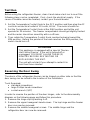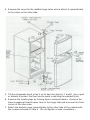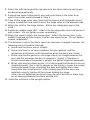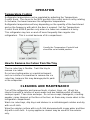
1
Use only lukewarm soapy water to clean the door gaskets. Never use acids, chemical thinner, gasoline, benzene or the like for cleaning any part of the refrigerator. Boiling water and benzene may deform or damage plastic parts. Vacation Time Short vacations: Leave the unit operating during vacations of less than three weeks. Long vacations: If the appliance will not be used for several months, remove all food and unplug the power cord. Clean and dry the interior thoroughly. To prevent odor and mold growth, leave the doors open slightly, blocking them open if necessary. Moving Your Refrigerator 1. 2. 3. 4. Remove all the food. Securely tape down all loose items inside your refrigerator. Tape the door shut. Be sure the refrigerator stays secure in the upright position during transportation. Also protect the outside of the refrigerator with a blanket or similar item. Energy-Saving Tips The appliance should be located in the coolest area of the room, away from heat-producing appliances and out of direct sunlight. Let hot foods cool to room temperature before placing in the refrigerator or freezer compartment. Overloading the refrigerator forces the compressor to run longer. Be sure to wrap foods properly, and wipe containers dry before placing them in the unit. This cuts down on frost build-up inside the refrigerator/freezer. To allow proper air circulation, keep a space between stored foodstuffs. To inhibit drying and to cut down on odors, be sure food is packed well. Refrigerator shelves should not be lined with aluminum foil, wax paper, or paper toweling. Liners interfere with cold air circulation, making the refrigerator less efficient. Organize and label food to reduce door openings and extended searches. Remove as many items as needed at one time, and close the door as soon as possible.