1
Chapter9 Living.fm Page 109 Saturday, September 10, 2011 6:46 PM
Living with Diabetes
■ Avoid Lows, Highs, and DKA
You can avoid most risks related to using the OmniPod System
by practicing proper techniques and by acting promptly at the
first sign of trouble. You can avoid potential problems by
knowing the signs of hypoglycemia (low blood glucose), hyperglycemia (high blood glucose), and diabetic ketoacidosis (DKA).
The easiest and most reliable way to avoid these conditions is to
check your blood glucose often.
General precautions
• Keep careful records and discuss changes and adjustments
with your healthcare provider.
• Tell your healthcare provider if you have extreme highs or
lows, or if highs or lows are occurring more often than usual.
• If you have technical problems with your OmniPod System
and cannot resolve them, do not hesitate to call Customer
Care.
Hypoglycemia (low blood glucose)
Hypoglycemia can occur even when a Pod is working properly.
Never ignore the signs of low blood glucose (no matter how
mild). If left untreated, severe hypoglycemia can cause seizures
or lead to unconsciousness. If you suspect that your blood glucose level is low, check your BG level to confirm.
9
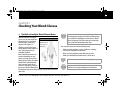
Hypoglycemia unawareness is a condition in which
you do not realize when your blood glucose level is
low. If you are prone to hypoglycemia unawareness,
you may want to use the OmniPod System’s blood
glucose reminder and check your blood glucose
more frequently. See “Alert and Reminder Notifications” in Chapter 6, Using the Personal Diabetes
Manager, for how to set the reminder.
Symptoms of hypoglycemia
Never ignore these symptoms:
• Shakiness
• Fatigue
• Unexplained sweating
• Cold, clammy skin
• Weakness
• Blurred vision or a headache
• Sudden hunger
• Rapid heart rate
• Confusion
• Tingling in the lips or tongue
• Anxiety
Customer Care: 1 855 POD INFO (1 855 763 4636). Outside of Canada: 647-788-3132.
109