1
Developing Process for Mobile Device Forensics
Det. Cynthia A. Murphy
Abstract –
With the growing demand for examination of cellular phones
and other mobile devices, a need has also developed for the
development of process guidelines for the examination of these
devices. While the specific details of the examination of each
device may differ, the adoption of consistent examination
processes will assist the examiner in ensuring that the evidence
extracted from each phone is well documented and that the
results are repeatable and defensible.
isolate the phone from surrounding networks. This may not
always be possible, and isolation methods can be prone to
failure.
Mobile devices use a variety of internal, removable and
online data storage capabilities. In many cases, it is
necessary to use more than one tool in order to extract and
document the desired data from the mobile device and its
associated data storage media. In certain cases, the tools
used to process cellular phones may report conflicting or
erroneous information. It is therefore critical to verify the
accuracy of data obtained from mobile devices. And, while
the amount of data stored by phones is still small when
compared to the storage capacity of traditional computer
hard drives, the storage capacity of these devices continues
to grow.
I. INTRODUCTION
Over the past several years, digital forensic examiners
have seen a remarkable increase in requests to examine
data from cellular phones and other mobile devices. The
examination and extraction of data from these devices
presents numerous unique challenges for forensic
examiners. With smart phones and tablets representing an
increasing proportion of mobile devices submitted for
examination, the number unique challenges continue to
grow. Some of those challenges include the following:
The reasons for the extraction of data from cellular phones
may be as varied as the techniques used to process them.
Cellular phone data is often desired for intelligence
purposes and the ability to process phones in the field is
attractive. Sometimes only certain data is important to an
investigation. In other cases full extraction of the embedded
file system and/or the physical memory of the phone is
desirable for a full forensic examination and potential
recovery of deleted data.
Not only are there a large variety of mobile devices
available commercially, those devices use a variety of
proprietary operating systems, embedded file systems,
applications, services, and peripherals. Each of these
unique devices may be supported to different extents by
the available forensic software tools, or may not be
supported at all. There is also generally significant lag
time before newer smart phone devices are supported
sufficiently by mobile forensic tools.
Because of these factors, the development of guidelines and
processes for the extraction and documentation of data from
mobile devices is extremely important, and those guidelines
and processes must be periodically reviewed as mobile
device technology continues to evolve and change. What
follows is an overview of process considerations for the
extraction and documentation of data from mobile devices.
The types of data contained within mobile devices and the
way they are being used are constantly evolving. With
the popularity of smart phones, it is no longer sufficient to
document only the phonebook, call history, text messages,
photos, calendar entries, notes and media storage areas
because these devices are fully functioning minicomputers and potentially contain much more relevant
data. The data from an ever-growing number of installed
applications can contain a wealth of relevant information
that may not be automatically parsed by available forensic
software solutions. Traditional digital forensic skills are
becoming more and more necessary for mobile device
examinations.
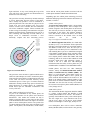
Cellular Phone Evidence Extraction Process
Intake
Identification
Preparation
Isolation
Processing
Verification
Cellular phones and other mobile devices are designed to
communicate with cellular and other networks via radio,
Bluetooth, infrared and wireless (WiFi) networking. To
best preserve the data on the phone it is necessary to
Documentation
/Reporting
Presentation
Figure 1: Evidence Extraction Process
1
Archiving
prosecutor or legal advisor in the examiner’s local area
(Mislan, Casey & Kessler 2010).
Evidence Intake Phase
The evidence intake phase involves the procedure by
which requests for examinations are handled. The
evidence intake phase generally entails request forms and
intake paperwork to document chain of custody,
ownership information, and the type of incident the
mobile device was involved in and outlines general
information regarding the type of data or information the
requester is seeking.
In some situations, you may find that the stated
requirements for the particularity of a search articulated in a
search warrant or consent go beyond the abilities of
available forensic tool capabilities. For example, if a search
warrant limits search of a cell phone or other mobile device
for call history and messages within a particular date
range, most forensic tools do not allow the examiner to limit
data extraction to just that data within a date range.
Obtaining all of the data from a phone and winnowing that
data down to that which is articulated in the warrant may be
seen as an overbroad search. It is therefore important to
articulate these kinds of limitations when drafting search
warrants or obtaining consent to search a device.
Critical at this phase of the examination is the
development of specific objectives for each examination.
This not only serves to clarify and document the
examiner’s goals, but also assists in the triage of
examinations and begins the documentation of the
examination process for each individual device examined.
Many agencies and organizations use a form to document
intake of mobile devices for examination.
The Goal of the Examination:
While the general process used to examine any given
cellular phone should be as consistent as possible, the goal
of the examination for each phone may be significantly
different. It is unlikely that any given forensics lab has the
resources, capability or the capacity to examine every
cellular phone that contains data of evidentiary value in
every kind of case. For this reason, it can be useful to
identify what level of examination is appropriate for any
given cellular phone.
Identification Phase
For every examination of a mobile device, the examiner
should identify the following:
Legal authority for examination of the device
The goals of the examination
The make, model and identifying information for
the device(s)
Removable & external data storage
Other sources of potential evidence
The first of two main considerations is who will be
responsible for the process of documenting the data. The
second main consideration is how in depth the examination
needs to be. Of those phones that are submitted to the lab
for examination, there will be differences in the goals of
each examination based upon the facts and circumstances of
the particular case.
Legal Authority:
Case law surrounding the search of data contained from
mobile devices is in a nearly constant state of flux. It is
imperative that the examiner determines and documents
what legal authority exists for the search of the device, as
well as any limitations placed on the search, prior to the
examination of the device:
If the cellular phone is being searched pursuant
to a warrant, the examiner should be mindful of
confining the search to the limitations of the
warrant.
If the cellular phone is being searched pursuant
to consent, any possible limitations of the
consent (such as consent to examine the call
history only) and should determine whether
consent is still valid prior to examining the
phone.
In cases where the phone is being searched
incident to arrest, the examiner needs to be
particularly cautious, as current case law in this
area is particularly problematic and in a state of
constant change.
In some cases evidence from cellular phones may be
documented in the field either by hand or photographically.
For example, in the interest of returning a victim’s main
communication lifeline while still documenting information
of evidentiary value, or in the case of documenting evidence
in a misdemeanor or minor offense, field documentation
would be a reasonable alternative to seizing the device. In
other cases, it may be sufficient to have an officer or analyst
with basic training in the examination of cellular phones
perform a quick dump of cellular phone data in the field,
specifically for intelligence purposes using commercially
available tools designed for this purpose.
A smaller subset of cellular phones may be submitted for
examination with the goal of targeted data extraction of data
that has evidentiary value. Specifically targeted data, such
as pictures, videos, call history, text messages, or other
specific data may be significant to the investigation while
other stored data is irrelevant. It also might be the case that
only a certain subset of the data can be examined due to
Particular questions as to the legal authority to search a
cellular phone should be directed to a knowledgeable
2
carrier and the current phone number associated with the
cellular phone should be identified and documented.
legal restrictions. In any event, limiting the scope of the
exam will likely make extraction and documentation of
the data less time consuming.
Depending upon the cellular phone technology involved,
additional identifying information should be documented, if
available, as follows:
The goal of the exam may alternatively include an attempt
to recover deleted data from the memory of the phone.
This is usually only possible if a tool is available for a
particular phone that can extract data at a physical or file
system level (See levels detailed at the end of this
section). If such a tool is available, then the examination
will involve traditional computer forensic methods such
as data carving, hex decoding, and examination of SQLite
databases and therefore the examination process may be a
time consuming and technically involved endeavor, as
deeper levels of examination necessitate a more
technically complex and time consuming process.
CDMA cellular phones:
The Electronic Serial Number (ESN) is located under
the battery of the cellular phone. This is a unique 32 bit
number assigned to each mobile phone on the network.
The ESN may be listed in decimal (11 digits) and/or
hexadecimal (8 hex digits). The examiner should be
aware that the hex version of the ESN is not a direct
numeric conversion of the decimal value. An ESN
converter
can
be
found
at
http://www.elfqrin.com/esndhconv.html.
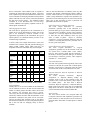
Submitted for
intensive
exam/data
recovery
The Mobile Equipment ID (MEID), also found under
the battery cover, is a 56 bit number which replaced the
ESN due to the limited number of 32 bit ESN numbers.
The MEID is listed in hex, where the first byte is a
regional code, next three bytes are a manufacturer code,
and remaining three bytes are a manufacturer-assigned
serial number. CDMA phones do not generally contain
a Subscriber Identity Module (SIM) card, but some
newer hybrid phones contain dual CDMA and GSM
technology and can be used on either CDMA or GSM
networks. Inside these dual technology phones is
located a slot for a SIM card. The identifying
information under the battery of these phones may list
an IMEI number in addition to the ESN/MEID number.
Submitted for
targeted data
extraction
Documented
on the street/
intelligence
purposes
CDMA phones also have two other identifying
numbers, namely, the Mobile Identification Number
(MIN) and Mobile Directory Number (MDN). The
MIN is a carrier-assigned, carrier-unique 24-bit (10digit) telephone number. When a call is placed, the
phone sends the ESN and MIN to the local tower. The
MDN is the globally-unique telephone number of the
phone. Prior to Wireless Number Portability, the MIN
and MDN were the same but in today's environment,
the customer can keep their phone number (MDN) even
if they change carriers.
Figure 2: Goal of the Exam 1
The goal of the exam can make a significant difference in
what tools and techniques are used to examine the phone.
Time and effort spent initially on identification of the goal
of the exam can lead to increased efficiency in the
examination process. These types of realities should be
addressed in training, and the triage process related to the
initial submission of cellular phones for examination
should based upon the individual circumstances and
severity of the case.
GSM cellular phones:
The International Mobile Equipment Identifier (IMEI)
is a unique 15-digit number that identifies a GSM
cellular phone handset on its network. This number is
generally found under the battery of the cellular phone.
The first 8 digits are a Type Allocation Code (TAC)
and the next 6 digits are the Device Serial Number
(DSN). The final digit is a check digit, usually set to 0.
Make, Model and Identifying Information
As part of the examination of any cellular phone, the
identifying information for the phone itself should be
documented. This enables the examiner not only to
identify a particular phone at a later time, but also assists
in the determination about what tools might work with the
phone as most cellular phone forensic tools provide lists
of supported phones based on the make and model of the
phone. For all phones, the manufacturer, model number,
On a GSM phone, there will be at least a Subscriber
Identity Module (SIM) card slot which is also generally
3
Removable /External Data Storage:
Many cellular phones currently on the market include the
ability to store data to a removable storage device such as a
Trans Flash Micro SD memory expansion card. In the event
that such a card is installed in a cellular phone that is
submitted for examination, the card should be removed by
the examiner and processed using traditional digital
forensics techniques. The processing of data storage cards
using cellular phone forensic tools while the card remains
installed within the phone may result in the alteration of
date and time stamp data for files located on the data card.
located under the battery. The SIM card may be
branded with the name of the network to which the
SIM is registered. Also located on the SIM card is
the Integrated Circuit Card Identification (ICCID),
which is an 18 to 20 digit number (10 bytes) that
uniquely identifies each SIM card. The ICCID
number is tied to the International Mobile Subscriber
Identity (IMSI) which is typically a 15-digit number
(56 bits) consisting of three parts including the
Mobile Country Code (MCC; 3 digits), Mobile
Network Code (MNC; 3 digits in the U.S. and
Canada, and 2 digits elsewhere), and Mobile Station
Identification Number (MSIN; 9 digits in the U.S.
and Canada, and 10 digits elsewhere) which are
stored electronically within the SIM. The IMSI can
be obtained either through analysis of the SIM or
from the carrier.
Additionally, cellular phones may allow for the external
storage of data within network based storage areas
accessible to the phone’s user by computer or data on the
phone may be synced with an internet based account such as
iCloud account for iOS devices or a Google account for
Android based devices. Accessing this data, which is stored
on the service provider’s network, may require further legal
authority and is generally beyond the scope of the
examination of a cellular phone handset. However, the
potential existence of network based data storage should be
taken into account by the examiner.
The Mobile Station International Subscriber
Directory Number (MSISDN) is the phone's 15-digit,
globally unique number. The MSISDN follows the
International Telecommunication Union (ITU)
Recommendation E.164 telephone numbering plan,
composed of a 1-3 digit country code, followed by a
country-specific number. In North America, the first
digit is a 1, followed by a 3-digit area code.
Many feature phones and smart phones are also designed to
sync with a user’s computer to facilitate access to and
transfer of data to and from the cellular phone. Full or
partial backups of the data from a phone may be found on
the phone owner’s computer or any computer the phone has
been synced with. The potential for the existence of these
alternative storage areas should be considered by the
examiner as additional sources of data originating from
cellular phones.
iDen cellular phones:
Though less popular in recent years, iDen phones
provide the ability for users to communicate directly
to one or more other iDen phones by radio. iDen
cellular phones contain an International Mobile
Equipment Identity (IMEI) that identifies an iDen
cellular phone on its network. This number is
generally found under the battery of the cellular
phone. iDen cellular phones also contain SIM cards,
with the identifying information described above,
though they are based on different technology than
GSM SIM cards and are not compatible with GSM
cellular phones.
Other Potential Evidence Collection:
Prior to beginning examination of a cellular phone,
consideration should be given to whether or not other
evidence collection issues exist. Cellular phones may be
good sources of DNA, fingerprint or other biological
evidence. Collection of DNA, biological and fingerprint
evidence should be accomplished prior to the examination
of the cellular phone to avoid contamination issues.
Unique to iDen cellular phones is the Direct Connect
Number (DCN) which is also known as the
MOTOTalk ID, Radio-Private ID or iDen Number.
The DCN is the identifying number used to
communicate directly device-to-device with other
iDen cellular phones. This number consists of a
series of numbers formatted as ###*###*#####
where the first three digits are the Area ID (region of
the home carrier’s network), the next three digits are
the Network ID (specific iDen carrier) and the last
five digits are a subscriber identification number
which sometimes corresponds to the last five of the
cellular phone number. (Punja, & Mislan, 2008)
Preparation PHASE
Within the Identification phase of the process, the examiner
has already engaged in significant preparation for the
examination of the phone. However, the preparation phase
involves specific research the regarding the particular
mobile device to be examined, the appropriate tools to be
used during the examination and preparation of the
examination machine to ensure that all of the necessary
equipment, cables, software and drivers are in place for the
examination.
Once the make and model of the mobile device have been
identified, the examiner can then research the specific
4
There is also some difference in semantics in the way data
extraction from phones is defined from software vendor to
software vendor. Therefore, it is important to know how the
vendor is using definitions in regards to the capabilities of a
particular tool. The following terms are often used to define
what types of data extraction of which a particular cell
phone data extraction tool is capable:
device to determine what available tools are capable of
extracting the desired data from the phone. Resources
such as phonescoop.com and mobileforensicscentral.com
can be invaluable in identifying information about cellular
phones and what tools will work to extract and document
the data from specific phones. The SEARCH toolbar
(available as a free download from www.search.org)
contains additional and regularly updated resources for
cellular phone examinations.
Object Extraction or Container Extraction:
The terms “Object Extraction” or “Container
Extraction” generally refer to the extraction of a
particular data type or types from a cellular phone such
as text messages, call history, pictures, video, ringtones,
calendar, etc. A tool may support the extraction of one
or more than one data container(s) from any given
make or model of phone.
Object or Container
extraction is a logical extraction function in that the
software is accessing data stored in a particular area of
the file system of the phone.
Choosing Appropriate Tools:
The tools that are appropriate for the examination of a
mobile device will be determined by factors such as the
goal of the examination, resources available to the
organization responsible for the examination, the type of
cellular phone to be examined and the presence of any
external storage capabilities.
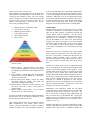
A matrix, such as the example shown below, of the tools
available to the examiner, and what general technology of
phones (GSM, CDMA, iDEN, SIM Card) they are
compatible with in an examination may also be helpful.
BitPim
Data Pilot
Secure View
3
Paraben
Device
Seizure
SIMCon
iDen Media
Manager
Manufacturer
/ Other
Cellebrite
CellDEK
Oxygen
Forensic
Suite
XRY /
XACT
CDMA
GSM
X
X
X
X
X
iDen
SIM
Logical
Dump
X
Physical
Dump
X
X
X
X
Logical Extraction or Logical Acquisition:
The terms “Logical Extraction” or “Logical
Acquisition” generally refer to the extraction of the full
file system from a cellular phone. Some vendors,
however, more narrowly define logical acquisition as
the ability to obtain a particular data type or container
(text messages, call history, pictures, video, ringtones,
calendar, etc…) from a phone.
File System Extraction:
The term “File System Extraction generally refers to the
extraction of the full file system from a cellular phone,
though it can also refer to extraction of the file system
from removable media cards within the device itself.
X
X
X
X
X
X
X
X
X
X
X
X
X
X
X
X
X
X
X
X
X
X
X
X
X
X
X
X
X
Physical Extraction, Physical Acquisition or Physical
Memory Dump:
The
terms
“Physical
Extraction,”
“Physical
Acquisition” or “Physical Memory Dump” are
generally used to refer to the extraction of the full
contents of one or more flash memory chip or chips on
the cellular phone.
The data from a Physical
Extraction, Physical Acquisition, or Physical Memory
Dump comes in the form of raw data as a hexadecimal
dump which can then be further parsed to obtain file
system information and/or human readable data.
Figure 3: Cellular Phone tool matrix (Kessler, 2010)
Tool Capabilities:
Notably, there is no one tool available on the market that
will be sufficient to retrieve all data from all makes and
models of cellular phones and other mobile devices that
the examiner will encounter and need to process.
Conversely, there are still many phones on the market for
which only manual extraction and documentation of the
information contained in the phone will be successful.
Various cell phone data extraction tools on the market
have different capabilities for processing different phones
due to the vast and ever changing variety of devices
available.
Device Profile:
The term “Device Profile” has emerged within the
recent past to describe what capabilities a particular cell
phone forensics or data extraction tool has related to a
particular make and model of cellular phone or mobile
device.
5
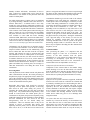
Cellular Phone Tool Leveling System:
When identifying the appropriate tools for the analysis of
cellular phones, a useful paradigm is the Cell Phone Tool
Leveling System (Brothers, 2009). The tool leveling
system is designed to categorize mobile phone and GPS
forensic analysis tools by the depth to which they are
capable of accessing data on a given device. As you
move up the pyramid (generally):
well as cable and phone driver downloads. Manufacturers
will also sometimes provide free software designed for users
to access and synchronize the data on their phones with their
computers. While these tools are not designed specifically
for extraction and documentation of evidence, they may be
useful when other tools do not work, though caution should
be used when utilizing these tools, as they are generally
designed to access and write data back to a cellular phone.
Methods get more “forensically sound”
Tools get more expensive
Methods get more technical
Longer Analysis times
More training required
More invasive
Isolation Phase
Cellular phones and other mobile devices are by design
intended to communicate via cellular phone networks, and
other and to other networks via Bluetooth, infrared and
wireless (WiFi) network capabilities. For this reason,
isolation of the device from these communication sources is
important prior to examination. Isolation of the phone
prevents the addition of new data to the phone through
incoming calls and text messages as well as the potential
destruction of data through remote access or remote wiping
via a “kill signal” as well as the possibility of accidental
overwriting of existing data as new calls and text messages
come in.
Isolation also prevents overreaching of the legal authority
such as warrant or consent that covers search of the data on
the device. If the phone is isolated from the network, the
examiner cannot accidently access voicemail, email,
Internet browsing history or other data that may be stored on
the service provider’s network rather than on the device
itself.
Figure 4: Cellular Phone Tool Leveling Pyramid –
(Brothers 2009)
Isolation of a cellular phone can be accomplished through
the use of Faraday bags or radio frequency shielding cloths
which are specifically designed for this purpose. Other
available items such as arson cans or several layers of tinfoil
may also be used to isolate some cellular phones. Both
formal and informal faraday methods and devices however,
may be prone to failure (Katz, 2010). Another problem with
these isolation methods however is that once they’re
employed, it is difficult or impossible to work with the
phone because you can’t see through them or work with the
phone’s keypad through them. Faraday tents, rooms, and
enclosures exist, but are cost prohibitive.
1. Manual Analysis – physical analysis of the phone
involving manual manipulation of the keyboard and
photographic documentation of data displayed on the
screen.
2. Logical Analysis - Connect data cable to the handset
and extract data using AT, BREW, etc. commands in
client/server architecture.
3. Physical Analysis (Hex Dump) - Push a boot loader
into phone, dump the memory from phone and
analyze the resulting memory dump.
4. Physical Analysis (Chip-Off) - Remove memory from
the device and read in either second phone or
EEprom reader.
5. Physical Analysis (Micro Read) - Use an electron
microscope to view state of memory.
Additionally, some laboratories within the US federal
government may use signal jamming devices to curtail radio
signals from being sent or received for a given area. The
use of such devices is illegal for many organizations and
their use should only be implemented after verifying the
legality of the use of such devices for a given organization.
Additional information about the FCC exceptions can be
found at www.fcc.org.
In general, examinations gather more detailed information
and take more time as one advances through the levels
from manual extraction to micro read.
Other resources that should not be overlooked are cellular
phone manufacturer’s and cellular phone carrier’s
websites. They can contain links to electronic versions of
manuals for almost every make and model of phone as
Another viable option is to wrap the cellular phone in radio
frequency shielding cloth and to then place the phone into
Airplane mode (Also known as Standalone, Radio Off,
6
phone or encrypted and cannot be accessed except through
the phone. In these situations documentation of the time the
phone and card were processed is especially important.
Standby or Phone Off Mode). Instructions for how to
place a phone into Airplane mode can be found in the
manufacturer’s user manual for the particular make and
model of cellular phone.
Consideration should be given to the order of the software
and hardware tools used during the examination of the
cellular phone. There are advantages to consistency in order
of tools used during examination of a cellular phone. This
consistency may help the examiner to remember the order of
tools used in the examination at a later time. Also,
depending on the circumstances, it may make sense to use
more intrusive tools first or last during the course of the
examination depending upon the goals of the exam. For
example, if the goal is to extract deleted information from
the physical memory of the phone, starting the examination
with a physical dump of the memory (if tools for this
function are available) would make more sense than
extracting individual files or the file system of the phone.
Performing multiple kinds of extractions from the same
device may be helpful in decoding the data obtained from
the phone, as well.
For GSM cellular phones, isolation can be accomplished
by creating and using a SIM ID Clone (also known as a
Forensic SIM Clone). A SIM ID Clone is not a fully
cloned copy of the cell phone’s SIM Card, but rather is an
examiner-created SIM Card that contains only the ICCID
and IMSI from the original SIM. This allows examination
of the contents of the cellular phone without allowing the
phone to connect to or be recognized by the surrounding
cell phone networks. There are a variety of commercial
tools available to create SIM ID Clones including
Cellebrite UFED, XRY/XACT, and Forensic SIM Cloner.
It may also be possible with some phones to use a SIM ID
Clone to access data on a GSM phone with a missing SIM
Card even to successfully bypass PIN-locked SIM Cards.
Unfortunately, not all phones have an Airplane mode or
its equivalent, and sometimes even the most seemingly
foolproof isolation methods can fail. Additionally, some
devices obtain their date and time from the cell phone
network, and isolation can result in erroneous date and
time information. Even if a cellular phone is successfully
isolated from all networks, user data can still be affected
if automatic functions are set to occur, such as alarms or
appointment announcements. If these situations arise the
examiner should document their attempts to isolate the
phone and whether any incoming calls, text messages or
other data transmissions occur during the course of the
examination.
Verification Phase
After processing the phone, it is imperative that the
examiner engages in some sort of verification of the
accuracy of the data extracted from the phone.
Unfortunately, it is not unusual for cellular phone tools to
erroneously or incompletely report data or to report
conflicting information from tool to tool. Verification of
extracted data can be accomplished in several ways.
Comparison of Extracted Data to the Handset
Comparison of the extracted data to the handset simply
means checking to be sure the data which was extracted
from the mobile device matches the data displayed by the
device itself. This is the only authoritative way to ensure
that the tools are reporting the phone information correctly.
Processing Phase
Once the phone has been isolated from the cell phone and
other communication networks, the actual processing of
the phone may begin. The appropriate tools to achieve the
goal of the examination have been identified in the steps
described previously, and they can now ideally be used to
extract the desired data from the phone.
Check the Underlying Hex
If physical or file system extraction is supported, traditional
forensic tools can be used for verification of extracted data
by manually examining the hex and decoding the data to
ensure that the results are consistent with what is being
reported by the tool. This method uses traditional digital
forensics methods to check the data, but requires a higher
level of expertise and experience. There are a large variety
of file formats and encoding methods used in various
mobile devices which may prove to be a challenge when
using this method.
Removable data storage cards should be processed
separately from the phone when possible, as accessing
data stored on these cards during the process of
examining the cellular phone may alter data on the data
storage card. Any installed data storage/memory cards
should be removed from the cellular phone prior to
examination of the phone, and processed separately using
traditional computer forensics methods to ensure that date
and time information for files stored on the data
storage/memory card are not altered during the
examination. There are situations when it may not be
possible to process a removable data storage card
separately from the phone, such as when the examiner
lacks tools to do so, or if the data card is locked to the
Use of More than One Tool, Compare Results
Another way to ensure the accuracy of extracted data is to
use more than one tool to extract data from the cellular
phone and to cross verify the results by comparing the data
reported from tool to tool. If there are inconsistencies, the
examiner should use other means to verify the accuracy of
7
the data extracted from the phone. Even if two tools
report information consistently, verification via manual
inspection of the handset is authoritative because it is
possible that both tools used are reporting erroneously.
these may not be sufficient for documentation needs. At
times, the cellular phone tools may report inaccurate
information such as the wrong ESN, MIN / MDN numbers,
model, or erroneous date and time data, and so care must be
taken to document the correct information after the data
verification phase.
Use of Hash Values
If file system extraction is supported, traditional forensic
tools can be used for verification of extracted data in
several ways. The forensic examiner can extract the file
system of the cell phone initially, and then hash the
extracted files. Any individually extracted files can then
be hashed and checked against the originals to verify the
integrity of individual files. Alternatively, the examiner
could extract the file system of the cell phone initially,
perform the examination and then extract the file system
of the phone a second time.
The process used extract data from the phone, the kinds of
data extracted and documented and any pertinent findings
should be accurately documented in reports. Even if the
examiner is successful in extracting the desired data using
available tools, additional documentation of the information
through photographs may be useful, especially for court
presentation purposes.
Time Zone / Daylight Savings Time Adjustments
Particular attention should be given to date and time stamps,
which may be reported in UTC or other standardized time
formats by mobile forensic software tools, while the phone
itself shows local time. Most tools allow the examiner to
adjust time stamps to the local time zone for reporting
purposes but this is not always the case. Adjustments for
time zone and daylight savings or standard time should be
accounted for, as these details may be missed or
misunderstood by others reading the reports. This can result
in relevant data being missed by investigators after the fact,
or in the appearance of a date and time conflict between the
evidentiary phone and reports generated by various forensic
tools. Mentioning in your report that time zone adjustments
have or have not been applied may save time, confusion,
and explanation of relative time differences at a later point.
The two file system extractions can then be hashed and
the hash values compared to see what data on the phone,
if any, has been altered during the examination process.
Any changed files should then be examined to determine
if they are system files or user files to potentially
determine the reason for the changes to the files.
(Murphy, 2009) It should be noted that hashing only
validates the data as it exists after it has left the phone.
Cases where the data extraction process actually modifies
data have been documented in other papers. (Dankar,
Ayers & Mislan 2009)
In some cases, a combination of verification techniques
may be used to validate the integrity of the data extracted
from the phone.
Presentation Phase
Consideration should be given throughout the examination
as to how the information extracted and documented from
the mobile device can be clearly presented to another
investigator, prosecutor and to a court. In many cases, the
receiver may prefer to have the extracted data in both paper
and electronic format so that call history or other data can be
sorted or imported into other software for further analysis.
Documentation & reporting Phase
Documentation of the examination should occur
throughout the process in the form of contemporaneous
notes regarding what was done during the examination.
Examination worksheets can be helpful in the
examination process to ensure that basic information is
recorded.
The examiner’s notes and documentation may include
information such as:
The date and time the examination was started
The physical condition of the phone
Pictures of the phone and individual components
(e.g., SIM card and memory expansion card) and
the label with identifying information
The status of the phone when received (off or on)
Make, model, and identifying information
Tools were used during the examination
What data was documented during the
examination
The investigator may also want to provide reference
information regarding the source of date and time
information, EXIF data extracted from images or other data
formats, in order that recipients of the data are better able to
understand the information.
For court purposes, pictures or video of the data as it existed
on the cellular phone may be useful or compelling as
exhibits. Extracted text messages may be great evidence,
but pictures of the same text messages may be more familiar
and visually compelling to a jury.
It is often very useful to present a series of pictures of text
messages and call history logs in chronological order via a
PowerPoint® presentation or timeline software so that the
Most cellular phone tools include reporting functions, but
8
Kessler, G. (2010). Cell Phone Analysis: Technology, Tools, and
Processes. Mobile Forensics World. Chicago: Purdue University.
progression of communications is shown clearly to the
audience, whether the audience is an investigator,
prosecutor, or jury. This is especially effective if there
are a number of cellular phones involved in a case.
Mislan, R.P., Casey, E., & Kessler, G.C. (2010). The Growing
Need for On-Scene Triage of Mobile Devices. Digital
Investigation, 6(3-4), 112-124
Archiving Phase
Preservation of the data extracted and documented from
the cellular phone is an important part of the overall
process. It is necessary to retain the data in a useable
format for the ongoing court process, future reference,
and for record keeping requirements. Some cases may
endure for many years before a final resolution, and most
jurisdictions require that data be retained for varying
lengths of time for the purposes of appeals.
Murphy, C. (2009). The Fraternal Clone Method for CDMA Cell
Phones. Small Scale Digital Device Forensics Journal , 4-5.
Punja, S & Mislan, R. (2008). Mobile Device Analysis. Small
Scale Digital Device Forensics Journal, Vol. 2, No. 1 , 2-4.
Cynthia A. Murphy is a Detective with the City of Madison,
Wisconsin Police Department and has been a law enforcement
officer since 1985. She is a certified computer forensic examiner
and has directly participated in the forensic examination hundreds
of digital devices pursuant to criminal investigations of various
types of crimes including homicides, missing persons, computer
intrusions, sexual assaults, child pornography, financial crimes,
and other investigations. She has successfully utilized her skills in
the investigation and prosecution of numerous criminal cases
involving digital evidence and has testified as an expert in both
state and federal court. Det. Murphy is also a part time Digital
Forensics instructor at Madison College and teaches mobile device
forensics for the SANS Institute.
Due to the proprietary nature of the various tools on the
market for the extraction and documentation of cell phone
data, consideration should be given to the ability to access
saved data at a later date. If possible, store data in both
proprietary and non-proprietary formats on standard
media so that the data can be accessed later even in the
event that the original software tool is no longer available.
It may also be a good practice to retain a copy of the tool
itself to facilitate the viewing of the data at a later date.
Conclusion
With the growing demand for examination of cellular
phones and other mobile devices, a need has also
developed for the development of process guidelines for
the examination of these devices. While the specific
details of the examination of each device may differ, the
adoption of consistent examination processes will assist
the examiner in ensuring that the evidence extracted from
each phone is well documented and that the results are
repeatable and defensible in court. The information in
this document is intended to be used as a guide for
forensic examiners and digital investigators in the
development of processes that fit the needs of their
workplace.
Author’s Note: This is the third major revision of this paper, the
first version of which was written and distributed in 2009. The
author makes an effort to keep the information as up to date as
possible, and any suggestions for revisions, additions, or for
updating of its contents are appreciated and can be sent to
[email protected].
A previous version of this paper (version 1.1.8) was cited by the
U.S. 7th Circuit Court of Appeals in United States v. Flores-Lopez
(http://docs.justia.com/cases/federal/appellate-courts/ca7/103803/10-3803-2012-02-29.pdf). If you are in need of a copy of
that particular version of this paper, please contact the author for a
copy.
Bibliography
Ayers, R., Dankar, A. & Mislan, R. (2009). Hashing Techniques
for Mobile Device Forensics. Small Scale Digital Device
Forensics Journal , 1-6.
Brothers, S. (2011). How Cell Phone "Forensic" Tools Actually
Work - Cell Phone Tool Leveling System. DoD Cybercrime
Conferece. 2011. Atlanta, GA
Guide for Mobile Phone Seizure and Examination. APCO Good
Practice Guide for Computer Based Electronic Evidence –
Official Release Version 4.0, 45-51.
Katz, Eric, "A Field Test of Mobile Phone Shielding Devices"
(2010). College of Technology Masters Theses. Purdue
University.
9