1
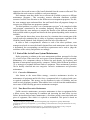
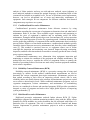
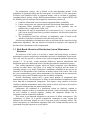
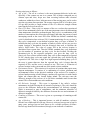
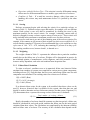
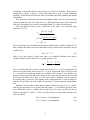
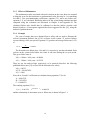
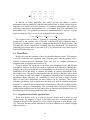
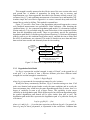
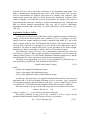
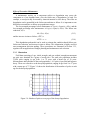
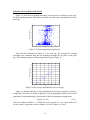
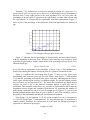
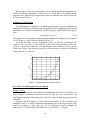
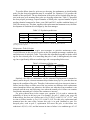
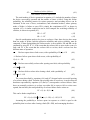
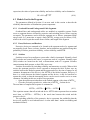
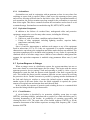
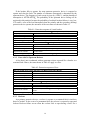
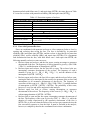
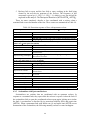
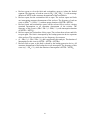
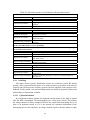
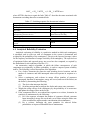
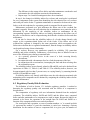
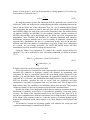
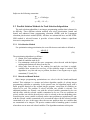
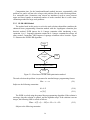
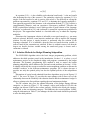
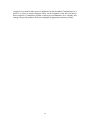
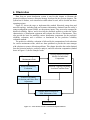
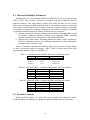
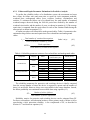
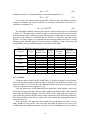
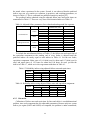
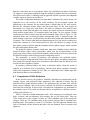
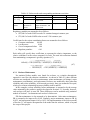
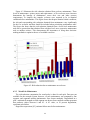
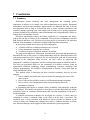
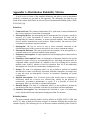
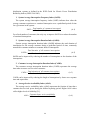
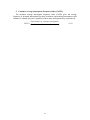
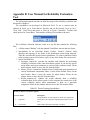
con _ age =
h=
con + a 2
years
a1
b
* (con _ age)b −1
b
a
(6.8)
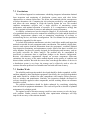
(6.9)
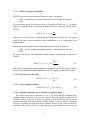
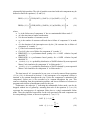
where
• ‘con’ is the degradation in pole mechanical strength.
•
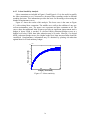
‘con_age’ is the conditional age estimate for the pole, based on its condition.
•
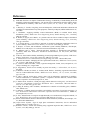
‘a1’ and ‘a2’ are linear regression coefficients [43] that determine the relationship
between the degradation level ‘con’ and the condition age as follows:
o a1 = 0.014418
o a2 = 0.10683
•
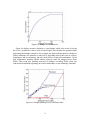
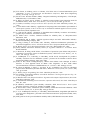
‘h’ is the pole failure rate derived from the Weibull hazard function shown in
equation (6.9) with these parameters [43]:
o a= 50.6090
o b= 4.6676
As indicated in [43], two separate maintenance activities are considered for wood
poles. Pole reinforcement is assumed to reduce a pole’s failure rate to 1/4th its value
before maintenance. Pole replacement reduces the pole’s failure rate to that of a new
pole. The risk reduction associated with pole reinforcement and replacement is then
calculated as described in Section 4.4.
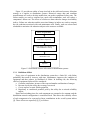
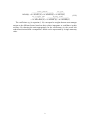
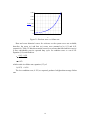
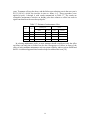
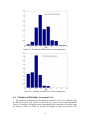
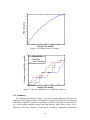
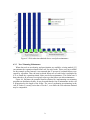
Figure 6.3 illustrates the risk reduction obtained from maintaining wood poles,
considering reinforcement and replacement. It may seem surprising that the risk reduction
associated with maintaining wood poles is lower that the expenses involved in
maintaining them. However, it may be noted that the average life span of a typical wood
pole extends typically in tens of years while that of a recloser is only a few years. Since,
the formulation of risk looks at the potential benefits of maintenance over the next year, it
is unable to capture the benefits of maintenance done on wood poles.
70