1
Wye-Delta and Solid State Starter Application Guide
Introduction
The theory of applying reduced voltage to a motor for the purpose of altering the motors
torque and power consumption characteristics is an idea that has existed for many years.
These concepts have flourished mainly due to the need to limit torque and limited
generator/power distribution capabilities. In addition, energy conservation initiatives have
forced local governments to place mandatory reduced voltage starting requirements on
motors rated at 7.5 Hp (5.5 kW) and larger.
Reduced voltage starting can be accomplished through various methods including part
winding, wound rotor, auto-transformer, wye-delta, or solid-state. While many of these
techniques require specialty motors or special system components, the wye-delta and
solid-state method are the simplest to apply. Applications employed throughout the United
States differ, but over the years the dominant method world wide has been the wye-delta
or star-delta starting technique.
The latest generation of soft starters and Smart Motor Controllers (SMCs) offer significant
advantages over its predecessors when it comes to applying it in wye-delta applications. In
most cases these solid-state products can be used to replace or retrofit any of the
traditional reduced voltage methods. The SMC product line has been specially designed to
take full advantage of solid-state technology and advanced features to provide a cost
effective modular solution to both new and old reduced voltage applications.
Power
Distribution
Terminology
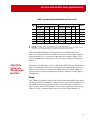
Approximately 75% of the world’s power systems are supplied as wye power from the
transformer. Whether the power is supplied as wye or delta makes little difference to the
system starter components provided there is an appropriate voltage potential and phase
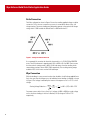
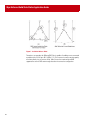
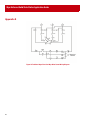
relationship present. The diagram shown as Figure 1 illustrates a simple connection
scheme of the incoming utility power through the motor. Keep in mind that there are many
different configurations throughout the world, but a wye configured system operating at
380 to 415V is the most common. In the United States there is both wye and delta power
systems ranging from 240 to 480V AC.
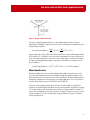
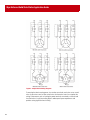
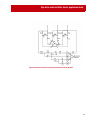
When this document uses the term wye-delta motor configuration, it is simply referencing
the way in which the motor windings are connected to the power system. As we will
discuss, the physical connection of these windings has an effect on the actual applied
voltage to the windings regardless of the power configuration from the transformer.
2