1
5,635,989
5
6
highlight the program of interest. Once the program is
20. Each time a given program is viewed for a period of time
highlighted, the viewer depresses a SEARCH key provided
exceeding the predetermined period of time, the program
on the IR remote 40.
title is stored in memory. The list of program titles stored in
memory 20 forms the favorite program list.
Depression of the SEARCH key commands the micro
processor 15 to determine if the program currently high
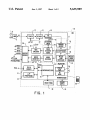
More speci?cally, the microprocessor 15 operates to tune
lighted by the viewer is contained anywhere else in the
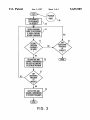
program guide (Step 51). More speci?cally, upon depression
of the SEARCH key, a search command is forwarded to the
microprocessor 15 via the IR receiver 42. Upon receipt of
the search command, the microprocessor 15 records the title
of the program currently identi?ed and compares the
10
recorded title with the title of each program contained in the
current program guide 49 stored in RAM 20 (Step 52). If no
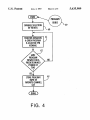
the tuner 12 to the desired channel in response to the
viewer’ s channel selection (Step 60). In accordance with the
present method, upon forwarding a tuning command to the
tuner 12. the microprocessor 15 records the selected channel
and starts a counter (Step 61). The microprocessor 15 also
records the title of the program currently broadcasting on the
selected channel. The title of the program is obtained by
retrieving the program guide information associated with the
selected channel from memory 20. As noted above, the
program guide information for every channel is transmitted
by the system provider and stored in memory 20. If the
additional matches are found, the process proceeds to Step
53 to determine if any additional program titles need to be
compared to the program guide 49. If there are no additional
program titles, the process is complete.
Returning to step 52. if additional matches are found, the
microprocessor 15 records the channel of broadcast and time
viewer continues watching the same program for a prede
termined period of time (Step 62), the microprocessor 15
stores the title of the program in memory 20 in a list, which
has heretofore been referred to as the favorite program list
of broadcast of each occurrence of the program (Step 54),
and then proceeds to determine if additional program titles
need to be compared to the program guide 49 (Step 55). If
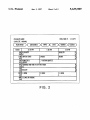
not, the process proceeds to Step 56 and displays the time
and channel information recorded in Step 54 for each
(Step 63). The prede?ned period of time is programmable,
and can be set by the viewer.
Each time a program is viewed for a duration exceeding
the predetermined period of time, the microprocessor 15 will
occurrence of a desired program The information is dis 25 function to store the title of the program on the favorite
played on the display screen via the same components
program list. The microprocessor 15 also functions to store
the date and time the program title was added to the favorite
program list. If the program title is already on the list, the
utilized to display the program guide.
Alternatively, the title of the desired program can be
entered via a keyboard (not shown) and/or an IR remote
microprocessor 15 simply functions to update the date and
time stamp of the given program. Furthermore, the micro
which provides for entry of alphanumeric characters. The
processor 15 can be programmed to arrange the ordering of
keyboard or IR remote must be coupled to the micropro
cessor via an appropriate data channel. According to this
entry method. the viewer types the title of the program to be
located. The viewer then depresses a SEARCH key located
on the keyboard or IR remote, which causes the transfer of
the programs contained on the favorite program list on the
35
the program title to the microprocessor 15, and which
commands the microprocessor 15 to perform the search as
described above.
As noted, the foregoing method of the present invention
provides for multiple programs to be searched simulta
The present method also provides for the deletion of
program titles from the favorite program list. For example,
in the event that the memory allocated for the favorite
program list is full and a new program title should be stored,
multiple titles or via the keyboard. In the event that multiple
titles are entered, the microprocessor 15 searches the pro
gram guide 49 currently stored in RAM 20 for each program
the microprocessor 15 will determine the program title
having the oldest (i.e., most prior in time) date/time stamp
and then replace the oldest program title with the new
program title to be stored.
Another method of deleting program titles from the
favorite program list is to automatically remove the program
title, and all occurrences of each program title are identi?ed
on the display screen.
It is also noted that all steps subsequent to step 50 in the
50
processor 15.
As mentioned above, the present invention also relates to
a method for automatically generating a favorite program
list. The favorite program list identi?es by title, the programs
most frequently watched by the viewer. The favorite pro
gram list can also include information. such as, the time and
channel of the next occurrence of each program contained in
program list, the second most frequently watched program
will appear second, and so on. Of course, the microprocessor
15 will arrange the ordering of the list as necessary to
maintain the proper order.
neously. More speci?cally, during the title entry process, the
viewer may enter multiple titles, either by highlighting
foregoing process are performed automatically by the micro
basis of which programs are most frequently watched. Thus,
the most watched program will appear ?rst in the favorite
55
title from the list after expiration of a prede?ned time period
According to this method, if the date/time stamp associated
with a given program exceeds the prede?ned time, for
example, two months, the program title is removed from the
list. The microprocessor 15 can be programmed to periodi
cally review the favorite program list to determine if any
programs should be deleted. This method provides a means
for automatically “aging” programs off the favorite program
list. The period of time prior to expiration is also
programmable, and can be set by the viewer.
the favorite program list.
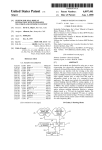
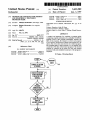
FIG. 4 is a ?ow chart illustrating an exemplary method for
automatically generating a favorite program list. As shown
in FIG. 4. once the viewer selects a channel for viewing (step
60), the microprocessor 15 records the time the viewer
selected the channel and the name (i.e., title) of the program
currently broadcasting on the selected channel. If the viewer
continuously views the same program for a predetermined
49 on the display screen. Then, the viewer maneuvers a
65 cursor on the program guide so as to highlight the program
period of time, the microprocessor 15 functions to store the
title of the program in memory, for example, system RAM
of interest. Once the program is highlighted, the viewer
depresses a FAV-STORE key provided on the IR remote 40.
In an alternative method for generating a favorite program
list, the viewer designates the titles of the programs to be
included on the favorite program list. More speci?cally, the
viewer commands apparatus 10 to display the program guide