1
Chapter 3 Device Statements
Simple Transistor Switches
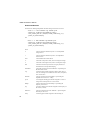
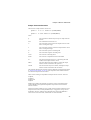
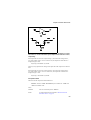
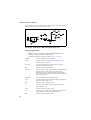
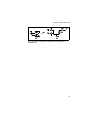
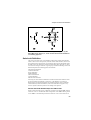
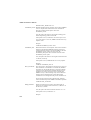
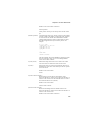
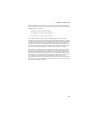
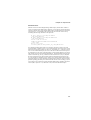
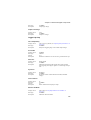
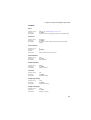
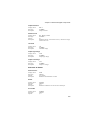
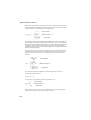
The formats for simple transistor switches are:
Qname n+ n- nc+ nc- mname IC={CLOSE|OPEN}
Qname n+ n- cname mname IC={CLOSE|OPEN}
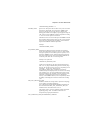
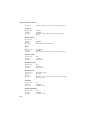
where
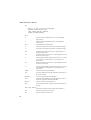
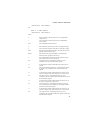
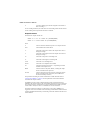
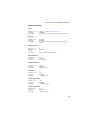
Q
is the one-character element keyword "Q" for simple transistor
switches
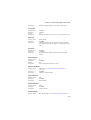
name
is the individual name of the device
n+
is the name of the positive node of the simple transistor switch
and is a nonnegative integer
n-
is the name of the negative node of the simple transistor switch
and is a nonnegative integer
nc+
is the name of the positive controlling node
nc-
is the name of the negative controlling node
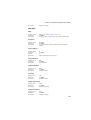
cname
is the name of a controlling device
mname
is the name of a compatible transistor switch model
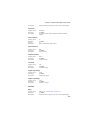
IC=
is the three-character keyword "IC=" representing the initial
condition of the simple transistor switch
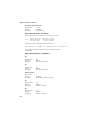
OPEN
is the four-character keyword "OPEN", meaning the simple
transistor switch is initialized to the open state
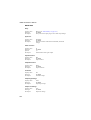
CLOSE
is the five-character keyword "CLOSE", meaning the simple
transistor switch is initialized to the closed state
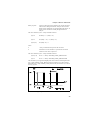
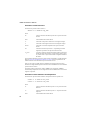
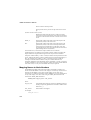
The parameters describing the transistor switch are defined in a model statement. Refer
to “Simple Switch Models” on page 59 for the explanation of the model statements
associated with simple transistor switches.
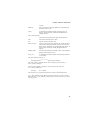
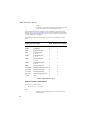
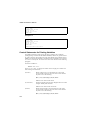
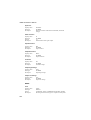
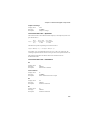
There are four model types compatible with simple transistor switches. These are:
VCQPOS,
VCQNEG,
ICQPOS, and
ICQNEG.
Model types VCQPOS and VCQNEG correspond to voltage-controlled transistor
switches. Model types ICQPOS and ICQNEG correspond to current-controlled
transistor switches.
Similar to the initial condition given to a simple switch, the initial condition given to a
simple transistor switch is used by SIMPLIS only as a suggestion. Giving a correct
initialization, however, eliminates the computation time required by SIMPLIS to
search for the correct initial state, and thus leads to a faster simulation.
47