1
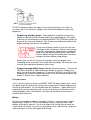
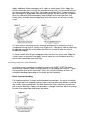
3. Unroll the glass cloth over the wet epoxy and position it. Surface tension will
hold most cloth in position. If you are applying the cloth vertically or overhead,
you may want to thicken the epoxy slightly with filler, then wait until it becomes
sticky. Work out wrinkles by lifting the edge of the cloth and smoothing from the
center with your gloved hand or a squeegee.
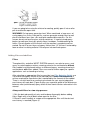
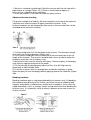
4. Apply a second coat of epoxy with a foam roller. Apply enough epoxy to
thoroughly wet out the cloth.
5. Remove the excess epoxy with a squeegee, using long overlapping strokes.
The cloth should appear consistently transparent with a smooth cloth texture.
6. Follow steps 7, 8 and 9 under the dry method to finish the procedure.
Any remaining irregularities or transitions between cloth and substrate can be
faired by using an epoxy/filler fairing compound if the surface is to be painted.
Any additional fairing done after the final coating should receive several
additional coats over the faired area.
Note: A third alternative for more experienced users is a variation of both
methods. Apply the fabric after a wet out coat has reached an initial cure. Follow
the first three steps of the Wet Method, but wait until the epoxy cures dry to the
touch before positioning the fabric and continuing with Step 3 of the Dry Method.
Apply the fabric before the first coat reaches its final cure phase.
NOTE: Clear Wood Finishes
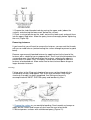
(stripper canoes, etc.) An alternative wet out method is to lay the epoxy onto the
fabric with a short-bristled bush. Dip the brush in the epoxy and lay the epoxy on
the surface with a light even stroke. Don't force the epoxy into the cloth, which
may trap air in the fabric and show through the clear finish. Apply enough epoxy
to saturate the fabric and the wood below. After several minutes, lay on
additional epoxy to dry (white) areas. If epoxy appears milky due to high
humidity or over-working, warm the surface by passing a heat gun or hair dryer
over the surface. Use low heat to avoid out-gassing. Be sure to use 207
Hardener for clear finishes.
Epoxy barrier coating
The object of barrier coating is to build up an epoxy coating that provides an
effective moisture barrier and a smooth base for final finishing.
Apply a minimum of two coats of WEST SYSTEM epoxy for an effective
moisture barrier. Apply three coats if sanding is to be done. Moisture protection
will increase with additional coats, up to six coats or about a 20-mil thickness.
Additives or pigments should not be added to the first coat. Mixing thinners with
WEST SYSTEM epoxy is not recommended.
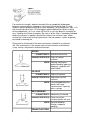
Disposable, thin urethane foam rollers, such as WEST SYSTEM 800 Roller
Covers, allow you greater control over film thickness, are less likely to cause the
epoxy to exotherm and leave less stipple than thicker roller covers. Cut the
covers into narrower widths to reach difficult areas or for long narrow surfaces
like stringers.
Complete all fairing and cloth application before beginning the final coating.
Allow the temperature of porous surfaces to stabilize before coating. Otherwise,