1
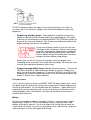
and more heat. The mixing container's shape and the mixed quantity have a
great affect on this exothermic reaction. A contained mass of curing epoxy (8 fl.
oz. or more) in a plastic mixing cup can quickly generate enough heat to melt
the cup and burn your skin. However, if the same quantity is spread into a thin
layer, exothermic heat is dissipated, and the epoxy's cure time is determined by
the ambient temperature. The thinner the layer of curing epoxy, the less it is
affected by exothermic heat, and the slower it cures.
Controlling cure time
In warm conditions use a slower hardener, if possible. Mix smaller batches
that can be used up quickly, or pour the epoxy mixture into a container with
greater surface area (a roller pan, for example), thereby allowing exothermic
heat to dissipate and extending open time. The sooner the mixture is transferred
or applied (after thorough mixing), the more of the mixture's useful open time will
be available for coating, lay-up or assembly.
In cool conditions use a faster hardener, or use supplemental heat to raise the
epoxy temperature above the hardener's minimum recommended application
temperature. Use a hot air gun, heat lamp or other heat source to warm the
resin and hardener before mixing or after the epoxy is applied. At room
temperature, supplemental heat is useful when a quicker cure is desired.
For detailed information on working with epoxy at low temperatures, refer to
002-915 Cold Temperature Bonding and Coating with Epoxy.
CAUTION! Heating epoxy that has not gelled will lower its viscosity, allowing the
epoxy to run or sag more easily on vertical surfaces. In addition, heating epoxy
applied to a porous substrate (softwood or low-density core material) may cause
the substrate to "out-gas" and form bubbles in the epoxy coating. To avoid outgassing, wait until the epoxy coating has gelled before warming it. Never heat
mixed epoxy in a liquid state over 120°F (49°C).
Regardless of what steps are taken to control the cure time, thorough planning
of the application and assembly will allow you to make maximum use of epoxy's
open time and cure time.
Dispensing and mixing
Careful measuring of epoxy resin and hardener and thorough mixing are
essential for a proper cure. Whether the resin/hardener mixture is applied as a
coating or modified with fillers or additives, observing the following procedures
will assure a controlled and thorough chemical transition to a high-strength
epoxy solid.
Dispensing
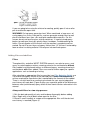
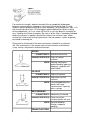
Dispense the proper proportions of resin and hardener into a clean plastic,
metal or wax-free paper container (Figure 2). Don't use glass or foam containers
because of the potential danger from exothermic heat build-up.