1
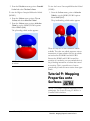
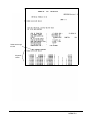
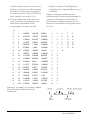
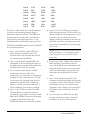
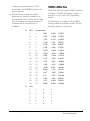
To examine this result numerically, calculate the
steric energy of this conformation and then
compare it to a higher energy (eclipsed)
conformation.
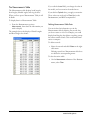
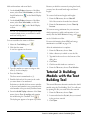
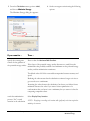
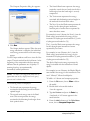
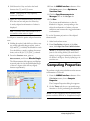
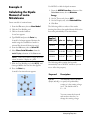
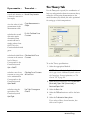
1. From the Calculations menu, point to MM2,
then choose Compute Properties.
The Compute Properties dialog box appears.
The Properties tab should show Pi Bond Orders
and Steric Energy Summary selected as the
default. If it does not, select them.
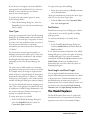
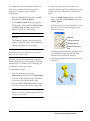
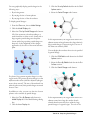
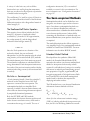
To help keep visual track of the atoms as you
change the dihedral angle you can display the serial
numbers and element symbols for the selected
atoms.
• From the Model Display submenu of the View
menu, select Show Serial Numbers and Show
Element Symbols.
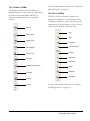
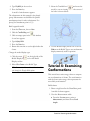
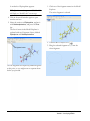
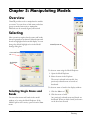
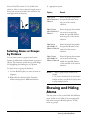
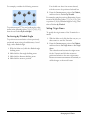
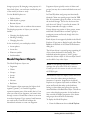
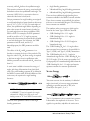
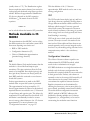
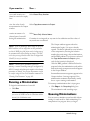
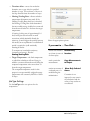
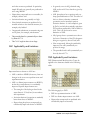
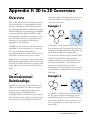
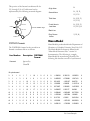
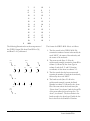
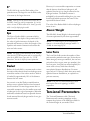
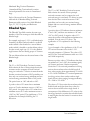
1. Click the arrow next to the Trackball tool, and
tear off the rotation dial by dragging on the
blue bar at the top.
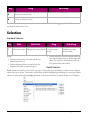
TIP: Use Shift-click to select multiple properties.
trackball
2. Click Run.
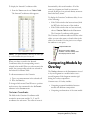
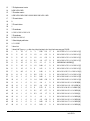
The Output box appears beneath the model
window, with Steric Energy results displayed.
The last line displays the total energy.
NOTE: The values of the energy terms shown are
approximate and may vary slightly based on the type of
processor used to calculate them.
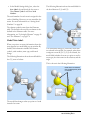
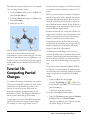
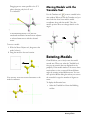
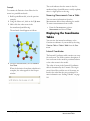
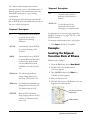
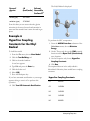
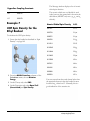
To obtain the eclipsed conformation of ethane,
rotate a dihedral angle (torsional angle). Rotating a
dihedral angle is a common way of analyzing the
conformational space for a model.
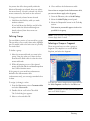
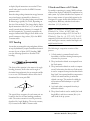
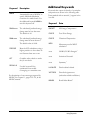
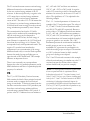
local axis rotation
dihedral rotation
dihedral, move other
side
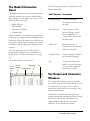
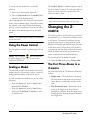
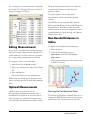
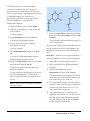
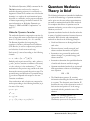
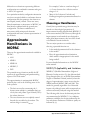
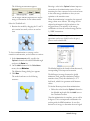
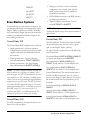
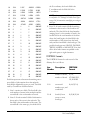
The Rotation dial should show the angle of the
selected dihedral, approximately 60°, and
dihedral rotation should be selected.
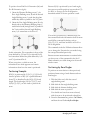
2. Grab the green indicator button, and rotate the
dial to 0.0.
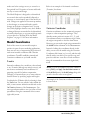
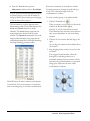
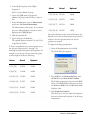
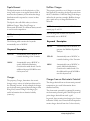
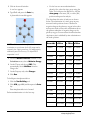
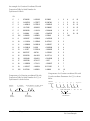
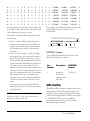
To view dihedral angles:
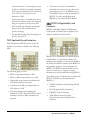
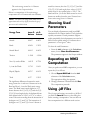
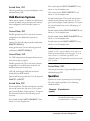
1. From the Structure menu, point to
Measurement, and then choose Dihedral Angles.
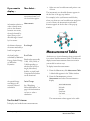
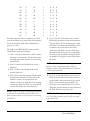
All of the model’s dihedral angles are added to
the bottom of the Measurements table.
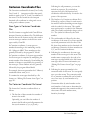
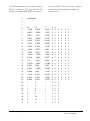
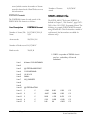
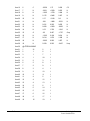
2. Click the H(3)-C(1)C(2)-H(8) dihedral record to
select the corresponding atoms in the model.
To stop recording:
NOTE: Although the serial numbers and element
symbols are shown in the Measurements table, they do
not appear in your model.
ChemOffice 2005/Chem3D
Chem3D Tutorials
Tutorial 4: Examining Conformations
•
41