1
3
%%
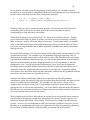
static int stack[100], count = 0;
static int Pop() {
assert(count > 0);
return stack[--count];
}
static int Top() {
assert(count > 0);
return stack[count-1];
}
static void Push(int val) {
assert(count < sizeof(stack)/sizeof(*stack));
stack[count++] = val;
}
int main() {
return yyparse();
}
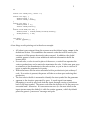
A few things worth pointing out in the above example:
•
•
•
•
•
All token types returned from the scanner must be defined using %token in the
definitions section. This establishes the numeric codes that will be used by the
scanner to tell the parser about each token scanned. In addition, the global
variable yylval is used to store additional attribute information about the
lexeme itself.
For each rule, a colon is used in place of the arrow, a vertical bar separates the
various productions, and a semicolon terminates the rule. Unlike lex, yacc pays
no attention to line boundaries in the rules section, so you’re free to use lots of
space to make the grammar look pretty.
Within the braces for the action associated with a production is just ordinary C
code. If no action is present, the parser will take no action upon reducing that
production.
The first rule in the file is assumed to identify the start symbol for the grammar.
yyparse is the function generated by yacc. It reads input from stdin,
attempting to work its way back from the input through a series of reductions
back to the start symbol. The return code from the function is 0 if the parse was
successful and 1 otherwise. If it encounters an error (i.e. the next token in the
input stream cannot be shifted), it calls the routine yyerror, which by default
prints the generic "parse error" message and quits.