1
SYNCHRONOUS
TRANSMISSION
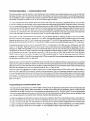
As in Asynchronous transmission, the TxD output remains "high" (marking)
until the pPD8251 receives the first character from the processor which is usually
a SYNC character. After a Command Instruction has set TxEN and after Clear
to Send (CTS) goes low, the first character is serially transmitted. Data is
shifted out on the falling edge of TxC and the same rate as TxC.
Once transmission has started, Synchronous Mode format requires that the serial
data stream at TxD continue Jt the TxC rate or SYNC will be lost. If a data character
is not provided by the processor before the j.1PD8251 Transmitter Buffer becomes
empty, the SYNC character(s) loaded directly following the Mode Instruction will
be (Jutornatica"y inscl ted in the TxO data stream. The SYNC character(s) nre inserted
to fill the I ine and maintain synchron ization until new data characters are available
for transmission. If the pPD8251 becomes empty, and must send the SYNC character(s),
the TxEMPTY output is raised to signal the processor that the Transmitter Buffer
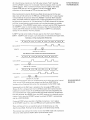
is empty and SYNC characters are being transmitted. TxEMPTY is automatically
reset by the I1CX t character from the processor.
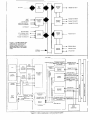
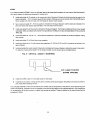
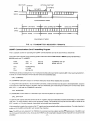
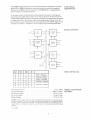
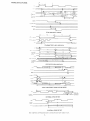
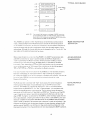
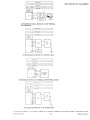
TxEMPTY go high at the middle of the last data bit when the Transmit Register is
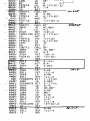
EMPTY. TxEMPTY goes low again as sync characters are transmitted. See figure below.
FOR SINGLE SYNC CHARACTER OPERATION
TxD
=x
DATA
X
DATA
X
SYNC
X
SYNC
=x
DATA
n
DATA WRITE
n
DATA
x=
n
rp
fTl
TxEMPTY
X
CENTER OF LAST BIT
FOR DOUBLE SYNC CHARACTER OPERATION (BISYNC)
TxD
=-x
DATA
X
SYNCl
X
SYNC?
X
X
DATA
rp
TxEMPTY
CENTER OF LAST BIT
lxD
=x
DATA
X
SYNCl
X
SYNC2
n
DATA WRITE
TxEMPTY
>C
n
n
n
DATA WRITE
DATA
'+l
X
DATA
n
X
DATA
x=
n
ff1
CENTE:R OF LAST BIT
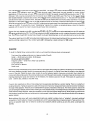
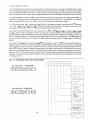
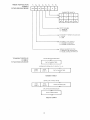
In Synchronous Hecerve, chardctcr ~ynchronililtioll can be either external or internal.
If the internal SYNC mode has been selected, and the Enter HUNT (EH) bit
has been set by a Command Instruction, the receiver goes into the HUNT mode.
I ncoming data on the RxD input is sampled on the rising edge of RxC, and the
Receiver Buffer is compared with the first SYNC character after each bit has been
loaded until a match is found. If two SYNC characters have been programmed, the
next received character is also compared. When the SYNC character(s) programmed
have been detected, the j.1PD8251 leaves the HUNT mode and is in character synchronization. At this time, the SYNDET (output) is set high. SYNDET is automatically
reset by a STATUS READ.
If ex ternal SYNC has been specified in the Mode Instruction, a "one" appl ied
to the SYNDET (input) for at lenst one RxC cycle will synchronize the USART.
Parity and Overrun Errors are treated the same in the Synchronous as in the
Asynchronous Mode. Framing errors do not apply in the Synchronous format.
The processor may command the receiver to enter the HUNT mode with a Command
Instruction which sets Enter HUNT (EH) if synchronization is lost.
12
SYNCHRONOUS
RECEIVE