1
10
Electricity from the sun: Solar PV systems
Reducing demand
While the power you generate can help offset electricity charges, it
is important that you also consider other cost-effective alternatives.
These alternatives include:
• using the most energy
efficient appliances
• replacing incandescent
light globes with compact
fluoros
• avoiding quartz halogen
downlights as most are very
inefficient
• switching off stand-by loads
such as those consumed by
DVDs and computers when
not in use
• installing a solar water
heater, preferably with gas
boosting—this will cut
electrical costs.
• utilising off-peak tariffs for
any large electrical loads eg:
pool pumps
• utilising motion sensors,
timers and home
automation systems
• positioning summer
shading or reflective
coatings on west facing
windows
• reducing electricity
demand for space-heating
and cooling (eg: by
dressing for the climate,
judicious setting of
thermostats, use of
curtains and incorporating
energy efficiency features
into new buildings, such
as lights, insulation,
summer shading etc.), and
• ensuring there’s adequate
solar access in winter to
provide passive heating.
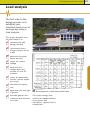
The most common and accurate
method used to determine your
energy usage is to review your
electricity supply bills for the past
12 months and calculate your
average annual daily consumption.
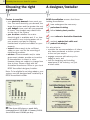
Use the bar graph to calculate
your annual average daily use.
You can then compare this with
the production figures, for your
location, on page 13.
By the way this user does not
use off-peak electricity.