1
XC27x5X Derivatives
Peripheral Units (Vol. 2 of 2)
Analog to Digital Converter
18.2.2
Mode Control
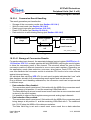
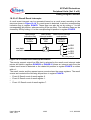
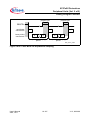
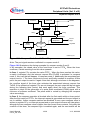
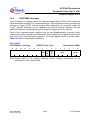
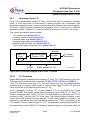
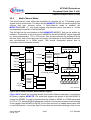
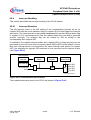
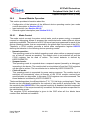
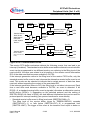
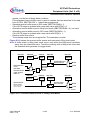
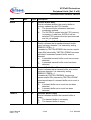
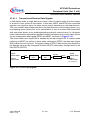
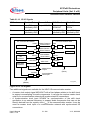
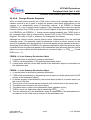
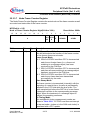
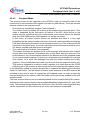
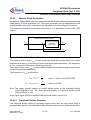
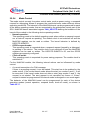
The mode control concept for system control tasks, such as power saving, or suspend
request for debugging, allows to program the module behavior under different device
operating conditions. The behavior of the ADC kernels can be programmed for each of
the device operating modes, that are requested by the global state control part of the
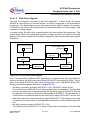
SCU. It is advantageous that the ADC kernels of an ADC module show an identical
behavior regarding the device operating modes (e.g. to avoid that a non-suspended
kernel waits for a suspended kernel to start a synchronized conversion). Therefore, the
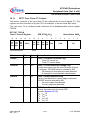
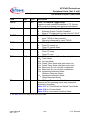
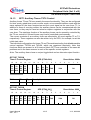
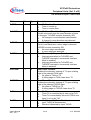
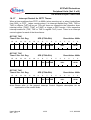
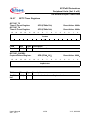
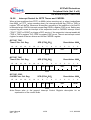
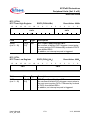
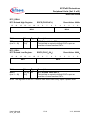
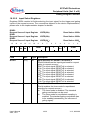
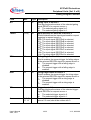
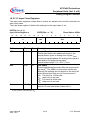
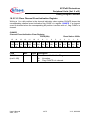
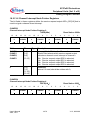
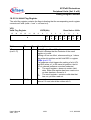
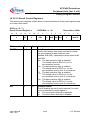
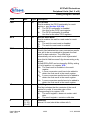
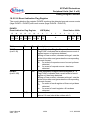
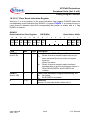
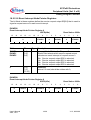
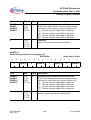
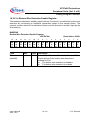
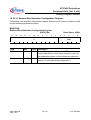
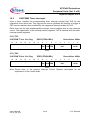
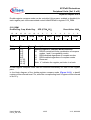
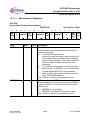
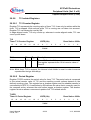
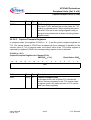
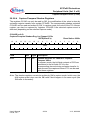
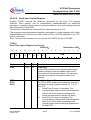
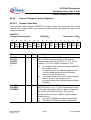
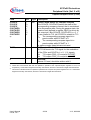
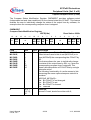
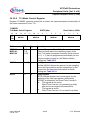
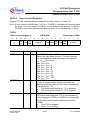
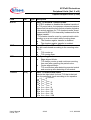
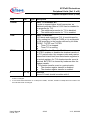
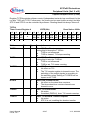
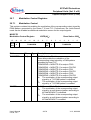
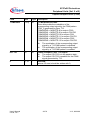
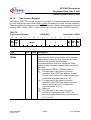
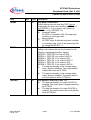
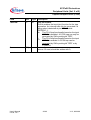
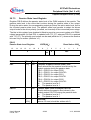
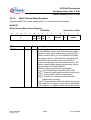
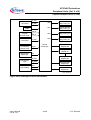
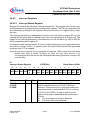
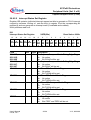
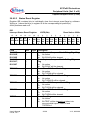
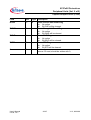
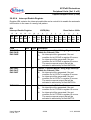
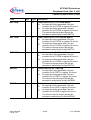
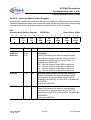
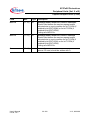
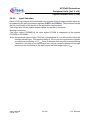
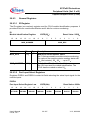
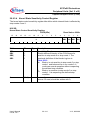
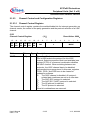
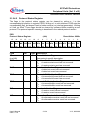
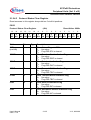
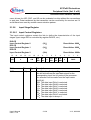
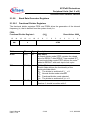
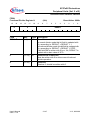
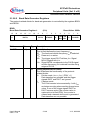
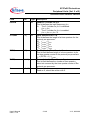
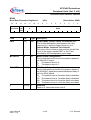
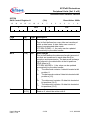
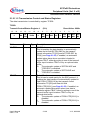
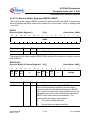
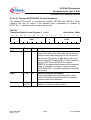
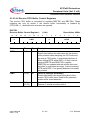
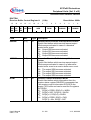
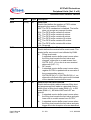
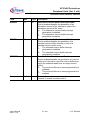
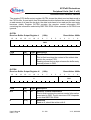
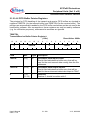
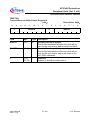
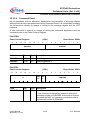
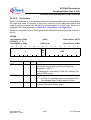
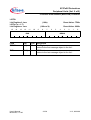
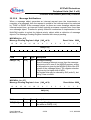
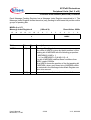
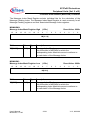
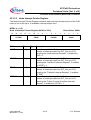
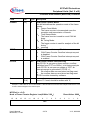
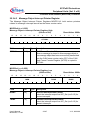
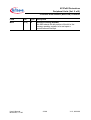
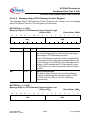
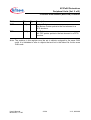
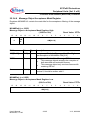
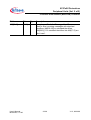
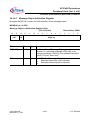
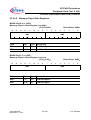
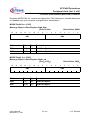
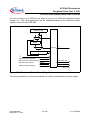
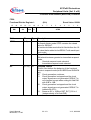
ADC module has a common associated register ADC0_KSCFG defining the behavior of
all kernels of the module in the following device operating modes:
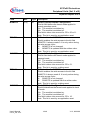
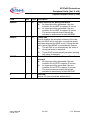
•
•
•
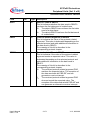
Normal operation:
This operating mode is the default operating mode when neither a suspend request
nor a clock-off request are pending. The module clock is not switched off and the
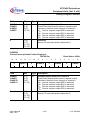
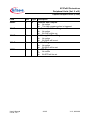
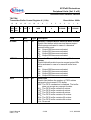
ADC registers can be read or written. The kernel behavior is defined by
KSCFG.NOMCFG.
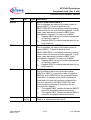
Suspend mode:
This operating mode is requested when a suspend request (issued by a debugger)
is pending in the device. The module clock is not switched off and the ADC registers
can be read or written. The kernel behavior is defined by KSCFG.SUMCFG.
Clock-off mode:
This operating mode is requested for power saving purposes. The module clock is
switched off automatically when all kernels of the ADC module reached their
specified state in a stop mode. In this case, ADC registers can not be accessed. The
kernel behavior is defined by KSCFG.COMCFG.
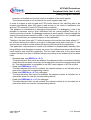
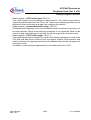
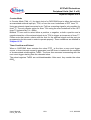
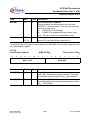
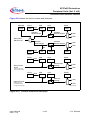
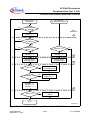
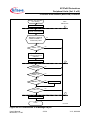
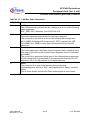
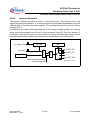
For the ADC module, the following internal actions can be influenced by mode control:
•
•
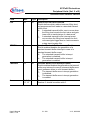
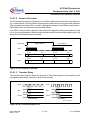
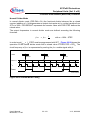
A current conversion of an analog value:
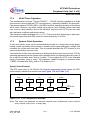
If the request control unit has found a pending conversion request, the conversion
can be started. This start has to be enabled by the mode control. If the current kernel
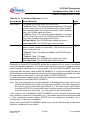
mode allows the conversion start (run modes 0 and 1), it will be executed. If the kernel
mode does not allow a start (stop modes 0 and 1), the conversion is not started. The
start request is not cancelled, but frozen. A “frozen” conversion is started as
programmed if the kernel mode is changed to a run mode again.
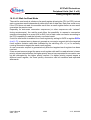
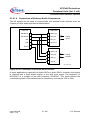
An arbiter round:
The start of a new arbiter round has to be enabled by the kernel modes. In stop
mode 1, a new arbiter round will not start.
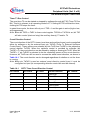
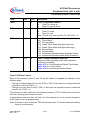
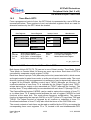
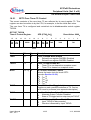
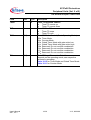
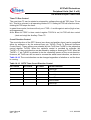
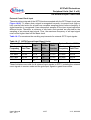
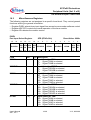
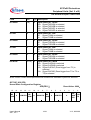
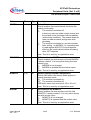
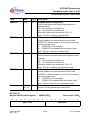
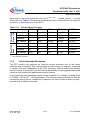
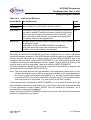
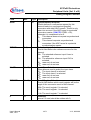
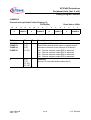
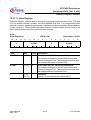
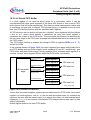
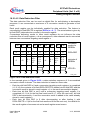
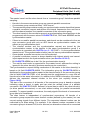
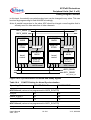
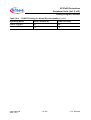
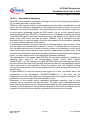
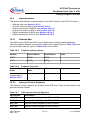
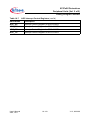
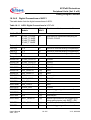
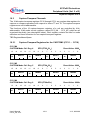
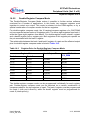
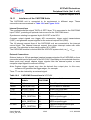
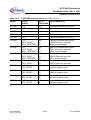
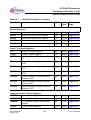
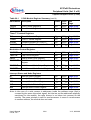
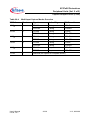
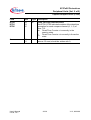
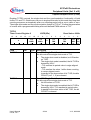
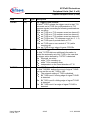
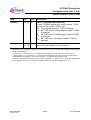
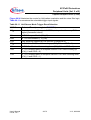
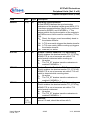
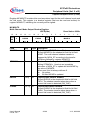
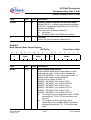
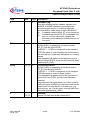
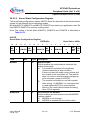
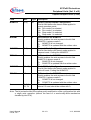
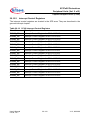
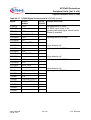
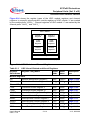
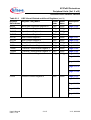
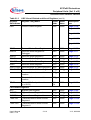
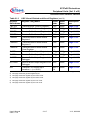
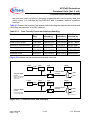
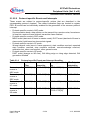
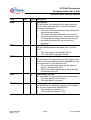
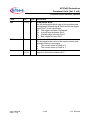
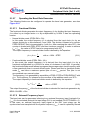
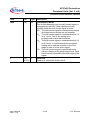
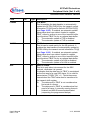
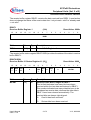
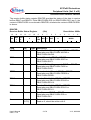
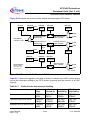
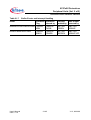
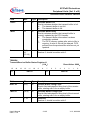
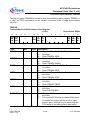
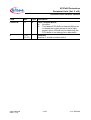
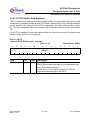
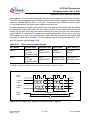
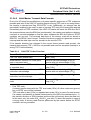
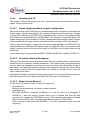
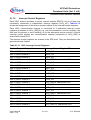
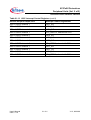
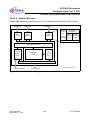
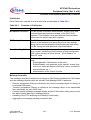
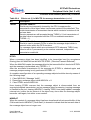
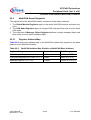
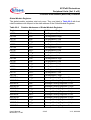
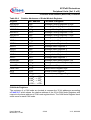
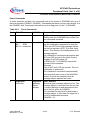
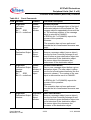
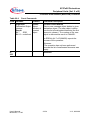
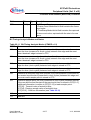
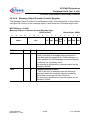
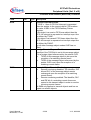
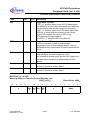
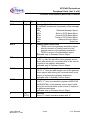
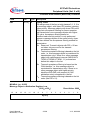
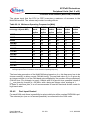
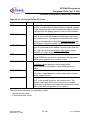
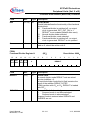
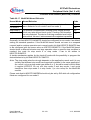
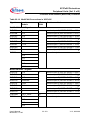
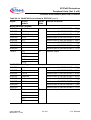
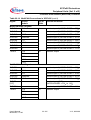
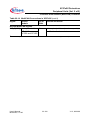
The behavior of the ADC kernels can be programmed for each of the device operating
modes (normal operation, suspend mode, clock-off mode). Therefore, the ADC kernels
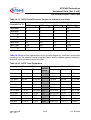
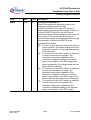
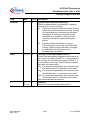
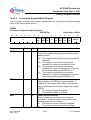
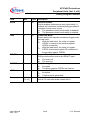
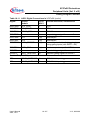
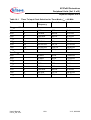
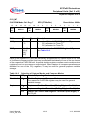
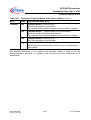
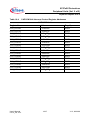
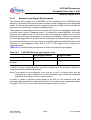
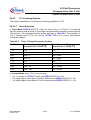
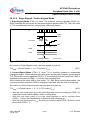
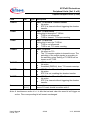
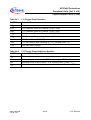
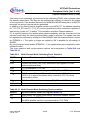
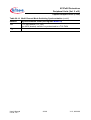
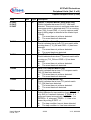
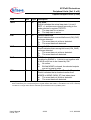
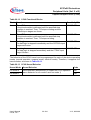
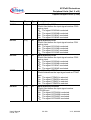
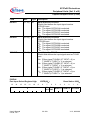
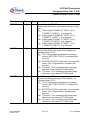
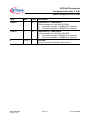
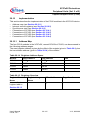
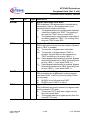
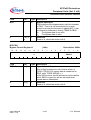
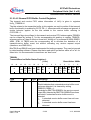
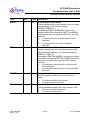
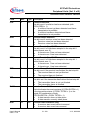
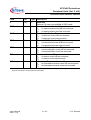
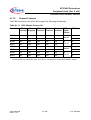
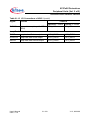
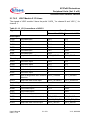
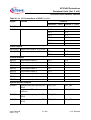
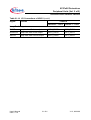
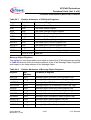
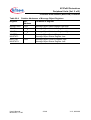
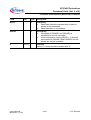
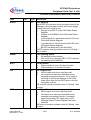
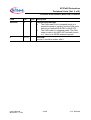
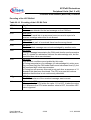
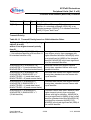
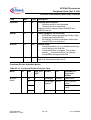
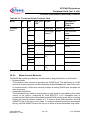
support four kernel modes, as shown in Table 18-3.
User’s Manual
ADC, V2.9
18-20
V1.2, 2008-09