1
Components of My First LabTM Duo-Scope
Some Ideas For Observation
Children: get adult’s permission before trying any experiments!
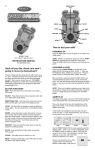
Study the picture below to become familiar with the different parts
of your microscope.
10X
Eyepiece
Eyepiece tube
Head
Nosepiece
Overhead
Illumination
Objectives
Stage
Clips
Focusing Knob
Illuminator
Disc Diaphragm
2
1. Crystals: Place a few grains of dry salt or sugar on a slide to
observe. Mix salt with a spoonful of warm water in the test
tube and then use the plastic dropper to place a couple drops
on a slide. Let it dry and observe the re-crystallized salt/sugar.
2. Shake some grains of pollen from a flower onto a blank slide.
3. Hairs, including pet hair, or pieces of feathers, can be observed.
Try comparing hairs from various animals. You can use a small
piece of tape at each end of the hair to hold it on the slide.
4. Observe fibers in different kinds of paper, printing from a
newspaper or typewriter. Look at the color in comics. Threads
or fibers from different types of fabric. Compare natural fibers
such as cotton and wool to synthetics like polyester.
5. Stagnant water from a pond will contain live organisms. Place a
drop into the well of a concavity slide for observation.
6. Very small insects may be seen completely under low power, or
try looking at parts such as legs or wings of larger bugs. The
teasing needle is useful for positioning or probing the
specimen. Always handle insects with tweezers and wash hands
thoroughly after working with your specimens.
7. Observe the mold on old bread or other food, or make your own
mold by leaving a small piece of bread in the Petri dish for
several days. A small amount of moisture will encourage the
mold growth. (Again, be sure to wash hands thoroughly after.)
8. Many specimens may look transparent under the microscope.
It’s common to stain them to make the cells show up better.
Iodine is a common stain. Or try soaking your tissue specimens
in a solution of ordinary food color (included-add water to thin)
for a couple of minutes to stain them. Use the tweezers to pick
up the “stained” specimen. Allow the “stained” specimen to dry
before using glue to mount it. Remember the stain will color
anything else it touches, not just your specimen, so be careful
with furniture and clothing.
7