1
IAgent3 User’s Guide
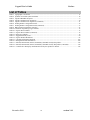
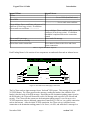
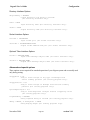
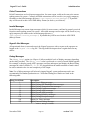
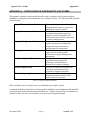
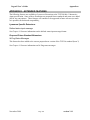
Field
Common Name
Appendixes
Abbreviation
CN
Organization or Company O
Organizational Unit
OU
City / Locality
State / Province
Country
L
SP
C
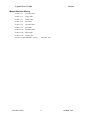
Description
Name being certified. Typically the fully
qualified domain name (FQDN) (e.g.
host.company.com)
Name is associated with this organization
Name is associated with this organization unit,
such as a department. This field is often blank.
Name is located in this City
Name is located in this State or Province
Name is located in this Country (ISO code)
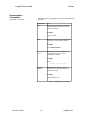
Example
CN=www.
lymeware.com
O=Lymeware Corporation
OU=Research Lab
L=Old Lyme
SP=Connecticut
C=US
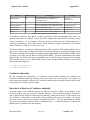
Table 16. Distinguished Name Information
A Certificate Authority may define a policy specifying which distinguished field names are
optional, and which are required. It may also place requirements upon the field contents, as may
users of certificates. As an example, a Netscape browser requires that the Common Name for a
certificate representing a server have a name which matches a regular expression for the domain
name of that server, such as www.lymeware.com.
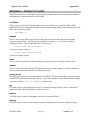
The binary format of a certificate is defined using the ASN.1 notation. This notation defines how to
specify the contents, and encoding rules define how this information is translated into binary form.
The binary encoding of the certificate is defined using Distinguished Encoding Rules (DER), which
are based on the more general Basic Encoding Rules (BER). For those transmissions that cannot
handle binary, the binary form may be translated into an ASCII form by using base-64 encoding.
This encoded version is also called PEM (from Privacy Enhanced Mail) encoded, when placed
between the following lines:
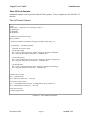
-----BEGIN CERTIFICATE---------END CERTIFICATE-----
Certificate Authorities
By first verifying the information in a certificate request before granting the certificate, the
Certificate Authority assures the identity of the private key owner of a key-pair. For instance, if
Alice requests a personal certificate, the Certificate Authority must first make sure that Alice really
is the person the certificate request claims.
But what is a Root Level Certificate Authority?
As noted earlier, each certificate requires an issuer to assert the validity of the identity of the
certificate subject, up to the top-level Certificate Authority. This presents a problem: Since this is
who vouches for the certificate of the top-level authority, which has no issuer? In this unique case,
the certificate is "self-signed", so the issuer of the certificate is the same as the subject. As a result,
one must exercise extra care in trusting a self-signed certificate. The wide publication of a public
key by the root authority reduces the risk in trusting this key -- it would be obvious if someone else
publicized a key claiming to be the authority.
November 2004
Page 104
version 3.1.1