1
S3C84E5/C84E9/P84E9
INSTRUCTION SET
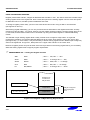
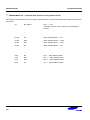
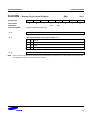
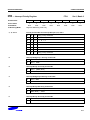
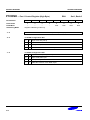
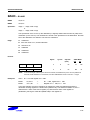
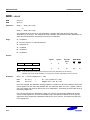
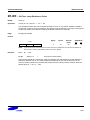
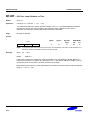
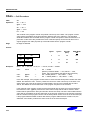
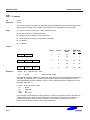
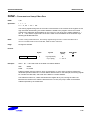
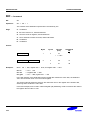
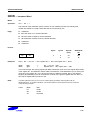
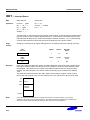
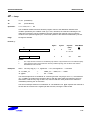
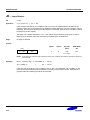
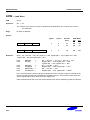
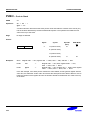
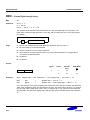
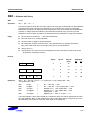
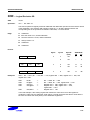
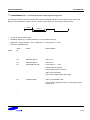
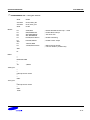
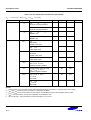
DJNZ — Decrement and Jump if Non-Zero
DJNZ
r,dst
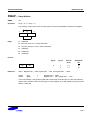
Operation:
r ← r – 1
If r ≠ 0, PC ← PC + dst
The working register being used as a counter is decremented. If the contents of the register are not
logic zero after decrementing, the relative address is added to the program counter and control
passes to the statement whose address is now in the PC. The range of the relative address is +
127 to – 128, and the original value of the PC is taken to be the address of the instruction byte
following the DJNZ statement.
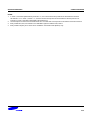
NOTE:
In case of using DJNZ instruction, the working register being used as a counter should be set at
the one of location 0C0H to 0CFH with SRP, SRP0 or SRP1 instruction.
Flags:
No flags are affected.
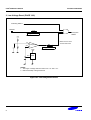
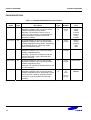
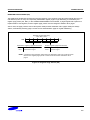
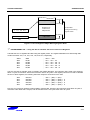
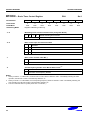
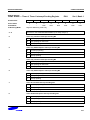
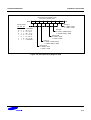
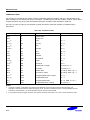
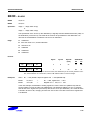
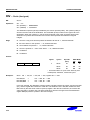
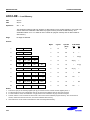
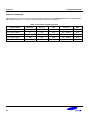
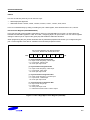
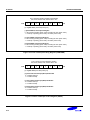
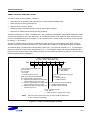
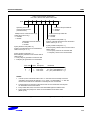
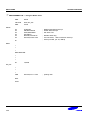
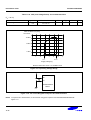
Format:
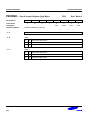
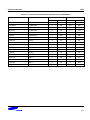
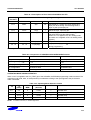
r | opc
Example:
dst
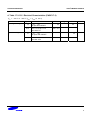
Bytes
Cycles
Opcode
(Hex)
Addr Mode
dst
2
8 (jump taken)
rA
RA
8 (no jump)
r = 0 to F
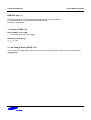
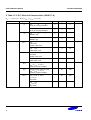
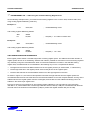
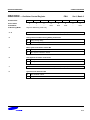
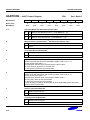
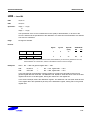
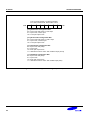
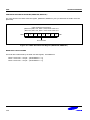
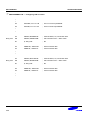
Given: R1 = 02H and LOOP is the label of a relative address:
SRP
DJNZ
#0C0H
R1,LOOP
DJNZ is typically used to control a "loop" of instructions. In many cases, a label is used as the
destination operand instead of a numeric relative address value. In the example, the working register
R1 contains the value 02H, and LOOP is the label for a relative address.
The statement "DJNZ R1, LOOP" decrements the register R1 by one, leaving the value 01H.
Because the contents of R1 after the decrement are non-zero, the jump is taken to the relative
address specified by the LOOP label.
6-39