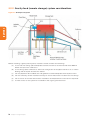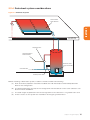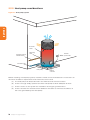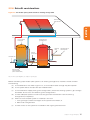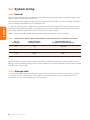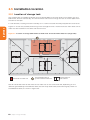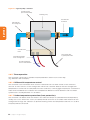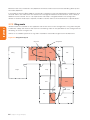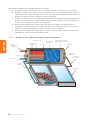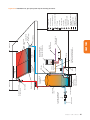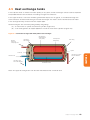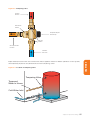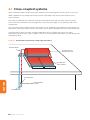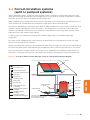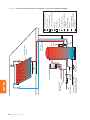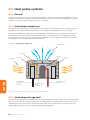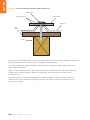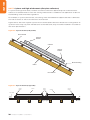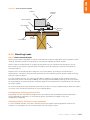
1
SOLAR & HEAT PUMP HOT WATER SYSTEMS 3OXPEHU5HIHUHQFH*XLGH 7+(3+$6(2872)*5((1+286( ,17(16,9(+27:$7(56<67(06 a joint initiative of the Australian, State and Territory Governments Published by the Department of Climate Change and Energy Efficiency, May 2010 www.climatechange.gov.au ISBN: 978-1-921298-97-4 © Commonwealth of Australia 2010 This work is copyright. Apart from any use as permitted under the Copyright Act 1968, no part may be reproduced by any process without prior written permission from the Commonwealth. Requests and inquiries concerning reproduction and rights should be addressed to the Commonwealth Copyright Administration, Attorney General’s Department, National Circuit, Barton ACT 2600 or posted at www.ag.gov.au/cca DISCLAIMER This publication has been compiled as a guideline for the installation and maintenance of solar and heat pump hot water systems. The information contained in this publication does not override occupational health and safety legislation, Commonwealth, state or territory standards and manufacturers’ installation requirements, which should be adhered to at all times. You should not act or fail to act on the basis of information contained in this publication. Due to the wide variety of products on the market, the technical diagrams illustrate the general principles of the technologies and may differ in appearance from actual products. This publication is not a substitute for independent professional advice and readers should obtain any appropriate professional advice relevant to their particular circumstances. While reasonable efforts have been made to ensure that the contents of this publication are factually correct, the Commonwealth provides no warranties and makes no representations that the information contained in this publication is correct, complete or reliable. The Commonwealth expressly disclaims liability for any loss, however caused, whether due to negligence or otherwise arising from the use of or reliance on the information contained in this publication by any person. The views and opinions expressed in this publication do not necessarily reflect those of the Australian Government or the Minister for Environment Protection, Heritage and the Arts or the Minister for Climate Change, Energy Efficiency and Water. Contents Introduction 2 1 Solar Radiation 3 1.1 General 1.2 Solar fraction 2 Design principles 2.1 General 2.2 Legislation 2.2.1 4 6 9 10 11 Building permits 2.2.2 Licensing 11 11 2.2.2.1 Water connections 11 2.2.2.2 Gas connections 11 2.2.2.3 Electrical connections 11 2.2.3 Compliance certificate 11 2.2.4 WaterMark compliance 11 2.3 System selection 2.3.1 Close-coupled thermosiphon system considerations 12 12 2.3.2 Forced circulation (split) system considerations 13 2.3.3 Gravity-feed (remote storage) system considerations 14 2.3.4 Drain-back system considerations 15 2.3.5 Heat pump considerations 16 2.3.6 Retrofit considerations 17 2.4 System sizing 2.4.1 General 18 18 2.4.2 Storage tank 18 2.4.3 Collectors 19 2.4.3.1 Flat plate collectors 19 2.4.3.2 Evacuated tube collectors 19 2.5 Installation location 2.5.1 Location of storage tank 2.5.2 Location of solar collectors 2.5.3 Location of roof-mounted tank 2.6 Circulating pump 2.6.1 20 20 21 21 21 Pump controller functions 21 2.6.1.1 Timer operation 22 2.6.1.2 Differential temperature control 22 2.6.1.3 Under-temperature protection (frost protection) 22 2.6.1.4 Over-temperature protection (overheating) 2.6.2 Solar collector pump 2.6.3 Pump location 2.7 Pipework design 23 23 23 23 2.7.1 Heat traps 23 2.7.2 Ring main 24 2.7.3 Pipework exceeding 20 metres 25 2.7.4 Ring main pump 25 Contents iii 3 Solar Collectors 3.1 General 3.2 Types of collectors 3.2.1 Flat plate collectors 3.2.2 Heat pipe evacuated tube collectors 3.2.3 U-tube evacuated tube collectors 3.3 Collector installation considerations 3.3.1 Orientation 3.3.2 True north and magnetic declination 28 28 28 29 29 30 30 31 3.3.2.1 Finding north 31 3.3.2.2 Adjusting for true north 32 3.3.3 Inclination (tilt) 32 3.3.4 Shading 35 3.3.4.1 Shading exceptions 35 3.3.4.2 Estimating shading 35 3.3.4.3 Actions to address shading 35 3.3.5 Mountings 36 3.3.6 Frost protection 36 3.3.7 Over-temperature protection 39 3.3.7.1 Solar collectors 39 3.3.7.2 Hot water outlet from storage tank 39 4 Storage tanks 4.1 General 4.2 Water quality 4.2.1 pH measurement 43 44 44 44 4.2.2 TDS 45 4.2.3 Hardness 45 4.3 Types of tanks 4.4 Stratification 4.5 Heat exchange tanks 5 Pipework & Fittings 5.1 General 5.2 Materials 5.2.1 Pipework Diameter 5.3.2 Length 52 52 52 53 5.3.2.1 General 53 5.3.2.2 Drain line from PTR valve 53 5.3.2.3 Tempered water line 5.4 Insulation 5.4.1 51 52 5.3 Pipework size 5.3.1 46 47 49 52 52 5.2.2 Fittings 53 53 Minimum insulation requirements 53 5.4.1.1 54 Climate region 5.4.1.2 Minimum insulation diameter 55 5.4.1.3 Insulation construction 55 5.4.2 Pipework requiring insulation 55 5.4.3 Insulation considerations 56 5.5 Tempering valves 5.5.1 General 5.5.2 Location of the tempering valve 5.6 Air bleed valve iv 27 Contents 56 56 58 58 6 System Types 6.1 6.2 6.3 6.4 6.5 59 Close-coupled systems Forced circulation systems (split or pumped systems) Gravity feed systems (remote storage) Drain-back systems Heat pump systems 60 61 63 64 66 6.5.1 66 General 6.5.2 Heat pump compressor 66 6.5.3 Heat pump storage tank 66 6.5.4 Heat pump operation 67 6.5.5 Rate of heating 68 6.6 Retrofit systems 6.6.1 71 Existing gas storage system 71 6.6.2 Existing gas instantaneous system 74 6.6.3 Retrofit to existing electric storage tank 76 7 Boosting 79 7.1 General 7.2 Electric boosting 7.2.1 Electric storage 81 7.2.1.1 Off-peak tariffs 82 7.2.1.2 Day-rate tariffs/continuous supply 7.3 Gas boosting 7.3.1 80 81 82 82 Gas storage 82 7.3.2 Gas instantaneous 83 7.4 Solid fuel boosting 7.4.1 Installation considerations 8 Occupational Health & Safety 8.1 General 8.2 Installers’ obligations 8.3 Risk assessment 8.4 Working at heights 8.5 Risk of falls 8.6 Three types of control measure/safe operating procedures 8.7 Fall arrest systems 8.8 Roofs greater than 45° 8.9 Brittle or fragile roofs 8.10 Other relevant Australian standards for working at heights 8.11 Falling objects 8.12 Working with heavy equipment 8.13 Roof security 8.14 Working with metal and collectors 84 85 87 88 88 89 89 90 90 91 91 92 92 92 92 93 93 8.14.1 Heat hazards 93 8.14.2 Metal hazards 94 8.15 Hazards for working outdoors 8.16 Site assessment 8.17 Maintenance and service 94 94 94 Contents v 9 Installation Considerations 9.1 General 9.2 Installation 9.2.1 96 96 Mounting collectors 96 9.2.1.1 Flat plate collectors 97 9.2.1.2 Evacuated tube collectors 101 9.2.1.3 Cyclone and high-wind mounts (flat plate collectors) 9.2.2 Mounting tanks 102 103 9.2.2.1 Roof-mounted tanks 103 9.2.2.2 In-ceiling tank (gravity feed) 104 9.2.2.3 Ground-mounted tanks 104 9.2.3 Roof flashings 104 9.2.4 Heat pump installation 105 9.2.5 Pumps and pump controllers 106 9.2.6 Thermal sensor cables 106 9.2.7 Electric booster element 106 9.2.8 Gas booster ignition 106 9.2.9 Heat pumps 106 9.2.10 Commissioning 106 9.3 Installation Checklist 10 Maintenance 10.1 General 10.2 Valves 10.2.1 Pressure/temperature relief valve 107 109 110 110 110 10.2.2 Float valve 110 10.2.3 Expansion valve on the cold water supply 110 10.2.4 Non-return valve 110 10.2.5 Isolation valve 110 10.3 Corrosion and scale formation 111 10.3.1 Valves 111 10.3.2 Sacrificial anodes 111 10.3.3 Heating elements (electric boosting) 111 10.4 Sediment 11 Temporary Hot Water Installations 11.1 General 12 Government Incentives 12.1 General 12.2 Rebates and renewable energy certificates for solar hot water installations vi 95 111 113 114 115 116 116 12.2.1 Renewable energy certificates 116 12.2.2 Rebates 118 12.2.3 Australian Government rebates 118 12.2.4 State and territory rebates 119 Contents 13 Requirements for New & Existing Homes 13.1 General 13.2 Phase-out of electric water heaters 121 122 122 13.2.1 Stage 1 122 13.2.2 Stage 2 123 13.2.3 Post 2012 13.3 Complementary state programs— new and existing buildings 123 124 13.3.1 Queensland 124 13.3.2 South Australia 124 13.4 Existing state programs—new buildings only 125 14 Glossary 129 15 Australian Standards & Guidelines 137 16 Resources 139 Contents vii Preface The Solar and Heat Pump Hot Water Reference Guide is a resource to assist plumbers in installing solar and heat pump hot water systems. This guide is part of a training program for plumbers being rolled-out under the National Framework for Energy Efficiency and the National Hot Water Strategic Framework. The Solar and Heat Pump Transitional Plumber Training Program is a joint initiative of the Australian and state and territory governments to provide plumbers and other installers of solar and heat pump hot water systems with information on solar technologies and their installation. Correct installation of solar and heat pump hot water systems will ensure they comply with state and territory plumbing regulations and achieve high performance. This will result in good outcomes for householders and the environment. This handbook was written by Global Sustainable Energy Solutions, who acknowledge the contributions from: ACT Planning and Land Authority, Canberra Institute of Technology, Commonwealth Scientific and Industrial Research Organisation (CSIRO), Construction and Property Services Industry Skills Council (CPSISC), Australian Government Department of Climate Change and Energy Efficiency, Queensland Office of Clean Energy and Building Codes Queensland, Media Valley, National Plumbers Association Alliance, National Plumbing Regulators Forum, Northern Territory Department of Lands and Planning, SA Water, South Australian (SA) Department of Transport, Energy and Infrastructure, Sustainability Victoria, Master Plumbers’ and Mechanical Services Association of Australia and Western Australian Plumbers Licensing Board. This handbook builds on the Household Solar Hot Water and Heat Pump Installation and Maintenance Handbook 2009, developed by the Master Plumbers’ and Mechanical Services Association of Australia on behalf of the Australian Government Department of the Environment, Water, Heritage and the Arts. viii Preface ,QWURGXFWLRQ 1 ,1752 Introduction The Australian Government and state and territory governments are committed to working together to phase-out inefficient electric hot water systems. Currently, 50% of Australian households generate hot water using electric hot water systems. Electric hot water systems are less energy efficient than other low-emission technologies and, in many cases, have higher running costs than more energy-efficient options. The installation of low-emission hot water systems will not only reduce the greenhouse gas emissions produced by the operation of hot water systems, but also, potentially, save householders money on their energy bills. Low-emission technologies, such as solar, heat pump and efficient gas systems, are two and a half to three times more efficient than conventional electric storage water heaters. Householders should benefit from energy savings if they know which appliance best suits their circumstances and if plumbers and installers are trained in how to install low-emission water heaters. With the phase-out of electric storage water heaters in mind, this reference guide aims to: (a) provide plumbers, builders, architects and engineers with i. up-to-date technical details for the practical installation of solar and heat pump hot water systems ii. information on best practice occupational health and safety iii. data on available solar radiation iv. hot water boosting options v. detailed diagrams of common solar and heat pump hot water system installations (b) ensure new homes built in Australia meet new building codes and sustainability standards (c) promote a high standard of installation for solar and heat pump hot water systems. By achieving those objectives, this reference guide will help ensure: (a) Consumers have access to continuous hot water as a result of optimum design, installation and ongoing maintenance procedures. (b) People are safeguarded from injury or loss of amenity because the risk of the hot water supply failing as a result of poor installation, maintenance or operation has been reduced. (c) The quality of the environment is maintained because environmental impacts have been minimised. The scope of this reference guide is limited to household solar and heat pump hot water systems and does not include commercial, hydronic or pool heating or geothermal technologies. 2 Introduction &KDSWHU 6RODU5DGLDWLRQ 3 &+$37(5 1.1 General Irradiation is the energy emitted from the sun that is subsequently absorbed by a solar collector. The amount of irradiation depends on the latitude of the solar collector. Figure 1.1 depicts the average daily sunshine hours Australia is exposed to over 12 months. Figure 1.1 Average daily sunshine hours (annual) Source: Bureau of Meteorology (www.bom.gov.au). Table 1.1 shows, month by month, the average daily sunshine hours of cities around Australia. Table 1.1 Average daily sunshine hours of Australian cities, by month JAN FEB MAR APR MAY JUN JUL AUG SEP Annual OCT NOV DEC average Adelaide 10 9 8 6 4 4 4 5 6 7 8 9 7 Alice Springs 10 9 9 9 8 8 8 9 9 9 10 10 9 Brisbane 8 8 7 8 6 6 6 8 8 8 8 9 8 Cairns 7 6 6 7 6 7 7 6 9 8 9 8 7 Canberra 9 8 7 6 5 4 5 6 7 7 8 9 7 Darwin 6 6 7 9 9 9 10 10 10 9 9 8 9 Hobart 8 7 6 4 3 3 3 4 5 6 6 7 5 Melbourne 9 8 6 5 3 3 3 4 5 6 7 7 6 Perth 10 10 9 7 6 4 5 6 7 8 9 10 8 Sydney 8 7 6 6 5 5 5 7 7 7 6 7 6 Source: Bureau of Meteorology (www.bom.gov.au). 4 Chapter 1: Solar Radiation The sunshine that is absorbed by solar collectors minimises the amount of electricity required to heat water. While solar collectors do not generate electricity, the energy savings resulting from the solar irradiation reduce the amount of electricity used. &+$37(5 Figure 1.2 depicts the average daily solar exposure represented as the equivalent in megajoules of energy generated in a year per square metre of surface area. Figure 1.2 Annual average daily solar exposure (MJ/m2) Source: Bureau of Meteorology (www.bom.gov.au). Table 1.2 shows by month the average daily solar exposure (in megajoules per square metre) of cities around Australia. Table 1.2 Average daily irradiation, by month, of Australian cities (MJ/m2) Jan Feb Mar Apr May Jun Jul Aug Sep Oct Nov Dec Annual average Adelaide 27 24 18 12 6 6 6 9 12 18 24 27 15.8 Alice Springs 27 24 24 18 15 12 15 18 21 24 21 24 20.3 Brisbane 24 21 18 15 12 9 12 15 18 21 21 24 17.5 Cairns 21 21 18 15 15 12 15 18 21 21 21 24 18.5 Canberra 24 21 18 12 9 6 9 12 15 18 21 27 16.0 Darwin 21 18 21 21 18 18 21 21 24 24 21 24 21.0 Hobart 21 18 12 9 6 6 6 9 12 15 21 21 13.0 Melbourne 24 21 15 9 6 6 6 9 12 18 21 24 14.3 Perth 27 24 21 18 9 9 9 12 15 21 24 30 18.3 Sydney 21 21 15 12 9 9 9 12 15 18 21 24 15.5 Source: Bureau of Meteorology (www.bom.gov.au). Chapter 1: Solar Radiation 5 Factors affecting available solar irradiation are: (a) latitude (b) shading &+$37(5 (c) rainfall (d) cloud cover (e) orientation of solar collectors (f) tilt angle of solar collectors (g) particles in the atmosphere. 1.2 Solar fraction The solar fraction can be used as an indicative measurement of the relative energy performance benefit of solar hot water heaters, greenhouse gas emission reduction and energy cost savings. The solar fraction is calculated as the proportion of the hot water energy demand provided by the solar collectors in relation to the boosting energy required to keep water at the required temperature. Table 1.3 shows the average expected solar fraction for Australia’s capital cities. The figures are based on a household with three to four occupants and a water usage of 150 litres to 200 litres per day. Table 1.3 Expected solar fraction of capital cities City Solar fraction Adelaide 74% Brisbane 81% Canberra 67% Darwin 97% Hobart 65% Melbourne 67% Perth 77% Sydney 76% Solar water heaters should always face the sun. In Australia, a north-facing roof is ideal. The tilt angle of the collectors for best all-round performance will depend on the latitude in which the systems are being installed. Solar collectors are best located facing due north and elevated from the horizontal to a tilt angle equal to the location’s latitude. 6 Chapter 1: Solar Radiation City Latitude angle Adelaide 35° Brisbane 27.5° Canberra 35.5° Darwin 12.5° Hobart 43° Melbourne 38° Perth 32° Sydney 34° &+$37(5 Table 1.4 Ideal angle of elevation for solar water heater collectors in capital cities Source: AS/NZS 3500. Figure 1.3 The variation in altitude angle according to AS/NZS 3500.4 In order to provide 100% of the hot water demand, additional ‘boost’ heating may be required (see Chapter 7 — Boosting). Factors affecting the solar fraction for different regions and installations are: (a) the amount of solar irradiation (i.e. solar access) (b) the temperature of cold water at the inlet (c) solar system sizing (d) actual water consumption (e) ambient air temperature around tank and collector and solar flow and return (f) pipework and tank insulation (g) energy needed for boosting and circulating pump. Detailed solar radiation data can be obtained from the Australian Solar Radiation Data Handbook published by the Australian and New Zealand Solar Energy Society. Chapter 1: Solar Radiation 7 8 &KDSWHU 'HVLJQ3ULQFLSOHV 9 2.1 General Solar hot water systems should be designed in accordance with the manufacturer’s specifications, where those specifications are not in direct conflict with Australian/New Zealand Standard AS/NZS 3500.4. Environmental and consumer requirements should be factored in when planning the installation of a solar hot water system. Factors affecting the performance of a system and decisions about how the system should be installed include: (a) the climate zone of the site and possibility of: &+$37(5 i. shading ii. frost and freezing iii. wind iv. dust v. hail vi. corrosion and scaling (b) the ambient air temperature (c) the cold water temperature (d) the availability of space and pitch of a suitable north-facing roof (e) the presence and location of an existing hot water service (f) the available energy sources (e.g. gas or electricity) (g) the householder’s hot water usage (h) the householder’s budget. 10 Chapter 2: Design Principles 2.2 Legislation 2.2.1 Building permits Regulations concerning building permits for roof-mounted collectors and tanks and modifications to strengthen the roof structure may vary from state to state. &+$37(5 The installer should ensure that all applicable building permit requirements have been identified and that permits have been granted before starting the installation. 2.2.2 Licensing 2.2.2.1 Water connections All water supply connections in solar hot water systems must be made by an installer holding the relevant state or territory plumbing licence. 2.2.2.2 Gas connections Where the system is connected to a gas booster, all gas connections must be made by an installer holding the relevant state or territory gas-fitting licence. 2.2.2.3 Electrical connections Where the system is connected to an electronic controller or general power outlet, all electrical connections must be made by a person holding the relevant state or territory electrical licence. 2.2.3 Compliance certificate Requirements for plumbers to provide a certificate of compliance to the authority with jurisdiction over the installation of water heaters and to the householder will vary across states and territories. 2.2.4 WaterMark compliance The WaterMark is a statement of certification of compliance with required specifications and standards. The compliance is in accordance with MP 52–2005 (Manual of authorization procedures for plumbing and drainage products). Currently, no uniform system requiring a single certification mark is in place. MP 52–2005 shows only one certification mark, the ‘WaterMark Level 1 and Level 2’. The ‘levels’ denote the level of risk of the products and the need for certification — Level 1 has more stringent requirements than Level 2. Level 1 requires compliance with ISO/IEC Guide 67.2004, System 5; and Level 2 compliance with ISO/IEC Guide 67.2004, System 1b. To date, the Plumbing Code of Australia 2004 (PCA) includes the requirements which are necessary for conformance to WaterMark Level 1 and Level 2. State and territory governments will progressively replace MP 52–2005 with the PCA. Plumbers and plumbing suppliers will have to check whether solar and heat pump hot water system equipment must have WaterMark certification under PCA legislation in their respective state or territory. Further information can be found at www.watermark.standards.org.au/cat.asp?catid=5. Chapter 2: Design Principles 11 2.3 System selection 2.3.1 Close-coupled thermosiphon system considerations Figure 2.1 Close-coupled thermosiphon system &+$37(5 7HPSHULQJYDOYH 79 5RRIPRXQWHG KRWZDWHU VWRUDJHWDQN 5RRIPRXQWHG VRODUFROOHFWRUV 7HPSHUHGZDWHU WRLQWHUQDOIL[WXUHV &ROGZDWHULQOHW Before installing a close-coupled thermosiphon system, installers should consider the following: (a) Is the home owner happy with the look of the system on the roof? (b) Is the roof i. strong enough to bear the weight of the system when it is full of water or, if not, ii. can it be strengthened? (c) Is there access to the system for installation and ongoing maintenance? (d) Have boosting options been considered and discussed with the home owner (e.g. electric or gas, instantaneous or storage)? (e) Will safety equipment such as cranes, scaffolding or safety fencing be required, particularly if the dwelling is double story? Note that the minimum gradient for the thermosiphon effect is 1:20, unless special piping arrangements, tanks or valves are used to prevent reverse thermosiphon flow. 12 Chapter 2: Design Principles 2.3.2 Forced circulation (split) system considerations Figure 2.2 Forced circulation system &+$37(5 5RRIPRXQWHG VRODUFROOHFWRUV +RWZDWHUVWRUDJHWDQN 7HPSHULQJYDOYH 7HPSHUHGZDWHUWR LQWHUQDOIL[WXUHV *HQHUDO SRZHU RXWOHW 79 &ROGZDWHULQOHW (OHFWURQLFVRODU SXPSFRQWUROOHU WDQNRUZDOOPRXQWHG Before installing a forced circulation system, installers should consider the following: (a) the type and area of collectors to be used (e.g. flat plate or evacuated tubes) (b) whether a hot water circulation pump may need to be purchased if one is not built in to the storage tank (c) the heat losses due to longer pipe runs and that pipes will need to be appropriately designed and installed (d) whether there is access to the system for installation and ongoing maintenance. Chapter 2: Design Principles 13 2.3.3 Gravity-feed (remote storage) system considerations &+$37(5 Figure 2.3 Gravity-feed system Before installing a gravity-feed system, installers should consider the following: (a) Is the roof and ceiling space adequate to allow the tank to be mounted at least 300mm above the top of the collectors? (b) Is the ceiling space sufficient to allow the storage tank and support stand to sit on a load bearing wall and span at least two rafters? (c) Can the pipework be installed at a 1:20 gradient to allow adequate thermosiphon flow? (d) Can the safe tray can be installed correctly to ensure water does not leak into the ceiling? (e) Can a section of roof be removed for installation and replacement of the tank if required? (f) 14 Is there access to the system for installation and ongoing maintenance? Chapter 2: Design Principles 2.3.4 Drain-back system considerations Figure 2.4 Drain-back system &+$37(5 5RRIPRXQWHG VRODUFROOHFWRUV JUDGHIORZ DQGUHWXUQOLQHV 7HPSHULQJYDOYH 7HPSHUHGZDWHUWR LQWHUQDOIL[WXUHV 79 (OHFWURQLFVRODU SXPSFRQWUROOHU &ROGZDWHULQOHW *HQHUDOSRZHURXWOHW Before installing a drain-back system, installers should consider the following: (a) Flow and return pipework should be installed at a 1:10–1:20 slope to allow adequate drain back to the storage tank. (b) The distance between the top of the storage tank and the bottom of the solar collectors can be a minimum of 500mm. (c) The total height of pipework from the storage tank to the collectors is no greater than 7.5m. (d) There is access to the system for installation and ongoing maintenance. Chapter 2: Design Principles 15 2.3.5 Heat pump considerations &+$37(5 Figure 2.5 Heat pump system +RWZDWHU RXWOHW 7HPSHUHGZDWHUWR LQWHUQDOIL[WXUHV 7HPSHULQJ YDOYH *HQHUDO SRZHURXWOHW 79 &ROGZDWHULQOHW +HDWSXPS (OHFWULF FRQWUROOHU Before installing a heat pump system, installers should consult manufacturer’s instructions on minimum ventilation requirements and should also ensure that: (a) The heat pump can be positioned in the warmest and sunniest location. (b) There is enough empty space around the heat pump to allow adequate air flow. (c) There is access to the system for installation and ongoing maintenance. (d) There is at least 1.2m clearance from bedroom windows to minimise the effects of the noise generated by the heat pump. 16 Chapter 2: Design Principles 2.3.6 Retrofit considerations Figure 2.6 Pre-heater split system retrofit to existing storage tank &+$37(5 5RRIPRXQWHG VRODUFROOHFWRUV ([LVWLQJHOHFWULFRU JDVVWRUDJHWDQN 6RODUSUHKHDWHU VWRUDJHWDQN 7HPSHULQJ YDOYH *HQHUDO SRZHURXWOHW 7HPSHUHGZDWHUWR LQWHUQDOIL[WXUHV 79 &ROGZDWHULQOHW (OHFWURQLFVRODU SXPSFRQWUROOHU WDQNRUZDOOPRXQWHG Note: For more system diagrams, see Chapter 6 — System types. Before retrofitting a pre-heater split system to an existing storage tank, installers should consider the following: (a) Is the demand for hot water high? If it is, a second pre-heater storage may be required. (b) Is the system able to accept solar pre-heated water? (c) Is the homeowner happy having two storage tanks (where the existing system is gas storage) and aware of the costs of maintaining two storage tanks? (d) Is there adequate space to install a second ground-mounted tank near the existing storage tank (if required)? (e) Where a close-coupled system is installed, is the roof i. strong enough to bear the weight of the system full of water, or ii. able to be strengthened? (f) Is there access to the system for installation and ongoing maintenance? Chapter 2: Design Principles 17 2.4 System sizing 2.4.1 General When sizing a system, both the solar collector area and tank storage must be sized according to the daily hot water needs of the household. &+$37(5 The actual hot water usage will vary from household to household but, as a rule of thumb, Australians use an average of 50–70 litres of hot water per day. In solar hot water systems, a larger, well-insulated storage tank is better than more collectors, which will result in overheating of water. The exception to this is the heat pump, which, rather than relying on storage, operates more continuously to maintain hot water supply. Table 2.1 shows the approximate daily hot water demand of various sized households. Table 2.1 Approximate daily hot water demand and storage requirements for residential households No. of occupants Daily hot water demand (litres) Approximate size of storage tank required (litres) 1–2 120 160–250 3–4 200 250–330 5–6+ 300+ 400+ Source: Adapted from Sustainability Victoria, Choosing Hot Water System Fact Sheet 2002. Where possible, the future water needs of the family should be factored in as new members to the family or young children growing up can have an impact on hot water demand and the type of system that best suits these needs. 2.4.2 Storage tank It is recommended that households have at least one and a half to two days of hot water in storage in the event of zero solar input for a day. Table 2.1 has taken account of this storage need in the calculations of tank sizes for different size households. 18 Chapter 2: Design Principles 2.4.3 Collectors Solar collector requirements will vary, depending on whether flat plate or evacuated tube collectors are used. The level of performance of collectors will depend on the manufacture. Manufacturers’ recommendations should be followed. 2.4.3.1 Flat plate collectors A typical flat plate collector has a surface area of two square metres. Table 2.2 shows the approximate number of collectors required for various sized households. Table 2.2 Approximate flat plate collector requirements for residential households No. of occupants Daily hot water demand (litres) Approximate flat plate collector area (m2) Approximate number of flat plate collectors 1–2 120 2–3m2 1–2 3–4 200 3–6m2 2–3 5–6+ 300+ 6m2+ 3+ 2.4.3.2 Evacuated tube collectors It is recommended that one square metre of evacuated tubes be used per occupant and for each major appliance using hot water from the solar hot water system (e.g. dishwasher or washing machine). A typical 10-tube system has a surface area of 1.8m2. Table 2.3 shows the approximate number of evacuated tubes required for various sized households. Table 2.3 Approximate evacuated tube collector requirements for residential households No. of occupants Daily hot water demand (litres) Approximate evacuated tube collector area (m2) Approximate number of evacuated tube collectors 1–2 120 1.8–3.6m2 10–20 3–4 200 3.6–5.4m2 20–30 5–6+ 300+ 5.4m2+ 30+ Chapter 2: Design Principles 19 &+$37(5 It is recommended that a one square metre area of collector space be used per occupant and for each major appliance using hot water from the solar hot water system (e.g. a dishwasher or washing machine). 2.5 Installation location 2.5.1 Location of storage tank The storage tank should be located as close as practicable to the main areas of hot water use — the bathrooms, kitchen and laundry. This will minimise heat losses through the use of shorter pipes from the tank to the taps. &+$37(5 In cold climates, locating the tank internally or in a semi-enclosed area may help prevent heat losses. Figure 2.7 shows the possible positioning of the storage tank for a home where the main areas of hot water use are located on the same side of the house. Figure 2.7 Location of storage tank relative to main areas of household hot water use (single side) 7RLOHW 'LQLQJ /LYLQJ /RXQJH 0DLQDUHDVRIKRWZDWHUXVH .LWFKHQ /DXQGU\ %HG 5HFRPPHQGHGORFDWLRQRI JURXQGPRXQWHGKRWZDWHUWDQN %DWK %HG %HG %HG 3RVVLEOHORFDWLRQRI VRODUFROOHFWRUV Not all households have all the areas of hot water use on the same side and, depending on the demand generated by the additional area, the tank may need to be positioned slightly nearer to the additional areas, as shown in Figure 2.8. 20 Chapter 2: Design Principles Figure 2.8 Location of storage tank relative to main areas of household hot water use (multiple sides) 7RLOHW /LYLQJ .LWFKHQ /DXQGU\ %DWK %HG &+$37(5 'LQLQJ (QVXLWH /RXQJH %HG %HG %HG 0DLQDUHDVRIKRWZDWHUXVH 5HFRPPHQGHGORFDWLRQRI JURXQGPRXQWHGKRWZDWHUWDQN 3RVVLEOHORFDWLRQRI VRODUFROOHFWRUV 2.5.2 Location of solar collectors Solar collectors should be located as close as practicable to the tank, taking account of their orientation and inclination (see Chapter 3 — Solar collectors). 2.5.3 Location of roof-mounted tank Where the solar hot water system is entirely roof mounted, as in a close-coupled system, the tank should be mounted as close as practicable to the main areas of hot water use (the bathrooms, kitchen and laundry). 2.6 Circulating pump A circulating pump is used in systems to circulate the water from a ground-mounted storage tank to the collectors. 2.6.1 Pump controller functions A pump without a pump controller would continuously circulate water at all times of the day, regardless of whether the water it is required or not. A pump controller functions to operate the pump efficiently so that water is circulated through the system only when it requires heating. Chapter 2: Design Principles 21 Figure 2.9 Typical pump controller &RQWUROOHUKRXVLQJ 7DQNRUZDOOPRXQWHG &LUFXODWLQJSXPS &ROGZDWHUIORZ WRFROOHFWRUV &+$37(5 &ROGZDWHULQOHW IURPVWRUDJHWDQN &RQWUROOHUFLUFXLW ERDUG &ROGZDWHUWHPSHUDWXUH VHQVRUWRVWRUDJHWDQN 3RZHUVXSSO\FDEOH WRJHQHUDOSRZHURXWOHW +RWZDWHUWHPSHUDWXUH VHQVRUWRVRODUFROOHFWRUV 2.6.1.1 Timer operation The controller can be set to operate the pump between certain hours of the day (e.g. between 9am and 3pm). 2.6.1.2 Differential temperature control The controller uses information from a sensor located at the hot water outlet on the collectors and one or more sensors on the storage tank. When the controller detects that the storage tank temperature is lower than the temperature of the collectors, it will engage the pump to circulate the water until the difference is reduced. This temperature difference varies between solar hot water systems but is usually between 7°C and 10°C. 2.6.1.3 Under-temperature protection (frost protection) The controller can detect when the water in the collectors drops to a predetermined temperature, usually 3°C to 5°C. When this occurs, the pump will be turned on to circulate warm water from the storage tank through the collectors to prevent freezing. When the temperature reaches 7°C to 10°C the pump will be turned off. 22 Chapter 2: Design Principles 2.6.1.4 Over-temperature protection (overheating) The controller can use the sensor at the storage tank to detect when the temperature of the water is too high. In vitreous enamel storage tanks, over heating can damage the lining. As water only needs to reach 60°C, the controller can be set to turn the pump off if the temperature exceeds 70°C (see section 3.3.7—Over-temperature protection). 2.6.2 Solar collector pump &+$37(5 In most cases, manufacturers will include or recommend a pump for their solar hot water system. Only those pumps provided or suggested by manufacturers should be installed. 2.6.3 Pump location Some storage tanks are built with the pump enclosed at the bottom or on the outside casing of the tank. Other storage tanks may need to have a pump installed on the flow line between the storage tank and the collectors. In both cases, the pump is operated from mains electricity, though some pumps may be powered using photovoltaic (solar electric) panels. 2.7 Pipework design Pipework should take the shortest possible distance from one connection to the next to minimise heat loss from long pipe runs. 2.7.1 Heat traps A heat trap is a U-shaped curving of the pipework at the hot water outlet of the storage tank. Heat traps are required in those systems where the pipes from the storage tank move vertically upwards on exiting the tank. Figure 2.10 Heat trap 6WRUDJHWDQN +HDWWUDS 7HPSHULQJ YDOYH +RWZDWHUUHWXUQ IURPFROOHFWRUV PP 79 7HPSHUHGZDWHU WRLQWHUQDOIL[WXUHV &ROGZDWHULQOHW &ROGZDWHUIORZ WRFROOHFWRUV Chapter 2: Design Principles 23 Because heat rises, the bend in the pipework minimises heat losses from heat travelling back up the hot water pipework. In accordance with AS/NZS 3500.4, a heat trap is required in new and replacement installations and must be within one metre from the outlet of the storage tank before the first branch, with a drop of 250mm from the outlet. This is not required if a heat trap is integrated within the storage tank. Where an external heat trap is required, installers need to refer to the manufacturer’s specifications. &+$37(5 2.7.2 Ring main Where fixtures are located on the opposite side of the house to the storage tank, a ring main may be installed to supply the fixtures and return the remaining water in the pipe back to the storage tank for reheating, as shown in Figure 2.11. Advice on a suitable system for a ring main installation should be sought from manufacturers. Figure 2.11 Ring main layout 6WRUDJHWDQN 5LQJPDLQ 7RLOHW 'LQLQJ /LYLQJ %DWK /DXQGU\ %HG .LWFKHQ %HG 6WXG\ /RXQJH %DWK %HG 7RLOHW %HG %HG (QVXLWH 24 Chapter 2: Design Principles 2.7.3 Pipework exceeding 20 metres Where pipework length exceeds 20 metres or is supplying multistorey dwellings, a hydraulic consultant will need to advise on the size of the pipes and on the pump requirements for appropriate water circulation. 2.7.4 Ring main pump Installers should consider the following issues when selecting a pump: (a) temperature of the water (c) friction losses ( e.g. number of 90° bends in pipework) (d) pipe length and diameter. Pumps should be correctly sized as friction losses can adversely affect the performance of the system. The manufacturer should be consulted for an appropriate pump for the chosen system. Chapter 2: Design Principles 25 &+$37(5 (b) water pressure and velocity (speed required) 26 &KDSWHU 6RODU&ROOHFWRUV 27 3.1 General Solar collectors are the core component of the solar hot water system. Solar collectors absorb the sun’s energy and heat water by means of: (a) direct heating — the water is heated as it circulates through the collectors or (b) indirect heating — another fluid such as glycol anti-freeze is heated and transfers heat to the water in the storage tank by heat exchange. Solar collectors must be designed and constructed in accordance with AS/NZS 2712 and installed to the manufacturer’s instructions, where that standard and instructions are not in conflict with AS/NZS 3500.4. 3.2 Types of collectors &+$37(5 Solar collectors are either flat plate collectors or evacuated tubes. 3.2.1 Flat plate collectors Flat plate collectors consist of a darkened absorber plate in a glass-fronted box. Solar radiation is collected by the absorber plate, converted to heat energy and transferred to the liquid (water or glycol) in the riser tubes attached to the absorber plate. The number of riser tubes and their size may vary between collectors. As the liquid warms, it rises to the top of the collectors by thermosiphon flow. A layer of insulation helps keep the temperature inside the box higher than the ambient temperature. Collectors can be joined together to form an array when the hot water demand is higher. Figure 3.1 Typical flat plate collector +HDGHUFRQQHFWLRQVWR YDOYHVFROOHFWRURUKRW ZDWHUUHWXUQ 5LVHUWXEHV +HDGHUFRQQHFWLRQWR FROOHFWRUYDOYHRUFROG ZDWHUIORZ 7UDQVSDUHQWKDUGHQHG JODVVFRYHU +HDGHUWXEH $EVRUEHUSODWH &ROOHFWRUER[ ,QVXODWLRQ 7HUPLQDWLRQSOXJRUFRQQHFWLRQ WRFROOHFWRUYDOYHRUFROG ZDWHUIORZ 28 Chapter 3: Solar Collectors 3.2.2 Heat pipe evacuated tube collectors Evacuated tube collectors, shown in Figure 3.2, are formed from an array of hardened glass evacuated tubes joined to a manifold through which the heat-transfer liquid (water or glycol) flows. Individual tubes are made up of a copper heat pipe that contains a very small amount of water in a partial vacuum. The heat pipe is encased in a hardened dark glass tube with an evacuated layer that absorbs the sun’s energy, traps it like a thermos flask and uses it to heat the copper heat pipe inside. As the copper heat pipe increases in temperature, the small amount of water inside vaporizes (<30° C) and rises to the top of the heat pipe into the heat exchanger in the manifold. The cold water is heated as it flows through the manifold and, at the same time, cools the vapour inside the copper heat pipe, where it condenses and falls to the bottom of the heat pipe. The process is repeated, thus creating a highly efficient thermal engine for transferring the sun’s energy from the tubes into the water supply. &+$37(5 Figure 3.2 Typical heat pipe evacuated tube array 3.2.3 U-tube evacuated tube collectors Evacuated U-tube collectors look similar to regular evacuated tubes; however, unlike regular evacuated tubes, U-tubes use direct heating principles to heat the water. U-tube evacuated tubes pass the water supply through the evacuated tube inside a U-shaped copper pipe. The sun’s energy is absorbed, heating the copper pipe and the water flowing inside (Figure 3.3). Chapter 3: Solar Collectors 29 &+$37(5 Figure 3.3 Typical evacuated U-tube array 3.3 Collector installation considerations 3.3.1 Orientation To produce the maximum quantity of hot water from the sun, solar collectors need to face the sun directly for as long as possible throughout the day. Collectors should face true north where possible or up to 45° east or west of true north (Figure 3.4). Figure 3.4 Collector orientation 1 : 30 Chapter 3: Solar Collectors ( Notes: 1. Collectors positioned 45° east or west of true north can suffer efficiency losses of up to 25%. 2. Some state regulations allow for higher orientation angles and should therefore be checked to ascertain the maximum orientation angle allowable (e.g. Victorian regulations allow for orientations of 50° east and 75° west of true north). 3. For solar water heater collectors, AS/NZS 3500:2005 recommends that the orientation of the collectors be: • between 50° east and 70° west for Victoria • between northeast (45°) and northwest (315°) for all other states. 3.3.2 True north and magnetic declination 3.3.2.1 Finding north &+$37(5 A compass will point to magnetic north, which has a variation from true north. This is called magnetic declination. While the difference may have little effect, it is recommended that magnetic declination be compensated for to achieve optimal performance from the collectors. Figure 3.5 Magnetic declination (Perth and Hobart) 0DJQHWLF 1RUWK 7UXH1RUWK 3HUWK : 1 : 7UXH1RUWK +REDUW ( ( 6 Table 3.1 Magnetic declination angles of major cities City Declination angle (east/ west of magnetic north) Adelaide 8.2° East Alice Springs 5.1° East Brisbane 11° East Cairns 8.5° East Canberra 12.3° East Darwin 3.4° East Hobart 14.7° East Melbourne 11.5° East Perth 1.4° West Sydney 12.5° East Source: Geoscience Australia (www.ga.gov.au). Chapter 3: Solar Collectors 31 &+$37(5 /$7,78'( Figure 3.6 Magnetic declination topographical map /21*,78'( 0DJQHWLFGHFOLQDWLRQ © Commonwealth of Australia (Geoscience Australia) 2009 3.3.2.2 Adjusting for true north The magnetic declination angle for the location should be added to the compass reading for north to obtain the true north heading. 3.3.3 Inclination (tilt) Collectors should be tilted to the latitude angle of the location of installation, ideally with a variance of no more than 20° of this angle. Table 3.2 Latitude angle for major cities City Latitude angle Adelaide 34.5° Alice Springs 23.4° Brisbane 27.2° Cairns 22.3° Canberra 35.1° Darwin 12.2° Hobart 42.5° Melbourne 37.4° Perth 31.5° Sydney 33.5° Source: Geoscience Australia (www.ga.gov.au). 32 Chapter 3: Solar Collectors The minimum inclination angle is 10° to allow adequate thermosiphon flow. Most standard residential ‘pitched’ roofs are between 22.5° (1/4 pitch) and 30°. Figure 3.7 compares the latitude angle of Darwin (which has the lowest latitude angle) and Hobart (which has the highest latitude angle). Figure 3.7 Graphical representation of latitude angles of Darwin and Hobart D'DUZLQ E+REDUW H JO $Q H XG WLW /D JOH GH$Q /DWLWX +RUL]RQ +RUL]RQ &+$37(5 Winter performance can be improved by an inclination angle that is higher than the latitude angle. This is possible due to the sun following a lower path in the sky in winter (Figure 3.8). The performance gains and losses at inclinations that vary from the latitude angle are shown in Table 3.3. Figure 3.8 Comparative summer and winter sun path (Sydney) 1 : :LQWHUVXQSDWK 1(WR1: 1RRQVXQ DQJOH &ROOHFWRURULHQWDWLRQ UDQJH(: ( 6XPPHUVXQSDWK 6 6(WR6: Table 3.3 Average irradiation gain/loss of some Australian cities (MJ/m2) at inclinations varied from the latitude City/ Collector inclination variance Jan Feb Mar Apr May Jun Jul Aug Sep 7.5% 4.3% -0.7% -6.9% -12.0% -14.8% -13.9% -8.7% -2.9% Oct Nov Dec Annual 2.3% 6.6% 8.4% -0.6% Adelaide -15° +15° -15.0% -10.2% -4.4% 1.0% 4.6% 7.0% 5.9% 2.5% -2.5% -7.9% -13.5% -15.7% -4.8% -12.4% -8.5% -3.2% 2.0% 6.3% 8.2% 7.7% 3.5% -1.3% -7.3% -12.0% -13.5% -1.3% 1.4% -4.0% Alice Springs -15° +15° 6.0% 2.5% -1.9% -7.1% -11.4% -13.9% -13.1% -8.7% -3.9% 5.5% 6.3% Chapter 3: Solar Collectors 33 City/ Collector inclination variance Jan Feb Mar Apr May Jun Jul Aug Sep Oct Nov Dec Annual -15° 6.9% 3.5% -0.6% -6.0% -11.1% -14.8% -13.5% -9.5% -3.3% 2.1% 6.2% 7.8% -1.2% +15° -11.9% -8.1% -4.4% 0.4% 4.9% 7.3% 6.3% 3.2% -2.1% -7.3% -11.2% -12.8% -3.6% -13.3% -9.4% -3.8% 2.0% 6.7% 1.5% 7.4% 3.5% -1.4% -8.0% -13.8% -14.9% -2.6% Brisbane Cairns -15° +15° 6.3% 3.1% -1.7% -7.1% -12.2% -6.7% -12.9% -8.6% -3.9% 1.8% 6.7% 7.5% -2.8% -15° 7.7% 4.4% -0.9% -7.0% -11.9% -15.2% -13.8% -8.5% -3.0% 2.4% 6.9% 8.5% -0.6% +15° -13.1% -9.4% -4.5% 0.8% &+$37(5 Canberra 5.3% 7.3% 6.3% 2.5% -2.5% -7.7% -12.0% -14.0% -4.8% Darwin -15° +15° -1.1% 0.6% -0.5% -5.5% -11.2% -14.3% -13.0% -8.3% -2.8% 2.0% -2.9% -4.8% -3.7% 1.7% 7.4% 10.3% 9.2% 4.5% -1.2% -1.9% -4.6% -1.6% -7.1% -3.2% -2.2% 0.8% 0.0% -5.6% -11.2% -14.9% -13.2% -8.1% -2.5% 3.2% 6.9% 0.2% Hobart -15° +15° 7.6% 4.6% -12.8% -9.5% -4.9% 0.0% 4.3% 7.2% 6.2% 2.3% 8.6% -3.1% -8.2% -12.0% -13.4% -5.3% Melbourne -15° +15° 7.5% 4.4% -0.6% -6.5% -11.1% -13.7% -12.4% -7.6% -2.2% -12.8% -9.5% -4.6% 0.5% 4.7% 6.7% 5.7% 1.9% -3.1% 2.6% 6.6% 8.2% -7.7% -11.6% -13.3% 0.0% -4.9% Perth -15° +15° 8.3% 4.2% -1.6% -14.0% -9.7% -4.0% -7.5% -12.1% -14.9% -13.5% -8.9% -3.6% 2.0% 1.7% 5.4% 7.5% 6.5% 3.0% 7.1% 9.3% -0.2% -1.9% -7.4% -12.8% -15.1% -5.1% -3.1% 7.9% -1.0% -2.3% -7.3% -11.4% -13.1% -3.9% Sydney -15° 6.9% 4.1% -0.4% -6.0% -11.6% -15.5% -13.9% -9.1% +15° -12.1% -9.0% -4.6% 0.7% 4.9% 7.5% 6.7% 2.8% 2.3% Source: Adapted from Bureau of Meteorology irradiation maps using variation formulas from NASA irradiation tables. 34 Chapter 3: Solar Collectors 6.4% 3.3.4 Shading Collectors should be located in the sunniest area, avoiding shade between 9am and 3pm each day. This is of particular importance in winter when solar irradiation is less than in summer and demand for hot water may be higher. 3.3.4.1 Shading exceptions As per AS/NZS 3500.4, partial shading from small objects such as flues, chimneys or TV antennas is permissible. 3.3.4.2 Estimating shading To ascertain whether or not the collectors will be subjected to shading, it is important to know where the sun’s position will be at its lowest point in the year, in midwinter. An inclinometer can be used to measure the altitude angle of any potential obstructions and compared with the data in Table 3.4 to ascertain if the object will cast a shadow on the collector. City Latitude angle &+$37(5 Table 3.4 Sun’s midwinter (June) angle above the horizon for capital cities Angle of sun (°) 9am Noon 3pm Adelaide 34.5° 24.1 31.3 24.1 Brisbane 27.2° 21.4 39.5 21.4 Canberra 35.1° 18.2 31.7 18.2 Darwin 12.2° 46.6 49.8 46.6 Hobart 42.5° 13.6 24.3 13.6 Melbourne 37.4° 18.8 29.1 18.8 Perth 31.5° 34.4 26.2 34.4 Sydney 33.5° 18.3 33.3 18.3 Source: NASA (www.nasa.gov). Alternatively, Australian Standard AS/NZS 3500.4 (Appendix I) provides a simple cardboard tool for assessing shading. Refer to the standard for more details. 3.3.4.3 Actions to address shading If all the collectors are shaded in the middle of the day, they should be moved if a less shaded position can be found. Shade will significantly reduce the hot water output potential of the collectors. Where the collectors are subjected to shading between 9am and 3pm eastern standard time, the following actions may be taken: (a) Remove the source of shading (e.g. where shading is caused by a tree or other plant life, pruning or removal of the plant may be possible). (b) Relocate the collectors i. Collectors may be installed higher on the roof or on another part of the roof that will not be shaded. ii. It is possible that if the collectors are a long way from the point of use, a close-coupled Chapter 3: Solar Collectors 35 system should be replaced by a pump-circulated system, with the storage tank installed near the main point of hot water use (kitchen or bathroom) and the collectors further away. Pipe insulation is critical for minimising heat losses. (c) Add additional collectors to compensate for the effect of shading. (d) Use an alternative form of solar water heating such as a heat pump or some other form of water heating. 3.3.5 Mountings Collectors should be mounted directly on to the roof structure or on to mounting frames supplied by the manufacturer, in accordance with the manufacturer’s specifications. The standard mounting frame kit for a solar water heater system includes: (a) two horizontal mounting rails (b) four vertical straps to attach the rails to the roof (c) appropriate screws. &+$37(5 Timber is not a suitable framing product. It is important to consider the wind loads in the location where the collectors are being installed. In extreme wind or cyclone areas it may be a requirement that collectors have cyclone mounts. Manufacturers have information on best practice installation for collectors in non-cyclone and cyclone areas and they should be consulted when required. AS/NZS 1170.1 is the relevant standard for wind loadings on such structures. Where a suitable north-facing section of roof is unavailable, a mounting frame will be required. Figure 3.9 Mounting frame configurations for different roofs (a) Standard Pitch Mount &ROOHFWRUV (b) Side Pitch Mount &ROOHFWRUV 6LGH SLWFKIUDPH 6WDQGDUGSLWFK QRUWKIDFLQJ URRI (DVWIDFLQJ URRI 6WDQGDUGFROOHFWRUVWUDSV 8QGHUWLOHVRURQPHWDOURRI (c) Reverse Pitch Mount N N &ROOHFWRUV (d) Flat Pitch Mount &ROOHFWRUV 5HYHUVH SLWFKIUDPH )ODWSLWFK QRUWKIDFLQJ URRI 6WDQGDUG LQFOLQHGIUDPH 6RXWKIDFLQJURRI LQDGHTXDWHQRUWK IDFLQJDUHD N N 3.3.6 Frost protection As the outside temperature drops, water can freeze. When water freezes it expands, causing a pressure build up that is capable of bursting copper pipes. In frost prone areas frost protection techniques will prevent system failure resulting from frozen or burst pipes. It is important to identify the likelihood of frost in a particular area to ascertain whether or not it will pose a threat to the system. Figure 3.10 shows the number of potential frost days in Australia. 36 Chapter 3: Solar Collectors &+$37(5 Figure 3.10 Annual potential frost days Source: Bureau of Meteorology (www.bom.gov.au). Table 3.5 Annual potential frost days for some Australian cities City Number of days Adelaide 0–10 Alice Springs 30–40 Brisbane 0–10 Cairns 0–10 Canberra 100–150 Darwin 0–10 Hobart 150+ Melbourne 0–10 Perth 0–10 Sydney 0–10 Source: Bureau of Meteorology (www.bom.gov.au). Chapter 3: Solar Collectors 37 Techniques to address the hazard posed by frost include: (a) Using glycol-based ‘anti-freeze’. This is a common solution in heavy frost or snow areas. (b) Using a frost dump valve (mains pressure systems only). Frost dump valves open up as the water temperature drops between 2°C and 5°C, allowing warmer water to flow through the pipework and into the solar collectors to prevent freezing. (c) Using a circulating pump. A circulating pump can be activated when the water temperature drops to a certain level to circulate warmer water through the pipes to prevent freezing. This is done via a temperature sensor in the collectors. (d) Using a gravity ‘drain-back’ system, which will drain the collectors of liquid when the temperature in the storage tank is higher than that of the solar collectors. This means the collectors cannot freeze because there is no water in them to freeze. (e) Using evacuated tubes. The small volume of liquid in the heat pipe means that even if the liquid freezes it will not cause the pipe to burst. Figure 3.11 Example of close-coupled thermosiphon system using antifreeze &+$37(5 6WUDWLILFDWLRQRIZDWHU +RWZDWHU RXWOHWWRWDS RUWHPSHULQJYDOYH $QRGH9LWUHRXV HQDPHOWDQNV *O\FROIORZDURXQG LQQHUF\OLQGHU ,QQHUF\OLQGHU +HDWH[FKDQJHURXWHUF\OLQGHU +HDWLVWUDQVIHUUHGWRLQQHUF\OLQGHU 2XWHUFDVLQJ +LJKGHQVLW\ WDQNLQVXODWLRQ $QRGHFDS *O\FROUHWXUQIURP VRODUFROOHFWRUV &ROGZDWHU,QOHW *O\FROIORZWR VRODUFROOHFWRUV 6RODUFROOHFWRUV 38 Chapter 3: Solar Collectors 3.3.7 Over-temperature protection 3.3.7.1 Solar collectors Figure 3.12 Typical flat plate collector +HDGHUFRQQHFWLRQVWR YDOYHVFROOHFWRURUKRW ZDWHUUHWXUQ 5LVHUWXEHV +HDGHUFRQQHFWLRQWR FROOHFWRUYDOYHRUFROG ZDWHUIORZ &+$37(5 7UDQVSDUHQWKDUGHQHG JODVVFRYHU +HDGHUWXEH $EVRUEHUSODWH &ROOHFWRUER[ ,QVXODWLRQ 7HUPLQDWLRQSOXJRUFRQQHFWLRQ WRFROOHFWRUYDOYHRUFROG ZDWHUIORZ The water inside solar collectors can reach boiling point (100°C). The collectors themselves cannot stop heating water and, regardless of the demand for hot water, the collectors will continue to feed the storage tank with boiling water. To reduce the risk of system failure, it is important that the water in the storage tank does not exceed 70°C. This can be achieved by: (a) a solar control valve on the cold water flow line to the collectors that detects when the water in the storage tank reaches 70°C and closes to prevent hot water flowing to the collectors. As hot water is drawn off and cold water enters the tank and reduces the water temperature, the valve will open to allow water to flow to the collectors. (b) the circulating pump controller (in split systems), which turns the pump off when the temperature in the storage tank reaches 70°C, preventing water being circulated to the collectors. Solar collectors have either one or two ports at each end. Both ports are interchangeable and can function as either inlet or outlet ports. Although both ports have the capacity to take a temperature sensor, it is the outlet port that takes the temperature sensor. Manufacturer’s instructions for installing the temperature sensor should be followed. 3.3.7.2 Hot water outlet from storage tank Hot water exits the storage tank via a pressure/temperature relief (PTR) valve, which protects against excessive temperature (>99°C) and pressure (>1MPa) (typical pressure setting is 500 kPa AS/NZS 3500.4). If either of these conditions is exceeded, the valve opens and dumps a large quantity of hot water through a drain or soakage trench. Chapter 3: Solar Collectors 39 According to AS/NZS 3500.4:2003, clause 2.4.3 (Plastic pipes and fittings), no plastic pipes or fittings can be used as drain lines from the PTR valve. AS 1432-approved copper pipe should be used. AS/NZS 3500.4:2003 clause 1.9.2 (Sanitary fixtures delivery temperature) and clause 1.9.3 (Acceptable solutions for control of delivery temperatures) should be referenced when selecting temperature control devices and reviewing requirements for them.. AS/NZS 2712 states that solar hot water systems provide over-temperature protection without draining water. The manufacturer’s specifications will indicate the type of over-temperature protection that is available, including: • systems using a pump — the pump controller will shut down if the water temperature is greater than 70°C • thermosiphon systems — if suitable, low-efficiency collectors can be used to minimise the high water temperatures; arrestor valves are installed for temperatures >75°C &+$37(5 Figure 3.13 shows an instantaneous gas split system, with all valves. 40 Chapter 3: Solar Collectors &ROGZDWHULQOHW &RQFUHWHSOLQWK &KHFNZLWKORFDODXWKRULW\ &ROGZDWHULQOHWSOXPELQJ 7HPSHUDWXUH VHQVRU 6: $9 (OHFWULFVRODU SXPSFRQWUROOHU WDQNRUZDOOPRXQWHG 6RODUSUHKHDWHU VWRUDJHWDQN %ODQNHGFRQQHFWRU 5RRIIODVKLQJ +RWZDWHUUHWXUQWRWDQN PPFRSSHU PPPLQ PPLQ 'UDLQ *HQHUDO SRZHURXWOHW 'UDLQOLQH 375YDOYH 5HWDLQLQJ EUDFNHW PPPLQ 79 PP PPLQ 7HPSHUHGZDWHUWR LQWHUQDOIL[WXUHV &+$37(5 +RWZDWHUIORZFRQQHFWVWRFROG ZDWHULQOHWRIH[LVWLQJVWRUDJHWDQN 67 5RRIIODVKLQJ &RPSUHVVLRQ ILWWLQJV &ROGZDWHUIORZ IURPWDQN PPFRSSHU *DVLQOHW LIJDVERRVWHG ([LVWLQJLQVWDQWDQHRXV ZDWHUKHDWHUVXLWDEOHWR UHFHLYHVRODUKHDWHGZDWHU PPPLQ )9 PPPLQ )9 $9 6: 79 7HPSHUHGZDWHUSLSHZRUN LQVXODWHG +RWZDWHUSLSHZRUN LQVXODWHG &ROGZDWHUSLSHZRUN VRODUIORZUHWXUQLQVXODWHG )URVWSURWHFWLRQYDOYH LIUHTXLUHG $LUUHOLHIYDOYH 6HQVRUZHOO 7HPSHULQJYDOYH /LQHVWUDLQHU 375YDOYH &ROGZDWHUH[SDQVLRQYDOYH 3UHVVXUHOLPLWLQJYDOYH 1RQUHWXUQYDOYH ,VRODWLRQYDOYH Figure 3.13 Instantaneous gas split system layout showing all valves Chapter 3: Solar Collectors 41 42 &KDSWHU 6WRUDJH7DQNV 43 4.1 General Water storage tanks used in solar hot water installations must be designed and constructed in accordance with AS/NZS 2712:2007 and AS/NZS 4692.1 and they must be installed to the manufacturer’s instructions, where those instructions are not in conflict with AS/NZS 3500.4. 4.2 Water quality The quality of water can determine which type of tank to use in a solar hot water system. Water quality is measured against numerous factors, including pH (a measure of the acidity or alkalinity of a solution), TDS (total dissolved solids) and water hardness. The collective levels of pH, TDS and water hardness, can significantly affect the life of a storage tank and even the entire solar hot water system. 4.2.1 pH measurement pH is measured on a scale from 0 to 14 (Table 4.1). &+$37(5 Table 4.1 pH level classification pH Classification 0 Strong acid 5 Weak acid 7 Neutral 9 Weak alkaline 14 Strong alkaline Source: Adapted from the Australian Drinking Water Guidelines 2004 — Factsheet: pH pH levels outside the range of 6.5 and 8.5 can be associated with corrosion and pipe blockage due to calcium build up. 44 Chapter 4: Storage Tanks 4.2.2 TDS TDS or total dissolved solids are particles of sodium, potassium, calcium, magnesium, chloride, sulfate, bicarbonate, carbonate, silica, fluoride, iron, manganese, nitrate and nitrite, phosphate and other organic matter that is dissolved in the potable water supply. TDS values above 500mg/L can be associated with scaling inside tanks, pipework and household appliances. Corrosion may also be a problem with higher TDS levels. Table 4.2 rates the water quality at different TDS values. Table 4.2 TDS water quality classification mg/L Quality <80 Excellent 80–500 Good 500–800 Fair 800–1,000 Poor >1,000 Unacceptable &+$37(5 Source: Australian Drinking Water Guidelines 2004 — Fact sheets: Total dissolved solids. 4.2.3 Hardness Water hardness is measured by the concentration of calcium and magnesium (calcium carbonate equivalent) in water. Table 4.3 rates the water quality at different classifications. Table 4.3 Water hardness classification mg/L Classification <60 Soft but possibly corrosive 60–200 Good quality 200–500 Increasing scaling problems >500 Severe scaling Source: Australian Drinking Water Guidelines 2004 — Fact sheets: Hardness (as calcium carbonate) Note: Soft water may lead to corrosion of pipes but is dependent on the alkalinity (pH) of the water. Water hardness above 200mg/L is associated with excessive scaling of pipes and fittings and may also cause blockage in pressure/temperature relief (PTR) valves. Chapter 4: Storage Tanks 45 4.3 Types of tanks Storage tanks are typically made of the following materials: (a) stainless steel (b) copper (c) vitreous enamel lined steel (d) plastic or rubber (for atmospheric pressure formats). Stainless steel and copper storage tanks tend to have a longer life where the water quality is good but, as with all storage tanks, they suffer from corrosion if the water quality is poor. Vitreous enamel storage tanks can withstand poor quality water due to the enamel coating inside the tank. However, corrosion is a potential problem. Figure 4.1 shows a typical horizontal storage tank with water stratification. &+$37(5 Figure 4.1 Typical horizontal storage tank Sacrificial anodes are commonly used with vitreous enamel tanks and are usually constructed of magnesium, with small percentages of manganese, aluminium or zinc. The purpose of the sacrificial anode, as the name suggests, is to increase the life of the storage tank by attracting the total dissolved solids in the water and corroding or sacrificing the anode (rod) instead of the storage tank. 46 Chapter 4: Storage Tanks 4.4 Stratification Stratification is the layering of water at different temperatures within the water tank, with hot water at the top and cold water at the bottom. Stratification is caused by hot water (which is less dense) rising to the top of the tank. Storage tanks are designed to minimise the mixing of hot water and cold water. Solar collectors are more efficient when heating cold water, thus excessive mixing of hot and cold water can reduce the efficiency of the solar system. Some solar storage tanks are designed so that the inlet and outlet ports allow for a laminar flow of water entering and leaving the tank, thus minimising turbulent mixing inside the tank. In some cases, cold water may be fed into the bottom of the tank through a spreader pipe that slows the water velocity and spreads it along the bottom of the tank. Water returning from the solar collector should be fed back into the tank at a higher position than the cold water outlet. Figure 4.2 shows a close-coupled thermosiphon system with stratification or temperature induced water circulation. &+$37(5 Figure 4.2 Close-coupled thermosiphon system showing stratification The hot water outlet should be drawn from the top of the tank to ensure that: (a) the water at the highest temperature is drawn (b) the likelihood of mixing water is reduced. Figures 4.3 and 4.4 show typical un-boosted vertical and horizontal storage tanks. Chapter 4: Storage Tanks 47 Figure 4.3 Typical vertical storage tank $QRGHFDS +LJKGHQVLW\ WDQNLQVXODWLRQ +RWZDWHUUHWXUQ IURPVRODUFROOHFWRUV +RWZDWHURXWOHW WRWHPSHULQJYDOYH 'LSWXEHVWDQGDUGVRODU 'LSWXEHVWDQGDUGVRODU &\OLQGHU 2XWHUFDVLQJ $QRGH9LWUHRXVHQDPHOWDQNV 6WUDWLILFDWLRQRIZDWHU 'LSWXEH UHWURILW &ROGZDWHUIORZ WRVRODUFROOHFWRUV &+$37(5 &ROGZDWHU,QOHW Figure 4.4 Typical horizontal storage tank ,QVXODWLRQ ,QQHU&\OLQGHU $QRGH 2XWHUFDVLQJ +RWZDWHURXWOHW +RWZDWHUIURP VRODUFROOHFWRUV &ROGZDWHU,QOHW &ROGZDWHUWR FROOHFWRUV 48 Chapter 4: Storage Tanks 6WUDWLILFDWLRQRIZDWHU 4.5 Heat exchange tanks In frost prone areas or where the water quality is very poor, a heat exchanger can be used to separate the potable water from the water circulating through the collectors. In this type of tank, a corrosion inhibiting antifreeze liquid, such as glycol, is circulated through the solar collectors and returned through the heat exchanger. The heat is then transferred to the water in the storage tank by contact with the copper pipe. Heat exchangers are commonly designed by integrating: (a) an outer tank or ‘jacket’ around the cylinder (Figure 4.5) (b) a coil arrangement of copper pipework inside or around the cylinder (Figure 4.6) Figure 4.5 Horizontal storage tank with jacket heat exchanger +RWZDWHU RXWOHWWRWDS RUWHPSHULQJYDOYH +LJKGHQVLW\ WDQNLQVXODWLRQ +HDWH[FKDQJHU +HDWWUDQVIHUVWR LQQHUF\OLQGHU $QRGH9LWUHRXV HQDPHOWDQNV 2XWHUFDVLQJ &\OLQGHU +RWZDWHUJO\FROUHWXUQ IURPVRODUFROOHFWRUV &ROGZDWHU,QOHW &ROGZDWHUJO\FRO IORZWRVRODUFROOHFWRUV 6WUDWLILFDWLRQRIZDWHU Note: This type of storage tank can also be manufactured as a vertical tank. Chapter 4: Storage Tanks 49 &+$37(5 $QRGHFDS Figure 4.6 Vertical tank with submersed coil heat exchanger $QRGHFDS +LJKGHQVLW\ LQVXODWLRQ +RWZDWHU RXWOHWWRWDS RUWHPSHULQJYDOYH $QRGH 9LWUHRXVHQDPHOWDQNV +RWZDWHUJO\FROUHWXUQ IURPVRODUFROOHFWRUV 2XWHUFDVLQJ &\OLQGHU &+$37(5 &ROGZDWHU,QOHW +HDWH[FKDQJHUFRLO &ROGZDWHUJO\FROIORZ WRVRODUFROOHFWRUV 6WUDWLILFDWLRQRIZDWHU 50 Chapter 4: Storage Tanks &KDSWHU 3LSHZRUN)LWWLQJV 51 5.1 General All pipework, connectors and fixtures used in a solar or heat pump hot water system must be copper or metal to avoid the potential melting and deforming of polymer pipes. If the water pipe system contains conductive (e.g. metal) water pipe that is accessible within the building and is continuously conductive from inside the building to the point of contact within the ground, this pipe must be equipotentially bonded to the earthing system of the electrical installation. Where copper or metal pipework in any part of a system is replaced with polymer or equivalent non-conductive pipework, the equipotential bonding of the system components must be re-established (reference, AS/NZS 3000:2007). Pipework and fittings used in solar hot water installations must be installed in accordance with manufacturers’ specifications where those specifications are not in direct conflict with AS/NZS 3500.4. 5.2 Materials 5.2.1 Pipework The following guidelines for pipe materials should be followed: (a) Flow and return lines should be copper or copper alloy. (b) Pipework from the storage tank to the tempering valve should be copper or copper alloy. (c) Pipework from the tempering valve into the building can be of any approved pipework material. (d) As per AS/NZS 3500.4, plastic pipework should not be used &+$37(5 i. in between the solar collectors or other uncontrolled heat sources and the storage tank ii. for the drain line from the pressure temperature relief valve iii. to support isolation valves, non-return valves and equipment used to connect to water heaters. 5.2.2 Fittings Compression fittings and valves should be constructed of brass or copper. Plastic fittings should not be used. 5.3 Pipework size 5.3.1 Diameter The following guidelines for pipework diameters should be followed: (a) Pipe diameter between the storage tank and the solar collectors needs to be sized appropriately to AS/NZS 3500 taking into consideration i. flow ii. pressure iii. pipework length. 52 Chapter 5: Pipework & Fittings (b) Flow and return lines should be a minimum of 15mm copper for mains pressure and pumped systems. The velocity and pressure of water flow between the storage tank and collectors can vary greatly in solar hot water systems. Refer to the manufacturer’s recommendations. (c) Pipework in a system driven by thermosiphon flow should be 25mm. 5.3.2 Length 5.3.2.1 General Pipe length should be kept as short as possible to minimise heat loss from water. 5.3.2.2 Drain line from PTR valve Drain lines from the PTR valve should terminate: (a) at least 1m from the storage tank (b) 200–300mm above ground level (c) above a drain. 5.3.2.3 Tempered water line Tempered water lines must run at least 1m from the tempering valve to fixtures. 5.4 Insulation 5.4.1 Minimum insulation requirements Heat loss from pipes can have a significant effect on system performance. Insulation is also important for safety as the temperature of water exiting a solar water heater can be far greater than that in a standard hot water system: some components of a solar collector system can reach as much as 170°C. Temperatures in different parts of the system will determine the thickness of insulation required, However, all insulation should be between 13mm and 25mm, with thicker insulation used wherever possible. Where the insulation is outdoors, or exposed to the elements, it should be UV (ultraviolet) rated and weather resistant to ensure longevity and effectiveness. See AS/NZS 3500.4, sections 8.2 and 8.3, for more details on the insulation requirements for hot water installations; for example, the requirement that all pipework, including hot and cold water flow and return lines, connecting the tank and collectors should be insulated. Chapter 5: Pipework & Fittings 53 &+$37(5 Insulation is required to prevent heat loss through pipework. Insulation will minimise water wastage and energy consumption when hot water flows to fixtures. All hot and cold water pipes and valves running between a storage tank and the solar collector or heat pump should be insulated when installing a solar water heater or heat pump system. 5.4.1.1 Climate region The climate region where the solar hot water system is located will determine the minimum R-value for insulation. AS/NZS 3500.4, Section 8, has detailed climate maps of Australia. Table 5.1 shows the climate regions for capital cities in Australia; Table 5.2 shows the minimum insulation R-value for climate zones, including Alpine areas, in Australia. Table 5.1 Climate regions for capital cities City Climate region Adelaide A Brisbane A Canberra C Darwin A Hobart C Melbourne B Perth A Sydney A &+$37(5 Source: Adapted from AS/NZS 3500.4 — Regions for Hot Water Supply System — Insulation Maps Table 5.2 Minimum insulation R-value for Australian climate zones Climate region Internal locations External locations Pipes Valves Pipes Valves A 0.3 0.2 0.3 0.2 B 0.3 0.2 0.3 0.2 0.3 0.2 0.61 0.2 0.3 0.2 1.01 0.2 C (Non-Alpine areas) C (Alpine areas) Source: Adapted from AS/NZS 3500.4. Notes: 1. If the pipe length is greater than 1m, the R-value needs to increase to 1.0. 2. An alpine area is defined as an area in New South Wales, the Australian Capital Territory or Victoria with an elevation of 1,200m above sea level and, in Tasmania, 900m above sea level. 54 Chapter 5: Pipework & Fittings 5.4.1.2 Minimum insulation diameter The minimum diameter of insulation can be determined by using the R-value in Table 5.2 and the corresponding diameter in Table 5.3. Table 5.3 R-values and minimum insulation diameters R-value Insulation diameter 0.2 9mm 0.3 13mm 0.6 25mm 1.0 38mm Source: Adapted from AS/NZS 3500.4. 5.4.1.3 Insulation construction Insulation should be made of closed-cell polymer with a UV resistant coating. Closed-cell polymer can be defined as a high-density synthetic foam (Figure 5.1). Figure 5.1 Cross-section of closed-cell polymer insulation 89UHVLVWDQW FRDWLQJ &+$37(5 &ORVHGFHOO IRDP 3LSHZRUN RSHQLQJ 5.4.2 Pipework requiring insulation It is best practice to ensure that all internal and external hot water pipework is insulated to the required R-value. At a minimum, the following pipework should be insulated: (a) flow and return lines from the tank to the collectors (b) hot water pipework from the tank to the tempering valve (c) all pipework between the storage tank and hot water unit (if applicable) (d) tempered water pipework to the internal fixtures. Chapter 5: Pipework & Fittings 55 5.4.3 Insulation considerations Continuity in pipework insulation must be maintained, although, sometimes, many lengths may need to be joined to cover the full length of pipework. In those instances, the join should be taped, and UVresistant tape used where the join is made on external pipework. Where pipework penetrates the roof material, the insulation should go through the penetration with the pipework, as shown in Figure 5.2. Figure 5.2 Insulation continuity through roof penetrations ,QVXODWLRQFRQWLQXLQJ WKURXJKURRIFHLOLQJ SHQHWUDWLRQ &HLOLQJFDYLW\ 6WRUDJHWDQN 89SURWHFWHGLQVXODWHG IORZDQGUHWXUQOLQHV &+$37(5 7HPSHULQJ YDOYH 79 7HPSHUHGZDWHU WRLQWHUQDOIL[WXUHV &ROGZDWHULQOHW 5.5 Tempering valves 5.5.1 General AS/NZS 3500 requires water to be heated to a minimum of 60°C in order to kill and prohibit growth of Legionella and other bacteria. Water at this temperature is too hot for use in bathrooms and a tempering valve must be fitted to reduce the temperature to prevent scalding hot water being delivered to the fixture. A tempering valve is a three-way valve that mixes water from the hot and cold pipes to a pre-defined temperature (50°C), which is then taken through the third outlet to the fixture (Figure 5.3). Tempering valves used in solar hot water installations should be high-temperature solar rated valves. 56 Chapter 5: Pipework & Fittings Figure 5.3 Tempering valve +RWZDWHU IURPWDQN + )ORZGLUHFWLRQ LQGLFDWRU 7HPSHUDWXUHDGMXVWRU VLWVEHORZFDS & :DWHULQOHW LQGLFDWRUV WHPSHUHGZDWHU WRIL[WXUHV Equal water pressure from the cold and hot water supplies makes for better operation of the system, and especially improves the performance of the tempering valve. Figure 5.4 Location of tempering valve 7HPSHULQJ9DOYH 7HPSHUHG :DWHUWR+RXVH 79 &ROG:DWHU,QOHW Chapter 5: Pipework & Fittings 57 &+$37(5 &ROGZDWHU IURPPDLQV 5.5.2 Location of the tempering valve The tempering valve should be located as close as practicable to the storage tank to ensure that the whole house can access tempered water. Tank positioning (see Chapter 4 — Storage tanks) is important as the tempered water will continue to lose heat as it flows to the various outlets. For this reason, it is equally important that the tempering valve be installed as central to the main points of tempered water use as possible. NOTE: A tempering valve reduces the risk of scalding and, under AS/NZS 3500.4:2003, must be installed for all new and replacement water heaters. It is the responsibility of the installer to check local regulations as requirements for installing tempering valves in domestic and commercial hot water systems can vary between jurisdictions. Under AS/NZS 3500.4:2003, the tempering valve must be installed in a position which is readily accessible. 5.6 Air bleed valve The air bleed valve is installed in many split (pumped) systems to allow air generated within the collectors to escape. This valve is installed at the highest point of the collectors, at the hot water return line. The exception to this rule is in drain-back systems where this valve is situated on the top of the storage tank. This is due to air build up when the water is drained from the collectors into the storage tank. Figure 5.5 shows an air bleed valve assembly as it is commonly installed at the collector. Figure 5.5 Air bleed valve assembly &+$37(5 $LUEOHHGYDOYHFDS PXVWEHRSHQ $LUEOHHGYDOYH PXVWSRLQWWRWKHVN\ &ROOHFWRUFRQQHFWLRQ DWIURPWKHKRUL]RQ 7HPSHUDWXUHVHQVRU WRHOHFWURQLFFRQWUROOHU 6HQVRUZHOO &URVVSLHFH 58 Chapter 5: Pipework & Fittings +RWZDWHUUHWXUQ WRWDQN &KDSWHU 6\VWHP7\SHV 59 6.1 Close-coupled systems Close-coupled systems comprise the solar collectors mounted together with the tank on the roof. Water supplied to the storage tank from the main cold-water inlet flows to the bottom of the solar collectors. The water is heated by the collectors and, by thermosiphon flow, the hot water rises to the top of the collectors and back to the storage tank via a short return pipe on the opposite side of the storage tank. The hot water from the upper section of the tank is then supplied to the tempering valve where it is mixed with cold water from the main cold-water inlet and then distributed to the household fixtures. A thermostat controls the water storage temperature and, if needed, will ‘boost’ the water temperature by electricity or gas. Figure 6.1 shows a close-coupled thermosiphon system fitted with a tempering valve. Figure 6.1 Thermosiphon system with a tempering valve fitted +RW:DWHU5HWXUQ 5RRI0RXQWHG+RW :DWHU6WRUDJH7DQN 5RRI0RXQWHG 6RODU&ROOHFWRUV &+$37(5 7HPSHULQJ9DOYH 79 &ROG:DWHU,QOHW 60 Chapter 6: System Types 7HPSHUHG:DWHU WR+RXVH 6.2 Forced circulation systems (split or pumped systems) Split or pumped systems, unlike the close-coupled system, comprise roof-mounted collectors and a ground-level storage tank. Because the storage tank is on the ground, a pump is required to circulate the water up to the collectors and back to the storage tank. Water supplied to the storage tank from the main cold-water inlet is pumped up to the bottom of the solar collectors by a pump built into the bottom of the tank or by an external pump. The pump is operated by a controller which detects water temperature using sensors in both the solar collectors and the storage tank. When the water in the storage tank is lower than that of the solar collectors, the pump is switched on to circulate the hotter water to the storage tank and the cooler water up to the solar collectors for heating. In split systems, the collectors may be of the flat plate (Figure 6.2) or evacuated tube type (Figure 6.3). The water is then heated by the solar collectors and returned to the storage tank via the hot water return line at the top of the collectors. Where evacuated tube collectors are installed, the water flows through one side of the manifold along the top of the tubes and is returned through the opposite side in a left-to-right manner or vice versa. The hot water from the upper section of the tank is then supplied to the tempering valve where it is mixed with cold water from the main cold-water inlet and then distributed to the household fixtures. Figure 6.2 Forced circulation system (flat plate collectors) split system installation diagram &ROOHFWRUV $9 )9 6: 6WRSWDS,VRODWLRQYDOYH 1RQUHWXUQYDOYH )ODVKLQJ 3UHVVXUHOLPLWLQJYDOYH &ROGZDWHUH[SDQVLRQYDOYH 5HWDLQLQJ%UDFNHW 375YDOYH /LQHVWUDLQHU 7HPSHULQJYDOYH 6: 6HQVRUZHOO $9 $LUUHOLHIYDOYH )9 )URVWSURWHFWLRQYDOYH LIUHTXLUHG 7HPSHUHGZDWHUSLSHZRUN LQVXODWHG 3759DOYH 375'UDLQ 7HPSHUHG:DWHU WR+RXVH &ROG:DWHU,QOHW 'LS7XEH 79 *32 +RWZDWHUSLSHZRUN LQVXODWHG &ROGZDWHUSLSHZRUN LQVXODWHGVRODUIORZUHWXUQ &ROGZDWHUH[SDQVLRQYDOYH VKRXOGGLVFKDUJHDZD\IURPWKH EDVHRIKHDWHUDQGIRRWLQJV (OHFWURQLF &RQWUROOHU )LYHZD\9DOYH 3OLQWK Chapter 6: System Types 61 &+$37(5 79 62 Chapter 6: System Types $9 6: 79 )ORRU'UDLQIRU375 67 PPPLQ PP *DV%RRVWHU &ROGZDWHUH[SDQVLRQYDOYH VKRXOGGLVFKDUJHDZD\IURPWKH EDVHRIKHDWHUDQGIRRWLQJV &ROG:DWHU,QOHW 7HPSHUHG:DWHU WR+RXVH &+$37(5 3XPS 3XPS &RQWURO )ORZ/LQHV WR&ROOHFWRU (YDFXDWHG7XEH &ROOHFWRU 6RODUWUDQVIHUYDOYH 67 &ROGZDWHUSLSHZRUN LQVXODWHGVRODUIORZUHWXUQ *DVSLSHZRUN 7HPSHUHGZDWHUSLSHZRUN LQVXODWHG +RWZDWHUSLSHZRUN LQVXODWHG 7HPSHULQJYDOYH 79 /LQHVWUDLQHU 375YDOYH &ROGZDWHUH[SDQVLRQYDOYH 3UHVVXUHOLPLWLQJYDOYH 1RQUHWXUQYDOYH 6WRSWDS,VRODWLRQYDOYH Figure 6.3 Forced circulation system (evacuated tube collectors) installation diagram 6.3 Gravity feed systems (remote storage) Gravity feed systems are low-pressure systems that rely solely on thermosiphon flow principles to operate. These systems have been used in homes not serviced by reticulated mains water. Similar to split systems, the storage tank is not located with the collectors. The tank is located above the collectors, in a remote location such as the roof cavity. Positioning the tank above the collectors is critical as it will prevent reverse thermosiphon flow, which would cause cold water to flow to the storage tank, leaving the hot water in the collectors. Using thermosiphon flow, the colder water in the tank flows to the bottom of the collectors where it is heated and then returned through the top of the collectors to the tank. A feed tank (usually a rainwater tank) with a float valve control similar to that in a toilet cistern keeps the storage tank full. This reduces the pressure in the feed tank to one atmosphere. A safe tray with a drain line is fitted under the tank to prevent any spillage onto the ceiling. Gravity feed systems can be boosted by a wood fire heater commonly referred to as a ‘wetback’ (see Chapter 7 — Boosting). Figure 6.4 shows a gravity feed, remote storage, system. &+$37(5 Figure 6.4 Gravity feed (remote storage) system installation diagram Chapter 6: System Types 63 6.4 Drain-back systems A drain-back system is similar to a standard forced circulation (split) system in that it comprises roofmounted solar collectors and a ground-mounted storage tank. This type of system usually operates using indirect heating: a pump is used to circulate heat transfer liquid (glycol) to the collectors, where it is heated and returned to the heat exchanger in the storage tank which heats the water. The fundamental difference with a drain-back system is that when the water temperature in the collectors is excessively high or nearing freezing point, the circulating pump is switched off and the liquid drains down into a reservoir in the storage tank. &+$37(5 This prevents the collectors from overheating or freezing and is achieved by installing the return lines on a 5° decline to allow the heat transfer liquid to use gravity to drain down into the reservoir. 64 Chapter 6: System Types &ROGZDWHUSLSHZRUN LQVXODWHGVRODUIORZUHWXUQ +RWZDWHUSLSHZRUN LQVXODWHG 7HPSHUHGZDWHUSLSHZRUN LQVXODWHG $LUUHOLHIYDOYH 6HQVRUZHOO 6: $9 7HPSHULQJYDOYH 79 /LQHVWUDLQHU 375YDOYH &KHFNZLWKORFDODXWKRULW\ 79 (OHFWURQLFVRODU SXPSFRQWUROOHU *HQHUDOSRZHURXWOHW PPLQ 5RRIIODVKLQJ PPLQ 7HPSHUDWXUH VHQVRU &ROGZDWHUIORZ IURPWDQN &RQFUHWHSOLQWK $9 &RPSUHVVLRQ ILWWLQJV 7RKHDWH[FKDQJHU PPPLQ 7HPSHULQJYDOYH 7HPSHUHGZDWHUWR LQWHUQDOIL[WXUHV 5HWDLQLQJ EUDFNHW &ROGZDWHULQOHWSOXPELQJ PPPLQ 6: &ROGZDWHULQOHW &+$37(5 &ROGZDWHUH[SDQVLRQYDOYH 3UHVVXUHOLPLWLQJYDOYH 1RQUHWXUQYDOYH ,VRODWLRQYDOYH %ODQNHG FRQQHFWRU 5RRIIODVKLQJ +RWZDWHUUHWXUQ WRWDQN PPPLQ PPPLQ 'UDLQ 'UDLQOLQH PP 375YDOYH JUDGHIORZ DQGUHWXUQOLQHV Figure 6.5 Drain-back system installation diagram Chapter 6: System Types 65 6.5 Heat pump systems 6.5.1 General A heat pump system is a form of solar water heating that uses the standard refrigeration cycle to transfer heat from the ambient outside air temperature into the water in the storage tank or solar radiation to directly heat a refrigerant fluid in a collector. 6.5.2 Heat pump compressor The heat pump compressor is considered a solar collector even though it does not rely on direct sunlight to heat water. A heat pump relies on the ambient air temperature for its solar gain. Heat pump compressors operate on the refrigeration principle in that they extract the heat from the ambient air to heat a pressurised refrigerant that is circulated from the evaporator through the condenser. The heat is then transferred to the water in the storage tank. Figure 6.6 shows the configuration of a standard heat pump compressor. Figure 6.6 Heat pump compressor ([SHOOHGFROGDLU ([KDXVWIDQ &RQGHQVHU (YDSRUDWRU &+$37(5 :DUPDLUIORZ &RROHGUHIULJHUDQW OLTXLGUHWXUQWR HYDSRUDWRU $LUKHDWHGUHIULJHUDQW YDSRXU IORZWRFRQGHQVHU $LULQWDNH YHQW +RWUHIULJHUDQWYDSRXU IORZWRWDQN Note: The configuration of the heat pump compressor may vary between manufacturers. 6.5.3 Heat pump storage tank The heat pump storage tank operates on the heat exchange principle. Vapour from the compressor flows through a coil or mantle arrangement of copper pipework submersed inside the cylinder or wrapped around it. The heat is transferred to the water in the storage tank by contact with the copper pipe. Figure 6.7 shows a typical heat pump storage tank. 66 Chapter 6: System Types Figure 6.7 Heat pump tank $QRGHFDS &RROHGUHIULJHUDQW UHWXUQWRFRQGHQVHU +HDWHGUHIULJHUDQW IURPFRQGHQVHU $QRGH9LWUHRXV HQDPHOWDQNV +RWZDWHURXWOHW WRWHPSHULQJYDOYH 375YDOYH 6WUDWLILFDWLRQRIZDWHU 2XWHUFDVLQJ +LJKGHQVLW\ WDQNLQVXODWLRQ +HDWH[FKDQJHUFRLO &\OLQGHU &ROGZDWHU,QOHW 375GUDLQOLQH 6.5.4 Heat pump operation A heat pump is made up of an evaporator, condenser, compressor and the storage tank. The refrigerant in the evaporator absorbs heat from the surrounding air before it flows to the compressor, where it is pressurised. When the refrigerant is pressurised it naturally heats up to approximately 60°C and is pumped through the condenser as a hot gas. &+$37(5 The condenser can be a coil of tube wrapped around the inner shell of the storage tank or coiled inside the tank itself. It may also be a mantle-type array of channels in contact with the inner shell of the tank. As the water in the tank is at lower temperature than the refrigerant, the heat is transferred from the condenser to the water. This process cools the refrigerant which is then pumped through the expansion valve further reducing its temperature and pressure as it flows back into the evaporator (Figure 6.8). By the time the refrigerant enters the evaporator, its temperature is lower than the ambient outside air temperature and it is able to absorb the heat from the surrounding air through the evaporator, where the process repeats. Chapter 6: System Types 67 The compressor can be mounted on top of the storage tank (compact system—Figure 6.9) or separately mounted beside the tank (split system—Figure 6.10). The heat pump must be connected to the continuous electric tariff and have unrestricted airflow. The heat pump may run on a timer in areas where noise is an issue. Figure 6.8 Heat pump system with external heat exchanger $FFXPXODWRU &RPSUHVVRU $LU9HQW (YDSRUDWRU ([SDQVLRQ 9DOYH ([KDXVW)DQ $LU9HQW :DUP$LU)ORZ ([SHOOHG&ROG$LU 'LS7XEH 3759DOYH +RW:DWHU2XWOHW &\OLQGHU +HDWHG5HIULJHUDQW IURP&RPSUHVVRU &RQGHQVHU+HDW([FKDQJHU 2XWHU&DVLQJ ,QVXODWLRQ 6WUDWLILHG:DWHU &RROHG5HIULJHUDQW 5HWXUQWR(YDSRUDWRU $QRGH 375'UDLQ/LQH 7KHUPRVWDW &ROG:DWHU,QOHW (OHFWULF(OHPHQW LIUHTXLUHG &+$37(5 1RQUHWXUQ9DOYH 6.5.5 Rate of heating The rate at which a heat pump heats water is determined by a number of factors, which include: (a) ambient air temperature (b) relative humidity (c) cold-water inlet temperature (d) size of the storage tank. Table 6.1 shows the average rate of heating for a 250 litre tank. 68 Chapter 6: System Types Table 6.1 Heat pump, rate of heating Notes: • • Ambient temperature (°C) Litres of water per hour with a 25°C rise in temperature 35° 124 30° 111 25° 98 20° 83 15° 65 10° 53 5° 42 0° 34 -5° 29 -10° 27 These figures are intended to illustrate the effects of higher ambient air temperature on the rate of heating compared to the effects of lower temperatures and do not represent actual heat pump heating rates. These figures do not factor in relative humidity. A higher relative humidity will mean a quicker rate of heating. Figure 6.9 Heat pump system showing clearances &OHDUDQFHVWRPDQXIDFWXUHUVVSHFLILFDWLRQV &+$37(5 URP V PLQI P PZLQGRZ R EHGUR +RWZDWHU RXWOHW 375YDOYH 7HPSHULQJ YDOYH 'UDLQOLQH 7HPSHUHGZDWHUWR LQWHUQDOIL[WXUHV *HQHUDOSRZHURXWOHW ,VRODWLRQYDOYH 1RQUHWXUQYDOYH 79 PP &ROGZDWHULQOHWSOXPELQJ &KHFNZLWKORFDODXWKRULW\ 3UHVVXUHOLPLWLQJYDOYH 'UDLQ &ROGZDWHUH[SDQVLRQYDOYH PPLQ 375YDOYH /LQHVWUDLQHU &RQFUHWHSOLQWK 79 +HDWSXPS (OHFWULF FRQWUROOHU 7HPSHULQJYDOYH 7HPSHUHGZDWHUSLSHZRUN LQVXODWHG +RWZDWHUSLSHZRUN LQVXODWHG &ROGZDWHUSLSHZRUN Chapter 6: System Types 69 70 Chapter 6: System Types &KHFNZLWKORFDODXWKRULW\ &ROGZDWHULQOHWSOXPELQJ *HQHUDOSRZHURXWOHW 7HPSHUHGZDWHUWR LQWHUQDOIL[WXUHV 7HPSHULQJ YDOYH +RWZDWHU RXWOHW &+$37(5 +HDWSXPS VWRUDJHWDQN 79 (OHFWULF FRQWUROOHU 375YDOYH PPLQ &ROGZDWHUIORZ IURPVWRUDJHWDQN &OHDUDQFHVWRPDQXIDFWXUHUV VSHFLILFDWLRQV &RQFUHWHSOLQWK 'UDLQ +RWZDWHUUHWXUQ WRVWRUDJHWDQN 'UDLQOLQH 79 +HDWSXPS FRPSUHVVRU &ROGZDWHUSLSHZRUN +RWZDWHUSLSHZRUN LQVXODWHG 7HPSHUHGZDWHUSLSHZRUN LQVXODWHG 7HPSHULQJYDOYH /LQHVWUDLQHU 375YDOYH &ROGZDWHUH[SDQVLRQYDOYH 3UHVVXUHOLPLWLQJYDOYH 1RQUHWXUQYDOYH ,VRODWLRQYDOYH Figure 6.10 Split heat pump system installation diagram 6.6 Retrofit systems A retrofit system is one where a solar hot water system is installed or integrated into an existing hot water system. A fundamental point is that a solar hot water system must have hot water storage, as it is not possible for solar collectors to provide continuous hot water at the required temperature all year round. Retrofit systems are commonly installed using close-coupled or split systems; however, a gravity feed system can also be used. 6.6.1 Existing gas storage system In this type of installation the solar hot water system acts as a pre-heater to the existing gas storage system. This means that there are two storage tanks: i. the solar storage tank, which holds the pre-heated water from the collectors. ii. the existing gas storage tank, which boosts the water from the solar storage tank and supplies the internal fixtures. &+$37(5 Figure 6.11 shows a close-coupled retrofit system and Figure 6.12 shows a split system retrofit. Chapter 6: System Types 71 72 Chapter 6: System Types 7HPSHUHGZDWHU WRLQWHUQDOIL[WXUHV &ROGZDWHUIORZ IURPWDQN &KHFNZLWKORFDODXWKRULW\ &ROGZDWHULQOHWSOXPELQJ &ROGZDWHULQOHW 5RRI IODVKLQJV %ODQNHGFRQQHFWRU +RWZDWHUUHWXUQWR JURXQGPRXQWHG VWRUDJHWDQN PPPLQ &RQFUHWHSOLQWK PPLQ 79 375GUDLQOLQH 7ZRZD\XQLRQ 375YDOYH &+$37(5 PPPLQ PPPLQ &RPSUHVVLRQ ILWWLQJV +RWZDWHUUHWXUQ WRWDQN PPLQ 'UDLQOLQH 'UDLQ PP 375YDOYH ([LVWLQJKRWZDWHUKHDWHU VXLWDEOHWRUHFHLYHVRODU KHDWHGZDWHU 6XSSRUWEUDFNHW )9 PPPLQ )9 79 &ROGZDWHUSLSHZRUN LQVXODWHGVRODUIORZUHWXUQ +RWZDWHUSLSHZRUN LQVXODWHG 7HPSHUHGZDWHUSLSHZRUN LQVXODWHG )URVWSURWHFWLRQYDOYH 7HPSHULQJYDOYH /LQHVWUDLQHU 375YDOYH &ROGZDWHUH[SDQVLRQYDOYH 3UHVVXUHOLPLWLQJYDOYH 1RQUHWXUQYDOYH ,VRODWLRQYDOYH Figure 6.11 Pre-heater close-coupled system retrofit to existing storage tank installation diagram &ROGZDWHULQOHW &KHFNZLWKORFDODXWKRULW\ &ROGZDWHULQOHWSOXPELQJ Chapter 6: System Types &+$37(5 (OHFWULFVRODU SXPSFRQWUROOHU WDQNRUZDOOPRXQWHG 7HPSHUDWXUH VHQVRU 6: $9 6RODUSUHKHDWHU VWRUDJHWDQN %ODQNHGFRQQHFWRU 5RRIIODVKLQJ +RWZDWHUUHWXUQWRWDQN PPFRSSHU PPPLQ )9 79 PPLQ ([LVWLQJKRWZDWHUKHDWHU VXLWDEOHWRUHFHLYHVRODU KHDWHGZDWHU PPPLQ +RWZDWHUIORZFRQQHFWVWRFROG ZDWHULQOHWRIH[LVWLQJVWRUDJHWDQN *HQHUDO SRZHURXWOHW 'UDLQOLQH 375YDOYH 5HWDLQLQJ EUDFNHW PPPLQ PPLQ 'UDLQOLQH 375YDOYH &RQFUHWHSOLQWK 'UDLQ PP 7HPSHUHGZDWHUWR LQWHUQDOIL[WXUHV 5RRIIODVKLQJ &RPSUHVVLRQ ILWWLQJV &ROGZDWHUIORZ IURPWDQN PPFRSSHU PPPLQ )9 $9 6: 79 7HPSHUHGZDWHUSLSHZRUN LQVXODWHG +RWZDWHUSLSHZRUN LQVXODWHG &ROGZDWHUSLSHZRUN VRODUIORZUHWXUQLQVXODWHG )URVWSURWHFWLRQYDOYH LIUHTXLUHG $LUUHOLHIYDOYH 6HQVRUZHOO 7HPSHULQJYDOYH /LQHVWUDLQHU 375YDOYH &ROGZDWHUH[SDQVLRQYDOYH 3UHVVXUHOLPLWLQJYDOYH 1RQUHWXUQYDOYH ,VRODWLRQYDOYH Figure 6.12 Pre-heater split system retrofit to existing storage tank installation diagram 73 74 Chapter 6: System Types 7HPSHUHGZDWHU WRLQWHUQDOIL[WXUHV &ROGZDWHUIORZ OLQHIURPWDQN &KHFNZLWKORFDODXWKRULW\ &ROGZDWHULQOHWSOXPELQJ &ROGZDWHULQOHW PPFRSSHU 5RRI IODVKLQJV %ODQNHGFRQQHFWRU +RWZDWHUUHWXUQWR JURXQGPRXQWHG VWRUDJHWDQN PPPLQ 67 'UDLQ PP 375GUDLQOLQH PPLQ 79 7ZRZD\XQLRQ 375YDOYH &+$37(5 ([LVWLQJLQVWDQWDQHRXV ZDWHUKHDWHUVXLWDEOHWR UHFHLYHVRODUKHDWHGZDWHU *DVVXSSO\ PPPLQ PPPLQ &RPSUHVVLRQ ILWWLQJV +RWZDWHUUHWXUQ OLQHWRWDQN 6XSSRUWEUDFNHW )9 PPPLQ 67 )9 79 &ROGZDWHUSLSHZRUN LQVXODWHGVRODUIORZUHWXUQ +RWZDWHUSLSHZRUN LQVXODWHG 7HPSHUHGZDWHUSLSHZRUN LQVXODWHG 6RODUWUDQVIHUYDOYH )URVWSURWHFWLRQYDOYH 7HPSHULQJYDOYH /LQHVWUDLQHU 375YDOYH &ROGZDWHUH[SDQVLRQYDOYH 3UHVVXUHOLPLWLQJYDOYH 1RQUHWXUQYDOYH ,VRODWLRQYDOYH 6.6.2 Existing gas instantaneous system The existing gas instantaneous system does not have a storage tank. Therefore, as with the gas storage system, the solar hot water system is used as a pre-heater to the existing instantaneous system, which then boosts the water from the storage tank and supplies the internal fixtures. Figure 6.13 shows a pre-heater close-coupled retrofit to an existing gas instantaneous system. Figure 6.14 shows a pre-heater split system retrofit to an existing gas instantaneous system. Figure 6.13 Pre-heater close-coupled retrofit to existing gas instantaneous system installation diagram Figure 6.14 Pre-heater split retrofit to existing gas instantaneous system installation diagram $9 )9 6: &RPSUHVVLRQ )LWWLQJV )ODVKLQJ &ROG:DWHU )ORZ/LQH 5HWDLQLQJ%UDFNHW 6RODU+RW :DWHU7DQN 3759DOYH ([LVWLQJ,QVWDQWDQHRXV *DV8QLW 'UDLQ/LQH 375YDOYH *DV6XSSO\/LQH 79 7HPSHULQJYDOYH 6: 6HQVRUZHOO $9 $LUUHOLHIYDOYH )9 )URVWSURWHFWLRQYDOYH LIUHTXLUHG *32 7HPSHUHG:DWHU WR+RXVH 67 79 7HPSHUHGZDWHUSLSHZRUN LQVXODWHG +RWZDWHUSLSHZRUN LQVXODWHG &ROGZDWHUSLSHZRUN VRODUIORZUHWXUQLQVXODWHG 'UDLQ 6RODU+RW:DWHU 2XWOHW &+$37(5 3XPS&RQWURO8QLW Chapter 6: System Types 75 6.6.3 Retrofit to existing electric storage tank An existing electric storage system is more suitable for retrofitting than gas storage and instantaneous systems. In these types of installations solar collectors can be mounted on the roof without the need for an additional storage tank. Depending on whether the existing storage tank has solar flow and return connections, the installation may be exactly the same as a regular split system. If the storage tank has only one cold inlet and one hot outlet a five-way connector will need to be fitted, which will provide the required connections for the flow and return lines to the solar collectors. Figure 6.15 shows a five-way connector fitted to the cold-water inlet of an existing storage tank. Figure 6.15 Five-way connector (top view) &ROGZDWHULQOHW ZD\FRQQHFWRU 'LSWXEH +RWZDWHUUHWXUQ IURPFROOHFWRUV 7KHUPDOVHQVRUZHOO &ROGZDWHUIORZ WRDQGIURPVWRUDJHWDQN &+$37(5 &ROGZDWHUIORZWRSXPS IRUFLUFXODWLRQWRFROOHFWRUV In the five-way connector, cold water flows through one connection supplying the storage tank. The circulation pump then draws water from the storage tank, through another outlet on the connector, and circulates it to the solar collectors, where the water is heated. The heated water returns to the storage tank through the hot-water inlet in the five-way connector and is then distributed to the middle of the tank via an upward-turned dip tube. Figure 6.16 shows a five-way connector fitted to an existing electric storage tank. 76 Chapter 6: System Types Figure 6.16 Five-way connector fitted to an existing electric storage tank +RWZDWHUIORZWR WHPSHULQJYDOYH 'LSWXEH 7KHUPDOVHQVRUWRVRODU SXPSFRQWUROOHU &ROGZDWHULQOHW 5HSRVLWLRQHG GLSWXEH 7KHUPRVWDW +RWZDWHUUHWXUQ IURPFROOHFWRUV (OHFWULFERRVWHUHOHPHQW ZD\FRQQHFWRU &ROGZDWHUIORZWRSXPS IRUFLUFXODWLRQWRFROOHFWRUV &+$37(5 Note: The dip tube is positioned upward to promote stratification in the storage tank and prevent the heated water from being redrawn from the outlet to the collectors. Chapter 6: System Types 77 )9 6HQVRUZHOO $LUUHOLHIYDOYH )URVWSURWHFWLRQYDOYH LIUHTXLUHG 6: $9 )9 &ROGZDWHUSLSHZRUN LQVXODWHGVRODUIORZUHWXUQ +RWZDWHUSLSHZRUN LQVXODWHG 7HPSHUHGZDWHUSLSHZRUN LQVXODWHG 7HPSHULQJYDOYH 79 &ROGZDWHULQOHW &KHFNZLWKORFDODXWKRULW\ &ROGZDWHULQOHWSOXPELQJ PPLQ 79 )LYHZD\FRQQHFWRU &RQFUHWHSOLQWK +RWWHPSHUDWXUHVHQVRU (OHFWURQLFVRODU SXPSFRQWUROOHU PPLQ 'UDLQ PP *HQHUDOSRZHURXWOHW 'LSWXEH 375YDOYH /LQHVWUDLQHU 7HPSHUHGZDWHUWR LQWHUQDOIL[WXUHV 7HPSHULQJYDOYH 5RRIIODVKLQJ 'UDLQOLQH PPPLQ PPPLQ &ROGZDWHUIORZ IURPWDQN 375YDOYH &ROGZDWHUH[SDQVLRQYDOYH 3UHVVXUHOLPLWLQJYDOYH 1RQUHWXUQYDOYH 6WRSWDS,VRODWLRQYDOYH %ODQNHG FRQQHFWRU 5HWDLQLQJ EUDFNHW Chapter 6: System Types 6: &RPSUHVVLRQ ILWWLQJV $9 78 5RRIIODVKLQJ +RWZDWHUUHWXUQ WRWDQN PPPLQ PPPLQ &+$37(5 Figure 6.17 Retrofit conversion of existing electric storage tank installation diagram &KDSWHU %RRVWLQJ 79 7.1 General In many locations the solar fraction is less than required for a solar hot water system to run on its own all year (see Table 1.3 — Expected solar fraction of capital cities). In those cases the solar hot water system will require additional boosting to ensure that water can be heated to 60°C at times of low solar gain (i.e. during cloudy or rainy days). AS/NZS 3500 requires that the storage tank water be heated to a minimum of 60°C in order to kill and prohibit growth of Legionella and other bacteria. Boosting can be achieved by: (a) an internal electric booster element (in the tank) (b) an internal gas burner (below the tank) (c) an instantaneous gas unit fed from the solar hot water system (d) a gas storage system fed from the solar hot water system (e) a solid fuel boiler. Notes: 1. In the case of (b) and (c) the solar hot water system acts as a pre-heater to the gas hot water system. 2. Heat pumps do not require additional boosting as this is done within the storage tank with an electric element. The amount of boosting necessary is dependent on: (a) the quantity of hot water required (b) the required temperature of the hot water (c) the amount of solar irradiation (d) the ambient air temperature (e) the cold water temperature at the inlet (f) the efficiency of the solar collectors and storage tank (g) the efficiency of the booster. &+$37(5 Figure 7.1 Respective contributions from SHW systems & boosting to reach average water temperature of 65°C: Major Australian cities 80 Chapter 7: Boosting Figure 7.2 Respective energy contributions from solar input & booster input to reach water temperature of 65°C: Major Australian cities 7.2 Electric boosting 7.2.1 Electric storage In electric-boosted storage systems, one or two electric elements are immersed inside the storage tank. An electric element is curved in shape and can be positioned so the curve points up or down to provide varying amounts of boosted hot water. A thermostat controls the boosting element by switching it on when the water temperature drops to a pre-determined temperature and switching it off when the temperature reaches 60°C. Figure 7.3 shows the configuration of an electric-boosted storage tank. Figure 7.3 Electric boosted storage tank $QRGHFDS +LJKGHQVLW\ WDQNLQVXODWLRQ 'LSWXEHVWDQGDUGVRODU +RWZDWHUUHWXUQ IURPVRODUFROOHFWRUV +RWZDWHURXWOHW WRWHPSHULQJYDOYH 2XWHUFDVLQJ 'LSWXEHVWDQGDUGVRODU $QRGH &\OLQGHU 7KHUPRVWDW &+$37(5 7KHUPRVWDW (OHFWULFHOHPHQW ZKHUHERRVWHG 6WUDWLILFDWLRQRIZDWHU &ROGZDWHUIORZ WRVRODUFROOHFWRUV &ROGZDWHU,QOHW 'LSWXEH UHWURILW Chapter 7: Boosting 81 7.2.1.1 Off-peak tariffs Where available, an electric element can be supplied by the electricity supply company during off-peak hours. These hours may vary between states but can be between 9pm and 7am (the booster is only active in the evening/night hours). The system size requirements to qualify for off-peak electric rates vary between states and should be checked with the householder’s electricity supply company. In off-peak boosting, the booster cannot be turned on during the day if additional hot water is required. 7.2.1.2 Day-rate tariffs/continuous supply Electricity supply on a day-rate tariff is charged at a higher rate than off peak; however, the hot water supply should not be affected because the electric booster will be available at all times. 7.3 Gas boosting If the household is located in a natural gas reticulated area natural gas can be supplied to the booster by tapping into mains gas supply. Alternatively, if natural gas is unavailable, an LP gas cylinder can be installed by a gas supplier or plumber. 7.3.1 Gas storage Gas boosting in the storage tank occurs by means of a burner that is thermostatically controlled. The burner will ignite when the water temperature drops to a pre-defined temperature and it will then heat the water to 60°C. Figure 7.4 shows the configuration of a gas storage tank. Figure 7.4 Gas storage tank 3759DOYH +RWZDWHUUHWXUQ IURPVRODUFROOHFWRUV )OXHRXWOHW &OHDUDQFHVWRFRPSO\ ZLWK$6 +RWZDWHURXWOHWWR WHPSHULQJYDOYH 375GUDLQOLQH $QRGH 9LWUHRXVHQDPHOWDQNV 2XWHUFDVLQJ ,QQHUWDQNFDVLQJ )OXH &\OLQGHU &ROGZDWHUIORZ WRVRODUFROOHFWRUV +LJKGHQVLW\WDQNLQVXODWLRQ &+$37(5 7KHUPRVWDW &ROGZDWHU,QOHW (OHFWURQLFVRODUSXPSFRQWUROOHU WDQNRUZDOOPRXQWHG *DVFRQWURO KRXVLQJ 7KHUPDOVHQVRUOHDG WRFROOHFWRU *DVVXSSO\ 3RZHUOHDGWRRXWOHW *DVEXUQHU 82 Chapter 7: Boosting 7.3.2 Gas instantaneous As with the electric-boosted instantaneous unit, gas boosting does not occur inside the tank. An in-line gas instantaneous unit is fitted between the tank and the hot water pipework into the building. This unit is usually mounted directly onto the storage tank but may also be separately mounted to a wall. The solar hot water system is used to pre-heat the water before it flows through the instantaneous unit. The gas burner will only ignite if the water temperature is not at the required temperature (60°C), otherwise it will bypass without additional boosting. Figure 7.5 shows a gas instantaneous boosted storage tank. Figure 7.5 Gas instantaneous boosted storage tank )OXHRXWOHW &OHDUDQFHVWRFRPSO\ ZLWK$6 $QRGHFDS 6WRUDJH7DQN +RWZDWHUUHWXUQ IURPVRODUFROOHFWRUV 7KHUPDOVHQVRU OHDGWRFROOHFWRU 375YDOYH +RWZDWHURXWOHW JDVERRVWHU ,QVWDQWDQHRXVJDVERRVWHU WDQNRUZDOPRXQWHG 7HPSHULQJYDOYH %RRVWHGKRW ZDWHURXWOHWWR WHPSHULQJYDOYH 7HPSHUHGZDWHU WRLQWHUDOIL[WXUHV *DVVXSSO\ 67 &ROGZDWHUIORZ WRVRODUFROOHFWRUV 79 375GUDLQOLQH %RRVWHUSXPS FRQWUROOHUKRXVLQJ &ROGZDWHU,QOHW &+$37(5 6RODUWUDQVIHUYDOYH RSWLRQDO Chapter 7: Boosting 83 7.4 Solid fuel boosting Slow-combustion heaters can be used to provide boost heating by burning solid fuels instead of gas or using electricity. Solid-fuel heaters are more likely to be installed in rural areas where access to electricity and gas is limited or non-existent and there is a supply of firewood. The most common forms of solid fuels are: (a) wood chips (b) timber (c) coal (d) sawdust pellets (e) peat (f) straw (g) briquettes. In a remote storage system, the heated water rises from the solar collectors to the tank by thermosiphon flow. The heated water then flows from the storage tank to the boiler where it is heated further, rising back into the tank by thermosiphon flow. Figure 7.6 shows how water temperature in remote storage systems is boosted by solid fuels. Figure 7.6 Solid fuel boosting for remote storage systems +RWZDWHUIORZWR WHPSHULQJYDOYH ,QFHLOLQJ VWRUDJHWDQN +RWZDWHUUHWXUQ IURPFROOHFWRUV &ROGZDWHUIORZ WRFROOHFWRUV &ROGVXSSO\ WRWDQN %RRVWHGKRWZDWHUUHWXUQ WRWDQNPPFRSSHU +HDW H[FKDQJHU +RWZDWHUIORZOLQHWR ERRVWHUPPFRSSHU &+$37(5 6ROLGIXHOERLOHU JURXQGOHYHO The solid-fuel boosted heater is an uncontrolled energy source that may produce unexpected surges in water pressure and temperature. This system should be low pressure and open vented, with the header tank lower than the open vent. 84 Chapter 7: Boosting 7.4.1 Installation considerations When installing a boiler as a booster, the following issues should be considered: (a) The heat source should be located below the storage tank to allow thermosiphon flow. (b) The flow and return lines from the storage tank to the boiler should: i be copper ii rise or fall in a continuous gradient iii have no valves fitted to them iv have no dissimilar metals in them v have no elbows fitted to them vi have a diameter relative to the length specified in Table 7.2; vii connect separately from those lines to the collectors to prevent interference between the two systems viii be insulated to the required R-value so as not to be a hazard. (c) The storage tank must be copper or stainless steel. Vitreous enamel tanks should not be used as the enamel can dissolve at high temperatures. (d) The system must be open vented to the atmosphere to prevent any pressure build up in the boiler. (e) Pressure/temperature relief valves must not be used. (f) Boilers must not be connected directly to mains pressure storage tanks. (g) A tempering valve must be fitted to the hot-water line to the house Table 7.1 Minimum pipe diameter for thermosiphon systems Vertical distance (m) Horizontal distance (m) 2 4 6 8 10 1 20 20 25 32 32 2 20 20 25 32 32 3 20 20 20 25 32 4 18 20 20 25 25 5 18 20 20 20 25 6 18 18 20 20 25 &+$37(5 Source: Adapted from AS/NZS 3500.4, clause 7.3.1. Chapter 7: Boosting 85 86 &KDSWHU 2FFXSDWLRQDO+HDOWK 6DIHW\ 87 8.1 General The Department of Climate Change and Energy Efficiency cannot accept responsibility for any errors and omissions contained in this information. This section is intended as a guide to the principles of occupational health and safety as they relate to the domestic installation of solar water heating and heat pumps. Specialist advice is recommended in particular for current health and safety requirements. Installers need to be aware of: (a) height hazard assessments (b) working at height procedures (c) assessment/use/wearing of correct height safety equipment (harnesses et cetera) (d) all other relevant safety factors specific to the work (e) occupational, health and safety regulations/codes. Australian states and territories have different occupational health and safety legislation, regulations, codes and principles and they need to be observed for all solar water heating and heat pump installations. State and territory-specific requirements can be found online. State Website related to occupational health and safety QLD www.justice.qld.gov.au ACT www.ors.act.gov.au NSW www.workcover.nsw.gov.au VIC www.workcover.vic.gov.au SA www.safework.sa.gov.au WA www.docep.wa.gov.au/WorkSafe NT www.worksafe.nt.gov.au TAS www.workcover.tas.gov.au 8.2 Installers’ obligations All employers and self-employed people are required under Commonwealth, state and territory laws to do the following: (a) provide a workplace and safe system of work so employees are not exposed to any hazards (b) give employees training, information, instruction and supervision to allow them to work in a safe manner (c) consult with their employees about safety issues &+$37(5 (d) provide protective clothing and equipment to protect employees where it is not possible to eliminate hazards from the workplace. 88 Chapter 8: Occupational Health & Safety Employers also need to develop policies for each workplace, or each job site, to make sure that they maintain a safe standard of work. This is done through: (a) hazard identification, risk assessment, and control processes (b) specified safe work procedures (c) monitoring performance and reviewing control measures regularly (d) consulting with employees (e) training programs covering how to report hazards, hazards relevant to each worker, and how to access health and safety information that the law requires employers to provide (f) maintenance programs (g) a system for reporting hazards or important safety information (h) emergency rescue procedures. This is as vital for solar water heating and heat pump installations as for any other workplace activity. 8.3 Risk assessment Installers must comply with local regulations and undertake an on-site risk assessment or safety audit prior to beginning the installation of a solar or heat pump hot water system. The purpose of the risk assessment or safety audit is to enable the installer time to inspect the site and assess the likely hazards. Whilst undertaking this risk assessment, it is usual to plan how to safely undertake the job. The risk assessment considerations for traditional hot water installations and heat pump and solar hot water installations are very similar, but the installation of solar and heat pump hot water systems also involve some specific risks. This section aims to highlight the major safety concerns relating to the installation of heat pumps and solar water heaters. This list is not comprehensive, and issues can be different from site to site, so installers must still carry out a full risk assessment for each and every site before commencing work. 8.4 Working at heights Installers should know and work according to relevant requirements for lifting and working at heights. In addition to general occupational health and safety and work safety legislation, the National Code of Practice for the Prevention of Falls in General Construction, deals with safe work practices when work is undertaken at heights of more than 1.8 metres. Installers can contact their local Workcover or use the links provided in this reference guide to check for existing or updated instructions or standards. The National Code of Practice can be accessed at: www.safeworkaustralia.gov.au/swa/AboutUs/Publications/NationalStandards/ NationalCodeofPracticeforthePreventionofFallsinGeneralConstruction.htm State and territory governments also produce information guidelines and codes of practice for working at heights and working in or on roofs. As a general guide to the risks involved in working at heights, the following factors should be considered: (b) The ground — is it even and stable enough to support a ladder, scaffold or work platform if necessary? Chapter 8: Occupational Health & Safety 89 &+$37(5 (a) The surface of the roof — is it unstable, fragile or brittle, or slippery; is it a combination of different surface types; is it strong enough to support the loads involved; does it slope more than 7°, or is it heavily sloped (more than 45°)? (c) Scaffolding or work area platforms — are these crowded or cluttered; are they erected and dismantled properly and safely? (d) Hand grips — do workers working at heights have hand grips? (e) Unsafe areas — are there openings, holes, or unguarded excavation sites; are there power lines close to the work area? (f) Access and egress — are there any obstructions or safety hazards in the entrance or exit routes for the work site? (g) Lighting — depending on weather, and location, is there sufficient light for workers to work safely (this is especially relevant when working in roof cavities)? (h) Inexperienced employees — are there inexperienced staff or installers on site, who may be unfamiliar with a task and who present a risk or hazard that needs special attention and risk control measures? (i) The interior of the roof — is a confined space licence required? Is the enclosed working area safe and have all hazards been identified? IMPORTANT NOTE: This list is not exclusive. The total list of risk factors to be assessed will differ for every installation, and will depend on the site, the residence, the type of system being installed, and the installer’s methods. 8.5 Risk of falls The first priority when working at heights is always to prevent falls. Safe working procedures and suitable barriers will help prevent falls. Commonwealth, state and territory OH&S regulations in Australian do not specify a particular height at which it becomes necessary to introduce safe procedures for ‘working at heights’. But in New South Wales the Safe Work on Roofs publications specify that if a physical restraint or harness is used, it needs to be able to stop a fall from 2m or more. 8.6 Three types of control measure/ safe operating procedures Three types of control measures and safe operating procedures can be used to minimise the risk of falls. 1. The provision and maintenance of a stable and securely fenced work platform (including scaffolding or any other form of portable work platform) 2. The provision and maintenance of secure perimeter screens, fencing, handrails or other physical barriers to prevent falls 3. Personal protective equipment to arrest the fall of a person. &+$37(5 According to national and state and territory regulations and guidelines, fall arrest equipment is a type of personal protective equipment and should not be chosen unless other systems — which provide a higher level of fall protection — such as scaffolding or elevating work platforms, are impracticable. 90 Chapter 8: Occupational Health & Safety 8.7 Fall arrest systems These are the most common options for those installing solar and heat pump water heaters. Under national OH&S regulations, installers are required to use fall prevention systems type 1 or type 2 (described above) when working at heights, unless it is reasonably impractical to do so. However, in most residential homes the installation period (less than one day) and the small area of roof that the installer will be working on mean that scaffolding, platforms and perimeter screens are impractical options for solar water heater installations. A fall-arrest system is preferred in some special cases, including where there is a chance a worker may fall through the surface of the roof due to fragile roofing material. Fall-arrest require significant skill to use safely and, in the event of a fall, it is likely that even when the system works correctly there will still be some physical injury to the user. People using a fall-arrest system must always wear head protection. Fall-arrest systems comprise: (a) an anchorage point of static line (also known as the safety line or horizontal lifeline) (b) energy absorber (c) inertia reel or fall-arrest device (d) fall arrest harness (e) lanyard or lanyard assembly. All systems differ, so installers will also need to consult with the suppliers of their safety equipment about how to use and maintain their systems. Installers are required by Commonwealth and state and territory regulations to ensure that the fallarrest harness is connected to a static anchorage point on the ground or on a solid residence or construction. An anchor point needs to be carefully chosen to minimise the distance of a fall, and to ensure that the line does not encounter snags, obstructions, or edges. This can result in the fall-safety system failing. Installers are also required to make sure that the fall-arrest system used does not create new hazards, including trip hazards. Fall-arrest systems and harnesses can only be used by one person at a time. They must never be used unless there is at least one other person present on site to rescue an installer after a fall. In some cases two people will be needed for a successful rescue. All fall-arrest systems must comply with AS/NZS 1891 — Industrial fall arrest systems and devices. 8.8 Roofs greater than 45° Chapter 8: Occupational Health & Safety 91 &+$37(5 For a solar hot water installation where the roof pitch exceeds 45°, the risk assessment also needs to take account of the additional difficulty associated with steep roof pitches. This will usually require additional safety precautions. Although those requirements will vary from site to site, installers may need to use a wider platform, a higher guardrail, scaffolding or a cherry-picker as well as, or instead of, a fall-arrest system. 8.9 Brittle or fragile roofs Where portions of the roof are brittle or fragile, an employer must ensure that the risk is controlled by either: (a) permanent walkways (b) appropriately secured temporary walkways over the affected parts of the roof. 8.10 Other relevant Australian standards for working at heights Installers should contact their state or territory government or local council for additional requirements. 8.11 Falling objects When working on rooftops installers are sometimes at risk from falling objects. Potential risks include: (a) Collectors, tanks and equipment may fall while being lifted to roof height, or being installed at height. (b) On tile roofs, when tiles are slid aside so that the straps to support the tank can be attached to trusses/rafters or trusses underneath there is a high risk that tiles will fall. On tile roofs, heavy plastic sheet or aluminium sheet can be laid under hot water storage tanks when they are roof mounted to ensure that if the tank fractures any tiles, no debris will fall into the roof space. Plastic or other sheeting can also be used to stop small equipment or tools falling into the roof cavity or puncturing ceiling material. Employer/installer obligations include: (a) ensuring all staff have received adequate training for any work that is carried out (b) providing a safe means of raising and lowering equipment, material or debris on site (c) where possible, creating a secure physical barrier to prevent objects falling from buildings or structures in or around the site (d) where it is not possible to create such a barrier, introducing measures to stop the fall of objects (this could include creating a platform with scaffolding, a roof protection system, or positioning a toeboard on a guardrail) (e) ensuring all workers wear personal protective equipment to minimise the risk from falling objects. Control and safety measures include creating a perimeter fence on top of scaffolding around a house during installation — this may be practicable when a house is having solar or heat pumps water heaters installed during the construction phase. This offers a work platform for plumbers, and protects workers from falling objects. 8.12 Working with heavy equipment &+$37(5 As a general guideline, a person standing should not lift anything that weighs more than 16kg without mechanical assistance or assistance from other people. Local, state or territory guidelines differ, but mechanical lifting equipment is recommended for all objects more than 16kg to 20kg. Providing adequate mechanical lifting equipment for collectors, tanks, and other equipment is another occupational, health and safety obligation. As most solar systems (collectors only, or collectors and tank) are roof mounted, installers need to devise a plan to move all equipment onto the roof prior to beginning work. 92 Chapter 8: Occupational Health & Safety Some common solutions: (a) hiring a small crane to lift roof components quickly and safely (b) engaging suppliers who will deliver all components to the site and onto the rooftop. Rope and pulley solutions are slow, and can easily result in injury to installers, so they are not recommended. Whenever mechanical lifting equipment is used, installers must assess all risks associated with the equipment and introduce appropriate control measures to contain the risks. The following list is not comprehensive; however, examples include: (a) the risk of manual handling injuries to workers while using equipment can be controlled by guarding the drive mechanisms and nip points on the elevator belt. (b) barricading the area around the equipment to prevent access by untrained people and limiting the risk of falling objects hitting people below (c) training people to use equipment (in some circumstances, people will be required to hold certificates of competency; for example, for operating a builders hoist. 8.13 Roof security There will be risks involved in mounting heavy equipment onto a residential roof or ceiling when installing remote thermosiphon systems (tank installed in a domestic roof space) or a close thermosiphon system (tank installed on rooftop). Prior to lifting any equipment onto the roof or into the ceiling cavity, the roof or ceiling must be checked to ensure it is strong enough to carry the equipment. Control measures for roofs or ceilings that are insufficient to hold total equipment weight include: (a) strengthening roof structures to hold system weight (see installation instructions for details). (b) locating system equipment over roof-supporting framework only (c) locating collectors so they span at least two roof-supporting trusses or trusses/rafters to adequately support the collector weight. (d) introducing weight-bearing pathways within the ceiling cavity to ensure that all weight rests on trusses/rafters/support beams. Any in-roof tanks must be mounted over internal joining walls in accordance with the Australian Building Standard. 8.14 Working with metal and collectors 8.14.1 Heat hazards Site and risk assessments for installations that involve the use of metals and glass need to consider the dangers from materials over-heating and injuring workers. Such risks are multiplied when solar hot water systems are installed because collectors are designed to become hot on exposure to solar irradiation. This can occur even on overcast and cold days. Measures to control the burn risks associated with working with metal, dark-coloured plastics, glass and solar collectors include: (b) If necessary, organising covers for solar collectors during roof installation, where collectors are placed on roof scaffolding or platform while tiles are moved or the collectors’ security lines or installation points are checked. Chapter 8: Occupational Health & Safety 93 &+$37(5 (a) storing equipment in a shaded or covered location before and during installation Metal heat hazards can also include metal fittings in fall-arrest systems (buckles and D-rings, snaphooks on lanyards, karabiners and other specific system fittings). 8.14.2 Metal hazards Aside from general heat concerns (see above) solar water heating and heat pump installations also require installers to cut down metal lengths for the installation of tanks and collectors, creating risks of cuts and injuries. Measures to reduce those risks include using personal protective gear, including covered boots, gloves and protective eye-wear. 8.15 Hazards for working outdoors As for any site work, installers must include hazards relating to working outdoors in their risk assessment. The major risk factor is always working in the sun, especially during the months September to April. The most effective means of reducing sun exposure is a combination of protection methods. The following controls are listed in order of effectiveness: (a) reorganising work times to avoid the UV peak of the day (b) making use of natural or artificial shade (c) wearing appropriate protective clothing, hats and sunglasses (d) using sunscreen. Other weather hazards include heavy rain, dew or wind, as well as poor light in certain weather conditions. Those conditions need to be assessed, unsafe hazards avoided where possible or dealt with on site, keeping in mind occupational health and safety regulations and best practice. 8.16 Site assessment Sites should be assessed for: (a) natural features and environment (b) under and above-ground services (e.g. gas, phone, electrical, sewer, water) (c) site/roof conditions and materials (d) buildings and other structures (e) suitable access. 8.17 Maintenance and service The entire system, including the following services, should be shut down before any maintenance is performed: (a) electricity or gas (b) generators (c) pumps (d) mains water supply &+$37(5 (e) gravity water supply. 94 Chapter 8: Occupational Health & Safety &KDSWHU ,QVWDOODWLRQ &RQVLGHUDWLRQV 95 &+$37(5 9.1 General Solar and heat pump hot water system installations should comply with all relevant standards and manufacturers’ requirements. Installation requirements for solar water heater and heat pump systems include the following: (a) AS/NZS 3500:2003 Part 4 — Heated Water Services, Section 6 Installation of Solar Water Heaters (b) AS/NZS 3000 Wiring Rules (c) AS 5601 Gas Installations (d) any other applicable standards (e.g. AS/NZS 1170 Wind Loadings; AS 2712 Solar and Heat Pump Water Heaters — Design & Construction; AS 4234 Heated Water Systems: Calculation of energy consumption; AS/NZS 4692.1 Electric water heaters — Energy consumption, performance and general requirements (e) Plumbing Code of Australia (f) manufacturer’s recommendations (g) local government requirements (which the installer is responsible for confirming; responsibility the scope of this element will vary across state, territory and local government areas. (h) OH&S requirements (see Chapter 8). (i) trade and insurance licensing requirements (the installer is responsible for confirming compliance with those. The scope of this element will vary across state, territory and local government areas). (j) any other requirements that impact on a particular installation (e.g. heritage-listed buildings; building with asbestos roofing materials; streetscape planning). Almost every installation will have different requirements, including requirements for access to the site, roof tilt, materials, climate, level of water use or the need for additional trades people (such as electricians). All elements of Chapter 8, relating to OH&S obligations, should be considered prior to pre-installation discussions and inspections. AS/NZS 3500 requires that the storage tank be installed as close as possible to the main hot water usage points. Some jurisdictions may have additional requirements regarding this. For example, in Queensland, under the Queensland Plumbing and Waste Water Code (legislated), after 1 January 2010 water heaters for any new Class 1 building and Class 1 building for replacement are to be installed as close as practicable to the common bathroom. 9.2 Installation 9.2.1 Mounting collectors Roof-mounted solar collectors and storage tanks should be mounted in accordance with local OH&S regulations (see section 8.13 for information on the safety measures that need to be observed when lifting collectors and storage tanks onto roofs). In all cases, manufacturer’s instructions should be followed carefully, and only those support straps and retainers supplied with the system should be used. Where possible, collectors should be mounted with a minimum clearance of 500mm from gutters (roof edge) on all sides. This clearance helps with access to panels for installation and maintenance. It also helps protect the panels from wind and stop run-off from rain jumping the gutter. 96 Chapter 9: Installation Considerations &+$37(5 9.2.1.1 Flat plate collectors Flat plate collectors can be installed flush with the roof in most standard installations. However, in systems that do not incorporate a PTR or air-bleed valve at their highest point, the outlet side should be mounted 10mm above the inlet side to ensure that air bubbles exit the collector. In close-coupled systems, the position of the collectors will be relative to the location of the storage tank (see section 6.1). The lower support straps supplied with the solar collectors should be affixed to the retaining bracket at approximately 200mm from either end (see Figure 9.1). Figure 9.1 Collector straps mounted to a tile roof 8SSHUUHWDLQLQJEUDFNHW VFUHZHGLQWRUDIWHUV 8SSHUFROOHFWRUVXSSRUW VWUDSVVFUHZHGLQWRUDIWHUV 7LOHEDWWHQV /RZHUUHWDLQLQJEUDFNHW VFUHZHGLQWRUDIWHUV PPKLJKHURQWKHKRW ZDWHURXWOHWVLGH 6RODUFROOHFWRUV 5DIWHUV /RZHUFROOHFWRUVXSSRUWVWUDSV DWWDFKHGPPIURPWKHRXWHU HGJHRIWKHUHWDLQLQJEUDFNHW On tiled roofs, support straps will need to be screwed firmly onto the rafters (roof structure), not tile battens. This will require the removal of a section of tiles at each strap to expose the rafters. The support strap should be bent to run flush with the rafters (Figure 9.2 and Figure 9.3). Chapter 9: Installation Considerations 97 &+$37(5 Figure 9.2 Collector strap moulded to rafter (tiled roof) &ROOHFWRUVXSSRUWVWUDSVPRXOGHG DURXQGWKHURRIVWUXFWXUHDQGWXFNHG XQGHUXSSHUWLOH 7LOHEDWWHQV /RZHUUHWDLQLQJEUDFNHW VFUHZHGLQWRUDIWHUV PPKLJKHURQWKHKRW ZDWHURXWOHWVLGH &ROOHFWRUVXSSRUWVWUDSV DWWDFKHGPPIURPWKHRXWHU HGJHRIWKHUHWDLQLQJEUDFNHW 5DIWHUV Figure 9.3 Collector strap mounted to rafter cross-section (tiled roof) 5RRILQJVFUHZ &ROOHFWRUVWUDS 5RRIEDWWHQ 5DIWHU 98 Chapter 9: Installation Considerations 5XEEHUJURPPHW The installer must ensure that for metal roofs the solar hot and cold pipes between the water storage tank and the solar collectors are: (a) copper (b) fully insulated (according to AS/NZS 3500.4 clause 8.2.1(c)(Plumbing and Drainage; Heated Water Services)) of a suitable material and thickness (minimum thickness 13mm) (c) weatherproof (d) UV resistant, if exposed. The insulation provides protection for the metal roof against any water run-off over the copper pipe. It will also reduce heat losses in the pipe and protect against accidental contact with the hot solar pipe work. Manufacturers’ instructions, relating to the specific model of thermosiphon solar water heater to be installed, must be followed to ensure that the appropriate insulation has been fitted to the connections on both the solar collectors and the storage tank. Figure 9.4 shows how collector straps are mounted to a metal roof. Figure 9.5 shows a collector bracket mounted to a rafter on a metal roof. Figure 9.4 Collector straps mounted to a metal roof 8SSHUWDQNVXSSRUWVWUDSV VFUHZHGLQWRUDIWHUV 8SSHUUHWDLQLQJEUDFNHW VFUHZHGLQWRUDIWHUV 5RRIEDWWHQV /RZHUFROOHFWRUVXSSRUWVWUDSV DWWDFKHGPPIURPWKHRXWHU HGJHRIWKHUHWDLQLQJEUDFNHW 6WRUDJHWDQN 5DIWHUV 6RODUFROOHFWRUV /RZHUUHWDLQLQJEUDFNHW Chapter 9: Installation Considerations 99 &+$37(5 On metal roofs, roofing screws may be used to screw the support bracket through the roof and into the rafters (roof structure). Rubber grommets should be used with the roofing screws to lift the metal frame off the roofing material to prevent corrosion. &+$37(5 Figure 9.5 Collector bracket mounted to rafter (metal roof) 5RRILQJVFUHZ 5XEEHUJURPPHWV &ROOHFWRUVWUDS 0HWDOURRI 5RRI EDWWHQ 5DIWHU The collectors should be placed on the retaining bracket and joined using the supplied compression fittings and affixed to the retainer with the supplied locking brackets. The upper supporting straps should be attached using the same technique used to attach the lower supporting straps. Note: In close-coupled systems, upper retaining brackets are affixed to the top of the collectors in place of the support straps to allow the storage tank to be mounted (see section 9.2.2— Mounting tanks). Flat plate collectors can reach temperatures in excess of 200°C in direct sunlight. Collectors should remain in their protective covering until they have been mounted to reduce the risk of injury to the installer. 100 Chapter 9: Installation Considerations Evacuated tube collectors use slightly different mounting frames to flat plate collectors. They can be attached to the roof in a similar way using straps or direct bolting; however, tube clips are used to safely hold the evacuated tubes in place. For roofs where the evacuated tube collectors are to be installed flush to the roof plane, the system will have been supplied with the top and bottom support rails plus the device for securing the evacuated tubes to the top rail. For flat roofs or roofs with insufficient pitch, the evacuated tube collectors will be mounted on a pitched frame. The equipment for a pitched frame will usually include the same top and bottom rails but will include a mounting frame to elevate the evacuated tube collectors. Evacuated tube collectors should be situated at a minimum of 500mm from the roof gutter and roof ridge at the optimal position on the roof (see Chapter 3 — Solar collectors). Note: The side where the hot water return line and air bleed valve are to be attached should be mounted approximately 20mm to 30mm higher than the other side. This allows air bubbles that form in the collector to escape to the highest point. On tiled roofs, the support straps will need to be screwed firmly onto the rafters (roof structure), not to the tile battens. A section of tiles at each strap will need to be removed to expose the rafters. The support strap should be bent to run flush with the rafters. The front roof tracks should then be attached to the support straps, with the top manifold attachments affixed to their respective locations. On metal roofs, roofing screws may be used to screw the front tracks through the roof and into the rafters (roof structure). Rubber grommets or pads should be used with the roofing screws to lift the metal frame off the roofing material to prevent corrosion. The horizontal support braces are attached with even spacing down the front tracks. Tube clips or caps are attached to the bottom track to hold the evacuated tubes in place. The manifold can be positioned into the attachments on the top track and individual tubes inserted into the manifold. Evacuated tubes can reach temperatures in excess of 200°C in direct sunlight. It is important, therefore, that the evacuated tubes are inserted as the final step to prevent unnecessary heating and the risk of injury to the installer. Chapter 9: Installation Considerations 101 &+$37(5 9.2.1.2 Evacuated tube collectors &+$37(5 9.2.1.3 Cyclone and high-wind mounts (flat plate collectors) In cyclone and high-wind areas, installers should use collectors approved by the local authorities. Collectors should be fixed to roofs with a fixing method that is suitable for the application under the local building codes and OH&S regulations. For example, in cyclone prone areas, a mounting sheet with additional support brackets is affixed to the roof structure on which the collectors are mounted. Figures 9.6 to 9.8 show a typical cyclone mount for flat plate collectors. Because the configuration of cyclone mounts may vary from manufacturer to manufacturer, they should be installed in accordance with their specifications. Figure 9.6 Cyclone mount (side profile) 5RRIPDWHULDO 6XSSRUW EUDFNHW &ROOHFWRU 6XSSRUW EUDFNHW 0RXQWVKHHWLQJ 5DIWHU 5RRIEDWWHQV Figure 9.7 Cyclone mount (top profile) 6XSSRUW EUDFNHW &ROOHFWRU 6XSSRUW EUDFNHW &ROOHFWRU 6XSSRUW EUDFNHW 5RRIPDWHULDO 5DIWHUV 102 Chapter 9: Installation Considerations 5RRIEDWWHQ &+$37(5 Figure 9.8 Cyclone mount (detail) &ROOHFWRU 0RXQWLQJ EUDFNHW 0RXQWVKHHWLQJ 5RRIPDWHULDO 0RXQWLQJ VFUHZV 5XEEHU JURPPHW 5RRIEDWWHQV 5DIWHU 9.2.2 Mounting tanks 9.2.2.1 Roof-mounted tanks Tanks can be either integrated or remote (stand-alone); however, regardless of tank location, there must be sufficient access for maintenance, including to replace sacrificial anodes. Interior tanks must be placed on a safe tray that drains to the outside of the building or to the floor waste. If the system is gas boosted, ventilation must be sufficient to prevent the build-up of exhaust gases. Exterior tanks should always be installed on a concrete plinth, according to manufacturers’ specifications. The plinth must be level to prevent the unit vibrating and to prevent water entering the unit in wet conditions. In close-coupled systems, the roof must be able to support the weight of the collectors and the tank when full, which can be up to 700kg. The integrity and load-bearing rating of the roof should be checked by a structural engineer or builder against the manufacturer’s specifications for the solar hot water system. As a rule of thumb the tank should be positioned so that it is evenly supported by at least two rafters or trusses. This should be confirmed on a site-specific basis. Strengthening existing roof structure If required, the roof should be strengthened in accordance with the Building Code of Australia and local building regulations. A structural engineer should be consulted on any roof modifications required. Attaching tank to collectors (close coupled) In close-coupled systems, the tank is positioned into the upper retaining brackets fixed to the collectors so that pipes can be connected without stressing the joints. Chapter 9: Installation Considerations 103 &+$37(5 The support straps are affixed to the designated spots on the top of the tank and to the rafters (roof structure), not tile battens. A section of tiles at each strap will need to be removed to expose the rafters. The support strap should be bent to run flush with the rafters. 9.2.2.2 In-ceiling tank (gravity feed) A suitable location in the ceiling cavity must be identified and a section of roof removed to enable the tank to be placed into position. A hardwood reinforced stand will need to be constructed to support the tank in the ceiling. This stand must be high enough for the tank to sit at least 300mm above the top of the collectors. As ceiling joists may not carry the weight of a full tank, the stand must span at least two supporting walls, as. The surface area of the base of the stand must be larger than the safe tray that sits under the tank. 9.2.2.3 Ground-mounted tanks Ground-mounted tanks should be positioned on a level surface as close as practicable to the main areas of hot water use. Where the ideal position is in a garden bed or grassed area, the ground should be compacted and a concrete plinth laid beneath the tank. Adequate space must be available for installers to access pipe connections, PTR valve and anode. In gas storage or gas instantaneous boosted systems, clearances from windows should be in accordance with AS 5601. 9.2.3 Roof flashings Roof penetrations for pipework, electrical conduits or support frames should be sealed with roof flashings to prevent water leaking into the roof cavity. These flashings are usually made of EPDM or silicon rubber, with an aluminium frame that can be moulded to the shape of the roof (Figure 9.9). Figure 9.9 Roof penetration (cross-section) Where possible, penetration should be done on the high part of the roof profile to avoid the possibility that water will pool around a penetration that is located in the valley of the profile. Lead flashing should not be used on a roof that is collecting rainwater for drinking and it must be compatible with other roof cladding material. 104 Chapter 9: Installation Considerations &+$37(5 9.2.4 Heat pump installation As is the case for any ground-mounted tank, a heat pump should be located on a level surface as close as practicable to the main areas of hot water use. However, the requirements for positioning and installing heat pump systems are different from the requirements for positioning and installing solar water heating systems. • Heat pump systems will be more efficient if placed in a warm location because it will take less time to heat the water to the set temperature. In Australia, the warmer locations are on the north side or west side of the house. • Heat pump systems need to be well ventilated so cold air can move away freely (check the manufacturer’s recommendations). • Heat pump systems can be noisy so they should be placed away from bedrooms and windows and any night-time operation of the unit should be kept to a minimum (if possible). The manufacturer’s specifications will indicate the decibel rating of the heat pump and advise on specific clearances. • Heat pumps are continuous electric water heaters and therefore must be connected to the continuous power outlet. They require a standard 10A connection. Depending on the manufacturer’s requirements, the connection can be hardwired or connected through a GPO (general purpose outlet). • A licensed electrician must make all electrical connections. • Follow the manufacturer’s recommendations about appropriate water pressure for coldwater inlets. Where water pressure is too high, a pressure limiting valve may be necessary. • Installation in ceiling cavities or roof spaces is not recommended for heat pump systems because heat pumps need ventilation. If there is not enough ventilation, the roof space will quickly cool and the heat pump will not operate. In summer, roof spaces can be very hot, and the heat pump system may overheat. Figure 9.10 Integrated heat pump unit showing sample installation & relative distances required around heat pump unit. Height = 2.3 m + height of heat pump base and extended feet. Fan Grill Inflow Outflow PTR Valve Connection 2.5 m Hot water outlet Cold water inlet 1.83 m 2.5 m 0.67 m 0.4 m 0.67 m 1.43 m (more than 0.4m min) Chapter 9: Installation Considerations 105 &+$37(5 9.2.5 Pumps and pump controllers • Many manufacturers have the pump unit wired into a standard power plug. • An electrician may be required to install a power point, and if this is to be installed outdoors, the unit must be rated for outdoor use. • The pump and pump controller must be connected to continuous tariff electrical supply to ensure that the pump and/or controller can operate at any time of the day or night (e.g. for frost protection). • A pump will generate some noise during operation. It is good practice, therefore, to position the pump at least 1.2m away from bedroom windows. 9.2.6 Thermal sensor cables • Thermal sensor cables usually have a special additional coating on the first metre of cable at the collector to prevent interference/damage from high temperatures. • The remaining cable should be attached to rafters or along the wall because contact with the flow and return pipework can interfere with the temperature reading, cause the circulating pump controller to not operate properly and the system to fail from overheating or freezing. 9.2.7 Electric booster element An electric booster element, which is usually hard wired into a separate electrical circuit dedicated to the water heater, can operate on either continuous or off-peak tariff. Any electrical connections to roof-mounted solar water heating systems (e.g. thermosiphon systems) will require adequate waterproofing. 9.2.8 Gas booster ignition A gas booster ignitor is usually connected through the same plug and GPO as the pump system, or through a separate GPO or hard-wired connection. All gas booster ignitors should be connected to continuous tariff electricity as they must be able to function at any time so that water can be raised to 60°C to prevent the development of Legionella. 9.2.9 Heat pumps Heat pumps require a standard 10A connection. Depending on the manufacturer’s requirements, this can be hardwired or connected through a GPO. 9.2.10 Commissioning The commissioning process may vary from system to system and, for this reason, the manufacturer’s commissioning process should be strictly adhered to. The system must be full of water and/or heat transfer (glycol) fluids before it is turned on. 106 Chapter 9: Installation Considerations &+$37(5 9.3 Installation checklist Environment Water quality is suitable for contact with components. Components and materials will not react with other materials when in contact with them (e.g. galvanic reaction). All components are suitable for the environmental and climatic conditions. There are no known impacts on the environment resulting from this installation. Solar collectors Collector is pitched and oriented to achieve good solar gain. Collector is positioned to avoid shading throughout the year. Collectors connected in parallel are plumbed for balanced flow conditions (if applicable). Collectors are fitted to the roof structure as per the manufacturer’s recommendations. Storage tank Pressure and temperature relief valve is installed on water storage tanks (if applicable). Tanks connected in parallel are plumbed for balanced flow conditions (if applicable). Tanks are installed so they promote effective stratification (if applicable). Adequate access is allowed for maintenance. If tank is to be roof mounted, the roof is structurally strong enough to carry the weight of the full tank. Storage tank is full of water before the system is turned on. Flow and return pipe work Suitable pipework sizes have been chosen for solar flow and return. No plastic components or pipework are used on the solar flow and return. A high-quality, temperature rated, UV and weather protected thermal insulation has been installed on solar flow and return pipes. Valves and fittings Pressure limiting device is installed (if applicable). Temperature limiting device is installed to prevent scalding. Non-return valve is installed (if applicable). Expansion control valve is installed (if applicable). Freeze protection device is installed (if applicable). Stagnation or overheating protection device has been installed (if applicable). Thermal sensor cables are not in contact with the flow and return lines. Chapter 9: Installation Considerations 107 &+$37(5 High temperature/pressure Consideration has been given to the expansion and contraction of materials under high-temperature conditions. All materials, fittings, connection points and components are suitable for use under the expected temperature and pressure conditions. Regulatory All collector attachment points meet regulatory requirements. Installation meets the requirements of AS/NZS 3500.4 and other applicable standards covering the work completed. All components have been installed to meet regulatory requirements and have been approved for use in Australia. Boosting The auxiliary boosting option is functional and is connected to the correct fuel or energy tariff (if applicable). A timer has been installed on the auxiliary boost and is operational (if applicable). Heat pump is connected to continuous electricity tariff (where applicable). Pump controller The temperature sensors have been installed to the correct outlets and the leads connected to the controller. The electricity supply has been connected and the unit switched on to ensure it operates. General Proper clearances have been observed and there are provisions for future maintenance. All components have been installed to manufacturers’ specifications. The system has been tested, is operational and has been checked for leaks. Descriptive labels have been applied to pipe work and components The site is neat and tidy. A full risk assessment of the site has been conducted. All paper work has been completed. Client has been provided with all necessary documentation and operating instructions. 108 Chapter 9: Installation Considerations &KDSWHU 0DLQWHQDQFH 109 &+$37(5 10.1 General Preventative maintenance should be carried out to prevent failure of any system. The frequency of preventative maintenance should accord with the manufacturer’s specifications for the installed system. This will ensure optimal operation of the system and maintain the manufacturer’s warranty. The most common causes of system failure are: (a) wear or failure of components (b) corrosion of components (c) sediment within the system. 10.2 Valves 10.2.1 Pressure/temperature relief valve The pressure/temperature relief (PTR) valve should be checked every six months to ensure proper operation. As lifting the valve can cause it to bind to sodium deposits on the moving shaft, it is recommended that the valve be replaced every five years. If the valve is not lifted, it may fail and excess pressure could damage the storage tank. As the PTR valve is designed to release water as it expands, it is not uncommon for approximately one litre of ‘leakage’ to occur. However, the valve should be checked if it leaks continuously. AS/NZS 3500.4:2003, requires the tempering valve to be installed in a position which is readily accessible. 10.2.2 Float valve Float valves can wear with constant motion within gravity feed header tanks. As this wearing is irregular, it may be sufficient to replace the washer when leakage occurs. If replacing the washer does not stop the leaking, the valve may need to be replaced. 10.2.3 Expansion valve on the cold water supply The expansion valve should be replaced if it constantly leaks. Where this failure occurs at set time intervals then a replacement schedule should be considered so that the valve is replaced before its fails. The expansion valve on the cold water supply, as with the PTR valve, is designed to release water as it expands. Minor leakage is of little concern. 10.2.4 Non-return valve Non-return valves rarely need replacing. However, if a non-return valve is failing, the cold water supply pipe may feel warm some distance from the storage tank. The valve will need replacing if this is the case. 10.2.5 Isolation valve The isolation valve should completely stop the flow of water to the hot water system. If the valve is allowing water through, the washer or the valve may need replacing. 110 Chapter 10: Maintenance 10.3 Corrosion and scale formation &+$37(5 10.3.1 Valves Areas with highly corrosive water may cause valves to fail frequently. Replacing the valves as part of a maintenance program may be required. 10.3.2 Sacrificial anodes The life of a sacrificial anode will depend on the quality of water supplied to the system. In areas with corrosive water, the anode may need replacing every few years. If the water quality is good and the hot water use low, then an anode may last up to 15 years. In those areas, anodes should be inspected every five years. When replacing an anode, the manufacturer’s specifications must be followed to ensure that the correct anode is installed. 10.3.3 Heating elements (electric boosting) Scale build-up on electric heating elements can cause them to overheat and fail. Where scale is a known problem, action should be taken before the element fails so as to not interrupt the hot water supply. Longer elements that reduce the heat inside them as scale forms are available. Those elements have an increased longevity. 10.4 Sediment Sediment build-up in the bottom of the storage tank and at the bottom header of the solar collectors is not uncommon and small quantities of sediment are not necessarily a problem. However, where the build-up of sediment is significant it may cause corrosion or odours if it contains organic material that decomposes. This may occur in areas where the water quality is poor or where rainwater is used to supply the solar hot water system. To remove sediment, drain the storage tank of all but a small quantity of water, disconnecting pipes and wires from the electrical system. The tank can then be shaken to stir the sediment inside. The sediment is then drained from one of the lower connections. Care must be taken to ensure that the tank is not damaged and that the maintenance person is not injured. A second person may be required to provide assistance. Chapter 10: Maintenance 111 112 &KDSWHU 7HPSRUDU\+RW :DWHU,QVWDOODWLRQV 113 11.1 General If the storage tank fails and the hot water supply cannot be restored on the same day, a temporary electric hot water service can be installed. A small capacity electric storage tank powered by a general power outlet can easily be secured to a hand trolley and wheeled to the location of the existing storage tank and connected to the existing pipework (Figure 11.1). &+$37(5 This solution may also give the householder time to consider an alternative hot water service if the existing system is an electric hot water service. Figure 11.1 Trolley-mounted temporary hot water supply +DQGWUROOH\ 7HPSRUDU\KRWZDWHU RXWOHWWRH[LVWLQJKRW ZDWHUVXSSO\ 6PDOOFDSDFLW\ HOHFWULFVWRUDJH WDQN 6XSSRUWVWUDSV 7HPSRUDU\FROGZDWHU LQOHWIURPH[LVWLQJFROG ZDWHUVXSSO\ YROWSRZHUVXSSO\ 114 Chapter 11: Temporary Hot Water Installations &KDSWHU *RYHUQPHQW ,QFHQWLYHV 115 12.1 General The following information on government incentives is current at the time of printing of this handbook. Please refer to Government websites for the most up-to-date information. 12.2 Rebates and renewable energy certificates for solar hot water installations Two types of incentives are offered to householders to encourage them to install low-emission water heaters. &+$37(5 Renewable energy certificates (RECs) are available for the installation of solar and heat pump systems for new and existing homes. The Australian Government and state and territory governments offer a range of rebates to people for the cost of purchasing and installing low-emission water heaters. Those rebates are in addition to RECs. Solar and heat pump hot water systems are typically connected to mains electricity supply. The tariff rate for this electricity supply will have an effect on the operating costs of these systems. An important consideration in the design of a solar water heater or heat pump system is the electricity tariff the system will be connected to and the rate that will be charged. 12.2.1 Renewable energy certificates RECs are available for eligible solar hot water systems or heat pump hot water systems for the total megawatt-hours of eligible renewable energy generated by the system. When installed, a solar water heater or heat pump uses less electricity than a conventional hot water system. This reduces the drain on the electricity grid and the amount of electricity produced by coal and other non-renewable sources. Solar water heaters and heat pumps are listed as a renewable energy technology under the Renewable Energy (Electricity) Act 2000. Under the Renewable Energy Target (RET), an installed solar water heater or heat pump is entitled to a number of RECS, calculated by determining the amount of electricity the system displaces over a determined period (called a deeming period). Each REC is equivalent to 1MWh of renewable electricity generated or deemed to have been generated. The number of RECs is also dependent on where the system is installed. The amount of sun a system receives each day varies from location to location. Each postcode is allocated a zone rating based on the solar radiation levels in Australia and the water temperature in the area. If the system has a higher zone rating, it has the potential to displace a greater amount of electricity and is entitled to more RECs. Table 12.1 shows how Australian postcodes are currently zoned for renewable energy certificates. 116 Chapter 12: Government Incentives Table 12.1 Renewable energy certificate zones for all Australian postcodes Postcode range Postcode range From To Zone From To Zone From To Zone 200 299 3 3750 3898 4 5231 5261 3 800 862 1 3900 3900 3 5262 5263 4 870 872 2 3902 3996 4 5264 5270 3 880 909 1 4000 4419 3 5271 5291 4 1001 2914 3 4420 4420 1 5301 6256 3 3000 3381 4 4421 4428 3 6258 6262 4 3384 3384 3 4454 4454 1 6271 6318 3 3385 3387 4 4455 4468 3 6320 6338 4 3388 3396 3 4470 4475 2 6341 6341 3 3399 3413 4 4477 4477 1 6343 6348 4 3414 3424 3 4478 4482 2 6350 6353 3 3427 3451 4 4486 4488 3 6355 6356 4 3453 3453 3 4489 4493 2 6357 6395 3 3458 3462 3 4494 4615 3 6396 6398 4 3463 3465 3 4620 4724 1 6401 6439 3 3467 3469 4 4725 4725 2 6440 6440 2 3472 3520 3 4726 4726 1 6441 6444 3 3521 3522 4 4727 4731 2 6445 6452 4 3523 3649 3 4732 4733 1 6460 6640 3 3658 3658 4 4735 4736 2 6642 6725 2 3659 3660 3 4737 4824 1 6726 6743 1 3661 3661 4 4825 4829 2 6751 6799 2 3662 3709 3 4830 4895 1 6800 6997 3 3711 3724 4 5000 5214 3 7000 8873 4 3725 3749 3 5220 5223 4 9000 9729 3 &+$37(5 Postcode range Source: ORER, www.orer.gov.au/publications/pubs/register-postcode-zones-v1-1107.pdf Chapter 12: Government Incentives 117 The examples in Table 12.2 show the RECs produced by solar water heater and heat pump systems in the different zones. Table 12.2 Allocation of renewable energy certificates in different zones Brand Model Eligible from: Eligible to: Zone 1 RECs Zone 2 RECs Zone 3 RECs Zone 4 RECs System A* ABC00001 6 Sept 2007 31 Dec 2020 30 26 30 30 System B† ABC00002 15 July 2008 31 Dec 2020 21 21 21 17 870 872 2 3902 3996 4 5264 5270 &+$37(5 * System A: one collector, 180 L tank, electric boost. † System B: heat pump, 250 L capacity. Householders have two options for gaining financial benefit from their RECs. Option 1 — agent assisted Householders can find an agent and assign their RECs to the agent in exchange for a financial benefit, which could be in the form of a delayed cash payment or upfront discount on the system. A majority of owners take this option. Option 2 — individual trading Householders can create the RECs themselves in an internet-based registry system called the REC Registry. It is up to the householder to find a buyer and to sell and transfer the RECs in the REC Registry. More information is available from the Office of the Renewable Energy Regulator on (02) 6159 7700 or at www.orer.gov.au The Office of the Renewable Energy Regulator has a register of approved solar water heaters and heat pumps, and a list of the RECs generated by them in different climate zones. This information can be found at www.orer.gov.au/swh/register.html 12.2.2 Rebates Rebates are an economic incentive to reduce the upfront cost of solar or heat pump hot water systems. To encourage the installation of solar and heat pump hot water systems, rebates are available at federal and state government levels. This section provides information on where to find current state and federal rebates. Information provided is accurate at the time of writing and may be subject to change at short notice. It is suggested that installers check appropriate state and federal programs regularly for details. 12.2.3 Australian Government rebates At the time of writing the Australian Government offers rebates for both solar water heater and heat pump systems. Full guidelines and eligibility criteria are available at www.climatechange.gov.au 118 Chapter 12: Government Incentives 12.2.4 State and territory rebates Information on state and territory rebates can be found on the following websites. State or territory rebate information websites New South Wales www.environment.nsw.gov.au/rebates/ccfhws.htm Queensland www.cleanenergy.qld.gov.au/queensland_solar_hot_water_program.cfm Victoria www.resourcesmart.vic.gov.au/for_households/rebates.html Northern Territory www.powerwater.com.au &+$37(5 Western Australia www1.home.energy.wa.gov.au/pages/subsidy.asp Australian Capital Territory www.thinkwater.act.gov.au/tuneup_rebates.shtml South Australia www.dtei.sa.gov.au/energy/rebates_and_grants/solar_hot_water Chapter 12: Government Incentives 119 120 &KDSWHU 5HTXLUHPHQWVIRU1HZ ([LVWLQJ+RPHV 121 13.1 General The Australian Government and state and territory governments are working together to phase-out greenhouse-intensive (electric) water heaters. Commencing in 2010, electric water heaters will be phased out across Australia in new and existing detached houses, terraced houses, town houses and hostels. For hot water installations in new homes, requirements are specified in the Building Code of Australia and will be regulated through state and territory building regulations. Installations in existing homes will be regulated through state and territory plumbing regulations. The implementation of the program in 2010 (Stage 1) is being undertaken on a state-by-state and territory basis with each participating state responsible for determining its commencement date, eligibility criteria and exemptions. The program for existing homes will be extended during 2012 (Stage 2) to cover all detached houses, terraced houses and townhouses and hostels. A working hot water system will not need to be replaced, but when a system needs to be replaced, it will be with a low-emission alternative. 13.2 Phase-out of electric water heaters &+$37(5 The phase-out will be implemented in two stages: 13.2.1 Stage 1 Commencing during 2010, the phase-out of greenhouse-intensive electric water heaters will be implemented on a state-by-state basis for Class 1 buildings (new and existing detached houses, terraced houses, town houses or hostels) where such requirements do not currently exist. Programs for new homes are already in place in South Australia, Queensland, Victoria, Western Australia and New South Wales. Programs are already in place for existing homes in South Australia and Queensland. State and territory governments have details on local programs. For more information about these programs go to the following websites: 122 • Queensland — new and existing homes: www.dip.qld.gov.au/sustainable-housing/electric-hot-water-system-replacement.html • South Australia — new and existing homes: www.energy.sa.gov.au/?a=30372 • New South Wales — new homes only: www.basix.nsw.gov.au • Victoria — new and existing homes: www.pic.vic.gov.au/www/html/249-5-star-standard.asp www.new.dpi.vic.au/energy/energy-policy/energyefficiency/waterheaters • Western Australia — new homes only: www.buildingcommission.wa.gov.au/bid/5StarPlus.aspx Chapter 13: Requirements for New & Existing Homes 13.2.2 Stage 2 During 2012, the phase-out will be extended so that greenhouse-intensive water heaters will no longer be able to be installed in all Class 1 dwellings and new Class 2 buildings with access to piped/reticulated gas, except where an exemption applies. 13.2.3 Post 2012 For new apartments without access to piped/reticulated gas, the phase-out will occur between 2012 and 2015, depending on further investigation of the feasibility of low-emission water heating options for such buildings. Table 13.4 General schedule of phase-out Building class New Existing Class 1a and 1b* 2010: All dwellings 2010: Dwellings in a piped/ reticulated gas area 2012: All dwellings Class 2† 2012: New dwellings with access to piped gas Exempt State and territory government programs will: • not force any households to replace an existing, operating hot water heater. The phase-out will apply to new buildings and where the hot water system in an existing building breaks down or ages and needs to be replaced with a new system. • give home-owners options. Home-owners will be asked to choose the low-emission alternative that best suits their home, their climate, and their budget. The choice is not limited to gas, where a home has access to piped/reticulated gas. Householders can choose from any of the low-emission technologies, including solar, heat pump or gas. • include some exemptions. These are yet to be finalised, but will apply where appropriate alternative technologies are not yet available, or in situations where there are significant additional costs. Chapter 13: Requirements for New & Existing Homes 123 &+$37(5 *Class 1 consists of detached houses, terraces and town houses and hostels. †Class 2 includes apartments and flats. 13.3 Complementary state programs— new and existing buildings 13.3.1 Queensland The Queensland Plumbing and Wastewater Code states that as of 1 January 2010, existing houses and town houses (Class 1 buildings) located in a natural gas-reticulated area must install a greenhouse efficient hot water system (i.e. gas, solar or heat pump) when the existing electric resistance system needs replacing. Householders will not need to replace existing electric resistive water heaters that are in good working order. This follows action by the Queensland Government to ban installation of electric resistive water heaters in all new houses and townhouses (Class 1 buildings only) which came into effect on 1 March 2006. As of 1 January 2010, in existing Class 1 buildings hot water must be supplied by either: • a solar hot water system • a heat pump system • a gas hot water system with an energy rating of at least 5 stars. &+$37(5 The electric hot water system does not have to be replaced with a low greenhouse hot water system if it has failed within the warranty period. There are temporary arrangements available in Queensland that are intended to give the consumer time to consider which low greenhouse gas hot water system to install. The website www.dip.qld.gov.au/sustainable-housing/electric-hot-water-system-replacement.html provides up to date information. 13.3.2 South Australia South Australia has introduced requirements for water heaters where construction work is required, such as in new homes or renovations requiring development applications (DAs). For applications lodged after 1 May 2009 a number of requirements, separated by building classification, need to be followed. • Class 1a and 1b in metro or regional South Australia (by postcode) o Solar hot water (electric boost)/heat pump o Solar hot water (gas boost) — any system o Gas storage/instantaneous — minimum 5 stars • Class 2 (single apartment) o Solar hot water (electric boost) or heat pump — any system o Gas storage/instantaneous — >2.5 stars o Solar hot water (gas boost) — any system • Class 2 (multiple apartments) — exempt • Class 1 (remote South Australia), Class 1 (Metro — where heaters are either inside, or outside/ in shed or garage, and less than 3m from neighbouring windows and doors) Same as for as Class 2: o Solar hot water (electric boost) or heat pump — any system o Gas storage/instantaneous — >2.5 stars o Solar hot water (gas boost) — any system See www.energy.sa.gov.au/?a=30372 for up-to-date information on the South Australian phase-out program. 124 Chapter 13: Requirements for New & Existing Homes 13.4 Existing state programs—new buildings only Table 13.5 Summary of requirements for sustainable housing rating systems in states and territories Area AUSTRALIA System Comments Building Code of Australia (BCA) On 1 May 2008, the requirement that alterations achieve 5-star rating came into effect in the Building Code of Australia 2008, www.buildingcommission.com.au. The new standard for renovations or relocations applies to the thermal performance of a home and does not require a solar hot water system. In 2010, Australian governments agreed to increase energy efficiency requirements for all residential buildings to a minimum of 6 stars, and to introduce new requirements relating specifically to hot water systems. Transitional measures are to be introduced from May 2010. ACT ACT House Energy Rating Scheme (ACTHERS) Website NSW BASIX www.abcb.gov.au/go/thebca/aboutbca The ACTHERS program requires a minimum 5-star rating as part of the current BCA requirements. www.actpla.act.gov.au/topics/design_build/ BASIX, the Building Sustainability Index, ensures homes are responsible for fewer greenhouse gas emissions by setting energy and water reduction targets for houses and units. Since 1 October 2006, BASIX has applied to all new residential dwellings and any alteration/addition in NSW. Water heaters listed in BASIX are: • solar (gas or electric boosted) • electric heat pump • gas instantaneous or storage (with appropriate star rating) Website NT None Identified Website www.basix.nsw.gov.au Check local responsible regulatory authority; otherwise NT must comply with the BCA. www.nt.gov.au/infrastructure/bss/strategies/ buildingcode.shtml Chapter 13: Requirements for New & Existing Homes 125 &+$37(5 Website Area QLD System Comments Queensland Development Code (QDC) Part 7—New and replacement electric water heaters. The QPW Code has been amended to set installation requirements for the replacement of electric resistance water heaters in existing houses (Class 1 buildings) located within a gas-reticulated area. This amendment commenced on 1 January 2010. Queensland Plumbing and Wastewater Code (QPW) From 1 January 2010, existing systems that need replacement must be replaced with a system that has a low greenhouse gas emissions impact (i.e. gas, solar or heat pump system). Current requirements in QDC MP4.1 for the installation of gas, solar or heat pump water heaters in new Class 1 buildings have also been placed in the amended QPW Code. Source: Building and Plumbing Newsflash #353 Issued: 20/02/09 Website QLD Cleaner Greener Buildings’ Initiative Website &+$37(5 QLD Sustainable Homes Website SA SA2 & SA7 Variation to BCA (Vol. 2) Regulation 80B www.dip.qld.gov.au/laws-codes/index.php By the end of 2010, all new houses and renovations must be 6 star (out of 10). From March 2010, all new units have been required to be 5 star. This policy overrules any existing covenants or body corporate rulings for solar water heaters. www.climatechange.qld.gov.au/__data/assets/pdf_ file/0003/25626/3_P-and-B_-_E1_web.pdf This imposes additional requirements that require all new houses to have greenhouse efficient water heaters. Queensland has in place requirements under which building body corporates must approve energy efficiency building measures and supply a mandatory sustainability declaration. From January 1, 2011, Queensland plumbers must have a ‘solar and heat pump’ endorsement on their trade licence to be able to install low greenhouse gas hot water systems. www.sustainable-homes.org.au/ From 1 July 2008, new and replacement water heaters installed into most homes in South Australia have needed to be low-emission types such as high-efficiency gas, solar or electric heat pump. A solar or heat pump water heater must achieves: i. in a home with three or more bedrooms, at least 22 renewable energy certificates in Zone 3 ii. in a home with one or two bedrooms, at least 14 renewable energy certificates in Zone 3 A gas water heater must have an energy rating label of 2.5 stars or greater. Website TAS None Identified Website 126 Chapter 13: Requirements for New & Existing Homes www.planning.sa.gov.au/go/hot-water-services Check with local responsible regulatory authority www.wst.tas.gov.au/industries/building VIC System Comments 5 star Website WA 5 Star Plus The 5-star standard for all new houses in Victoria came into full effect on 1 July 2005. This standard makes it compulsory for new houses to have a rainwater tank for toilet flushing or a solar hot water system. If reticulated gas is available, the solar water heater must be gas boosted. www.5starhouse.vic.gov.au In May 2007, Western Australia adopted the 5-Star Plus system, which is an extension of the 5 star energy efficiency provisions of the Building Code of Australia. This system is based around the Energy Use in Houses Code and the Water Use in Houses Code. Energy Use in Houses Code Performance Requirement 3—Water Heaters A building’s water heater systems, including any associated components, must have features that produce low levels of greenhouse gases when heating water. Deemed to Satisfy Provision 3—Water heaters A hot water system must be either: i. a solar hot water system, complying with AS 27122002, that has been tested in accordance with AS 4234-1994, and achieves a minimum energy saving of 60% for a hot water demand level of 38MJ per day for climate zone 3; or ii. a gas hot water system, complying with AS/45522005 that achieves a minimum energy rating of ‘5 stars’; or iii. a heat pump hot water system, complying with AS/2712-2002 that has been tested in accordance with AS 4234-1994, and achieves a minimum energy saving of 60% for a hot water demand level of 38MJ per day for climate zone 3. Water Use in Houses Code PR3—Hot Water Use Efficiency A building must have features that, to the degree necessary, facilitate the efficient use of hot water appropriate to: a. the geographic location of the building; and b. the available hot water supply for the building; and c. the function and use of the building. DTS 3—Hot Water Use Efficiency All internal hot water outlets (taps, showers, washing machine water supplies) must be connected to a hot water system or a recirculating hot water system with pipes installed and insulated in accordance with AS/ NZS 3500:2003 (Plumbing and drainage, Part 4: Heated water services). The pipe from the hot water system or recirculating hot water system to the furthest hot water outlet must not exceed 20 metres in length or 2 litres of internal volume. Source: 5-Star Codes Brochure Website www.buildingcommission.wa.gov.au/bid/5starplus.aspx Chapter 13: Requirements for New & Existing Homes 127 &+$37(5 Area 128 &KDSWHU *ORVVDU\ 129 The following list of terms has been provided to assist in the clear use of terms and definitions that are currently used within the plumbing and water industry (AS/NZS 3500.1:2003). Not all terms listed are used in this publication but are included for information regarding related plumbing activities. Altitude angle Antifreeze solution AS/NZS &+$37(5 Boost energy Adding ethylene glycol or propylene glycol to water lowers the temperature at which the water freezes. By adding sufficient glycol to the water in the solar collectors and preventing freezing, the damage that can be caused by frost is prevented. This is exactly the same technique used in motor cars to prevent damage due to freezing. Australian Standards and New Zealand Standards. Energy that is used to boost the temperature in the tank when solar energy is not available. Closed-cell polymer Closed cell polymer can be defined as a high density synthetic foam. Unlike some packing foam used to pad products inside boxes where the cells of the foam are broken (see through) and filled with air (open cell polymer) the closed cell polymer is formed by tiny air or specialised gas-filled ‘bubbles’ that are compressed together to form a semi-rigid piece of foam that is moulded to the desired specification — in plumbing applications, a tube that can encase pipework. Collector area The net area of collector receiving solar energy. With an evacuated tube collector the collector area is the plan area of the array of tubes and does not include the gap between tubes. The area of tube arrays with a parabolic reflector behind the tubes is the area of parabolic reflector. Commissioning Compressor 130 The vertical angle between the horizontal plane and the sun’s position in the sky, or points along the top of any object that may cause shading on a collector. The process of ensuring that all component parts of a total system function as they should and that the system is adjusted for optimum performance under all normal operating conditions. Commissioning is the last part of an installation prior to hand over to the owner. An electrically driven pump that moves refrigerant around a heat pump circuit to transfer heat. Condenser A heat exchanger consisting of either a flat plate with tubes attached or ‘grille’ (like fins and tubes). In a refrigerator, this becomes hot and dumps heat collected from the food to the air outside. This is part of all heat pump systems for transferring heat from the air to water. Convection Convection is the transmission of heat within a liquid or gas due to the bulk motion of the fluid. The rising of hot water from the bottom to the top of a saucepan as it is heated is one example. This occurs because the particles of water bump against one another more vigorously as they are heated and push themselves further apart, making the water less dense and hence lighter. Chapter 14: Glossary Corrosion Deterioration of metal. The metal combines with other elements to form a salt of the metal. Rust is the corrosion product that results from the combination of iron (steel) and oxygen to form iron oxide. DC power Direct current, an electric current flowing in one direction only. Direct radiation EPDM EST Efficiency of collector The component of incoming solar radiation which is scattered by clouds and other gases or particles in the atmosphere. The component of solar radiation that comes direct from the sun as parallel rays. The acronym for ethylene propylene diene monome, a flexible rubbery plastic-like material used for roof flashings. Eastern standard time. A measure of the fraction or percentage of energy in the heated fluid leaving a collector compared to the incoming incident solar radiation falling on the collector surface area. Electrolysis The reaction between two dissimilar metals. It is possible to predict which of the two will be eaten away by the other using the ‘noble metals chart’. Evaporator A heat exchanger consisting of either a flat plate with tubes attached or a set of fins attached to a network of tubes. In a refrigerator, it is the plate inside the cabinet at the back that gets cold. It absorbs heat from the food in the refrigerator. An evaporator is part of all heat pump systems. Expansion valve A valve which controls the rate of refrigerant flow through the evaporator in a heat pump system. Forced circulation Freezing temperature of water Frost protection GPO Gravity feed storage tank Circulation that does not rely on thermosiphon flow but rather is forced by a circulator (circulating pump). Water changes state between 4°C and 0°C. It changes from a liquid to a solid and with that change it increases in volume (expands). Techniques used to prevent damage to solar water heaters caused by the expansion of water as it freezes. General power outlet. The tank is usually in the ceiling and the hot water runs to the outlets by gravity. The tank is not pressurised. Chapter 14: Glossary 131 &+$37(5 Diffuse radiation Hardness Heat exchanger &+$37(5 A heat exchanger is a device to transfer heat from one fluid to another without the two fluids mixing. In solar water heaters a heat exchanger transfers heat from a mixture of water and an anti-freeze into the water in the storage tank, heating it. There is no mixing of the two fluids and it is just the heat that is transferred. Heat pipe A fluid with a low boiling temperature is turned to a vapour by a heat source (the sun). The vapour rises up the heat pipe and gives off its heat to something (water) at a lower temperature and changes back to a liquid. Heat transfer liquid/fluid A fluid that carries (transfers) heat from one place to another. In solar water heaters it is the water itself or an anti-freeze solution that does this job. The fluid in a heat pipe does the same thing. Inclination or tilt angle A measure of the angle of inclination of the collector to the horizontal plane. Insulation Insulation is material that reduces the transfer of heat. In the case of insulated pipes the insulation material may be rubber or plastic wrapped around the pipe. Felt fibre material was commonly used and is still available, but nitrile rubber products are now recommended. Insulation comes in long rolls and can be wrapped round the pipe. Insulation is important in reducing heat losses from hot water pipes. Hot water storage tanks are also insulated to reduce the loss of heat from the tank. Irradiance A measure of the solar power per square metre of surface area at any instant (International System of units (SI) unit is kilowatts per square metre — kW/m2). Irradiation A measure of the radiant solar energy per unit of surface area (SI Unit is Megajoules per square metre). The term ‘insolation’ was formerly used, but is no longer preferred. kPa A kilopascal is one thousand pascals, a measure of pressure. LPG Stands for liquefied petroleum gas. Megajoule (MJ) Megawatt hour (MWh) Mg/L 132 Water in which soap refuses to lather is called hard. The hardness is caused by calcium salts (calcium chloride) dissolved in the water. It precipitates in water heating devices to form scale. Chapter 14: Glossary The megajoule is a measure of energy and is equal to one million joules. The amount of energy generated or used over one hour where power output or demand is one megawatt (MW). Equivalent to 1,000 kilowatt hours (kWh). Milligram per litre, measuring concentration in water. A megapascal is one million pascals, a measure of pressure. MP52 Manual of authorisation procedures for plumbing and drainage products. NASA National Aeronautics and Space Administration (US). Off-peak or controlled tariffs Electricity tariffs where supply is made available to an electric heating element by the electricity supply company during set off-peak hours, typically for about eight or nine hours. OH&S Occupational health and safety. ORER Office of the Renewable Energy Regulator. Orientation angle PCA Plinth pH Pipework Potable water Pump-circulated or pumped storage systems Pump circulation frost protection Radiation The angle between the direction the collector faces and true north (not magnetic north as read by a compass). Plumbing Code of Australia. A concrete slab or step, similar to a paver. A common size is about 450mm x 450mm x 50mm thick. They make an ideal base to go under a hot water storage tank. Most hardware stores or garden shops stock them as stepping stones for paths. pH is the negative logarithm of the hydrogen ion concentration in a solution. If the solution is acidic there are many H+ ions. If the pH is low (2 or 3), it is very acidic. If it is, 5 or 6, it is slightly acidic. 7 is neutral. Above 7 is alkaline. Extremely alkaline is 14 (maximum). In this book the word pipe can mean pipe or tube. Strictly speaking, pipe is measured internally and tube is measured externally. To be technically correct we should not speak about copper pipe, but rather copper tube because it is the outside diameter which determines its size. Steel pipe and most plastic pipes are measured according to the internal hole size and so are pipes, not tubes. Water classified under Australian Standards as suitable for drinking. This type of system consists typically of a ground-mounted tank and roof collector panels. A small circulation pump is used to pump water through the collectors. A differential temperature controller with two or more temperature sensors is used to control the pump operation. By pumping water from the storage tank through the collectors, the water in the collectors can be prevented from freezing if the water in the storage tank is warm. The transfer of heat by its conversion to electromagnetic waves or photons (tiny packets of energy). Chapter 14: Glossary 133 &+$37(5 MPa Renewable Energy Certificates (RECs) Certificates issued under the Federal Government’s Mandatory Renewable Energy Target (MRET) scheme that represent 1MWh of renewable energy electricity generation or 1MWh of electricity saved through the use of solar water heaters. Renewable Energy Target (RET) Australian Government target to increase renewable energy generation. Retrofit Taking an existing system and changing it, usually upgrading it. In the case of a hot water system, it can be retrofitted by the addition of solar collectors and equipment to convert it into a solar hot water system. Reverse thermosiphon Ring main R-value A pipe that runs round all the hot water delivery points and has hot water circulating though it so that whenever a tap is turned on hot water is instantly available. Is a measure of thermal resistance. A sacrificial anode is dissolved rather than some other item. Anodes are installed in mild steel vitreous enamel lined tanks to prevent corrosion of the tank. The anode consists of a long aluminium or magnesium rod running along the inside length of the tank. Safe tray Another name is a spill tray, or an overflow tray. It is a water collecting tray designed to catch water that leaks out of a hot water storage tank, or a cold water tank such as a header tank. A safe tray is required where the water storage tank is located inside buildings so that water does not cause damage within the building. The safe tray must be drained to the outside of the building and the drain pipe must be visible so that if it does have water escaping it will be noticed. Scale The name given to the build up of mineral deposits within a water heater that is using ‘hard water’. It occurs on electric elements, the walls of storage tanks and solar collectors. It is usually calcium carbonate (limestone) and can be dissolved with acid such as hydrochloric acid. &+$37(5 Sacrificial anode Solar fraction Solar radiation (see also irradiance or irradiation) 134 Reverse of thermosiphoning, i.e. circulation in the direction that is not required. In the case of a solar water heater, reverse thermosiphon is the circulation of heated water from the storage tank to collectors, resulting in cooling. This happens at night if the collectors are not mounted below the storage tank. Chapter 14: Glossary The proportion of hot water energy demand at the outlet of the water heater that is provided by the solar collectors, compared to the supplementary or boosting energy that is required to keep the water at a set temperature, typically 60°C. The spectrum of radiant energy emitted from the outer layers of the sun. It consists of a range of wavelengths of electromagnetic radiation from ultraviolet to visible light and infrared radiation. See pump-circulated systems. Stainless steels Stainless steel comes in various grades, some more resistant to corrosion than others. Grade 316 is commonly used when a relatively high standard of corrosion resistance is required. Stratification The formation of layers of water of different temperatures within a storage tank: with the hottest hot water at the top and the coolest water at the bottom of the tank. SWH Solar water heater. Tank Also referred to as a hot water cylinder or container. TDS Thermosiphon True north vs magnetic north Tube UV Valve(s) Expansion control valve Float valve Frost dump valve Stands for total dissolved solids. TDS is measured in mg/L though it was once measured in ppm — parts per million, of salt dissolved in water. The natural convection of water around a pipe circuit such as between solar collectors and the storage tank above. The heated water in the collector expands and becomes less dense. It therefore rises to the highest point in the circuit, the top of the storage tank. Cold water from the base of the storage tank moves down to replace the heated water. True north is the direction to the north pole. In most places this is a little different to magnetic north, being either to the east or west of magnetic north. In this book the word pipe can mean pipe or tube. Strictly speaking, pipe is measured internally and tube is measured externally. To be technically correct we should not speak about copper pipe, but rather copper tube because it is the outside diameter which determines its size. Steel pipe and most plastic pipes are measured according to the internal hole size and so are pipes, not tubes. Ultraviolet light is found in sunlight. A device for controlling the flow of fluid, having an aperture that can be wholly or partially closed by the movement relative to the seating of a component in the form of a plate or disc, door or gate, piston, plug or ball, or flexing of a diaphragm. A pressure-activated valve that opens in response to an increase in pressure caused by the expansion of water during the normal heating cycle of the water heater, and which is designed for installation on the cold water supply to the water heater. A valve for controlling the flow of a liquid into a cistern or other vessel, which is operated by the movement of a float. A valve that opens at low temperatures (about 4°C) to allow water to run through the collectors to prevent freezing. Chapter 14: Glossary 135 &+$37(5 Split systems Isolating valve Any valve for the purpose of isolating part of a water system from the remainder. Non-return valve A valve to prevent reverse flow from the downstream section of a pipe to the section of pipe upstream of the valve. Pressure limiting valve A valve that limits the outlet pressure to the set pressure, within specified limits only, at inlet pressures above the set pressure. Pressure/temperature relief (PTR) valve Temperature relief valve A temperature-actuated valve that automatically discharges fluid at a specified set temperature. It is fitted to a water heater to prevent the temperature in the container exceeding a predetermined temperature, in the event that energy input controls fail to function. Tempering valve A mixing valve that is temperature actuated and is used to temper a hot water supply with cold water to provide hot water at a lower temperature (e.g. 50°C) at one or more outlet fixtures. Vitreous enamel Vitreous enamel (or glass) is used to line the inside of steel hot water storage tanks to prevent steel rusting. It is probably the best form of protection in districts where the water is extremely corrosive. &+$37(5 136 A spring-loaded automatic valve limiting the pressure and temperature by means of discharge, and designed for installation on the hot side of a storage water heater. Chapter 14: Glossary &KDSWHU $XVWUDOLDQ6WDQGDUGV *XLGHOLQHV 137 The following standards all have relevance to this handbook, some to a greater extent than others. As Standards are updated periodically, the current applicable Australasian Standard may have superseded the number shown. &+$37(5 ABCB Building Code of Australia Australian Standards 138 o AS 1056 Storage water heaters o AS 1056.1:1991 Part 1: General requirements o AS 1056.2:1985 Part 2: Specific requirements for water heaters with single shells o AS/NZS 1170.2:2002 Structural design actions: wind actions o AS 1357 Water supply — Valves for use with unvented water heaters o AS 1357.1:2004 Protection valves o AS 1357.2:2005 Control valves o AS 1361: 1995 Electric heat exchange water heaters o AS 1375: 1985 Industrial fuel fired appliances o AS 1571: 1995 Copper — Seamless tubes for air conditioning and refrigeration o AS/NZS 2712:2002 Solar water heaters — Design and construction o AS/NZS 3000:2000 Electrical installations (Australia and New Zealand wiring rules) o AS 3142:1986 Approval and test specification — Electric water heaters (superseded) o AS/NZS 3500 National Plumbing and Drainage Code o AS/NZS 3500.0: 2003 Part 0: Glossary of terms o AS/NZS 3500.1: 2003 Part 1: Water supply o AS/NZS 3500.4: 2003 Part 4: Hot water supply systems o AS 3565: 2004 Meters for water supply o AS 3666: 2006 Air handling and water systems of buildings o AS 3666: 2006 Microbial control, design, installation and commissioning o AS 3666: 2006 Microbial control, operation and maintenance o HB 263 – 2004 Heated water systems — Handbook o AS 5601: 2004 Gas installations o AS 3498: 2003 Authorisation requirement for plumbing products water heaters (all types) o AS 4032.3: 2004 Water supply — Valves for the control of hot water supply temperatures o AS 4234: 1994 Solar water heaters — Domestic and heat pump — Calculation of energy consumption o SAA MP 52 – 2005 Manual of authorisation procedures for plumbing and drainage products o AS 4552: 2005 Gas fired water heaters for hot water supply and/or central heating o AS/NZS 4692.1:2005 Electric water heaters — Energy consumption, performance and general requirements o AS/NZS 4692.2:2005 Electric water heaters — Minimum Energy Performance Standard (MEPS) requirements and energy labelling o AS 3814: 2005 Industrial and commercial gas fired appliances and equipment o SAA HB 9 – 1994 Occupational health and safety o AS 1470: 1986 Occupational health and safety Chapter 15: Australian Standards and Guidelines &KDSWHU 5HVRXUFHV 139 Resources Australian Greenhouse Office (2004), Minimum Energy Performance Standards (MEPS) for Heat Pumps — Report No. 2004/17, National Appliance and Equipment Energy Efficiency Program. Berrill T (ed) (2000), Solar water heating systems resource book, Brisbane North Institute of TAFE, available from www.qtw.com.au. Berrill, T & Blair, A (2007), Solar water heater training course — installation and user manual, Australian Business Council for Sustainable Energy. Duffie, JA and Beckman, WA (1991), Solar engineering of thermal processes, John Wiley and Sons, New York Foster, JS (1991), Acceptance of solar water heaters by new householders in Queensland, ISES Solar World Congress proceedings, Denver, Colorado. George Wilkenfeld and Associates (GWA) (2005), Estimating household water heater energy use, running costs and emissions, Victoria, report to Sustainable Energy Authority Victoria. Lee, T, Oppenheim, D & Williamson, TJ (1996), Australian solar radiation data handbook, available from Australian and New Zealand Solar Energy Society (www.anzses.org). Lloyd, CR (1999), Renewable energy options for hot water systems in remote areas, World Renewable Energy Congress, Murdoch University, Perth, WA. Master Plumbers’ and Mechanical Services Association of Australia & Sustainability Victoria (n.d.) — Large scale solar thermal systems design handbook National Health and Medical Research Council (2004), Australian Drinking Water Guidelines 6, National Water Quality Management Strategy. Nunez, M. (1990), Satellite estimation of regional solar energy statistics for Australian capital cities — Meteorological Study No. 39, Canberra, Australian Government Publishing Service. Phillips, RO (1992), Sunshine and shade in Australasia, Australian Government Publishing Service, Canberra. Plumbing Industry Commission/Australian Standards 2004, Heated water systems. &+$37(5 SEIA: Solar Energy Industry Association (2001), Solar water heating training handbook. 140 Chapter 16: Resources Information websites for consumers Australian Government www.climatechange.gov.au Department of Climate Change and Energy Efficiency Fact sheets on: • hot water systems • solar (electric or gas booster) • heat pump • gas. Information on phase-out of: • The National Australian Built Environment Rating System www.nabers.com.au/home • hot water fact sheets. &+$37(5 NABERS electric hot water systems. Chapter 16: Resources 141