1
Planning a data collection system based on camera-trapping
3. Planning a Data Collection System Based on Camera-Trapping
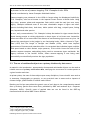
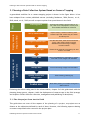
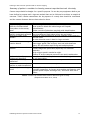
A generalised workflow for a camera-trapping project is shown in the figure below. It has
been adapted from various published sources (including Sanderson, 2004; Rovero, et al.,
Collect, Manage and
publish data
Deploy camera
traps in field
Plan
2010; Meek, et al., 2012) as well as expert opinion from practitioners in the field.
Planning phase
Ensures that images collected are fit for
use, that correct equipment is used, and
that suitable metadata is collected
Set up camera traps
Inspect site(s), choose locations, place
camera traps and ensure they are water
and dust proof
Configure camera traps
Set date and time, time interval between
firing, code camera traps for quick
identification and sorting of images,
record locations
Test camera traps
Ensures that cameras are properly set and
location recorded
Collect data
Use of spreadsheets or software to collect,
code and record images and metadata
Manage data
Store and manage images and metadata
Quality control and
enhancement
Data cleaning, backing-up
Publish data
Make data publicly accessible through the
GBIF network
Following the colour coding used in the schema above, chapter 3 of this guide deals with the
planning phase (green), chapter 4 with the deployment of camera traps in the field (orange)
and chapters 5 and 6 with the collection, management and publishing of data (blue).
3.1. Plan the project from start to finish
This guide does not cover all the aspects of the planning of a project, as projects are as
diverse as the objectives defined for each of them. However, the following aspects relating
to camera traps need to be covered in the project plan:
Publishing Camera Trap Data: a Best Practice Guide
11