1
11-8
Status Structure
Model 2700 Multimeter/Switch System User’s Manual
Service request enable register
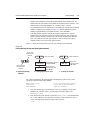
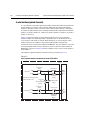
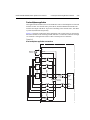
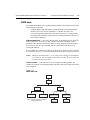
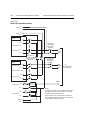
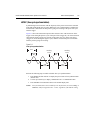
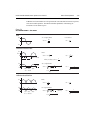
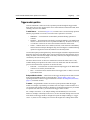
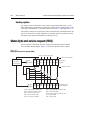
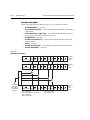
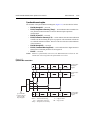
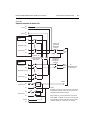
The generation of a service request is controlled by the Service Request Enable Register.
This register is programmed by you and is used to enable or disable the setting of bit B6
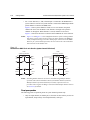
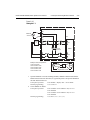
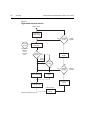
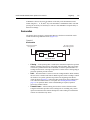
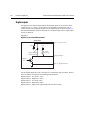
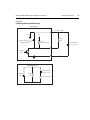
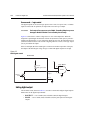
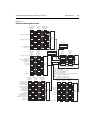
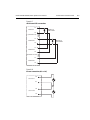
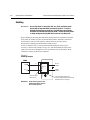
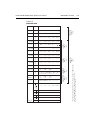
(RQS/MSS) by the Status Summary Message bits (B0, B2, B3, B4, B5, and B7) of the Status Byte Register. As shown in Figure 11-3, the summary bits are logically ANDed (&)
with the corresponding enable bits of the Service Request Enable Register. When a set (1)
summary bit is ANDed with an enabled (1) bit of the enable register, the logic “1” output
is applied to the input of the OR gate and, therefore, sets the MSS/RQS bit in the Status
Byte Register.
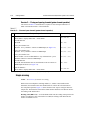
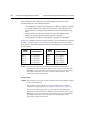
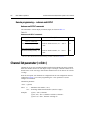
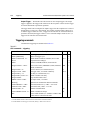
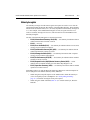
The individual bits of the Service Request Enable Register can be set or cleared by using
the *SRE common command. To read the Service Request Enable Register, use the *SRE?
query command. The Service Request Enable Register clears when power is cycled or a
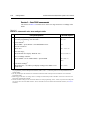
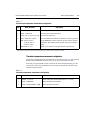
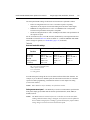
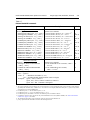
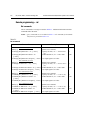
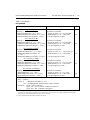
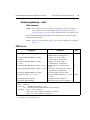
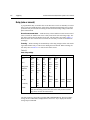
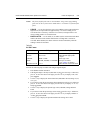
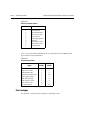
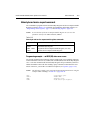
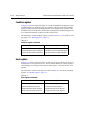
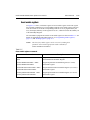
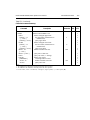
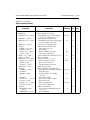
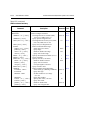
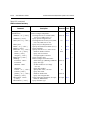
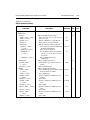
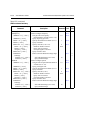
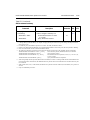
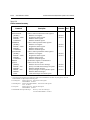
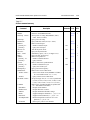
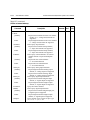
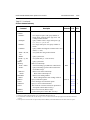
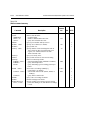
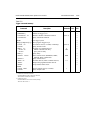
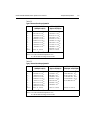
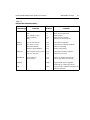
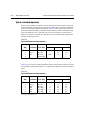
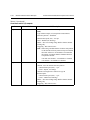
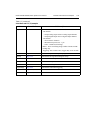
parameter value of 0 is sent with the *SRE command (*SRE 0). The commands to program and read the SRQ Enable Register are listed in Table 11-2.
Serial polling and SRQ
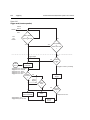
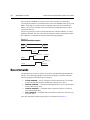
Any enabled event summary bit that goes from 0 to 1 will set bit B6 and generate an SRQ
(service request). In your test program, you can periodically read the Status Byte to check
if an SRQ has occurred and what caused it. If an SRQ occurs, the program can, for
example, branch to an appropriate subroutine that will service the request.
Typically, SRQs are managed by the serial poll sequence of the Model 2700. If an SRQ
does not occur, bit B6 (RQS) of the Status Byte Register will remain cleared, and the
program will simply proceed normally after the serial poll is performed. If an SRQ does
occur, bit B6 of the Status Byte Register will set, and the program can branch to a service
subroutine when the SRQ is detected by the serial poll.
The serial poll automatically resets RQS of the Status Byte Register. This allows
subsequent serial polls to monitor bit B6 for an SRQ occurrence generated by other event
types. After a serial poll, the same event can cause another SRQ, even if the event register
that caused the first SRQ has not been cleared.
The serial poll does not clear MSS. The MSS bit stays set until all Status Byte summary
bits are reset.
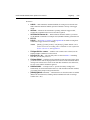
SPE, SPD (serial polling)
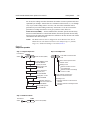
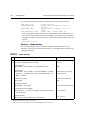
The SPE, SPD General Bus Command sequence is used to serial poll the Model 2700.
Serial polling obtains the serial poll byte (status byte). Typically, serial polling is used by
the controller to determine which of several instruments has requested service with the
SRQ line.