1
Appendix A: Syntax Reference
54
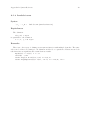
A.3.5 Channels
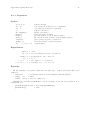
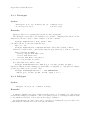
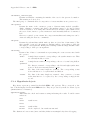
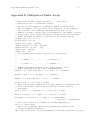
Syntax
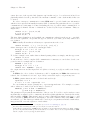
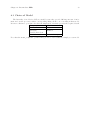
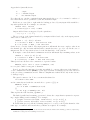
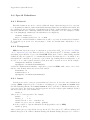
channel flip, flop
channel c, d : {0..3}.LEVEL
Events
simple channels
channels with more complex protocol
the type of all defined events
Remarks
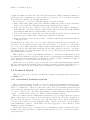
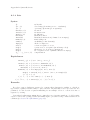
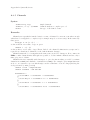
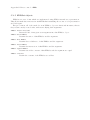
Channels are tags which form the basis for events. A channel becomes an event when enough
values have been supplied to complete it (for example flop above is an event). In the same way
that, given
datatype T = A.{0..3} | ...
we know that A.1 is a value of type T, given
channel c : {0..3}
we know that c.1 is a value of type Event. Indeed, the channel definitions in a script can be
regarded as a distributed definition for the built-in Events datatype.
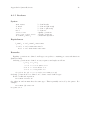
Channels must also be rectangular in the same sense as used for datatypes. It is common in
FDR2 to make channels finite although it is possible to declare infinite channels and use only a
finite proportion of them.
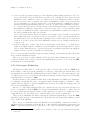
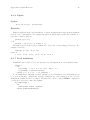
Channels interact naturally with datatypes to give the functionality provided by variant
channels in occam2 (and channels of variants in occam3). For example, given ComplexColour
as above, we can write a process which strips out the redundant colour encodings (undoing the
work performed by make_colour)
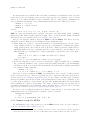
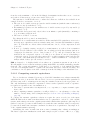
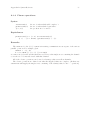
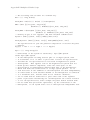
channel colour : ComplexColour
channel standard : Gun.Gun.Gun
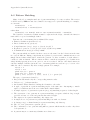
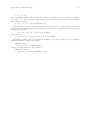
Standardise =
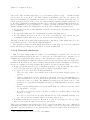
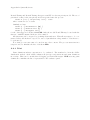
colour.RGB?x -> standard!x -> Standardise
[]
colour.Grey?x -> standard!x.x.x -> Standardise
[]
colour.Black -> standard!0.0.0 -> Standardise
[]
colour.White -> standard!15.15.15 -> Standardise