1
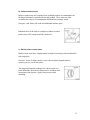
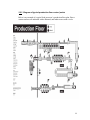
2.2 Where to do ATP testing 2.2.1 Establishing your facility’s test locations (control points) Before sample tests are taken, you need to identify areas within your facility that are at risk for contamination from product residue or microbe growth. These areas should be designated as “control points” in your hygiene monitoring plan. A control point should provide reliable feedback on the cleanliness of a particular piece of equipment or area during testing. It’s important that ATP testing is routinely performed on all control points, including product contact areas (direct and indirect) and hard-to-clean sites on your processing and handling lines. If you currently have HACCP or SSOP programs in place, or if you conduct environmental testing, you may choose to use the same test locations established for these programs as your control points for ATP monitoring. If you haven’t previously established test locations, you need to determine where your facility’s areas of contamination risk are. This can be done by swabbing multiple areas on equipment and production line surfaces after routine cleaning. ATP levels will be higher in those spots that are harder to clean, spots that are missed in your current cleaning procedure, and spots that have developed biofilms. These areas should be established as control points for routine testing and monitoring. 2.2.2 Types of contact areas Your ATP testing plan should include the following locations: a) Direct contact areas Direct contact areas are surfaces where the presence of any contaminant will taint the product. These are high-risk areas that should be tested frequently. Examples: conveyor belt, wash bucket, cutting board, slicers and utensils A direct contact surface (such as a conveyor belt) should be tested in a few different places to verify total cleanliness. 12