1
2 THE APPLICATION
10
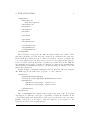
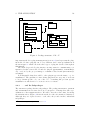
moon
gui
core
runtimemanagement
pluginmanagement
interface
projectmanagement
heuristic
exitcondition
plugins
representation
problem
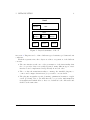
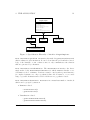
Figure 2: Package structure of MooN
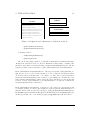
important methods for plug-in management (section 2.1) and represents the plugins in MooN. Since plug-ins can be very different, there exist specializations as
shown in figure 3 which follow the three types of plug-ins described throughout
this manual.
The methods provided by the interface are important for communicating configuration details between MooN and the plug-in (getParams(), setParams(),
etc) 3 as done by the project manager or runtime related items (initialize(),
cleanUp().
It is imaginable that there will be other plug-in types in the future, e.g. for
visualization. The guideline for introducing plug-ins from our point of view was
to keep domain specific code out of the core. Something like problem specific
visualization would therefore be seen as a non-core feature.
2.4.3
. . . and Its Subpackages
The interface package has five subpackages. The packages heuristic, problem
and exitCondition were introduced as a consequence of having these three specializations of the Plugin interfaces. We will look at those three first, describing
the main interfaces. Figure 4 shows the methods of the aforementioned interfaces.
Although they are depicted next to each other, they reside in three individual
subpackages.
3
for a thorough description see section 3.1
MooN
Developers Manual