1
AIRBORNE INFECTIOUS DISEASE MANAGEMENT
References
Appendix
37
20
Surge
capacity
•
PREPARED BY THE MINNESOTA DEPARTMENT OF HEALTH
Portable
anteroom
TNPI
Temporary Negative
Pressure Isolation
Environmental
controls
Principles of airborne
infectious disease
management
Introduction
13
5
3
2
1
18
Engineered
System
Engineered System
Ducted to the Outside
If the suite or wing is exclusively
served by a single air handling unit,
the facility engineer may be able to
provide 100% exhaust from the area.
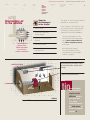
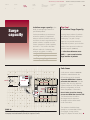
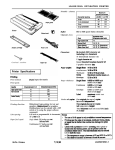
(FIGURE 21)
In this method, the infectious disease
zone (IDZ) is depressurized using
an exhaust diversion system taking
air from the IDZ and exhausting it to
the outside 25 feet away from public
access and air intakes.
Damper Manipulation and
Changes to the Ventilation
System
This method will require damper
manipulation and changes to the
ventilation system that must be
preformed by the facility’s
management. The exact steps
required will vary from hospital to
hospital. For example, some hospitals
will need to change the settings on
their Building Automation System
(BAS). Others may be designed with
pre-existing controls in the area that
allow for this scenario.
PPE should be worn inside the IDZ.
The doors to the IDZ must be kept
closed except when entering
or exiting.
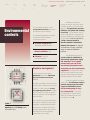
FIGURE 21
Engineered System