1
US007234014B2
(12)
(54)
United States Patent
(10) Patent N0.:
Molander et a].
(45) Date of Patent:
SEAMLESS USER INTERACTIONS FOR
6,098,119 A
US 7,234,014 B2
Jun. 19, 2007
8/2000 Surugucchi et al. ........ .. 710/10
PORTABLE STORAGE DEVICES
(75) Inventors: Mark E. Molander, Cary, NC (US);
Vincent Charles Conzola, Raleigh, NC
(Continued)
US'El' bthHt?ldC
NC
gUsg’ m e
a e ’ ary’
FOREIGN PATENT DOCUMENTS
>l<
(73)
Assignee: International Business Machines
EP
1310908 A2
5/2003
Corporation, Armonk, NY (US)
(*)
Notice:
Subject to any disclaimer, the term of this
.
patent is extended or adjusted under 35
(Commued)
U30 154(1)) by 225 days-
OTHER PUBLICATIONS
(21) Appl. N0.: 10/757,884
Cyber Snipa. Cyber Snipa Dog Tags User’s Manual. http://WWW.
cybersnipa.com/downloads/downloadihome.htm.*
(22)
Filed:
Jan. 14, 2004
_
(65)
Prior Publication Data
US 2005/0154815 A1
Jul, 14, 2005
(51)
Int. Cl.
G06F 13/00
G06F 12/00
(Contmued)
Primary ExamineriMark H. Rinehart
Assistant ExamineriMattheW Spittle
(74) Attorney, Agent, or FirmiHarrington & Smith, PC
(2006.01)
(2006.01)
(57)
ABSTRACT
(52)
US. Cl. ...................... .. 710/302; 710/266; 711/115
(58)
Field of Classi?cation Search ...... .. 710/300*304,
Aportable Storage device 10 includes a body 12, an actuator
710/266’ 13; 711/115
See application ?le for Complete Search history
16, and an indicator 18. When coupled to a host device 22,
a user depressing the actuator 16 causes an interrupt mes
_
(56)
sage to be sent to the host device, Which initiates shutdown
References Clted
of the portable device by removing it from a host device list
U.S. PATENT DOCUMENTS
of available storage media, and de-poWers the portable
3,623,064 A *
11/1971
4,731,603 A *
3/1988
device. The indicator then changes to signify that it is safe
Kagan ...................... .. 340/76
to remove the portable device from the host. The indicator
McRae et al. ..
may be visual, aural, or tactile. Preferably, the indicator
uniquely identi?es four states regarding the status of com
.. 340/407.1
5,172,092 A * 12/1992 Nguyen et a1.
340/7.58
5,293,161 A *
3/1994
MacDonald et al. ....... .. 340/76
5,386,567 A *
1/1995
Lien et al. ................ .. 713/100
7/1995
Gutman et al.
5,436,622
A
*
5,579,491 A *
.....
11/1996 Jeifries et al. ..
5,680,579 A * 10/1997 Young et al.
5,758,101 A *
5/1998
. . . . ..
340/76
error, and ready-to-be-removed states. The latter is available
710/302
only after actuating the actuator. Removal of the portable
711/157
Pemberton ................ .. 710/302
5,818,182 A * 10/1998 Viswanadham et a1.
puter instruction exchange between the portable and host
devices, including normal and inactive, normal and active,
318/116
5,862,349 A
1/1999
Cho et a1. ................. .. 395/283
6,038,612 A *
3/2000
LioW ........................... .. 710/1
device is thereby effected by a single user action at the
portable device: depressing the actuator.
20 Claims, 2 Drawing Sheets
US 7,234,014 B2
Page 2
U.S. PATENT DOCUMENTS
6,141,711
6,247,079
6,311,242
6,549,969
6,752,321
6,754,725
6,795,327
6,883,055
6,892,263
6,906,961
6,990,545
2002/0073340
2002/0159304
10/2000
6/2001
10/2001
4/2003
6/2004
6/2004
9/2004
4/2005
5/2005
6/2005
1/2006
6/2002
10/2002
Shah et al.
............... .. 710/302
Papa et al.
710/302
Falkenburg et al. .
710/103
Hsu et al. ....... ..
710/304
Learning
Wright et al. ..
710/8
365/63
Chen et al.
710/302
Eggleston et al.
1/2003
2003/0110371 A1
6/2003 Yang et al. ..
2003/0161193 A1*
2005/0250536 A1*
8/2003
11/2005
Roth ........................ .. 702/188
713/100
Moran et al. ............. .. 365/200
Deng et al. ............... .. 455/558
FOREIGN PATENT DOCUMENTS
. 235/492
Deng et al.
Robertson ....... ..
2003/0023410 A1*
710/301
365/185.29
Arimilli et al. ........... .. 710/302
JP
200305676
OTHER PUBLICATIONS
HANBiT Electronics Co., LTD. STORiUM USB 1.1 Combo MP3
N Drive Portable Flash Memory Disk Drive. User’s Manual. Feb.
20, 2003*
Mambakkam et al. .... .. 713/202
Morita et al. ............. .. 365/200
2/2000
* cited by examiner
U.S. Patent
Jun. 19, 2007
Sheet 1 of2
US 7,234,014 B2
/—14
/_14
\
18
|
\\ I
/
18
\
/|\
16
12
16
12
\1O
10/
22
X\
List of Available Drives:
18
15
12
c: hard drive
Eb:
_24A
/
D: CD-RW ROM
F: portable flash device
2%
10
CPU
_24
2)2B
MEM.
l__
/l/ l l ll
20/
l
lll H %%\
1
U.S. Patent
Jun. 19, 2007
Sheet 2 0f 2
US 7,234,014 B2
FIG.4B
FIG.4-A
US 7,234,014 B2
1
2
SEAMLESS USER INTERACTIONS FOR
PORTABLE STORAGE DEVICES
portable device can be removed, generally requiring the user
to interact With both the hardWare and the operating system
(OS) platform of the host device. For example, to remove a
FIELD OF THE INVENTION
portable storage device from a host computer, the user ?rst
The present invention relates to portable storage devices
and, more speci?cally, to portable storage devices having an
to remove it (or commands the OS to remove it), and then
identi?es the portable device to the host, requests permission
aWaits permission from the host device. Generally, multiple
actuator for enabling a user to initiate removal of the storage
steps are required to even identify the portable device to the
device from a host device and an indicator to inform the user
When it is safe to remove the storage device from the host
device.
host computer.
The multi-step hardWare/softWare task ?oW betWeen host
computer and portable storage device is additionally com
plicated by the in-the-background nature of hoW devices are
BACKGROUND OF THE INVENTION
typically integrated in the operating system. For example,
before removing a portable storage device from a computer,
Personal computers have become everyday necessities for
a user of a Windows@ based system must ?rst locate and
people conducting business and managing their lives,
recogniZe the storage device in the OS via an abstract and
small icon in the status tray or control panel on the computer
screen, among other small icons representing other drives or
programs. Then, the user typically folloWs several softWare
Whether at the of?ce, at home, or on the road. Many people
noW use more that one computer to conduct their everyday
business, and individuals often do similar Work on multiple
computers (e.g., home, of?ce, portable), some of Which may
even be publicly-accessible computers that any particular
20
user accesses only once or infrequently (e.g., at airports,
remove the portable storage device Without OS permission,
Which can cause problems for the operating system.
For example, removing a portable storage device While
hotels, schools, libraries, and the like). People noW often
prepare material for a presentation on one or more comput
ers and then store it on another computer for presentation to
25
others at a different location.
Traditionally, users Will save, backup, or copy computer
CD-ROM. Certain computer program applications may be
30
become increasingly popular for transferring (e.g., copying,
portable device is repeatedly removed prior to the host
35
An additional problem With portable storage devices that
interface With a host computer via a USB or similar port is
that current USB ports do not provide a physical retaining
40
sents the portable device as an additional available storage
or tapes and CDs include retention means to physically
45
50
CD-ROMs.
Portable external drives such as an external CD-ROM
drive commonly used to supplement an ultra-compact laptop
computer, are knoWn but differ from portable storage
55
media such as an optical disk that is separately input by the
user. The bulkiness of such portable drives and the need to
carry additional storage media (especially When only one or
tWo is typically needed When traveling) has limited con
prevent the user from removing the devices, enabling the OS
to complete any ?le transfer and device/drive shutdoWn
procedure prior to the user being alloWed to remove the
portable storage media or device. Whether inadvertently as
media such as diskettes or magnetic tapes, and are more
devices in a fundamental Way. Portable drives do not them
selves include an intrinsic memory but rather read memory
means or locking mechanism to prevent removal of the
portable device before all softWare related transactions
betWeen the portable storage device and the host computer
are complete. Older storage devices such as magnetic disks
and capacity as compared to older multi-track magnetic
resistant to physical breakage than optical devices such as
device granting permission, poWer damage may occur to the
portable device, its connector, and/or the connector recep
tacle on the host device, possibly requiring replacement of
the damaged component.
location to the user for moving and/or copying ?les betWeen
drives. Such portable storage devices offer certain advan
tages over more dated portable storage media, such as
magnetic or optical disks. They are generally small, typi
cally approximately 1 inch by 3 inches by 1/2 inch (2.5
cm><7.5 cm><l .25 cm). They further provide increased speed
host may not properly recover from a loW poWer or ‘sleep’
state, requiring rebooting of the host computer. Where a
temporarily stored Within the host device. More recently,
portable storage devices such as pocket-siZed USB (univer
sal-serial-bus) ?ash memory devices (U SB drives) have
moving, executing) ?les from one computer to another.
When properly con?gured, such a portable storage device is
functionally treated as an additional drive by the operating
system of the host computer or host device to Which the
portable device is connected. The host computer then pre
the host is using a ?le on the portable device could cause lost
data (e.g., a change Was not saved) or a ‘hanging’ applica
tion, an operation moving a ?le may be interrupted leading
to failure of the ?le moving and potential loss of data from
the incompletely moved ?le, and an operating system of the
?les or data onto a storage device such as a diskette or
stored in a portable storage device and executed on a host
device, and the program may or may not be copied and
dialogs before physically removing the portable storage
device from the host computer. On occasion, a user might
Where the user is unaWare of computer on-screen Warnings,
or on purpose as Where the user is unWilling to Wait for
permission from the host computer, the user may remove a
portable device coupled to the host via a USB or similar
non-locking connector prior to the host computer complet
ing its normal shutdoWn tasks (e.g., transferring ?les, asso
ciated exchange of computer program instructions betWeen
the host computer and the portable device). The present
invention is directed to streamlining the above multi-step
process.
60
SUMMARY OF THE INVENTION
sumer adoption of portable drives. In contrast, portable
storage devices have an intrinsic memory and typically an
The present invention overcomes the limitations of cur
rent portable storage devices by eliminating the need for
intrinsic connector, so the bulkiness is reduced as Well as the
need for adaptor cords and additional media.
One draWback With the current methods of removing a
portable storage device from a host device is that the user
must manually intervene in a multi-step process before a
user interaction With both the hardWare and the OS of a host
65
device When removing the storage device from a host
device. Furthermore, there is a positive indication on the
portable device When it is safe or permissible to remove the
US 7,234,014 B2
3
4
portable storage device. As used herein, a portable storage
portable storage device may be removed from the host
computer Without causing loss or corruption of data. Pref
erably, the indicator further indicates additional states of the
device has a storage medium intrinsic to the device, as
opposed to a commonly knoWn external drive that reads a
storage medium that itself is not an inherent part of the
external drive. An intrinsic storage medium is therefore not
portable storage device and its exchange of computer
instructions With the host. Preferably, the entire sequence
resulting in the operating system (OS) of the host device
removable from the portable device to Which it is intrinsic,
except perhaps under abnormal circumstances such as
removing the portable storage device (and the portable
destructive removal, disassembly and repair, etc.
storage media) from its list of available storage media that
the OS maintains, is initiated by the single user action of
actuating the actuator. Once the indicator indicates a ready
to-be-removed state folloWing actuation of the manual
In one embodiment of the present invention is a computer
program embodied on a storage medium for obtaining
permission to remove a portable storage device from a host
device. The storage medium may be disposed in either the
host or portable device. The computer program includes
computer program instructions that are initiated in response
actuator (such as by changing from a poWered state to a
to a manual input at an actuator of a portable storage device
from a list of storage media available to its operating
system), it is safe to remove the portable device from the
host device.
These and other aspects of the claimed invention Will
de-poWered state When an operating system of the host
computer completes removing the portable storage device
that is coupled to a host device. Upon being so initiated, the
computer program instructions cause the host device to
remove from its list of currently available storage locations
a computer readable storage medium that is intrinsic to the
portable storage device. Preferably, the computer program
become more clearly apparent When the folloWing detailed
20
BRIEF DESCRIPTION OF THE DRAWINGS
sees as an additional drive, from a list of available drives
maintained by the host device. The interrupt command may
originate from the portable device, or may originate from the
25
host device itself but activated in response to the manual
input at the portable device.
In accordance With the teachings of the present invention,
a portable storage device includes a body, a connector, an
intrinsic computer readable storage medium Within the body
description is read in conjunction With the accompanying
draWings.
instructions includes an interrupt command directing the
host device to remove the portable device, Which the host
30
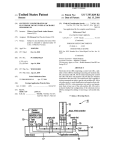
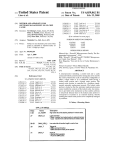
FIG. 1 is a perspective vieW of a portable storage device
comprising an embodiment of the present invention prior to
initiation of the removal sequence.
FIG. 2 is a perspective vieW of a portable storage device
immediately after initiation of the removal process.
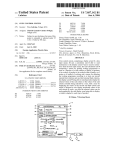
FIG. 3 is a perspective vieW of a portable storage device
in combination With a host computer.
(such as a ?ash memory), a manual actuator, and an indi
cator. The connector is for coupling to a host device.
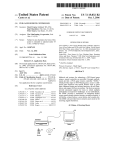
FIG. 4A is a cutaway vieW of a portable storage device
Actuation of the manual actuator initiates a removal
according to a ?rst embodiment.
FIG. 4B is a cutaWay vieW of a portable storage device
according to a second embodiment.
sequence for enabling removal of the portable storage device
from the host device, enabling referring to softWare enabled
rather than physically enabled. Upon completion of the
35
DETAILED DESCRIPTION OF THE
INVENTION
removal sequence, the indicator indicates to a user that the
portable storage device may be safely removed from the host
device, safely meaning With no adverse or expected adverse
effects to any of the host computer (hardWare or software) or
the portable device, and no lost or corrupted data. That is,
folloWing actuation of the actuator, the indicator indicates
40
12 and a connector 14 for coupling the storage device 10 to
a host device. The portable storage device is preferably a
that the host device (e.g., its operating system) permits
removal of the portable storage device. The indicator pref
erably indicates three or four states uniquely by different
illuminations.
Another aspect of the present invention includes a system
for transferring a ?le, the ?le being embodied on a computer
storage medium such as an electronic, magnetic or optical
45
storage means. The system includes a host device and a
50
portable storage device betWeen Which the stored ?le is
transferred (the term transferring a ?le includes moving a
?le, copying a ?le, and executing a ?le that is stored on the
portable device through the use of the host device, such as
via the host device OS and user interface). In such a system,
the host device has a host storage medium, a host operating
55
device includes a body, a connector for mating With the host
60
medium Within the body, a manual actuator and an indicator.
Both the host storage medium and the intrinsic computer
readable storage medium of the portable storage device may
be electronic, optical, magnetic, or any other means for
storing digital data such as computer ?les and the like, and
pocket-sized USB (universal-serial-bus) ?ash memory
device. The body 12 of the portable storage device 10 is
generally rectangular or elliptical in shape, but can be of any
con?guration that is generally simple to grasp and hold in a
human hand. The connector 14 is preferably a rectangular
USB connector intrinsic to the portable device and rigidly
extending from the body 12, but it may be any conventional
or proprietary connector for coupling the storage device 10
to a host device having a compatible receptacle. The host
device is preferably a computer, but may be any device
capable of transferring ?les including data ?les With an
external storage device.
The portable storage device also includes an actuator or
button 16 and an indicator 18. The function of the actuator
16 is described beloW. The indicator 18 is preferably an
LED, but can be any visual, tactile or aural device that is
system of computer instructions, and a receptacle for receiv
ing a connector. Further in the system, the portable storage
device receptacle, an intrinsic computer readable storage
Referring noW to the ?gures and to FIG. 1 in particular,
there is shoWn a portable storage device 10 including a body
capable of alerting a user of the status of the portable storage
device 10. The indicator 18 can be used to inform the user
of the current status of the portable storage device 10, such
as the device is in use, is transferring ?les, or is in a safe
mode for removal of the device. This is accomplished by
65
providing an indicator 18 that exhibits different indications
the tWo storage media need not be of the same type. The
that may be sensed by a user to inform the user at least
indicator indicates, after actuation of the actuator, that the
Whether or not the portable device may be safely removed
US 7,234,014 B2
5
6
from the host device. As used herein, safely removed
includes the instances Wherein removal Will not damage
copying, or remote execution of computer instructions) or
exchange of computer instructions is ongoing betWeen them,
hardWare or software in either the host computer or the
and may be indicated to a user by a steadily illuminated
portable device 10, or cause lost or corrupted data. Depend
LED. An exchange of computer ?les or instructions is
ongoing if a series of related instructions intended to be
ing upon the particular operating system of the host device,
safely removed is evidenced by the operating system grant
exchanged by the internal logic of the host 22 or portable 10
device remains incomplete, regardless of momentary pauses
betWeen exchanges of individual instructions. Where vari
ous ‘clean-up’ instructions remain incomplete after the
intended ?le is copied/moved/executed, the transfer is not
ing permission to remove the portable device. The indicator
18 preferably uses a visual indication such as a change in
illumination (e.g., changing color, changing from steady to
blinking, changing from illuminated to not illuminated), a
tactile indication (e.g., a pop-out or retracting button, a
vibration), an aural indication (e.g., a speci?c sound), or any
indication on or emanating directly from the portable device
yet complete so long as those ‘clean-up’ instructions are
automatically executed by the host device in conjunction
With the intended copying/moving/executing. Examples of a
clean-up instructions include deletion of a desktop shortcut
folloWing moving a ?le from a host device desktop to the
10 that is able to be sensed by a user. One preferable color
indicator scheme is the IBM® standard for hardWare user
touch-point colors: a blue color indicates a device 10 is not
dynamically removable, and a terra cotta color indicates that
it is safe to dynamically remove or unplug the device 10.
Dynamically refers to the host device being poWered and
running, and the IBM® touch-points are not merely LEDs
portable device, re-ordering a listing of ?les remaining in the
storage medium (drive) losing the moved ?le, re-addressing
a residual copy of a moved ?le to a recycle bin, and the like.
Any of these may occur folloWing moving the intended ?le
20
other actuator.
A tactile indication of the status of the portable storage
device 10 can be achieved by providing an indicator 18 that
pops out When it is safe to remove the storage device 10
Which the user can feel if a ?nger is kept on the indicator 18
until it is safe to remove the storage device. The tactile
indicator may be the actuator 16 itself or a separate tactile
device, such as a “pop-up” button. Preferably, such a pop-up
button Would further include visual indications such as
to a neW location in another device.
The normal active state exists When the portable device 10
is electronically coupled to the host device and transfer of
?les or exchange of computer instructions is ongoing
betWeen them. Preferably, a blinking LED indicates the
but a changeable color display integrated into a button or
25
normal active state. In one embodiment, a substate of the
normal active state may be indicated Where a ?le is in a
locked state in the portable storage device 10 but remains
open in the host device. For example, a multi-tasking user of
a certain colored layer is exposed above the body 12 only
the host device may open a document ?le located in the
portable device (Which causes a temporary copy of the
document ?le to be made in the host device), minimiZe it on
the host desktop, and continue Working on a second ?le such
When the button is popped up.
In an alternative embodiment of the portable storage
the second (graphical presentation) ?le and forget that the
30
colored striations along the side of the pop-up button Where
device 10, the actuator 16 can be illuminated to also serve
as a graphical presentation. After a time, the user may close
35
such an illuminating actuator comprises both an actuator and
indicator, though the separate functions are performed by the
same component. Alternatively, multiple indicators may be
employed such as light emitting diodes (LEDs) of various
40
colors, preferably labeled, so that a user can readily ascertain
Whether the portable device 10 may be safely removed. The
preferably four different states as detailed beloW, though
45
The portable storage device 10 preferably communicates
cation programming interface) of the particular OS. The
50
by using the relevant APls.
When the portable storage device may be safely removed
55
guished LED indicator 18. When the portable storage device
10 is connected to a host device and the actuator 16 has not
been depressed, the indicator 18 indicates a second state.
Preferably, an illuminating indicator 18 informs of the
second state by an illuminated light as depicted in FIG. 2.
In a preferred embodiment, the indicator 18 of the por
of four distinct states: a normal inactive state, a normal
active state, an error state, and a ready-for-removal state.
The normal inactive state exists When the portable device 10
?le, an inability to locate a complete requested ?le, a lack of
suf?cient available storage capacity Within one of the host
computer 22 or portable device 10 (depending upon direc
tion of ?le transfer), and the like. The error state is preferably
announced by the indicator 18 blinking at a different rate
than the blink rate for the normal active state. Alternatively,
a different color LED (Which may be the same as or separate
60
table storage device 10 provides unique indications for each
is electronically coupled to the host device 22 (and prefer
ably poWered from it) and no transfer of ?les (e.g., moving,
The error state exists When the portable device 10 is
electronically coupled to the host device and some malfunc
tion has occurred, such as a failure to completely transfer a
from the host device after the user actuates the actuator 16,
the indicator 18 indicates a ?rst state. Preferably, an illumi
nating indicator 18 informs of the ?rst state by an extin
no active transfer is occurring betWeen the devices, a ?le
remains open, and an indication of the ?le-in-use state may
aid in preventing a user from misinterpreting other indica
tions of the indicator 18. Using tWo indicators, the ?le-in-use
state may be indicated simultaneously With and only in
conjunction With the normal-active state.
With the OS platform of the host device via an API (appli
storage device 10 preferably can be implemented for OS
platforms such as WindoWs®, Linux, or other OS’s in the art
substate of the normal active state may be indicated Where
a ?le, present in both devices, remains open in at least one
of the devices Without being acted upon by the user for a
speci?ed minimum time (e. g., for the minimum time, the ?le
remains minimiZed, is not changed or scrolled, etc.). While
indicator 18 uniquely identi?es to the user at least tWo and
more or less may be desirable in particular embodiments.
document ?le remains open. The document ?le in the
portable device 10 remains locked but the corresponding
document on the host desktop, Which is possibly changed
but not yet formally saved, remains open. A ?le-in-use
the function of the indicator 18. Aportable device including
65
from another color-indicating LED), or other indication
unique from the remaining three states may be used.
The ready-to-be-removed state exists after user actuation
of the actuator 16 When an exchange of computer instruc
tions betWeen the portable 10 and host 22 devices has been
completed. Depression of the actuator 16 initiates such an
exchange, described beloW. This state is distinguished from
the normal inactive state (noted above) by the user’s
US 7,234,0l4 B2
7
8
employment of the actuator 16 prior to the indication.
Preferably, the indication for the ready-to-be-removed state
differs from that of the normal inactive state Without regard
to chronological proximity to depressing of the actuator 16.
The ready-to-be-removed state is preferably indicated by an
LED that is not illuminated after actuation of the button 16,
or alternatively by any change in the indicator 18 following
depression of the actuator 16. Extinguishing an illuminated
light to indicate a ready-to-be-removed state is preferable, as
many OSs currently indicate permission to remove a storage
medium (e.g., a CR-ROM or a ?oppy diskette) by poWering
off the storage medium itself or its drive. HoWever, softWare
changes to existing OSs (Which may or may not be made
transferred as requested, though that is a preferred embodi
ment. Speci?cally, certain alternative embodiments may
include actuation of the button 16 to cause uncompleted
transfers to abort, and to exchange further computer instruc
tions Whereby the OS removes the portable device 10 from
its ?le system. Other actions directed by the OS may also be
performed to remove the portable device from the host
computer’s ?le system. For many OSs, removing the por
table device from the host’s ?le system includes removing
the portable device from a listing of available drives or
storage locations to Which the host computer may read ?les
from or Write ?les to. While such a listing 24A of available
drives is shoWn on the display 24 of FIG. 3, the listing
applicable only to the inventive portable storage device
referred to in the claims is that maintained in the OS or host
discussed herein), or a poWer source independent of the host
computer, Whether or not displayed to a user on a computer
computer, Would enable a positive indication (versus the
screen 24.
removal of a positive indication) to a user that it is safe to
The OS then disables the portable device 10, Which
includes disconnecting poWer to it. Except for non-preferred
remove the portable storage device 10 form the host.
embodiments in Which the portable device 10 includes an
In addition to the use of an indicator 18 on the storage
device 10, a visual operating system con?rmation message
20
independent poWer source, this loss of poWer causes a
or box can appear on the screen of the host device 22. Many
lighted indicator 18 to extinguish (or other indicator 18 to
UNIX-based operating systems do not have a graphical user
interface and Would therefore, not be capable of shoWing a
con?rmation message. In those instances, an indication
return to a non-poWered state, such as causing a pop-up
button to enter a de-poWered state, Which may be extended
or depressed). This serves as an indication on the portable
provided by the portable storage device 10, Whether a visual,
25
aural or tactile indication, Would be necessary to inform a
user that it is safe to remove the portable storage device 10.
The invention may further include a physical retention
mechanism Within the connector 12 that prevents removal of
the portable storage device 10 before it is safe to do so. Such
a physical retention mechanism can be used in conjunction
With the indicator 18 as a failsafe system to prevent potential
damage to softWare or data Within either the host computer
redundantly informed, via a display on a screen 24 of the
host computer 22, that the portable device 10 may be
removed (such a message being redundant to the indicator
30
Preferably, computer instructions generated from Within
35
The above relate in general to physical aspects of the
inventive portable storage device 10. Aspects of the inven
tion that relate to the portable storage device 10 interacting
storage device 10 may send an instruction to the host
computer to display the redundant message, Which is
arranged and displayed by a computer program already
resident on the host computer. Alternatively, computer
With the host device 22 as an overall system 20 are noW
described With reference to FIG. 3. The host device 22 may
be a personal computer, a digital camera, a digital musical
18).
the portable storage device 10 initiates the redundant mes
sage displayed on the computer screen 24. Immediately
prior to losing poWer from the host computer, the portable
or portable device, in the event a user does not heed the
indicator 18.
storage device 10 to the user that the device 10 may be safely
removed from the host computer. Preferably, the user is
instructions such as a program may be doWnloaded onto the
40
host computer that initiates generation of the redundant
message on the computer screen based on the actions of the
device such as an MP3 player, a server, a mobile phone, a
OS itself in disconnecting the portable device 10. Preferably,
personal digital assistant, or any other entity having digitally
such instructions are doWnloaded directly from the portable
device 10 itself, but may alternatively be doWnloaded from
stored information, a poWer source, and an adapter for
interfacing With the connector 12 of the portable device 10.
When a user depresses the actuator 16, the portable storage
device 10 sends a computer instruction, preferably an inter
rupt message, to the host computer 22. The host computer
45 other sources such as a Website or a computer assembler/
22, Which includes a processor 22A, a memory 22B, and a
media for storing ?les, data, computer instructions, and the
display 24, receives the interrupt message or other instruc
tion, and begins its oWn shutdoWn sequence for the portable
programmer When the inventive portable device 10 becomes
more ubiquitous.
Both the host 22 and portable 10 devices include storage
50
of the portable storage device 10 is intrinsic, that is, not
device 10.
Recognizing that the host computer OS logically ‘sees’
normally removable from the portable device 10 as an
optical disk is normally removable from a CD-R/W drive.
the portable storage device 10 as a drive similar to its oWn
internal storage media, it begins removing the portable
55
device 10 from its ?le system. The particular details of this
Preferably, the storage media Within the body 12 of the
portable device 10 is an electronic ?ash media. The con
nector 12 is preferably a USB type connector that extends
removal depend upon the particular OS, but generally
include the OS ensuring no ?les of the portable device 10 are
open, closing any ?les that are open, and preferably com
pleting or alternatively aborting a ?le transfer that may be in
like. Such storage media may be of a magnetic, optical, or
electronic type, or combinations thereof. The storage media
rigidly from the body, but may alternatively be other types
in order to interface With host devices such as mobile
60
phones, PDAs, MP3 digital music players, and digital cam
progress betWeen the host and portable devices. Preferably,
eras that may not themselves include a USB port. Such
any exchange of ?les directed by the user (via an on-screen
command or a pre-programmed instruction) to be transferred
alternative connectors vary Widely and are often unique to
particular host device manufacturers to enable those host
devices to be connected to a personal computer or testing
betWeen the portable 10 and host 22 devices is completed
prior to the portable device 10 being removed form the ?le
system of the host device 22. Completed exchange of
computer instructions does not necessarily mean all ?les are
65
apparatus for doWnloading of data stored thereon. Such data
may be preferably doWnloaded by a retail user of the host
devices onto a portable storage device of the present inven
US 7,234,014 B2
9
10
an indicator for indicating, folloWing actuation of said
actuator, that said portable ?ash memory device may be
tion for transferring the downloaded ?les en masse to a
newer generation host device Without having to manually
re-enter each ?le. An adapter may also be provided to mate
a USB connector 12 of the inventive portable storage device
10 to one of the non-USB receptacles in the above altema
tive host devices.
FIG. 4A is a cutaWay vieW of the portable storage device
10 having an intrinsic memory 26 and a light control unit 28
coupled to the indicator 18. Depressing the actuator 16
safely removed from a host device to Which it is
coupled; and
a micro controller Within said body, coupled betWeen said
actuator and said connector, responsive to an input at
the manual actuator to select one message that is
speci?c to the operating system of the host device from
in the circuit causes the host device to initiate its procedure
to shut doWn the portable storage device 10 from its list of
available storage devices, as described above. Once
the plurality of interrupt messages and to send said one
message to said host device.
2. A portable storage device as set forth in claim 1,
Wherein said indicator comprises an aural indicator for
indicating as in claim 1.
3. The portable ?ash memory of claim 1, further com
prising a poWer source independent of the host device.
4. The portable ?ash memory device of claim 1, Wherein
removed, poWer is disconnected from the portable storage
device 10 and the lighted indicator 18 is extinguished.
as in claim 1.
closes a sWitch 32 so that a circuit from the host device and
passing through the connector 14 is closed. Alternatively,
depressing the actuator 16 may cause the sWitch 32 that is
normally closed to open the circuit. Regardless, the change
said indicator comprises a vibrating indicator for indicating
Where the indicator announces more than on and off states
(e. g., ?ashing or multi-color, as above), the indicator 18 may
be controlled by a light controller 28 to effect such varied
states, though said light controller 28 is preferably a circuit
rather than a logical processing unit.
20
actuator for indicating as in claim 1.
25
6. The portable ?ash memory device of claim 1, Wherein
said indicator comprises a visual indicator that changes
betWeen blinking and steady for indicating as in claim 1.
7. The portable ?ash memory device of claim 1, further
comprising a circuit light controller coupled betWeen the
micro controller and the indicator for effecting varied states
of the indicator.
30
storage medium comprising a host device and a portable
FIG. 4B is a cutaWay vieW of a more complex embodi
ment of the present invention, Wherein the intrinsic memory
26 is coupled to the connector 14 via a micro controller
MCU 30. Actuation of the actuator 16 closes (or opens) the
sWitch 32, and the circuit in Which the sWitch 32 lies is
Within the MCU 30 rather than in the ho st device. The MCU
30 then directly sends an interrupt message to the host
8. A system for transferring a ?le embodied on a computer
?ash memory device,
said host device comprising a host storage medium, a host
through the connector 14. The interrupt message itself may
be stored Within a separate portion 26A of the memory 26
that may be a segregated from the memory available for ?le
transfer (or a separate type of memory, such as EEPROM or
EAPROM), or may be Within the host device and activated
operating system of computer instructions that logi
35
cally recogniZes the portable ?ash memory device as
additional local memory, and a receptacle for receiving
a connector,
by a separate computer instruction stored in the memory 26
of the portable device 10 and sent by the MCU 30. In the
said portable ?ash memory device comprising:
a pocket-sized body;
former instance, preferably the portable storage device 10
stores in its memory 26 a plurality of interrupt messages,
each speci?c to a particular OS, and sends the appropriate
interrupt message When the actuator 16 is depressed. Where
the portable storage device 10 of FIG. 4A has no processing
5. The portable ?ash memory device of claim 1, Wherein
the indicator comprises a visual indicator integrated into the
40
a connector for mating With said receptacle;
an intrinsic computer readable storage medium Within
said body that is not normally removable from said
body and storing a plurality of interrupt messages;
a manual actuator for initiating computer instructions to
remove said portable ?ash memory device from said
capability of its oWn and is under the command of the host
device, the embodiment of FIG. 4B includes its oWn pro
host device;
cessor and sends as Well as receives instructions to the host 45
an indicator for indicating to a user at least that said
device.
While there has been described and illustrated a preferred
embodiment of the present invention and several variations
and modi?cations thereof, it Will be apparent to those skilled
in the art that further modi?cations and variations are
50
possible Without deviating from the broad teachings and
spirit of the present invention Which shall be limited solely
by the scope of the claims appended hereto.
What is claimed is:
said actuator and said connector, responsive to an
input at the manual actuator to select one message
to send said one message to said host device.
9. A system as set forth in claim 8, Wherein said indicator
comprises an aural indicator for indicating as in claim 8.
10. The system of claim 8, Wherein said host device
60
able from said body and storing a plurality of interrupt
that an operating system of the host device may logi
cally recogniZe the portable storage device as addi
a manual actuator;
comprises a digital camera.
11. The system of claim 8, Wherein said host device
comprises a mobile phone.
messages;
a connector for removably coupling to a host device such
tional local memory;
that is speci?c to the operating system of the host
device from the plurality of interrupt messages and
55
1. A portable ?ash memory device comprising:
a pocket-sized body;
an intrinsic computer readable storage medium Within
said body, said storage medium not normally remov
portable ?ash memory device may be removed from
said host device folloWing actuation of said actuator
Without loss of data and Without corruption of data;
and
a micro controller Within said body, coupled betWeen
65
12.
prises
13.
prises
8.
The system of claim 8, Wherein said indicator com
an aural indicator for indicating as in claim 8.
The system of claim 8, Wherein said indicator com
a tactile vibrating indicator for indicating as in claim
US 7,234,014 B2
11
12
14. The system of claim 8, wherein said indicator com
prises a visual indicator that is integrated into the actuator
for indicating as in claim 8.
15. The system of claim 8, Wherein said indicator com
a normal active state Whereby a transfer of computer
instructions is ongoing betWeen said portable storage
device and said host device; and
a ready-to -be-removed state Whereby, folloWing actuation
of said actuator, the portable storage device may be
removed from the host device to Which it is coupled
prises a visual indicator that changes betWeen blinking and
steady for indicating as in claim 8.
16. The system of claim 8, Wherein said indicator
Without loss or corruption of data.
20. The system of claim 18, Wherein said varied states
uniquely indicates each of four states: normal-active; nor
mal-inactive; error; and ready-for removal.
17. The system of claim 8, Wherein said portable memory 10
device further comprises a poWer source independent of said
host device.
18. The system of claim 8, Wherein the portable storage
device further comprises a circuit light controller coupled
betWeen the micro controller and the indicator for effecting
varied states of the indicator.
19. The portable storage device of claim 7 Wherein said
varied states effected at the indicator by the light controller
comprise:
a normal inactive state Whereby no transfer of computer
instructions is ongoing betWeen said portable storage
device and said host device;
20
effected at the indicator by the light controller comprise:
a normal inactive state Whereby no transfer of computer
instructions is ongoing betWeen said portable storage
device and said host device;
a normal active state Whereby a transfer of computer
instructions is ongoing betWeen said portable storage
device and said host device; and
a ready-to -be-removed state Whereby, folloWing actuation
of said actuator, the portable storage device may be
removed from the host device to Which it is coupled
Without loss or corruption of data.