1
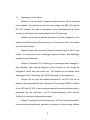
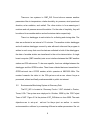
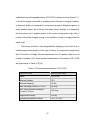
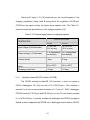
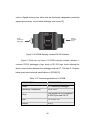
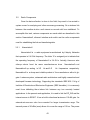
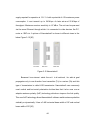
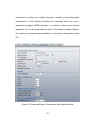
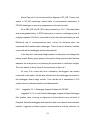
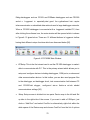
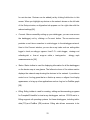
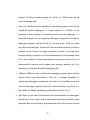
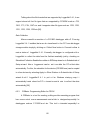
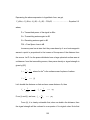
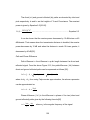
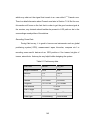
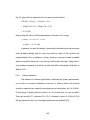
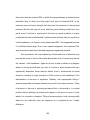
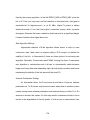
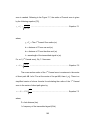
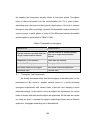
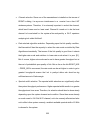
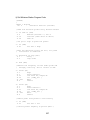
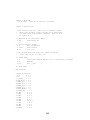
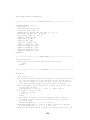
Expressing the above expression in logarithmic form, we get,
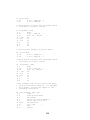
Pr (dBm) = Pt (dBm) + Gt (dB) + Gr (dB) − FSL(dB) ……………………… Equation 5-2
where,
Pt = Transmitted power of the signal in dBm
Gt = Transmitting antenna gain in dB
Gr = Receiving antenna gain in dB
FSL = Free Space Loss in dB
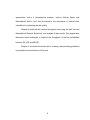
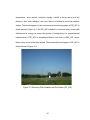
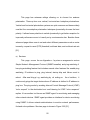
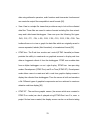
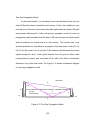
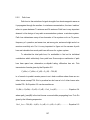
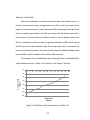
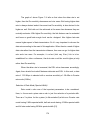
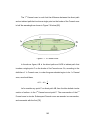
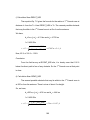
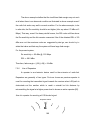
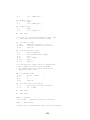
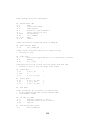
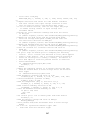
Inverse sq uare law st ates that t he p ower densi ty of an el ectromagnetic
wave at a poi nt is proportional to the inverse of the square of the distance from
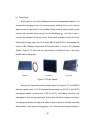
the source. Let P1 be the power distributed over a large spherical surface area at
a distance r from the transmitting source, then power density or signal strength is
given by [63]
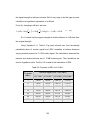
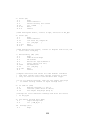
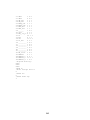
Ir =
P1
P
= 1 2 where A=4πr2 is the surface area of sphere of radius r
A1 4πr
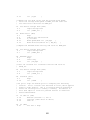
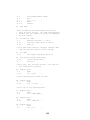
Ir ∝
1
r2
----- (i)
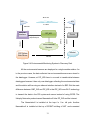
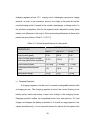
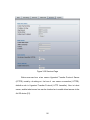
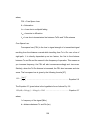
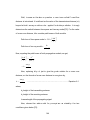
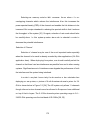
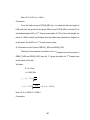
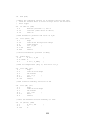
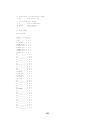
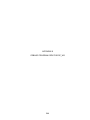
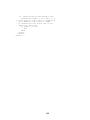
Let’s double the distance so that we have a new distance 2r, then
I 2r ∝
1
( 2r ) 2
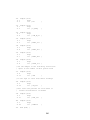
I 2r ∝
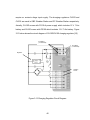
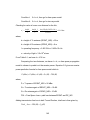
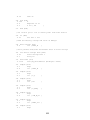
From (i) and (ii), we have, I 2 r =
1
4r 2
1
Ir
4
----- (ii)
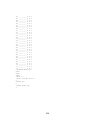
----- (iii)
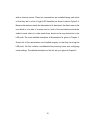
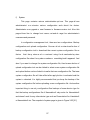
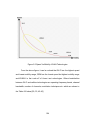
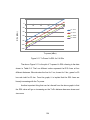
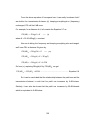
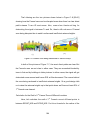
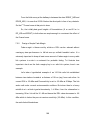
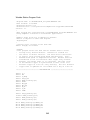
From (iii), it is clearly noticeable that, when we double the distance, then
the signal strength will be reduced to one-quarter of its original value. Note that
122