1
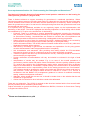
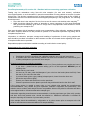
Core Requirements Sections 2.4 and 2.5 - Roles of the Programme Lead and Coordinator Programme lead Key roles and responsibilities of the Programme Lead include: Chair the LCSSG. Guide delivery of the local programme, its constituent PCTs and the LCSSG, in compliance with the NCSP Core Requirements. Manage the allocated budget and arrange SLAs with participating PCTs. Ensure appropriate education and training for all NHS staff involved in the local programme. Act as the main point of contact for all media-related enquiries on the local programme. Oversee the QA arrangements and monitor performance indicators. Ensure that there are local protocols, care pathways and a testing plan Ensure that any serious incidents related to the chlamydia screening programme are reported to the NCSP within the agreed timescale Local Programme Coordination Local coordination of the screening programme can be allocated to one individual, or to a team responsible for the management of sexual health. Key roles and responsibilities include: Work with the Programme Lead and Regional Facilitator to ensure implementation and delivery of the local programme, in alignment with PCT accountability structures and as agreed by the LCSSG, in compliance with the NCSP Core Requirements. Compile, agree and monitor progress against the local testing plan. Performance manage all providers, giving regular feedback on screening rates against local and national targets. Embed the programme within local core services and identify where there is most potential to increase screening rates. Identify and work with local GP and pharmacy champions to increase screening and improve quality of services. Co-ordinate education and training for individuals involved in the local programme. Set up and liaise with screening sites, devolving treatment and PN, and other work such as making up screening packs, to other providers where feasible. Provide strong leadership and local championing of the screening programme at local, PCT, regional and SHA meetings, as needed. Keep up to date with national and regional health policy and plans. Develop, together with providers, local protocols, care pathways and a testing plan Agree pathways for the collation and submission of data. Ensure that core data and patient management and partner follow-up data are sent promptly to HPA. Ensure that data is collected for audits where required. Provide other activity reports as requested. Ensure that all screened people receive their results and treatment, and that a log is maintained of positives, partners and their management. Ensure provision of relevant patient group directions (PGDs). Coordinators with clinical registration for prescription or operation within PGDs may be involved with patient treatment and follow-up for those testing positive for infection where this can not be provided elsewhere. Identify unit costs and establish value for money solutions. Look for opportunities for joint procurement with other PCTs. Regularly evaluate screening initiatives in order to improve local performance and provide the outcome of evaluations to the NCSP. Oversee quality assurance of the local programme, ensuring that regular audits are carried out and that mechanisms are in place to ensure adequate management of results, treatment and partner notification. Use incident reports to improve the quality of care, working with providers to ensure that incidents are investigated and agreed actions taken, and share best practice where appropriate/possible 2