1
Chapter 10. Setting Up Networking Services
Increasingly, embedded system designers are called upon to include networking capabilities in
their products. An embedded system may, for example, include a web server to enable webbased configuration. It may also enable remote login for maintenance and upgrading purposes.
Because the Linux kernel, and the networking software that run on it, are often the preferred
software for running networking services that require high reliability and high availability, you
will find Linux particularly well suited for networking applications.
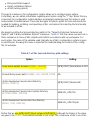
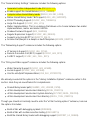
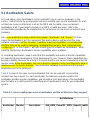
In this chapter, we will discuss the setup and configuration of the networking services most
commonly found in embedded Linux systems. This discussion will include instructions on how
to cross-compile each networking package and how to modify the target's root filesystem to
run the services provided by each package. In particular, I will cover the use of the internet
super-server (inetd), remote administration with SNMP, network login through Telnet, secure
communications with SSH, serving web content through HTTP, and dynamic configuration
through DHCP.
There are, of course, many other networking services that can run on top of Linux. Though I
couldn't realistically cover all of them in a single chapter, the explanations included here should
provide you with some hints as to how to install and use other networking packages. Also, I will
not cover the setup, configuration, and use of actual networking hardware. If you need
information regarding these issues, have a look at Running Linux and Linux Network
Administrator's Guide, both published by O'Reilly. I will not provide in-depth coverage, either,
of the configuration and use of the various networking packages, since many already have
entire books dedicated to them. For more information regarding Linux networking in general,
look at books such as the ones mentioned earlier that discuss the issue from the perspective
of a server or a workstation.
This chapter builds on the material presented in Chapter 6. The operations presented here are
done as part of building the target's root filesystem described in Chapter 6. Though these
operations are supplemental, we discuss them here because they are not essential to the
creation of the target's root filesystem.