1
DFSMS Esoteric Substitution
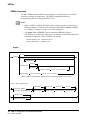
During MVS JCL interpretation processing, the Interpreter/Dynamic Allocation Exit
(IDAX) provides an opportunity to examine new data set allocations and to replace the
unit parameter value with a different value (esoteric).
Note: This function is optional for SMC customers. For information about implementing
DFSMS esoteric substitution, refer to “SMC DFSMS Processing” on page 51.
Drive Exclusion
When the SMC determines an interest in an allocation event at common allocation time
(SSI24 subsystem function), its first step is to narrow down the list of eligible drives to
those that best support the allocation request. This step is called drive exclusion.
Like the HSC and MVS/CSC device separation processes, the SMC drive exclusion
process does not take into account the status of drives (e.g., offline, busy) when selecting
drives that are eligible for the allocation request. If all drives compatible with the
allocation request are unavailable, the job goes into allocation recovery.
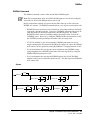
The SMC performs drive exclusion by building a list of drives contained in the initial EDL
and then by following a step-by-step process using an ordered list of exclusion criteria to
remove drives from this list.
Before any drives are removed from consideration for the allocation, the SMC first
determines whether a job step can be allocated.
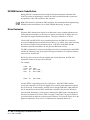
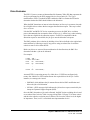
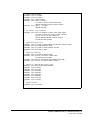
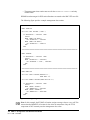
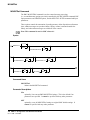
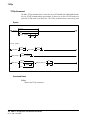
For example:
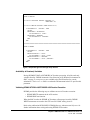
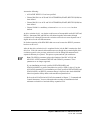
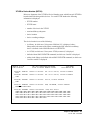
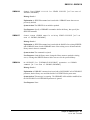
//JOB1
//STEP1
//DD1
//DD2
//DD25
JOB …
EXEC PGM=…
DD
UNIT=3490,…
DD
UNIT=3490,…
•
•
•
DD
UNIT=3490,…
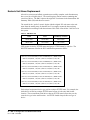
Assume STEP1 is requesting twenty-five 3490 drives. If the MVS EDL contains
twenty-four 3490 drives in its lists of eligible devices, MVS cannot allocate the required
drives for the job. In this instance, the SMC issues message SMC0042, which indicates
the job cannot allocate before SMC modification, and allows the job to fail allocation.
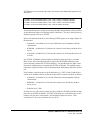
Once the SMC determines a job step can be allocated, the SMC begins excluding drives
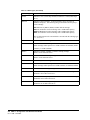
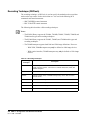
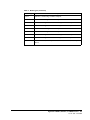
based on an ordered list of criteria. Table 2 on page 33 and Table 3 on page 38 list these
criteria and show the order the exclusion process follows. The lower the criteria level, the
higher its importance. Thus, level 2 is considered more important than level 6.
30 SMC 6.1 Configuration and Administration Guide
Rev. D 9/08 - 312597002